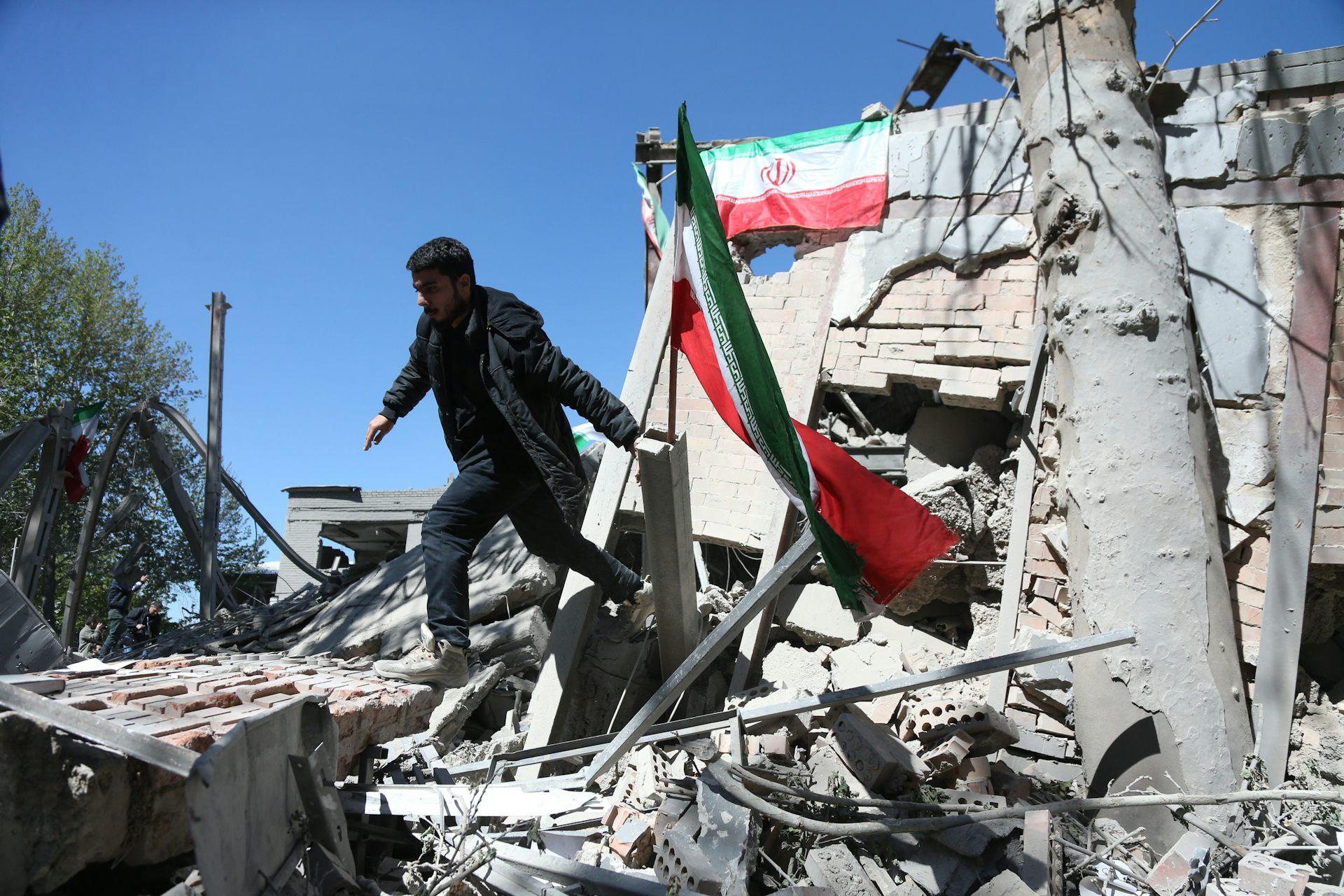
युद्धविराम के बाद, ईरान के साथ एक स्थायी समझौता करना क्षेत्रीय प्रतिद्वंद्विताओं और रणनीतिक असंगति पर काबू पाने की मांग करेगा।
After ceasefire, negotiating a lasting deal with Iran would require overcoming regional rivalries and strategic incoherence
A decade of shifting regional alliances, continuous conflict and outside interventions have narrowed the path for diplomacy.
बदलते क्षेत्रीय गठबंधनों, निरंतर संघर्ष और बाहरी हस्तक्षेपों के एक दशक ने कूटनीति के लिए रास्ता संकीर्ण कर दिया है।
President Donald Trump’s rapid and dramatic turn from threatening to kill “an entire civilization” in Iran on the morning of April 7, 2026, to announcing a two-week ceasefire later that day left many observers with a sense of whiplash.
राष्ट्रपति डोनाल्ड ट्रम्प का 7 अप्रैल, 2026 की सुबह ईरान में “एक पूरी सभ्यता” को मारने की धमकी देने से लेकर उसी दिन दो सप्ताह के युद्धविराम की घोषणा करने तक का तीव्र और नाटकीय बदलाव कई पर्यवेक्षकों को झटके जैसा महसूस करा गया।
While it is difficult to predict whether the ceasefire between the U.S. and Iran will hold or how events will unfold, the dynamics of the conflict so far reveal multiple vulnerabilities in the short term and numerous detrimental effects on the region in the medium to long term.
हालांकि यह भविष्यवाणी करना मुश्किल है कि अमेरिका और ईरान के बीच युद्धविराम कायम रहेगा या घटनाक्रम कैसे होंगे, लेकिन अब तक संघर्ष की गतिशीलता अल्पकालिक रूप में कई कमजोरियों और मध्यम से दीर्घकालिक रूप में क्षेत्र पर कई हानिकारक प्रभावों को दर्शाती है।
Already, the truce has shown signs of strain. Iran and the U.S. almost immediately offered dueling narratives about the agreement, including whether it would cover the war in Lebanon. Iran and Pakistan, the primary mediator, asserted that it would, while the U.S. and Israel, which pledged to honor the U.S. agreement, said it would not. Indeed, a day after the ceasefire came into force, Israel conducted some of its most intense bombing in Lebanon to date.
पहले ही, इस युद्धविराम में तनाव के संकेत दिखाई दिए हैं। ईरान और अमेरिका ने लगभग तुरंत समझौते के बारे में दो विरोधी कथाएं पेश कीं, जिसमें यह शामिल था कि क्या यह लेबनान में युद्ध को कवर करेगा। ईरान और पाकिस्तान, जो प्राथमिक मध्यस्थ है, ने दावा किया कि यह करेगा, जबकि अमेरिका और इज़राइल, जिन्होंने अमेरिकी समझौते का सम्मान करने का वादा किया था, ने कहा कि यह नहीं करेगा। वास्तव में, युद्धविराम लागू होने के एक दिन बाद, इज़राइल ने अब तक के अपने सबसे तीव्र बमबारी में से कुछ लेबनान में की।
As an expert in Middle East politics, I believe that the involvement of so many governments and militant groups – in both the negotiation process and in terms of the regional effects of the conflict – make it more difficult to uphold a ceasefire.
मध्य पूर्व की राजनीति के विशेषज्ञ के रूप में, मेरा मानना है कि इतने सारे सरकारी और मिलिटेंट समूहों की भागीदारी – न केवल बातचीत की प्रक्रिया में, बल्कि संघर्ष के क्षेत्रीय प्रभावों के संदर्भ में भी – युद्धविराम बनाए रखना और भी कठिन बना देती है।
Over the past decade, there has been a shift in regional alliances in the Middle East, leading to increasingly assertive foreign policies by many countries and a deepening rivalry between Iran and Saudi Arabia. The current war only fuels these dynamics, incentivizing competition and offering governments and militant groups new opportunities to exert leverage over opponents.
पिछले दशक में, मध्य पूर्व में क्षेत्रीय गठबंधनों में बदलाव आया है, जिससे कई देशों की विदेश नीतियां अधिक मुखर हो गई हैं और ईरान तथा सऊदी अरब के बीच प्रतिद्वंद्विता गहरी हुई है। वर्तमान युद्ध केवल इन गतिशीलता को बढ़ावा देता है, प्रतिस्पर्धा को प्रोत्साहित करता है और सरकारों तथा मिलिटेंट समूहों को विरोधियों पर प्रभाव डालने के नए अवसर प्रदान करता है।
The current reality also underlines the idea that external intervention and privileging war over diplomacy has made conflict resolution ever more difficult in a region with a long history of imperial expansion, great power competition and bitter political divides.
वर्तमान वास्तविकता यह विचार भी रेखांकित करती है कि बाहरी हस्तक्षेप और कूटनीति पर युद्ध को प्राथमिकता देने ने, एक ऐसे क्षेत्र में संघर्ष समाधान को और भी कठिन बना दिया है जिसका शाही विस्तार, महाशक्ति प्रतिस्पर्धा और कड़वे राजनीतिक विभाजन का लंबा इतिहास रहा है।
Regional fault lines
क्षेत्रीय दरारें
One of the more remarkable aspects of the war in Iran that began on Feb. 28 was how quickly it escalated in terms of geographic scope and the actors pulled into it.
ईरान में 28 फरवरी को शुरू हुए युद्ध के अधिक उल्लेखनीय पहलुओं में से एक यह था कि यह भौगोलिक दायरे और इसमें शामिल अभिकर्ताओं (actors) के मामले में कितनी जल्दी बढ़ा।
The three key countries involved – Israel, the U.S and Iran – are all facing internal political tensions, polarization and legitimacy crises.
शामिल तीन प्रमुख देश – इज़राइल, अमेरिका और ईरान – सभी आंतरिक राजनीतिक तनाव, ध्रुवीकरण और वैधता संकट का सामना कर रहे हैं।
Outside countries such as China, Russia and Pakistan have deployed their own strategic interests and diplomatic tools in the conflict in indirectly getting involved.
चीन, रूस और पाकिस्तान जैसे बाहरी देशों ने अप्रत्यक्ष रूप से शामिल होते हुए संघर्ष में अपने रणनीतिक हितों और कूटनीतिक उपकरणों का उपयोग किया है।
The conflict has also drawn in a variety of regional governments and other groups, from [Saudi Arabia and the Gulf states] to Hezbollah in Lebanon and the Houthis in Yemen.
इस संघर्ष में सऊदी अरब और खाड़ी देशों से लेकर लेबनान में हिज़्बुल्लाह और यमन में हوثियों तक, विभिन्न क्षेत्रीय सरकारों और अन्य समूहों को भी खींचा गया है।
All of that is bound to deepen the fault lines that make regional tensions and sectarian conflict more likely in the long run.
ये सब मिलकर उन दरारों को गहरा करने के लिए बाध्य हैं जो लंबी अवधि में क्षेत्रीय तनाव और सांप्रदायिक संघर्ष को अधिक संभावित बनाती हैं।
Meanwhile, public opinion in the Arab world shows profound damage to the United States’ reputation in the region and a loss of credibility in the international legal and humanitarian system.
इस बीच, अरब जगत में जनमत क्षेत्र में संयुक्त राज्य अमेरिका की प्रतिष्ठा को गहरा नुकसान और अंतर्राष्ट्रीय कानूनी और मानवीय प्रणाली में विश्वसनीयता की हानि दिखाता है।
I think these developments are also deeply troubling for the long term.
मेरा मानना है कि ये घटनाक्रम लंबी अवधि के लिए भी बहुत चिंताजनक हैं।
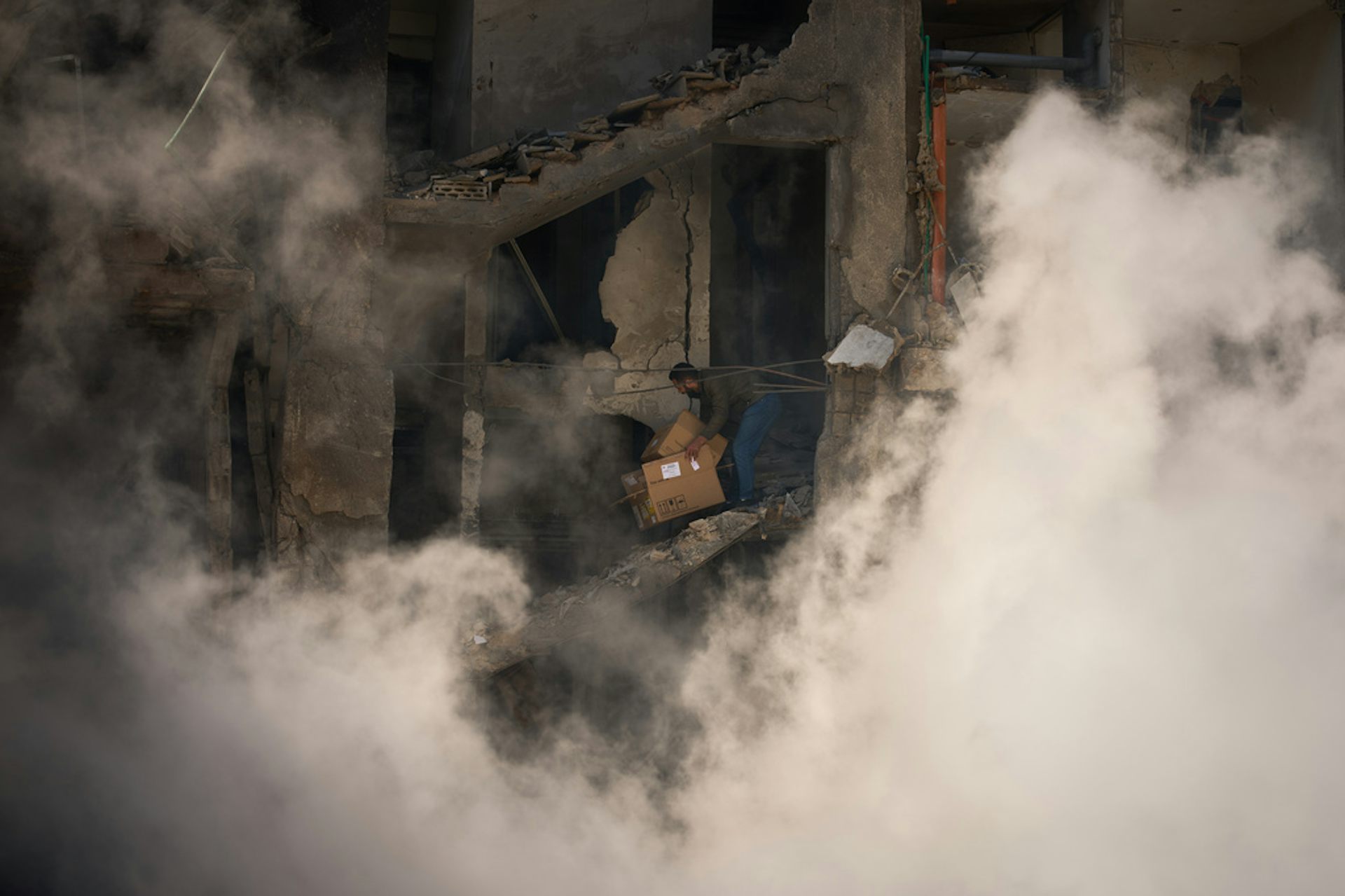
Events since the war began have been bad enough. The war has led to over 1,200 Iranian civilian deaths, over 3.2 million Iranians temporarily displaced and significant damage to Iranian infrastructure. Thirteen American soldiers have also died in the course of the conflict, as have more than two dozen in Israel and the Gulf states.
युद्ध शुरू होने के बाद की घटनाएँ पर्याप्त बुरी रही हैं। इस युद्ध से 1,200 से अधिक ईरानी नागरिक मौतें, 3.2 मिलियन से अधिक ईरानी अस्थायी रूप से विस्थापित हुए और ईरानी बुनियादी ढांचे को महत्वपूर्ण नुकसान हुआ है। इस संघर्ष के दौरान तेरह अमेरिकी सैनिकों की भी मौत हुई है, साथ ही इज़राइल और खाड़ी देशों में दो दर्जन से अधिक लोगों की भी।
That’s to say nothing of the toll in Lebanon, where more than 1,500 people have died and more than 1 million displaced since the beginning of March.
यह लेबनान में हुई क्षति की बात ही नहीं है, जहाँ मार्च की शुरुआत से 1,500 से अधिक लोग मारे गए हैं और 1 मिलियन से अधिक लोग विस्थापित हुए हैं।
The Houthis and the politics of regional instability
हौथी और क्षेत्रीय अस्थिरता की राजनीति
The Houthis in Yemen, one of the conflict participants that remained surprisingly silent at the outbreak of the war, are instructive for understanding the region’s complicated and fractured dynamics.
यमन में हौथी, जो संघर्ष के प्रतिभागियों में से एक हैं और युद्ध की शुरुआत में आश्चर्यजनक रूप से शांत रहे, क्षेत्र की जटिल और खंडित गतिशीलता को समझने के लिए शिक्षाप्रद हैं।
As a religious rebel movement that follows the Zaydi branch of Shia Islam, the Houthis, who took over Yemen’s capital in 2014, have been the target of sustained military operations by Saudi Arabia and the United Arab Emirates since 2015. This has only pushed them closer to Tehran.
शिया इस्लाम की ज़ायदी शाखा का पालन करने वाला एक धार्मिक विद्रोही आंदोलन होने के नाते, हौथी, जिन्होंने 2014 में यमन की राजधानी पर कब्ज़ा कर लिया था, 2015 से सऊदी अरब और संयुक्त अरब अमीरात द्वारा लगातार सैन्य अभियानों का निशाना रहे हैं। इसने उन्हें केवल तेहरान के करीब धकेल दिया है।
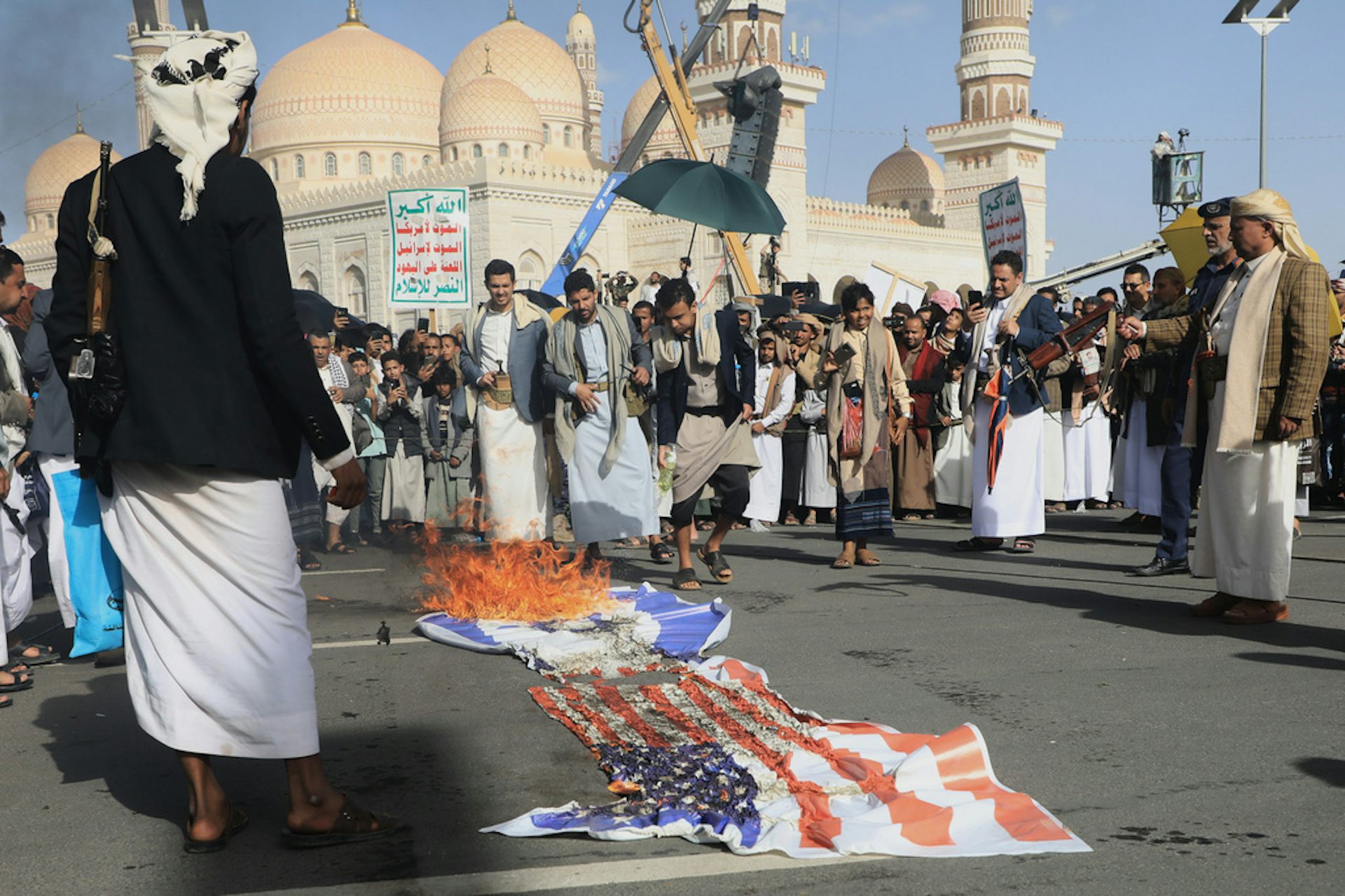
Avowed opponents of Israel, the Houthis declared war against the country following the Hamas attacks of Oct. 7, 2023, and Israel’s subsequent war in Gaza.
इजरायल के खुले विरोधी, हौथी ने 7 अक्टूबर, 2023 को हमास के हमलों और उसके बाद गाजा में इजरायल के युद्ध के बाद देश के खिलाफ युद्ध की घोषणा कर दी।
In 2024, the Houthis attacked maritime shipping in the Red Sea near the Bab el-Mandeb Strait, a key maritime choke point. That prefigured, in a much smaller and less consequential way, Iran’s own actions in blocking the Strait of Hormuz during the current crisis.
2024 में, हौथी ने बाब अल-मंदेब जलडमरूमध्य के पास लाल सागर में समुद्री शिपिंग पर हमला किया, जो एक प्रमुख समुद्री चोक पॉइंट है। इसने वर्तमान संकट के दौरान होर्मुज जलडमरूमध्य को अवरुद्ध करने में ईरान की अपनी कार्रवाइयों का एक बहुत छोटा और कम महत्वपूर्ण तरीके से पूर्वाभास किया।
That Houthi campaign to block maritime shipping resulted in a U.S.-led international coalition and significant military strikes against the insurgent group, their redesignation as a foreign terrorist organization, and ultimately a ceasefire deal between the U.S. and the Houthi movement in May 2025.
समुद्री शिपिंग को अवरुद्ध करने के लिए हौथी अभियान के परिणामस्वरूप एक अमेरिकी नेतृत्व वाला अंतर्राष्ट्रीय गठबंधन और विद्रोही समूह के खिलाफ महत्वपूर्ण सैन्य हमले हुए, उन्हें एक विदेशी आतंकवादी संगठन के रूप में पुन: नामित किया गया, और अंततः मई 2025 में अमेरिका और हौथी आंदोलन के बीच एक युद्धविराम समझौता हुआ।
Yet the underlying regional disputes and domestic fractures that the Houthis were part of were never resolved.
फिर भी, क्षेत्रीय विवाद और घरेलू दरारें जो हौथी का हिस्सा थीं, वे कभी हल नहीं हो सकीं।
Eventually, the Houthis reentered the fight against Israel amid the latest war in Iran, attacking Israel on March 28.
आखिरकार, हौथी नवीनतम ईरान युद्ध के बीच इजरायल के खिलाफ लड़ाई में फिर से शामिल हो गए, और 28 मार्च को इजरायल पर हमला किया।
They refrained from attacks in the Red Sea and currently are observing the ceasefire. But entering the war enabled a weakened Houthi movement to signal resolve, military capacity and commitment to its alliance with Iran, just as Yemen continues to face an economic and severe humanitarian crisis. The Houthis now also have added leverage to play the role of spoiler amid ongoing diplomacy.
उन्होंने लाल सागर में हमलों से परहेज किया और वर्तमान में युद्धविराम का पालन कर रहे हैं। लेकिन युद्ध में प्रवेश करने से एक कमजोर हौथी आंदोलन को संकल्प, सैन्य क्षमता और ईरान के साथ अपने गठबंधन के प्रति प्रतिबद्धता का संकेत देने में सक्षम बनाया, ठीक उसी तरह जैसे यमन आर्थिक और गंभीर मानवीय संकट का सामना करना जारी रखे हुए है। हौथी के पास अब चल रहे कूटनीति के बीच स्पॉइलर की भूमिका निभाने के लिए अतिरिक्त प्रभाव भी है।
The costs of diplomacy avoidance
कूटनीति से बचने की लागतें
Of course, the Houthis are not the only movement that will perceive the war on Iran as an opportunity to exert regional influence.
बेशक, हوثी एकमात्र आंदोलन नहीं हैं जो ईरान पर युद्ध को क्षेत्रीय प्रभाव डालने के अवसर के रूप में देखेंगे।
Just as the Houthis and their enemies are using regional conflicts to boost their domestic legitimacy and strategic advantages, so too are the more salient participants − Iran, Israel and the U.S. − relitigating their own past conflicts on the battlefield.
जिस तरह हوثी और उनके दुश्मन क्षेत्रीय संघर्षों का उपयोग अपनी घरेलू वैधता और रणनीतिक लाभ को बढ़ावा देने के लिए कर रहे हैं, उसी तरह अधिक प्रमुख प्रतिभागी- ईरान, इज़राइल और अमेरिका- भी युद्ध के मैदान पर अपने पिछले संघर्षों को फिर से जीवित कर रहे हैं।
Amid all of these current regional trends of crises and contestation, the United States’ own strategic goals have remained remarkably unclear. The Trump administration has vacillated from a focus on regime change to preventing Iran from developing nuclear capabilities.
संकट और प्रतिस्पर्धा के इन सभी वर्तमान क्षेत्रीय रुझानों के बीच, संयुक्त राज्य अमेरिका के अपने रणनीतिक लक्ष्य उल्लेखनीय रूप से अस्पष्ट रहे हैं। ट्रम्प प्रशासन ने शासन परिवर्तन पर ध्यान केंद्रित करने से लेकर ईरान को परमाणु क्षमता विकसित करने से रोकने तक में बदलाव किया है।
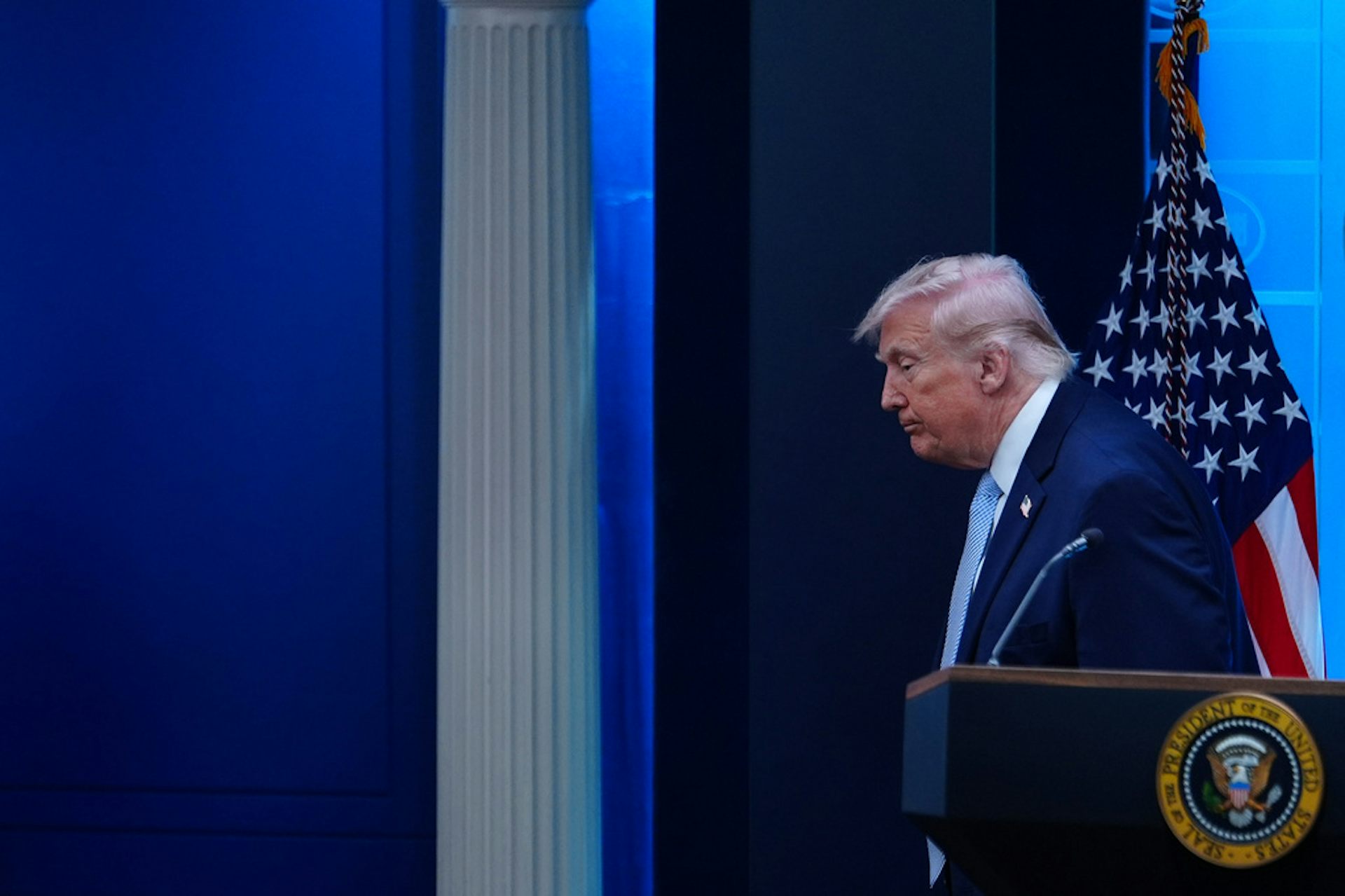
So far, there are no indications that talks with Iran to extend the ceasefire into a full diplomatic agreement will successfully prevent Iran from pursuing uranium enrichment. Indeed, one of the contested points of the framework for talks with Iran is the apparent acceptance of Iran’s right to nuclear enrichment.
अब तक, कोई संकेत नहीं है कि ईरान के साथ युद्धविराम को पूर्ण राजनयिक समझौते तक बढ़ाने के लिए बातचीत ईरान को यूरेनियम संवर्धन का पीछा करने से सफलतापूर्वक नहीं रोक पाएगी। वास्तव में, ईरान के साथ बातचीत के ढांचे के विवादित बिंदुओं में से एक परमाणु संवर्धन के अधिकार की स्पष्ट स्वीकृति है।
In 2018, Trump abandoned the Joint Comprehensive Plan of Action, or so-called Iran deal. In it, Iran agreed to terms, including limiting uranium enrichment, that would block its path to a nuclear weapon, should it have desired one.
2018 में, ट्रम्प ने संयुक्त व्यापक कार्य योजना, या तथाकथित ईरान डील, को त्याग दिया। इसमें, ईरान ने शर्तों पर सहमति व्यक्त की, जिसमें यूरेनियम संवर्धन को सीमित करना शामिल था, जो उसे परमाणु हथियार की ओर जाने से रोकेगा, यदि वह ऐसा करना चाहता।
Under the Iran deal, Tehran had also complied with inspections by the International Atomic Energy Agency. It was not until much after American withdrawal from the agreement that Iran once again started stockpiling uranium and pursuing enrichment.
ईरान डील के तहत, तहरा ने अंतर्राष्ट्रीय परमाणु ऊर्जा एजेंसी द्वारा निरीक्षण का भी पालन किया था। यह तब तक नहीं हुआ जब तक कि अमेरिकी समझौते से वापस नहीं हट गए, जब ईरान ने एक बार फिर से यूरेनियम जमा करना और संवर्धन करना शुरू नहीं किया।
In her 2020 book on the tenuous 22-month diplomatic process leading to the Iran deal, aptly titled “Not for the Faint of Heart,” Ambassador Wendy Sherman wrote how complex, challenging and delicate such multiparty negotiations can be.
ईरान डील की ओर ले जाने वाली नाजुक 22 महीने की राजनयिक प्रक्रिया पर अपनी 2020 की पुस्तक में, जिसका शीर्षक उपयुक्त रूप से “कमजोर दिल वालों के लिए नहीं” है, राजदूत वेंडी शेरमैन ने लिखा कि इस तरह की बहुपक्षीय बातचीत कितनी जटिल, चुनौतीपूर्ण और नाजुक हो सकती है।
But the recent war on Iran suggests that the current machine-gun politics approach toward Tehran and the Middle East favored by the U.S. and Israel comes with serious costs and risks.
लेकिन ईरान पर हालिया युद्ध से पता चलता है कि अमेरिका और इज़राइल द्वारा पसंद किया गया तहरा और मध्य पूर्व के प्रति वर्तमान मशीन-गन राजनीति दृष्टिकोण गंभीर लागत और जोखिम के साथ आता है।
In the course of a war with unclear targets, vague strategic objectives and high human costs, the region is far less stable than it was when the conflict began. That has made the path to long-term durable peace all the more difficult now that diplomacy is back on the table.
अस्पष्ट लक्ष्यों, अस्पष्ट रणनीतिक उद्देश्यों और उच्च मानवीय लागतों वाले युद्ध के दौरान, क्षेत्र संघर्ष शुरू होने के समय की तुलना में कहीं कम स्थिर है। इसने दीर्घकालिक स्थायी शांति का मार्ग और भी अधिक कठिन बना दिया है, खासकर अब जब कूटनीति फिर से मेज पर है।
Ioana Emy Matesan does not work for, consult, own shares in or receive funding from any company or organization that would benefit from this article, and has disclosed no relevant affiliations beyond their academic appointment.
इओआना एमी माटेसान किसी भी कंपनी या संगठन के लिए काम नहीं करती हैं, सलाह नहीं देती हैं, में हिस्सेदारी नहीं रखती हैं या उनसे धन प्राप्त नहीं करती हैं जिससे इस लेख से लाभ होगा, और अपने अकादमिक पद से परे कोई प्रासंगिक जुड़ाव प्रकट नहीं किया है।
Read more
-

पेड़ और हरियाली शहरों को 18°C तक ठंडा कर सकती है – लेकिन केवल अगर वे सही प्रकार के हों
Trees and greenery can cool cities by as much as 18°C – but only if they’re the right type
-

हमने यह पता लगाने के लिए 14 मिलियन रेडिट पोस्ट का विश्लेषण किया कि हम मानसिक स्वास्थ्य के बारे में किस तरह बात करते हैं, जिसमें एक बड़ा बदलाव सामने आया।
We analysed 14 million Reddit posts to reveal a striking shift in how we talk about mental health