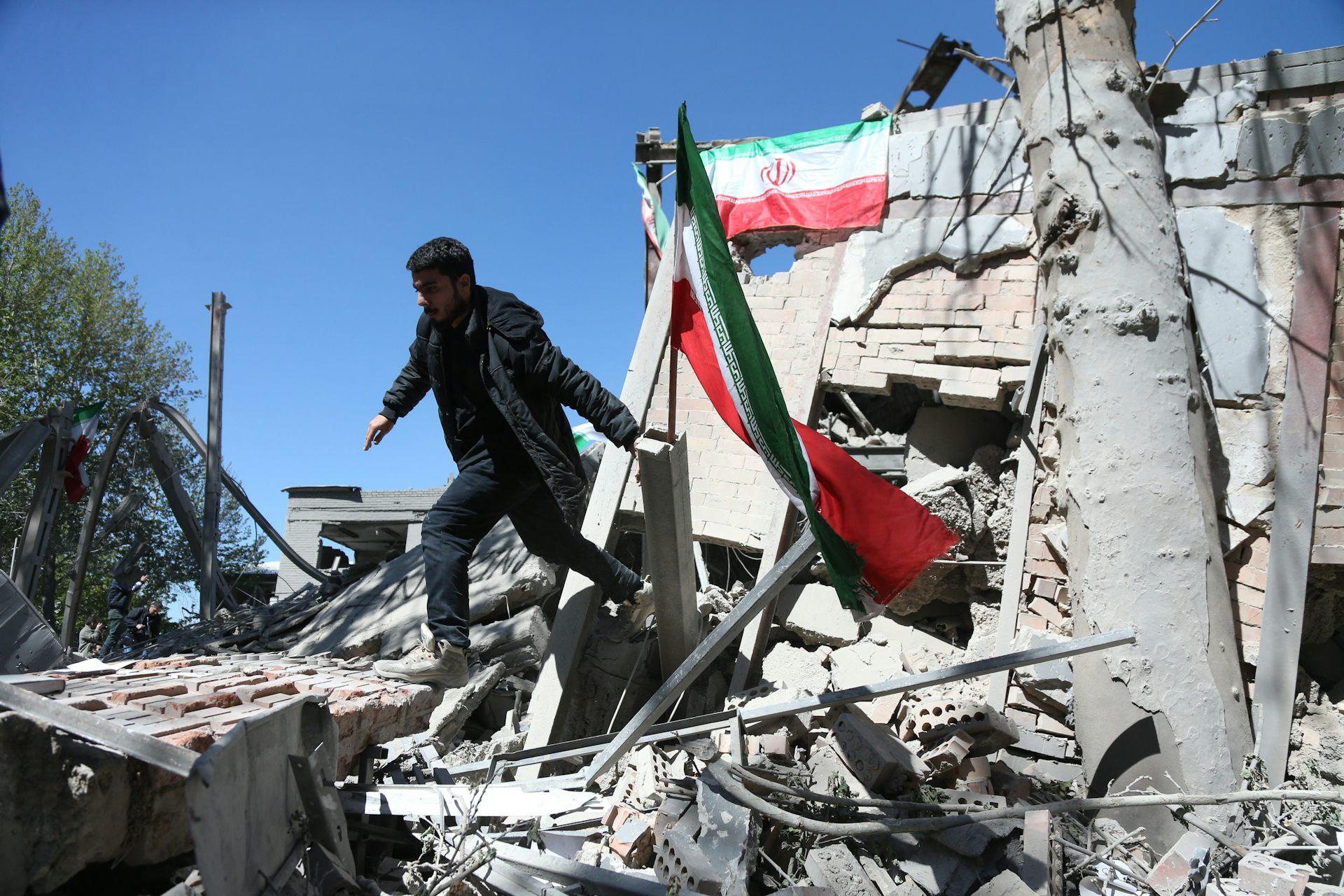
بعد وقف إطلاق النار، سيتطلب التفاوض على صفقة دائمة مع إيران التغلب على التنافسات الإقليمية والتضارب الاستراتيجي
After ceasefire, negotiating a lasting deal with Iran would require overcoming regional rivalries and strategic incoherence
A decade of shifting regional alliances, continuous conflict and outside interventions have narrowed the path for diplomacy.
لقد ضيَّق عقد من التحالفات الإقليمية المتقلبة، والصراع المستمر، والتدخلات الخارجية، مسار الدبلوماسية.
President Donald Trump’s rapid and dramatic turn from threatening to kill “an entire civilization” in Iran on the morning of April 7, 2026, to announcing a two-week ceasefire later that day left many observers with a sense of whiplash.
لقد ترك تحول الرئيس دونالد ترامب السريع والدرامي، من التهديد بقتل “حضارة بأكملها” في إيران صباح 7 أبريل 2026، إلى الإعلان عن وقف لإطلاق النار لمدة أسبوعين في وقت لاحق من ذلك اليوم، العديد من المراقبين في حالة من الدوار.
While it is difficult to predict whether the ceasefire between the U.S. and Iran will hold or how events will unfold, the dynamics of the conflict so far reveal multiple vulnerabilities in the short term and numerous detrimental effects on the region in the medium to long term.
في حين أنه من الصعب التنبؤ بما إذا كان وقف إطلاق النار بين الولايات المتحدة وإيران سيصمد، أو كيف ستتطور الأحداث، فإن ديناميكيات الصراع حتى الآن تكشف عن نقاط ضعف متعددة على المدى القصير وتأثيرات ضارة عديدة على المنطقة على المدى المتوسط إلى الطويل.
Already, the truce has shown signs of strain. Iran and the U.S. almost immediately offered dueling narratives about the agreement, including whether it would cover the war in Lebanon. Iran and Pakistan, the primary mediator, asserted that it would, while the U.S. and Israel, which pledged to honor the U.S. agreement, said it would not. Indeed, a day after the ceasefire came into force, Israel conducted some of its most intense bombing in Lebanon to date.
لقد أظهر الهدنة بالفعل علامات التوتر. وقدمت إيران والولايات المتحدة على الفور تقريباً روايات متناقضة حول الاتفاق، بما في ذلك ما إذا كان سيغطي الحرب في لبنان. وأكدت إيران وباكستان، الوسيط الرئيسي، أنه سيغطيها، بينما قالت الولايات المتحدة وإسرائيل، التي تعهدت بوفاء اتفاق الولايات المتحدة، إنه لن يفعل. في الواقع، بعد يوم واحد من سريان وقف إطلاق النار، شنت إسرائيل بعضاً من أشد قصفاتها في لبنان حتى الآن.
As an expert in Middle East politics, I believe that the involvement of so many governments and militant groups – in both the negotiation process and in terms of the regional effects of the conflict – make it more difficult to uphold a ceasefire.
بصفتي خبيراً في سياسة الشرق الأوسط، أعتقد أن تدخل العديد من الحكومات والجماعات المسلحة – سواء في عملية التفاوض أو من حيث الآثار الإقليمية للصراع – يجعل الحفاظ على وقف إطلاق النار أكثر صعوبة.
Over the past decade, there has been a shift in regional alliances in the Middle East, leading to increasingly assertive foreign policies by many countries and a deepening rivalry between Iran and Saudi Arabia. The current war only fuels these dynamics, incentivizing competition and offering governments and militant groups new opportunities to exert leverage over opponents.
على مدى العقد الماضي، كان هناك تحول في التحالفات الإقليمية في الشرق الأوسط، مما أدى إلى سياسات خارجية أكثر حزماً للعديد من البلدان وتعميق التنافس بين إيران والمملكة العربية السعودية. والحرب الحالية لا تغذي هذه الديناميكيات فحسب، بل تحفز المنافسة وتوفر للحكومات والجماعات المسلحة فرصاً جديدة لممارسة النفوذ على خصومها.
The current reality also underlines the idea that external intervention and privileging war over diplomacy has made conflict resolution ever more difficult in a region with a long history of imperial expansion, great power competition and bitter political divides.
كما أن الواقع الحالي يؤكد فكرة أن التدخل الخارجي وتفضيل الحرب على الدبلوماسية قد جعل حل النزاعات أكثر صعوبة في منطقة ذات تاريخ طويل من التوسع الإمبراطوري، وتنافس القوى العظمى، والانقسامات السياسية المريرة.
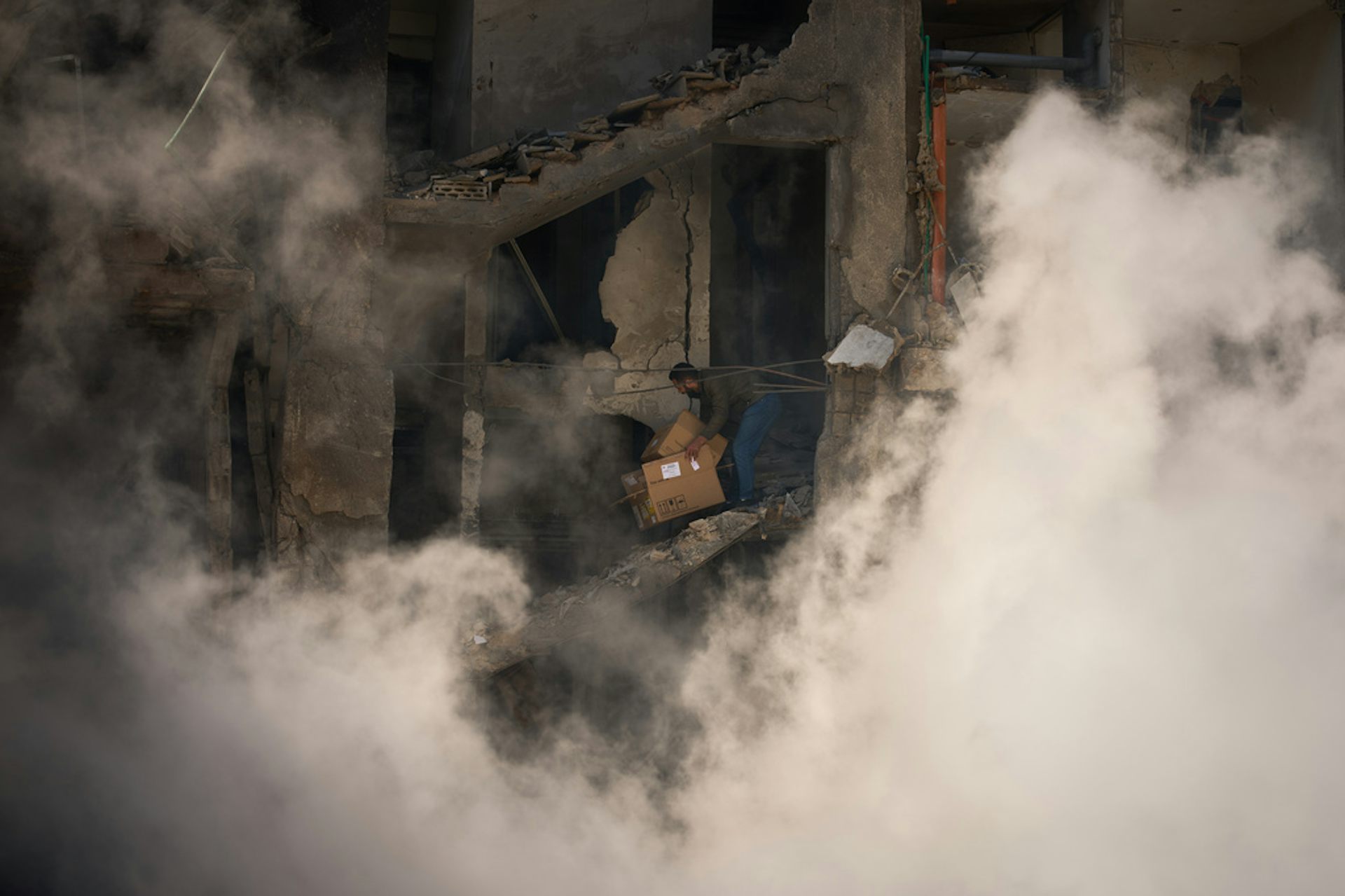
Regional fault lines
خطوط الصدع الإقليمية
One of the more remarkable aspects of the war in Iran that began on Feb. 28 was how quickly it escalated in terms of geographic scope and the actors pulled into it.
أحد الجوانب اللافتة للنظر في الحرب في إيران التي بدأت في 28 فبراير هو مدى سرعة تصاعدها من حيث النطاق الجغرافي والجهات الفاعلة التي جُذبت إليها.
The three key countries involved – Israel, the U.S and Iran – are all facing internal political tensions, polarization and legitimacy crises.
تواجه الدول الثلاث الرئيسية المعنية – إسرائيل والولايات المتحدة وإيران – جميعها توترات سياسية داخلية واستقطاب وأزمات شرعية.
Outside countries such as China, Russia and Pakistan have deployed their own strategic interests and diplomatic tools in the conflict in indirectly getting involved.
نشرت دول خارجية مثل الصين وروسيا وباكستان مصالحها الاستراتيجية وأدواتها الدبلوماسية في الصراع، متورطة بشكل غير مباشر.
The conflict has also drawn in a variety of regional governments and other groups, from [Saudi Arabia and the Gulf states] to Hezbollah in Lebanon and the Houthis in Yemen.
كما جرت سحب مجموعة متنوعة من الحكومات الإقليمية والمجموعات الأخرى إلى الصراع، بدءاً من [المملكة العربية السعودية ودول الخليج] وصولاً إلى حزب الله في لبنان والحوثيين في اليمن.
All of that is bound to deepen the fault lines that make regional tensions and sectarian conflict more likely in the long run.
كل ذلك من شأنه أن يعمّق خطوط الصدع التي تجعل التوترات الإقليمية والصراع الطائفي أكثر احتمالاً على المدى الطويل.
Meanwhile, public opinion in the Arab world shows profound damage to the United States’ reputation in the region and a loss of credibility in the international legal and humanitarian system.
وفي الوقت نفسه، يُظهر الرأي العام في العالم العربي ضرراً بالغاً بسمعة الولايات المتحدة في المنطقة وفقداناً للمصداقية في النظام القانوني والإنساني الدولي.
I think these developments are also deeply troubling for the long term.
أعتقد أن هذه التطورات مقلقة للغاية على المدى الطويل أيضاً.
Events since the war began have been bad enough. The war has led to over 1,200 Iranian civilian deaths, over 3.2 million Iranians temporarily displaced and significant damage to Iranian infrastructure. Thirteen American soldiers have also died in the course of the conflict, as have more than two dozen in Israel and the Gulf states.
كانت الأحداث منذ بدء الحرب سيئة بما فيه الكفاية. وقد أدت الحرب إلى مقتل أكثر من 1200 مدني إيراني، ونزوح أكثر من 3.2 مليون إيراني مؤقتاً، وأضرار كبيرة بالبنية التحتية الإيرانية. كما توفي ثلاثة عشر جندياً أمريكياً خلال الصراع، بالإضافة إلى أكثر من عشرين في إسرائيل ودول الخليج.
That’s to say nothing of the toll in Lebanon, where more than 1,500 people have died and more than 1 million displaced since the beginning of March.
ناهيك عن الخسائر في لبنان، حيث توفي أكثر من 1500 شخص ونُزح أكثر من مليون شخص منذ بداية شهر مارس.
The Houthis and the politics of regional instability
الحوثيون وسياسات عدم الاستقرار الإقليمي
The Houthis in Yemen, one of the conflict participants that remained surprisingly silent at the outbreak of the war, are instructive for understanding the region’s complicated and fractured dynamics.
يُعد الحوثيون في اليمن، وهم أحد المشاركين في النزاع الذين ظلوا صامتين بشكل مفاجئ عند اندلاع الحرب، مصدرًا تعليميًا لفهم الديناميكيات المعقدة والممزقة للمنطقة.
As a religious rebel movement that follows the Zaydi branch of Shia Islam, the Houthis, who took over Yemen’s capital in 2014, have been the target of sustained military operations by Saudi Arabia and the United Arab Emirates since 2015. This has only pushed them closer to Tehran.
باعتبارهم حركة متمردة دينية تتبع الفرع الزيدي من الإسلام الشيعي، كان الحوثيون، الذين سيطروا على عاصمة اليمن عام 2014، هدفًا لعمليات عسكرية مستمرة من قبل المملكة العربية السعودية والإمارات العربية المتحدة منذ عام 2015. ولم يؤدِ هذا إلا إلى تقريبهم من طهران.
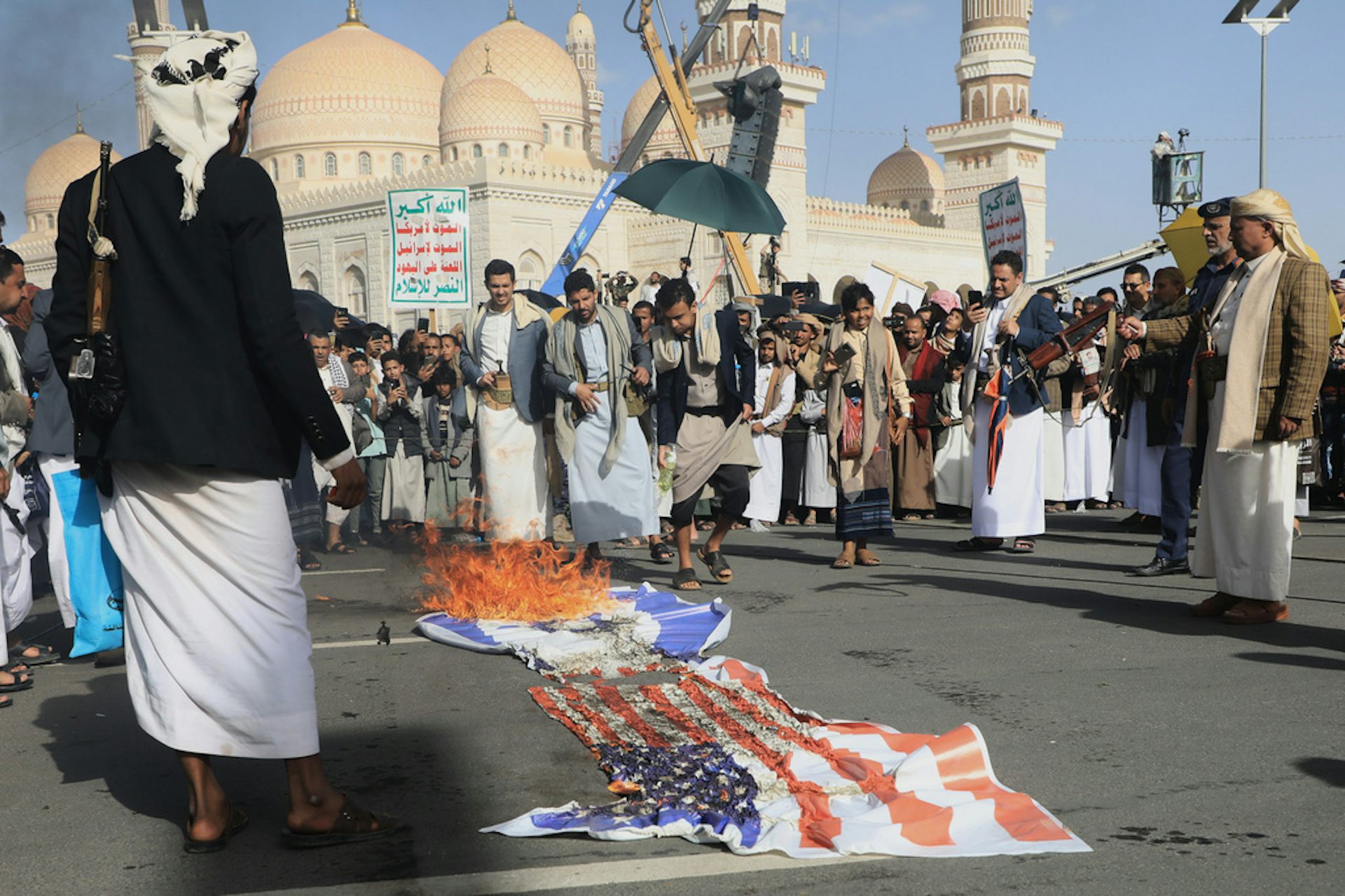
Avowed opponents of Israel, the Houthis declared war against the country following the Hamas attacks of Oct. 7, 2023, and Israel’s subsequent war in Gaza.
أعلن الحوثيون، المعارضون المعلنون لإسرائيل، الحرب على البلاد في أعقاب هجمات حماس في 7 أكتوبر 2023، والحرب الإسرائيلية اللاحقة في غزة.
In 2024, the Houthis attacked maritime shipping in the Red Sea near the Bab el-Mandeb Strait, a key maritime choke point. That prefigured, in a much smaller and less consequential way, Iran’s own actions in blocking the Strait of Hormuz during the current crisis.
في عام 2024، هاجم الحوثيون الشحن البحري في البحر الأحمر بالقرب من مضيق باب المندب، وهي نقطة اختناق بحرية رئيسية. وقد استبق ذلك، بطريقة أصغر وأقل أهمية، تصرفات إيران نفسها في إغلاق مضيق هرمز خلال الأزمة الحالية.
That Houthi campaign to block maritime shipping resulted in a U.S.-led international coalition and significant military strikes against the insurgent group, their redesignation as a foreign terrorist organization, and ultimately a ceasefire deal between the U.S. and the Houthi movement in May 2025.
أسفر حملة الحوثيين لعرقلة الشحن البحري عن تحالف دولي بقيادة الولايات المتحدة وضربات عسكرية كبيرة ضد الجماعة المتمردة، وإعادة تصنيفها كمنظمة إرهابية أجنبية، وفي نهاية المطاف اتفاق وقف إطلاق النار بين الولايات المتحدة وحركة الحوثي في مايو 2025.
Yet the underlying regional disputes and domestic fractures that the Houthis were part of were never resolved.
ومع ذلك، لم يتم حل النزاعات الإقليمية الكامنة والانقسامات الداخلية التي كان الحوثيون جزءًا منها.
Eventually, the Houthis reentered the fight against Israel amid the latest war in Iran, attacking Israel on March 28.
وفي نهاية المطاف، عاد الحوثيون إلى القتال ضد إسرائيل وسط الحرب الأخيرة في إيران، مهاجمين إسرائيل في 28 مارس.
They refrained from attacks in the Red Sea and currently are observing the ceasefire. But entering the war enabled a weakened Houthi movement to signal resolve, military capacity and commitment to its alliance with Iran, just as Yemen continues to face an economic and severe humanitarian crisis. The Houthis now also have added leverage to play the role of spoiler amid ongoing diplomacy.
امتنعوا عن الهجمات في البحر الأحمر ويراقبون حاليًا وقف إطلاق النار. لكن الدخول في الحرب مكّن حركة حوثية ضعيفة من إظهار العزيمة والقدرة العسكرية والالتزام بتحالفها مع إيران، تمامًا كما يواجه اليمن أزمة اقتصادية وإنسانية حادة. ويمتلك الحوثيون الآن أيضًا نفوذًا إضافيًا للعب دور المعرقل وسط الدبلوماسية الجارية.
The costs of diplomacy avoidance
تكاليف تجنب الدبلوماسية
Of course, the Houthis are not the only movement that will perceive the war on Iran as an opportunity to exert regional influence.
بالطبع، لم تكن الحوثيين الحركة الوحيدة التي ستنظر إلى الحرب على إيران كفرصة لممارسة النفوذ الإقليمي.
Just as the Houthis and their enemies are using regional conflicts to boost their domestic legitimacy and strategic advantages, so too are the more salient participants − Iran, Israel and the U.S. − relitigating their own past conflicts on the battlefield.
فبينما يستخدم الحوثيون وأعداؤهم الصراعات الإقليمية لتعزيز شرعيتهم المحلية ومزاياهم الاستراتيجية، يفعل المشاركون الأكثر وضوحاً- إيران وإسرائيل والولايات المتحدة- إعادة إثارة صراعاتهم الماضية في ساحة المعركة.
Amid all of these current regional trends of crises and contestation, the United States’ own strategic goals have remained remarkably unclear. The Trump administration has vacillated from a focus on regime change to preventing Iran from developing nuclear capabilities.
وسط كل هذه الاتجاهات الإقليمية الحالية من الأزمات والتنافس، ظلت الأهداف الاستراتيجية للولايات المتحدة غامضة بشكل ملحوظ. فقد تذبذبت إدارة ترامب بين التركيز على تغيير النظام ومنع إيران من تطوير القدرات النووية.
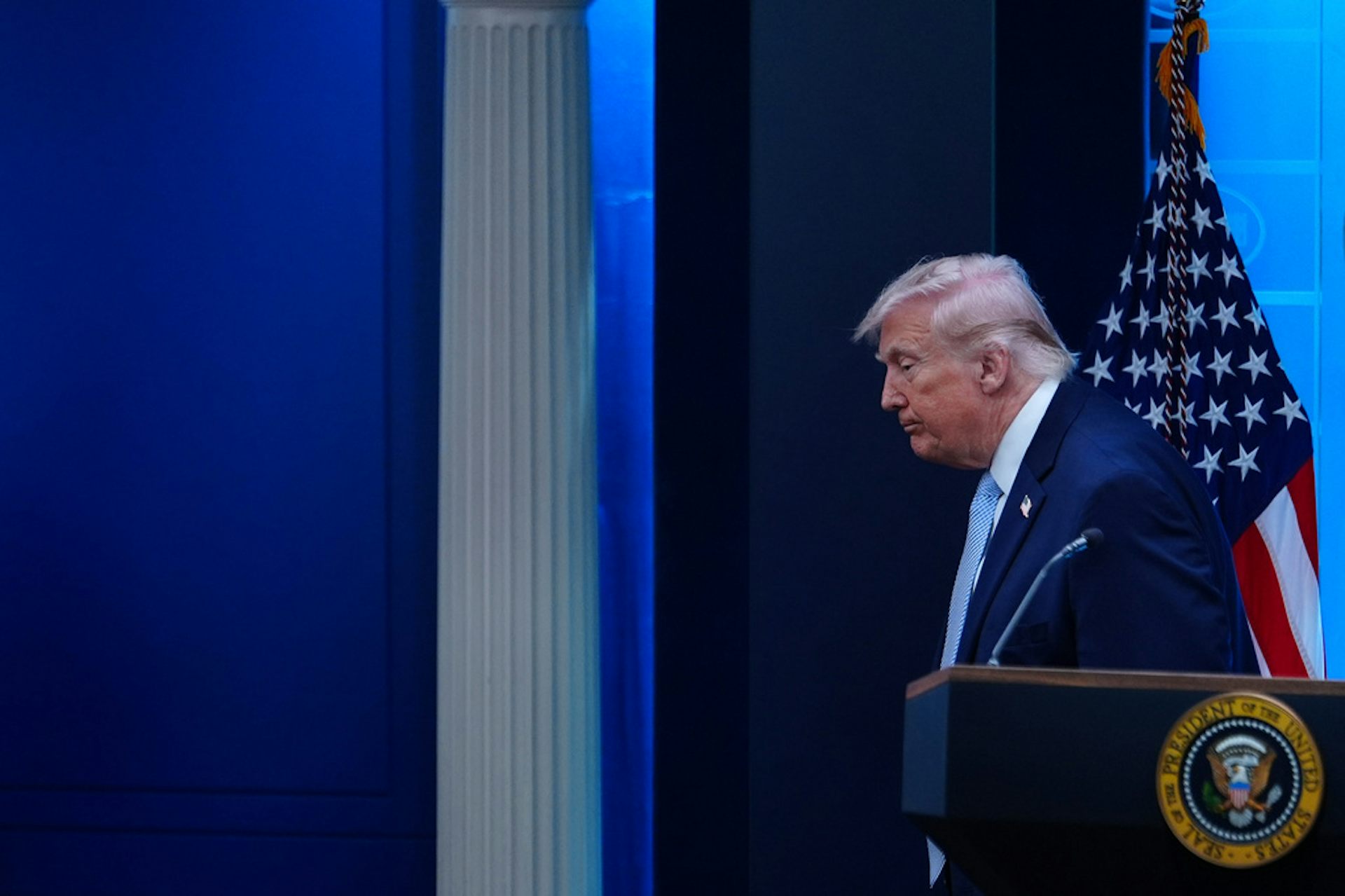
So far, there are no indications that talks with Iran to extend the ceasefire into a full diplomatic agreement will successfully prevent Iran from pursuing uranium enrichment. Indeed, one of the contested points of the framework for talks with Iran is the apparent acceptance of Iran’s right to nuclear enrichment.
حتى الآن، لا توجد مؤشرات على أن المحادثات مع إيران لتمديد وقف إطلاق النار إلى اتفاق دبلوماسي كامل ستمنع بنجاح إيران من السعي لتخصيب اليورانيوم. في الواقع، تعد قبول حق إيران في تخصيب اليورانيوم نقطة خلافية في إطار المحادثات مع إيران.
In 2018, Trump abandoned the Joint Comprehensive Plan of Action, or so-called Iran deal. In it, Iran agreed to terms, including limiting uranium enrichment, that would block its path to a nuclear weapon, should it have desired one.
في عام 2018، تخلت ترامب عن خطة العمل الشاملة المشتركة، أو ما يسمى بـ “الصفقة الإيرانية.” وفيها، وافقت إيران على شروط، بما في ذلك الحد من تخصيب اليورانيوم، مما كان من شأنه أن يغلق طريقها نحو السلاح النووي، إذا ما رغبت في ذلك.
Under the Iran deal, Tehran had also complied with inspections by the International Atomic Energy Agency. It was not until much after American withdrawal from the agreement that Iran once again started stockpiling uranium and pursuing enrichment.
بموجب الصفقة الإيرانية، التزمت طهران أيضاً بتفتيش الوكالة الدولية للطاقة الذرية. ولم تبدأ إيران مرة أخرى في تكديس اليورانيوم والسعي للتخصيب إلا بعد فترة طويلة من انسحاب أمريكا من الاتفاق.
In her 2020 book on the tenuous 22-month diplomatic process leading to the Iran deal, aptly titled “Not for the Faint of Heart,” Ambassador Wendy Sherman wrote how complex, challenging and delicate such multiparty negotiations can be.
في كتابها الصادر عام 2020 حول العملية الدبلوماسية الهشة التي استمرت 22 شهراً وأدت إلى الصفقة الإيرانية، والتي حملت عنوان “ليس لمن قلوب الضعفاء”، كتبت السفيرة وندي شارمان كيف يمكن أن تكون مثل هذه المفاوضات متعددة الأطراف معقدة وصعبة وحساسة.
But the recent war on Iran suggests that the current machine-gun politics approach toward Tehran and the Middle East favored by the U.S. and Israel comes with serious costs and risks.
لكن الحرب الأخيرة على إيران تشير إلى أن النهج الحالي “السياسي بالرشاش” تجاه طهران والشرق الأوسط، الذي تفضله الولايات المتحدة وإسرائيل، يأتي بتكاليف ومخاطر جسيمة.
In the course of a war with unclear targets, vague strategic objectives and high human costs, the region is far less stable than it was when the conflict began. That has made the path to long-term durable peace all the more difficult now that diplomacy is back on the table.
في خضم حرب ذات أهداف غير واضحة وأهداف استراتيجية مبهمة وتكاليف بشرية باهظة، المنطقة أقل استقراراً بكثير مما كانت عليه عندما بدأ الصراع. وقد جعل ذلك الطريق إلى السلام المستدام طويل الأمد أكثر صعوبة الآن بعد عودة الدبلوماسية إلى الطاولة.
Ioana Emy Matesan does not work for, consult, own shares in or receive funding from any company or organization that would benefit from this article, and has disclosed no relevant affiliations beyond their academic appointment.
إوانا إيمي ماتيسان لا تعمل لدى، أو تستشير، أو تمتلك حصصاً في، أو تتلقى تمويلاً من أي شركة أو منظمة يمكن أن تستفيد من هذه المقالة، ولم تكشف عن أي انتماءات ذات صلة تتجاوز منصبها الأكاديمي.
Read more
-
أفضل ستة تكييفات لشكسبير ليست باللغة الإنجليزية
The six best Shakespeare adaptations that aren’t in English
-
أزمة وظائف الشباب تغذي احتجاجات حزب جانتا الصرصار في الهند
The youth jobs crisis fuelling India’s Cockroach Janta Party protests