停火后,与伊朗谈判达成持久协议需要克服地区竞争和战略不一致性
After ceasefire, negotiating a lasting deal with Iran w…
A decade of shifting regional alliances, continuous conflict and outside interventions have narrowed the path for diplomacy.
十年来,不断变化的地区联盟、持续的冲突和外部干预缩小了外交的道路。
President Donald Trump’s rapid and dramatic turn from threatening to kill “an entire civilization” in Iran on the morning of April 7, 2026, to announcing a two-week ceasefire later that day left many observers with a sense of whiplash.
唐纳德·特朗普总统在2026年4月7日早晨,从威胁要“消灭整个文明”的言论,到当天晚些时候宣布两周停火,其态度的急剧转变让许多观察人士感到措手不及。
While it is difficult to predict whether the ceasefire between the U.S. and Iran will hold or how events will unfold, the dynamics of the conflict so far reveal multiple vulnerabilities in the short term and numerous detrimental effects on the region in the medium to long term.
虽然很难预测美伊之间的停火能否持续,或者局势将如何发展,但到目前为止的冲突动态揭示了短期内多重脆弱性,以及在中长期对该地区带来的诸多不利影响。
Already, the truce has shown signs of strain. Iran and the U.S. almost immediately offered dueling narratives about the agreement, including whether it would cover the war in Lebanon. Iran and Pakistan, the primary mediator, asserted that it would, while the U.S. and Israel, which pledged to honor the U.S. agreement, said it would not. Indeed, a day after the ceasefire came into force, Israel conducted some of its most intense bombing in Lebanon to date.
目前,停火已经显现出紧张的迹象。伊朗和美国几乎立即就该协议提出了相互矛盾的说法,包括该协议是否涵盖黎巴嫩的战争。伊朗和巴基斯坦(主要的调解方)坚称会涵盖,而美国和以色列(承诺遵守美国协议)则表示不会。事实上,停火生效一天后,以色列在黎巴嫩进行了迄今为止最猛烈的轰炸。
As an expert in Middle East politics, I believe that the involvement of so many governments and militant groups – in both the negotiation process and in terms of the regional effects of the conflict – make it more difficult to uphold a ceasefire.
作为中东政治专家,我认为,如此多政府和武装团体的参与——无论是在谈判过程中还是在冲突的区域影响方面——都使得维持停火变得更加困难。
Over the past decade, there has been a shift in regional alliances in the Middle East, leading to increasingly assertive foreign policies by many countries and a deepening rivalry between Iran and Saudi Arabia. The current war only fuels these dynamics, incentivizing competition and offering governments and militant groups new opportunities to exert leverage over opponents.
在过去十年里,中东地区的联盟格局发生了变化,导致许多国家采取了日益强硬的外交政策,并加剧了伊朗和沙特阿拉伯之间的竞争。当前的战争只会助长这些动态,激励竞争,并为各国政府和武装团体提供了对对手施加影响力的新的机会。
The current reality also underlines the idea that external intervention and privileging war over diplomacy has made conflict resolution ever more difficult in a region with a long history of imperial expansion, great power competition and bitter political divides.
当前的现实也突显了一个观点:在一个拥有悠久帝国扩张史、大国竞争史和激烈政治分歧的地区,外部干预和将战争置于外交之上,使得冲突解决变得越来越困难。
Regional fault lines
区域裂痕
One of the more remarkable aspects of the war in Iran that began on Feb. 28 was how quickly it escalated in terms of geographic scope and the actors pulled into it.
伊朗于2月28日爆发的战争最引人注目的方面之一是,其地理范围和卷入的参与者是如何迅速升级的。
The three key countries involved – Israel, the U.S and Iran – are all facing internal political tensions, polarization and legitimacy crises.
涉及的三个主要国家——以色列、美国和伊朗——都在面临内部的政治紧张局势、两极分化和合法性危机。
Outside countries such as China, Russia and Pakistan have deployed their own strategic interests and diplomatic tools in the conflict in indirectly getting involved.
中国、俄罗斯和巴基斯坦等外部国家也在冲突中部署了自身的战略利益和外交工具,间接卷入其中。
The conflict has also drawn in a variety of regional governments and other groups, from [Saudi Arabia and the Gulf states] to Hezbollah in Lebanon and the Houthis in Yemen.
冲突还吸引了各种区域政府和其他团体,从[沙特阿拉伯和海湾国家]到黎巴嫩的真主党和也门的胡塞武装。
All of that is bound to deepen the fault lines that make regional tensions and sectarian conflict more likely in the long run.
所有这些都必然会加深区域裂痕,从长远来看,使得地区紧张局势和教派冲突的可能性更高。
Meanwhile, public opinion in the Arab world shows profound damage to the United States’ reputation in the region and a loss of credibility in the international legal and humanitarian system.
同时,阿拉伯世界的舆论显示,美国在该地区的声誉受到了严重损害,并在国际法律和人道主义体系中失去了信誉。
I think these developments are also deeply troubling for the long term.
我认为这些发展对长期来看也是深感令人担忧的。
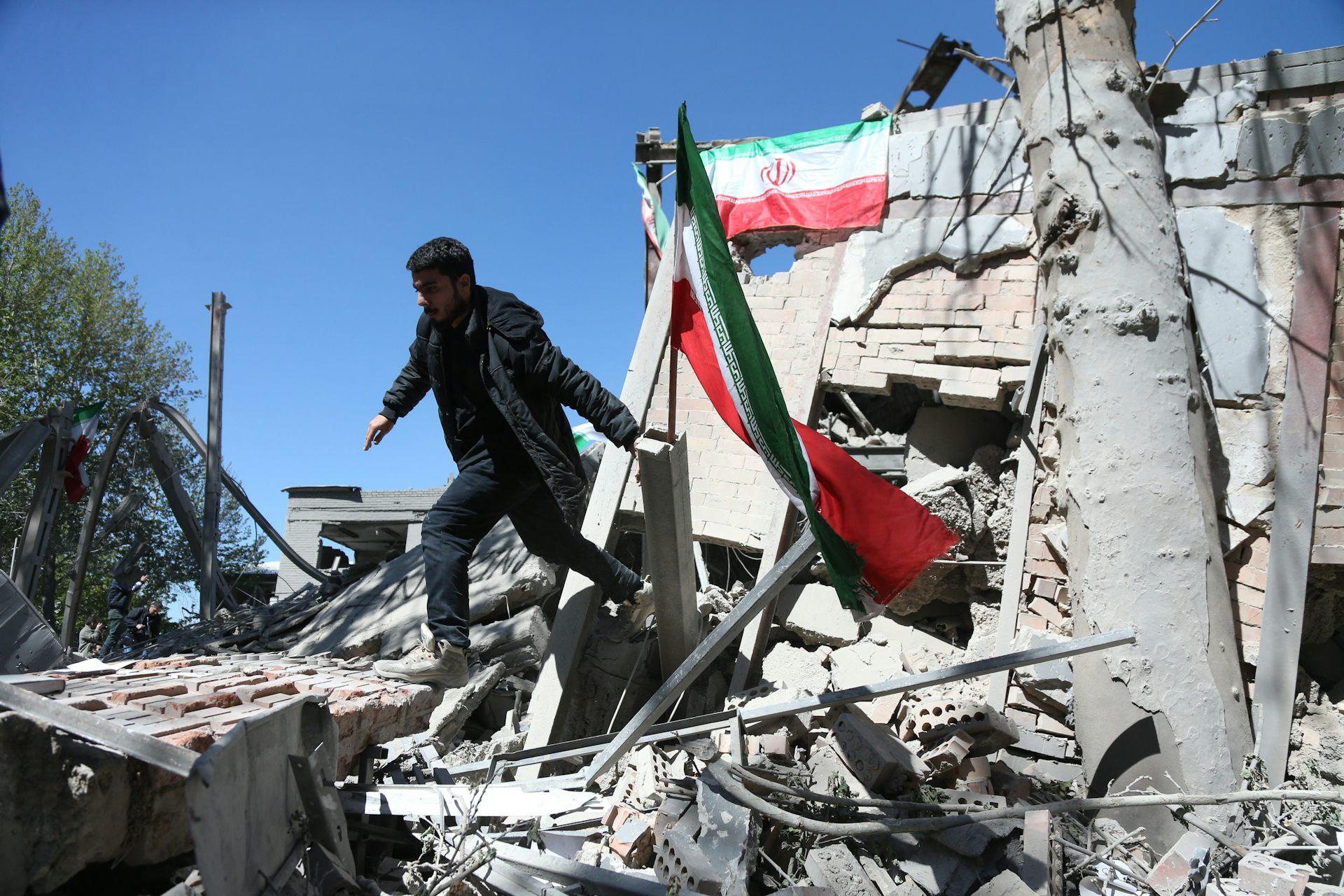
Events since the war began have been bad enough. The war has led to over 1,200 Iranian civilian deaths, over 3.2 million Iranians temporarily displaced and significant damage to Iranian infrastructure. Thirteen American soldiers have also died in the course of the conflict, as have more than two dozen in Israel and the Gulf states.
自战争开始以来,事件已经足够糟糕了。这场战争导致了超过1,200名伊朗平民死亡,超过320万人临时流离失所,并对伊朗的基础设施造成了重大破坏。在此过程中,还有13名美国士兵阵亡,以色列和海湾国家也有二十多名士兵阵亡。
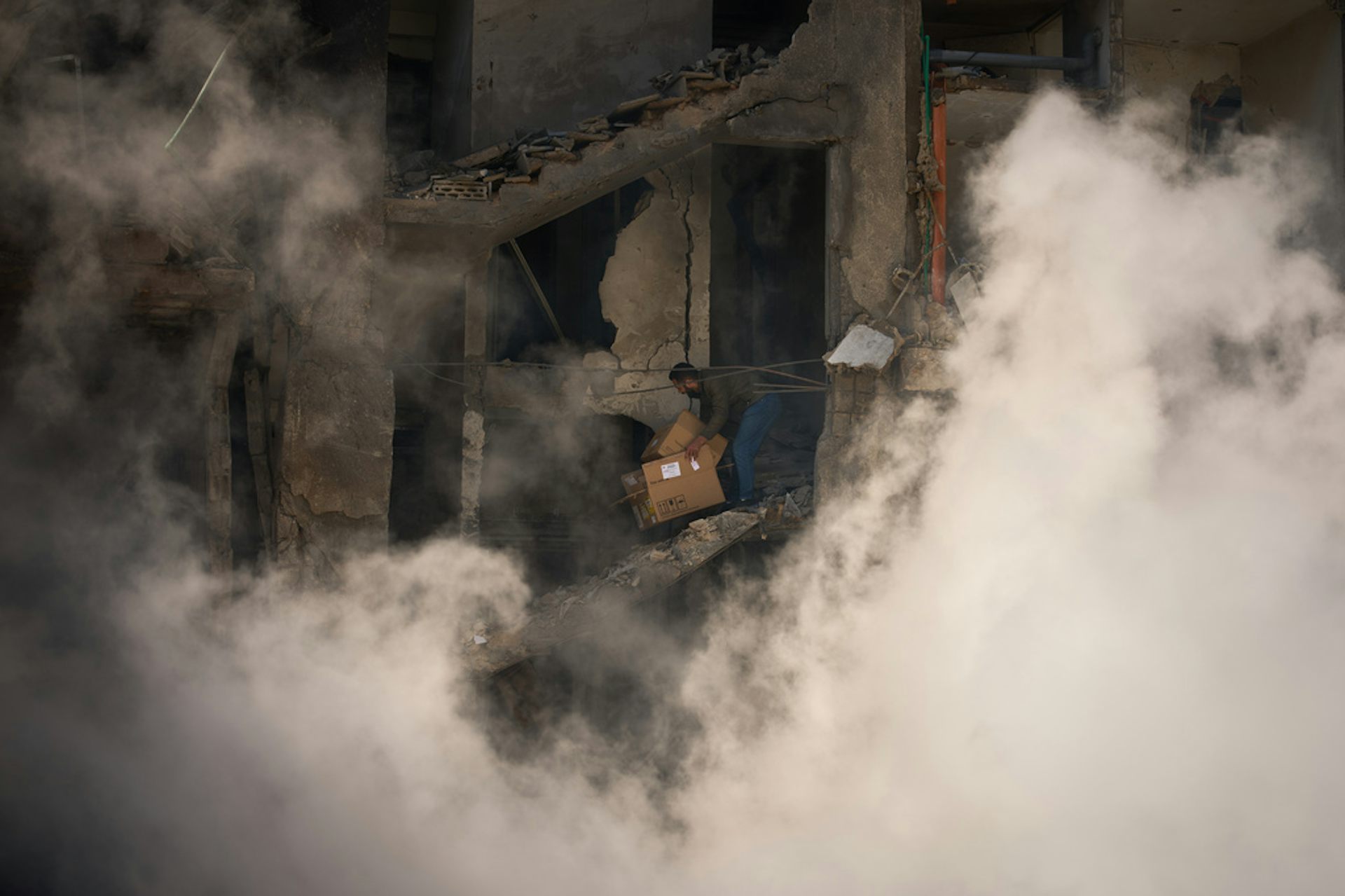
That’s to say nothing of the toll in Lebanon, where more than 1,500 people have died and more than 1 million displaced since the beginning of March.
这还不能提黎巴嫩的伤亡情况,自三月初以来,那里已经有超过1,500人死亡,超过100万人流离失所。
The Houthis and the politics of regional instability
胡塞武装与区域不稳定的政治
The Houthis in Yemen, one of the conflict participants that remained surprisingly silent at the outbreak of the war, are instructive for understanding the region’s complicated and fractured dynamics.
也门境内的胡塞武装是冲突参与者之一,在战争爆发初期出奇地保持了沉默,这为理解该地区复杂而分裂的动态提供了启示。
As a religious rebel movement that follows the Zaydi branch of Shia Islam, the Houthis, who took over Yemen’s capital in 2014, have been the target of sustained military operations by Saudi Arabia and the United Arab Emirates since 2015. This has only pushed them closer to Tehran.
作为一支追随什叶派伊斯兰教扎伊迪派的宗教叛乱运动,胡塞武装于2014年占领了也门首都,此后自2015年以来一直成为沙特阿拉伯和阿拉伯联合酋长国持续军事行动的目标。这反而使他们更靠近德黑兰。
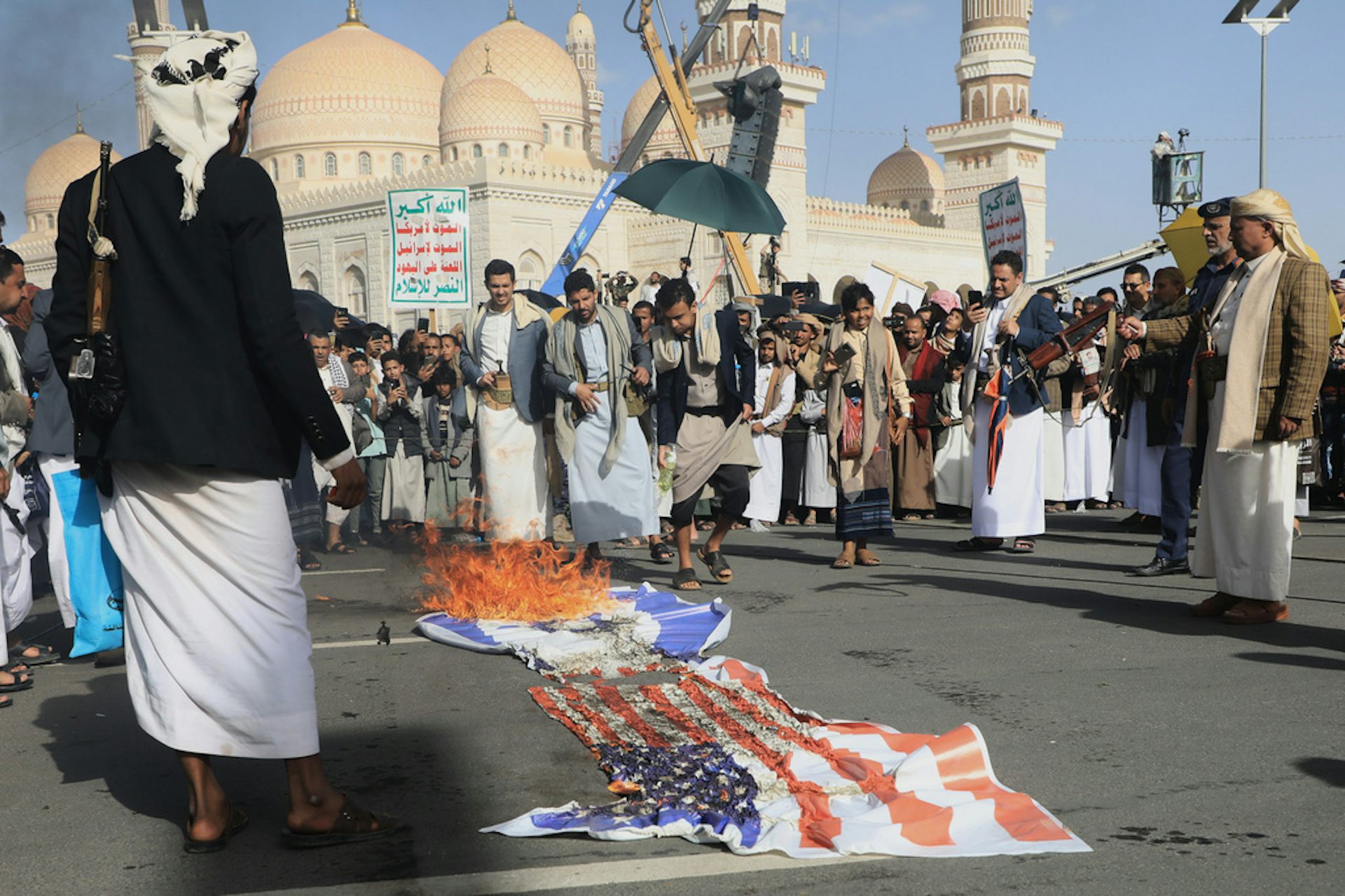
Avowed opponents of Israel, the Houthis declared war against the country following the Hamas attacks of Oct. 7, 2023, and Israel’s subsequent war in Gaza.
胡塞武装公开反对以色列,在2023年10月7日哈马斯袭击和以色列随后在加沙的战争之后,宣布与该国开战。
In 2024, the Houthis attacked maritime shipping in the Red Sea near the Bab el-Mandeb Strait, a key maritime choke point. That prefigured, in a much smaller and less consequential way, Iran’s own actions in blocking the Strait of Hormuz during the current crisis.
2024年,胡塞武装袭击了红海靠近曼德海峡的海上航运,这是一个关键的海上咽喉点。这预示了在当前危机期间,伊朗封锁霍尔木兹海峡自身的行动,尽管方式更小、影响更小。
That Houthi campaign to block maritime shipping resulted in a U.S.-led international coalition and significant military strikes against the insurgent group, their redesignation as a foreign terrorist organization, and ultimately a ceasefire deal between the U.S. and the Houthi movement in May 2025.
胡塞武装封锁海上航运的行动,导致了以美国为首的国际联盟对该叛乱组织进行了大量军事打击,将其重新定性为外国恐怖组织,并最终促成了美国和胡塞运动在2025年5月达成停火协议。
Yet the underlying regional disputes and domestic fractures that the Houthis were part of were never resolved.
然而,胡塞武装所涉及的潜在地区争端和国内裂痕从未得到解决。
Eventually, the Houthis reentered the fight against Israel amid the latest war in Iran, attacking Israel on March 28.
最终,在伊朗最新一轮战争的背景下,胡塞武装重新卷入与以色列的冲突,并在3月28日袭击了以色列。
They refrained from attacks in the Red Sea and currently are observing the ceasefire. But entering the war enabled a weakened Houthi movement to signal resolve, military capacity and commitment to its alliance with Iran, just as Yemen continues to face an economic and severe humanitarian crisis. The Houthis now also have added leverage to play the role of spoiler amid ongoing diplomacy.
他们避免了在红海发动攻击,目前正在遵守停火协议。但卷入战争使这个力量减弱的胡塞运动能够展示其决心、军事能力及其与伊朗联盟的承诺,而也门仍在面临经济和严重的人道主义危机。胡塞武装现在还获得了额外的筹码,可以在持续的外交斡旋中扮演破坏者的角色。
The costs of diplomacy avoidance
规避外交的代价
Of course, the Houthis are not the only movement that will perceive the war on Iran as an opportunity to exert regional influence.
当然,胡塞武装并非唯一将伊朗战争视为机会来扩大地区影响力的势力。
Just as the Houthis and their enemies are using regional conflicts to boost their domestic legitimacy and strategic advantages, so too are the more salient participants − Iran, Israel and the U.S. − relitigating their own past conflicts on the battlefield.
就像胡塞武装及其敌人利用地区冲突来提升其国内合法性和战略优势一样,更主要的参与者——伊朗、以色列和美国——也在战场上重演着他们过去的冲突。
Amid all of these current regional trends of crises and contestation, the United States’ own strategic goals have remained remarkably unclear. The Trump administration has vacillated from a focus on regime change to preventing Iran from developing nuclear capabilities.
在当前所有这些危机和争夺的地区趋势中,美国的战略目标一直非常模糊。特朗普政府在关注政权更迭和阻止伊朗发展核能力之间摇摆不定。
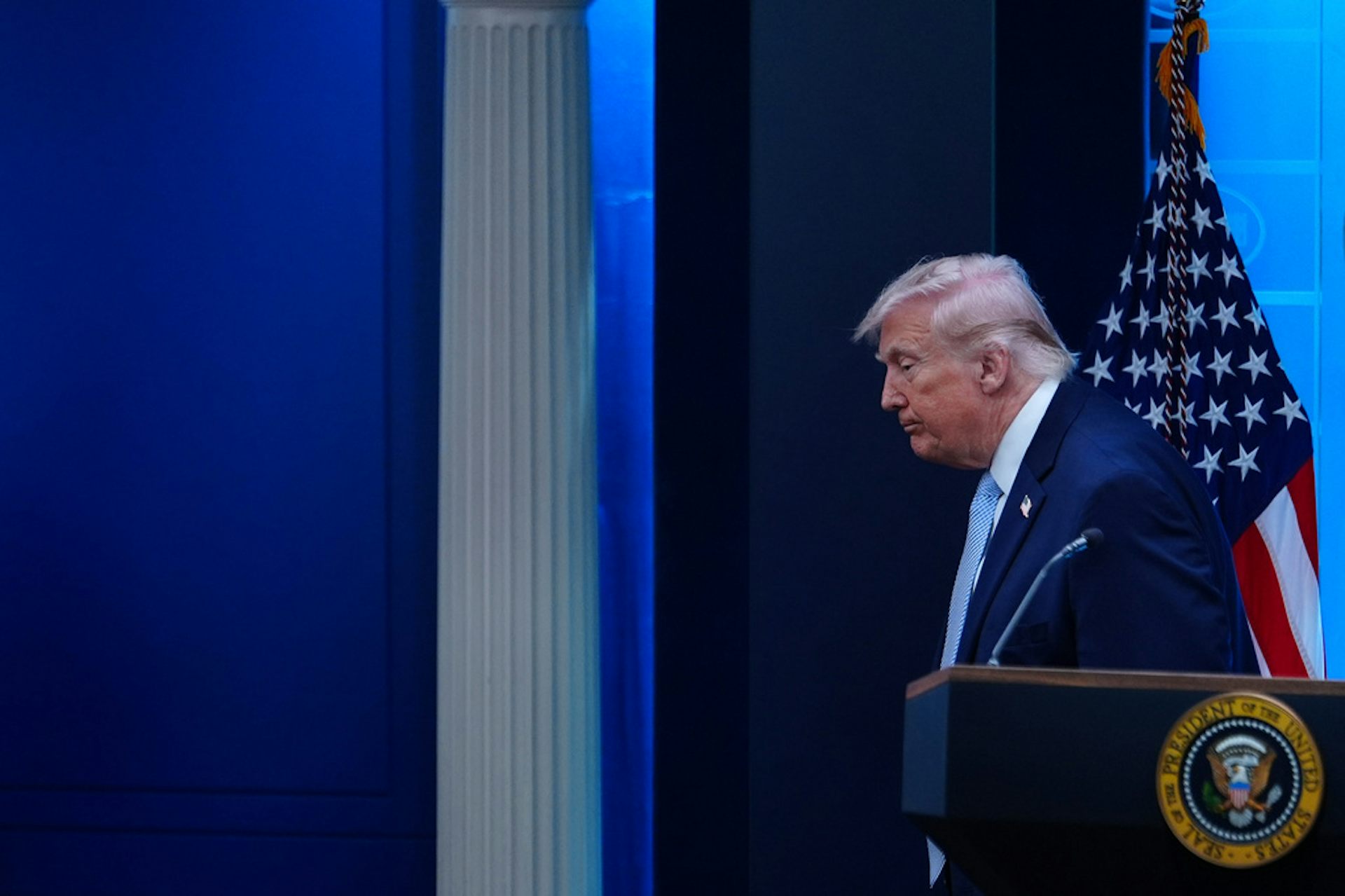
So far, there are no indications that talks with Iran to extend the ceasefire into a full diplomatic agreement will successfully prevent Iran from pursuing uranium enrichment. Indeed, one of the contested points of the framework for talks with Iran is the apparent acceptance of Iran’s right to nuclear enrichment.
到目前为止,没有任何迹象表明与伊朗进行会谈以将停火延长为全面的外交协议,能够成功阻止伊朗进行铀浓缩。事实上,会谈框架中存在争议的一点是,似乎接受了伊朗进行核浓缩的权利。
In 2018, Trump abandoned the Joint Comprehensive Plan of Action, or so-called Iran deal. In it, Iran agreed to terms, including limiting uranium enrichment, that would block its path to a nuclear weapon, should it have desired one.
2018年,特朗普放弃了《联合全面行动计划》,即所谓的“伊朗协议”。在该协议中,伊朗同意了包括限制铀浓缩在内的条款,这些条款本可以阻止其获取核武器的途径。
Under the Iran deal, Tehran had also complied with inspections by the International Atomic Energy Agency. It was not until much after American withdrawal from the agreement that Iran once again started stockpiling uranium and pursuing enrichment.
根据伊朗协议,德黑兰还遵守了国际原子能机构的检查。直到美国退出该协议很久之后,伊朗才再次开始囤积铀并进行浓缩。
In her 2020 book on the tenuous 22-month diplomatic process leading to the Iran deal, aptly titled “Not for the Faint of Heart,” Ambassador Wendy Sherman wrote how complex, challenging and delicate such multiparty negotiations can be.
在她2020年关于通往伊朗协议的艰难22个月外交过程的书籍《并非心软之人》(Not for the Faint of Heart)中,大使温迪·谢尔曼写道,这种多方谈判是多么复杂、充满挑战和微妙。
But the recent war on Iran suggests that the current machine-gun politics approach toward Tehran and the Middle East favored by the U.S. and Israel comes with serious costs and risks.
但最近的伊朗战争表明,美国和以色列目前倾向于对德黑兰和中东采取的“机关枪式政治”方法带来了严重的成本和风险。
In the course of a war with unclear targets, vague strategic objectives and high human costs, the region is far less stable than it was when the conflict began. That has made the path to long-term durable peace all the more difficult now that diplomacy is back on the table.
在一场目标不明确、战略目标模糊且人道成本高昂的战争过程中,该地区的稳定程度远低于冲突开始时。这使得在外交途径重新开启后,实现长期持久和平的道路更加艰难。
Ioana Emy Matesan does not work for, consult, own shares in or receive funding from any company or organization that would benefit from this article, and has disclosed no relevant affiliations beyond their academic appointment.
Ioana Emy Matesan不为任何受益于本文的公司或组织工作、提供咨询、持有股份或接受资金,并且除了其学术任命外,未披露任何相关隶属关系。