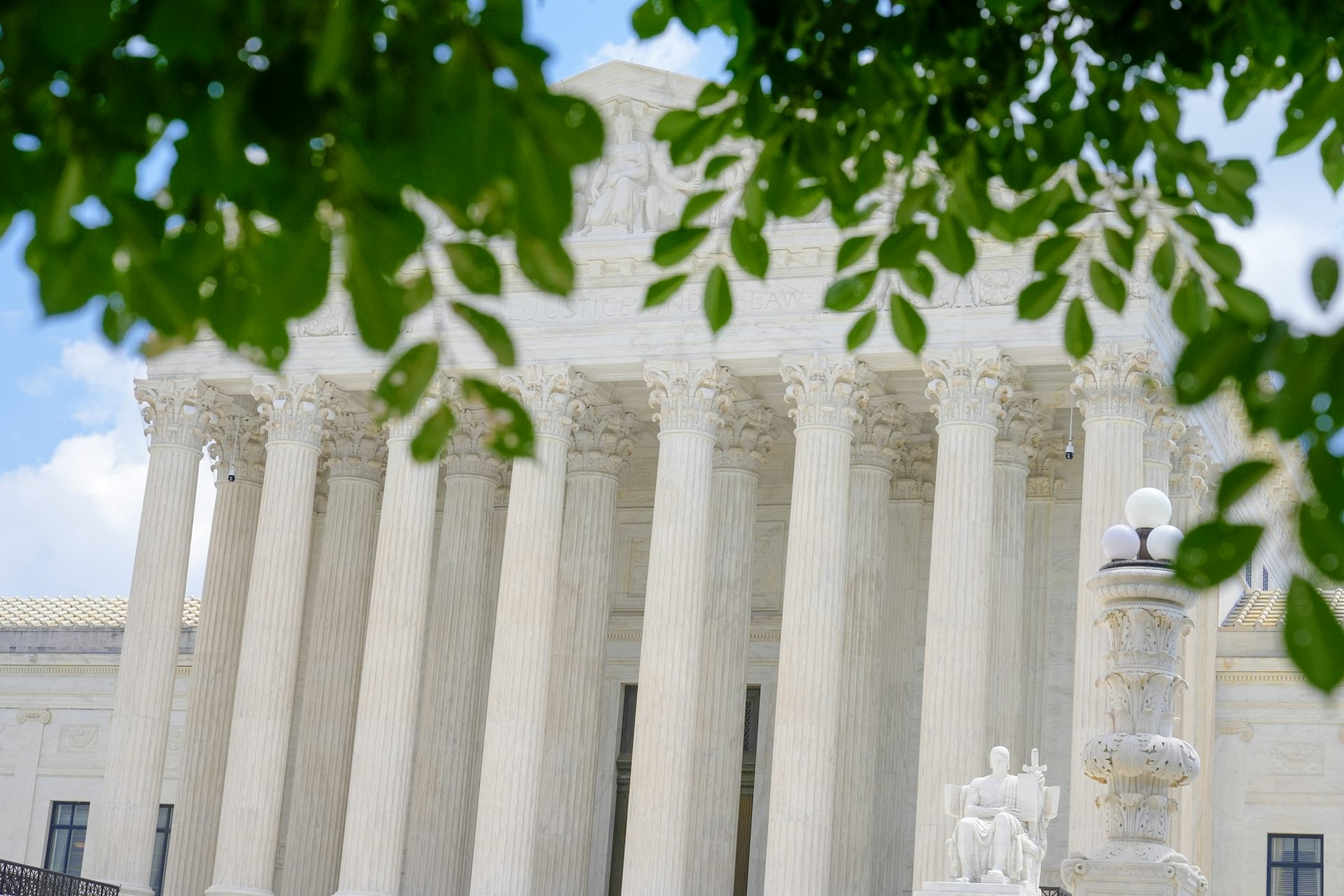
最高法院驳斥特朗普,维护出生公民权,并强调了《独立宣言》中的平等承诺。
In rebuke to Trump, Supreme Court upholds birthright ci…
Pointing to the citizenship clause of the 14th Amendment, the high court ruled that all babies born in the United States ‘are citizens by birth.’
最高法院援引《宪法》第十四修正案的公民权条款,裁定在美国出生的所有婴儿“天生就是公民”。
The Supreme Court on June 30, 2026, declared that universal birthright citizenship is protected by the citizenship clause of the 14th Amendment to the U.S. Constitution, meaning that nearly all babies born in the United States automatically become American citizens, regardless of their parents’ immigration status.
最高法院于2026年6月30日宣布,普遍的出生公民权受美国宪法第十四修正案中的国籍条款保护,这意味着几乎所有在美国出生的婴儿,无论其父母的移民身份如何,都自动成为美国公民。
The ruling rejects President Donald Trump’s executive order, signed the first day of his second administration, which sought to end birthright citizenship for the children of parents present in the country illegally and for tourists visiting only temporarily.
该裁决驳回了唐纳德·特朗普总统在他第二个任期开始的第一天签署的一项行政命令,该命令试图废除非法滞留在国内的父母子女以及仅短期访问的游客的出生公民权。
The high court ruled that “under the Constitution, they are citizens by birth.”
法院裁定:“根据宪法,他们是出生的公民。”
A close decision
一场艰难的决定
The ruling was split 5-4 on the meaning of the 14th Amendment. A sixth justice, Brett Kavanaugh, ruled against the Trump order on the grounds that it violates federal law – which Congress could alter – but not the Constitution itself, making the ruling 6-3 against Trump.
该裁决在关于第十四修正案含义的问题上以 5 比 4 分割。第六名法官布雷特·卡瓦诺(Brett Kavanaugh)认为,特朗普的命令违反了联邦法律——这是国会可以修改的——但并未违反宪法本身,因此将裁决结果变为 6 比 3 反对特朗普。
Supreme Court watchers, including myself, expected the three liberal justices – Ketanji Brown Jackson, Elena Kagan and Sonia Sotomayor – to rule in favor of universal birthright citizenship, but imagined that the six conservatives would divide.
包括我在内的最高法院观察人士原本预计,三位自由派大法官——凯坦吉·布朗·杰克逊(Ketanji Brown Jackson)、埃琳娜·卡根(Elena Kagan)和索尼娅·索托马约尔(Sonia Sotomayor)——会支持普遍的出生公民权,但他们设想六位保守派大法官会产生分歧。
Two conservatives, Chief Justice John Roberts and Justice Amy Coney Barrett, joined the liberals to form a narrow majority.
两位保守派法官,首席大法官约翰·罗伯茨(John Roberts)和艾米·科尼·巴雷特(Amy Coney Barrett),与自由派阵营结盟,形成了微弱的多数。
Four of the justices appointed by Republican presidents see the original public meaning of the 14th Amendment as quite different, primarily recognizing the citizenship of former slaves and their descendants after the Civil War. But they don’t see it applying to anyone born in the United States regardless of parentage.
四名由共和党总统任命的大法官认为,《第十四修正案》最初的公共含义非常不同,主要是在内战后承认前奴隶及其后代的公民身份。但他们不认为它适用于无论父母是谁在美国出生的任何人。
In their view, birthright citizenship was only promised to those whose parents were legal residents with sole allegiance to the United States. As they see it, the American people can expand federal law to grant citizenship to others if they choose, but the Constitution does not demand it.
在他们看来,出生公民权只承诺给那些父母是法律居民且对美国负有唯一效忠的人。根据他们的观点,美国人民可以选择扩大联邦法律来授予他人公民身份,但这并不要求宪法如此。
The meaning of the Declaration
独立宣言的意义
The timing of the landmark ruling is meaningful, coming a few days before the 250th anniversary of the Declaration of Independence on July 4, 1776.
这项里程碑式的裁决时机意义重大,它是在《独立宣言》于1776年7月4日迎来250周年纪念日前几天发布的。
As a longtime observer of the Supreme Court, I believe the best way to understand the dispute is that it reflects a deep conflict over how we see the meaning of the Declaration of Independence and how it frames the meaning of the Constitution.
作为最高法院长期观察者,我认为理解这场争议的最佳方式是:它反映了我们对“独立宣言”的含义以及其如何界定宪法含义的深刻冲突。
Roberts concludes the ruling with the statement that “Citizenship, then and now, was the right to have rights – to freely participate in our political community.”
罗伯茨大法官在裁决中总结道:“公民身份,无论是过去还是现在,都是拥有权利的权利——参与我们政治共同体的自由权。”
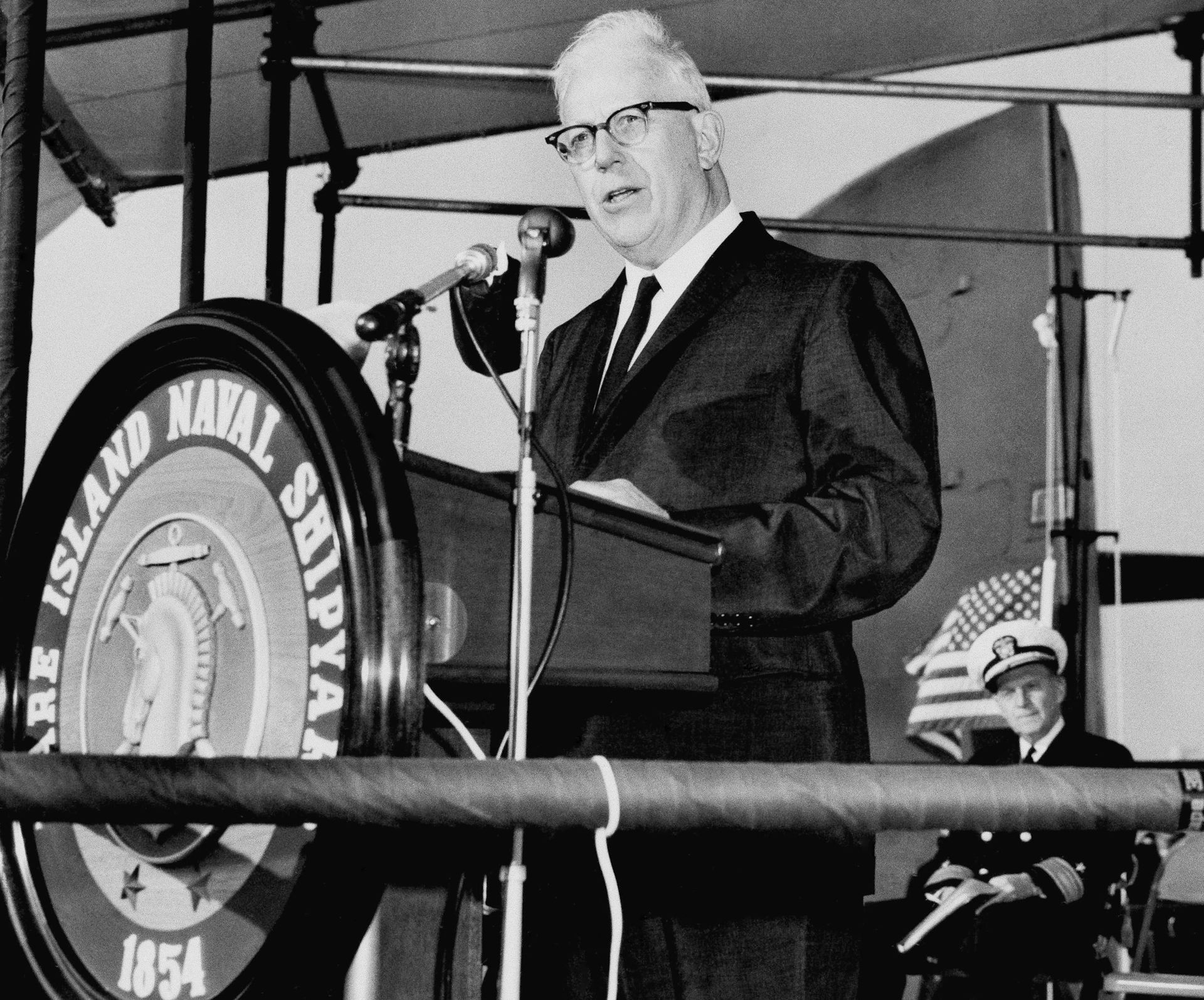
This is a reference to a famous quote from Chief Justice Earl Warren dissenting in a 1958 ruling recognizing congressional power to strip a native-born American of their citizenship for voting in a foreign election. Warren, the chief justice who authored Brown v. Board of Education in 1954 and many other landmark rulings expanding constitutional rights, wrote that “Citizenship is man’s basic right for it is nothing less than the right to have rights.”
这是对首席大法官欧尔·沃伦在1958年的一项裁决中持不同意见时引用的著名言论。该裁决涉及国会剥夺土生美国公民因投票参加外国选举而获得的公民身份的权力。沃伦大法官曾撰写过1954年的《布朗诉教育委员会案》以及许多扩大宪法权利的其他里程碑式判例,他当时写道:“公民身份是人类的基本权利,因为它无异于拥有权利的权利。”
In Warren’s – and Roberts’ – view, the Declaration of Independence established not only the importance of individual rights, but also the equality of all in holding those rights. Citizenship must be equal and open, defined as broadly as the Constitution allows, rather than narrow in its scope.
在沃伦和罗伯茨看来,《独立宣言》不仅确立了个人权利的重要性,也确立了所有人在享有这些权利方面的平等性。公民身份必须是平等且开放的,其定义应尽可能广泛,而非范围狭窄。
When the 14th Amendment expanded citizenship after the Civil War, it did so with universal language, addressing race but also something broader: “All persons born or naturalized in the United States, and subject to the jurisdiction thereof, are citizens of the United States and of the State wherein they reside.”
民权修正案在一战后扩大了公民身份,它使用了普遍性的语言,既涉及种族问题,也涵盖了更广阔的范畴:“在美国出生或归化,并受其管辖的人,均为美国和居住州的公民。”
In the majority’s view, this must be read broadly to achieve the declaration’s insistence on rights and equality.
在多数派看来,必须广泛解读这一点,才能实现宣言对权利和平等的坚持。
The dissenters believe that the declaration did something else: It established a new sovereign people who control their own definition of citizenship. In this view, the Declaration of Independence established a distinct kind of equality — an equal share in control over the government through political representation and elections.
反对者认为,《宣言》做的事情是另一件:它建立了一个新的主权人民,掌握着定义自身公民身份的权力。在这种观点看来,《独立宣言》确立了一种独特的平等——通过政治代表和选举在政府控制权中拥有平等的份额。
This view means that the current citizens must agree to offer an equal share in governance to any new members of society, but there is no such thing as citizenship without consent: No one can demand citizenship in a democracy by violating its laws.
这种观点意味着,当前的公民必须同意将治理权的等份份额提供给社会中的任何新成员,但没有无须同意的公民身份:没有人可以通过违反法律来要求获得民主国家的公民身份。
Accepting or rejecting the British inheritance
接受或拒绝英国的遗产
On the second page of the ruling, Roberts explains that “the story of citizenship in the United States begins with the English common law.”
在判决书的第二页,罗伯茨解释说:“美国公民身份的历史始于英国普通法。”
Going back to the landmark Calvin’s Case in 1608, the British rule was that anyone born in the dominion of the king was a natural born subject.
回溯到里程碑式的1608年《卡尔文案》,英国的规则是,任何在国王领地出生的人都是天生臣民。
Roberts writes that “This view crossed the Atlantic with the colonists — and was adopted with little fanfare after the Revolution, as ‘subjects’ of the sovereign became ‘citizens’ of the States.”
罗伯茨写道:“这一观点跨越大西洋传到了殖民者那里——并在革命后,几乎没有声势地被采纳,使臣民(‘subjects’)变成了州(States)的公民(‘citizens’)。”
This British common law rule of broad citizenship shaped the discussion in the key case of Wong Kim Ark in 1898. As Roberts summarizes it, “What the Court held in Wong Kim Ark was simple: the Citizenship Clause incorporated the common law and granted citizenship to nearly all children born in the United States.”
这种英国普通法关于广泛公民权的规则,塑造了1898年王金阿克案的关键讨论。正如罗伯茨总结的:“法院在王金阿克案中裁定的很简单:国籍条款纳入了普通法,并赋予了在美国出生的几乎所有儿童公民身份。”
In the view of the dissenters, the problem is that subjects are not citizens. That means that being “under the jurisdiction” of the United States is very different from being under the jurisdiction of England or any other previous nation.
在异议者的观点看来,问题在于臣民不是公民。这意味着“处于美国管辖之下”与处于英格兰或任何其他先前国家管辖之下是截然不同的。
Justice Clarence Thomas dissented on the grounds that “the English principle was a rule of feudal servitude, not a rule of citizenship.”
法官克拉伦斯·托马斯反对的理由是:“英国原则是一种封建奴役制度,而非公民身份规则。”
Justice Samuel Alito agreed in his dissent, referring to the common law as “a medieval rule” and an “ancient British rule that even the United Kingdom has abandoned.”
塞缪尔·阿里托法官在他的异议中表示同意,将普通法称为“一种中世纪的规则”和“英国甚至已经放弃的古老规则”。
Alito insists that “the Declaration of Independence repudiated the foundation on which the British rule was based” because it “emphatically rejected the British theory of government.”
阿里托坚持认为:“《独立宣言》否定了英国规则所基于的基础”,因为它“明确拒绝了英国的政府理论。”
5-4 on the meaning of July 4
关于七月四日意义的五比四
The Declaration of Independence established a new relationship between individuals and the government, moving from the government controlling the people to the people controlling the government. Subjects became citizens, and with it came the authority over who can become a new citizen.
《独立宣言》确立了个人与政府之间的新关系,从政府控制人民转变为人民控制政府。臣民变成了公民,随之而来的是决定谁可以成为新公民的权力。
In the now-controlling interpretation of the Constitution, the American people did just that through the 14th Amendment, expanding the nature of citizenship to a more universal and equal footing, in line with the new racial equality the amendment enshrines.
在目前占主导地位的宪法解释中,美国人民正是通过第十四修正案做到了这一点,将公民身份的性质扩展到更普遍和平等的层面,与该修正案所确立的新种族平等相一致。
Birthright citizenship applies to all who are born here. That view is now the law of the land.
出生权公民身份适用于所有在此出生的人。这一观点现在是法律。
In the other, now-dissenting view, the 14th Amendment granted citizenship only to those “who, at birth, owe allegiance solely to this country.”
在另一个现在持异议的观点中,第十四修正案只授予那些“出生时仅对本国效忠”的人公民身份。
Both sides agree, as Alito phrased it, that this may be “one of the most important decisions in the history of the Court.”
双方都同意,正如阿利托所措辞的那样,这可能是“法院历史上最重要的决定之一。”
Morgan Marietta does not work for, consult, own shares in or receive funding from any company or organization that would benefit from this article, and has disclosed no relevant affiliations beyond their academic appointment.
Morgan Marietta 不受任何从本文获益的公司或组织的雇佣、咨询、拥有股份或资金支持,并且除了其学术任命之外,未披露任何相关隶属关系。