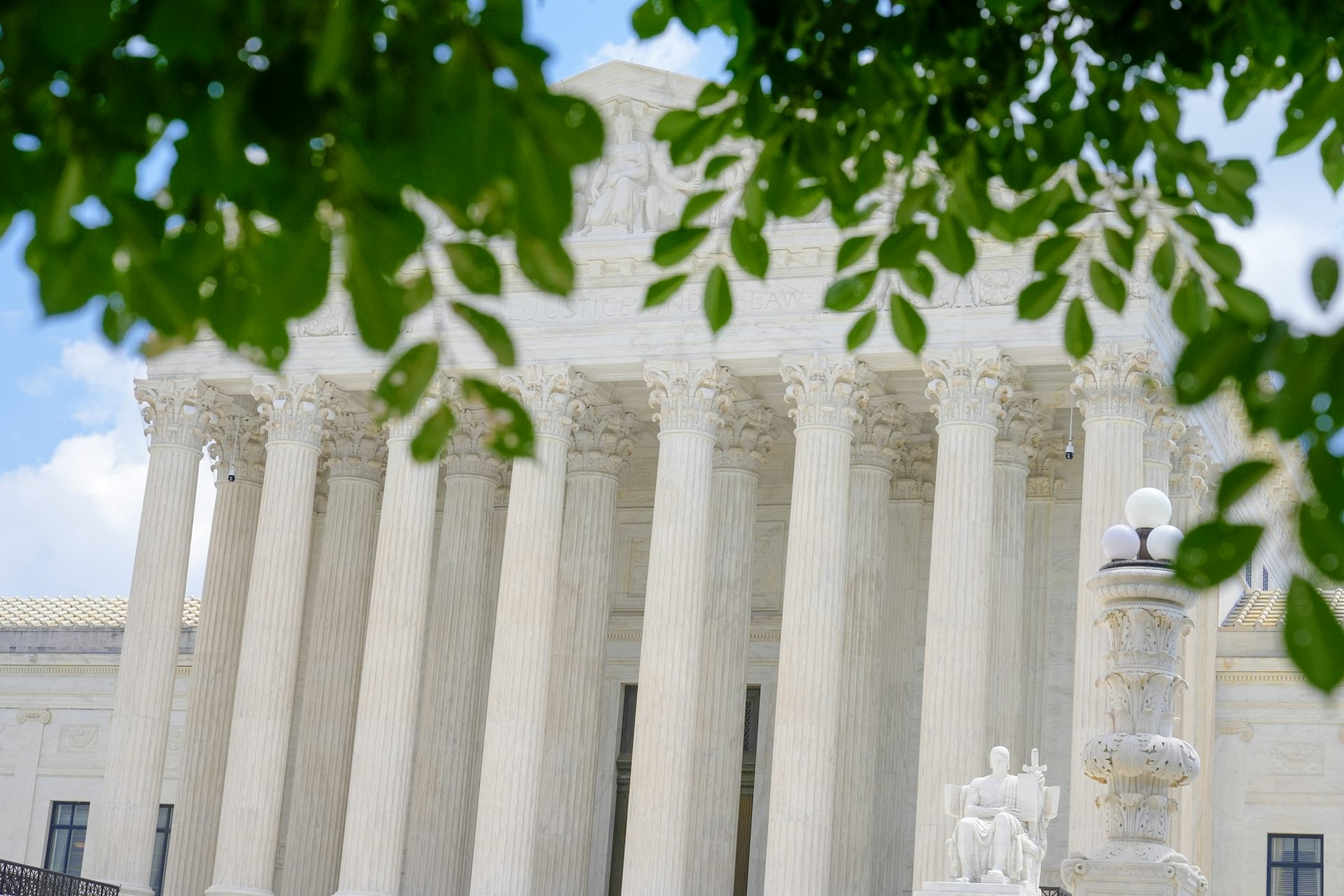
En réplica a Trump, la Corte Suprema mantiene la ciudadanía por nacimiento, enfatizando la promesa de igualdad en la Declaración de Independencia
In rebuke to Trump, Supreme Court upholds birthright citizenship, emphasizing the promise of equality in the Declaration of Independence
Pointing to the citizenship clause of the 14th Amendment, the high court ruled that all babies born in the United States ‘are citizens by birth.’
Señalando la cláusula de ciudadanía de la Enmienda 14, el tribunal supremo dictaminó que todos los bebés nacidos en Estados Unidos ‘son ciudadanos por nacimiento’.
The Supreme Court on June 30, 2026, declared that universal birthright citizenship is protected by the citizenship clause of the 14th Amendment to the U.S. Constitution, meaning that nearly all babies born in the United States automatically become American citizens, regardless of their parents’ immigration status.
La Corte Suprema, el 30 de junio de 2026, declaró que la ciudadanía por nacimiento universal está protegida por la cláusula de ciudadanía de la Enmienda 14 a la Constitución de EE. UU., lo que significa que casi todos los bebés nacidos en Estados Unidos se convierten automáticamente en ciudadanos estadounidenses, independientemente del estatus migratorio de sus padres.
The ruling rejects President Donald Trump’s executive order, signed the first day of his second administration, which sought to end birthright citizenship for the children of parents present in the country illegally and for tourists visiting only temporarily.
El fallo rechaza la orden ejecutiva del presidente Donald Trump, firmada el primer día de su segundo mandato, que buscaba poner fin a la ciudadanía por nacimiento para los hijos de padres presentes en el país ilegalmente y para turistas que visitan solo temporalmente.
The high court ruled that “under the Constitution, they are citizens by birth.”
La corte dictaminó que “según la Constitución, son ciudadanos por nacimiento”.
A close decision
Una decisión reñida
The ruling was split 5-4 on the meaning of the 14th Amendment. A sixth justice, Brett Kavanaugh, ruled against the Trump order on the grounds that it violates federal law – which Congress could alter – but not the Constitution itself, making the ruling 6-3 against Trump.
El fallo se dividió 5-4 sobre el significado de la Enmienda XIV. Un sexto magistrado, Brett Kavanaugh, falló en contra de la orden de Trump basándose en que viola una ley federal —que el Congreso podría modificar— pero no la Constitución misma, lo que hizo que el veredicto fuera 6-3 contra Trump.
Supreme Court watchers, including myself, expected the three liberal justices – Ketanji Brown Jackson, Elena Kagan and Sonia Sotomayor – to rule in favor of universal birthright citizenship, but imagined that the six conservatives would divide.
Los observadores de la Corte Suprema, incluyéndome a mí, esperaban que los tres magistrados liberales —Ketanji Brown Jackson, Elena Kagan y Sonia Sotomayor— fallaran a favor de la ciudadanía universal por nacimiento, pero imaginaron que los seis conservadores se dividirían.
Two conservatives, Chief Justice John Roberts and Justice Amy Coney Barrett, joined the liberals to form a narrow majority.
Dos conservadores, el juez jefe John Roberts y la jueza Amy Coney Barrett, se unieron a los liberales para formar una mayoría ajustada.
Four of the justices appointed by Republican presidents see the original public meaning of the 14th Amendment as quite different, primarily recognizing the citizenship of former slaves and their descendants after the Civil War. But they don’t see it applying to anyone born in the United States regardless of parentage.
Cuatro de los magistrados nombrados por presidentes republicanos ven el significado público original de la Enmienda XIV como muy diferente, reconociendo principalmente la ciudadanía de los antiguos esclavos y sus descendientes después de la Guerra Civil. Pero no lo ven aplicable a nadie nacido en Estados Unidos independientemente de su filiación.
In their view, birthright citizenship was only promised to those whose parents were legal residents with sole allegiance to the United States. As they see it, the American people can expand federal law to grant citizenship to others if they choose, but the Constitution does not demand it.
En su opinión, la ciudadanía por nacimiento solo se prometió a aquellos cuyos padres eran residentes legales con única lealtad hacia Estados Unidos. Como ellos lo ven, el pueblo estadounidense puede expandir la ley federal para otorgar ciudadanía a otros si así lo desea, pero la Constitución no lo exige.
The meaning of the Declaration
El significado de la Declaración
The timing of the landmark ruling is meaningful, coming a few days before the 250th anniversary of the Declaration of Independence on July 4, 1776.
La fecha del histórico fallo es significativa, ya que se produjo unos días antes del 250 aniversario de la Declaración de Independencia el 4 de julio de 1776.
As a longtime observer of the Supreme Court, I believe the best way to understand the dispute is that it reflects a deep conflict over how we see the meaning of the Declaration of Independence and how it frames the meaning of the Constitution.
Como observador de larga data de la Corte Suprema, creo que la mejor manera de entender la disputa es que refleja un profundo conflicto sobre cómo vemos el significado de la Declaración de Independencia y cómo enmarca el significado de la Constitución.
Roberts concludes the ruling with the statement that “Citizenship, then and now, was the right to have rights – to freely participate in our political community.”
Roberts concluye el fallo con la declaración de que “La ciudadanía, entonces y ahora, era el derecho a tener derechos: a participar libremente en nuestra comunidad política”.
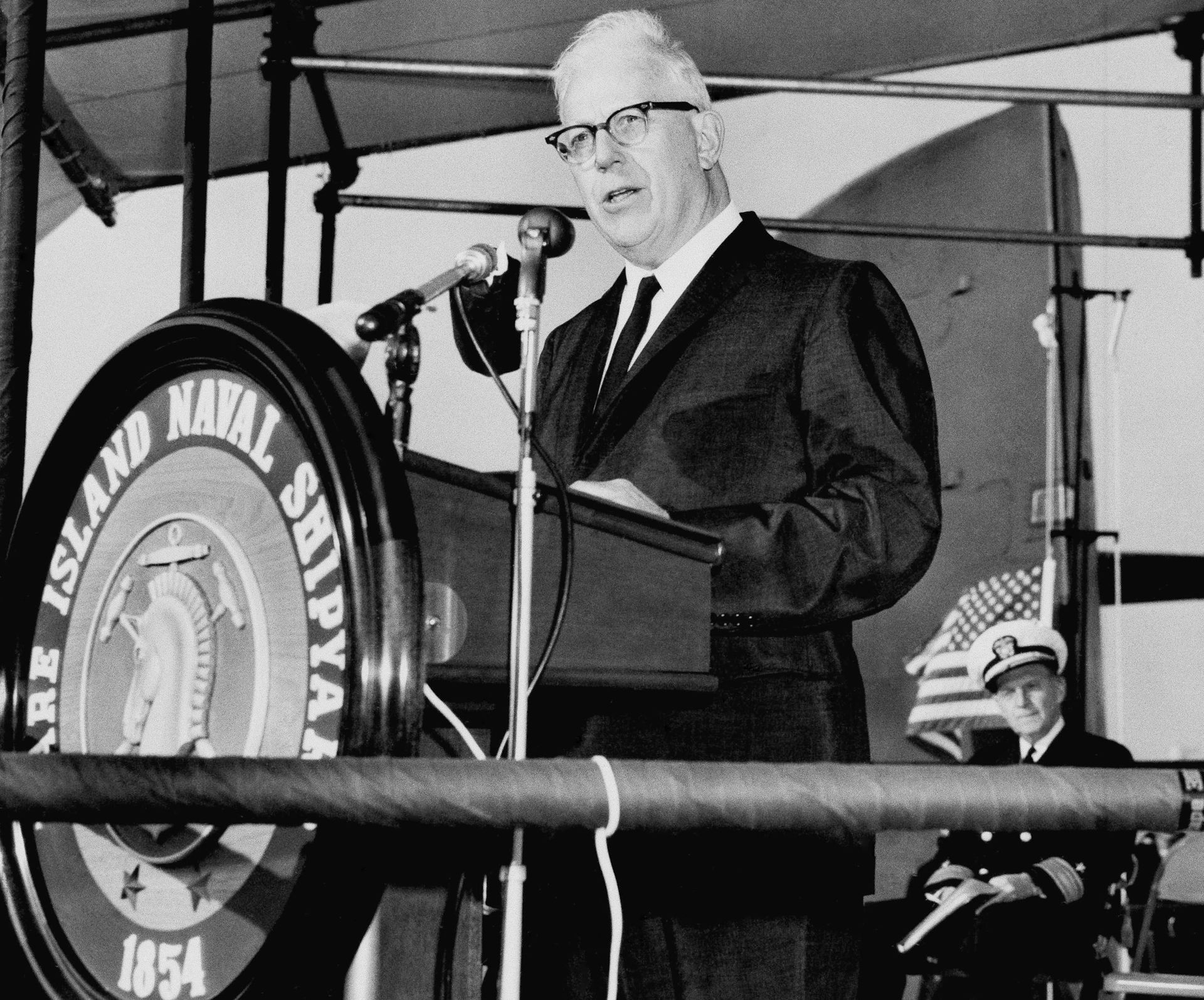
This is a reference to a famous quote from Chief Justice Earl Warren dissenting in a 1958 ruling recognizing congressional power to strip a native-born American of their citizenship for voting in a foreign election. Warren, the chief justice who authored Brown v. Board of Education in 1954 and many other landmark rulings expanding constitutional rights, wrote that “Citizenship is man’s basic right for it is nothing less than the right to have rights.”
Esta es una referencia a una famosa cita de la juez principal Earl Warren, quien disintió en un fallo de 1958 que reconocía el poder del Congreso de despojar de su ciudadanía a un estadounidense nacido en el país por votar en una elección extranjera. Warren, el juez principal que redactó Brown v. Board of Education en 1954 y muchos otros fallos históricos que ampliaron los derechos constitucionales, escribió que “La ciudadanía es el derecho básico del hombre porque no es nada menos que el derecho a tener derechos”.
In Warren’s – and Roberts’ – view, the Declaration of Independence established not only the importance of individual rights, but also the equality of all in holding those rights. Citizenship must be equal and open, defined as broadly as the Constitution allows, rather than narrow in its scope.
En la visión de Warren – y de Roberts – la Declaración de Independencia estableció no solo la importancia de los derechos individuales, sino también la igualdad de todos al ejercer esos derechos. La ciudadanía debe ser igual y abierta, definida tan ampliamente como lo permite la Constitución, en lugar de limitada en su alcance.
When the 14th Amendment expanded citizenship after the Civil War, it did so with universal language, addressing race but also something broader: “All persons born or naturalized in the United States, and subject to the jurisdiction thereof, are citizens of the United States and of the State wherein they reside.”
Cuando la Enmienda 14 amplió la ciudadanía después de la Guerra Civil, lo hizo con un lenguaje universal, abordando la raza pero también algo más amplio: “Todas las personas nacidas o naturalizadas en los Estados Unidos, y sujetas a su jurisdicción, son ciudadanos de los Estados Unidos y del Estado donde residen”.
In the majority’s view, this must be read broadly to achieve the declaration’s insistence on rights and equality.
En la opinión de la mayoría, esto debe leerse ampliamente para lograr la insistencia de la declaración sobre los derechos y la igualdad.
The dissenters believe that the declaration did something else: It established a new sovereign people who control their own definition of citizenship. In this view, the Declaration of Independence established a distinct kind of equality — an equal share in control over the government through political representation and elections.
Los disidentes creen que la declaración hizo algo más: estableció un nuevo pueblo soberano que controla su propia definición de ciudadanía. Desde este punto de vista, la Declaración de Independencia estableció un tipo distinto de igualdad: una participación igual en el control del gobierno a través de la representación política y las elecciones.
This view means that the current citizens must agree to offer an equal share in governance to any new members of society, but there is no such thing as citizenship without consent: No one can demand citizenship in a democracy by violating its laws.
Esta visión significa que los ciudadanos actuales deben acordar ofrecer una cuota igual de gobernanza a cualquier nuevo miembro de la sociedad, pero no existe tal cosa como la ciudadanía sin consentimiento: nadie puede exigir la ciudadanía en una democracia violando sus leyes.
Accepting or rejecting the British inheritance
Aceptar o rechazar la herencia británica
On the second page of the ruling, Roberts explains that “the story of citizenship in the United States begins with the English common law.”
En la segunda página del fallo, Roberts explica que «la historia de la ciudadanía en los Estados Unidos comienza con el derecho consuetudinario inglés.»
Going back to the landmark Calvin’s Case in 1608, the British rule was that anyone born in the dominion of the king was a natural born subject.
Volviendo al histórico caso de Calvin en 1608, la regla británica era que cualquier persona nacida en el dominio del rey era un súbdito nacido por naturaleza.
Roberts writes that “This view crossed the Atlantic with the colonists — and was adopted with little fanfare after the Revolution, as ‘subjects’ of the sovereign became ‘citizens’ of the States.”
Roberts escribe que «esta visión cruzó el Atlántico con los colonos y fue adoptada sin gran alarde después de la Revolución, cuando los ‘súbditos’ del soberano se convirtieron en ‘ciudadanos’ de los Estados.»
This British common law rule of broad citizenship shaped the discussion in the key case of Wong Kim Ark in 1898. As Roberts summarizes it, “What the Court held in Wong Kim Ark was simple: the Citizenship Clause incorporated the common law and granted citizenship to nearly all children born in the United States.”
Esta regla de derecho consuetudinario británico sobre la amplia ciudadanía moldeó el debate en el caso clave de Wong Kim Ark en 1898. Como lo resume Roberts, «lo que dictaminó el Tribunal en Wong Kim Ark fue simple: la Cláusula de Ciudadanía incorporó el derecho común y otorgó la ciudadanía a casi todos los niños nacidos en los Estados Unidos.»
In the view of the dissenters, the problem is that subjects are not citizens. That means that being “under the jurisdiction” of the United States is very different from being under the jurisdiction of England or any other previous nation.
Desde la perspectiva de los disidentes, el problema es que los súbditos no son ciudadanos. Esto significa que estar «bajo la jurisdicción» de los Estados Unidos es muy diferente a estar bajo la jurisdicción de Inglaterra o cualquier otra nación anterior.
Justice Clarence Thomas dissented on the grounds that “the English principle was a rule of feudal servitude, not a rule of citizenship.”
El juez Clarence Thomas disintió basándose en que «el principio inglés era una regla de servidumbre feudal, no una regla de ciudadanía.»
Justice Samuel Alito agreed in his dissent, referring to the common law as “a medieval rule” and an “ancient British rule that even the United Kingdom has abandoned.”
El juez Samuel Alito coincidió en su disidencia, refiriéndose al derecho común como «una regla medieval» y una «antigua regla británica que incluso el Reino Unido ha abandonado.»
Alito insists that “the Declaration of Independence repudiated the foundation on which the British rule was based” because it “emphatically rejected the British theory of government.”
Alito insiste en que «la Declaración de Independencia repudió los fundamentos sobre los que se basaba la regla británica» porque «rechazó enfáticamente la teoría británica de gobierno.»
5-4 on the meaning of July 4
5-4 sobre el significado del 4 de julio
The Declaration of Independence established a new relationship between individuals and the government, moving from the government controlling the people to the people controlling the government. Subjects became citizens, and with it came the authority over who can become a new citizen.
La Declaración de Independencia estableció una nueva relación entre los individuos y el gobierno, pasando del gobierno que controla a la gente a la gente que controla al gobierno. Los súbditos se convirtieron en ciudadanos, y con ello llegó la autoridad sobre quién puede convertirse en un nuevo ciudadano.
In the now-controlling interpretation of the Constitution, the American people did just that through the 14th Amendment, expanding the nature of citizenship to a more universal and equal footing, in line with the new racial equality the amendment enshrines.
En la interpretación ahora dominante de la Constitución, el pueblo estadounidense hizo precisamente eso a través de la Decimocuarto Enmienda, expandiendo la naturaleza de la ciudadanía a una base más universal e igualitaria, en línea con la nueva igualdad racial que consagra la enmienda.
Birthright citizenship applies to all who are born here. That view is now the law of the land.
La ciudadanía por nacimiento se aplica a todos los nacidos aquí. Esa visión es ahora la ley del país.
In the other, now-dissenting view, the 14th Amendment granted citizenship only to those “who, at birth, owe allegiance solely to this country.”
En la otra visión, ahora disidente, la Decimocuarto Enmienda otorgó ciudadanía solo a aquellos «que, al nacer, deben lealtad únicamente a este país.»
Both sides agree, as Alito phrased it, that this may be “one of the most important decisions in the history of the Court.”
Ambas partes están de acuerdo, como lo expresó Alito, en que esta puede ser «una de las decisiones más importantes en la historia del Tribunal.»
Morgan Marietta does not work for, consult, own shares in or receive funding from any company or organization that would benefit from this article, and has disclosed no relevant affiliations beyond their academic appointment.
Morgan Marietta no trabaja para, asesora, posee acciones de ni recibe financiación de ninguna empresa u organización que se beneficiaría de este artículo, y no ha revelado afiliaciones relevantes más allá de su nombramiento académico.
Read more
-

Casi todo lo que usamos en línea es propiedad de las grandes tecnológicas. Hay una mejor manera de avanzar.
Nearly everything we use online is owned by big tech. There’s a better way forward
-

El fallo de la Corte Suprema sobre la Ley de Derechos de Voto dificulta la protección del poder de voto de las minorías y altera el panorama de futuras elecciones
Supreme Court’s Voting Rights Act ruling makes it harder to protect minority voting power and alters the landscape of future elections