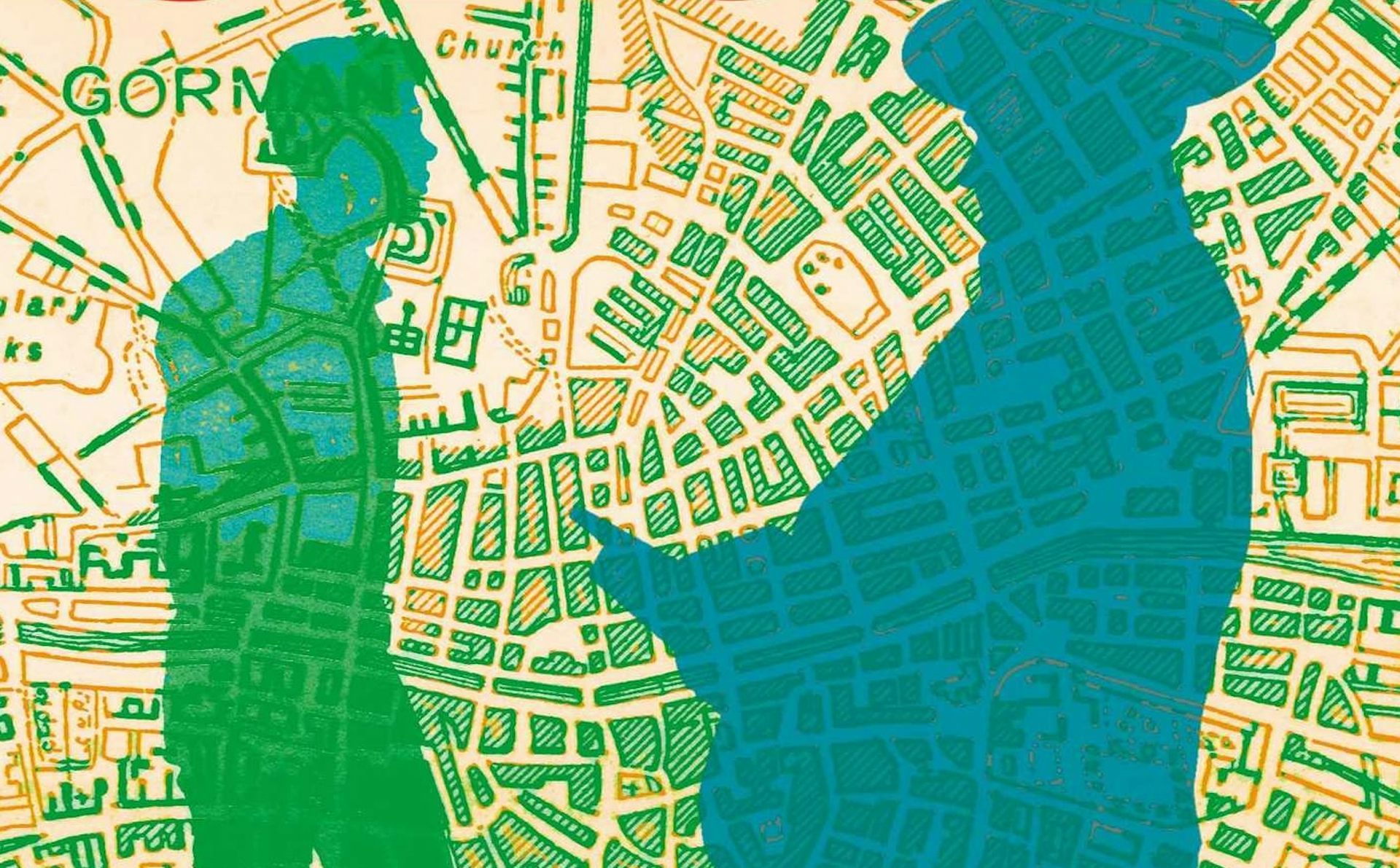
يوليوسيس باللغة الزولوية: لماذا تهم ترجمة الرواية الأيرلندية الكلاسيكية من أفريقيا في عالم اليوم
Ulysses in isiZulu: why an African translation of the classic Irish novel matters in today’s world
Writers from very different places can grapple with the same questions.
يمكن للكتاب من أماكن مختلفة جداً أن يتناولوا نفس التساؤلات.
Every year on 16 June, readers around the world celebrate Bloomsday, the annual commemoration of Irish writer James Joyce’s landmark 1922 novel Ulysses.
في السادس عشر من يونيو كل عام، يحتفل القراء في جميع أنحاء العالم بيوم بلوومسدي، وهو إحياء سنوي لرواية “يوليسيز” البارزة للكاتب الأيرلندي جيمس جويس التي صدرت عام 1922.
The date marks the single day on which the novel unfolds: 16 June 1904, when its protagonist, Leopold Bloom, wanders through the city of Dublin. What began as a literary observance has become a global celebration of reading.
يشير هذا التاريخ إلى اليوم الوحيد الذي تجري فيه أحداث الرواية: السادس عشر من يونيو عام 1904، عندما يتجول بطلها، ليوبولد بلوم، في مدينة دبلن. ما بدأ كمناسبة أدبية أصبح احتفالاً عالمياً بالقراءة.
In 2026 the festivities in Johannesburg had a special South African quality to them. At the centre of the event was South African writer and translator Sandile Ngidi’s isiZulu rendering of the character Molly Bloom’s famous soliloquy, the concluding episode of Ulysses.
في عام 2026، اتسمت الاحتفالات في جوهانسبرغ بطابع جنوب أفريقي خاص. وكان في قلب الحدث صياغة سانديلي نغيدي، الكاتبة والمترجمة الجنوب أفريقية، باللغة إيسا زولو للمونولوج الشهير لشخصية مولي بلوم، وهو الفصل الختامي لرواية “يوليسيز.”
As a scholar of African literatures, I am interested in how literary ideas travel. My research has shown how writers from very different contexts can grapple with similar political and artistic questions. Ngidi’s translation opens up one of the most challenging works of literature to new readers.
بصفتي باحثاً في الأدب الأفريقي، يثير اهتمامي كيف تنتقل الأفكار الأدبية. وقد أظهر بحثي كيف يمكن للكتاب من سياقات مختلفة جداً أن يتناولوا قضايا سياسية وفنية متشابهة. تفتح ترجمة نغيدي أحد أكثر الأعمال الأدبية تحدياً أمام القراء الجدد.
The isiZulu translation represents only a small portion of this vast and notoriously difficult novel. Ulysses is based on one ordinary day in the lives of three characters who live in Dublin. It uses their experiences to explore identity, memory, desire, and modern life in early 20th-century Ireland.
تمثل الترجمة إلى لغة إيسا زولو جزءاً صغيراً فقط من هذه الرواية الضخمة والصعبة السمعة. وتستند “يوليسيز” على يوم عادي في حياة ثلاثة شخصيات تعيش في دبلن. وتستخدم تجاربهم لاستكشاف الهوية والذاكرة والرغبة والحياة العصرية في أيرلندا أوائل القرن العشرين.
Since its publication, Ulysses has been formally translated into more than 40 languages, mostly within Europe. Its journey into isiZulu reminds us that literature travels most powerfully when it crosses linguistic and cultural boundaries and returns us to the urgent questions of our own time.
منذ صدورها، تُرجمت رواية “يوليسيز” رسمياً إلى أكثر من 40 لغة، معظمها داخل أوروبا. وتذكرنا رحلتها إلى لغة إيسا زولو بأن الأدب ينتقل بقوة أكبر عندما يعبر الحدود اللغوية والثقافية ويعيدنا إلى التساؤلات الملحة في عصرنا الخاص.
Translation as an act of imagination
الترجمة كفعل خيالي
Bridge Books, a community-centred bookshop in inner city Johannesburg, hosted the Bloomsday event, which also included readings from South African writers Ivan Vladislavić and Terry-Ann Adams.
استضافت مكتبة بريدج بوكس، وهي متجر كتب يركز على المجتمع في جوهانسبرغ بوسط المدينة، فعالية “يوم بلوومزدي”، والتي تضمنت أيضاً قراءات للكاتبين الجنوب أفريقيين إيفان فلاسلافيتش وتيري-آن آدامز.
By holding a multilingual Bloomsday celebration in parts of the city where anti-immigrant groups have been marching, the organisers underscored a simple but powerful point: the civic imagination at the heart of Joyce’s work remains relevant wherever diverse communities claim space through stories and conversation.
من خلال إقامة احتفالية متعددة اللغات بمناسبة يوم بلوومزدي في أجزاء من المدينة حيث سارت مجموعات مناهضة للمهاجرين، أكد المنظمون نقطة بسيطة لكن قوية: إن الخيال المدني الذي يكمن في قلب أعمال جويس لا يزال ذا صلة أينما تطالب المجتمعات المتنوعة بالمساحة عبر القصص والمحادثات.
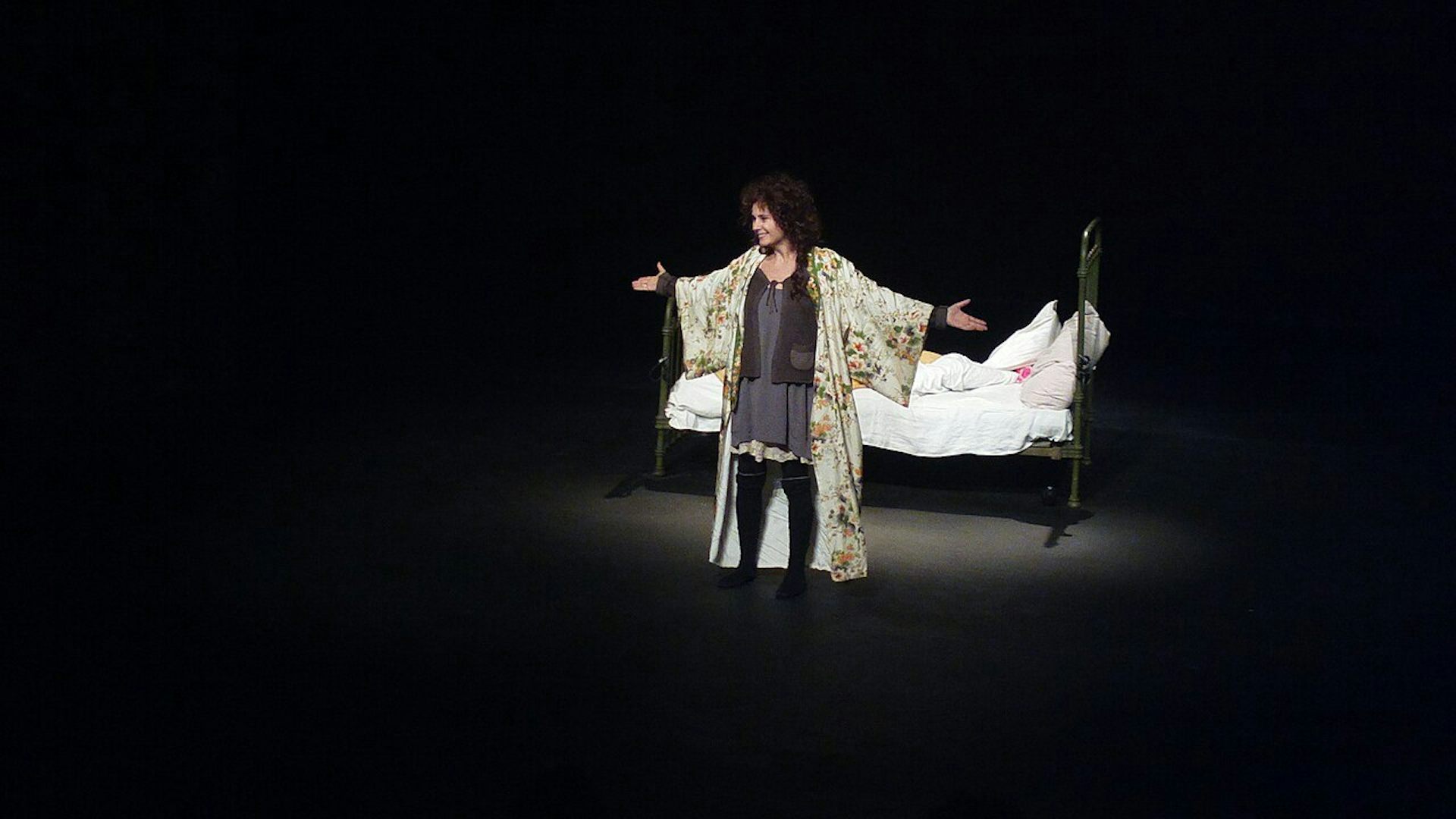
Ulysses is really about random and seemingly mundane interactions. Molly Bloom is one of the main characters, an opera singer who spends the day mostly in bed. Bloomsday is named after her and her husband, who is also a main character. He’s wandering the city remembering the death of their son, and stewing in the knowledge that Molly is having an affair. This is the universal drama of human life.
تدور رواية “يوليسيز” حقاً حول التفاعلات العشوائية والتبدو عادية. مولّي بلوم هي إحدى الشخصيات الرئيسية، وهي مطربة أوبرا تقضي اليوم معظمها في السرير. سُمي يوم بلوومزدي باسمها وباسم زوجها، الذي هو أيضاً شخصية رئيسية. يتجول الزوج في المدينة متذكراً وفاة ابنه، ويغلي بالمعرفة بأن مولّي تخون. هذه هي الدراما الإنسانية الكونية.
Ngidi’s translation matters. It challenges assumptions about which languages are considered suitable for conveying the so-called world literature. African languages are not peripheral to global literary culture but active participants in it, capable of carrying, reshaping and reinterpreting some of the most demanding works ever written.
ترجمة نغيدي مهمة. إنها تتحدى الافتراضات حول اللغات التي تعتبر مناسبة لنقل ما يسمى بالأدب العالمي. فاللغات الأفريقية ليست هامشية عن الثقافة الأدبية العالمية، بل هي مشاركة فاعلة فيها، وقادرة على حمل وإعادة تشكيل وتأويل بعض أكثر الأعمال تطلباً التي كُتبت على الإطلاق.
In fact, reading Joyce in isiZulu raises larger questions about literary inheritance. Who owns a literary classic? Joyce himself was deeply concerned with the relationship between language and power.
في الواقع، فإن قراءة جويس بلغة إسي زولو تثير تساؤلات أكبر حول التراث الأدبي. من يملك العمل الأدبي الكلاسيكي؟ كان جويس نفسه مهتماً بعمق بالعلاقة بين اللغة والسلطة.
Writing from a colonised Ireland, he grappled with the complexities of expressing Irish experience through English, the language of imperial rule. His work repeatedly explores tensions between local identity and global influence, between inherited forms and new possibilities.
كتاباً من أيرلندا المستعمرة، تعامل مع تعقيدات التعبير عن التجربة الأيرلندية عبر اللغة الإنجليزية، وهي لغة الحكم الإمبراطوري. يستكشف عمله مراراً وتكراراً التوترات بين الهوية المحلية والتأثير العالمي، وبين الأشكال الموروثة والإمكانيات الجديدة.
James Joyce for everyone
جيمس جويس للجميع
The concerns in Joyce’s fiction have become even more pertinent. Across many parts of the world, debates about belonging have become increasingly fraught. In both Ireland and South Africa, questions of migration, national identity and cultural inclusion have generated political tensions and, at times, hostility towards foreigners.
أصبحت القضايا في خيال جويس أكثر أهمية. ففي أنحاء عديدة من العالم، أصبحت النقاشات حول الانتماء متوترة بشكل متزايد. وفي كل من أيرلندا وجنوب أفريقيا، ولّدت قضايا الهجرة والهوية الوطنية والاندماج الثقافي توترات سياسية، وأحياناً عداءً تجاه الأجانب.
Joyce is often regarded as a writer for specialists and university students. His novels have a reputation for difficulty that makes them seem inaccessible. Yet events like the one in Johannesburg suggest a different story. Joyce survives because readers continue to reinvent him, finding new contexts, new languages and new communities in which his work can live.
غالباً ما يُنظر إلى جويس على أنه كاتب للمتخصصين وطلاب الجامعات. وتشتهر رواياته بصعوبة تجعلها تبدو بعيدة المنال. ومع ذلك، تشير أحداث مثل تلك التي وقعت في جوهانسبرغ إلى قصة مختلفة. ينجو جويس لأن القراء يستمرون في إعادة اختراعه، ليجدوا له سياقات ولغات ومجتمعات جديدة يمكن أن يعيش فيها عمله.
Translation, in this sense, is more than a literary exercise. It is an act of imagination that allows readers to encounter familiar questions from a different vantage point. Rather than simply reproducing Ulysses, the translation creates a new reading experience that illuminates both Joyce’s novel and the expressive possibilities of isiZulu.
الترجمة، بهذا المعنى، هي أكثر من مجرد تمرين أدبي. إنها فعل خيال يسمح للقراء بمواجهة أسئلة مألوفة من منظور مختلف. فبدلاً من مجرد استنساخ رواية أوديسيوس (Ulysses) ، تخلق الترجمة تجربة قراءة جديدة تُضيء كلاً من رواية جويس والإمكانيات التعبيرية للغة إسي زولو (isiZulu) .
By carrying Joyce into isiZulu, Ngidi expands not only the readership of Ulysses but also the range of perspectives through which the novel can be understood.
من خلال نقل جويس إلى لغة إسي زولو، يوسع نغيدي ليس فقط قاعدة قراء أوديسيوس، بل ويوسع أيضاً نطاق وجهات النظر التي يمكن فهم الرواية من خلالها.
The translation demonstrates that African languages are not simply vehicles for local experience; they are capable of engaging the most complex works of world literature while bringing new meanings to them.
تُظهر الترجمة أن اللغات الأفريقية ليست مجرد وسائل للتجارب المحلية؛ بل هي قادرة على التعامل مع أعقد أعمال الأدب العالمي، وفي الوقت نفسه تمنحها معاني جديدة.
Tinashe Mushakavanhu does not work for, consult, own shares in or receive funding from any company or organisation that would benefit from this article, and has disclosed no relevant affiliations beyond their academic appointment.
تيناشي موشاكافانحو لا يعمل لدى، أو يستشير، أو يمتلك حصصاً في، أو يتلقى تمويلاً من أي شركة أو منظمة تستفيد من هذه المقالة، ولم يفصح عن أي انتماءات ذات صلة تتجاوز منصبه الأكاديمي.
Read more
-

يقول جيف بيزوس إن الشعر الذي لا يعتمد على القافية سهل – لكن الأمر ليس بهذه البساطة.
Jeff Bezos says poetry without rhyming is easy – but it’s not that simple
-
اكتشفت بعثات استكشافية في “جزيرة السماء” بموزمبيق أربعة أنواع جديدة من الحرباء – وهي أنواع مهددة بالفعل بفقدان الغابات.
Mozambique ‘sky island’ expeditions found 4 new species of chameleon – already at risk from forest loss