鲨鱼清除行动能让人们在海洋中安全吗?科学告诉我们的是
Do shark culls keep people safe in the ocean? Here’s wh…
Culls are back on the table after a shark bit a woman at Coogee beach on Saturday.
周六在科吉海滩,一名女性被鲨鱼咬伤后,清除行动再次成为讨论焦点。
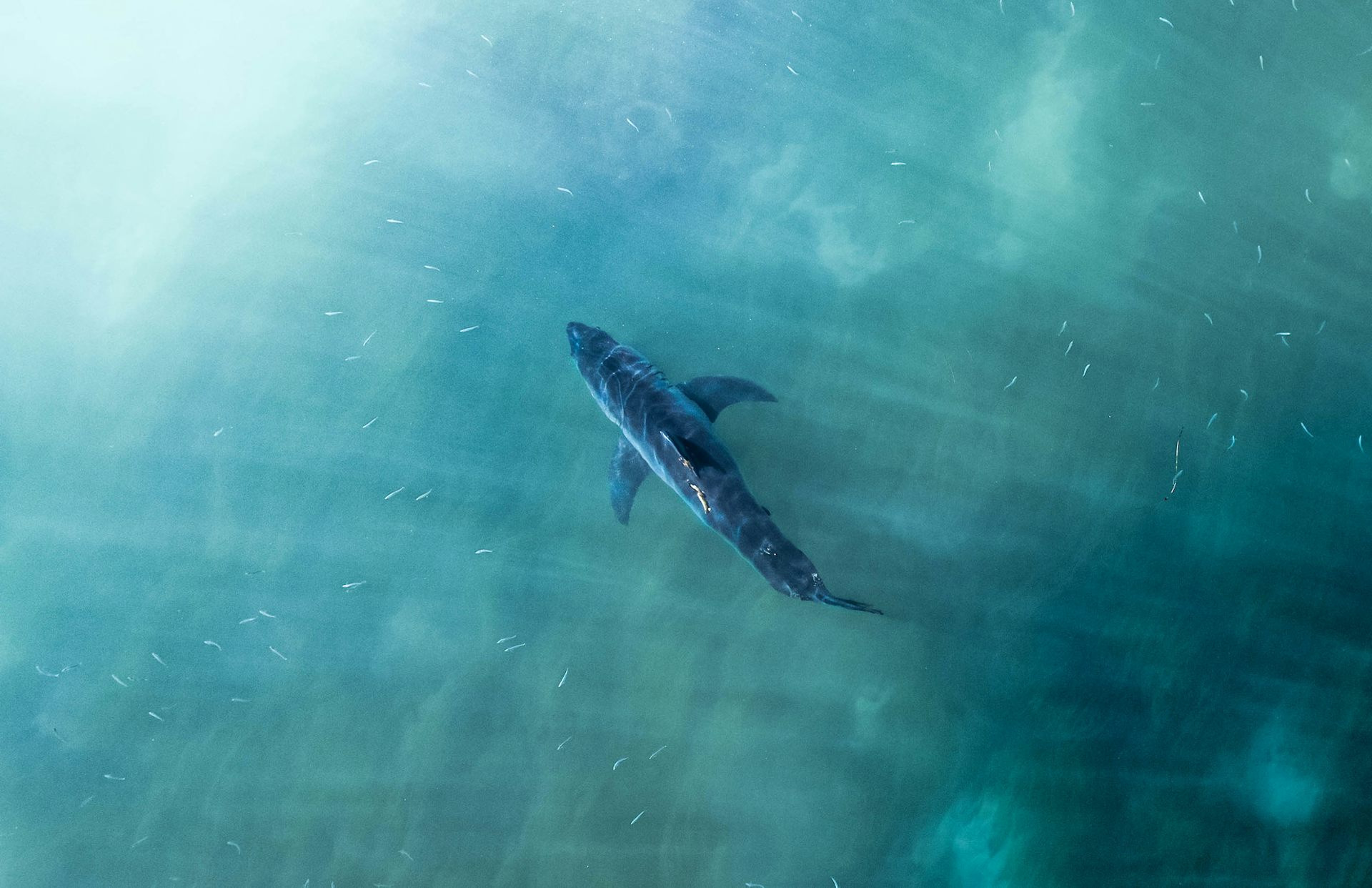
A young mother remains in hospital after being bitten by a shark at Coogee beach in Sydney on Saturday morning. Leah Stewart, 35, was swimming about 30 metres offshore when the shark – believed to be a three to four metre great white shark – struck.
一名年轻母亲在周六早上于悉尼库吉海滩被鲨鱼咬伤后,仍在医院接受治疗。Leah Stewart,35岁,当时在离岸约30米处游泳时,遭遇了鲨鱼——据信为一条三到四米的白鲨的袭击。
In the wake of this tragic incident, there have been renewed calls for a shark cull to be launched. Federal Liberal Party president Tony Abbott, for example, said:
在这起悲剧事件发生后,人们再次呼吁进行大规模捕杀鲨鱼。例如,联邦自由党主席托尼·阿博特说:
It’s so wrong that we don’t cull sharks after attacks. It’s so wrong that we don’t have a commercial shark fishery given the explosion of shark numbers, and it’s so wrong that we don’t put people before sharks.
“事后不捕杀鲨鱼是错的。鉴于鲨鱼数量激增,没有商业鲨鱼渔业也是错的,而把鲨鱼放在人之前也是错的。”
New South Wales Premier Chris Minns has since said his government is actively considering a cull of bull sharks, in response to a surge in bull shark bites over summer.
新南威尔士州州长克里斯·明斯随后表示,鉴于夏季牛鲨咬伤事件激增,其政府正在积极考虑捕杀牛鲨。
So is the number of shark bites really increasing and is it because shark numbers are exploding? What does the research say about the effectiveness of culling? And what other measures could keep ocean users safe?
那么,鲨鱼被咬的次数是否真的在增加?是因为鲨鱼数量激增吗?研究表明了捕杀的有效性如何?还有哪些措施可以保护海洋使用者安全?
Rising numbers of shark bites
鲨鱼咬伤数量增加
Shark bites have increased in Australia and globally over the past four decades (although they are still very rare) .
在过去的四十年里,澳大利亚和全球的鲨鱼咬伤事件有所增加(尽管它们仍然非常罕见)。
The exploding number of sharks is often mentioned to explain this trend.
人们经常提到鲨鱼数量激增来解释这一趋势。
Many species of sharks are threatened globally. But Australia has many protections in place and relatively well-managed fisheries that support the recovery of vulnerable species, such as the great white shark, and which prevent the decline of species which are threatened in other countries, such as the bull shark.
全球许多鲨鱼物种都受到威胁。但澳大利亚已经建立了许多保护措施和相对完善的渔业管理体系,支持了如大白鲨等脆弱物种的恢复,并防止了其他国家面临威胁的物种(例如牛鲨)的数量下降。
But it’s unlikely that the recovery of the great white shark or reduced fishing pressure can alone explain the rise in shark bites.
但不太可能仅凭大白鲨的恢复或渔业压力的减轻就能解释鲨鱼咬伤事件的增加。
Last year colleagues and I published a study on the factors influencing the number of shark bites. We found 40 factors suggested to affect shark-bite risk. These included human population growth, habitat modification and destruction, declining water quality, climate change and anomalous weather patterns, and changes to the distribution and abundance of sharks and their prey.
去年,我和同事发表了一项关于影响鲨鱼咬伤数量因素的研究。我们发现有40个因素被认为会影响鲨鱼咬伤的风险。这些因素包括人类人口增长、栖息地改造和破坏、水质下降、气候变化和异常天气模式,以及鲨鱼及其猎物分布和丰度的变化。
However, the relatively infrequent occurrence of such events reduces our ability to determine which of these factors explain the increase in shark bites the most. It is likely to be due to a combination of these factors.
然而,此类事件相对不频繁的发生降低了我们确定哪些因素对鲨鱼咬伤增加影响最大的能力。这可能归因于这些因素的组合作用。
Do shark culls work?
鲨鱼清除行动有效吗?
There are many ways to reduce the risk of shark bites. Shark culls are the most controversial.
减少鲨鱼咬伤风险的方法有很多。但“清除鲨鱼”是最具争议的。
Some research has suggested culling sharks has reduced the rate of interactions with humans in certain locations. However, other studies have highlighted no changes in bite rates after large culling programs were implemented.
一些研究表明,在某些地点进行鲨鱼清除确实降低了与人类互动的频率。然而,其他研究则指出,大规模清除计划实施后,咬伤率并未发生变化。
The efficacy of culling varies between species and regions, and the number of sharks needed to be culled is unknown but is likely to be high before it starts affecting shark-bite risk.
清除行动的有效性因物种和地区而异,而且需要清除多少条鲨鱼尚不清楚,但很可能要达到很高数量才会影响到鲨鱼咬伤风险。
While you could argue that even culling one shark reduces risk, that shark might never have bitten humans, so culling that shark does not impact the number of shark bites. This problem is best illustrated by the shark control program in Hawaii in the 1960s and 1970s, during which 4,668 tiger sharks were killed but there were no resulting changes in the rate of shark bites.
虽然有人可能会争辩说,即使清除一条鲨鱼也能降低风险,但这只鲨鱼可能从未攻击过人类,因此清除它并不会影响鲨鱼咬伤的数量。这个问题最好通过1960年代和1970年代夏威夷的鲨鱼控制计划来说明,当时杀死了4,668条虎鲨,但鲨鱼咬伤率并未出现任何变化。
What about other measures?
关于其他措施呢?
Shark nets aim to catch potentially dangerous sharks close to popular swimming areas. However, this method can also kill non-dangerous sharks and a range of other marine animals such as rays, turtles and dolphins. There is also little evidence to show shark nets keep people safe.
鲨鱼网旨在捕获靠近热门游泳区的潜在危险鲨鱼。然而,这种方法也会杀死非危险的鲨鱼以及各种其他海洋动物,例如鱼、海龟和海豚。目前也缺乏证据表明鲨鱼网能让人安全。
There are a range of other area-based mitigation measures that are designed to minimise impact on the marine ecosystem, and for which efficacy has been reviewed. These include using drones to observe sharks, SMART drumlines (which intercept sharks close to shore and allow authorities to tag and then safely relocate them) , and shark listening stations that detect the presence of a tagged shark.
有一系列其他基于区域的缓解措施,旨在最大限度地减少对海洋生态系统的影响,并且其有效性已经过评估。这些包括使用无人机观察鲨鱼、智能木桩网(SMART drumlines)(该系统拦截靠近海岸的鲨鱼,允许当局对其进行标记并安全转移),以及能够探测到已标记鲨鱼存在的鲨鱼监听站。
Many studies show that early-warning systems using drones can detect sharks and quickly enable the evacuation of beaches, while SMART drumlines intercept sharks with the capture leading to sharks leaving the area upon release.
许多研究表明,使用无人机的早期预警系统可以探测到鲨鱼并迅速实现海滩疏散;而智能木桩网则通过捕获拦截鲨鱼,并在释放后引导它们离开该区域。
So, what now?
那么,接下来该怎么办?
So, what should we use to reduce shark-bite risk? This question should be considered from both an efficacy and ethical perspective.
那么,我们应该使用什么来降低鲨鱼咬伤的风险?这个问题需要从功效和伦理两个角度进行考量。
Culling might theoretically reduce risk. But we have no idea of how many sharks need to be culled to reduce the number of bites. As the experience of Hawaii shows, culling may see thousands of sharks killed without improvements in public safety. It would also have significant impacts on marine ecosystems.
理论上,捕杀可能会降低风险。但我们不知道需要捕杀多少鲨鱼才能减少咬伤次数。正如夏威夷的经验所示,捕杀可能导致数千条鲨鱼死亡,却无法改善公共安全。它也会对海洋生态系统产生重大影响。
It makes far more sense to invest more in non-lethal measures such as drone surveillance, as the evidence shows these measures reduce shark-bite risk and are preferred by the public.
更有意义的做法是投入更多资源进行非致命性措施,例如无人机监控,因为证据表明这些措施可以降低鲨鱼咬伤的风险,并且受到公众青睐。
But all the measures discussed so far are only part of the arsenal available to reduce the risk of shark bites. They can be complemented with personal deterrents, which can reduce the risk of shark bites by 60% (even when sharks are motivated and in a predatory mode) , bite-resistant materials that can reduce the risk of serious injury, and improved first aid training and education.
但到目前为止讨论的所有措施,都只是降低鲨鱼咬伤风险的“武器库”的一部分。它们可以辅以个人威慑物(即使在鲨鱼有动机且处于捕食状态时,也能将咬伤风险降低60%)、可减少严重伤害的抗咬材料,以及改进的急救培训和教育。
There’s no silver bullet in terms of completely eliminating the risk of shark bites (aside from well-maintained swimming enclosures) , but as shark numbers recover, so could the number of bites without adequate mitigation measures. A combination of area-based measures, personal deterrents, injury-reduction material, and education would be most efficient at reducing risk and the consequences of shark bites, so people can continue to enjoy that coastal lifestyle that Australia is so famous for.
从彻底消除鲨鱼咬伤风险的角度来看,没有“灵丹妙药”(除了维护良好的游泳围栏),但随着鲨鱼数量恢复,如果没有足够的缓解措施,咬伤次数也可能会增加。结合区域性措施、个人威慑物、减少伤害的材料和教育,将是最有效地降低鲨鱼咬伤风险和后果的方法,这样人们就可以继续享受澳大利亚著名的海岸生活方式。
The author would like to acknowledge the contribution of Laura Ryan and Nathan Hart from Macquarie University to this article.
作者谨对麦格理大学的Laura Ryan和Nathan Hart在本文中的贡献表示感谢。
Charlie Huveneers has received grants from state governments in South Australia, New South Wales and Queensland to assess the efficacy of shark-bite mitigation measures.
Charlie Huveneers曾获得南澳大利亚州、新南威尔士州和昆士兰州政府的资助,用于评估鲨鱼咬伤缓解措施的功效。