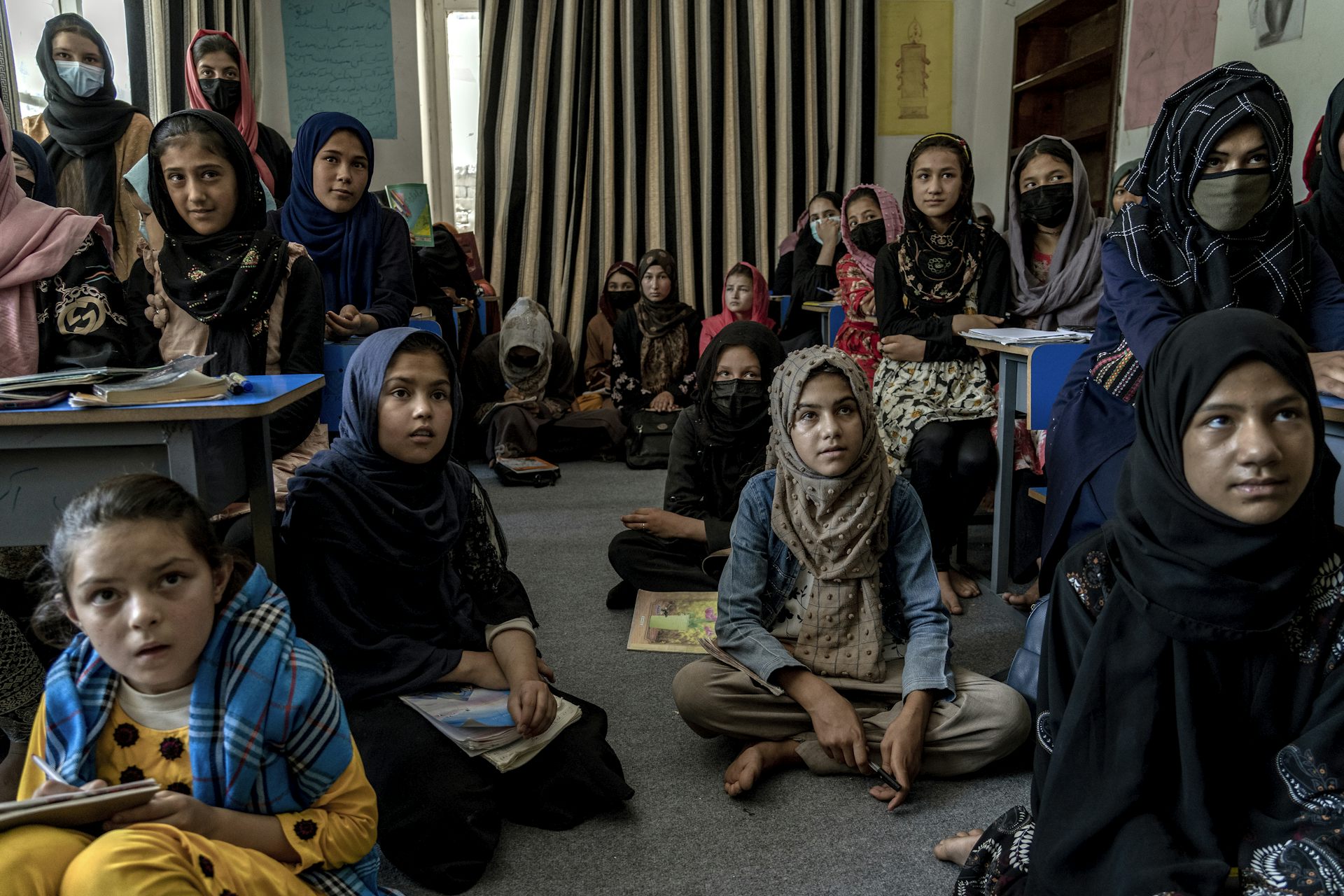
马尔詹·萨特拉皮的杰作《波斯波利斯》改变了世界对伊朗的理解。
Marjane Satrapi’s masterpiece Persepolis transformed th…
First published in 2000, Persepolis created a transformative shift in comics, memoir and political storytelling. Its Iranian–French creator has died, aged 56.
《波斯波利斯》于2000年首次出版,在漫画、回忆录和政治叙事领域带来了变革性的转变。其伊朗裔法国创作者已于56岁去世。
Marjane Satrapi, best known for her memoir and film Persepolis, has died, aged 56. The death of this much loved Iranian–French artist, graphic novelist, film-maker and activist has been met with widespread celebration of her life – and its dedication to resistance, freedom and humanity. French president Emmanuel Macron paid tribute to “a great artist who transformed an Iranian childhood into a universal fable”.
马尔让·萨特拉皮(Marjane Satrapi)以其回忆录和电影《波斯波利斯》(Persepolis)最为人所知,她已于56岁去世。这位深受爱戴的伊朗裔法国艺术家、漫画小说家、电影制作人和活动家的逝世,引发了人们对其一生——以及其对抵抗、自由和人道主义的奉献精神——的广泛缅怀。法国总统埃马纽埃尔·马克龙向她致敬,称她为“一位将伊朗童年转变为普世寓言的伟大艺术家”。
Satrapi was born in Rasht (like my own mother) in 1969, then raised in Tehran. She came of age during the Iranian Revolution and the turbulent years that followed. As political repression intensified, members of her family and wider social circle were arrested, persecuted – and in some cases, executed, like her uncle Anoosh, a former political prisoner and exile, executed by the Islamic Republic.
萨特拉皮于1969年出生在拉什特(Rasht)(与我母亲的故乡相同),随后在德黑兰长大。她的成长经历涵盖了伊朗革命及其后动荡的岁月。随着政治压迫的加剧,她的家人和更广泛的社交圈成员遭到逮捕、迫害,甚至在某些情况下被处决,例如她的叔父阿努什(Anoosh),他曾是一名政治犯和流亡者,最终被伊斯兰共和国处决。
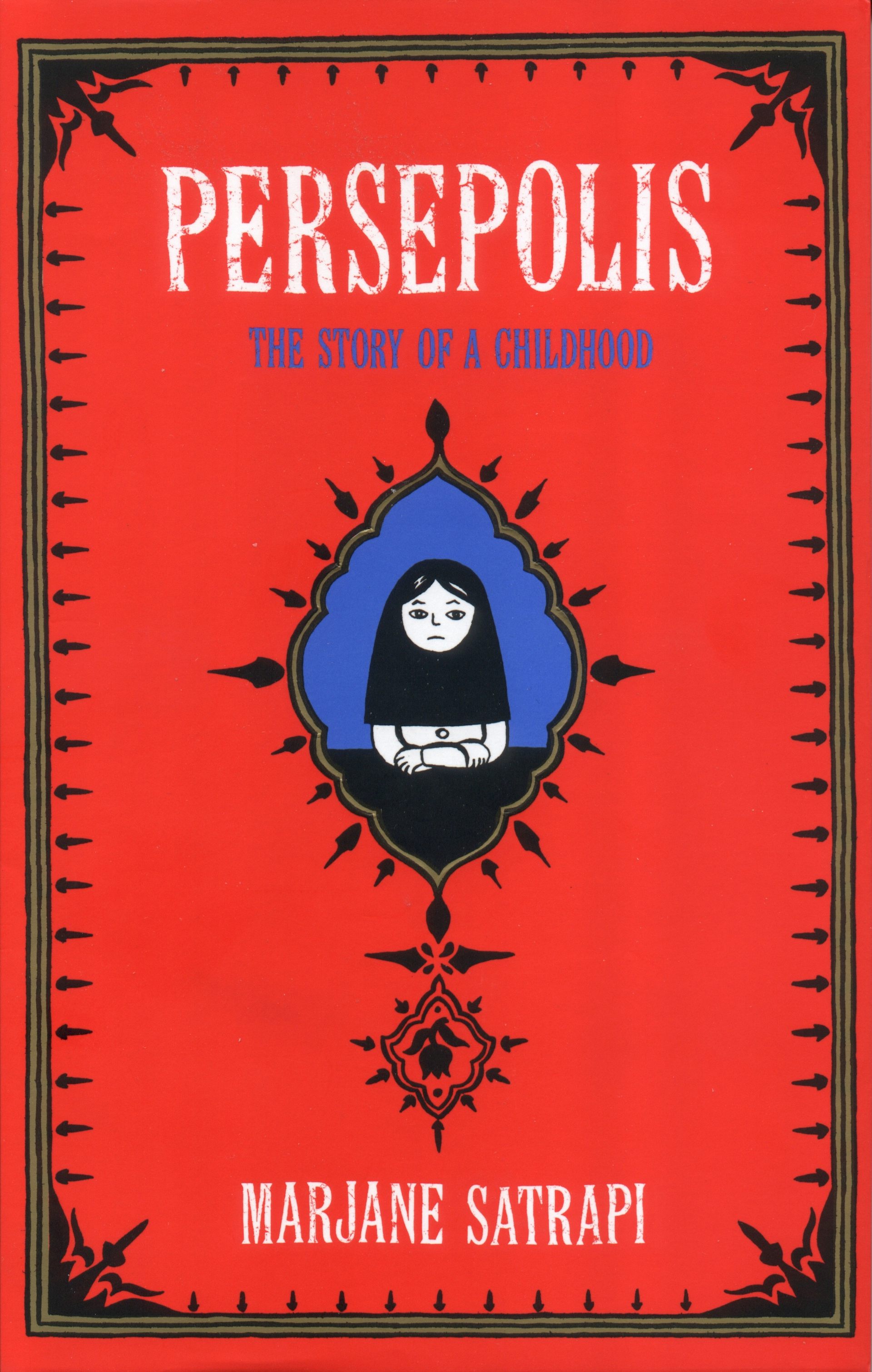
First published in 2000, Persepolis created a transformative shift in comics, memoir and political storytelling. Eventually extended into four volumes, it follows Satrapi’s childhood, her adolescence in Vienna (where her parents sent her to study in 1983) and her later struggle to navigate belonging between Iran and Europe. Satrapi returned to Tehran to attend university in 1989. In 1994, she moved back to Europe.
《波斯波利斯》于2000年首次出版,它在漫画、回忆录和政治叙事领域创造了变革性的转变。这部作品最终扩展为四卷本,讲述了萨特拉皮的童年、她在维也纳的青春期(她的父母于1983年将她送去那里学习),以及她后来在伊朗和欧洲之间寻找归属感的挣扎。萨特拉皮于1989年返回德黑兰攻读大学。1994年,她再次搬回欧洲。
Satrapi finished her studies in France, where she settled, gaining French nationality in 2006. Last year, she refused France’s prestigious legion d’honneur, over its “hypocrisy” in its dealings with Iran.
萨特拉皮在法国完成了学业,并在那里定居,于2006年获得了法国国籍。去年,她拒绝了法国享有盛誉的荣誉军团,原因是其在处理与伊朗关系时存在“虚伪性”。
Satrapi illustrated the dislocations of revolution, migration, adolescence and return in such a way that her memoir travelled far beyond her home country. Through its deceptively simple black-and-white illustrations, Persepolis became globally influential because it offered an intimate account of revolutionary Iran and exile that challenged dominant stereotypes.
萨特拉皮以一种方式描绘了革命、移民、青春期和回归带来的错位感,使得她的回忆录远远超出了她的祖国。通过其看似简单的黑白插画,《波斯波利斯》具有了全球影响力,因为它提供了一个关于革命伊朗和流亡生活的私密记录,挑战了主流的刻板印象。
For many readers, Satrapi is still the woman who explained Iran in the simplest, yet most powerful way.
对于许多读者来说,萨特拉皮仍然是那个用最简单却最有力的方式阐述伊朗的女性。
Growing up between worlds with Marjane
与玛尔詹一起在两个世界间成长
Today, reading Persepolis with a cup of tea and a candle lit in Satrapi’s memory, I am struck by how little my reaction has changed since first watching the film at a university screening in France in 2019.
今天,我捧着一杯茶,点燃了一支纪念萨特拉皮的蜡烛,阅读《波斯女孩》,我惊讶地发现,我的反应与2019年在法国大学的电影首映式上第一次观看时几乎没有变化。
Like Marjane, I grew up between worlds: the child of returnees in the early days of the revolution, a girl who wore the compulsory hijab, listened to Western music, argued with authority, fell in love, had her heart broken and dreamed of lives beyond the horizon. Later, I welcomed political activism, harassment, migration and multiple exiles into my life. Yet what made Persepolis so powerful was not that it reflected my experiences of repression, but that it captured everything beyond.
像玛尔詹一样,我在两个世界间成长:在革命初期,我是归国者的孩子,一个穿着强制性头巾、听西方音乐、与权威争辩、坠入爱河、心碎并梦想着超越地平线生活的女孩。后来,我的人生迎来了政治活动、骚扰、移民和多次流亡。然而,《波斯女孩》之所以如此有力,并非因为它反映了我遭受压迫的经历,而是因为它捕捉到了所有超越这些的东西。
Satrapi reminded the world that Iranians are not merely subjects of geopolitics or victims of authoritarianism. We have families, friendships, humour, terrible fashion choices, impossible romances and complicated identities.
萨特拉皮提醒世界,伊朗人不仅仅是地缘政治的主题或威权主义的受害者。我们有家庭、友谊、幽默感、糟糕的时尚选择、不可能的浪漫以及复杂的身份认同。
Like all great memoirs, Persepolis made the particular universal. It allowed readers to see themselves in an Iranian girl from Tehran. In doing so, it made it harder to deny our shared humanity. Her art has the kind of charm that allows everyone to see themselves in one corner of it or another.
像所有伟大的回忆录一样,《波斯女孩》将个体的特殊性提升到了普遍性。它让读者能在一位来自德黑兰的伊朗女孩身上看到自己。通过这种方式,它让人更难否认我们共同的人性。她的艺术有一种魅力,让每个人都能在某个角落看到自己。
In Satrapi’s hands, exile was neither heroic nor tragic. It was disorienting, lonely, creative and politically productive. Her enduring legacy, however, lies not simply in what she told the world about the country she left behind, but in what she revealed about the experience of living between worlds as a human being.
在萨特拉皮的笔下,流亡既不英勇也不悲剧。它令人迷失方向、孤独、富有创造力,并且具有政治生产力。然而,她持久的遗产不在于她告诉世界关于她离开的那个国家的一切,而在于她揭示了作为人类生活在两个世界之间的体验。
“I was a Westerner in Iran, an Iranian in the West. I had no identity.” Few lines from Persepolis capture the condition of exile more powerfully than this one.
“我在伊朗是个西方人,在西方是个伊朗人。我没有身份。”《波斯女孩》中的很少有句子能比这句话更有力地捕捉到流亡的状态。
Reading Persepolis at different times of one’s life offers a language for contradictions that often feel impossible to explain: loving one’s country while criticising it, belonging to multiple places while feeling fully accepted by none, and carrying memories across borders that others struggle to understand.
在人生的不同时刻阅读《波斯女孩》,为那些常常让人觉得无法解释的矛盾提供了一种语言:既爱着自己的国家又批评它,属于多个地方却又感觉没有一个地方能完全接纳自己,以及带着跨越国界的记忆,而这些记忆让别人难以理解。
In telling her own story, Satrapi captured something far larger than herself. In her 56 years of life, she stayed true to herself and never forgot where she came from.
在讲述自己的故事时,萨特拉皮捕捉到了一些远比她自身更宏大的东西。在她56年的生命中,她始终忠于自我,从未忘记自己来自何方。
Iran: misunderstood and dehumanised
伊朗:被误解和非人化
After the Islamic Revolution, the hostage crisis in the United States, the wars with Iraq and the emergence of a new world order after 9/11, Iran became a misunderstood country, its population dehumanised. Satrapi’s memoir restored its complexities and nuances to the imaginations of readers from different backgrounds.
在伊斯兰革命、美国人质危机、与伊拉克战争以及“9·11”事件后新世界秩序的出现之后,伊朗成了一个被误解、其人民被非人化的国家。萨特拉皮的回忆录,将其复杂性和细微差别重新呈现在了来自不同背景的读者的想象中。
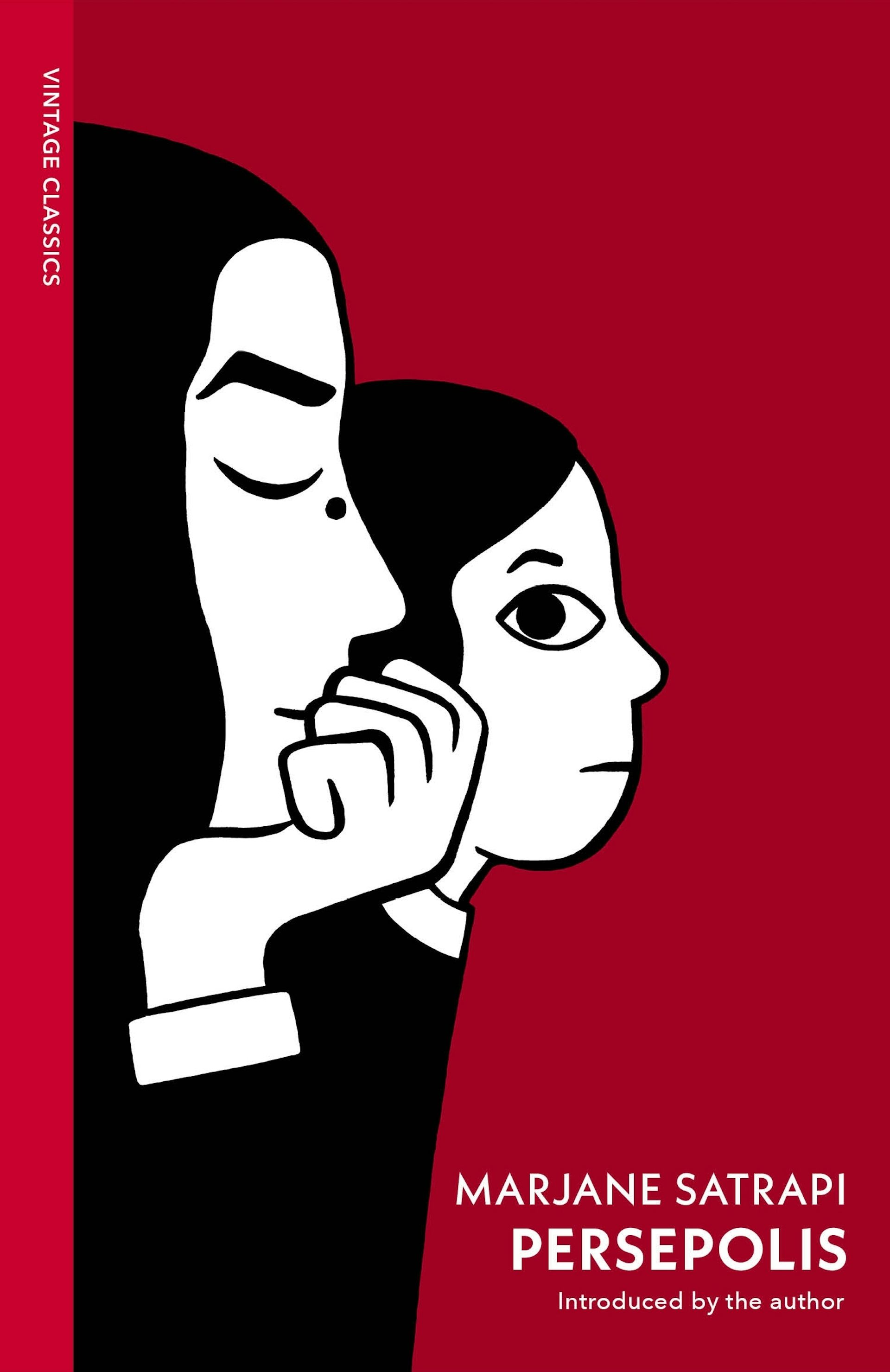
The power of Persepolis comes precisely from its ordinariness. Readers follow the life of a rebellious teenager. They learn about her family, grandparents, friends, teenage crushes, a failed marriage and the arguments that liven up any dinner table. Marjane’s story – garnished with music, humour and grief – reveals how extraordinary historical events are experienced through the mundane rhythms of everyday life.
《波斯男孩》的力量恰恰来源于它的平凡。读者跟随一个叛逆青少年的生活。他们了解她的家庭、祖父母、朋友、青春期的迷恋、一段失败的婚姻,以及能让任何餐桌热闹起来的争吵。玛尔詹的故事——用音乐、幽默和悲伤点缀——揭示了宏大的历史事件是如何通过日常生活的平淡节奏来体验的。
Yet Persepolis is equally about leaving behind familiarity and home. Throughout, family becomes both refuge and history.
然而,《波斯男孩》同样也是关于告别熟悉和家园。贯穿始终的,是家庭既是避难所,也是历史。
In one of the book’s most moving sections, Satrapi’s beloved Uncle Anoosh tells her, “Our family memory must not be lost.” Decades later, those words resonate for me. Reading them, I often think of my own uncle, Kambiz, whom I lost long before my birth, when he was executed by the Islamic Republic aged 23.
在书中一段最感人的章节中,萨特拉皮心爱的阿努什叔叔告诉她:“我们家族的记忆不能丢失。”几十年后,这些话语仍在我心中回响。读到它们,我常常会想起我自己的叔叔坎比兹,在他年仅23岁时被伊斯兰共和国处决,在我出生前很久就失去了他。
But the significance of this moment extends beyond the boundaries of any single household. In authoritarian contexts, where states often seek to monopolise history and memory, families become custodians of alternative narratives. In stories passed down by parents, grandparents and relatives, Satrapi preserves memories of political imprisonment, resistance – and hope that official accounts might prefer to erase.
但这个时刻的意义超越了任何单个家庭的界限。在威权主义的背景下,国家往往试图垄断历史和记忆,而家庭则成为了替代性叙事的守护者。在父母、祖父母和亲属们代代相传的故事中,萨特拉皮保存着关于政治监禁、抵抗以及官方叙事可能选择抹去的希望的记忆。
Nominated for an Oscar
获得奥斯卡提名
Satrapi returned to Iran before eventually settling in France, where she built the artistic career that would make her one of the most influential voices of the Iranian diaspora. She created several graphic storytelling books.
萨特拉皮先是返回伊朗,最终定居法国,并在那里建立了艺术生涯,使她成为伊朗侨民群体中最具影响力的声音之一。她创作了几本图文故事书。
She co-wrote and co-directed the animated 2007 film adaptation of Persepolis, and was nominated for an Oscar, becoming the first woman nominated in the category of best animated feature. She went on to direct feature films.
她合著并共同执导了2007年动画改编电影《波斯波利斯》,并获得了奥斯卡提名,成为该类别的首位获提名女性。之后她执导了多部剧情长片。
Satrapi’s alternative view of Iran is so compelling because she refuses to romanticise her own country, or to idealise Europe or the West. She rejects both nostalgic nationalism and complete assimilation. Instead, she inhabits the uncomfortable space in between.
萨特拉皮对伊朗的另类视角如此引人入胜,是因为她拒绝浪漫化自己的国家,也拒绝理想化欧洲或西方。她既反对怀旧的民族主义,也反对彻底的同化。相反,她栖居于两者之间这个不适宜的空间。
For many Iranian migrants and exiles who came after her, this condition feels deeply familiar. Loving a country while criticising it. Belonging to multiple places while feeling fully accepted by none. Carrying memories that others cannot quite understand. Satrapi transformed these contradictions into a language that could be shared.
对于许多在她之后来到伊朗的移民和流亡者来说,这种状态感觉非常熟悉。爱着一个国家,同时又批判它。属于多个地方,却又没有一个地方能完全接纳。承载着别人无法完全理解的记忆。萨特拉皮将这些矛盾转化成了一种可以被分享的语言。
She critiqued the repression of the Islamic Republic while remaining critical of Western hypocrisy. She condemned fanaticism without embracing cultural superiority. “Between one’s fanaticism and the other’s disdain, it’s hard to know which side to choose,” she wrote in Persepolis.
她批判了伊斯兰共和国的压迫,同时又批判了西方的虚伪。她谴责狂热,但又不宣扬文化优越感。“在狂热与轻蔑之间,很难知道该选择哪一边,”她在《波斯波利斯》中写道。
Importantly, Satrapi never positioned herself as the sole voice of Iran. Rather, she understood her work as a form of translation. As Iran enters yet another period of uncertainty, marked by regional conflict, repression and deepening social fractures at home and in the diaspora, Satrapi continued to insist on the humanity and complexity of Iranian lives.
重要的是,萨特拉皮从未将自己定位为伊朗唯一的代言人。相反,她将自己的工作视为一种翻译。随着伊朗进入又一个充满不确定性的时期,其国内和侨民群体都面临着地区冲突、压迫和日益加深的社会裂痕,萨特拉皮持续坚持伊朗人生活的“人性”和复杂性。
Her activism included supporting the Woman, Life, Freedom movement, following the death of Mahsa Jina Amini: a 22-year-old Kurdish-Iranian woman detained for allegedly not properly wearing the Islamic headscarf in 2022.
她的活动包括在马赫萨·吉娜·阿米尼去世后,支持“女人、生命、自由”运动:她是一名22岁的库尔德裔伊朗女性,因涉嫌未正确佩戴伊斯兰头巾而被拘留。
Her final years were spent challenging both the authoritarianism of the Iranian state and what she saw as the West’s persistent tendency to reduce Iranians to geopolitical abstractions, rather than people with histories, aspirations and agency.
她晚年致力于挑战伊朗国家的威权主义,以及她所认为的西方将伊朗人简化为地缘政治抽象概念的持续倾向,而不是拥有历史、抱负和能动性的个体。
A gift for generations of exiles
献给几代流亡者的礼物
For many Iranian exiles, Persepolis remains more than a memoir. It is a map. A guide to memory, identity, belonging and survival. It reminds me that exile is not simply a matter of geography, but of consciousness. It has taught me that dignity can be an act of resistance and that memory itself can become a political act in times of political amnesia.
对于许多伊朗流亡者来说,《波斯波利斯》不仅仅是一本回忆录。它是一张地图。一张关于记忆、身份、归属感和生存的指南。它提醒我,流亡不仅仅是地理上的问题,更是意识层面的问题。它教会我,尊严可以是一种抵抗的行为,在政治失忆的时代,记忆本身也可以成为一种政治行为。
Her characters rarely find liberation through departure alone; instead, they grapple with loneliness, reinvention and the persistent question of belonging. Yet Satrapi approached these themes with humour, tenderness and an insistence on complexity.
她的角色很少仅凭离开就能获得解放;相反,他们必须与孤独、自我重塑以及持续的归属感问题作斗争。然而,萨特拉皮以幽默、温柔和对复杂性的坚持来处理这些主题。
Marjane Satrapi spent her life ensuring that humanity, resistance and the memory of Iran is never forgotten. In doing so, she gave generations of readers – and generations of exiles – a more sophisticated language for understanding home, freedom and what it means to remain human between worlds.
马尔詹·萨特拉皮一生都在确保人类精神、抵抗精神和伊朗的记忆永不被遗忘。通过这样做,她为几代读者——也为几代流亡者——提供了一种更精妙的语言,用以理解家园、自由,以及在两个世界之间如何保持人性。
Shadi Rouhshahbaz does not work for, consult, own shares in or receive funding from any company or organisation that would benefit from this article, and has disclosed no relevant affiliations beyond their academic appointment.
Shadi Rouhshahbaz 不受任何从本文中受益的公司或组织的雇佣、咨询、拥有股份或接受资金支持,并且除了其学术职位外,未披露任何相关隶属关系。