“纯素皮革”的环保性和可持续性,不如品牌声称的那么高
‘Vegan leather’ isn’t as sustainable or eco‑friendly as…
Many alternatives to animal leather – even the ones made with plants – are plastic‑based composites with short lifespans.
许多动物皮革的替代品——即使是植物制成的——也是使用寿命短的塑料基复合材料。
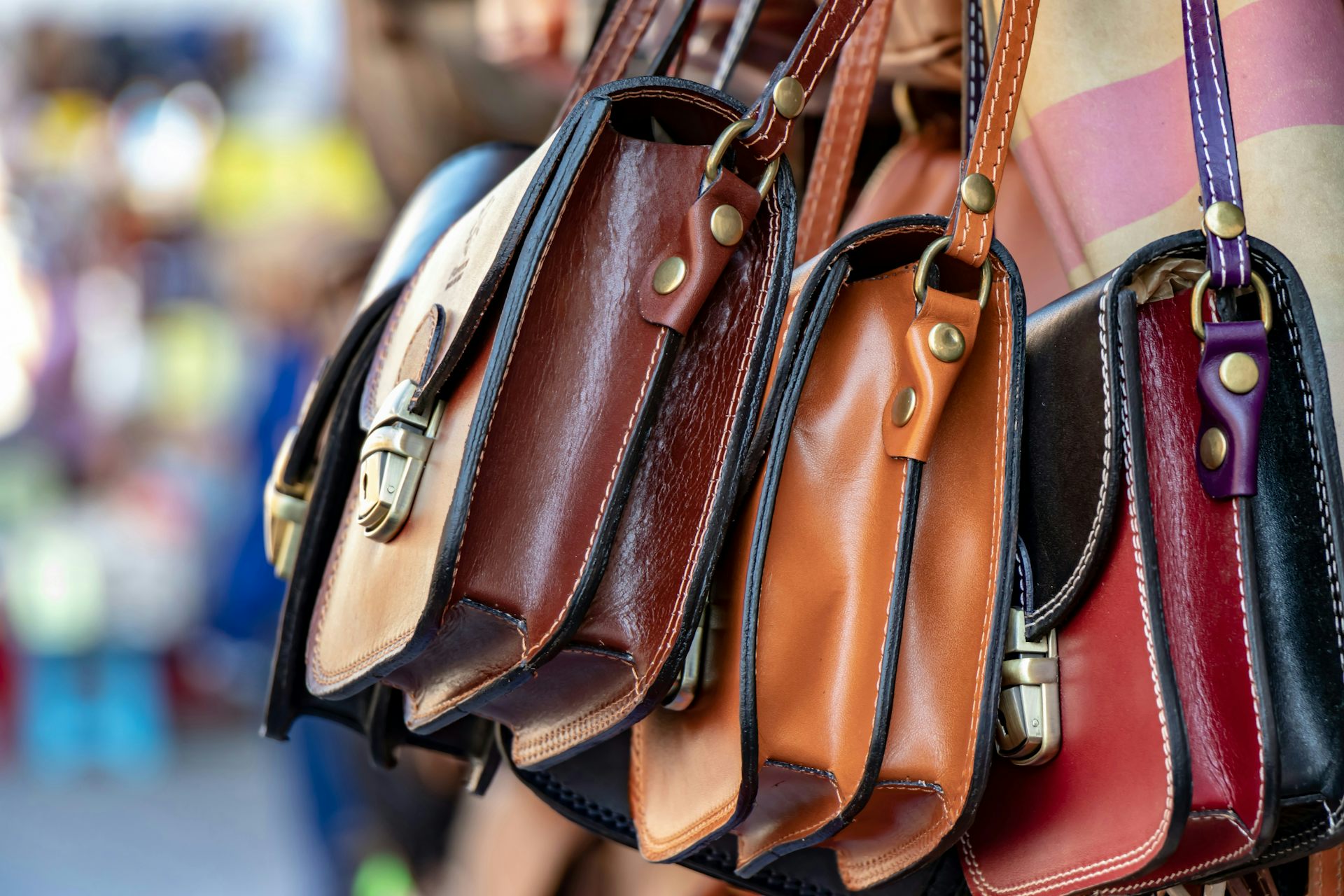
In a high-end fashion store or luxury car showroom, the term “vegan leather” sends a strong message of quality. For many shoppers, it promises the look and feel of real leather without using animal skins. As brands move away from animal leather, “vegan” has come to suggest something that is both kinder to animals and better for the planet.
在高端时尚店或豪华汽车展厅,“纯素皮革”(vegan leather)这个词汇传递出强烈的品质信号。对于许多购物者来说,它承诺了无需使用动物皮毛,却能拥有真皮的外观和手感。随着品牌逐渐远离动物皮革,“纯素”(vegan)这个词开始暗示一种对动物更友好、对地球更友好的选择。
However, the reality is more complicated. While these materials remove animal products, they often replace one environmental problem with another. Vegan leather is not one material, but a broad label that covers everything from plastic coatings to plant-based surfaces, which is why regulators are starting to question vague green claims.
然而,现实情况更为复杂。虽然这些材料消除了动物产品,但它们往往是用一个环境问题取代了另一个环境问题。纯素皮革并非单一材料,而是一个涵盖了从塑料涂层到植物基表面等一切的广泛标签,这也是监管机构开始质疑模糊“绿色”声明的原因。
The appeal of leather alternatives is easy to understand. Concerns about animal welfare, climate change and deforestation have pushed shoppers and brands towards options that seem more responsible.
皮革替代品的吸引力很容易理解。人们对动物福利、气候变化和森林砍伐的担忧,推动了购物者和品牌转向了看似更负责任的选择。
As a result, “vegan leather” is often seen as the better choice – even though how long it lasts, and where it ends up, is rarely questioned.
因此,“纯素皮革”经常被视为更好的选择——尽管它能持续多久,以及最终会去向何方,很少有人会质疑。
The rise of synthetic hide
合成皮革的兴起
For decades, these materials were known as “pleather” or vinyl. Today, better finishes have turned thin plastic films into convincing leather lookalikes.
数十年来,这些材料被称为“人造皮”或乙烯基。如今,更精良的饰面工艺已将薄塑料膜变成了令人信服的皮革仿制品。
Most vegan leathers consist of polyurethane (PU) or polyvinyl chloride (PVC) coatings bonded to fabric backings. They are waterproof and easy to emboss, but they are also petroleum-derived plastics.
大多数纯素皮革由聚氨酯(PU)或聚氯乙烯(PVC)涂层与织物背衬结合而成。它们防水且易于压印,但它们也是石油衍生的塑料。
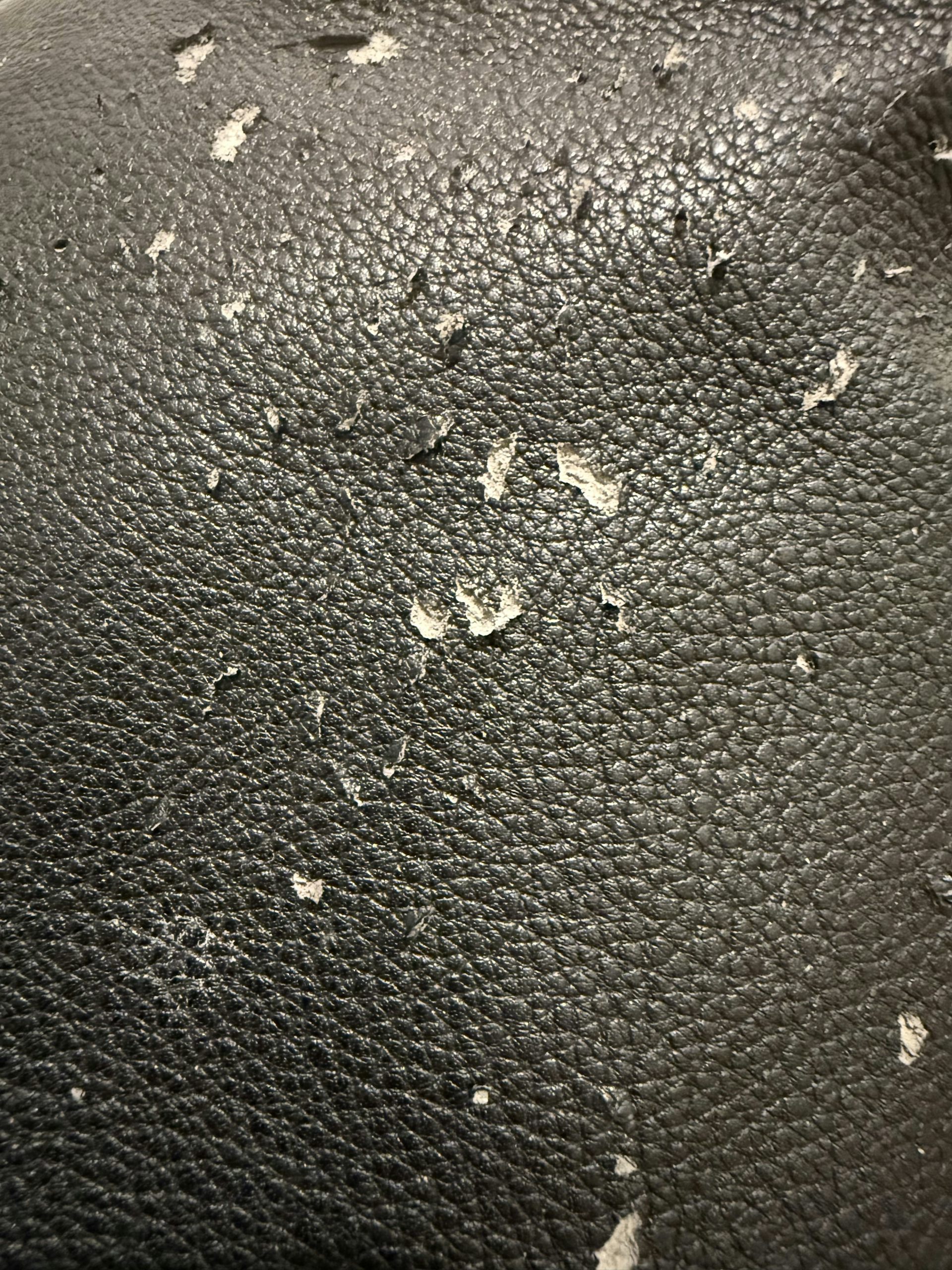
When the surface of a PU‑coated bag cracks or peels, the damage is more than cosmetic. As the coating breaks down, it sheds microplastics into the environment.
当PU涂层包的表面开裂或剥落时,损伤不仅仅是外观上的。随着涂层分解,它会向环境中释放微塑料。
The plastic underneath the plants
植物下方的塑料
In response to concerns about plastic, new fake leather materials have been developed from pineapples, mushrooms, apples, grapes and even cacti. These bio-based options are often sold as the sustainable answer.
针对塑料的担忧,人们开发了用菠萝、蘑菇、苹果、葡萄甚至仙人掌制成的新的人造皮革材料。这些生物基选择通常被宣传为可持续的答案。
However, using a plant does not automatically make a product better for the environment.
然而,使用植物并不能自动使产品对环境更好。
The issue lies in how these materials are made. A “pineapple leather” shoe may be praised for its plant fibres, but those fibres are usually held together with plastic resins to make the material durable.
问题在于这些材料是如何制造的。“菠萝皮”鞋可能因其植物纤维而受到赞扬,但这些纤维通常需要用塑料树脂粘合在一起,以使材料耐用。
The result is a mixed material that cannot be recycled in Australia, even though marketing often focuses on the plant ingredient and hides the plastic underneath.
结果是一种混合材料,在澳大利亚无法回收,尽管营销往往只关注植物成分,而掩盖了底层的塑料。
Plant leather doesn’t last long
植物皮革寿命不长
A key challenge with many vegan leather alternatives is strength. Raw plant fibres are too weak to handle the repeated wear and pressure faced by shoes, bags and car seats. To improve performance, manufacturers layer plant materials onto plastic binders or polyester backings.
许多纯素皮革替代品的一个主要挑战是强度。原始植物纤维太弱,无法承受鞋子、包和汽车座椅所面临的重复磨损和压力。为了提高性能,制造商将植物材料层压到塑料粘合剂或聚酯背衬上。
Even then, many of these materials break down sooner than real leather and cannot be properly repaired. Traditional leather can be conditioned, patched and allowed to age over time, but plant-based alternatives tend to fail once the surface coating cracks or peels.
即使如此,许多这些材料的分解速度也比真皮快,并且无法得到适当的修复。传统皮革可以进行调理、修补,并随着时间推移而老化,但植物基替代品一旦表面涂层开裂或剥落,就容易失效。
A mushroom- or apple-based bag also cannot be composted because of the plastic beneath its surface, meaning it reaches disposal much sooner. Some plant-based vegan leather products have reported lifespans of as little as two years.
即使是基于蘑菇或苹果的包,由于其表面下方的塑料层,也无法堆肥,这意味着它会更早达到报废状态。一些植物基纯素皮革产品报告的寿命甚至只有两年。
This points to a broader issue. In a circular economy that prioritises reuse, repair and material recovery, sustainability is about keeping products in use and at their highest value for as long as possible.
这指向了一个更广泛的问题。在一个优先考虑再利用、修复和材料回收的循环经济中,可持续性在于尽可能长时间地让产品保持使用状态和最高价值。
Brands must walk the talk
品牌必须言行一致
The problems hidden by elusive marketing labels are becoming harder to ignore. The Australian Competition and Consumer Commission (ACCC) has made it clear broad labels such as “sustainable” or “eco-friendly” must be backed up with evidence.
难以捉摸的营销标签所隐藏的问题正变得越来越难以忽视。澳大利亚竞争与消费者委员会(ACCC)已明确指出,“可持续”或“环保”等宽泛标签必须有证据支持。
If brands use the word “vegan” to suggest lower environmental impact, they must be able to prove that claim by looking at the product’s full life cycle.
如果品牌使用“纯素”一词来暗示较低的环境影响,它们必须通过考察产品的整个生命周期来证明这一说法。
At the same time, the Productivity Commission’s 2026 inquiry into the circular economy highlights Australia’s growing problem with products that cannot be recycled. As product stewardship schemes expand, durability, recyclability and what happens to a product at the end of its life will matter as much as animal welfare.
与此同时,生产力委员会对循环经济的2026年调查强调了澳大利亚日益增长的无法回收产品的困境。随着产品管理计划的扩大,产品的耐用性、可回收性以及产品在其生命周期结束时会发生什么,将和动物福利一样重要。
The ethical distinction
伦理上的区别
None of this means animal leather comes without environmental or chemical costs. These include methane emissions from livestock and the toxic chemicals used in tanning. For many consumers, avoiding animal-derived materials is still an important ethical choice.
但这并不意味着动物皮革没有环境或化学成本。这些成本包括牲畜产生的甲烷排放和鞣制过程中使用的有毒化学品。对于许多消费者来说,避免使用动物来源的材料仍然是一个重要的道德选择。
However, “vegan” and “sustainable” are not the same thing. One describes what has been left out of a product, while the other describes how that product performs over its entire life. Treating the two as interchangeable can replace meaningful progress with reassuring labels.
然而,“纯素”和“可持续”并非同一回事。前者描述的是产品中排除了什么,而后者描述的是该产品在其整个生命周期内的表现。将两者视为可以互换,可能会用令人安心的标签取代真正的进步。
The takeaway is a call for material honesty. Sustainability can’t be reduced to a single word or ingredient. It’s measured by how long a product stays useful before it needs to be thrown away. A bag that avoids animal materials but breaks down within a few years simply creates waste sooner.
核心观点是呼吁材料的真实性。可持续性不能被简化为一个词或一种成分。它衡量的是产品在需要被丢弃之前能保持多长时间的可用性。一个避免了动物材料但几年内就会分解的包,只会更早地制造出垃圾。
If vegan alternatives are going to be sustainable, they must be designed to last. Sustainability is measured in years of use, not words on a tag.
如果纯素替代品想要实现可持续性,它们就必须设计得经久耐用。可持续性是以使用年限来衡量的,而不是标签上的文字。
Saniyat Islam is affiliated with The Textile Institute.
Saniyat Islam隶属于纺织学院。
Caroline Swee Lin Tan does not work for, consult, own shares in or receive funding from any company or organisation that would benefit from this article, and has disclosed no relevant affiliations beyond their academic appointment.
Caroline Swee Lin Tan不为任何可能从本文中受益的公司或组织工作、提供咨询、拥有股份或接受资金,并且除了其学术任命外,未披露任何相关的隶属关系。