Pyrrhus was said to have remarked that one more victory would leave his kingdom ‘utterly ruined.’ Some see echoes in US interventions in the Middle East.
据说皮尔斯曾说,再取得一次胜利,他的王国就会“彻底毁灭”。有人从中看到了美国在中东干预的呼应。
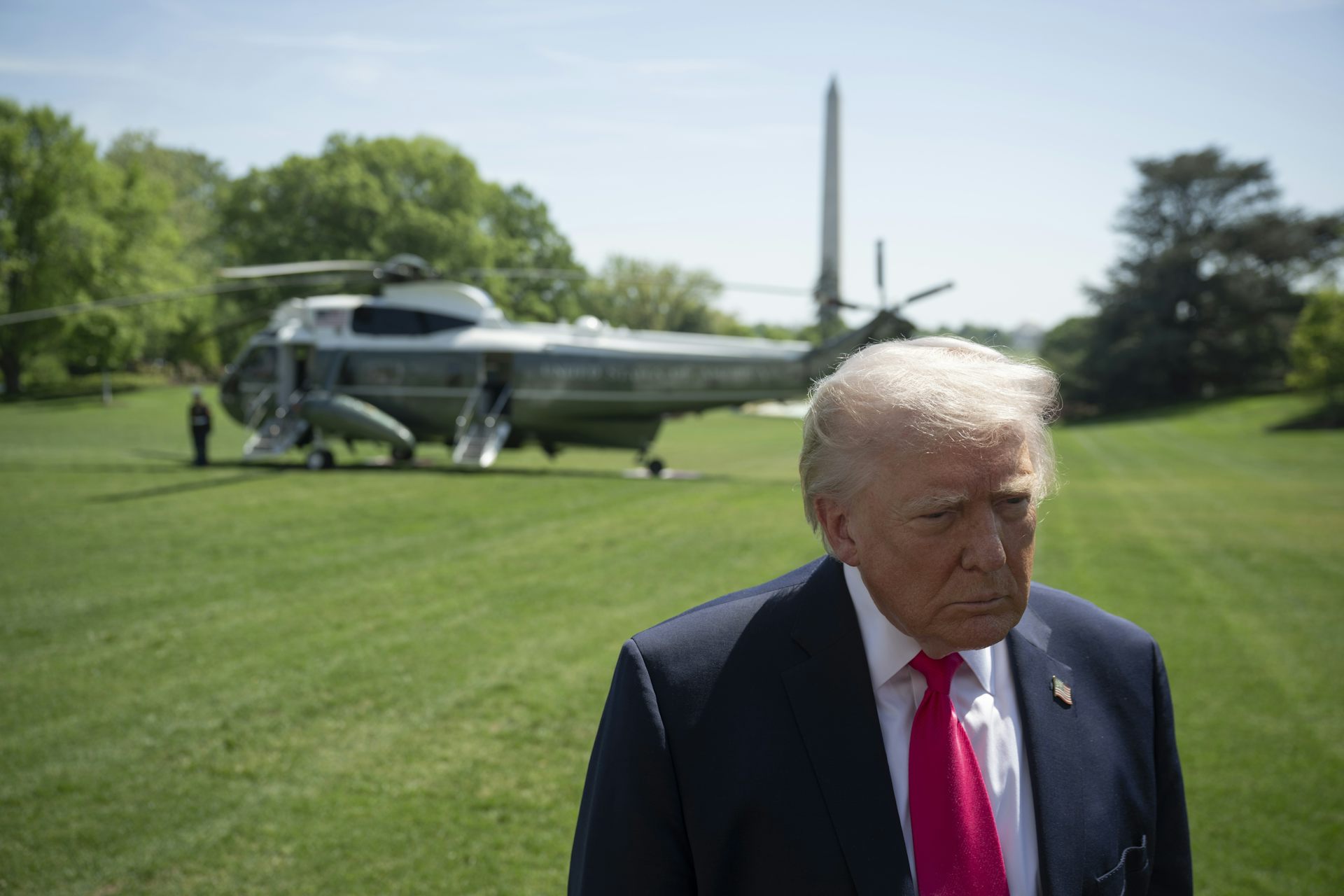
President Donald Trump has claimed victory in the war in Iran even before the conflict is over. But despite killing the country’s leader and seriously degrading its military, there is an argument being made that the Islamic Republic has emerged all the stronger for having simply survived.
唐纳德·特朗普总统在伊朗战争尚未结束时就声称取得了胜利。但尽管杀死了该国领导人并严重削弱了其军事力量,有人认为,伊斯兰共和国仅仅是幸存下来,反而变得更加强大。
Indeed, a phrase that has repeatedly cropped up as the U.S. has sunk more and more military hardware and credibility into Operation Epic Fury is “Pyrrhic victory.”
事实上,随着美国将越来越多的军事装备和信誉投入到“史诗怒火行动”(Operation Epic Fury)中,一个反复出现的短语是“皮尔士式胜利”(Pyrrhic victory)。
That term also shows up in Iraq War retrospectives, in postmortems of U.S. operations in Libya and in just about every serious attempt to make sense of the past two decades of Western intervention in the Middle East.
这个术语也出现在伊拉克战争回顾、美国在利比亚行动的事后分析,以及几乎所有试图理解过去二十年西方在中东干预的严肃尝试中。
But what exactly is a Pyrrhic victory? And is the U.S. really heading toward one in Iran?
但皮尔士式胜利究竟是什么?美国是否真的正在伊朗走向这种结局?
1 king, 2 battles and a rueful remark
一位国王,两场战役和一句悲叹
Most people use the phrase “Pyrrhic victory” to mean a win that costs more than it was worth to obtain it. That’s close enough – but it leaves out a crucial part of the story that makes the concept worth using.
大多数人使用“皮洛斯胜利”这个短语来指代一种获取成本超过其价值的胜利。这已经足够接近了——但它忽略了故事中一个至关重要的部分,而正是这个部分让这个概念值得使用。
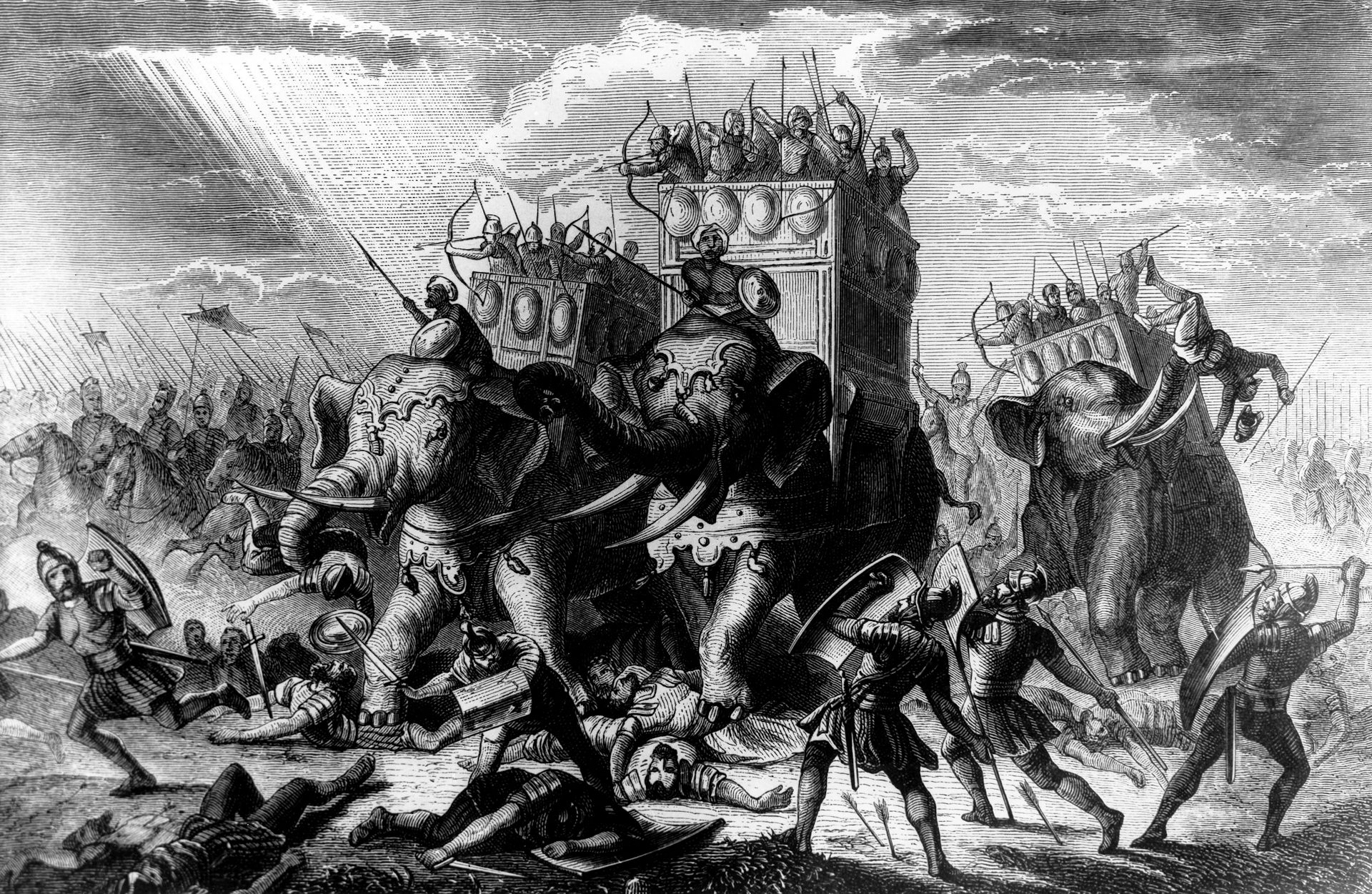
Let’s go back to the beginning. In 280 B.C., Pyrrhus, the king of the ancient Greek kingdom Epirus, crossed into what is now southern Italy to fight Rome. He won major battles at Heraclea and then again at Asculum the following year.
让我们回到起点。公元前280年,古希腊王国埃皮鲁斯的国王皮洛斯,进军到现在的意大利南部,与罗马人作战。他在赫拉克莱亚和次年阿斯库卢姆两次赢得了重大战役。
But both victories hurt Pyrrhus. His officer corps was getting chewed up, and his best troops came from a small kingdom far from the fighting. They could not be replaced on anything like Rome’s scale.
但这两场胜利都伤害了皮洛斯。他的军官阶层正在消耗殆尽,而他最好的部队来自一个远离战场的小王国。这些部队无法像罗马那样大规模地补充。
After Asculum, he is said to have uttered, “If we are victorious in one more battle with the Romans, we shall be utterly ruined.” Plutarch wrote it down for posterity, and the line outlived everything else known about the campaign.
在阿斯库卢姆之后,据说他曾说:“如果我们再与罗马人打一场胜仗,我们将彻底覆灭。”普鲁塔克将这句话记录下来,这句话本身比关于这次战役的任何其他已知信息都更具生命力。
The problem wasn’t that Pyrrhus paid a high price for victory. Rather, it was that every victory shifted the balance against him.
问题不在于皮洛斯为胜利付出了高昂的代价。相反,问题在于每一次胜利都在加剧对他的不利局面。
A war can be costly without being “Pyrrhic.” If you come out of a battle clearly stronger than the opponent, then whatever the bill, something real was gained. The Pyrrhic case is when the side that claims victory is, in fact, in a weaker position than when the fighting started.
一场战争即使代价高昂,也未必是“皮洛斯式的”。如果你从一场战役中明显比对手更强大,那么无论付出什么代价,都获得了实实在在的东西。而皮洛斯式的案例是,声称取得胜利的一方,实际上比战斗开始时处于更弱势的地位。
From Baghdad to Tripoli …
从巴格达到塞利米尤里…
So how does that all relate to U.S. conflicts in the 21st century?
那么,这一切又与美国在21世纪的冲突有何关联?
Iraq in 2003 is the obvious starting point. U.S. and coalition forces dismantled Saddam Hussein’s regime in just three weeks. On its own terms, the operation worked. But it also collapsed the Iraqi state in the process: army gone, ministries hollowed out and police absent.
2003年的伊拉克是显而易见的起点。美军和联军在短短三周内瓦解了萨达姆·侯赛因的政权。从自身角度看,这次行动是成功的。但它也导致了伊拉克国家的崩溃:军队瓦解,部委空心化,警察缺位。
What followed, in broad terms, was insurgency, sectarian war and then the rise of the Islamic State group.
从广义上讲,随之而来的是叛乱、教派战争,以及伊斯兰国(IS)的崛起。
Saddam’s Iraq also functioned as one of the main checks on Iranian power in the Persian Gulf. Not by design, and not in any cooperative sense, but as a rival that kept Tehran boxed in. Removing Saddam cleared space for Iran to exert regional influence not enjoyed since 1979.
萨达姆的伊拉克也曾是波斯湾地区限制伊朗力量的主要力量之一。这并非出于设计,也并非出于任何合作意义,而是一个将德黑兰限制在范围内的对手。移除萨达姆为伊朗提供了自1979年以来未能享有的地区影响力空间。
The current war in Iran does not make sense without that shift. The U.S. went into Iraq to eliminate one purported threat – and ended up amplifying another.
没有这一转变,当前伊朗的战争就说不通。美国进入伊拉克是为了消除一个所谓的威胁——结果却放大了另一个威胁。
The U.S. intervention in Libya in 2011, as part of a NATO force, looked cleaner. The air campaign was short, Libyan leader and longtime thorn in the side of Washington Moammar Gadhafi was dead within eight months – killed by his own countrymen. NATO had set out to protect civilians and remove a regime, and it did both.
2011年美国介入利比亚,作为北约的一部分,看起来更“干净”。空袭行动短暂,利比亚领导人、长期以来困扰华盛顿的穆阿迈尔·卡扎菲,在八个月内阵亡——被自己人杀害。北约的目标是保护平民和推翻政权,它两者都做到了。
The problem was what came next. Libya was Gadhafi’s state, and there was no real plan for a post-Gadhafi Libya. After he fell, what was left was division: militias, competing governments and an arms stockpile that flooded south into the Sahel region of North Africa and fueled conflicts that rage to this day.
问题在于接下来发生了什么。利比亚是卡扎菲的国家,对于后卡扎菲的利比亚,并没有真正的计划。在他倒台后,剩下的只有分裂:民兵、相互竞争的政府,以及大量武器储备,这些武器涌向了北非的萨赫勒地区,并助长了至今仍在爆发的冲突。
Elsewhere, governments drew a blunt conclusion: Complying with demands to dismantle weapons of mass destruction programs, as Gadhafi had done, does not enhance security. In fact, it may have the opposite effect.
其他地方,各国政府得出了一个明确的结论:遵守拆除大规模杀伤性武器计划的要求,就像卡扎菲所做的那样,并不能增强安全。事实上,它可能产生相反的效果。
Both Libya and Iraq were, in this sense, “Pyrrhic victories” – battlefield triumphs that left the U.S. in a worse overall strategic situation than before.
从这个意义上说,利比亚和伊拉克都是“皮洛士式的胜利”——这些战场上的胜利,反而让美国整体的战略局势比之前更糟糕。
… and on to Iran?
……再到伊朗?
It is too soon to confidently pass judgment on where the war in Iran sits among these other wars.
现在还为时过早,无法自信地判断伊朗这场战争在所有这些战争中处于什么位置。
But the outlines are visible. Iran’s Supreme Leader Ali Khamenei is gone, and the country’s missile forces and naval assets have taken heavy damage.
但轮廓已经显现。伊朗最高领袖阿里·哈梅内伊已经不在了,该国的导弹部队和海军资产遭受了重创。
Washington has declared victory, and by its own metrics there is an argument for that.
华盛顿宣布了胜利,根据其自身的衡量标准,这一点确实有其说服力。
But on the other side of the ledger, Iran still largely holds the Strait of Hormuz – with leverage it did not exercise before the war.
但从账本的另一面看,伊朗仍然在很大程度上控制着霍尔木兹海峡——其所拥有的筹码,在战前并未发挥过。
Meanwhile, oil prices of nearly US$100 a barrel have rippled through the global economy, and Russia, without firing a shot, is positioned to reap the windfall.
同时,接近每桶100美元的油价冲击了全球经济,而俄罗斯则在没有开枪的情况下,处于收获暴利的位置。
The issue of Iran’s nuclear program – one of the many stated drivers of the U.S. campaign – now seems less likely to be resolved than before: A state that has absorbed this level of punishment has stronger reasons to want a deterrent, not weaker ones.
伊朗核计划问题——美国宣传活动众多声称的驱动因素之一——现在似乎比以前更不可能得到解决:一个承受了如此程度惩罚的国家,想要威慑的理由只会更强,而不是更弱。
Getting the concept right
掌握概念
So, is Trump following the route of Pyrrhus? A Pyrrhic victory is not just a painful one – it is a victory that leaves one worse off against the same opponent. The question that tends to get skipped when the fighting stops is what, exactly, winning changed.
那么,特朗普是否正在走皮尔卢斯(Pyrrhus)的道路?“皮尔卢斯式胜利”不仅仅是痛苦的胜利——它是一种让你在与同一对手的对抗中处境更糟的胜利。当战斗停止时,人们往往忽略的问题是:胜利到底改变了什么?
Pyrrhus had his answer after Asculum. Looking at the Strait of Hormuz, the oil markets, the stalled talks in Islamabad, and an Iran with even more reason to pursue a nuclear deterrent, perhaps Trump will soon have his.
皮尔卢斯在阿斯库伦(Asculum)之后找到了答案。看看霍尔木兹海峡、石油市场、伊斯兰堡停滞的谈判,以及一个拥有更多动机追求核威慑的伊朗,也许特朗普很快也会找到答案。
This article is part of a series explaining foreign policy terms commonly used but rarely explained.
本文是系列文章的一部分,旨在解释那些常用但很少被解释的外交政策术语。
Andrew Latham does not work for, consult, own shares in or receive funding from any company or organization that would benefit from this article, and has disclosed no relevant affiliations beyond their academic appointment.
Andrew Latham 不受任何从本文中受益的公司或组织的雇佣、咨询、拥有股份或获得资金支持,并且除了其学术任命之外,没有披露任何相关的隶属关系。