¿Se dirige Trump a una victoria pírrica en Irán?
Is Trump heading to a Pyrrhic victory in Iran?
Pyrrhus was said to have remarked that one more victory would leave his kingdom ‘utterly ruined.’ Some see echoes in US interventions in the Middle East.
Se dijo que Pirro comentó que una victoria más dejaría su reino ‘completamente arruinado’. Algunos ven ecos en las intervenciones de EE. UU. en el Medio Oriente.
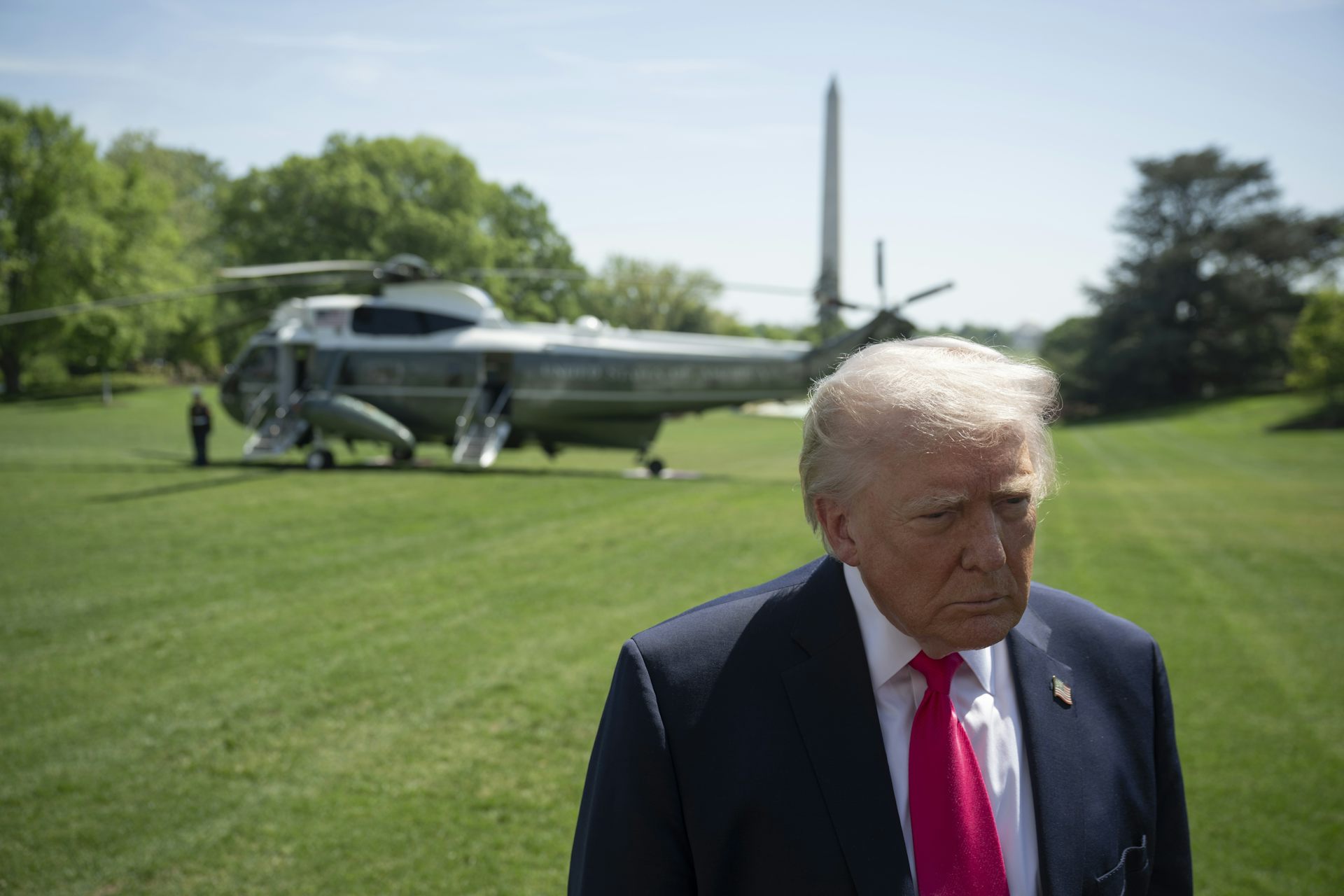
President Donald Trump has claimed victory in the war in Iran even before the conflict is over. But despite killing the country’s leader and seriously degrading its military, there is an argument being made that the Islamic Republic has emerged all the stronger for having simply survived.
El presidente Donald Trump ha declarado la victoria en la guerra de Irán incluso antes de que el conflicto termine. Pero a pesar de matar al líder del país y degradar seriamente su ejército, se argumenta que la República Islámica ha salido aún más fuerte por haber simplemente sobrevivido.
Indeed, a phrase that has repeatedly cropped up as the U.S. has sunk more and more military hardware and credibility into Operation Epic Fury is “Pyrrhic victory.”
De hecho, una frase que ha aparecido repetidamente a medida que EE. UU. ha invertido más y más material militar y credibilidad en la Operación Epic Fury es «victoria pírrica».
That term also shows up in Iraq War retrospectives, in postmortems of U.S. operations in Libya and in just about every serious attempt to make sense of the past two decades of Western intervention in the Middle East.
Ese término también aparece en retrospectivas de la Guerra de Irak, en análisis póstumos de las operaciones de EE. UU. en Libia y en casi cualquier intento serio de comprender las últimas dos décadas de intervención occidental en Oriente Medio.
But what exactly is a Pyrrhic victory? And is the U.S. really heading toward one in Iran?
¿Pero qué es exactamente una victoria pírrica? ¿Y se dirige realmente EE. UU. hacia una en Irán?
1 king, 2 battles and a rueful remark
1 rey, 2 batallas y un lamento
Most people use the phrase “Pyrrhic victory” to mean a win that costs more than it was worth to obtain it. That’s close enough – but it leaves out a crucial part of the story that makes the concept worth using.
La mayoría de la gente usa la frase «victoria pírrica» para referirse a una victoria que cuesta más de lo que vale obtenerla. Eso es bastante cerca, pero omite una parte crucial de la historia que hace que el concepto merezca ser usado.
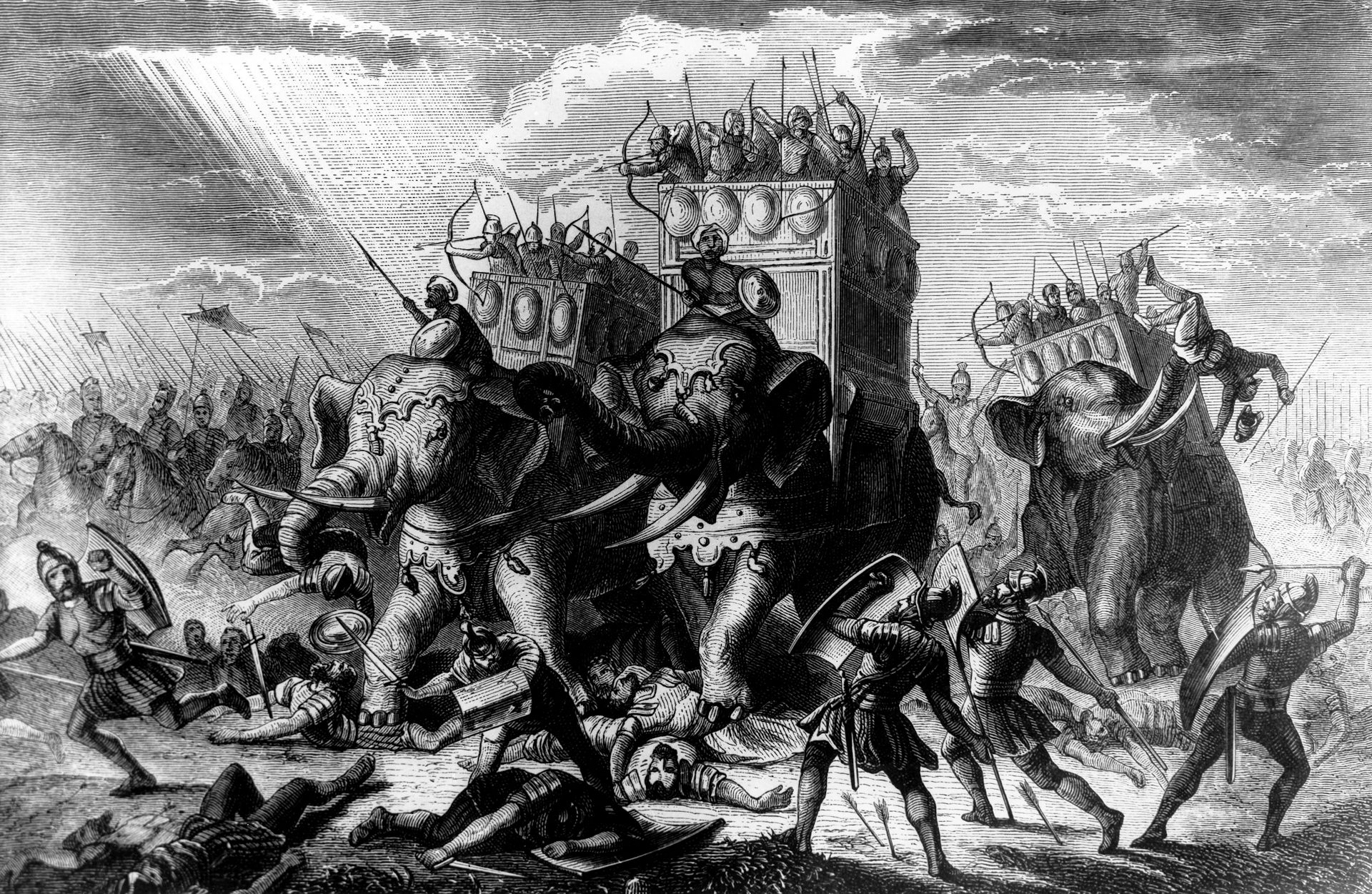
Let’s go back to the beginning. In 280 B.C., Pyrrhus, the king of the ancient Greek kingdom Epirus, crossed into what is now southern Italy to fight Rome. He won major battles at Heraclea and then again at Asculum the following year.
Volvamos al principio. En el 280 a.C., Pirro, rey del antiguo reino griego de Epiro, cruzó a lo que hoy es el sur de Italia para luchar contra Roma. Ganó grandes batallas en Heraclea y luego de nuevo en Asculum al año siguiente.
But both victories hurt Pyrrhus. His officer corps was getting chewed up, and his best troops came from a small kingdom far from the fighting. They could not be replaced on anything like Rome’s scale.
Pero ambas victorias lastimaron a Pirro. Su cuerpo de oficiales estaba siendo desgastado, y sus mejores tropas provenían de un pequeño reino lejos de la lucha. No podían ser reemplazadas a la escala de Roma.
After Asculum, he is said to have uttered, “If we are victorious in one more battle with the Romans, we shall be utterly ruined.” Plutarch wrote it down for posterity, and the line outlived everything else known about the campaign.
Después de Asculum, se dice que pronunció: «Si somos victoriosos en una batalla más con los romanos, estaremos completamente arruinados». Plutarco lo escribió para la posteridad, y la frase sobrevivió a todo lo demás conocido sobre la campaña.
The problem wasn’t that Pyrrhus paid a high price for victory. Rather, it was that every victory shifted the balance against him.
El problema no era que Pirro pagara un alto precio por la victoria. Más bien, era que cada victoria cambiaba el equilibrio en su contra.
A war can be costly without being “Pyrrhic.” If you come out of a battle clearly stronger than the opponent, then whatever the bill, something real was gained. The Pyrrhic case is when the side that claims victory is, in fact, in a weaker position than when the fighting started.
Una guerra puede ser costosa sin ser «pírrica». Si sales de una batalla claramente más fuerte que el oponente, entonces, por mucho que cueste, se ganó algo real. El caso pírrico es cuando el bando que reclama la victoria está, de hecho, en una posición más débil que cuando comenzó la lucha.
From Baghdad to Tripoli …
De Bagdad a Trípoli…
So how does that all relate to U.S. conflicts in the 21st century?
Entonces, ¿cómo se relaciona todo esto con los conflictos de EE. UU. en el siglo XXI?
Iraq in 2003 is the obvious starting point. U.S. and coalition forces dismantled Saddam Hussein’s regime in just three weeks. On its own terms, the operation worked. But it also collapsed the Iraqi state in the process: army gone, ministries hollowed out and police absent.
Irak en 2003 es el punto de partida obvio. Las fuerzas estadounidenses y de la coalición desmantelaron el régimen de Saddam Hussein en solo tres semanas. En sus propios términos, la operación funcionó. Pero también colapsó el estado iraquí en el proceso: el ejército desaparecido, los ministerios vaciados y la policía ausente.
What followed, in broad terms, was insurgency, sectarian war and then the rise of the Islamic State group.
Lo que siguió, en términos generales, fue la insurgencia, la guerra sectaria y luego el surgimiento del grupo Estado Islámico.
Saddam’s Iraq also functioned as one of the main checks on Iranian power in the Persian Gulf. Not by design, and not in any cooperative sense, but as a rival that kept Tehran boxed in. Removing Saddam cleared space for Iran to exert regional influence not enjoyed since 1979.
El Irak de Saddam también funcionó como uno de los principales contrapesos del poder iraní en el Golfo Pérsico. No por diseño, ni en ningún sentido cooperativo, sino como un rival que mantenía a Teherán acorralado. La eliminación de Saddam despejó el camino para que Irán ejerciera una influencia regional no disfrutada desde 1979.
The current war in Iran does not make sense without that shift. The U.S. went into Iraq to eliminate one purported threat – and ended up amplifying another.
La guerra actual en Irán no tiene sentido sin ese cambio. EE. UU. entró en Irak para eliminar una supuesta amenaza y terminó amplificando otra.
The U.S. intervention in Libya in 2011, as part of a NATO force, looked cleaner. The air campaign was short, Libyan leader and longtime thorn in the side of Washington Moammar Gadhafi was dead within eight months – killed by his own countrymen. NATO had set out to protect civilians and remove a regime, and it did both.
La intervención de EE. UU. en Libia en 2011, como parte de una fuerza de la OTAN, parecía más limpia. La campaña aérea fue corta, el líder libio y viejo dolor de cabeza para Washington, Muammar Gadafi, murió en un plazo de ocho meses, asesinado por sus propios compatriotas. La OTAN se propuso proteger a los civiles y derrocar un régimen, y logró ambas cosas.
The problem was what came next. Libya was Gadhafi’s state, and there was no real plan for a post-Gadhafi Libya. After he fell, what was left was division: militias, competing governments and an arms stockpile that flooded south into the Sahel region of North Africa and fueled conflicts that rage to this day.
El problema fue lo que vino después. Libia era el estado de Gadafi, y no había un plan real para una Libia pos-Gadafi. Después de su caída, lo que quedó fue la división: milicias, gobiernos rivales y un arsenal que inundó hacia el sur hasta la región del Sahel en el norte de África y alimentó conflictos que aún hoy arden.
Elsewhere, governments drew a blunt conclusion: Complying with demands to dismantle weapons of mass destruction programs, as Gadhafi had done, does not enhance security. In fact, it may have the opposite effect.
En otros lugares, los gobiernos sacaron una conclusión contundente: cumplir con las exigencias de desmantelar programas de armas de destrucción masiva, como lo hizo Gadafi, no mejora la seguridad. De hecho, puede tener el efecto contrario.
Both Libya and Iraq were, in this sense, “Pyrrhic victories” – battlefield triumphs that left the U.S. in a worse overall strategic situation than before.
Tanto Libia como Irak fueron, en este sentido, «victorias pírricas»: triunfos de campo de batalla que dejaron a EE. UU. en una situación estratégica general peor que antes.
… and on to Iran?
… ¿y hacia Irán?
It is too soon to confidently pass judgment on where the war in Iran sits among these other wars.
Es demasiado pronto para juzgar con seguridad dónde se sitúa la guerra en Irán entre estas otras guerras.
But the outlines are visible. Iran’s Supreme Leader Ali Khamenei is gone, and the country’s missile forces and naval assets have taken heavy damage.
Pero los contornos son visibles. El Líder Supremo de Irán, Ali Khamenei, ha desaparecido, y las fuerzas misilísticas y los activos navales del país han sufrido daños considerables.
Washington has declared victory, and by its own metrics there is an argument for that.
Washington ha declarado la victoria, y según sus propias métricas, hay argumentos para ello.
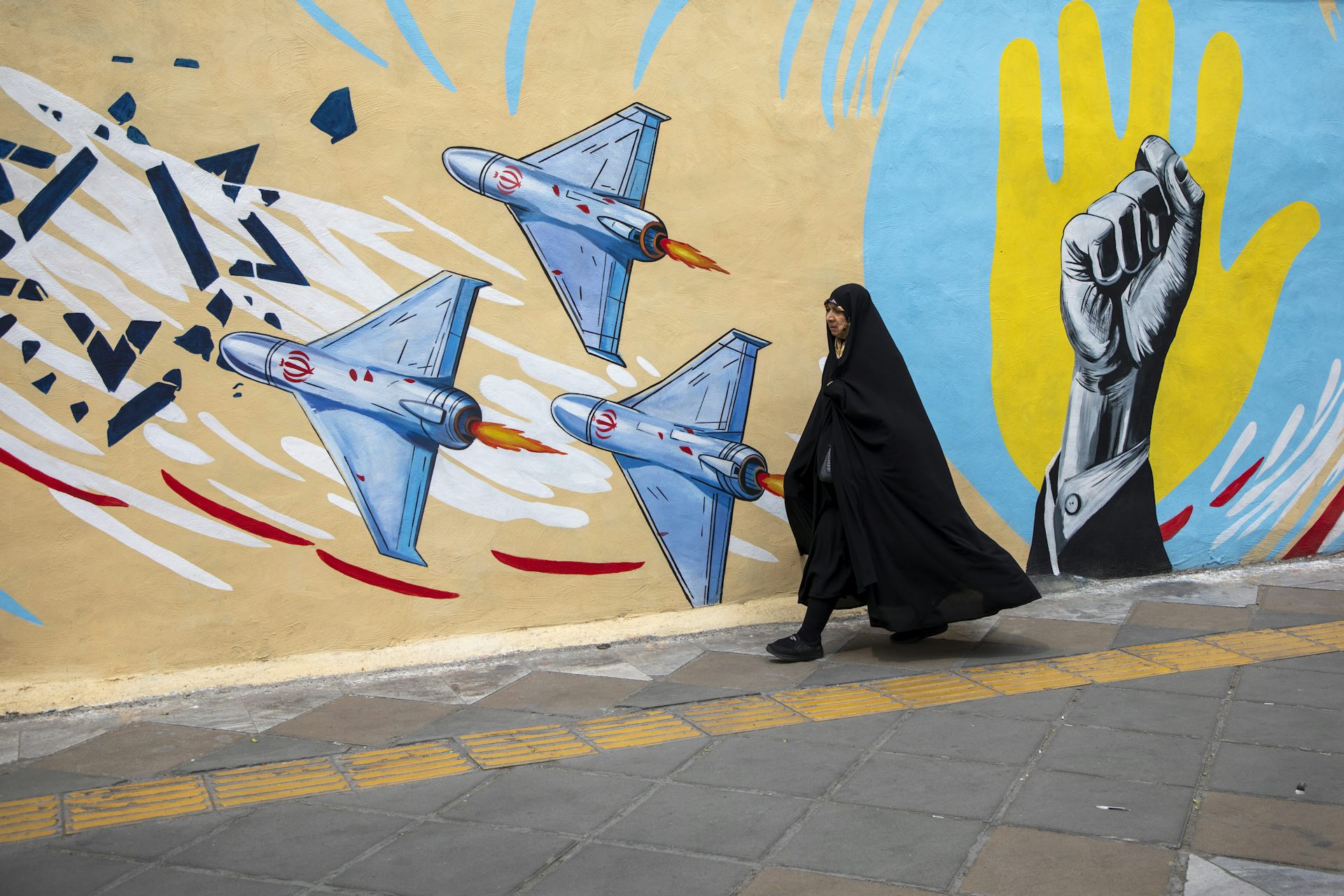
But on the other side of the ledger, Iran still largely holds the Strait of Hormuz – with leverage it did not exercise before the war.
Pero por el otro lado de la balanza, Irán todavía controla en gran medida el Estrecho de Ormuz, con una influencia que no ejercía antes de la guerra.
Meanwhile, oil prices of nearly US$100 a barrel have rippled through the global economy, and Russia, without firing a shot, is positioned to reap the windfall.
Mientras tanto, los precios del petróleo de casi 100 dólares por barril han repercutido en la economía global, y Rusia, sin disparar un tiro, está posicionada para cosechar el beneficio.
The issue of Iran’s nuclear program – one of the many stated drivers of the U.S. campaign – now seems less likely to be resolved than before: A state that has absorbed this level of punishment has stronger reasons to want a deterrent, not weaker ones.
El tema del programa nuclear de Irán – uno de los muchos impulsores declarados de la campaña estadounidense – ahora parece menos probable de resolver que antes: un estado que ha absorbido este nivel de castigo tiene razones más fuertes para querer un elemento disuasorio, no más débiles.
Getting the concept right
Captar el concepto correctamente
So, is Trump following the route of Pyrrhus? A Pyrrhic victory is not just a painful one – it is a victory that leaves one worse off against the same opponent. The question that tends to get skipped when the fighting stops is what, exactly, winning changed.
Entonces, ¿está Trump siguiendo la ruta de Pirro? Una victoria pírrica no es solo dolorosa; es una victoria que te deja en peores condiciones frente al mismo oponente. La pregunta que tiende a omitirse cuando los combates cesan es qué ha cambiado exactamente la victoria.
Pyrrhus had his answer after Asculum. Looking at the Strait of Hormuz, the oil markets, the stalled talks in Islamabad, and an Iran with even more reason to pursue a nuclear deterrent, perhaps Trump will soon have his.
Pirro tuvo su respuesta después de Asculum. Observando el Estrecho de Ormuz, los mercados petroleros, las conversaciones estancadas en Islamabad y un Irán con aún más razones para buscar un disuasorio nuclear, quizás Trump pronto tendrá la suya.
This article is part of a series explaining foreign policy terms commonly used but rarely explained.
Este artículo forma parte de una serie que explica términos de política exterior comúnmente utilizados, pero rara vez explicados.
Andrew Latham does not work for, consult, own shares in or receive funding from any company or organization that would benefit from this article, and has disclosed no relevant affiliations beyond their academic appointment.
Andrew Latham no trabaja para, asesora, posee acciones de, ni recibe financiación de ninguna empresa u organización que se beneficiaría de este artículo, y no ha revelado afiliaciones relevantes más allá de su nombramiento académico.
Read more
-
En un orden mundial fracturado, ¿dónde encaja el sur global?
In a fractured world order, where does the global south fit in?
-
Ataque a la mezquita de San Diego: interpretaciones racistas de la historia europea están inspirando a extremistas
San Diego mosque attack: racist interpretations of European history are inspiring extremists