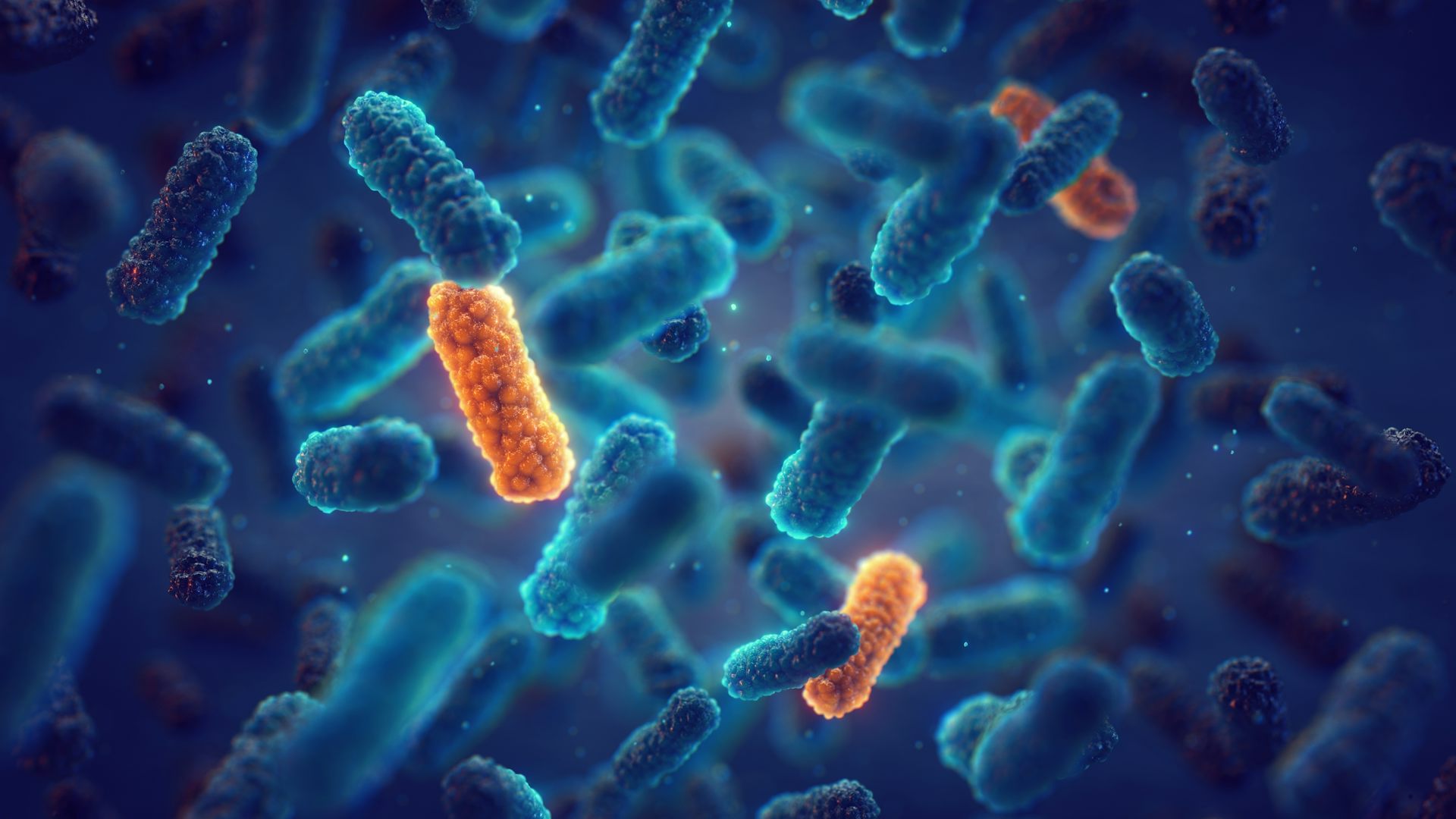
“抗生素后时代”可能对现代医学意味着什么
What a ‘post-antibiotic era’ could mean for modern medi…
The drugs that transformed medicine are losing their power, raising fears of a post-antibiotic era in which common infections kill.
改变了医学的药物正在失去效力,引发了人们对一个普通感染也会致命的抗生素后时代的担忧。
Antibiotics are one of the greatest breakthroughs in medical history. They turned once-deadly infections into treatable illnesses and made modern healthcare possible. But bacteria are changing, and some of the drugs we have depended on for decades are becoming less effective.
抗生素是医学史上最伟大的突破之一。它们将曾经致命的感染转化为可治疗的疾病,并使现代医疗保健成为可能。但细菌正在改变,我们几十年来依赖的一些药物正变得越来越无效。
Around the world, infections are becoming harder to treat. This problem is known as antimicrobial resistance. It happens when bacteria evolve ways to survive medicines designed to kill them. It is estimated that drug-resistant infections already cause about 1.27 million deaths every year worldwide.
在全球范围内,感染的治疗难度正在增加。这个问题被称为抗菌素耐药性。当细菌进化出抵抗杀死它们的药物的方法时,就会发生这种情况。据估计,耐药性感染每年已在全球造成约127万例死亡。
The World Health Organization has warned that we may be moving towards a “post-antibiotic era” in which common infections once again become dangerous, and even routine injuries or procedures carry serious risk.
世界卫生组织警告说,我们可能正走向一个“抗生素后时代”,届时常见的感染再次变得危险,甚至常规的伤口或手术也带有严重的风险。
A century ago, that was normal. A cut from gardening, a sore throat or childbirth could turn into a life-threatening infection. Doctors had few effective treatments, and infectious diseases such as pneumonia, tuberculosis and diarrhoea disease were among the leading causes of death. The arrival of antibiotics changed that dramatically.
一个世纪前,这是常态。园艺造成的割伤、喉咙痛或分娩都可能发展成危及生命的感染。医生缺乏有效的治疗方法,肺炎、肺结核和腹泻病等传染病曾是主要的死因。抗生素的出现极大地改变了这一局面。
Penicillin, discovered by Alexander Fleming in 1928, marked the beginning of one of the most important revolutions in medicine. Before antibiotics, tuberculosis was one of the world’s deadliest infectious diseases. In 1882, it killed one in seven people living in the US and Europe. Once antibiotics became available, many bacterial infections that had once been deadly could be treated effectively.
青霉素于1928年由亚历山大·弗莱明发现,标志着医学史上最重要的革命之一的开始。在抗生素出现之前,肺结核曾是世界上最致命的传染病之一。1882年,它导致美国和欧洲七分之一的人死亡。一旦抗生素可用,许多曾经致命的细菌感染就能得到有效治疗。
Antibiotics not only cured infections, but also made modern medicine far safer. Many procedures rely on them to prevent or treat infection, including caesarean sections, organ transplants, joint replacements and cancer chemotherapy.
抗生素不仅治愈了感染,还使现代医学更加安全。许多手术都依赖抗生素来预防或治疗感染,包括剖腹产、器官移植、关节置换和癌症化疗。
Without effective antibiotics, these treatments would become much more dangerous. Fleming himself recognised that risk. When he accepted the Nobel Prize in 1945, he warned that misuse of penicillin could lead to resistance.
如果没有有效的抗生素,这些治疗就会变得危险得多。弗莱明本人也认识到了这种风险。当他于1945年获得诺贝尔奖时,他警告说,青霉素的滥用可能导致耐药性。
Living in a microbial world
生活在一个微生物世界
The human body contains about 30 trillion human cells, but it also carries tens of trillions of bacteria on the skin and inside the body. Together, these communities form the microbiome, the vast collection of microbes that live in and on us. Many of them are not harmful. In fact, they help digest food, produce vitamins and support the immune system, the body’s defence system against disease.
人体含有约30万亿个人类细胞,但它体内皮肤上还携带了数万亿的细菌。这些群体共同构成了微生物组,即生活在我们体内和体表的大量微生物集合。其中许多对人体无害。事实上,它们有助于消化食物、产生维生素并支持免疫系统——身体抵御疾病的防御系统。
So life is a finely balanced relationship between humans and the microbial world. But bacteria are ancient and extraordinarily adaptable. They have existed on earth for more than 3.5 billion years and survive in some of the harshest places imaginable, from deep-sea vents to polar ice.
因此,生命是人类与微生物世界之间一种微妙的平衡关系。但细菌是古老的,并且具有非凡的适应性。它们已存在于地球上超过35亿年,并在从深海热泉到极地冰层等想象中最恶劣的地方生存。
Bacteria multiply very quickly and can also swap genetic material, meaning they can share useful survival traits with one another. Some produce substances that break down antibiotics before the drugs can do any damage. Others alter the parts of their cells that antibiotics are designed to attack.
细菌繁殖速度极快,它们还可以交换遗传物质,这意味着它们可以彼此分享有用的生存特征。有些会产生分解抗生素的物质,使其在药物造成任何损害之前就失效。其他一些则改变了抗生素设计的攻击细胞部分。
Some develop tiny molecular pumps that push antibiotics back out of the bacterial cell. Others find alternative ways to carry out the jobs that the drug was meant to block.
有些发展出微小的分子泵,将抗生素泵出细菌细胞。其他一些则找到了替代药物原本阻止功能的途径。
These changes happen through random genetic variation, which means natural differences arise as bacteria reproduce. But heavy antibiotic use creates strong evolutionary pressure. When antibiotics kill bacteria that are vulnerable to them, the resistant bacteria are left behind to survive and multiply.
这些变化是通过随机的基因变异发生的,这意味着当细菌繁殖时会产生自然的差异。但大量使用抗生素会产生强大的进化压力。当抗生素杀死那些容易受到它们攻击的细菌时,耐药的细菌就会留下来生存和繁殖。
Conditions for resistance
耐药性条件
Antibiotics are among the most commonly prescribed medicines in the world, and they are often used when they are not needed. In some countries, they are still prescribed for illnesses such as colds and flu, even though antibiotics do not work against viruses. In the UK, prescribing is more tightly controlled, but inappropriate use and public misunderstanding remain a concern.
抗生素是世界上最常用的药物之一,它们经常在不需要的时候使用。在一些国家,即使抗生素对病毒无效,人们仍然会为普通感冒和流感等疾病开具处方。在英国,处方开具受到更严格的控制,但不当使用和公众误解仍然是一个问题。
Large amounts are also used in agriculture and livestock production. This can further encourage resistant bacteria to emerge and spread.
大量抗生素也被用于农业和畜牧业。这可能会进一步助长耐药菌的出现和传播。
Across Europe, antimicrobial resistance is now recognised as a major public health threat. The European Centre for Disease Prevention and Control estimates that antibiotic-resistant infections cause more than 35,000 deaths each year across the EU and European Economic Area.
在整个欧洲,抗菌素耐药性现已被认为是重大的公共卫生威胁。欧洲疾病预防控制中心估计,抗生素耐药性感染每年在欧盟和欧洲经济区造成超过35,000人死亡。
Doctors are now seeing infections that are difficult, and sometimes impossible, to treat. Some of the most worrying include methicillin-resistant staphylococcus aureus (MRSA) , vancomycin-resistant enterococci (VRE) and carbapenem-resistant enterobacterales (CRE) . MRSA can resist several commonly used antibiotics. VRE no longer responds to vancomycin, while CRE can withstand carbapenems, some of the most powerful antibiotics available.
医生们现在发现了一些难以,甚至不可能治疗的感染。其中最令人担忧的包括耐甲氧西林金黄色葡萄球菌(MRSA)、耐万古霉菌肠球菌(VRE)和碳青霉烯耐药肠杆菌(CRE)。MRSA可以抵抗几种常用的抗生素。VRE不再对万古霉素产生反应,而CRE可以抵抗碳青霉烯类,这是目前最强效的抗生素之一。
What a post-antibiotic world could look like
一个抗生素时代之后的世界可能是什么样子
If antibiotic resistance continues to rise, the consequences for healthcare could be severe. Many routine medical procedures depend on antibiotics to prevent infection. Without them, surgeries such as hip replacements, organ transplants and some cancer treatments may become too risky to perform.
如果抗生素耐药性持续上升,这对医疗保健的后果可能是严重的。许多常规医疗程序依赖抗生素来预防感染。没有它们,像髋关节置换、器官移植和某些癌症治疗等手术可能会变得风险过高,无法进行。
Even common infections could once again become life-threatening. A simple urinary tract infection could spread into the bloodstream. A skin wound could develop into a severe invasive infection, meaning an infection that spreads deep into the body.
即使是常见的感染也可能再次变得危及生命。简单的尿路感染可能会扩散到血液中。皮肤伤口可能会发展成严重的侵入性感染,这意味着感染会深入身体内部。
One of the greatest concerns is sepsis, a life-threatening condition in which the body overreacts to an infection and begins damaging its own tissues and organs. Early treatment with antibiotics saves many lives. But when bacteria are resistant, those treatments may fail. That makes sepsis much harder to treat, and in severe cases doctors may have very few options left.
最令人担忧的之一是败血症,这是一种危及生命的状况,身体对感染过度反应,开始损害自身的组织和器官。早期使用抗生素进行治疗可以挽救许多生命。但当细菌产生耐药性时,这些治疗可能会失败。这使得败血症的治疗更加困难,在严重的情况下,医生可能几乎没有选择。
Healthcare could begin to resemble the pre-antibiotic era, when infection was one of the biggest dangers of everyday life.
医疗保健可能会开始让人联想到抗生素之前的时代,那时感染是日常生活中最大的危险之一。
Reasons for hope
希望的理由
The situation is serious, but it is not hopeless. Scientists are developing new ways to fight infection. Some researchers are exploring bacteriophages, often shortened to phages, which are viruses that infect and kill bacteria.
局势虽然严峻,但并非绝望。科学家们正在开发新的抗感染方法。一些研究人员正在探索噬菌体,通常简称噬菌体,它们是感染并杀死细菌的病毒。
Others are working on anti-virulence drugs. Rather than killing bacteria outright, these drugs aim to disarm them by blocking the tools they use to cause disease. The hope is that this may place less evolutionary pressure on bacteria to develop resistance.
其他人则致力于开发抗毒力药物。这类药物的目的不是直接杀死细菌,而是通过阻断细菌用于引起疾病的工具来使其失去武装。希望的是,这可能会减轻细菌产生耐药性的进化压力。
Another promising approach is host-targeted therapy. This means boosting the body’s own ability to fight infection, rather than attacking the bacteria directly.
另一个有前景的方法是宿主靶向疗法。这意味着增强身体自身抵抗感染的能力,而不是直接攻击细菌。
Better diagnostic tests, stronger infection prevention and more careful use of antibiotics could also help preserve the drugs we still have. Antibiotics transformed medicine in the 20th century and saved countless lives. But they were never a permanent victory over microbes.
更好的诊断测试、更强的感染预防以及更谨慎的抗生素使用,也有助于保护我们现有的药物。抗生素彻底改变了20世纪的医学,挽救了无数生命。但它们从未对微生物取得永久的胜利。
The challenge now is not just to develop new treatments, but to protect the antibiotics that still work. If we can do that, the post-antibiotic future many scientists warn about may never arrive.
现在的挑战不仅仅是开发新的疗法,更是要保护那些仍然有效的抗生素。如果我们能做到这一点,许多科学家所警告的“抗生素后时代”可能就不会到来。
Steven W. Kerrigan does not work for, consult, own shares in or receive funding from any company or organisation that would benefit from this article, and has disclosed no relevant affiliations beyond their academic appointment.
Steven W. Kerrigan 不受任何从本文中受益的公司或组织的雇佣、咨询、拥有股份或获得资金支持,并且除了其学术职位外,未披露任何相关任职关系。