承接普京和特朗普,中国发出了一个信号——它现在掌握了主动权
Playing host to Putin and Trump, China sends a message …
Xi Jinping had his moment on the global stage – and he didn’t waste it.
习近平在全球舞台上抓住了机会——而且他没有浪费。
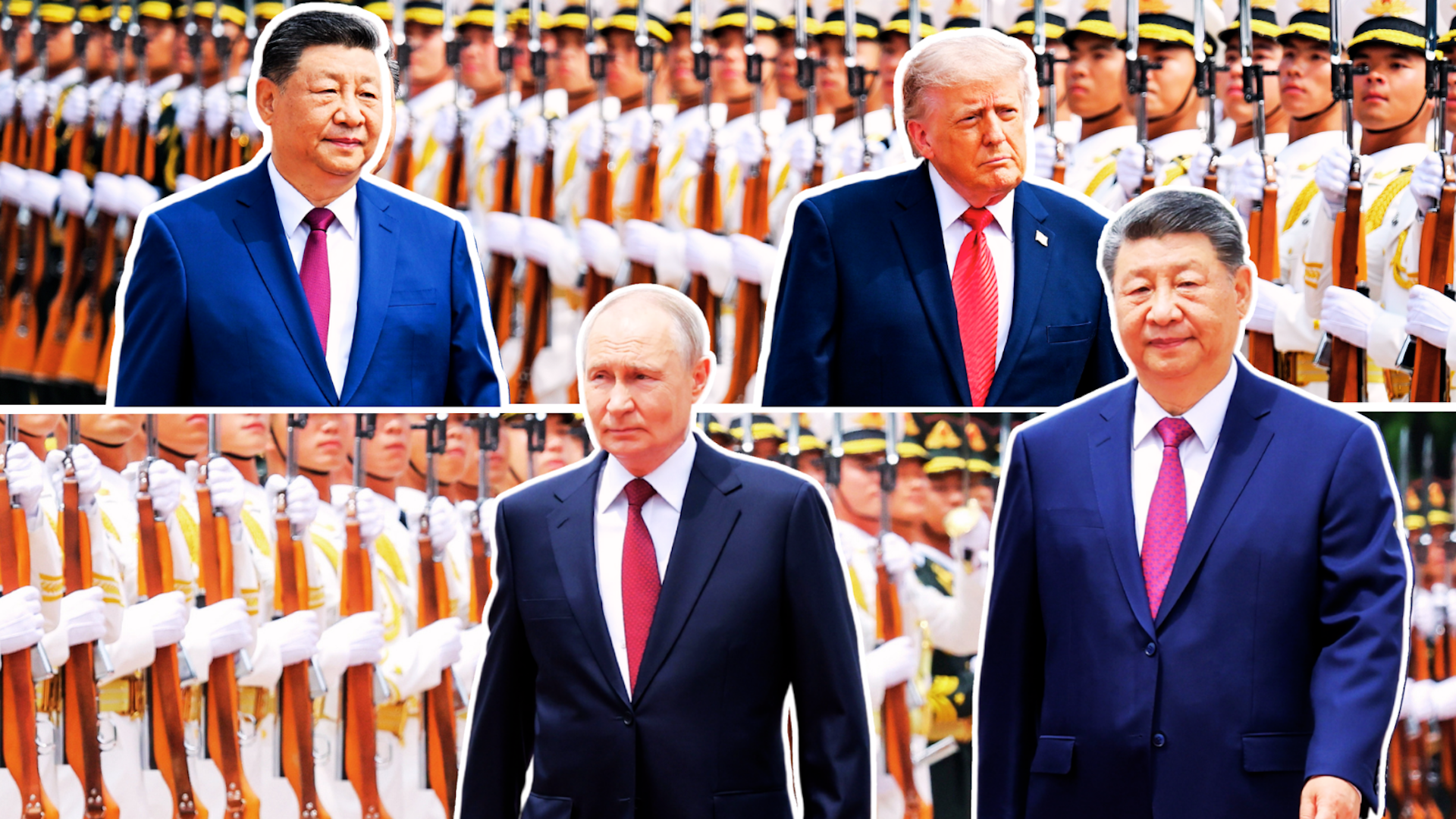
It’s been quite a week for Beijing, with back-to-back visits by the leaders of the United States and Russia. Chinese President Xi Jinping has had his hands full with hosting duties, gun salutes, photo opportunities and high-level talks.
北京度过了一个非常忙碌的一周,因为美国和俄罗斯的领导人接连访问。中国国家主席习近平忙于接待任务、敬礼、拍照机会和高级别会谈。
Each visit was important in its own way. US President Donald Trump’s state visit was his first to Beijing since 2017. It came at a moment of strained China-US relations, with the US at war in the Middle East and its foreign policy undergoing a massive transformation under Trump.
每一次访问都具有其自身的意义。美国总统唐纳德·特朗普的国事访问是自2017年以来他首次访问北京。此次访问正值中美关系紧张之际,美国在中东处于战争状态,并且其外交政策在特朗普的领导下正在经历巨大的转型。
For Putin, it was his 25th official visit to China. The trip was intended to further consolidate the China–Russia strategic alignment amid global uncertainty. Putin was also keen to secure China’s continued economic lifeline and diplomatic cover as its war with Ukraine grinds on.
对于普京而言,这是他第25次访问中国。此次访问旨在在全球不确定性背景下,进一步巩固中俄战略协调。随着俄乌战争的持续,普京还非常希望确保中国持续的经济命脉和外交掩护。
And while the timing of the back-to-back visits should not be over-interpreted – Moscow says there was “no connection” between the two – they do reveal a deeper structural shift in global politics.
尽管这种接连访问的时间安排不应被过度解读——莫斯科方面表示两者之间“没有关联”——但它们确实揭示了全球政治中更深层次的结构性转变。
Beijing’s rising confidence
北京日益增强的自信
First, the United States is clearly no longer the most important country in China’s strategic worldview – and Beijing is increasingly willing to show it.
首先,美国在中国的战略视野中显然不再是最重要的国家——而北京正越来越愿意展示这一点。
This was visible in Xi’s posturing and negotiating style with Trump. From his rather distant handshake to his dominant body language throughout their meeting, Xi sent a message: Washington has a limited ability to influence Beijing anymore.
这体现在习近平与特朗普的姿态和谈判风格中。从他略显疏远的握手,到整个会面中他主导的肢体语言,习近平传达了一个信息:华盛顿对影响北京的能力已经有限了。
The modest outcomes of their summit reinforced this dynamic. Trump left China without a formal deal, a press conference or a joint communiqué. Nor was there a breakthrough on either Iran or Taiwan.
他们峰会平淡的成果强化了这一动态。特朗普离开中国时,没有达成任何正式协议、没有举行新闻发布会,也没有联合公报。关于伊朗或台湾的问题,也未取得任何突破。
Putin, meanwhile, met his “good and old friend” Xi and took home some 20 agreements ranging from trade to technology.
与此同时,普京会见了“好老朋友”习近平,并带回了涵盖贸易到技术的约20项协议。
The most striking, if not unsettling, moment was Xi’s invocation of the “Thucydides Trap” during his meeting with Trump. This is the idea that a rising power inevitably threatens an established one, risking war.
最引人注目,甚至有些令人不安的时刻,是习近平在会见特朗普时提及了“修昔底德陷阱”。这个概念指的是,一个崛起的大国不可避免地会威胁到一个既有的强国,从而引发战争的风险。
Xi asked a pointed question:
习近平提出了一个尖锐的问题:
Can China and the United States transcend the so-called ‘Thucydides Trap’ and forge a new paradigm for major-power relations?
中国和美国能否超越所谓的“修昔底德陷阱”,为大国关系开创一个新范式?
Xi has used this concept before, but his directness this time sent a warning: the US risks creating a major crisis if it continues to rely on a containment strategy to counter China’s rise.
习近平以前也使用过这个概念,但这次的直言警告了:如果美国继续依赖遏制战略来应对中国的崛起,就有引发重大危机的风险。
In short, Beijing used the Trump visit to signal confidence, autonomy and the fact that Washington is not the only capital that matters to China.
简而言之,北京利用了特朗普的访问来发出信号:展现自信、自主性,以及华盛顿并非中国唯一重要的首都。
Russia has new usefulness to Beijing
俄罗斯对北京具有新的用处
Second, the China–Russia alignment has become less equal, but it has gained greater strategic depth. And Beijing is now using it to put pressure on the US leadership.
其次,中俄联盟的平衡性有所减弱,但其战略深度却有所增强。北京正利用这一点对美国领导层施加压力。
During a private garden stroll through the highly secretive Zhongnanhai leadership compound last week, Trump asked whether Xi often brings other world leaders there. Xi replied that such visits are “extremely rare,” but added that “Putin has been here”.
上周,在游览高度机密的中南海领导人住所时,特朗普询问习近平是否经常带其他世界领导人去那里。习近平回答说,此类访问“极其罕见”,但补充说“普京来过这里”。
The innocent reading of this exchange is that Xi was simply noting the depth of his personal rapport with Putin. But in the current geopolitical context, it also served as a subtle reminder to Trump that China’s “no limits” partnership with Russia is not rhetorical. Beijing was signalling Moscow remains a privileged strategic partner – and that China has options.
从字面上看,习近平只是在指出他与普京之间个人关系的深度。但在当前的地缘政治背景下,这也向特朗普传达了一个微妙的提醒:中国与俄罗斯的“不设限”伙伴关系并非空谈。北京正在发出信号,莫斯科仍然是一个特殊的战略伙伴——而中国拥有选择权。
The deeper message is this: if Washington seeks to isolate China, Beijing can lean even more heavily on its relationship with Moscow.
更深层的含义是:如果华盛顿试图孤立中国,北京可以更侧重于其与莫斯科的关系。
China does not need to help Russia “win” in Ukraine to make this point. What matters is that Beijing has the ability – if it chooses – to bolster Russia’s war effort through economic, diplomatic and long-term technological and energy cooperation. Beijing’s influence now extends well beyond the Indo-Pacific and reaches into Europe in ways Washington cannot ignore.
中国不需要帮助俄罗斯在乌克兰“取得胜利”来证明这一点。重要的是,北京有能力——如果它选择的话——通过经济、外交以及长期技术和能源合作来支持俄罗斯的战争努力。北京的影响力现在远远超出了印太地区,并以华盛顿无法忽视的方式延伸到了欧洲。
Xi didn’t give Putin everything he sought during his meeting, though.
不过,习近平在会面中并没有满足普京所有的期望。
With the turmoil in the Middle East cutting off China’s access to Middle Eastern oil and gas, Moscow sensed an opportunity to push ahead on a new pipeline, called the Power of Siberia-2, to bring Russian gas to China.
随着中东的动荡切断了中国获取中东石油和天然气的渠道,莫斯科嗅到了一次机会,推动建设一条名为“西伯利亚力量二号”的新管道,将俄罗斯天然气输送到中国。
While Putin and Xi came to a “general understanding on the parameters” of the project, however, no final deal was signed.
尽管普京和习近平就该项目的“参数”达成了“初步共识”,但最终并未签署任何协议。
China is now in the driver’s seat
中国现在掌握了主导权
Third, China now sees itself as the central node of great-power politics.
第三,中国现在将自身视为大国政治的中心节点。
For many decades, the United States sat at the apex of the “great triangle”, balancing between China and the Soviet Union and then Russia.
在许多个十年里,美国处于“大三角”的顶端,在中国和苏联,以及后来的俄罗斯之间进行平衡。
Today, the geometry has flipped. Both Trump and Putin felt compelled to come to Beijing – for stabilisation, reassurance and strategic signalling – even as they confront each other elsewhere.
今天,这种格局发生了逆转。即使他们在其他地方相互对抗,特朗普和普京也感到有必要来到北京——以实现稳定、提供保证和发出战略信号。
China is not playing triangular diplomacy in the classic sense. It is not trying to pit Washington and Moscow against each other. Instead, it is positioning itself as the system’s centre: the place where major-power diplomacy must pass, even if the outcomes are uncertain.
中国不是在玩传统意义上的三角外交。它不是试图将华盛顿和莫斯科对立起来。相反,它将自己定位为系统的中心:一个大国外交必须经过的地方,即使结果尚不确定。
China is not at the apex of this arrangement because it is the strongest militarily or economically, but because it has the confidence to engage the US and Russia on its own terms.
中国之所以处于这一格局的顶端,并非因为它在军事或经济上最强大,而是因为它有信心按照自己的条件与美国和俄罗斯互动。
In this new geometry, great-power politics does not revolve around Washington. Increasingly, it runs through Beijing.
在这种新的格局中,大国政治不再围绕华盛顿转。它越来越多地通过北京。
Alexander Korolev does not work for, consult, own shares in or receive funding from any company or organisation that would benefit from this article, and has disclosed no relevant affiliations beyond their academic appointment.
Alexander Korolev 不受任何从本文中受益的公司或组织的雇佣、咨询、拥有股份或资金支持,并且除了其学术任命外,未披露任何相关隶属关系。