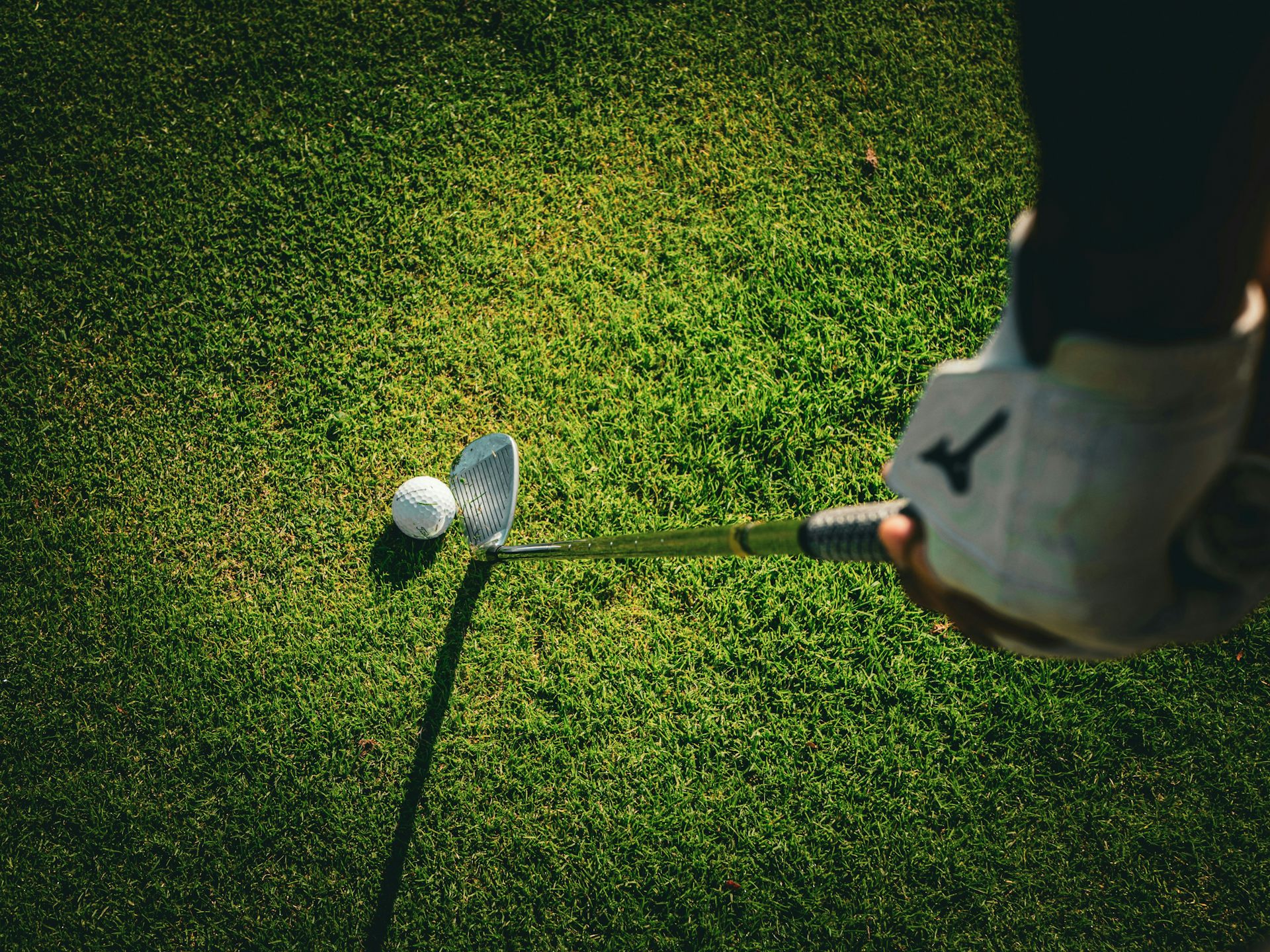
In sport, the yips can be a chronic, more severe form of ‘choking’ under pressure. Some athletes overcome them – others can get defeated by them.
在体育运动中,心理失常(The yips)可以是一种慢性、更严重的“临场失误”。有些运动员能够克服它——而有些人则会被它击败。
Legendary 18-time major winner Jack Nicklaus once stated golf was “90% mental and 10% physical”.
传奇的18届大满贯冠军杰克·尼克劳斯曾说过,高尔夫球“90%是心理,10%是体力”。
That’s because unlike most other ball sports, a golfer spends most of the time thinking about their game instead of actually playing it: the contact time a player has with the ball is minuscule compared to the time spent planning the next shot, or frustratedly replaying a previous wonky hit.
这是因为与大多数其他球类运动不同,高尔夫球手大部分时间不是在实际打球,而是在思考自己的比赛:球员与球的接触时间,与规划下一杆或沮丧地回想之前失误的次数相比,是微不足道的。
This can take a toll on even the best players – who can forget Greg Norman’s 1996 US Masters collapse, considered one of the worst chokes in the history of sport?
这甚至会对最优秀的球员造成影响——谁能忘记格雷格·诺曼在1996年美国大师赛上的崩盘表现,这被认为是体育史上最糟糕的失常表现之一?
But there can be times when these wobbles go next level: the yips.
但有时,这种不稳会升级到另一个层次:即“手抖症”(yips)。
Let’s unpack this rare, fascinating and occasionally devastating disorder, which can affect athletes in sports such as golf, tennis, archery, baseball, softball and darts.
让我们来深入了解这种罕见、迷人,但有时又具有毁灭性的障碍,它会影响高尔夫、网球、射箭、棒球、垒球和飞镖等运动的运动员。
What are the yips?
什么是“yips”?
The yips is a movement disorder that involves involuntary muscle spasms that disrupt the normal execution of mostly small muscle movements, such as finger and hand movements.
“yips”是一种运动障碍,涉及不自主的肌肉痉挛,干扰了大部分小肌肉运动(例如手指和手部运动)的正常执行。
It is likely a result of bad injuries, training these small muscle groups too much, and/or worrying excessively about an upcoming performance.
它可能是由于旧伤、过度训练这些小肌肉群,和/或对即将到来的比赛过度担忧所致。
In that respect, it is largely a mental issue, but the causes can be physical, psychological, or both.
从这个角度来看,它在很大程度上是一个心理问题,但其原因可能是生理的、心理的,或两者兼有。
Athletes with the yips can struggle to hit a ball with another object (such as in golf or tennis) or accurately throw a ball or object toward a target (such as darts or baseball) .
患有“yips”的运动员可能会难以用其他物体击球(例如在高尔夫或网球中),或者难以准确地将球或物体投向目标(例如飞镖或棒球)。
It is unclear how many athletes are affected by the yips, but some studies in golf (the most frequently yips-affected sport) estimate between 17% and even up to 50% of serious golfers have endured this problem.
目前尚不清楚有多少运动员受到“yips”的影响,但一些高尔夫运动(最常受“yips”影响的运动)的研究估计,高达17%甚至50%的严肃高尔夫球手曾经历过这个问题。
Although more research is needed, golfers are probably more at risk due to a combination of the small motor movements that occur during a golf swing and the sport’s intense mental pressures.
尽管还需要更多的研究,但由于高尔夫挥杆过程中涉及的小运动和这项运动巨大的心理压力相结合,高尔夫球手可能面临更高的风险。
There are different causes
存在不同的原因
Three causes can trigger the yips: something physical (a past injury) , something psychological (anxiety experienced when performing the task) , or combined (such as a previous traumatic sporting event like failing under pressure in an important moment) .
触发“yips”的三个原因包括:生理原因(过去的伤病)、心理原因(执行任务时产生的焦虑),或两者兼有(例如在重要时刻因压力而失误的先前创伤性体育事件)。
Yips always involve involuntary muscle spasms: jerking and “freezing” of body parts crucial to perform a skill.
“Yips”总是涉及非自主的肌肉痉挛:身体执行技能所必需的部位会发生抽搐和“僵硬”。
Athletes may experience these physical ailments with or without being nervous.
运动员无论是否紧张,都可能经历这些生理症状。
It’s not just ‘choking’
它不仅仅是“心理崩溃”
The yips is a term often used inaccurately by media and fans to explain why athletes miss an AFL set shot or a short putt in golf.
“yips”这个术语经常被媒体和球迷不准确地用来解释运动员为什么会错过澳式足球(AFL)的定点射门或高尔夫的短推杆。
This is incorrect – the term “choking under pressure” should be used instead.
这是不正确的——应该使用“临场压力下失误”这个术语。
The yips are different from choking in several ways:
“yips”与“失误”在几个方面是不同的:
the yips involve involuntary muscle movements; choking does not
“yips”涉及非自主的肌肉运动;而“失误”则不涉及。
the yips may occur over a prolonged period (days, weeks, months) ; choking only occurs during one event or competition
“yips”可能会持续很长时间(几天、几周、几个月);而“失误”只发生在某一个赛事或比赛期间。
the yips occur with or without being nervous (they can happen during training or in competition) ; choking only occurs when an athlete is nervous (for example, during competition) .
“yips”无论是否紧张都会发生(它们可以在训练中或比赛中发生);而“失误”只在运动员感到紧张时发生(例如,在比赛中)。
The yips can be a chronic, more severe form of choking where an increase in anxiety leads to the involuntary muscle movements, but chronic choking does not always lead to the yips.
“yips”可以是一种慢性、更严重的失误形式,在这种情况下,焦虑的增加会导致非自主的肌肉运动,但慢性失误并不总是导致“yips”。
Can athletes recover from them?
运动员能从这些问题中恢复过来吗?
Some athletes can overcome them but others get defeated.
一些运动员可以克服它们,但另一些人则败下阵来。
Jon Lester, a former professional baseball player, developed the yips and could not throw accurately to first base – a basic yet vital skill for elite pitchers.
前职业棒球运动员乔恩·莱斯特(Jon Lester)患上了“yips”,无法准确地投球到一垒——这对顶尖投手来说是一项基本但至关重要的技能。
Several throwing coaches suggested he change his technique, with no success. So Lester decided to purposely bounce the ball off the ground when throwing to first base instead of throwing it on the full. This is hardly ideal considering the importance of throwing quickly and accurately to bases.
几位投球教练建议他改变技术,但都没有成功。于是,莱斯特决定在投向一垒时,故意让球弹地,而不是全力投出。考虑到快速准确地投向本垒的重要性,这几乎不是一个理想的方法。
He said at the time the new technique was an idea to:
他当时说,采用这种新技术的想法是为了:
[…] eliminate all tension and bounce it over there. I don’t really care what it looks like. I don’t care if it bounces 72 times.
[…]消除所有紧张感,让它弹到那里。我真的不在乎它看起来是什么样子。我不在乎它弹了多少次。
Despite his woes throwing to first base, Lester still enjoyed a highly successful career.
尽管他在投向一垒方面饱受困扰,莱斯特仍然拥有了非常成功的职业生涯。
But some yips-affected athletes have been forced to walk away from their sport.
但一些患有“yips”的运动员被迫离开了他们的运动。
Ian Baker-Finch, a professional golfer who won the British Open title in 1991, developed the yips and attempted to change his swing multiple times.
专业高尔夫球手伊恩·贝克-芬奇(Ian Baker-Finch)曾在1991年赢得英国公开赛冠军,但他患上了“yips”,并尝试了多次改变挥杆动作。
It didn’t work – at the 1997 British Open he played so poorly that he withdrew before the second round and retired with immediate effect.
这没有奏效——在1997年的英国公开赛上,他的表现太差了,以至于他在第二轮前退赛,并立即退役。
The title of his biography is To Hell And Back, which delves into his battle with the yips and then finding fulfilment in golf commentary.
他的传记书名为《To Hell And Back》,深入探讨了他与“yips”的斗争,以及后来他在高尔夫解说中找到了自我实现。
How can the yips be overcome?
如何克服“手抖症”(yips)?
There isn’t much research that has focused specifically on how to overcome the yips.
目前很少有研究专门关注如何克服“手抖症”。
Interventions are usually based on the type of yips the athlete is experiencing.
干预措施通常取决于运动员所经历的“手抖症”类型。
For example, if the issue is more physical, medication is often used to reduce the likelihood of muscle spasms and jerking. Acupuncture can also help.
例如,如果问题更偏向生理层面,通常会使用药物来降低肌肉痉挛和抽搐的可能性。针灸也有帮助。
With psychological yips, pre-performance (or pre-shot) routines and solution-focused guided imagery may help yips-affected athletes (and performance generally) .
对于心理层面的“手抖症”,赛前(或射击前)常规训练和以解决方案为导向的引导想象可能有助于患有“手抖症”的运动员(以及整体表现)。
If the athlete is battling the combined version of the yips, then eye movement desensitisation and reprocessing therapy (often shortened to EMDR) has been shown to improve symptoms and performance.
如果运动员患的是综合性“手抖症”,那么眼动脱敏与再加工疗法(常缩写为EMDR)已被证明可以改善症状和表现。
With all these interventions though, only a small sample of yips-affected athletes were tested, and long-term follow-up studies are needed.
然而,所有这些干预措施都只在少量患有“手抖症”的运动员身上进行了测试,还需要进行长期随访研究。
Dealing with pressure
应对压力
With golf’s next major, the 2026 PGA Championship, starting on Thursday, the best golfers in the world will descend on Aronimink Golf Club in Philadelphia.
随着下一届大型赛事——2026年PGA锦标赛的开始,从周四起,世界顶尖的球手们将聚集在费城阿罗尼明克高尔夫俱乐部。
Some will excel under the immense pressure but let’s hope none of them succumb to choking – or even worse, the yips.
一些人能在巨大的压力下表现出色,但我们希望没有他们会“失手”(choking)——或者更糟的,患上“手抖症”(yips)。
Christopher Mesagno does not work for, consult, own shares in or receive funding from any company or organisation that would benefit from this article, and has disclosed no relevant affiliations beyond their academic appointment.
克里斯托弗·梅萨尼奥(Christopher Mesagno)不为任何公司或组织工作、咨询、拥有股份或接受资金,这些公司或组织不会从本文中受益,并且除了其学术任命外,他没有披露任何相关的隶属关系。