城市树木的降温效果超乎我们的想象——但我们不能只依赖它们
Urban trees cool the world’s cities more than we though…
Cities around the world rely on trees to keep temperatures lower. New research shows trees are remarkably effective – but can’t do it all
世界各地的城市依赖树木来保持较低的温度。新的研究表明,树木非常有效——但它们无法解决所有问题
Cities and towns are usually 1–3°C hotter than the surrounding countryside, because asphalt, concrete and brick absorb heat from the sun and radiate it slowly. Some cities can be as much as 7°C hotter. This effect is known as the urban heat island.
城市和城镇通常比周围乡村热 1-3°C,因为沥青、混凝土和砖块会吸收太阳热能并缓慢辐射。一些城市甚至可能热高达 7°C。这种现象被称为“城市热岛效应”。
This can be dangerous, especially in hot countries. In very hot conditions, dehydration and heat exhaustion become real risks. If it gets too hot, it can be lethal.
这可能很危险,尤其是在炎热的国家。在极热的条件下,脱水和热衰竭会成为真正的风险。如果温度过高,可能会致命。
There’s one simple antidote: urban trees. Authorities around the world have planted more trees to counteract the heat.
有一个简单的解药:城市树木。世界各地的当局都种植了更多树木来抵消热量。
But how effective is this? How much hotter would our cities be without trees?
但这有多有效?没有树木,我们的城市会热多少?
To find out, we analysed data from nearly 9,000 cities around the world, home to about 3.6 billion people. As our new research shows, trees almost halve how much heat is trapped by the urban heat island effect.
为了找出答案,我们分析了来自全球近 9000 个城市的数据,这些城市拥有约 36 亿人口。正如我们的新研究所示,树木几乎将城市热岛效应捕获的热量减半。
This cooling is welcome. But it is far from even. Wealthier, suburban and humid cities have more trees on average.
这种降温是受欢迎的。但它远非均匀。富裕的、郊区的和潮湿的城市平均树木更多。
Why focus on trees?
为什么要关注树木?
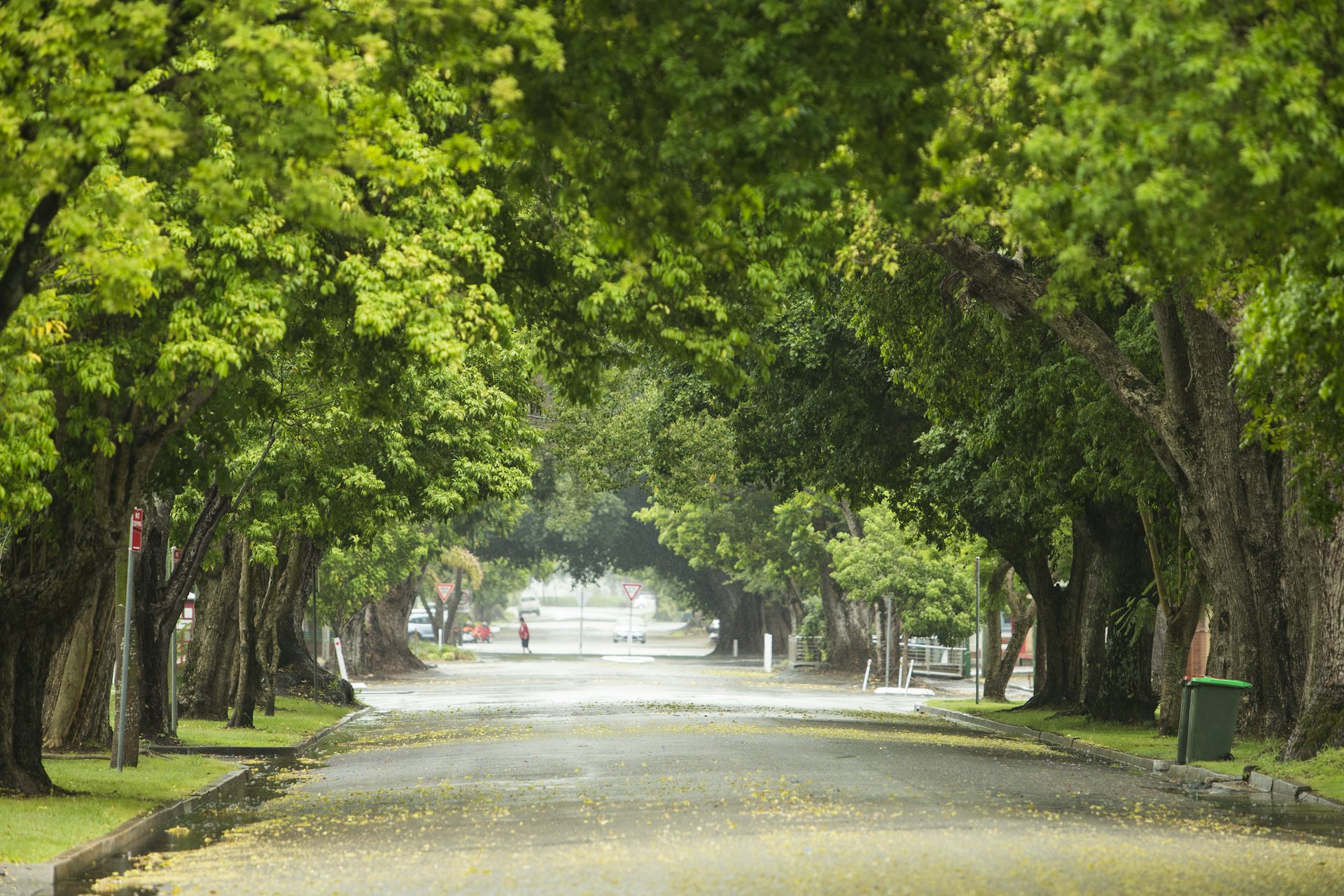
Trees act like natural air conditioners. They shade the ground and stop asphalt and buildings from heating up in the first place. They also cool the air by releasing water vapour from their leaves in a process called transpiration, lowering surrounding temperatures. They can make a noticeable temperature difference, especially on sizzling summer days.
树木就像天然的空调。它们可以遮阴,从根本上阻止沥青和建筑物过热。它们还通过一种称为蒸腾作用的过程,从叶片释放水蒸气来冷却空气,从而降低周围的温度。它们能造成明显的温差,尤其是在炎热的夏日。
Trees offer a simple way to counteract urban heat. This matters. More than half the world’s population (55%) now live in urban areas according to the United Nations. By 2050, that figure is expected to rise to 68%. Cities are facing a hotter future, as climate change drives more intense and more frequent heatwaves. The urban heat island effect makes cities hotter still.
树木提供了一种对抗城市热岛效应的简单方法。这很重要。根据联合国的数据,全球超过一半的人口(55%)现在居住在城市地区。到2050年,这一比例预计将上升到68%。随着气候变化导致更强烈、更频繁的热浪,城市正面临一个更炎热的未来。城市热岛效应使城市更加炎热。
What did we do?
我们做了什么?
We wanted to know the answer to a simple question: how much hotter would cities be without trees?
我们想知道一个简单问题的答案:没有树木,城市会热多少?
To find out, we analysed global datasets of air temperature and fine-scale tree cover across almost 9,000 cities. Then we modelled a “what if” scenario, where all tree cover was removed, and compared it to current conditions.
为了找出答案,我们分析了全球近9000个城市的空气温度和精细尺度的树冠覆盖数据集。然后,我们建立了一个“假设情景”,即移除所有树冠覆盖,并将其与当前状况进行比较。
This allowed us to estimate the real-world cooling effect trees provide for air temperature, which is the main way we perceive heat.
这使我们能够估算出树木对空气温度提供的实际降温效果,而空气温度是我们感知热量的主要方式。
Most previous global studies have used surface temperatures, often from satellite data. But surfaces like roads and rooftops can become much hotter than the surrounding air above them, especially in direct sunlight. That can give an overestimate of how much cooling trees provide. Air temperature, by contrast, better reflects what people actually feel, making it a more reliable measure of heat.
大多数以前的全球研究都使用了地表温度,通常来自卫星数据。但像道路和屋顶这样的表面,尤其是在阳光直射下,可能会比其上方的周围空气热得多。这可能会高估树木提供的降温效果。相比之下,空气温度更能反映人们实际感受到的温度,使其成为衡量热量更可靠的指标。
So what effect do trees really have?
那么,树木到底有什么作用?
The effect was much larger than we had anticipated.
这种效果比我们预期的要大得多。
Globally, trees cut the urban heat island effect by almost 50%. Since the average urban heat island effect typically adds around 1–3°C, this translates into cooling of roughly 0.5–1.5°C in many cities.
从全球来看,树木能将城市热岛效应降低近50%。由于平均城市热岛效应通常会增加1–3°C,这相当于许多城市降温了大约0.5–1.5°C。
For more than 200 million people, trees reduce local air temperatures by at least 0.5°C, enough to make a meaningful difference during extreme heat.
对于超过2亿人口而言,树木能使当地空气温度至少降低0.5°C,这足以在极端高温时期发挥显著作用。
Cooling can vary a lot from place to place.
降温程度在不同地区差异很大。
In hot, dry cities such as Phoenix in the United States, differences in tree cover can create clear differences in air temperatures. In more temperate cities like Lisbon in Portugal or Gothenburg in Sweden, the overall cooling is still significant, but generally smaller and more consistent across the city.
在美国凤凰城等炎热干燥的城市,树冠覆盖率的差异可以造成明显的空气温度差异。而在葡萄牙里斯本或瑞典哥德堡等气候更温和的城市,整体降温仍然显著,但通常规模较小且在整个城市范围内更均匀。
Trees are not evenly distributed
树木分布不均
A city’s trees are not spread evenly. They’re often concentrated in wealthier neighbourhoods and suburban areas. Cities in cooler or more humid climates tend to have more.
城市中的树木分布不均匀。它们往往集中在更富裕的社区和郊区。气候更凉爽或更潮湿的城市往往拥有更多的树木。
Trees are scarcer in lower-income cities or in rapidly growing regions. This inequality is also visible in many cities. Leafy suburbs are usually several degrees cooler than nearby neighbourhoods with little vegetation.
在低收入城市或快速发展地区,树木更为稀少。这种不平等现象在许多城市也可见。绿树成荫的郊区通常比附近植被稀少的社区凉爽好几度。
There’s a strong link with wealth. In the United States, lower-income areas average 15% fewer trees than wealthier areas – and are 1.5°C hotter. This means the people who need free cooling from trees the most are often the least likely to receive it.
这与财富有很强的关联。在美国,低收入地区的树木平均比富裕地区少15%,而且温度高出1.5°C。这意味着最需要树木免费降温的人,往往最不容易获得这种降温。
Planting more trees isn’t enough
仅仅种更多的树是不够的
Planting trees is often promoted as a simple solution to city heat. Trees are visible, relatively low cost and come with other benefits such as cleaner air and better mental health.
种植树木常被宣传为解决城市高温的简单方案。树木直观可见,成本相对较低,并且还带来清洁空气和改善心理健康等其他益处。
It’s no wonder authorities look to urban trees as a way to counteract the heat from escalating climate change. When you stand under a tree on a sweltering day, the cooling feels immediate and powerful.
难怪当局将城市树木视为抵消日益加剧的气候变化热浪的一种方式。当你在炎热的日子里站在树荫下时,凉爽的感觉是即时而强烈的。
But our study shows their effect is more limited in the face of climate change. The world’s current urban trees would, we estimate, offset just 10% of the extra heat expected by mid-century under moderate climate change scenarios. With ambitious planting, this could rise to around 20%.
但我们的研究表明,在气候变化面前,它们的效用是有限的。我们估计,在温和的气候变化情景下,目前全球的城市树木只能抵消到本世纪中叶预计增加热量的10%。如果进行雄心勃勃的种植,这一比例可以提高到约20%。
While important, it’s not enough. A large majority of the extra heat will go unaddressed.
虽然重要,但这还不够。大部分额外的热量仍将无法得到解决。
What else can be done?
还能做些什么?
If the world’s cities are to cope with rising temperatures, trees have to be seen as part of a broader strategy – not the whole answer.
如果世界城市要应对气温上升,树木必须被视为更广泛战略的一部分,而不是唯一的答案。
Clever urban design can cut heat by using reflective materials, increasing green spaces and improving airflow between buildings. Green roofs and shaded streets can also make a difference.
巧妙的城市设计可以通过使用反射材料、增加绿地和改善建筑间的气流来降低热量。绿色屋顶和阴凉街道也能起到作用。
New tree plantings should target hotter neighbourhoods with less existing tree canopy, as these will deliver the greatest benefits.
新的树木种植应重点关注现有树冠覆盖率较低、更热的社区,因为这些地方能带来最大的效益。
Of course, these measures don’t replace the need to tackle climate change directly by cutting greenhouse gas emissions.
当然,这些措施不能取代直接减少温室气体排放来应对气候变化的必要性。
Using trees wisely
科学利用树木
Billions of trees grow in the world’s cities. They are hugely valuable, acting to cool cities, support biodiversity and making urban areas more liveable.
世界城市种植着数十亿棵树。它们价值巨大,能够为城市降温、支持生物多样性,并使城市区域更宜居。
The challenge for city residents and authorities is to use trees wisely. Plant them where they’re needed most and combine them with other methods of reducing heat. Trees are remarkable. But they can’t do it all.
城市居民和当局面临的挑战是如何科学利用树木。应在最需要的地方种植它们,并将其与其他降温方法结合起来。树木非常出色。但它们无法解决所有问题。
Rob McDonald works for The Nature Conservancy, an environmental nonprofit.
罗布·麦克唐纳(Rob McDonald)在自然保护基金会(The Nature Conservancy)工作,这是一个环保非营利组织。
Tirthankar Chakraborty has received funding from DOE, NASA, and NIH to study urban environments, including impacts of vegetation on urban heat.
Tirthankar Chakraborty 获得了能源部(DOE)、美国国家航空航天局(NASA)和国立卫生研究院(NIH)的资金,用于研究城市环境,包括植被对城市热岛效应的影响。
Manuel Esperon-Rodriguez does not work for, consult, own shares in or receive funding from any company or organisation that would benefit from this article, and has disclosed no relevant affiliations beyond their academic appointment.
Manuel Esperon-Rodriguez 不受任何从本文中受益的公司或组织的雇佣、咨询、拥有股份或资金支持,并且除了其学术任命之外,未披露任何相关隶属关系。