俾路支叛乱:自杀炸弹和暴力升级威胁巴基斯坦及地区安全
Baloch insurgency: Suicide bombs and uptick in violence…
A long-running insurgency has recently flared up again in Pakistan’s restive southwest province – complicated by instability in Iran and resource interest by the US.
一场长期叛乱最近再次在巴基斯坦动荡的西南部省份爆发——这因伊朗的不稳定和美国的资源利益而变得复杂。
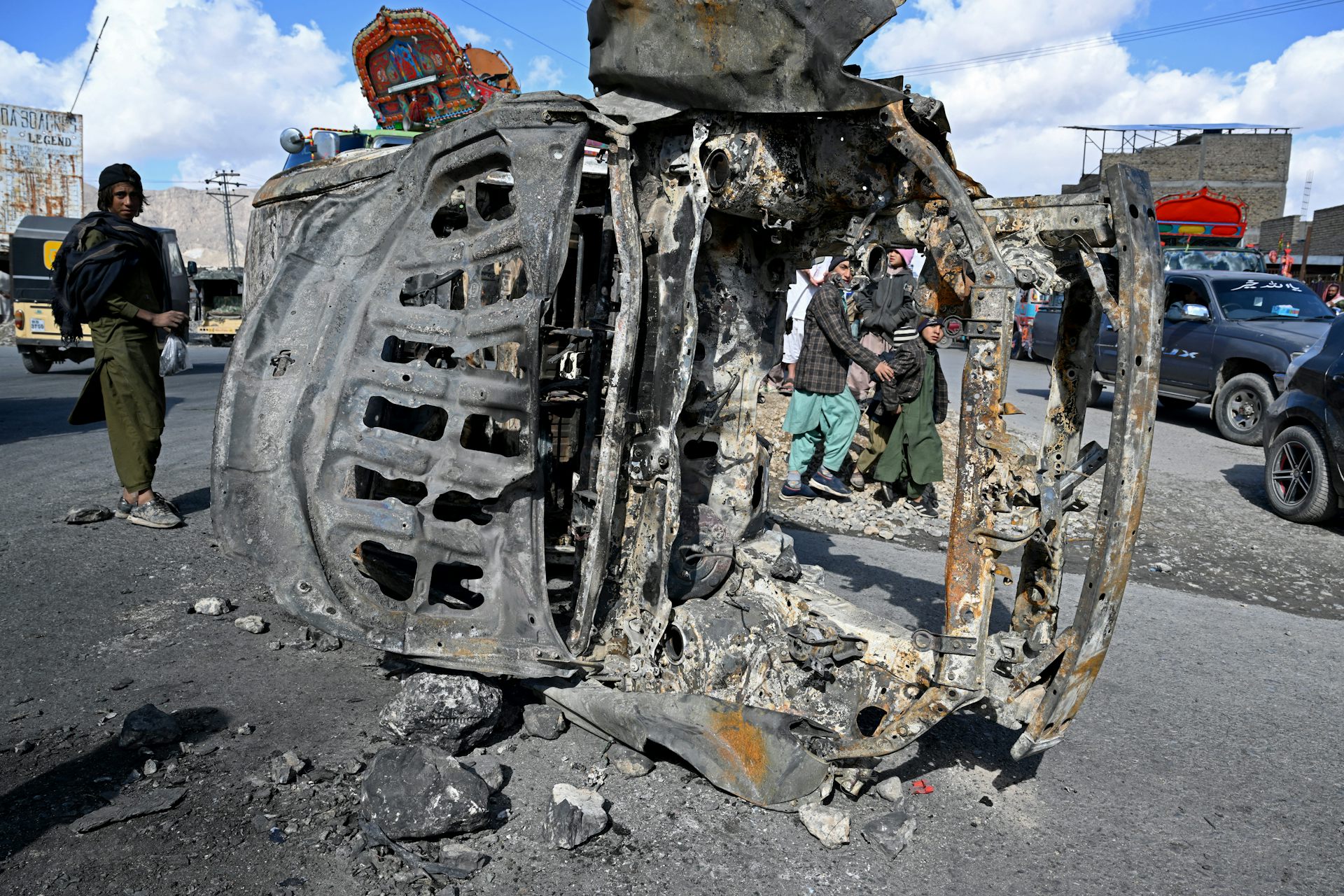
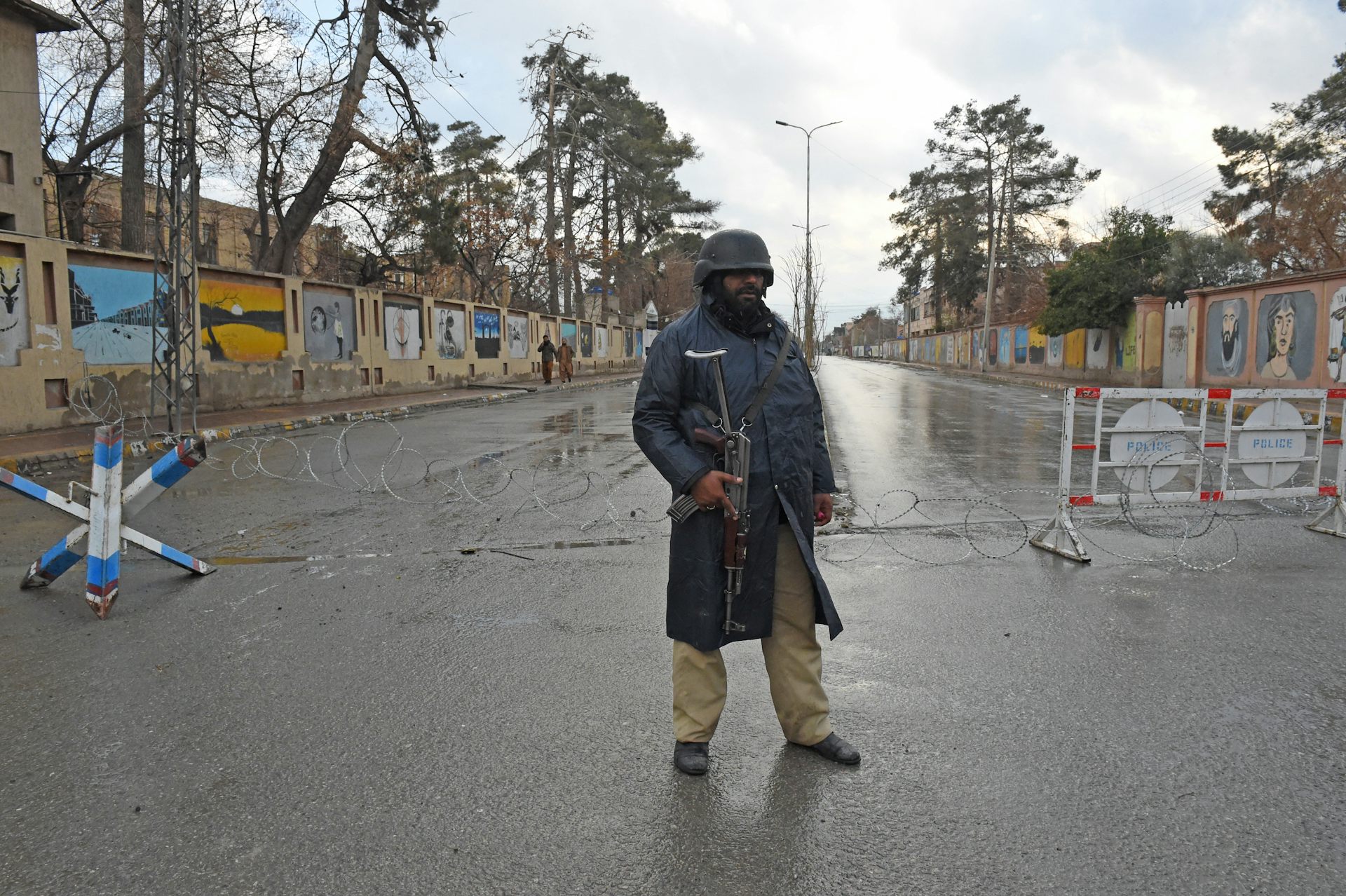
In the space of 10 days in late April 2026, insurgents in Pakistan purportedly carried out 27 attacks in the country’s southwest province of Balochistan, killing at least 42 military personal. Then, on May 11, authorities announced that a suicide bombing plot on the capital, Islamabad, had been foiled. Authorities arrested a girl over the incident – a nod to militants’ increasing use of young Baloch women to carry out attacks.
在2026年4月下旬的10天内,巴基斯坦的叛乱分子据称在其西南部省份俾路支省(Balochistan)实施了27起袭击,造成至少42名军事人员死亡。随后,5月11日,当局宣布,针对首都伊斯兰堡(Islamabad)的一起自杀式炸弹阴谋已被挫败。当局逮捕了一名与此事件相关的女孩——这反映了激进分子越来越多地利用年轻的俾路支女性进行袭击。
These incidents represent the latest flaring up of a long-running insurgency in Pakistan’s largest province and home to around 15 million people.
这些事件代表了巴基斯坦最大的省份,也是拥有约1500万人口的地区,长期叛乱活动的最新爆发。
For a rundown of what you need to know about the Baloch insurgency and groups involved, The Conversation turned to Amira Jadoon and Saif Tahir, experts on militant and terrorist organizations currently researching such groups’ operational activities and strategic messaging in Afghanistan and Pakistan.
关于俾路支叛乱及其相关组织,想了解更多信息,《对话》节目采访了阿米拉·贾杜恩(Amira Jadoon)和赛夫·塔希尔(Saif Tahir)。这两位专家目前正在研究阿富汗和巴基斯坦地区激进和恐怖组织的操作活动和战略信息传递。
What is the Baloch insurgency about?
巴洛奇叛乱是什么?
Pakistan’s southwestern province of Balochistan has long been the site of resistance and armed movements involving Baloch, an ethnic group of an estimated 8 million to 10 million people that straddles parts of Pakistan and Iran.
巴基斯坦的西南部省份俾路支省长期以来一直是巴洛奇人(一个估计有800万到1000万人口的民族群体,分布于巴基斯坦和伊朗的部分地区)进行抵抗和武装运动的地点。
Their insurgency is rooted in both contemporary and historical grievances. Its origins trace back to the contested annexation of the princely state of Kalat in 1948, months after the partition of British India into India and Pakistan, and the resulting confrontations between Baloch tribal leaders and the newly formed Pakistani state.
他们的叛乱植根于当代和历史上的不满。其起源可以追溯到1948年,在英属印度被分割成印度和巴基斯坦数月后,围绕卡拉特邦(Kalat)的争议性吞并,以及巴洛奇部落领袖与新成立的巴基斯坦国家之间由此引发的冲突。
While the insurgency long remained a low-level struggle framed around Baloch marginalization and economic exploitation, it turned violent in the early 2000s with the rise of militant factions, including the Balochistan Liberation Army, or BLA, in 2000 and the Balochistan Liberation Front, or BLF, which was revived in 2004 under current leader Allah Nazar Baloch decades after its 1964 founding. The insurgents’ goals vary, from greater autonomy and control over the province’s natural resources to full independence.
尽管叛乱长期以来一直是一种围绕巴洛奇人边缘化和经济剥削的低烈度斗争,但在21世纪初,随着激进派别(包括2000年成立的俾路支解放军,简称BLA,以及在1964年成立数十年后,由现任领导人阿拉纳扎尔·巴洛奇领导于2004年复兴的俾路支解放阵线,简称BLF)的崛起,局势变得暴力化。叛乱分子们的目标各不相同,从争取更大的自治权和控制省份的自然资源,到实现完全独立。
Baloch militants generally cast their emergence as a nationalist rebuttal to the Pakistani government’s long-standing narrative, which states that the unrest is driven by a handful of tribal chiefs resisting development rather than a broad-based movement.
巴洛奇激进分子通常将他们的出现描述为对巴基斯坦政府长期叙事的民族主义反驳,该叙事声称,动乱是由少数抵抗发展的部落酋长引起的,而非一场广泛的运动。
In practice, the contemporary insurgency has expanded well beyond its tribal base, and Baloch militant groups have invested heavily in strategic communications that directly challenge the Pakistani state’s framing.
事实上,当前的叛乱已经远远超出了其部落基础,巴洛奇激进组织在战略传播方面投入了大量精力,直接挑战了巴基斯坦国家的定性框架。
Today, Baloch militants’ propaganda targets the local educated youth, including women. They play on existing grievances over enforced disappearances, state repression and resource extraction. Balochistan is home to significant deposits of copper, gold, natural gas and coal, including at the Reko Diq mine, one of the world’s largest undeveloped copper and gold reserves. Yet the province remains Pakistan’s poorest.
今天,巴洛奇激进分子的宣传目标是当地受过教育的青年,包括女性。他们利用了关于强制失踪、国家压制和资源开采等现有不满。俾路支省拥有大量的铜、金、天然气和煤炭矿藏,包括世界最大的未开发铜金矿之一——雷科迪克矿(Reko Diq mine)。然而,该省仍然是巴基斯坦最贫困的地区。
Baloch militants’ efforts are designed to broaden the insurgency’s appeal, adding an urban, middle-class layer to what was once a primarily tribal revolt that casts itself as a struggle to defend the Baloch “motherland” and achieve national liberation.
巴洛奇激进分子的努力旨在扩大叛乱的吸引力,为曾经主要属于部落的起义增加了一层城市中产阶级的色彩,使其将自身描绘成一场捍卫巴洛奇“祖国”和实现民族解放的斗争。
The Baloch insurgency has emerged as one of Pakistan’s most consequential internal security challenges. In 2025, the BLA claimed 521 attacks and 1,060 security-force fatalities, though independent monitoring records substantially fewer attacks, at around 254 events, in Balochistan over the same period.
巴洛奇叛乱已成为巴基斯坦最重大的内部安全挑战之一。2025年,BLA声称发生了521起袭击和1,060名安全部队人员阵亡,但独立监测记录显示,在同一时期内,俾路支省的袭击事件数量要少得多,约为254起。
Two Baloch militants’ operations bookend the recent escalation. In March 2025, BLA fighters hijacked the Jaffar Express – a heavily used passenger train connecting Quetta, the capital of Balochistan, to Peshawar in northwestern Pakistan – holding more than 350 passengers in a 30-hour siege. In April 2026, the group announced a new naval wing, the Hammal Maritime Defence Force, following its first maritime attack on a Pakistan coast guard vessel near Jiwani, in Gwadar district.
两起巴洛奇激进分子的行动标志着最近的升级。2025年3月,BLA战斗人员劫持了贾法尔快车(Jaffar Express)——这是一列连接俾路支省首府奎达(Quetta)和巴基斯坦西北部佩沙瓦尔(Peshawar)的繁忙客运列车——并在30小时的围困中扣押了350多名乘客。2026年4月,该组织在首次袭击了瓜达尔区(Gwadar)附近的一艘巴基斯坦海岸警卫队船只后,宣布成立了新的海军部门——哈马尔海事防御部队(Hammal Maritime Defence Force)。
These tactical innovations have been reinforced by deliberate efforts at broadening the support base for Baloch separatism. The 2018 formation of Baloch Raji Ajohi Sangar, an alliance of Baloch militant groups, and the 2020 entry of the non-Baloch Sindhudesh Revolutionary Army, a Sindhi separatist group based in neighboring Sindh that has extended Baloch militants’ operational reach into Karachi, signal an expanding ethno-regional coalition aimed at broadening the geographic and ideological scope of the insurgency.
这些战术创新得到了扩大巴洛奇分离主义支持基础的刻意努力的加强。2018年成立的巴洛奇拉吉·阿焦希桑加尔(Baloch Raji Ajohi Sangar)——一个巴洛奇激进组织联盟,以及2020年加入的非巴洛奇信德德什革命军(Sindhudesh Revolutionary Army)——这是一个位于邻近信德省的信德分离主义团体,它将巴洛奇激进分子的行动范围延伸到了卡拉奇,这标志着一个不断扩大的民族-区域联盟,旨在扩大叛乱的地理和意识形态范围。
Why the uptick in violence now?
现在暴力升级的原因是什么?
Four converging factors explain the recent escalation.
四个因素的汇合解释了最近的升级。
First, the Pakistani state’s crackdown on peaceful political space in recent months has accelerated social discontent. Following the March 2025 Jaffar Express attack, prominent Baloch rights defender Mahrang Baloch was arrested under anti-terrorist laws, while three protesters were shot dead at a peaceful sit-in in Quetta.
首先,巴基斯坦政府近几个月来对和平政治空间的镇压,加剧了社会不满。在2025年3月贾法尔快车袭击事件之后,著名的俾路支权利捍卫者马兰格·巴洛奇(Mahrang Baloch)根据反恐法律被捕,而在奎达(Quetta)一次和平集会中,三名抗议者被枪杀。
As nonviolent avenues close, aggrieved civilians become more receptive to Baloch militants’ recruitment narratives.
随着非暴力途径的关闭,受挫的平民对俾路支武装分子的招募叙事变得更加接受。
Second, Baloch militants have acquired U.S. weapons left behind in Afghanistan during the 2021 withdrawal, including M4 and M16 rifles fitted with thermal optics. Recent reports have linked the arms used in the Jaffar Express attack directly to abandoned U.S. stockpiles in Afghanistan.
其次,俾路支武装分子获得了他们在2021年撤离期间留在阿富汗的美国武器,包括配备热成像瞄准镜的M4和M16步枪。最近的报道将贾法尔快车袭击中使用的武器直接与阿富汗废弃的美国军火库联系起来。
Third, militant operational collusion has deepened between the Balochistan Liberation Army and the Tehrik-i-Taliban Pakistan, the latter ranked by the Institute for Economics and Peace as the world’s fastest-growing insurgent group in 2024.
第三,武装分子之间的行动串通加深了俾路支解放军(BLA)和塔利班运动党(TTP)之间的联系,后者被经济和平研究所(Institute for Economics and Peace)评为2024年增长最快的叛乱组织。
Despite the groups’ divergent ideologies, the cooperation appears to have produced clear tactical convergence, including town takeovers, the use of suicide bombings, and sniper and ambush tactics.
尽管这些团体的意识形态存在分歧,但其合作似乎产生了明显的战术趋同,包括占领城镇、使用自杀式炸弹,以及狙击和伏击战术。
Finally, Baloch groups have excelled in the effective use of social media to influence and recruit educated young people, including women.
最后,俾路支团体擅长利用社交媒体来影响和招募受过教育的年轻人,包括女性。
The BLA’s elite Majeed Brigade has formalized a women’s wing, and the use of female suicide bombers has now spread across multiple Baloch factions. At least five known cases have been reported since 2022.
BLA的精英迈杰德旅(Majeed Brigade)正式设立了女性部门,使用女性自杀炸弹的行为现在已蔓延到多个俾路支派系。自2022年以来,已报告至少五起已知案例。
The deployment of women is strategic: Female operatives present a softer public face and yield both reputational and tactical benefits, evading security profiling, expanding target reach and amplifying media impact.
部署女性是具有战略意义的:女性行动人员呈现出更温和的公众形象,带来了声誉和战术上的双重益处,可以规避安全画像,扩大目标范围并放大媒体影响。
Has the insurgency been affected by the Iran war?
叛乱是否受到伊朗战争的影响?
Tehran’s destabilization creates new tactical space for insurgents. Ethnic Baloch communities straddle the Pakistan-Iran border, and the BLA already maintains a presence in Iran’s Sistan and Baluchestan province.
德黑兰的不稳定为叛乱分子创造了新的战术空间。俾路支族社区横跨巴基斯坦和伊朗边境,俾路支解放军(BLA)已经在伊朗的西斯坦和俾路支省维持着存在。
The “Greater Balochistan” narrative promoted by Baloch nationalists, which envisions the reintegration of Baloch lands across both states, is gaining traction on the Iranian side. Moreover, weaker border enforcement gives militants greater freedom to move, recruit and coordinate.
俾路支民族主义者所倡导的“大俾路支”叙事,设想将两个国家境内的俾路支土地重新整合,在伊朗方面正获得关注。此外,边境执法力量的减弱使激进分子在行动、招募和协调方面获得了更大的自由。
Cross-border trade flows have dropped sharply since the war in Iran began, but the disruption is more likely to expand than to shrink Balochistan’s illicit economy over time. As state enforcement weakens on both sides of the border, the cross-border fuel and narcotics smuggling networks that Baloch militants tax and target are likely to expand further.
自伊朗战争开始以来,跨境贸易流量急剧下降,但这种破坏性更有可能随着时间推移扩大,而非缩小俾路支的非法经济。随着两边边境执法力量的减弱,俾路支激进分子征税和瞄准的跨境燃料和麻毒走私网络可能会进一步扩大。
The cross-border problem had already escalated to interstate confrontation. In January 2024, Iran and Pakistan exchanged tit-for-tat strikes on Baloch militant groups operating across their shared border.
跨境问题已经升级为国家间的对抗。2024年1月,伊朗和巴基斯坦就各自共享边境线上活动的俾路支激进分子团体进行了你来我往的打击。
Counterterrorism coordination between the two countries remains modest, and attacks have continued, including the killing by militants of Pakistani migrants inside Iran as recently as April 2025.
两国之间的反恐协调仍然有限,袭击仍在持续,包括激进分子在伊朗境内杀害巴基斯坦移民的事件,最近一次发生在2025年4月。
With Iran’s stability weakening, these dynamics are likely to deepen, potentially raising tensions between Islamabad and Tehran over separatists in the future.
随着伊朗稳定性的减弱,这些动态可能会加剧,未来可能在分离主义问题上提高伊斯兰堡和德黑兰之间的紧张关系。
How are Pakistan-US relations affected?
巴基斯坦与美国的关系受到哪些影响?
The Baloch insurgency is now also an increasingly important focus of a warming U.S.-Pakistani relationship.
巴洛奇叛乱现在也成为美巴关系升温背景下日益重要的焦点。
In August 2025, the U.S. State Department designated the BLA and its Majeed Brigade as foreign terrorist organizations – a move Islamabad had long pressed for.
2025年8月,美国国务院将巴洛奇解放军(BLA)及其马吉德旅列为外国恐怖组织——这是伊斯兰堡长期以来一直推动的举措。
Months later, the U.S. Export-Import Bank approved US$1.3 billion for the Reko Diq copper-gold project in Balochistan, its single largest critical minerals investment to date.
数月后,美国出口进口银行批准了价值13亿美元的巴洛奇斯坦雷科迪克铜金项目,这是其迄今为止最大的关键矿产投资。
The current insurgency directly contests Pakistan’s capacity to deliver security in Balochistan. The Reko Diq mine lies in the same district where Zareena Rafiq, a BLF-affiliated female suicide bomber, struck a base of Pakistan’s federal paramilitary force on Nov. 30, 2025.
当前的叛乱直接挑战了巴基斯坦在巴洛奇斯坦提供安全的能力。雷科迪克矿位于同一地区,在该地区,一名与巴洛奇武装派系(BLF)有关的女性自杀炸弹袭击者扎里娜·拉菲克于2025年11月30日袭击了巴基斯坦联邦准军事部队的一个基地。
Further, in April 2026, a BLF commander declared that the group would target all foreign companies operating in Balochistan, regardless of country of origin.
此外,2026年4月,一名巴洛奇武装派系指挥官宣布,该组织将针对所有在巴洛奇斯坦运营的外国公司,无论其原籍国是哪里。
Yet the present alignment between the U.S. and Pakistan is transactional: Its durability depends on Pakistan delivering on counterterrorism, mediation with Iran and mineral access.
然而,目前美巴之间的关系是交易性的:其持久性取决于巴基斯坦能否在反恐、与伊朗的调解以及矿产获取方面做出承诺。
Meanwhile, absent a counterinsurgency approach that addresses the underlying political and social drivers of the Baloch insurgency – including state repression, political marginalization and resource grievance – the broader U.S.-Pakistan reset is unlikely to deliver the stability its investments require.
同时,如果没有解决巴洛奇叛乱根本政治和社会驱动因素(包括国家镇压、政治边缘化和资源不满)的反叛乱方法,更广泛的美巴关系重塑不太可能带来其投资所需的稳定。
The authors do not work for, consult, own shares in or receive funding from any company or organization that would benefit from this article, and have disclosed no relevant affiliations beyond their academic appointment.
作者不为任何受益于本文的公司或组织工作、提供咨询、拥有股份或接受资金,并且除了其学术任命之外,未披露任何相关隶属关系。