俄罗斯缩减的胜利日阅兵讲述了一个故事:抛开盛大场面,乌克兰战争不会按照普京的计划进行。
Russia’s pared-down Victory Day parade tells a story: A…
Moscow’s influence is Eastern Europe has been slipping of late, including with the loss of a stalwart ally in Hungary. The battleground, as ever, remains Ukraine.
莫斯科对东欧的影响力最近正在减弱,包括失去了匈牙利的坚定盟友。战场,一如既往,仍是乌克兰。
Victory Day in Russia, which marks the surrender of Nazi Germany to the Soviet Union, has long held particular importance in Vladimir Putin’s Russia.
俄罗斯胜利日,纪念纳粹德国向苏联投降,长期以来在弗拉基米尔·普京的俄罗斯具有特殊的意义。
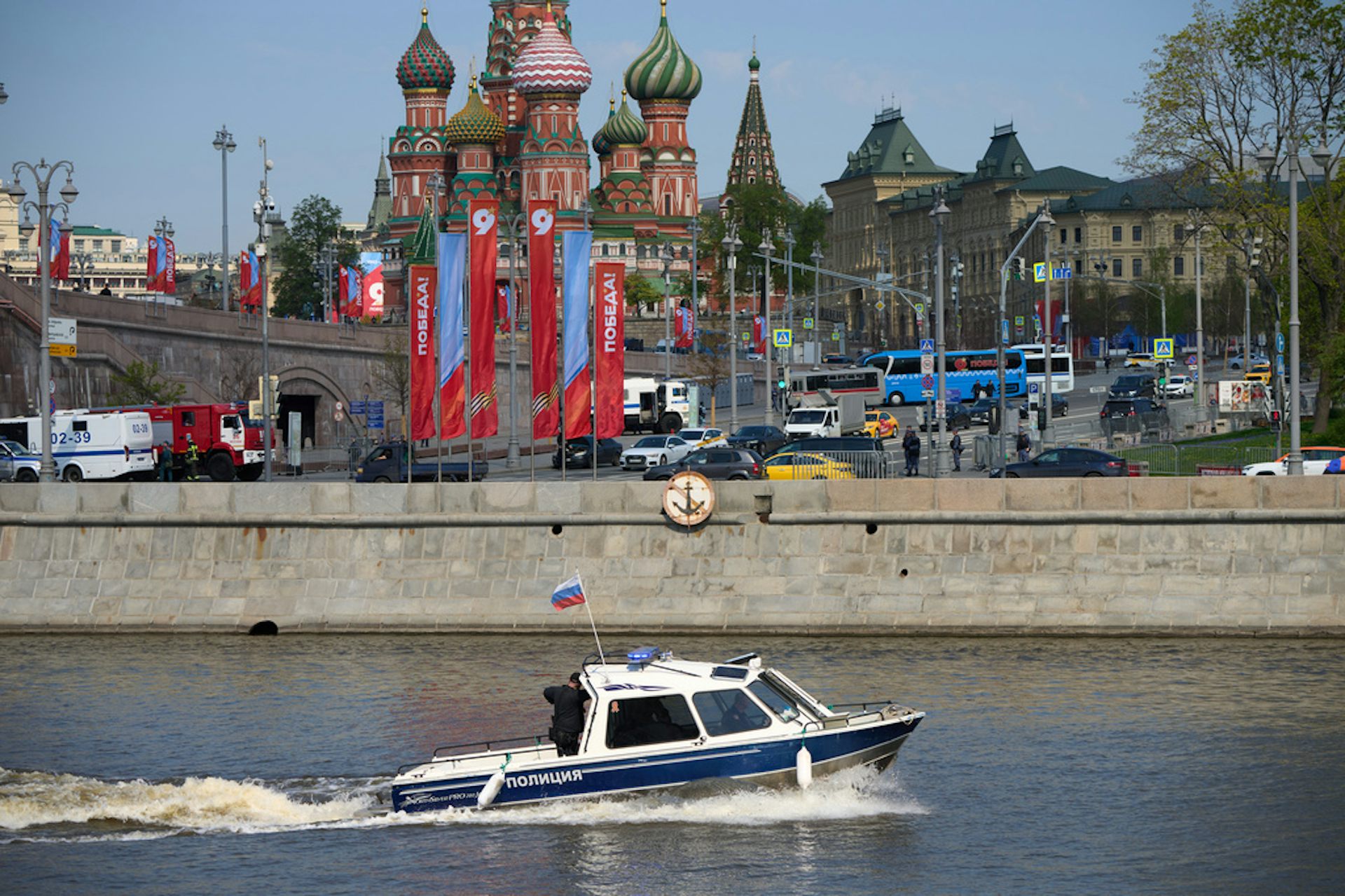
Yet this year the May 9 celebration – usually replete with extensive parades across the country and a demonstration of military hardware in Moscow – is expected to be significantly pared down. That’s due to Kyiv’s ongoing long-range military capabilities. For the first time in two decades, Russian officials have said, there will be no lavish display of tanks and missiles.
然而,今年的5月9日庆祝活动——通常包括全国范围的大型游行和在莫斯科展示军事装备——预计将大幅缩减。这是由于基辅持续的长程军事能力。俄罗斯官员表示,这是二十年来第一次,不会有盛大的坦克和导弹展示。
The reality for Putin is that the war in Ukraine, now in its fifth year, continues to be a grueling drain on Russian men, its economy and resources – and may continue to be for some time.
普京的现实是,这场已进入第五年的乌克兰战争,持续对俄罗斯的男性、经济和资源构成巨大的消耗——并且在一段时间内可能还会如此。
That was underscored by the European Union’s April 23 approval of a US$106 billion loan package to Ukraine. The aid, which will be a boon to Ukraine’s war-torn economy, had been stymied by EU-member Hungary under its former president, Viktor Orban, who was ousted in April 12 elections.
这一点得到了欧盟于4月23日批准向乌克兰提供1060亿美元贷款方案的强调。这笔援助将对乌克兰饱受战火摧残的经济起到极大的帮助,但此前曾被欧盟成员国匈牙利在其前总统维克多·奥尔班的领导下阻挠,而奥尔班则在4月12日的选举中下台。
The resumption of EU aid and the removal of a pro-Moscow European voice at the EU represent major blows to Russia’s regional strategy. Perhaps trying to reset the narrative, Russia declared it would mark this Victory Day with a two-day ceasefire with Ukraine. Ukrainian President Volodymyr Zelenskyy responded by saying his country would also observe a ceasefire, starting two days earlier on May 6.
欧盟援助的恢复以及欧盟内部亲莫斯科声音的消失,对俄罗斯的区域战略构成了重大打击。或许是试图重塑叙事,俄罗斯宣布将以与乌克兰的为期两天的停火来纪念胜利日。乌克兰总统弗拉基米尔·泽连斯基回应称,他的国家也将遵守停火,时间比原定提前了两天,从5月6日开始。
But there remain few immediate signs of a breakthrough in the conflict – and Russia appears chiefly interested in negotiating Ukraine’s future not with Kyiv but with U.S. President Donald Trump, who has been sympathetic to Russian interests.
但冲突方面缺乏任何突破的即时迹象——俄罗斯似乎主要有兴趣不是与基辅,而是与对俄罗斯利益抱有同情心的美国总统唐纳德·特朗普谈判乌克兰的未来。
As a scholar of contemporary politics in Eastern Europe, I see that as part of a pattern of Russian miscalculations and consistent denial of the will of citizens in democratic societies in Eastern Europe. Indeed, it reflects a dominant imperial mindset among Russia’s political elites, which the Kremlin has not altered since the collapse of the Soviet Union in 1991.
作为一位研究东欧当代政治的学者,我认为这部分是俄罗斯误判和持续否认东欧民主社会公民意愿的模式的一部分。事实上,它反映了俄罗斯政治精英阶层中一种主导的帝国心态,这一点克里姆林宫自1991年苏联解体以来一直没有改变。
Losing hold of the old Soviet bloc?
是否正在失去对旧苏联集团的掌控?
While formally recognizing the independence of former Soviet republics in 1991, Moscow has continued to treat those countries as part of its sphere of influence.
尽管莫斯科于1991年正式承认了前苏联加盟共和国的独立,但它一直将这些国家视为其势力范围的一部分。
For more than 25 years, Russia has pursued a hybrid approach of influencing former Soviet countries, along with others in Eastern Europe. That has included supporting electoral fraud, economic machination, media manipulation and use of force and violence.
25多年来,俄罗斯一直采取混合方式影响前苏联国家以及东欧其他国家。这包括支持选举舞弊、经济操纵、媒体操控以及使用武力和暴力。
Indeed, suspected Russian interference in politics and elections has been a frequent occurrence in Armenia, Georgia, Moldova, Romania and most recently Hungary.
事实上,可疑的俄罗斯干预政治和选举的行为,在亚美尼亚、格鲁吉亚、摩尔多瓦、罗马尼亚,以及最近的匈牙利等地,都屡见不鲜。
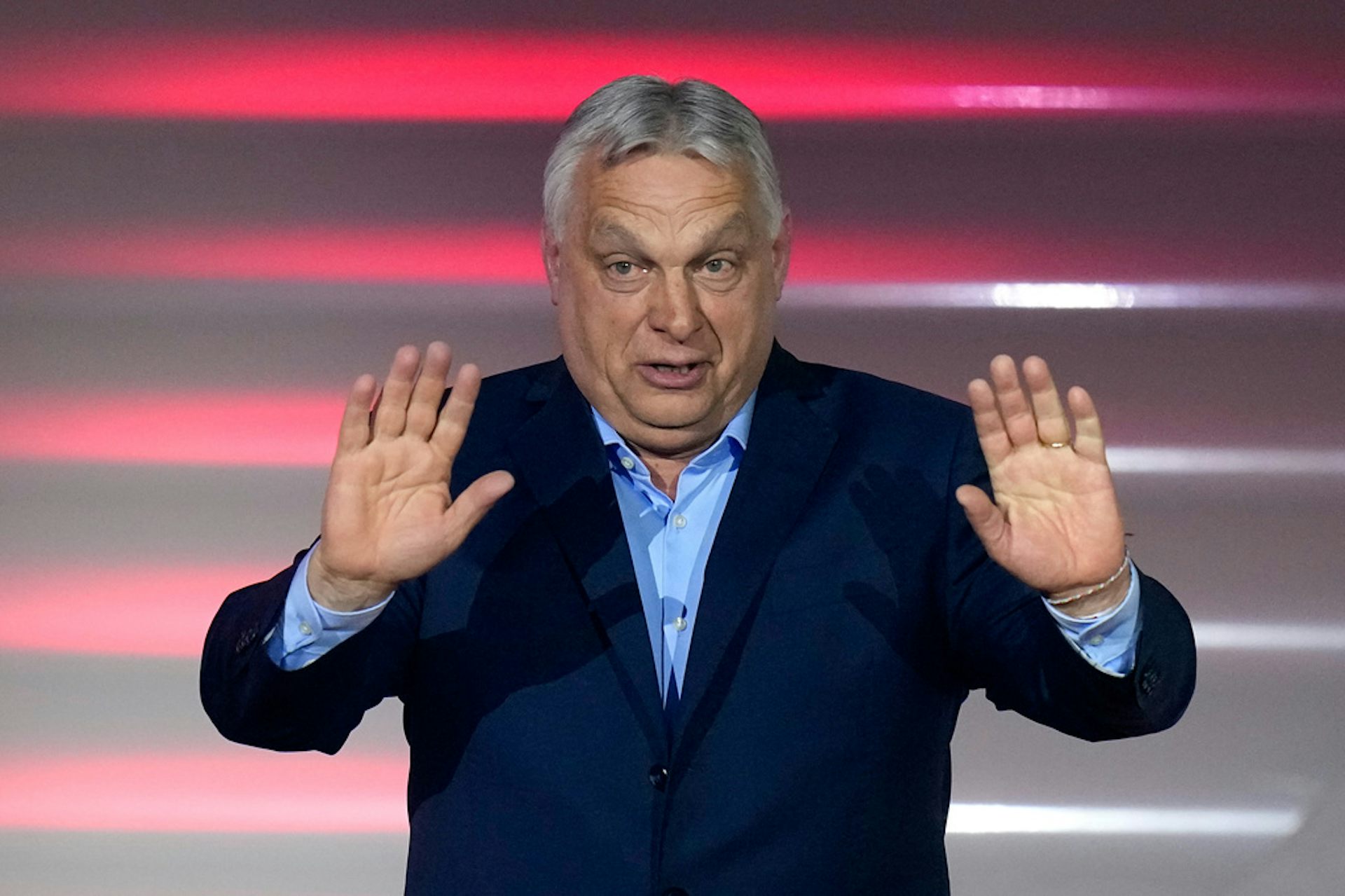
But Hungary and Armenia are recent and powerful examples that show the limits of Russian operations. Orban’s loss in Hungary immediately dislodged Russia’s most powerful point of leverage in European politics.
但匈牙利和亚美尼亚是近期且强有力的例证,显示了俄罗斯行动的局限性。奥尔班在匈牙利的失势,立即削弱了俄罗斯在欧洲政治中最强大的筹码。
Meanwhile, in Yerevan on May 5, Armenia hosted a bilateral summit with the EU where the country established stronger economic and defense ties to the bloc. It was a stark diplomatic event for the country that has long been a junior ally of Russia’s but which has increasingly moved away from Moscow.
与此同时,5月5日,亚美尼亚在埃里温举办了与欧盟的双边峰会,并在会上与该集团建立了更紧密的经济和国防联系。这对这个长期以来是俄罗斯“小弟”的国家来说,是一场重大的外交事件,因为它正日益远离莫斯科。
Ukraine: A test of Russian policy
乌克兰:俄罗斯政策的考验
Yet Ukraine remains the focal point of both the extent and limits of Russian external interference.
然而,乌克兰仍然是俄罗斯外部干预的范围和限度的焦点。
Putin has been attempting to have a loyal proxy government in the country ever since being spurned by Leonid Kuchma – the second president of Ukraine, who was in office until 2005 – who proclaimed that “Ukraine is not Russia.”
自从被乌克兰第二任总统列昂尼德·库奇马(任期至2005年)拒绝以来,普京一直试图在该国建立一个忠诚的代理政府,库奇马曾宣称“乌克兰不是俄罗斯”。
In Ukraine’s 2004 presidential elections, Putin’s Kremlin threw its substantial resources behind Kuchma’s prime minister, Viktor Yanukovich, who was seen as more friendly to Russian interests.
在2004年乌克兰总统选举中,普京的克里姆林宫将大量资源投入到库奇马的首相维克多·亚努科维奇身上,后者被认为更亲近俄罗斯利益。
Since then, its relationship with the country has been one of external interference. Putin’s message throughout has been clear: The West, in its fights against Russia, has sought to colonize and destroy Ukraine by supporting nationalist forces against Moscow’s interests.
从那时起,其与该国的关系一直是外部干预。普京一直传递的信息很明确:西方在与俄罗斯的斗争中,试图通过支持反对莫斯科利益的民族主义力量来殖民和摧毁乌克兰。
Facing consistently strong Ukrainian civil society and sovereignty movements, Russia found it difficult to fully implement its goals through political subversion or influence. So Moscow increasingly turned to military options.
面对持续强大的乌克兰公民社会和主权运动,俄罗斯发现很难通过政治颠覆或影响来实现其目标。因此,莫斯科越来越多地转向军事选项。
In March 2014, Russia moved to annex Crimea and began a war in Ukraine’s eastern border regions of Luhansk and Donetsk.
2014年3月,俄罗斯着手吞并克里米亚,并在乌克兰的东部边境地区卢甘斯克和顿涅茨克爆发了战争。
That war in the east ground on for years, until in 2022 Putin made the decision to double down yet again, this time opting for a full invasion. The goal of the war was in Putin’s own words to “de-militarize” and “de-nazify” Ukraine. Yet, four years later, Putin’s desire for regime change has not yielded the desired results.
东方的战争持续了数年,直到2022年,普京再次决定加码,这次选择全面入侵。战争的目标,用普京自己的话来说,是“非军事化”和“去纳粹化”乌克兰。然而,四年过去了,普京推翻政权的愿望尚未达到预期效果。
The human cost of Russian pursuits
俄罗斯追求的代价
Over the past year, Trump’s commitment to a peace deal between Ukraine and Russia, without first establishing a durable ceasefire, has moved the U.S. position toward Putin’s. That has included Trump’s support for Ukraine territorial concession as the grinding war continues.
在过去一年里,特朗普致力于促成乌克兰和俄罗斯之间的和平协议,而没有首先建立持久停火,这使得美国的立场向普京靠拢。这包括随着这场旷日持久的战争继续,特朗普支持乌克兰进行领土让步。
Without significant territorial gains, Russia has continued and intensified its campaign of mass airstrikes and drone attacks on Ukrainian population centers. Indeed, 2025 was the deadliest year since the start of the full-scale invasion; civilian deaths were up 26% in 2025 over the previous year.
在没有取得重大领土收益的情况下,俄罗斯继续并加剧了对乌克兰人口中心的大规模空袭和无人机袭击。事实上,2025年是自全面入侵以来最致命的一年;2025年的平民死亡人数比前一年增加了26%。
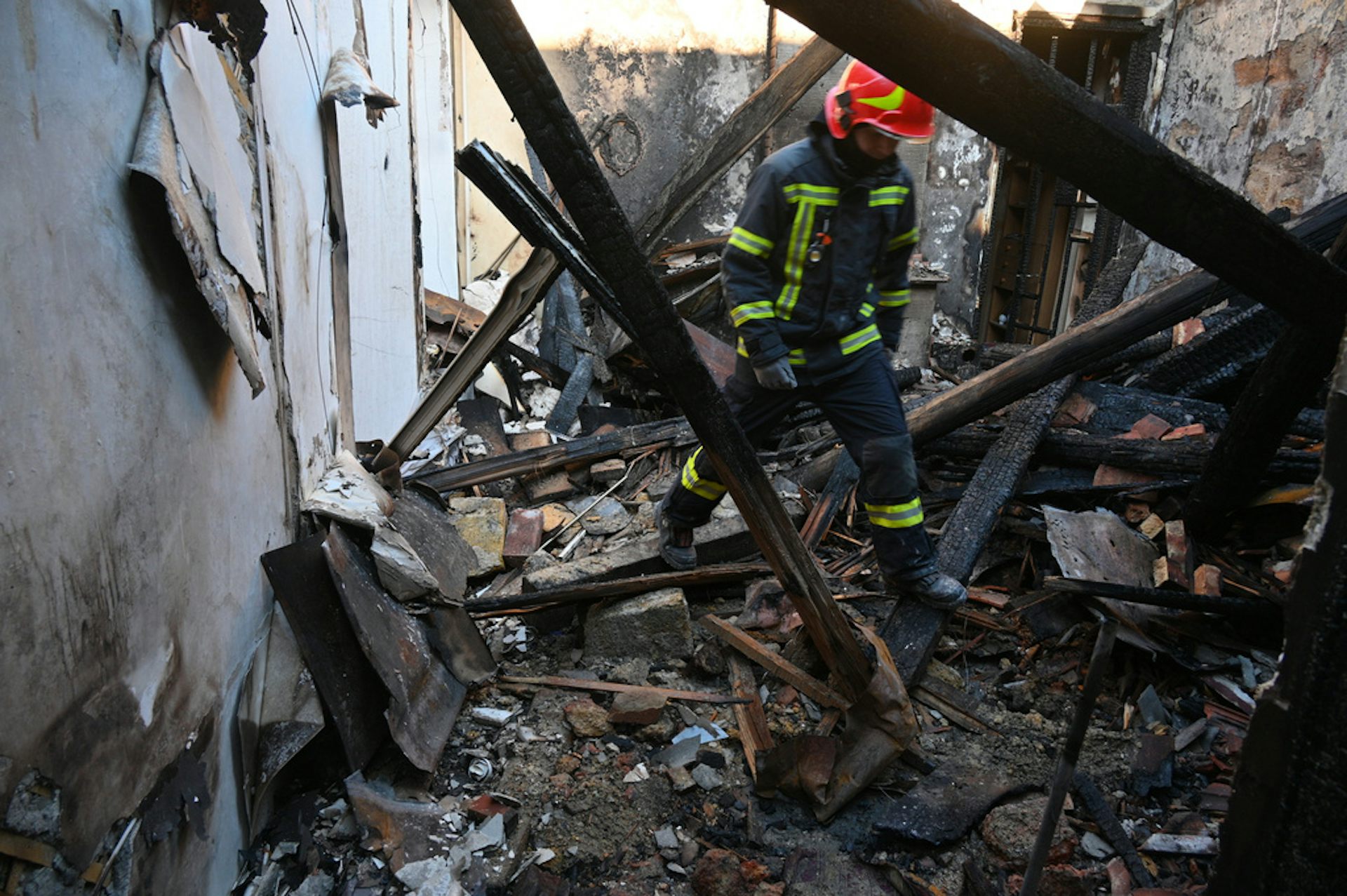
In the especially cold winter of 2025-26, Russia consistently targeted the energy grids vital to the millions of Ukrainians. Across Ukraine, at the record-low freezing temperatures, people endured daily attacks by drones and artillery, while trying to survive without electricity, heat and running water.
在2025-26这个异常寒冷的冬天,俄罗斯持续瞄准对数百万乌克兰人至关重要的能源电网。在乌克兰各地,在创纪录的低温下,人们在没有电力、供暖和自来水的情况下,忍受着无人机和炮弹的日常袭击。
The Kremlin’s plan to put maximum pressure on Ukrainian civilians in the hope that Ukrainians would start blaming their leadership for refusing peace on Putin’s terms has not worked. For its part, the Ukrainian leadership has refused Russia’s maximalist war aims while cautiously continuing a commitment to the U.S.-mediated peace process.
克里姆林宫希望通过对乌克兰平民施加最大压力,使其开始指责自己的领导层拒绝按照普京的要求和平,但这一计划并未奏效。另一方面,乌克兰领导层拒绝了俄罗斯最大化的战争目标,同时谨慎地继续致力于美国斡旋的和平进程。
Zelenskyy’s approval ratings remain steady at around 60%. The public opposition to Moscow’s demands on territorial concessions have not budged either, with a majority of Ukrainians continuing to categorically reject territorial concessions. Those numbers have not changed significantly since 2024.
泽连斯基的支持率保持在约60%。公众对莫斯科要求领土让步的反对情绪也未减,大多数乌克兰人继续坚决拒绝领土让步。自2024年以来,这些数字没有发生显著变化。
Yet, war and surviving it takes a toll. And the experience of the year of negotiations has left many disillusioned, with some 70% doubting that peace talks will lead to a lasting solution.
然而,战争和在战争中生存本身就是一种消耗。而经历了一年谈判的洗礼,让许多人感到幻灭,约有70%的人怀疑和平谈判能否带来持久的解决方案。
A murky future
一个迷雾笼罩的未来
The last rounds of U.S.-mediated talks between Russia and Ukraine took place Feb. 16, 2026.
美国斡旋的俄乌谈判最后几轮于2026年2月16日举行。
While Zelenskyy insists that the talks are not stalled, Russian’s top diplomat, Sergey Lavrov, has said the negotiations are not Russia’s top priority.
尽管泽连斯基坚持认为谈判并未停滞,但俄罗斯顶级外交官谢尔盖·拉夫罗夫表示,谈判并非俄罗斯的首要任务。
Buoyed by high oil prices as a result of the U.S. war in Iran, Russia has pursued a spring offensive and not relinquished its demands on Ukraine’s territories.
受美国在伊朗战争导致的高油价推动,俄罗斯发动了春季攻势,并且没有放弃对其乌克兰领土的要求。
Yet this demand remains a nonstarter for Ukraine and Zelenskyy. As the Trump administration embraces the Russian “land for security” plan, Russia and its allies are likely to continue to put pressure on Zelenskyy, portraying him as an obstacle to peace talks.
然而,这一要求对乌克兰和泽连斯基来说仍然是不可接受的。随着特朗普政府采纳俄罗斯的“领土换安全”计划,俄罗斯及其盟友可能会继续向泽连斯基施加压力,将他描绘成和平谈判的障碍。
But especially given Moscow’s recent woes, from losing a reliable ally in Hungary to the related EU loan guarantee, it’s unlikely that a continued grinding war will convince Ukrainians to abandon their sovereignty – or serve Russia’s own security.
但考虑到莫斯科近期的困境,从失去匈牙利的可靠盟友到相关的欧盟贷款担保,持续的消耗战不太可能说服乌克兰人放弃主权——或服务于俄罗斯自身的安全。
Lena Surzhko Harned does not work for, consult, own shares in or receive funding from any company or organization that would benefit from this article, and has disclosed no relevant affiliations beyond their academic appointment.
Lena Surzhko Harned不为任何受益于本文的公司或组织工作、咨询、拥有股份或接受资金,并且除了其学术任命外,未披露任何相关隶属关系。