Hebrew studies expert Yaron Peleg tells The Conversation Weekly how Israel’s self‑image change from self‑reliance to aggressive militarism.
希伯来研究专家亚龙·佩莱格在《对话周刊》上讲述了以色列的自我形象如何从自力更生转变为侵略性军事主义。
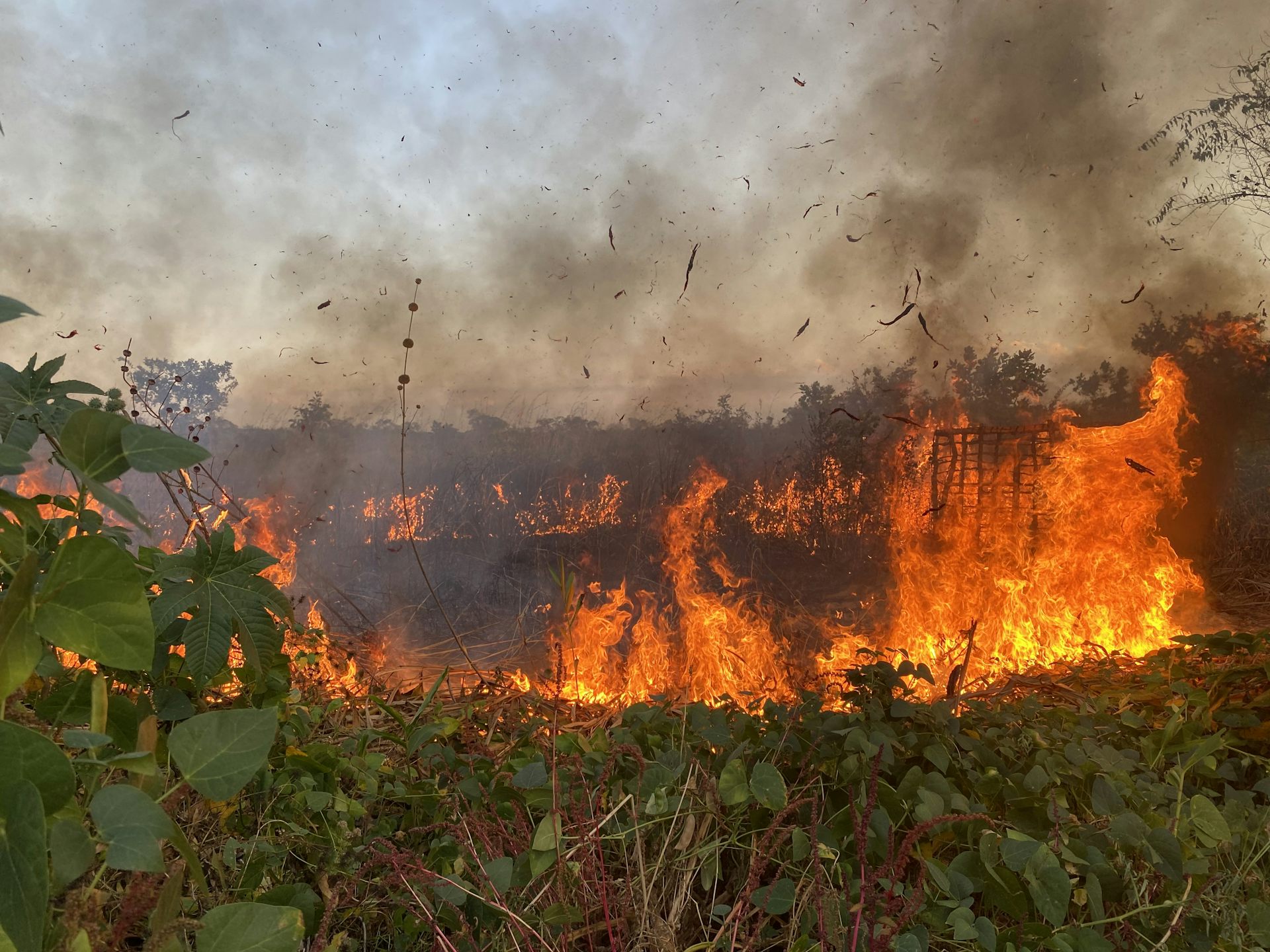
A little after 2pm on April 8, the Israeli military hit more than 100 targets in Lebanon in just ten minutes. Israel called the attack Operation Eternal Darkness and said it struck Hezbollah command and control centres across Lebanon. The Lebanese government said at least 300 people were killed and 1,000 injured.
4月8日下午2点多,以色列军方在短短十分钟内袭击了黎巴嫩的100多个目标。以色列称此次袭击为“永夜行动”,并声称其打击了黎巴嫩各地的真主党指挥和控制中心。黎巴嫩政府表示,至少有300人死亡,1000人受伤。
The scale of the attack on Lebanon was reminiscent of the early days of the Gaza war in 2023 when Israel retaliated for the October 7 attacks, which killed more more than 1,200 people, with waves of aerial bombardment of Gaza.
对黎巴嫩的袭击规模让人联想起2023年加沙战争初期的情景,当时以色列为报复10月7日的袭击,对加沙发动了空袭,造成了超过1200人死亡。
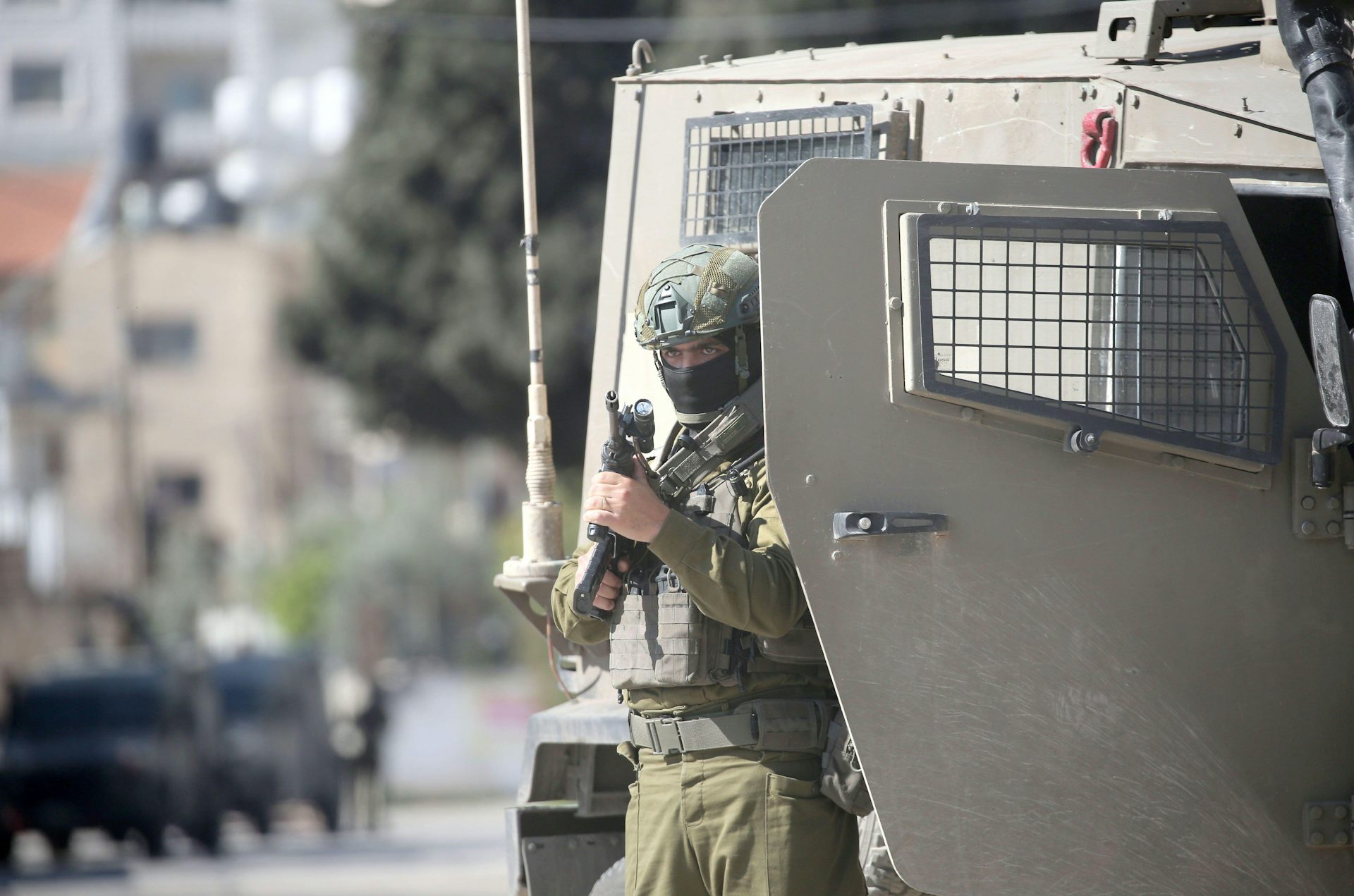
Israel has a powerful and lethal army, and it’s been defending itself against attacks from Hamas, Hezbollah and Iran.
以色列拥有强大的、致命的军队,一直在抵御来自哈马斯、真主党和伊朗的攻击。
But why has it chosen such brutal military aggression?
但它为何选择如此残暴的军事侵略?
One historian, Yaron Peleg, believes the answer to this question lies in the early days of Zionism in the 19th century when many Jews who arrived in Palestine were fleeing antisemitism in Europe. In defiance, they began a cultural revolution, emphasising military strength and honouring Biblical Jewish heroes.
一位历史学家亚龙·佩莱格(Yaron Peleg)认为,答案可以追溯到19世纪锡安主义的早期,当时许多抵达巴勒斯坦的犹太人正逃离欧洲的反犹太主义。他们以反抗的方式,开始了一场文化革命,强调军事力量并弘扬《圣经》中的犹太英雄。
Peleg, who is a professor of modern Hebrew studies at the University of Cambridge in the UK and author of the book New Hebrews: Making National Culture in Zion, thinks Israel’s view of itself began to change in the wake of the Holocaust. “There started a really problematic combination of defiance, aggression, and a sense of victimhood and it’s a very explosive and lethal combination,” he says.
佩莱格是英国剑桥大学现代希伯来语学教授,也是《新希伯来人:锡安的民族文化构建》一书的作者。他认为,以色列自我认知开始改变是在大屠杀之后。“这开始了一种非常矛盾的结合体:反抗、侵略和受害者心态,这是一个极其爆炸性和致命的组合,”他说。
In this week’s episode of The Conversation Weekly podcast, Peleg tracks how he sees Israel’s self‑image changed from self‑reliance to aggressive militarism, and how that history helps to explain the way it wages war today.
在本周的《对话周刊》(The Conversation Weekly)播客中,佩莱格追踪了他如何看待以色列的自我形象从自力更生转变为侵略性军事主义,以及这段历史如何帮助解释了它今天的战争方式。
This episode of The Conversation Weekly was written and produced by Gemma Ware and Mend Mariwany. Mixing by Eleanor Brezzi and theme music by Neeta Sarl.
本期《对话周刊》由Gemma Ware和Mend Mariwany撰写和制作。混音由Eleanor Brezzi负责,主题音乐由Neeta Sarl负责。
Newsclips in this episode from Sky News.
本期节目中的新闻片段来自天空新闻(Sky News)。
Listen to The Conversation Weekly via any of the apps listed above, download it directly via our RSS feed or find out how else to listen here. A transcript of this episode is available via the Apple Podcasts or Spotify apps.
可通过上述任何应用程序收听《对话周刊》,或通过我们的RSS源直接下载,或点击此处了解其他收听方式。本期节目的文字记录可在苹果播客或Spotify应用程序中获取。
Yaron Peleg does not work for, consult, own shares in or receive funding from any company or organisation that would benefit from this article, and has disclosed no relevant affiliations beyond their academic appointment.
亚龙·佩莱格并未受任何从本文中受益的公司或组织的雇佣、咨询、持有股份或获得资金支持,并且除了其学术任命外,未披露任何相关关联。