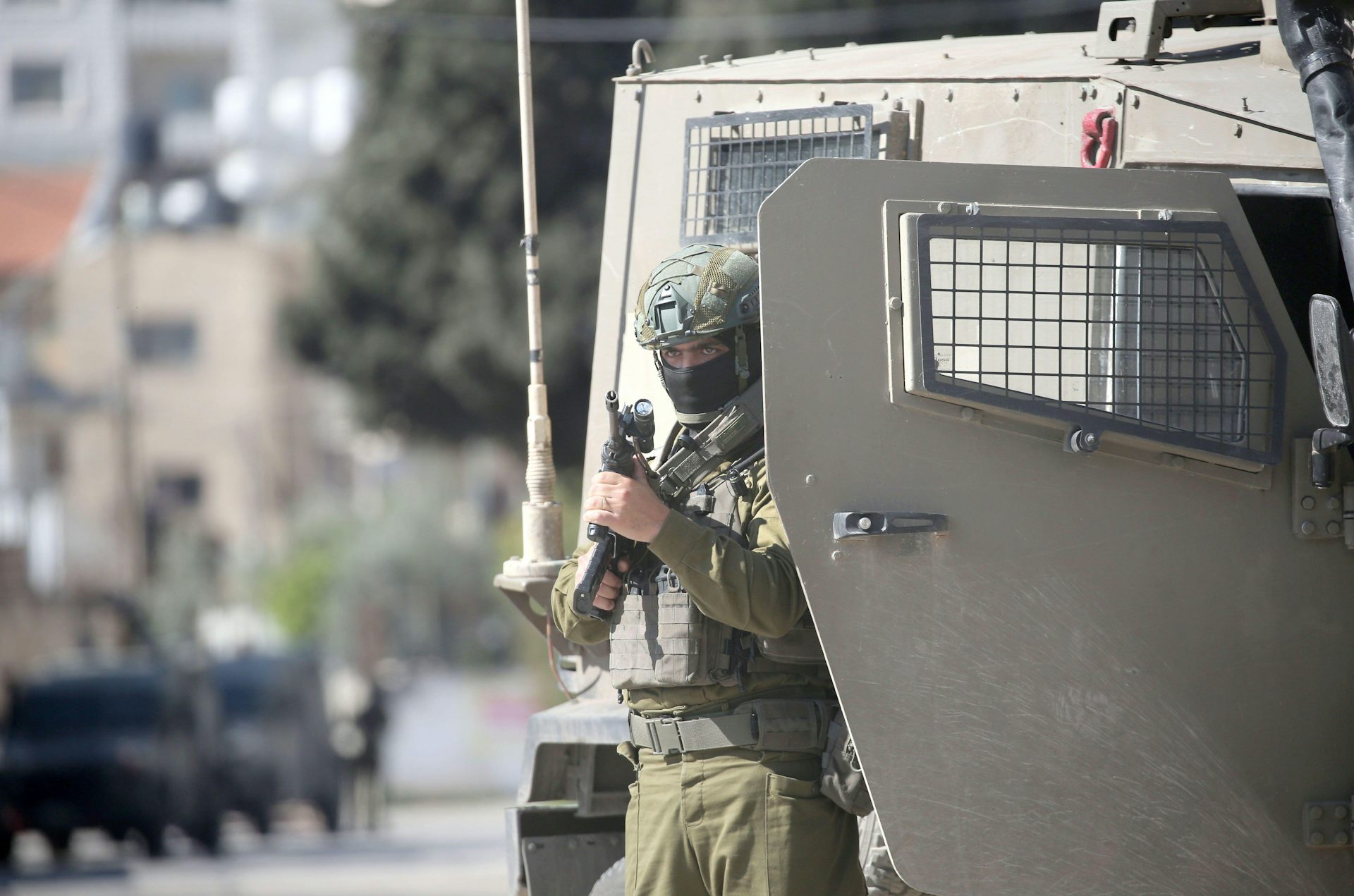
Cómo la historia de Israel ha moldeado la forma en que libra la guerra
How Israel’s history has shaped the way it wages war
Hebrew studies expert Yaron Peleg tells The Conversation Weekly how Israel’s self‑image change from self‑reliance to aggressive militarism.
El experto en estudios hebreos, Yaron Peleg, le cuenta a The Conversation Weekly cómo la autoimagen de Israel ha cambiado de la autosuficiencia al militarismo agresivo.
A little after 2pm on April 8, the Israeli military hit more than 100 targets in Lebanon in just ten minutes. Israel called the attack Operation Eternal Darkness and said it struck Hezbollah command and control centres across Lebanon. The Lebanese government said at least 300 people were killed and 1,000 injured.
Un poco después de las 2 p. m. del 8 de abril, el ejército israelí atacó más de 100 objetivos en Líbano en solo diez minutos. Israel denominó el ataque Operación Oscuridad Eterna y dijo que golpeó los centros de mando y control de Hezbolá en todo Líbano. El gobierno libanés informó que murieron al menos 300 personas y 1,000 resultaron heridas.
The scale of the attack on Lebanon was reminiscent of the early days of the Gaza war in 2023 when Israel retaliated for the October 7 attacks, which killed more more than 1,200 people, with waves of aerial bombardment of Gaza.
La magnitud del ataque a Líbano recordó los primeros días de la guerra de Gaza en 2023, cuando Israel se vengó de los ataques del 7 de octubre, que mataron más de 1,200 personas, con oleadas de bombardeos aéreos sobre Gaza.
Israel has a powerful and lethal army, and it’s been defending itself against attacks from Hamas, Hezbollah and Iran.
Israel cuenta con un ejército poderoso y letal, y se ha estado defendiendo de ataques de Hamás, Hezbolá e Irán.
But why has it chosen such brutal military aggression?
Pero, ¿por qué ha elegido una agresión militar tan brutal?
One historian, Yaron Peleg, believes the answer to this question lies in the early days of Zionism in the 19th century when many Jews who arrived in Palestine were fleeing antisemitism in Europe. In defiance, they began a cultural revolution, emphasising military strength and honouring Biblical Jewish heroes.
Un historiador, Yaron Peleg, cree que la respuesta a esta pregunta radica en los primeros días del sionismo en el siglo XIX, cuando muchos judíos que llegaron a Palestina huían del antisemitismo en Europa. En desafío, comenzaron una revolución cultural, enfatizando la fuerza militar y honrando a los héroes judíos bíblicos.
Peleg, who is a professor of modern Hebrew studies at the University of Cambridge in the UK and author of the book New Hebrews: Making National Culture in Zion, thinks Israel’s view of itself began to change in the wake of the Holocaust. “There started a really problematic combination of defiance, aggression, and a sense of victimhood and it’s a very explosive and lethal combination,” he says.
Peleg, profesor de estudios hebreos modernos en la Universidad de Cambridge en el Reino Unido y autor del libro New Hebrews: Making National Culture in Zion (Nuevos Hebreos: Creando una Cultura Nacional en Sion) , piensa que la visión de sí mismo de Israel comenzó a cambiar tras el Holocausto. «Comenzó una combinación realmente problemática de desafío, agresión y un sentimiento de victimización, y es una combinación muy explosiva y letal», afirma.
In this week’s episode of The Conversation Weekly podcast, Peleg tracks how he sees Israel’s self‑image changed from self‑reliance to aggressive militarism, and how that history helps to explain the way it wages war today.
En el episodio de esta semana de The Conversation Weekly, Peleg rastrea cómo ve que la autoimagen de Israel cambió de la autosuficiencia al militarismo agresivo, y cómo esa historia ayuda a explicar la forma en que libra la guerra hoy en día.
This episode of The Conversation Weekly was written and produced by Gemma Ware and Mend Mariwany. Mixing by Eleanor Brezzi and theme music by Neeta Sarl.
Este episodio de The Conversation Weekly fue escrito y producido por Gemma Ware y Mend Mariwany. Mezcla por Eleanor Brezzi y música temática por Neeta Sarl.
Newsclips in this episode from Sky News.
Clips de noticias en este episodio de Sky News.
Listen to The Conversation Weekly via any of the apps listed above, download it directly via our RSS feed or find out how else to listen here. A transcript of this episode is available via the Apple Podcasts or Spotify apps.
Escuche The Conversation Weekly a través de cualquiera de las aplicaciones mencionadas anteriormente, descárguelo directamente a través de nuestro feed RSS o averigüe cómo escucharlo de otra manera aquí. Una transcripción de este episodio está disponible a través de las aplicaciones Apple Podcasts o Spotify.
Yaron Peleg does not work for, consult, own shares in or receive funding from any company or organisation that would benefit from this article, and has disclosed no relevant affiliations beyond their academic appointment.
Yaron Peleg no trabaja para, asesora, posee acciones de, ni recibe financiación de ninguna empresa u organización que se beneficie de este artículo, y no ha revelado ninguna afiliación relevante más allá de su cargo académico.
Read more
-

¿Podrán los demócratas ganar el control del Congreso en las elecciones de mitad de mandato en EE. UU.? Todos los ojos están puestos en estas carreras cruciales.
Could the Democrats win control of Congress in the US midterms? All eyes are on these pivotal races
-

Al mediar en las conversaciones de paz entre EE. UU. e Irán, Pakistán está mostrando su poder geopolítico
In mediating the US-Iran peace talks, Pakistan is flexing its geopolitical muscles