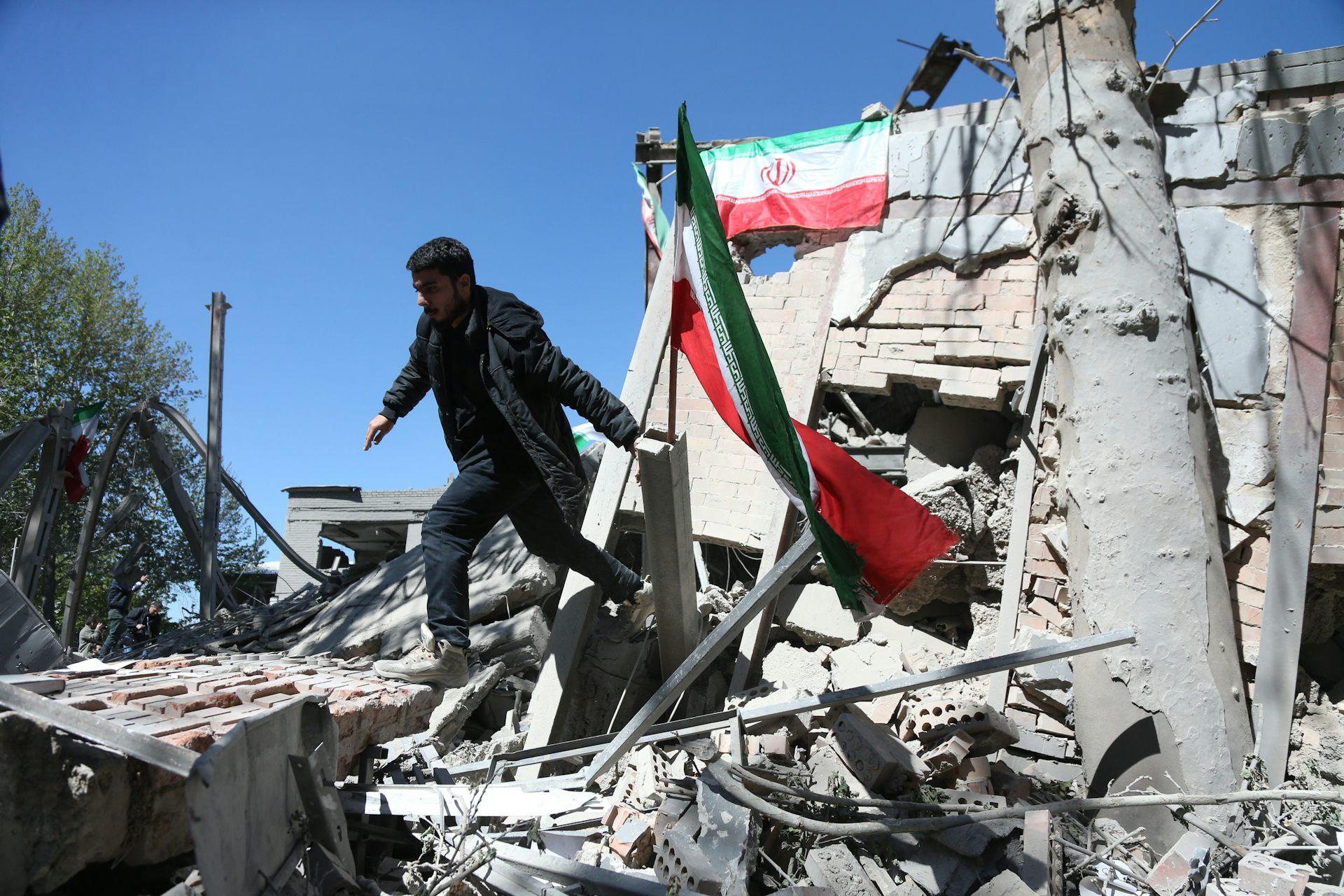
以色列的“战间期行动”:遏制伊朗及其盟友的战略如何可能进一步损害与美国的关系
Israel’s ‘campaign between the wars’: How strategy to c…
Israel has long sought to gain a military advantage by degrading its adversaries’ military capabilities outside of times of direct conflict.
以色列长期以来一直在寻找通过在非直接冲突时期削弱敌对方的军事能力来获得军事优势。
A lot hangs on whether the United States can compel Israel to cease operations against Hezbollah in Lebanon. After all, an end to the Israeli military offensive was a key provision of the broad U.S.-Iran agreement setting out a road map to end the Iran war.
很大程度上取决于美国是否能迫使以色列停止在黎巴嫩对真主党(Hezbollah)的行动。毕竟,结束以色列军事攻势是旨在绘制结束伊朗战争路线图的广泛美伊协议中的一项关键条款。
And even though Israel did not sign the deal, policymakers in Washington will continue to press Israeli Prime Minister Benjamin Netanyahu to abide by the truce.
即使以色列没有签署该协议,华盛顿的政策制定者仍将继续敦促以色列总理本雅明·内塔尼亚胡遵守停火协议。
Yet there’s a larger and more vexing issue for the Trump administration and its Arab allies in the Middle East that has received little attention: Israel’s long-standing “campaign between the wars” strategy and whether it threatens the prospect for long-term peace in the region.
然而,对于特朗普政府及其在中东的阿拉伯盟友来说,还有一个更大、更令人困扰的问题尚未得到充分关注:以色列长期以来的“战间期行动”战略,以及它是否威胁着该地区实现长期和平的前景。
The policy, known as “Mivtsa Bein Milchamot” in Hebrew and shortened to “Mabam,” has become a widely accepted facet of Israel’s national security. Its purpose is to degrade the capabilities of Iran and its key regional allies in any interwar period.
这项被称为希伯来语“Mivtsa Bein Milchamot”,并简称“Mabam”的政策,已成为以色列国家安全领域一个普遍接受的方面。其目的是在任何战间期削弱伊朗及其关键区域盟友的能力。
As the former assistant director of CIA for Weapons and Counterproliferation, I have watched Israel wage Mabam in an increasingly bold manner and widening geographic scope over the past seven years. Israel has broadened both the targets of the strategy and the instruments it uses to strike them, heightening the risk of escalation.
作为前美国中央情报局武器和反扩散部门助理主任,我观察到过去七年里,以色列以越来越大胆的方式和扩大了地理范围实施“Mabam”。以色列扩大了该战略的目标以及用于打击这些目标的工具,从而提高了升级的风险。
Save any unexpected abandonment of the policy, Israel will almost certainly continue launching limited military strikes, covert action and cyberattacks across the Middle East, regardless of any U.S. deal with Iran. This will likely take the form of degrading the capabilities of Iran’s partner Hezbollah, Iranian-backed Shiite militants in Iraq and even Tehran’s unreliable ally the Houthis in Yemen. And Israel will remain willing to take military actions short of full-scale war in Iran itself.
除非政策出现意外放弃,否则无论美国是否与伊朗达成协议,以色列几乎肯定都会继续在中东发动有限军事打击、秘密行动和网络攻击。这可能会以削弱伊朗伙伴真主党、伊拉克境内的伊朗支持的什叶派武装,甚至也包括德黑兰不可靠的盟友——也门的胡塞武装的形式出现。而且以色列仍愿意在不爆发全面战争的情况下对伊朗本身采取军事行动。
But such outcomes will pose serious challenges for the U.S., which seems intent on avoiding a renewed war with Tehran. In fact, Israel’s “campaign between the wars” risks widening the split with Washington and restarting war with Iran and its allies over the long term.
但这样的结果将给美国带来严峻挑战,而美国似乎一心想要避免与德黑兰再次发生战争。事实上,以色列的“战间期行动”可能会扩大其与华盛顿的分歧,并在长期内重新引发与伊朗及其盟友的战争。
Origins of Mabam
马巴姆的起源
Israel codified the Mabam strategy in a 2015 Israeli Defense Forces document. Its history, however, predates the official adoption of the policy, with the IDF executing “campaign between the wars” operations in the early 2010s.
以色列在2015年的一份以色列国防军文件中编纂了马巴姆战略。然而,其历史早于该政策的正式采纳,以色列国防军早在2010年代初就执行了“战间期行动”。
Most scholars and Israeli military officials acknowledge that the strategy evolved from cross-border “reprisal operations” against Jordan, Egypt, Syria and the Palestinian Liberation Organization in Lebanon in the 1950s and’60s.
大多数学者和以色列军事官员承认,该战略源于20世纪50年代和60年代针对约旦、埃及、叙利亚以及黎巴嫩巴勒斯坦解放组织(PLO)的跨境“报复行动”。
The logic behind Mabam is that by using targeted operations to consistently downgrade the capabilities of Iran and its allies, Israel will be better prepared for future wars by maintaining a qualitative military advantage. Israel’s goal is to avoid escalation by taking actions that it judges Iran and its proxies will view as below the threshold for significant retaliation.
马巴姆背后的逻辑是,通过使用有针对性的行动来持续削弱伊朗及其盟友的能力,以色列可以维持定性军事优势,从而为未来的战争做好更充分的准备。以色列的目标是通过采取其认为伊朗和其代理人会视为低于引发重大报复门槛的行动,来避免局势升级。
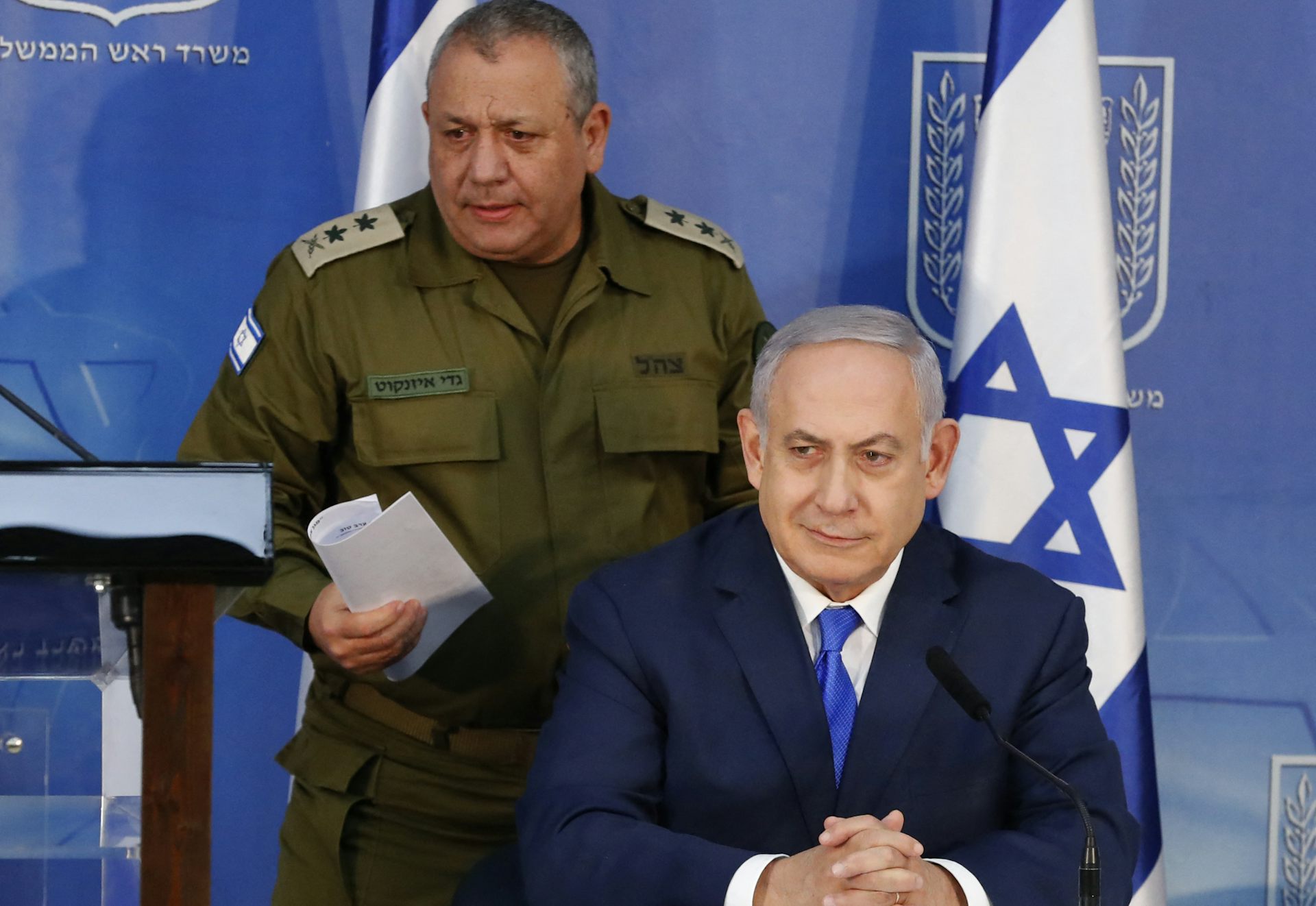
As the former chief of the Israeli general staff and architect of Mabam, Lt. Gen Gadi Eisenkot, explained in 2019: “Deviating from the binary approach of either preparing for war or openly waging it, the [campaign between the wars policy] strives for proactive, offensive actions based on extremely high-quality intelligence and clandestine efforts.”
前以色列参谋总长、马巴姆的架构师加迪·艾森科特中将(Lt. Gen Gadi Eisenkot)在2019年解释说:“[战间期政策]偏离了准备战争或公开发动战争的二元模式,它力求基于极高质量的情报和秘密努力,采取积极主动的进攻性行动。”
Expanding beyond Syria
超越叙利亚
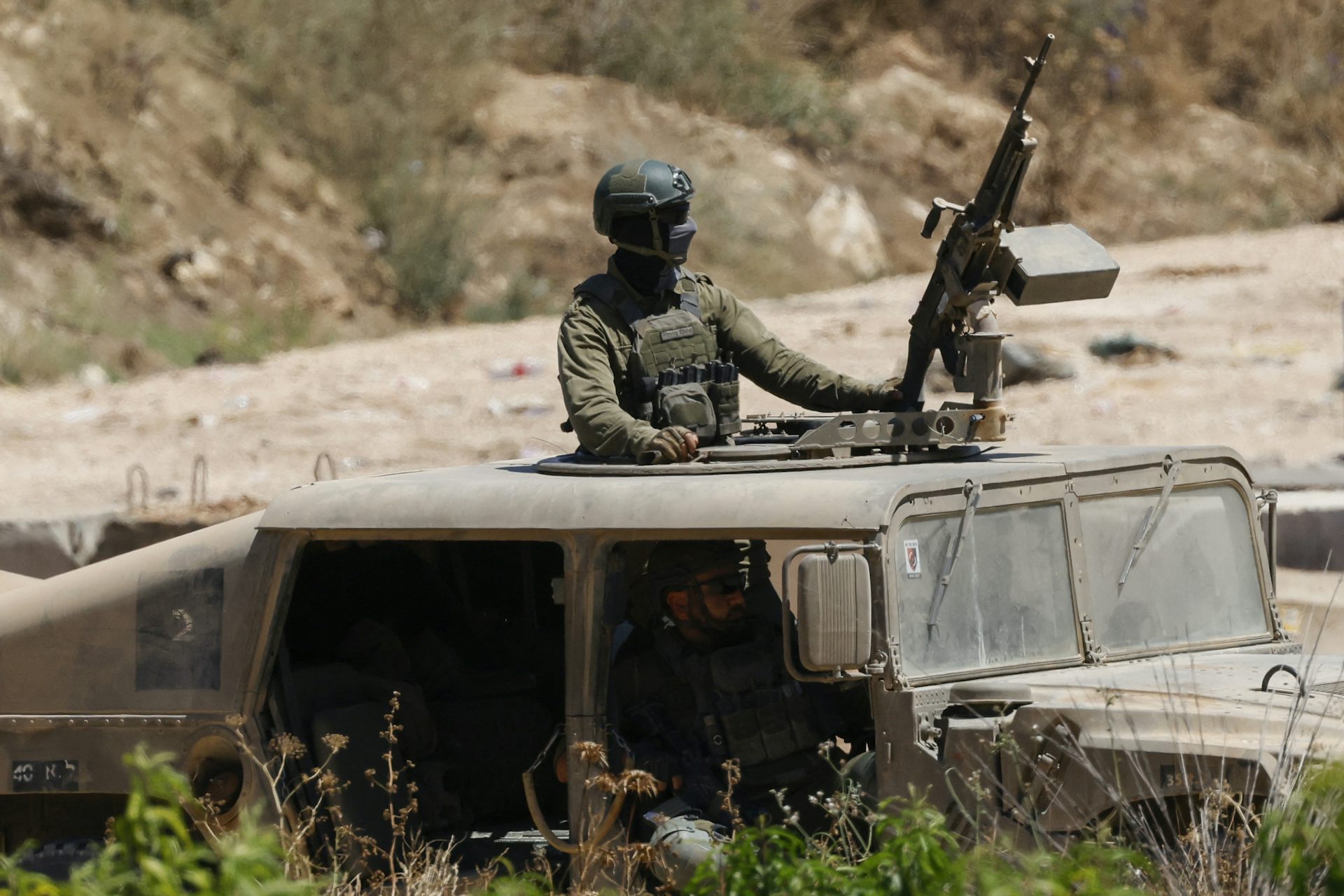
In the early 2010s, the Israeli military focused Mabam on Hezbollah in Syria, where the group lacked the advanced military capabilities it possessed in Lebanon and therefore posed a less significant risk of escalation.
在2010年代初期,以色列军方将重点放在叙利亚的真主党身上。由于该组织缺乏其在黎巴嫩所拥有的先进军事能力,因此构成的升级风险相对较小。
Jerusalem placed a premium on degrading Hezbollah’s advanced weapons, supplied by its ally and sponsor Iran, and “preventing the entrenchment of terror infrastructures on the Golan Heights border,” in the words of Israeli military strategist Eran Ortal.
根据以色列军事战略家埃兰·奥尔塔尔(Eran Ortal)的话说,耶路撒冷高度重视削弱真主党从其盟友和赞助国伊朗处获得的先进武器,并“防止恐怖基础设施在戈兰高地边境扎根”。
To achieve this, Israel employed airstrikes, cyberattacks, interdictions of weapons and covert action to impede Iran’s ability to resupply Hezbollah’s existing arsenal and supply it with more advanced weapons. Israel’s targets included Iranian facilities and missile warehouses in Syria, convoys and shipments of weapons, and Hezbollah and Islamic Revolutionary Guard personnel in Syria.
为实现这一目标,以色列采用了空袭、网络攻击、拦截武器和秘密行动等手段,以阻碍伊朗重新补给真主党的现有军火库,并为其提供更先进的武器。以色列的目标包括叙利亚的伊朗设施和导弹仓库、武器车队和货物,以及在叙利亚的真主党和伊斯兰革命卫队人员。
Later in the decade, Israel broadened its objectives to include pressuring the Assad regime in Syria and undercutting the long-standing Iranian-Syrian relationship.
到了十年后期,以色列将其目标扩大到包括对叙利亚阿萨德政权施压,并削弱长期以来的伊朗-叙利亚关系。
Encouraged by the success of its strategy in Syria, Israel began to take action against Iranian-backed groups in Iraq and Lebanon as well.
受其在叙利亚战略成功的鼓舞,以色列开始对伊拉克和黎巴嫩的伊朗支持团体采取行动。
In summer 2019, Israel reportedly struck the weapons depots of Iranian-back Shiite militant groups in Iraq. Explosive-laden drones that experts trace to Israel targeted equipment linked to Hezbollah’s precision-guided missile program.
据报道,2019年夏天,以色列袭击了伊拉克的伊朗支持什叶派激进组织的武器库。专家追踪到与以色列有关的爆炸物无人机攻击了与真主党精确制导导弹计划相关的设备。
With these actions, Israel almost certainly delayed and degraded some adversary capabilities, especially those of Hezbollah. In particular, it stopped or delayed Iranian transfers of precision-guided missiles and the guidance kits that Hezbollah could use to enable such capability, limiting the size of the Lebanese group’s arsenal.
通过这些行动,以色列几乎肯定地延迟并削弱了一些敌方能力,尤其是真主党的能力。特别是,它阻止或延迟了伊朗转移用于使真主党具备此类能力的精确制导导弹和制导套件,限制了该黎巴嫩组织的军火库规模。
An imperfect strategy
一个不完美的战略
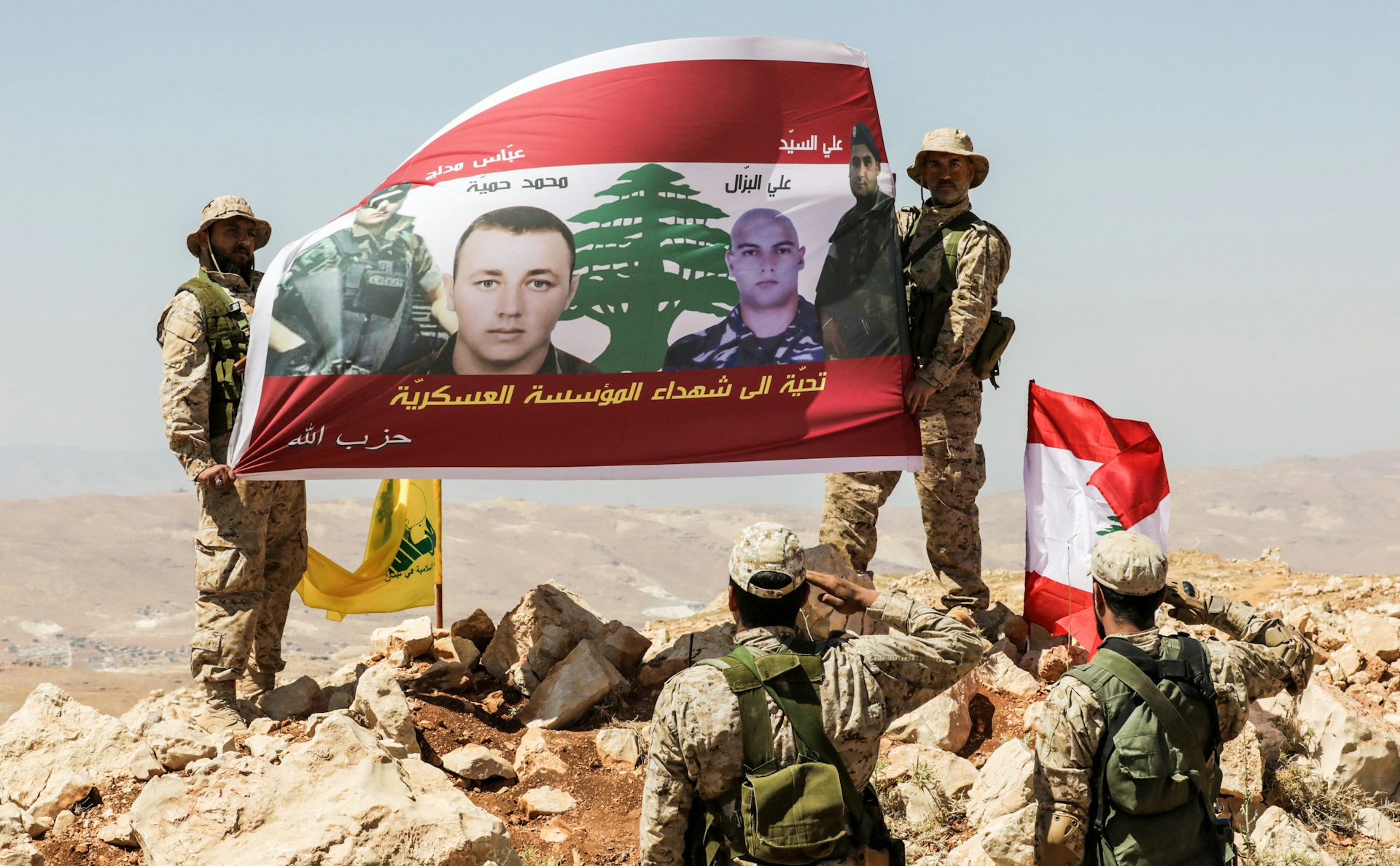
However, the size and capabilities of Hezbollah’s missile and rocket force show the limits of Israeli effectiveness. The group possessed an estimated 100,000 to 200,000 missiles and rockets prior to the resumption of hostilities between Israel and Hezbollah in 2026. Israeli officials and pro-Israeli think tanks would make the counterfactual argument that Hezbollah’s arsenal, especially of advanced weapons, would have been much larger without Mabam operations.
然而,真主党的导弹和火箭部队规模及能力显示了以色列效能的局限性。在2026年以色列与真主党恢复敌对行动之前,该组织估计拥有10万到20万枚导弹和火箭弹。以色列官员和亲以色列智库会提出一个反事实论点,即如果没有“马巴姆”行动,真主党的军火库,尤其是先进武器的储备,将会大得多。
Israeli officials refrain from directly connecting the country’s covert action in Iran since the late 2010s to Mabam. But explosions at nuclear, missile and drone facilities and assassinations of scientists outside the direct conflicts of June 2025 and from February 2026 clearly map to the goal of degrading Iranian military capabilities in between wars.
以色列官员避免将该国自2010年代末以来在伊朗的秘密行动与“马巴姆”联系起来。但发生在核设施、导弹和无人机基地爆炸以及针对科学家(在2025年6月和2026年2月直接冲突之外)的暗杀,明确指向了战间期削弱伊朗军事能力的目标。
To use one prominent example, an explosion in July 2020 widely linked to Israel disabled a key Iranian advanced centrifuge assembly facility, destroying more than half of the facility.
以一个突出的例子来说,2020年7月一次与以色列广泛关联的爆炸事件,使一座关键的伊朗先进离心机组装设施瘫痪,摧毁了该设施超过一半。
But the attack had unexpected consequences. Iran was able to rebuild the capability in a matter of months, concentrating on locating future centrifuge assembly capabilities at sites buried deep underground.
但这次袭击产生了意料之外的后果。伊朗能够在几个月内重建该能力,并专注于在深埋地下的地点重新定位未来的离心机组装能力。
A risk to US objectives
美国目标面临的风险
In an early 2026 graduation speech for military cadets, Netanyahu declared that Israel would move beyond Mabam to even more actively confront threats. “There is no more containment of threats. There is no more Mabam,” he said after decades of supporting the strategy.
在2026年初的一次面向军事学员的毕业演讲中,内塔尼亚胡宣布,以色列将超越“马巴姆”(Mabam)战略,更积极地对抗威胁。“不再有遏制威胁。不再有‘马巴姆’,”他在支持该战略数十年后发表了讲话。
But even a force that conducts a high number of military operations like the IDF needs a strategy short of full-scale war.
但即使像以色列国防军(IDF)这样进行大量军事行动的部队,也需要一种低于全面战争的战略。
And since most in the Israeli security establishment view the Mabam strategy as generally successful in diminishing Iran’s capabilities and those of its partners and proxies, it will likely remain a prominent feature of Israeli strategy even if updated to reflect current perceived threats. This will be the case whether Israel is led by Netanyahu or another leader.
由于以色列安全建立的大多数人认为“马巴姆”战略在削弱伊朗及其伙伴和代理人的能力方面总体上是成功的,因此即使更新以反映当前感知到的威胁,它仍可能成为以色列战略的一个突出特征。无论以色列由内塔尼亚胡还是其他领导人执政,情况都将如此。
While a central aspect of Mabam is avoiding escalation, this balancing act will be increasingly difficult in today’s Middle East.
虽然“马巴姆”的核心方面之一是避免升级,但这种平衡行为在当今的中东地区正变得越来越困难。
To retain U.S. support for Israel’s overall Iran strategy, expanded coordination with Washington will be crucial. Israel has sometimes, but not always, coordinated relevant actions with the U.S. For instance, it allowed the U.S. Central Command to review strikes it planned to launch from near the Al Tanf Base in Syria that hosted U.S. troops until February 2026.
为了维持美国对以色列整体伊朗战略的支持,与华盛顿扩大协调至关重要。以色列有时会,但不总是与美国协调相关行动。例如,直到2026年2月,它允许美军中央司令部审查其计划从叙利亚阿尔坦夫基地附近发动的打击。
Israel believes it has valid reasons for sometimes conducting military action on its own: Israeli officials view Iran developing a nuclear weapon as an “existential” threat and Hezbollah having a large arsenal of precision-guided missiles as a “strategic threat” to the state of Israel.
以色列认为自己有充分的理由有时可以单独进行军事行动:以色列官员将伊朗发展核武器视为“生存威胁”,而将真主党拥有大量精确制导导弹视为对以色列国家的“战略威胁”。
However, Washington is likely to ask for wider coordination with Israel in the aftermath of the Iran war. That war ever more tightly connected U.S. security interests to those of Israel, but the ongoing negotiations to end the conflict have shown a rare degree of distance between the two countries. Coordinating its operations short of war will be a bitter pill for Israeli leaders intent on acting as they desire. It also has the potential to further strain Israel-U.S. relations in the years ahead.
然而,在与伊朗战争之后,华盛顿可能会要求与以色列进行更广泛的协调。那场战争使美国的安全利益与以色列的利益联系得更加紧密,但结束冲突的持续谈判显示出两国之间罕见的距离感。对于那些一心想按自己意愿行事的以色列领导人来说,协调低于战争的行动将是一剂苦药。它也有可能在未来几年进一步加剧以美关系紧张。
This article reflects the views of the author and not the US Government.
本文反映的是作者的观点,而非美国政府的观点。