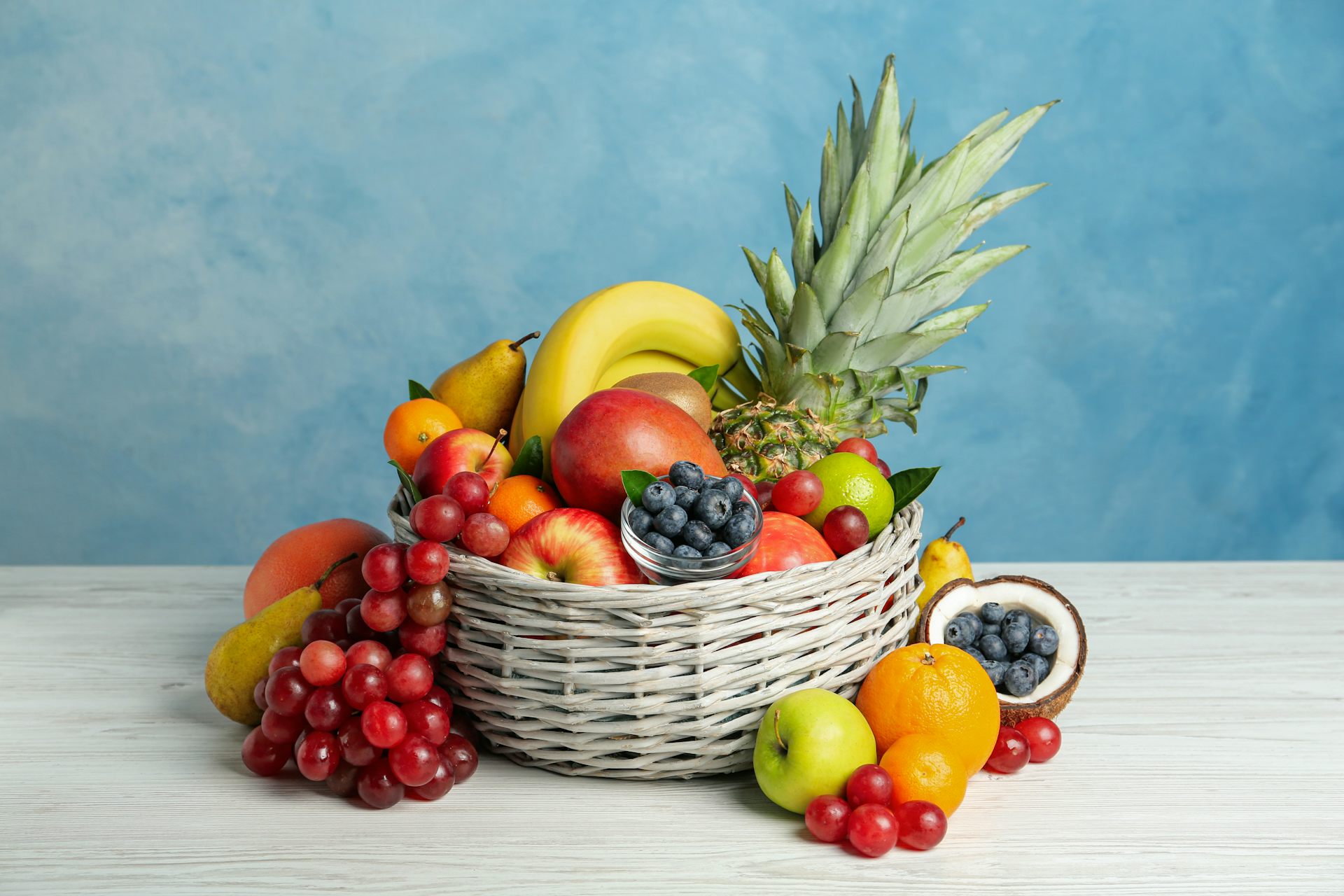
Comer frutas está ligado ao câncer de pulmão? Veja o que você precisa saber sobre esse novo estudo
Eating fruit is linked to lung cancer? Here’s what you need to know about that new study
A small conference study sparked headlines linking fruit to lung cancer. Here’s why the science tells a very different story.
Um pequeno estudo de conferência gerou manchetes ligando frutas ao câncer de pulmão. Veja por que a ciência conta uma história muito diferente.
The idea that fruit and vegetables might cause cancer sounds bizarre. For decades, studies have shown that people who eat more plants tend to live longer, healthier lives, with lower rates of heart disease, stroke and several common cancers.
A ideia de que frutas e vegetais possam causar câncer parece bizarra. Por décadas, estudos mostraram que pessoas que comem mais plantas tendem a viver vidas mais longas e saudáveis, com taxas mais baixas de doenças cardíacas, AVC e vários cânceres comuns.
Lung cancer is no exception: in many large studies, higher intakes of fruits and vegetables are linked with lower risks, especially in smokers.
O câncer de pulmão não é exceção: em muitos estudos grandes, maiores ingestões de frutas e vegetais estão ligadas a riscos mais baixos, especialmente em fumantes.
Against that backdrop, a new suggestion that fruit and veg might be driving lung cancer in young adults is surprising.
Nesse contexto, uma nova sugestão de que frutas e vegetais possam estar causando câncer de pulmão em adultos jovens é surpreendente.
The story behind this latest wave of anxiety doesn’t come from a definitive, landmark trial. It comes from a brief presentation at a scientific conference, based on 187 people with early‑onset lung cancer.
A história por trás desta última onda de ansiedade não vem de um ensaio definitivo e marcante. Ela vem de uma breve apresentação em uma conferência científica, baseada em 187 pessoas com câncer de pulmão de início precoce.
Most had never smoked. When researchers asked about their diets, a lot of them reported eating plenty of fruits, vegetables and whole grains – the sort of pattern most of us would call “healthy”.
A maioria nunca tinha fumado. Quando os pesquisadores perguntaram sobre suas dietas, muitos relataram comer bastante frutas, vegetais e grãos integrais – o tipo de padrão que a maioria de nós chamaria de “saudável”.
Instead of measuring pesticides in their food or blood, the team estimated probable pesticide exposure using average residue levels from other sources. From there, they speculated that pesticides on otherwise healthy foods might help explain why some young non‑smokers develop lung cancer.
Em vez de medir pesticidas em seus alimentos ou sangue, a equipe estimou a exposição provável a pesticidas usando níveis médios de resíduos de outras fontes. A partir disso, especularam que pesticidas em alimentos, de outra forma saudáveis, poderiam ajudar a explicar por que alguns jovens não fumantes desenvolvem câncer de pulmão.
That is a very long way from proving that fruit and vegetables themselves are harmful. Studies like this are meant to raise questions – “could pesticides be part of the story in young lung cancer?” – not to rewrite dietary advice on their own.
Isso está muito longe de provar que frutas e vegetais em si são prejudiciais. Estudos como este têm o objetivo de levantar questões – “os pesticidas poderiam fazer parte da história do câncer de pulmão em jovens?” – e não de reescrever conselhos dietéticos por conta própria.
Crucially, this particular study looks backwards from people who already have cancer, rather than following healthy people forwards over time, so it cannot tell us whether their diet played any role in causing the disease. Nor does it show that these patients had higher pesticide exposures than comparable people without cancer. It only shows that they ate foods that, on average, can carry residues.
Crucialmente, este estudo em particular olha para trás, a partir de pessoas que já têm câncer, em vez de acompanhar pessoas saudáveis ao longo do tempo, portanto, não pode nos dizer se a dieta delas desempenhou algum papel na causa da doença. Tampouco mostra que esses pacientes tiveram exposições a pesticidas mais altas do que pessoas comparáveis sem câncer. Ele apenas mostra que eles comeram alimentos que, em média, podem carregar resíduos.
The bigger picture
O quadro geral
When you zoom out from this single, tiny study to the broader body of evidence, the picture changes from alarming to reassuringly familiar. Large studies have followed tens or hundreds of thousands of people over many years, asked them what they ate, then waited to see who develops lung cancer. Time and again, those eating more fruit and vegetables either do better or, at very worst, no differently from those eating less.
Quando você amplia a visão deste estudo único e minúsculo para o corpo de evidências mais amplo, o quadro muda de alarmante para reconfortantemente familiar. Grandes estudos acompanharam dezenas ou centenas de milhares de pessoas ao longo de muitos anos, perguntaram o que comeram e depois esperaram para ver quem desenvolve câncer de pulmão. Repetidamente, aqueles que comem mais frutas e vegetais se saem melhor ou, na pior das hipóteses, não diferentemente daqueles que comem menos.
Meta‑analyses that combine data from multiple studies find reductions in lung cancer risk with higher fruit intake and benefits from vegetables, too. These are the studies that inform official guidelines. They are not perfect – no nutrition study is – but they are far more informative than a single unpublished study of 187 patients.
Meta-análises que combinam dados de múltiplos estudos encontram reduções no risco de câncer de pulmão com maior ingestão de frutas e benefícios dos vegetais também. Estes são os estudos que informam as diretrizes oficiais. Eles não são perfeitos – nenhum estudo de nutrição é – mas são muito mais informativos do que um único estudo não publicado com 187 pacientes.
So why do small studies like this latest one sometimes seem to say something different? One reason is simple statistical noise.
Então, por que estudos pequenos como este mais recente às vezes parecem dizer algo diferente? Uma razão é o simples ruído estatístico.
With small numbers, chance plays a huge role. If, for whatever reason, the particular group of young adults who turned up to that clinic happened to be unusually health-conscious, then fruit and vegetable intake will look high among people with lung cancer, even if diet has nothing to do with their disease.
Com números pequenos, a sorte desempenha um papel enorme. Se, por qualquer motivo, o grupo específico de jovens adultos que compareceu àquela clínica por acaso fosse incomumente consciente da saúde, então a ingestão de frutas e vegetais parecerá alta entre pessoas com câncer de pulmão, mesmo que a dieta não tenha nada a ver com a doença delas.
Another issue is what scientists call “confounding”. People who eat more plants often differ in many other ways. They may exercise more, drink less, have different jobs, live in different neighbourhoods, or be more on the ball about seeking medical help.
Outro problema é o que os cientistas chamam de “confundimento”. Pessoas que comem mais plantas muitas vezes diferem em muitas outras maneiras. Elas podem se exercitar mais, beber menos, ter empregos diferentes, morar em bairros diferentes ou estar mais atentas em buscar ajuda médica.
When you start from patients and look backwards, it is very hard to disentangle these overlapping factors. That is why we place more weight on large, prospective studies that follow people forward in time and can better account for these differences.
Quando você começa pelos pacientes e olha para trás, é muito difícil desvendar esses fatores sobrepostos. É por isso que damos mais peso a grandes estudos prospectivos que acompanham as pessoas ao longo do tempo e podem melhor contabilizar essas diferenças.
Pesticides
Pesticidas
Then there is the question of pesticides – the part of the story that understandably unnerves people. It is true that many conventionally grown fruits and vegetables carry measurable pesticide residues, and that people who eat a lot of produce tend to have higher levels of some pesticide breakdown products in their urine.
Há também a questão dos pesticidas – a parte da história que, compreensivelmente, preocupa as pessoas. É verdade que muitas frutas e vegetais cultivados convencionalmente contêm resíduos mensuráveis de pesticidas, e que pessoas que consomem muitos produtos frescos tendem a ter níveis mais altos de alguns subprodutos de decomposição de pesticidas na urina.
It is also true that farm workers who handle pesticides regularly and at high doses have higher rates of certain cancers, including some lung cancers. That tells us pesticides are not benign. But what it does not tell us is that eating sprayed apples or lettuce at normal dietary levels causes lung cancer in the general population.
Também é verdade que trabalhadores rurais que manuseiam pesticidas regularmente e em altas doses têm taxas mais altas de certos tipos de câncer, incluindo alguns cânceres de pulmão. Isso nos diz que os pesticidas não são benignos. Mas o que não nos diz é que comer maçãs ou alfaces pulverizadas em níveis dietéticos normais causa câncer de pulmão na população em geral.
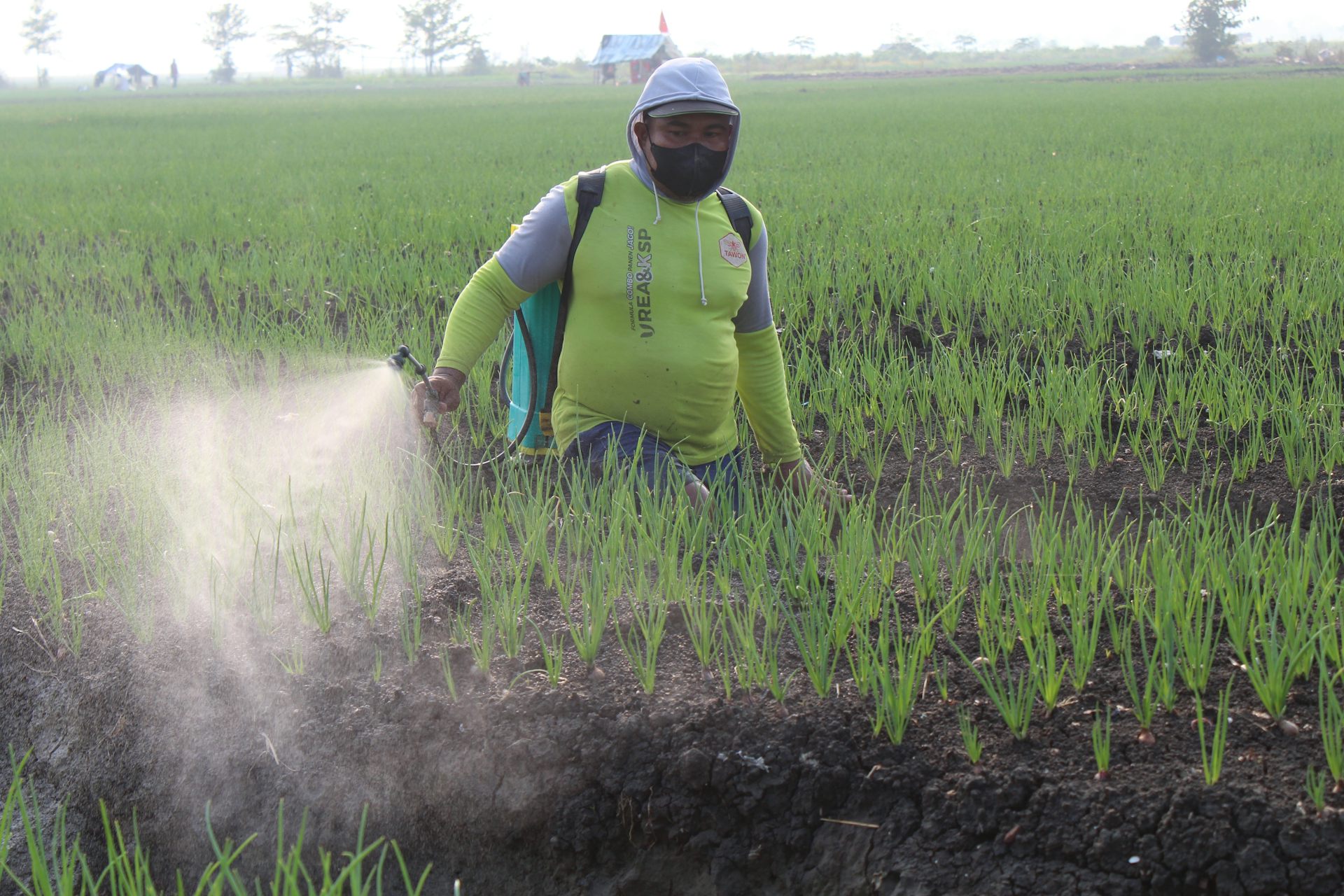
That doesn’t mean we should be complacent: there is an ongoing discussion about cocktails of many different chemicals, about vulnerable groups such as children and pregnant women, and about longer‑term hormone or brain effects that might not show up in crude cancer rates. However, these are arguments for improving how we farm and regulate pesticides, not arguments for abandoning fruit and vegetables.
Isso não significa que devamos nos sentir complacentes: há uma discussão em curso sobre coquetéis de muitos produtos químicos diferentes, sobre grupos vulneráveis como crianças e mulheres grávidas, e sobre efeitos hormonais ou cerebrais de longo prazo que podem não aparecer nas taxas brutas de câncer. No entanto, estes são argumentos para melhorar como cultivamos e regulamentamos os pesticidas, e não argumentos para abandonar frutas e vegetais.
If you are still uneasy about pesticides, there are practical, proportionate things you can do that don’t involve swapping an orange for a packet of crisps. Washing produce under running water helps remove surface residues and soil, and varying the types of fruit and veg you eat means you are not relying heavily on any one item that tends to carry higher residues.
Se você ainda está apreensivo com pesticidas, há coisas práticas e proporcionais que você pode fazer sem precisar trocar uma laranja por um pacote de salgadinhos. Lavar os produtos sob água corrente ajuda a remover resíduos superficiais e terra, e variar os tipos de frutas e vegetais que você come significa que você não está dependendo muito de nenhum item que tende a carregar resíduos mais altos.
If your budget allows, choosing organic versions of a few “high‑residue” foods can make sense. But the key point is that these are tweaks at the margins. They don’t change the central message that a diet rich in plant foods is overwhelmingly associated with better health.
Se o seu orçamento permitir, escolher versões orgânicas de alguns alimentos de “alto resíduo” pode fazer sentido. Mas o ponto principal é que estes são ajustes marginais. Eles não mudam a mensagem central de que uma dieta rica em alimentos vegetais está fortemente associada a uma melhor saúde.
Perhaps the most important lesson from this episode is about how to read nutrition headlines. Whenever you see “X food causes cancer” or “Y ingredient is the next miracle cure”, it helps to ask a couple of simple questions. How big was the study? Was it in healthy people followed over time, or patients looked at after the fact? Did the researchers actually measure what they are claiming (like pesticide levels) ? And how do the new findings sit alongside decades of existing research?
Talvez a lição mais importante deste episódio seja sobre como ler manchetes de nutrição. Sempre que você vir “Alimento X causa câncer” ou “Ingrediente Y é a próxima cura milagrosa”, ajuda fazer algumas perguntas simples. Qual foi o tamanho do estudo? Foi em pessoas saudáveis acompanhadas ao longo do tempo, ou pacientes examinados depois do fato? Os pesquisadores realmente mediram o que estão alegando (como os níveis de pesticidas) ? E como os novos achados se encaixam em décadas de pesquisa existente?
In the case of the early-onset lung cancer study, the answers are sobering: it was small, it was retrospective, it used indirect exposure estimates, and its suggestion that fruit and vegetables might be harmful sits awkwardly with a much larger body of work pointing the other way.
No caso do estudo sobre câncer de pulmão de início precoce, as respostas são preocupantes: foi pequeno, foi retrospectivo, usou estimativas de exposição indiretas, e sua sugestão de que frutas e vegetais possam ser prejudiciais se encaixa de forma estranha em um corpo de trabalho muito maior que aponta na direção oposta.
None of this means we should ignore the possibility that pesticides contribute in some way to cancers in non‑smokers, or that diet is irrelevant to lung health. But we should be wary of turning one provocative conference talk into a reason to fear the very foods that consistently show up as markers of better health.
Nada disso significa que devemos ignorar a possibilidade de que os pesticidas contribuam de alguma forma para cânceres em não fumantes, ou que a dieta é irrelevante para a saúde pulmonar. Mas devemos ter cuidado para transformar uma palestra de conferência provocativa em um motivo para temer os próprios alimentos que consistentemente aparecem como marcadores de melhor saúde.
Justin Stebbing does not work for, consult, own shares in or receive funding from any company or organisation that would benefit from this article, and has disclosed no relevant affiliations beyond their academic appointment.
Justin Stebbing não trabalha, não consulta, não possui ações nem recebe financiamento de nenhuma empresa ou organização que se beneficiaria deste artigo, e não divulgou afiliações relevantes além de seu cargo acadêmico.
Read more
-

Poderia a guerra na Ucrânia trazer mudanças políticas para a Rússia?
Could the war in Ukraine bring political change to Russia?
-

Chernobyl aos 40: Arquivos secretos da Stasi revelam o alcance da campanha de desinformação soviética sobre o desastre nuclear
Chernobyl at 40: Secret Stasi files reveal extent of Soviet misinformation campaign over nuclear disaster