吃水果与肺癌有关?了解这项新研究的真相
Eating fruit is linked to lung cancer? Here’s what you …
A small conference study sparked headlines linking fruit to lung cancer. Here’s why the science tells a very different story.
一项小型会议研究引发了关于水果与肺癌的报道。但科学的证据却讲述了一个截然不同的故事。
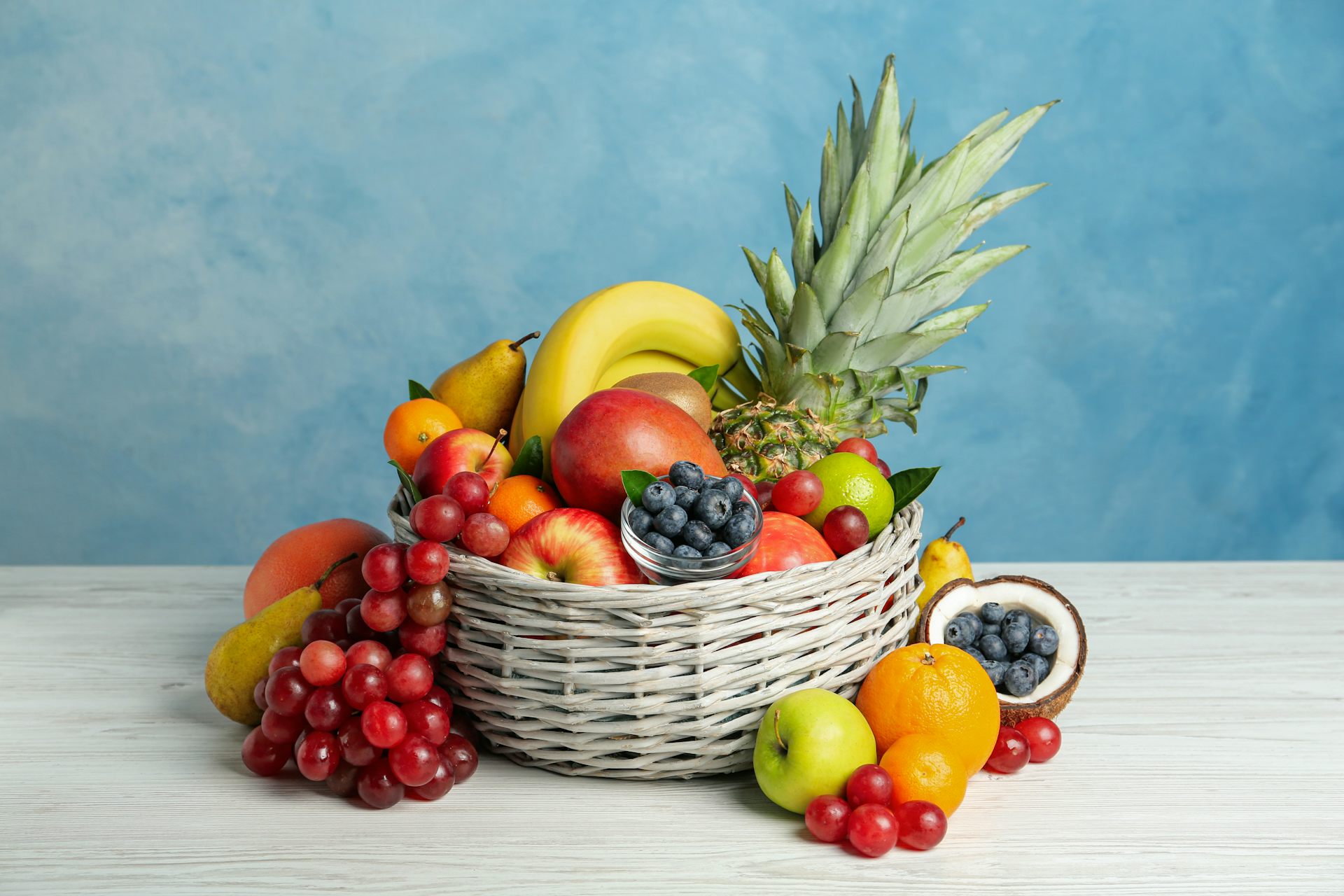
The idea that fruit and vegetables might cause cancer sounds bizarre. For decades, studies have shown that people who eat more plants tend to live longer, healthier lives, with lower rates of heart disease, stroke and several common cancers.
认为水果和蔬菜可能导致癌症的想法听起来很奇怪。几十年的研究表明,吃更多植物的人往往生活得更长、更健康,心血管疾病、中风和几种常见癌症的发病率更低。
Lung cancer is no exception: in many large studies, higher intakes of fruits and vegetables are linked with lower risks, especially in smokers.
肺癌也不例外:许多大型研究表明,摄入更多水果和蔬菜与较低的风险相关,尤其是在吸烟者中。
Against that backdrop, a new suggestion that fruit and veg might be driving lung cancer in young adults is surprising.
在这样的背景下,提出水果和蔬菜可能引发年轻成年人肺癌的新的观点令人感到惊讶。
The story behind this latest wave of anxiety doesn’t come from a definitive, landmark trial. It comes from a brief presentation at a scientific conference, based on 187 people with early‑onset lung cancer.
关于这波焦虑的由来,并非来自一项决定性的里程碑式试验。它源于在一个科学会议上的简短报告,该报告基于187名患有早期发病肺癌的人。
Most had never smoked. When researchers asked about their diets, a lot of them reported eating plenty of fruits, vegetables and whole grains – the sort of pattern most of us would call “healthy”.
大多数人从未吸烟。当研究人员询问他们的饮食时,许多人报告说他们吃了很多水果、蔬菜和全谷物——这是我们大多数人会称之为“健康”的模式。
Instead of measuring pesticides in their food or blood, the team estimated probable pesticide exposure using average residue levels from other sources. From there, they speculated that pesticides on otherwise healthy foods might help explain why some young non‑smokers develop lung cancer.
该团队没有测量他们食物或血液中的农药残留,而是使用其他来源的平均残留水平来估计可能的农药暴露量。从这一点出发,他们推测,即使是原本健康的食物上的农药残留,也可能有助于解释为什么一些年轻的非吸烟者会患上肺癌。
That is a very long way from proving that fruit and vegetables themselves are harmful. Studies like this are meant to raise questions – “could pesticides be part of the story in young lung cancer?” – not to rewrite dietary advice on their own.
这与证明水果和蔬菜本身有害的结论相去甚远。像这样的研究旨在提出问题——“农药是否可能是年轻肺癌故事的一部分?”——而不是凭空重写饮食建议。
Crucially, this particular study looks backwards from people who already have cancer, rather than following healthy people forwards over time, so it cannot tell us whether their diet played any role in causing the disease. Nor does it show that these patients had higher pesticide exposures than comparable people without cancer. It only shows that they ate foods that, on average, can carry residues.
至关重要的是,这项特定的研究是从已经患有癌症的人群向后追溯的,而不是长期跟踪健康人群的前进过程,因此它无法告诉我们他们的饮食是否在导致疾病中起到了任何作用。它也并未证明这些患者的农药暴露水平高于可比的无癌人群。它只表明他们吃的食物,平均而言,可能携带残留物。
The bigger picture
更宏观的视角
When you zoom out from this single, tiny study to the broader body of evidence, the picture changes from alarming to reassuringly familiar. Large studies have followed tens or hundreds of thousands of people over many years, asked them what they ate, then waited to see who develops lung cancer. Time and again, those eating more fruit and vegetables either do better or, at very worst, no differently from those eating less.
当你从这个单一、微小的研究,放眼到更广泛的证据集合时,图景就从令人担忧转变为令人安心的熟悉。大型研究追踪了数万甚至数十万人多年,询问他们吃了什么,然后等待观察谁会患上肺癌。一次又一次地证明,那些吃更多水果和蔬菜的人,要么身体状况更好,要么,在最坏的情况下,与那些吃得少的人没有区别。
Meta‑analyses that combine data from multiple studies find reductions in lung cancer risk with higher fruit intake and benefits from vegetables, too. These are the studies that inform official guidelines. They are not perfect – no nutrition study is – but they are far more informative than a single unpublished study of 187 patients.
结合了多个研究数据的荟萃分析发现,摄入更多水果和蔬菜可以降低肺癌风险。这些研究为官方指南提供了依据。它们并非完美——任何营养学研究都不是——但它们比一项针对187名患者的单一未发表研究提供了更丰富的信息。
So why do small studies like this latest one sometimes seem to say something different? One reason is simple statistical noise.
那么,为什么像最近这样的小型研究有时似乎会得出不同的结论呢?一个原因很简单:统计学噪音。
With small numbers, chance plays a huge role. If, for whatever reason, the particular group of young adults who turned up to that clinic happened to be unusually health-conscious, then fruit and vegetable intake will look high among people with lung cancer, even if diet has nothing to do with their disease.
当样本量小的时候,偶然性起着巨大的作用。如果出于任何原因,来到该诊所的特定年轻成年人群恰好非常注重健康,那么即使饮食与他们的疾病无关,肺癌患者的蔬果摄入量也会看起来很高。
Another issue is what scientists call “confounding”. People who eat more plants often differ in many other ways. They may exercise more, drink less, have different jobs, live in different neighbourhoods, or be more on the ball about seeking medical help.
另一个问题是科学家所说的“混淆因素”。吃更多植物的人在许多其他方面也可能有所不同。他们可能运动更多,饮酒更少,从事不同的工作,居住在不同的社区,或者更积极地寻求医疗帮助。
When you start from patients and look backwards, it is very hard to disentangle these overlapping factors. That is why we place more weight on large, prospective studies that follow people forward in time and can better account for these differences.
当你从患者出发并向后追溯时,很难理清这些重叠的因素。这就是为什么我们更重视大型前瞻性研究,这类研究是随时间追踪人群的,并且能够更好地解释这些差异。
Pesticides
农药
Then there is the question of pesticides – the part of the story that understandably unnerves people. It is true that many conventionally grown fruits and vegetables carry measurable pesticide residues, and that people who eat a lot of produce tend to have higher levels of some pesticide breakdown products in their urine.
然后是农药问题——这是令人担忧的部分。诚然,许多传统种植的水果和蔬菜都带有可测量的农药残留,而且食用大量农产品的人,尿液中某些农药分解产物的水平往往更高。
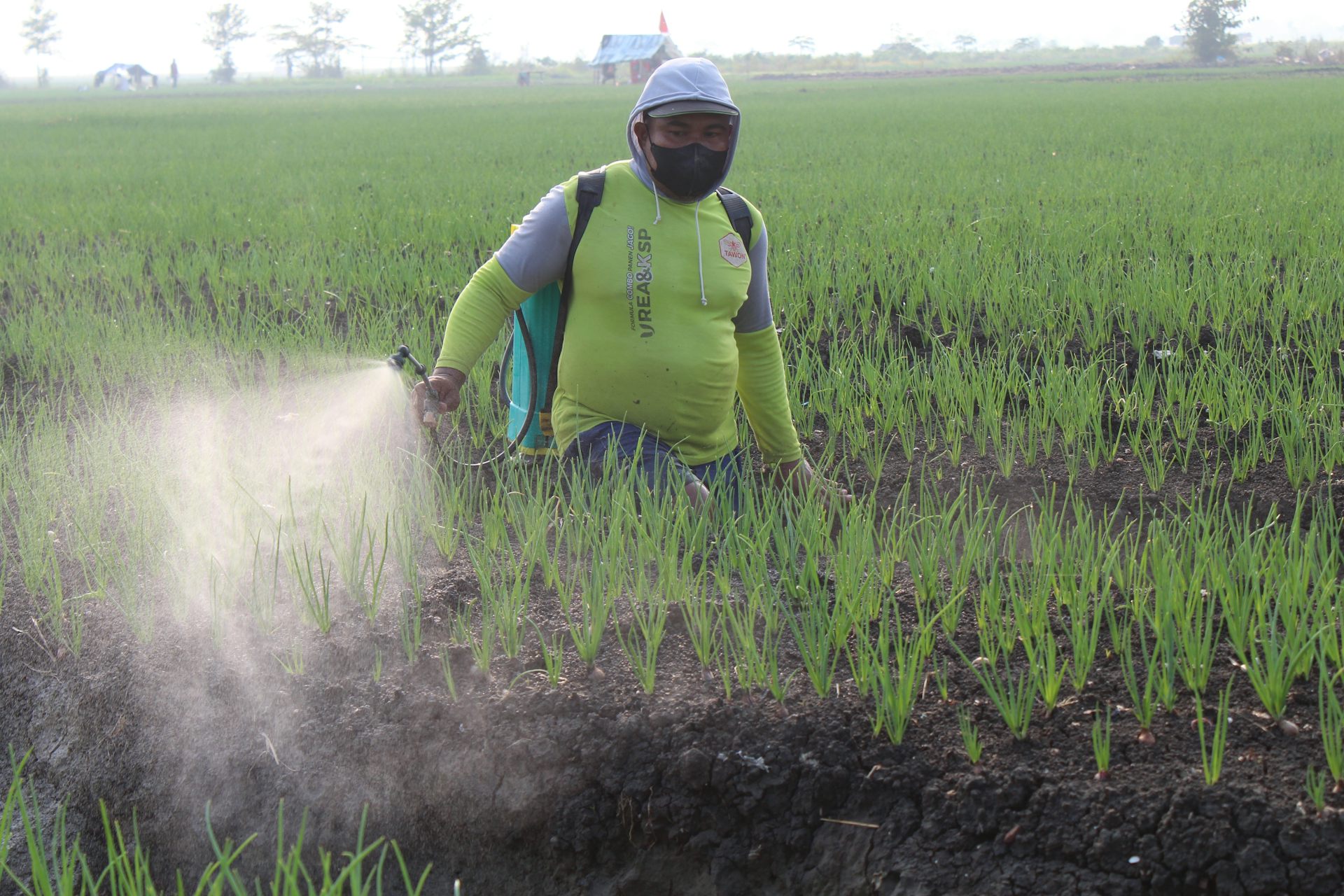
It is also true that farm workers who handle pesticides regularly and at high doses have higher rates of certain cancers, including some lung cancers. That tells us pesticides are not benign. But what it does not tell us is that eating sprayed apples or lettuce at normal dietary levels causes lung cancer in the general population.
另一个事实是,经常和大量接触农药的农场工人患某些癌症的几率更高,包括某些肺癌。这告诉我们农药并非无害。但它没有告诉我们的是,在正常的饮食水平下吃喷洒过的苹果或生菜会导致普通人群患肺癌。
That doesn’t mean we should be complacent: there is an ongoing discussion about cocktails of many different chemicals, about vulnerable groups such as children and pregnant women, and about longer‑term hormone or brain effects that might not show up in crude cancer rates. However, these are arguments for improving how we farm and regulate pesticides, not arguments for abandoning fruit and vegetables.
但这并不意味着我们应该掉以轻心:目前正在讨论许多不同化学物质的“鸡尾酒”效应,讨论儿童和孕妇等弱势群体,以及可能不会体现在原始癌症发病率中的长期激素或大脑影响。然而,这些论点是关于改进我们的耕作方式和监管农药,而不是关于放弃水果和蔬菜的论点。
If you are still uneasy about pesticides, there are practical, proportionate things you can do that don’t involve swapping an orange for a packet of crisps. Washing produce under running water helps remove surface residues and soil, and varying the types of fruit and veg you eat means you are not relying heavily on any one item that tends to carry higher residues.
如果你仍然对农药感到不安,有一些实际、适度的措施可以采取,而这些措施并不涉及用一包薯片换一个橙子。在流动水下清洗农产品有助于去除表面的残留物和土壤,而食用种类繁多的水果和蔬菜,则意味着你没有过度依赖任何一种残留物较高的单品。
If your budget allows, choosing organic versions of a few “high‑residue” foods can make sense. But the key point is that these are tweaks at the margins. They don’t change the central message that a diet rich in plant foods is overwhelmingly associated with better health.
如果预算允许,选择一些“残留物较高”食品的有机版本可能是合理的。但关键点在于,这些只是边际上的调整。它们没有改变一个核心信息,即富含植物性食物的饮食与更好的健康状况有着压倒性的关联。
Perhaps the most important lesson from this episode is about how to read nutrition headlines. Whenever you see “X food causes cancer” or “Y ingredient is the next miracle cure”, it helps to ask a couple of simple questions. How big was the study? Was it in healthy people followed over time, or patients looked at after the fact? Did the researchers actually measure what they are claiming (like pesticide levels) ? And how do the new findings sit alongside decades of existing research?
也许从本期节目中学到的最重要的教训是关于如何阅读营养新闻标题。每当你看到“X食物导致癌症”或“Y成分是下一个灵丹妙药”时,最好问自己几个简单的问题。这项研究规模有多大?它是对健康人群进行长期跟踪的研究,还是事后观察病人的研究?研究人员是否真正测量了他们声称的指标(例如农药水平)?以及这些新发现与数十年来已有的研究成果如何并存?
In the case of the early-onset lung cancer study, the answers are sobering: it was small, it was retrospective, it used indirect exposure estimates, and its suggestion that fruit and vegetables might be harmful sits awkwardly with a much larger body of work pointing the other way.
就早期肺癌研究而言,答案令人清醒:它规模小、具有回顾性、使用了间接暴露估计,而且它提出的水果和蔬菜可能有害的观点,与大量指向相反方向的工作成果格格不入。
None of this means we should ignore the possibility that pesticides contribute in some way to cancers in non‑smokers, or that diet is irrelevant to lung health. But we should be wary of turning one provocative conference talk into a reason to fear the very foods that consistently show up as markers of better health.
这一切并不意味着我们应该忽略农药在某种程度上对非吸烟者癌症的贡献,或者忽略饮食与肺部健康无关的可能性。但我们应该警惕的是,不要将一次煽动性的会议演讲,变成恐惧那些持续显示出更好健康指标的食物的理由。
Justin Stebbing does not work for, consult, own shares in or receive funding from any company or organisation that would benefit from this article, and has disclosed no relevant affiliations beyond their academic appointment.
Justin Stebbing不为任何从本文中受益的公司或组织工作、咨询、拥有股份或接受资金,并且除了其学术任命外,没有披露任何相关的从属关系。