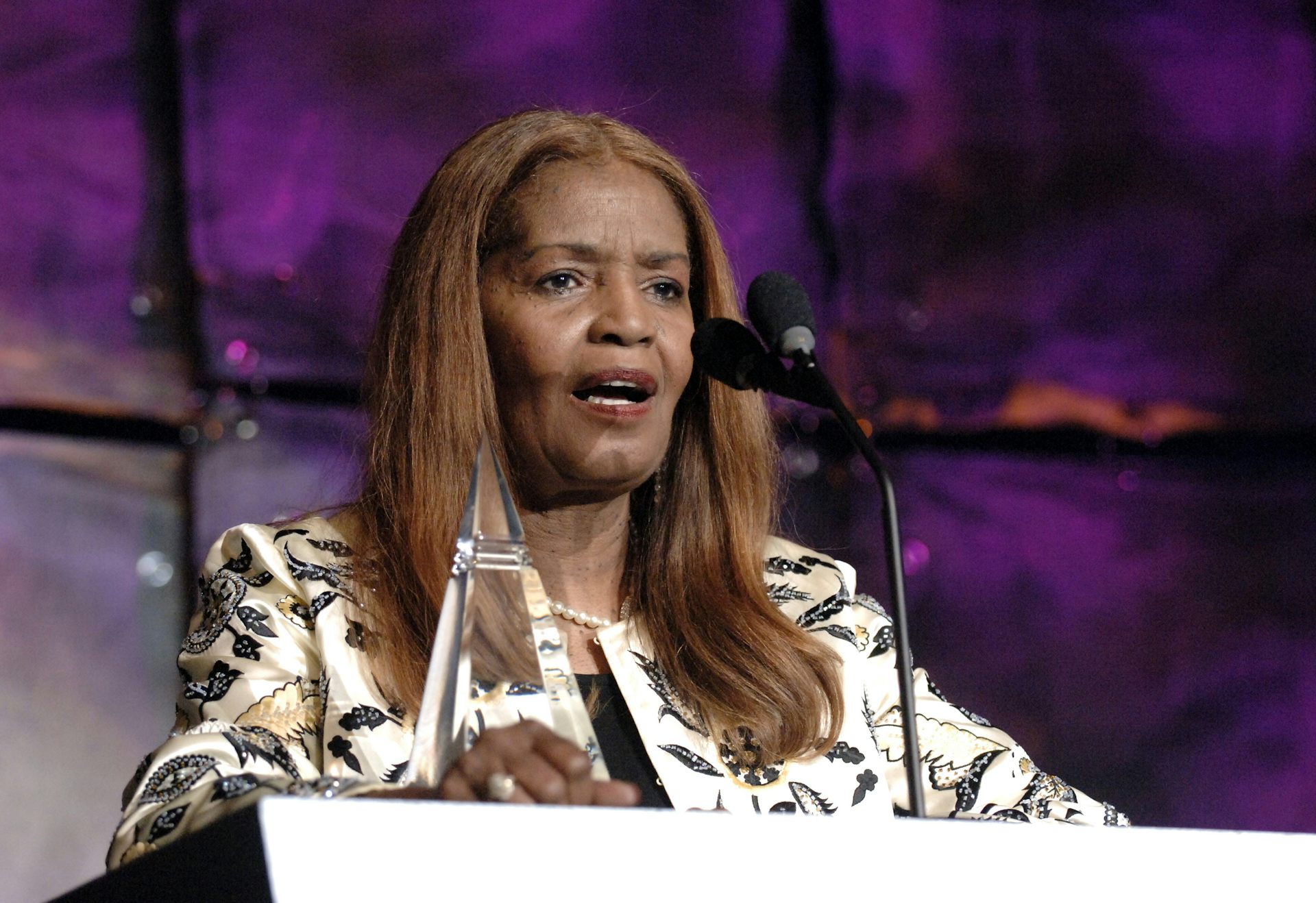
As escritoras e produtoras negras de Motown foram as arquitetas invisíveis por trás do colosso da música pop.
Motown’s Black women songwriters and producers were the invisible architects behind the pop music juggernaut
Few people probably know the female songwriters featured in this article, yet Motown relied heavily upon their contributions to cement its place in music history.
Poucas pessoas provavelmente conhecem as escritoras de música apresentadas neste artigo, mas Motown dependeu muito de suas contribuições para cimentar seu lugar na história da música.
During the 1960s, in a country divided by racial strife, the music of Berry Gordy Jr.’s Motown Records helped bring people together.
Durante a década de 1960, em um país dividido por conflitos raciais, a música do Motown Records de Berry Gordy Jr. ajudou a unir as pessoas.
Motown was noted for star performers like Mary Wells, The Miracles, The Supremes, The Temptations, Martha Reeves and the Vandellas, Marvin Gaye and Stevie Wonder. But, behind the scenes, a talented group of lesser known women were driving the hits in Hitsville U.S.A.
Motown era conhecido por artistas estrelas como Mary Wells, The Miracles, The Supremes, The Temptations, Martha Reeves and the Vandellas, Marvin Gaye e Stevie Wonder. Mas, nos bastidores, um talentoso grupo de mulheres menos conhecidas estava por trás dos sucessos em Hitsville U.S.A.
I’m a scholar of popular culture and author of the biography “It’s No Wonder: The Life and Times of Motown’s Legendary Songwriter Sylvia Moy.” Researching my book inspired me to find other women who contributed to the Detroit label’s era of chart dominance and helped change the music industry, despite going largely unrecognized for their efforts.
Sou um estudioso de cultura popular e autor da biografia “It’s No Wonder: The Life and Times of Motown’s Legendary Songwriter Sylvia Moy.” Pesquisar meu livro me inspirou a encontrar outras mulheres que contribuíram para a era de domínio nas paradas de sucesso do selo de Detroit e ajudaram a mudar a indústria musical, apesar de seus esforços serem amplamente não reconhecidos.
I listened to Motown growing up, but it wasn’t until 2021, while sitting at home during the pandemic, that I discovered Moy’s history as the lyricist for Stevie Wonder and how she helped revive his early career.
Eu ouvi Motown crescendo, mas só foi em 2021, enquanto estava em casa durante a pandemia, que descobri a história de Moy como letrista de Stevie Wonder e como ela ajudou a reviver sua carreira inicial.
Because Moy died in 2017, I wasn’t able to speak with her for the book. Instead I researched her life by reading countless interviews she gave, along with talking to her former colleagues at Motown, family and ethnomusicologists, who are scholars that study music through the lens of culture.
Como Moy faleceu em 2017, não consegui falar com ela para o livro. Em vez disso, pesquisei sua vida lendo inúmeras entrevistas que ela deu, além de conversar com seus ex-colegas no Motown, familiares e etnomusicólogos, que são acadêmicos que estudam música através da lente da cultura.
Architect of the early sound
Arquiteta do som inicial
When Gordy was organizing his company, Janie Bradford was one of the original five founding members who arrived in 1958. She was the label’s first secretary and its first female songwriter after co-writing, with Gordy, the song “Money (That’s What I Want) .” That song was released on Tamla Records in 1959 and performed by Barrett Strong. When Motown was incorporated the following year, the song became the label’s first hit record on the R&B chart and Billboard Hot 100.
Quando Gordy estava organizando sua empresa, Janie Bradford foi um das cinco membros fundadoras originais que chegaram em 1958. Ela foi a primeira secretária do selo e sua primeira compositora mulher após coescrever, com Gordy, a música “Money (That’s What I Want) .” Essa música foi lançada na Tamla Records em 1959 e interpretada por Barrett Strong. Quando a Motown foi incorporada no ano seguinte, a música se tornou o primeiro sucesso do selo nos gráficos de R&B e Billboard Hot 100.
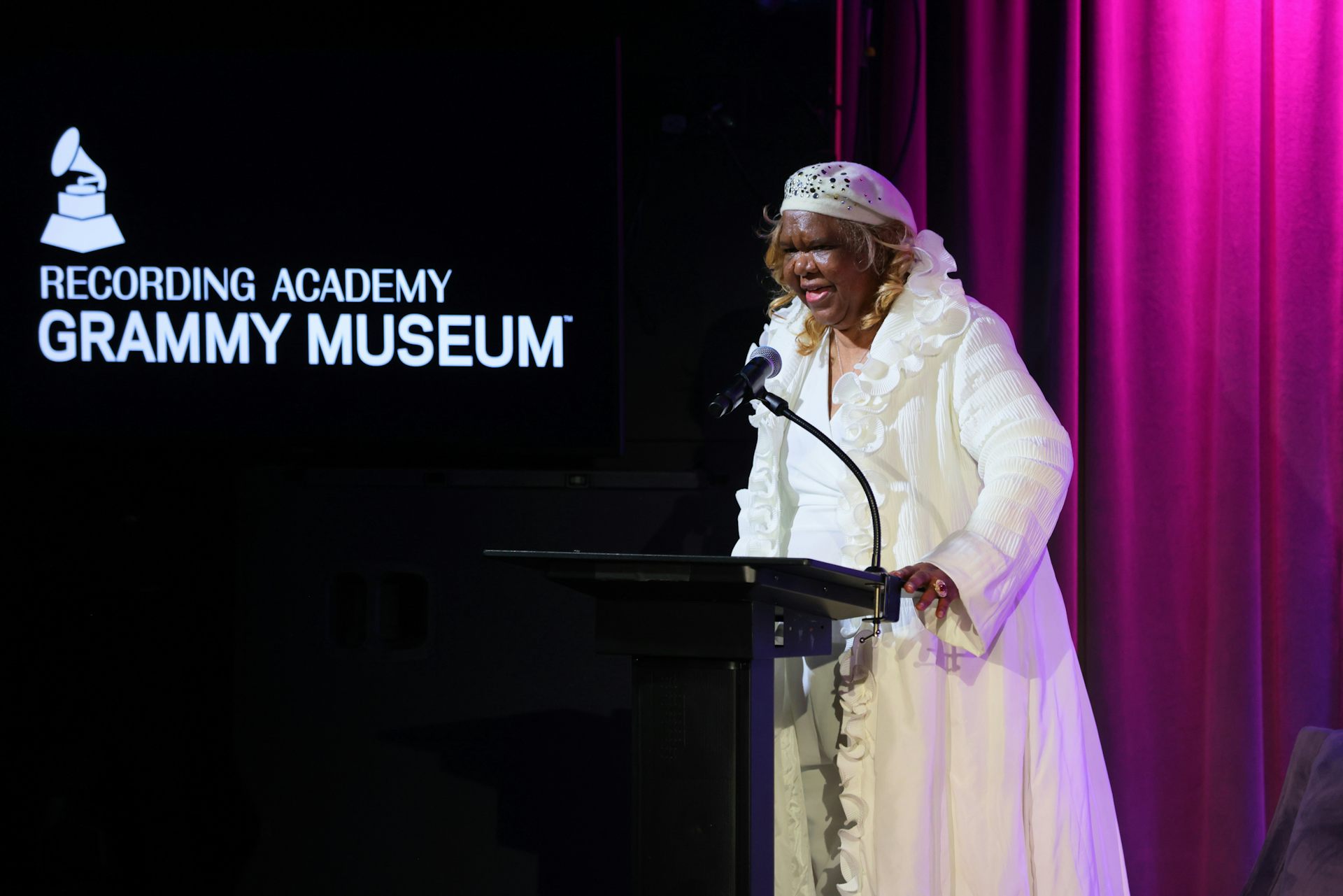
Later, Bradford co-wrote “Contract on Love” for Wonder and “Too Busy Thinking About My Baby,” first recorded by The Temptations and later, Marvin Gaye. Bradford, who later became Motown’s director of writer’s relations, teamed up with pianist Richard “Popcorn” Wylie in the early 1960s to form Janard, a small production company.
Mais tarde, Bradford coescreveu “Contract on Love” para Wonder e “Too Busy Thinking About My Baby,” primeiro gravada pelos Temptations e depois por Marvin Gaye. Bradford, que mais tarde se tornou diretora de relações com escritores da Motown, se uniu ao pianista Richard “Popcorn” Wylie no início dos anos 60 para formar a Janard, uma pequena produtora.
Bradford’s collection of poetry is what captured Gordy’s attention, so he encouraged her to be a songwriter. Her witty lyrics told stories about situations that most anyone could relate to – namely, money and love – blended with up-tempo, thumping beats.
A coleção de poemas de Bradford foi o que chamou a atenção de Gordy, então ele a encorajou a ser compositora. Suas letras espirituosas contavam histórias sobre situações com as quais quase qualquer pessoa poderia se identificar – nomeadamente, dinheiro e amor – misturadas com batidas pulsantes e aceleradas.
Laying the foundation as a producer
Laying the foundation as a producer
Another key figure who paved the way with the Motown sound was Raynoma Gordy Singleton, who was married to Berry Gordy Jr. from 1960 to 1964. She organized Motown during its beginnings by completing the necessary paperwork to incorporate the business. Known as “Miss Ray” to some and “Mother Motown” to others, she located the legendary house at 2648 West Grand Boulevard that became the Motown headquarters and, decades later, the Motown Museum.
Outra figura chave que abriu caminho com o som Motown foi Raynoma Gordy Singleton, que foi casada com Berry Gordy Jr. de 1960 a 1964. Ela organizou a Motown em seus primórdios, completando a papelada necessária para incorporar o negócio. Conhecida como “Miss Ray” por alguns e “Mother Motown” por outros, ela localizou a lendária casa no 2648 West Grand Boulevard que se tornou a sede da Motown e, décadas depois, o Motown Museum.
In her role as the label’s first executive vice president, she established a tape library. A piano virtuoso and singer, the Cass Technical High School graduate wrote that she was able to play all string and wind instruments. As a result, she became the company’s first female arranger and producer by putting together its first backup vocal group, the Rayber Voices, in 1958.
Em seu papel de primeira vice-presidente executiva do selo, ela estabeleceu uma biblioteca de fitas. Pianista virtuosa e cantora, a graduada da Cass Technical High School escreveu que era capaz de tocar todos os instrumentos de cordas e sopro. Como resultado, ela se tornou a primeira arranjadora e produtora feminina da empresa ao montar seu primeiro grupo vocal de apoio, as Rayber Voices, em 1958.
“Producing records was where the action was controlled – and where the money was to be made,” she wrote in her memoir, “The Untold Story: Berry, Me, and Motown,” which aimed to reclaim her place in the Motown echelon.
“Produzir discos era onde a ação era controlada – e onde o dinheiro seria feito”, escreveu ela em suas memórias, “The Untold Story: Berry, Me, and Motown”, que visava recuperar seu lugar no escalão da Motown.
During the 1960s, women weren’t considered producers because of broader biases and norms in the male-dominated music industry. Even so, Miss Ray got credit for producing Jimmy Ruffin’s song “Don’t Feel Sorry for Me” in 1961.
Durante a década de 1960, as mulheres não eram consideradas produtoras devido a vieses e normas mais amplos na indústria musical dominada por homens. Mesmo assim, Miss Ray recebeu crédito por produzir a música “Don’t Feel Sorry for Me” de Jimmy Ruffin em 1961.
Earning a producer’s credit was a sign of legitimacy. Most producers received a songwriting credit and determined who received credit in the liner notes for their contribution to the recording.
Conseguir o crédito de produtora era um sinal de legitimidade. A maioria dos produtores recebia um crédito de composição e determinava quem recebia crédito nas notas de rodapé por sua contribuição para a gravação.
While women mostly worked in administrative roles at Motown, there still weren’t any female full-time, in-house songwriters and producers. Like the rest of the music industry back then, Motown’s internal structure was patriarchal with those positions.
Embora as mulheres trabalhassem principalmente em funções administrativas na Motown, ainda não havia compositores e produtores internos em tempo integral. Assim como o resto da indústria musical naquela época, a estrutura interna da Motown era patriarcal quanto a essas posições.
The first certified female songwriter and producer
A primeira compositora e produtora mulher certificada
Yet this imbalanced gender dynamic at Motown didn’t stop Sylvia Moy.
No entanto, essa dinâmica de gênero desequilibrada na Motown não parou Sylvia Moy.
There hadn’t been any women producers behind significant, popular songs at Motown until Moy arrived, according to interviews I conducted for her biography.
Não havia produtoras mulheres por trás de músicas populares e significativas na Motown até a chegada de Moy, de acordo com entrevistas que realizei para sua biografia.
Motown was at its peak in 1964. Demand for new songs was intense. When the label’s executives realized how skillfully the two audition songs Moy performed were composed, they decided that her future was in songwriting instead of singing.
A Motown estava em seu auge em 1964. A demanda por novas músicas era intensa. Quando os executivos do selo perceberam o quão habilmente as duas músicas de audição que Moy apresentou foram compostas, eles decidiram que o futuro dela estava na composição de canções em vez de cantar.
Discovered by William “Mickey” Stevenson and Marvin Gaye, Moy was hired as the first female in-house songwriter, competing with eminent colleagues like Smokey Robinson, Norman Whitfield and the songwriting trio Holland-Dozier-Holland who wrote 10 of the Supremes’ chart-topping singles. Moy made more history in 1965 after co-writing and co-producing Stevie Wonder’s “Uptight (Everything’s Alright) .”
Descoberta por William “Mickey” Stevenson e Marvin Gaye, Moy foi contratada como a primeira compositora interna mulher, competindo com colegas eminentes como Smokey Robinson, Norman Whitfield e o trio de composição Holland-Dozier-Holland, que escreveram 10 dos singles de sucesso das Supremes. Moy fez mais história em 1965 ao coescrever e coproduzir “Uptight (Everything’s Alright) ” de Stevie Wonder.
While she received the songwriting credit and helped revive the teenaged Wonder’s career, Moy wasn’t given the producer’s credit, unlike her two male counterparts, Stevenson and Henry “Hank” Cosby.
Embora ela tenha recebido o crédito de composição e ajudado a reavivar a carreira do jovem Wonder, Moy não recebeu o crédito de produtora, ao contrário de seus dois colegas homens, Stevenson e Henry “Hank” Cosby.
A lack of recognition stymied Moy’s career opportunities. If a songwriter or producer wasn’t credited, their value could not be validated or established, which made it harder for them to find work at other record labels.
A falta de reconhecimento freou as oportunidades de carreira de Moy. Se um compositor ou produtor não recebesse crédito, seu valor não poderia ser validado ou estabelecido, o que tornava mais difícil para ela encontrar trabalho em outros selos de discos.
According to my research, Moy revealed that she never got producer credit for any of her work while at Motown. This is why her legacy was buried for so long.
De acordo com minha pesquisa, Moy revelou que nunca recebeu crédito de produtora por nenhum de seus trabalhos na Motown. É por isso que seu legado ficou enterrado por tanto tempo.
Other tunes she wrote for Wonder were “I Was Made to Love Her,” “My Cherie Amour” and “With A Child’s Heart,” co-written with Vicki Basemore. Moy also wrote Marvin Gaye and Kim Weston’s “It Takes Two” and The Isley Brothers’ “This Old Heart of Mine (Is Weak For You) .” Though songwriter Eddie Holland told me he gave her a co-writing credit for “This Old Heart of Mine,” Moy’s name was not listed on the record, only Holland-Dozier-Holland.
Outras músicas que ela escreveu para Wonder foram “I Was Made to Love Her”, “My Cherie Amour” e “With A Child’s Heart”, coescritas com Vicki Basemore. Moy também escreveu “It Takes Two” de Marvin Gaye e Kim Weston e “This Old Heart of Mine (Is Weak For You) ” dos The Isley Brothers. Embora o compositor Eddie Holland tenha me dito que lhe deu um crédito de coautoria por “This Old Heart of Mine”, o nome de Moy não estava listado no disco, apenas Holland-Dozier-Holland.
Interviews I conducted with Moy’s family members and research from an ethnomusicologist suggest she was even an uncredited co-writer for Wonder’s “Signed, Sealed, Delivered (I’m Yours) ,” his first song as a solo producer, and The Temptations’ “Ain’t Too Proud to Beg.”
Entrevistas que realizei com os membros da família de Moy e pesquisas de um etnomusicólogo sugerem que ela foi até mesmo uma coescritora não creditada de “Signed, Sealed, Delivered (I’m Yours) ” de Wonder, sua primeira música como produtor solo, e de “Ain’t Too Proud to Beg” dos The Temptations.
However, Holland denied this claim in an interview with me, though he also admitted that the song’s late co-writer and producer, Norman Whitfield, presented him with the lyrics, and he wasn’t sure where they came from.
No entanto, Holland negou essa alegação em uma entrevista comigo, embora também tenha admitido que o coescritor e produtor tardio da música, Norman Whitfield, lhe apresentou as letras, e ele não tinha certeza de onde elas vieram.
Full credit along with creative control
Crédito total junto com controle criativo
In 1968, Valerie Simpson became Motown’s first female songwriter to also receive a producer credit. This possibly happened because her songwriting partner was her husband, Nickolas Ashford.
Em 1968, Valerie Simpson tornou-se a primeira compositora feminina da Motown a receber também um crédito de produtora. Isso pode ter acontecido porque seu parceiro de composição era seu marido, Nickolas Ashford.
Other famous female songwriters like Carole King, Ellie Greenwich and Cynthia Weil also had a prominent husband in the music industry. Sylvia Moy did not, which made what she did unprecedented.
Outras compositoras famosas, como Carole King, Ellie Greenwich e Cynthia Weil, também tinham um marido proeminente na indústria musical. Sylvia Moy não tinha, o que tornou o que ela fez sem precedentes.
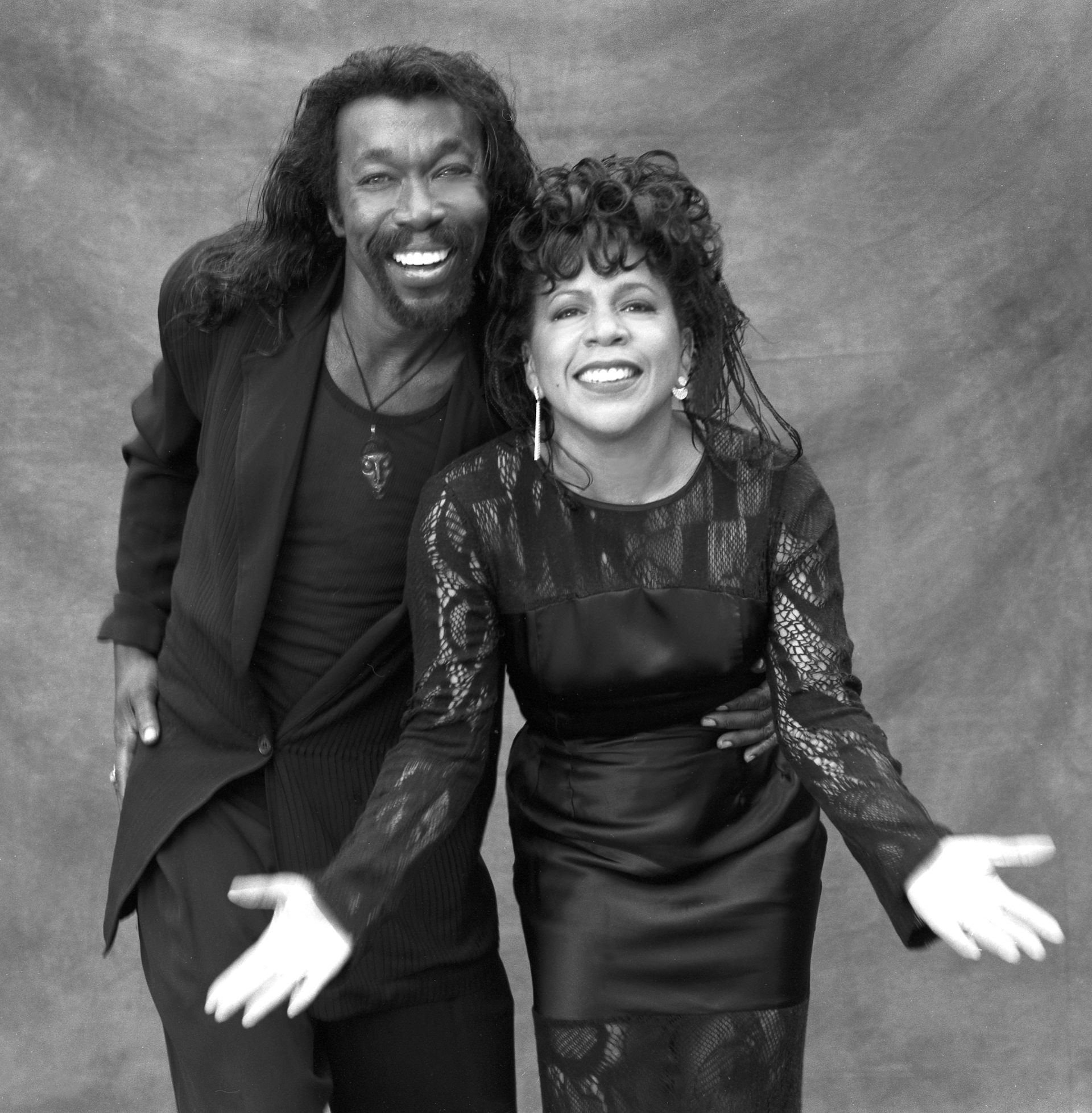
Simpson told Billboard in 2023 that the credit was difficult to attain because so few women were producers back then. It finally happened with the Tammi Terrell and Marvin Gaye song “Ain’t Nothing Like The Real Thing,” with Simpson getting credit for co-writing, co-producing and performing background vocals along with Ashford.
Simpson disse à Billboard em 2023 que o crédito era difícil de ser alcançado porque poucas mulheres eram produtoras naquela época. Finalmente aconteceu com a música “Ain’t Nothing Like The Real Thing”, de Tammi Terrell e Marvin Gaye, com Simpson recebendo crédito por co-escrita, co-produção e performance de vocais de fundo junto com Ashford.
This was their third hit tune by Terrell and Gaye, who also recorded “Ain’t No Mountain High Enough” and “Your Precious Love,” in 1967. The following year, they had another hit with “You’re All I Need to Get By,” which Ashford and Simpson also co-wrote, co-produced and did background vocals on.
Esta foi a terceira música sucesso de Terrell e Gaye, que também gravaram “Ain’t No Mountain High Enough” e “Your Precious Love”, em 1967. No ano seguinte, eles tiveram outro sucesso com “You’re All I Need to Get By”, que Ashford e Simpson também co-escreveram, co-produziram e fizeram os vocais de fundo.
Simpson became the first Black woman to be inducted into the Songwriters Hall of Fame in 2002. Moy became the second in 2006.
Simpson tornou-se a primeira mulher negra a ser induzida ao Songwriters Hall of Fame em 2002. Moy foi a segunda em 2006.
Though female songwriters and producers continue the fight for inclusion in the recording studio, the doors were opened by the tenacious women of Motown. It is because of them that future generations of female creatives know what is possible.
Embora as compositoras e produtoras continuem a luta pela inclusão no estúdio de gravação, as portas foram abertas pelas mulheres tenazes da Motown. É por causa delas que as futuras gerações de criativas femininas sabem o que é possível.
Margena A. Christian does not work for, consult, own shares in or receive funding from any company or organization that would benefit from this article, and has disclosed no relevant affiliations beyond their academic appointment.
Margena A. Christian não trabalha, não consulta, não possui ações ou não recebe financiamento de nenhuma empresa ou organização que se beneficiaria deste artigo, e não divulgou afiliações relevantes além de seu cargo acadêmico.
Read more
-

Após uma cúpula opaca, China e EUA querem trabalhar juntos novamente. Isso pode não ser uma boa notícia para o mundo.
After an opaque summit, China and the US want to work together again. That might not be good news for the world
-
Andy Burnham: o que esperar do próximo provável primeiro-ministro do Reino Unido
Andy Burnham: what to expect from the UK’s likely next prime minister