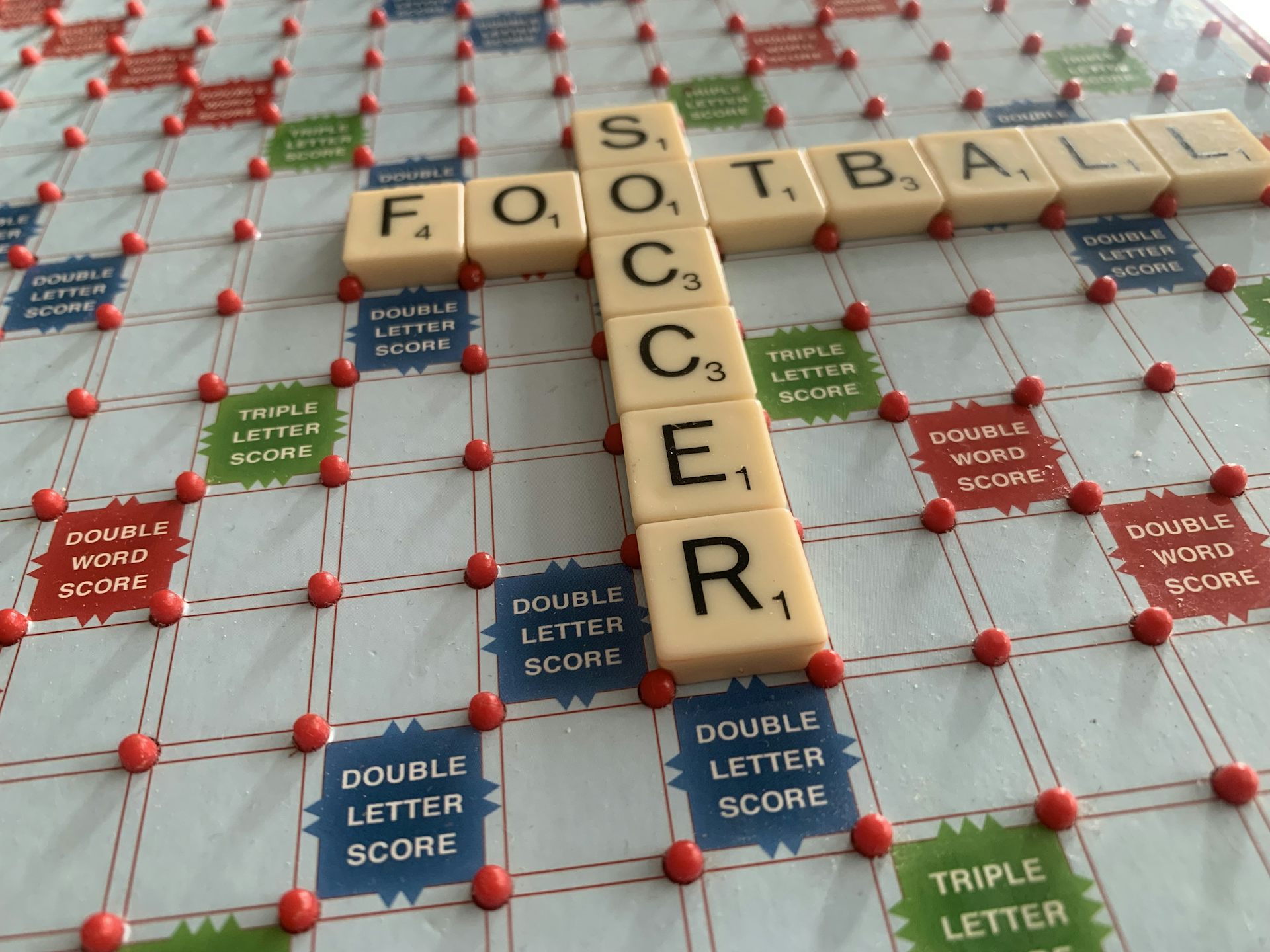
‘Soccer’ adalah istilah yang bagus untuk permainan indah – jangan biarkan snob ‘sepak bola’ atau presiden mana pun mengatakan sebaliknya di Piala Dunia ini
‘Soccer’ is a fine term for the beautiful game – don’t let any ‘football’ snob or president tell you otherwise this World Cup
‘Soccer’ originated as a slang term in the 1880s and continues to be used around the world today. So why are some people squeamish about the term?
‘Soccer’ berasal sebagai istilah gaul pada tahun 1880-an dan terus digunakan di seluruh dunia hingga hari ini. Jadi, mengapa beberapa orang merasa enggan dengan istilah tersebut?
At the 2026 World Cup draw, FIFA Peace Prize recipient and U.S. President Donald Trump announced that the game should really be called “football.”
Pada undian Piala Dunia 2026, penerima Hadiah Perdamaian FIFA dan Presiden AS Donald Trump mengumumkan bahwa permainan itu seharusnya benar-benar disebut “football.”
“There’s no question about it. We have to come up with another name for the NFL. It really doesn’t make any sense,” said Trump, an apparently new convert to the round-ball game.
“Tidak ada keraguan tentang itu. Kita harus mencari nama lain untuk NFL. Itu benar-benar tidak masuk akal,” kata Trump, yang tampaknya baru beralih ke permainan bola bundar ini.
He isn’t alone. The word “soccer” is, in some parts of the world, shunned by some fans.
Dia tidak sendirian. Kata “soccer” di beberapa bagian dunia, dijauhi oleh beberapa penggemar.
Indeed, as a scholar of the sport who teaches a course called Soccer and Global Politics, I am bombarded with comments that the word “soccer” does not make any sense, and that people who use that term obviously know nothing about the beautiful game.
Memang, sebagai seorang akademisi olahraga yang mengajar mata kuliah bernama Soccer and Global Politics, saya dibombardir dengan komentar bahwa kata “soccer” tidak masuk akal, dan bahwa orang yang menggunakan istilah itu jelas tidak tahu apa-apa tentang permainan indah ini.
To me, this disparagement of the word “soccer” is not only petty and tiresome – it is also incorrect. It ignores the roots of the sport and the development of the language of the game.
Bagi saya, penghinaan terhadap kata “soccer” ini tidak hanya sepele dan melelahkan – tetapi juga salah. Ini mengabaikan akar olahraga dan perkembangan bahasa permainannya.
Rather than making the word taboo, the football ecosystem should embrace it. To understand why, let’s go back to the beginning.
Daripada menjadikannya kata terlarang, ekosistem sepak bola harus merangkulnya. Untuk memahami alasannya, mari kita kembali ke awal.
Associated to ‘assoc’ and then ‘soccer’
Terkait dengan ‘assoc’ dan kemudian ‘soccer’
The game has been around in various forms for centuries, but it began to be codified in the mid-19th century.
Permainan ini telah ada dalam berbagai bentuk selama berabad-abad, tetapi mulai dikodifikasi pada pertengahan abad ke-19.
“Association Football” was coined in 1863 to distinguish the game from rugby football, which, somewhat ironically, is played largely with the ball in hand.
“Association Football” diciptakan pada tahun 1863 untuk membedakan permainan ini dari rugby football, yang, agak ironisnya, sebagian besar dimainkan dengan bola di tangan.
British university students created their own slang at the time by abbreviating words and adding “-er” to them. Thus, “rugby” became “rugger” and “association football” was shortened to “assoc” and slanged to “soccer.”
Mahasiswa universitas Inggris menciptakan bahasa gaul mereka sendiri pada saat itu dengan menyingkat kata-kata dan menambahkan “-er” pada kata-kata tersebut. Dengan demikian, “rugby” menjadi “rugger” dan “association football” disingkat menjadi “assoc” dan menjadi bahasa gaul menjadi “soccer.”
And this term “soccer” was freely and proudly used in the British press and in public for nearly a century, until the 1980s.
Dan istilah “soccer” ini digunakan secara bebas dan bangga di pers Inggris dan di publik selama hampir satu abad, hingga tahun 1980-an.
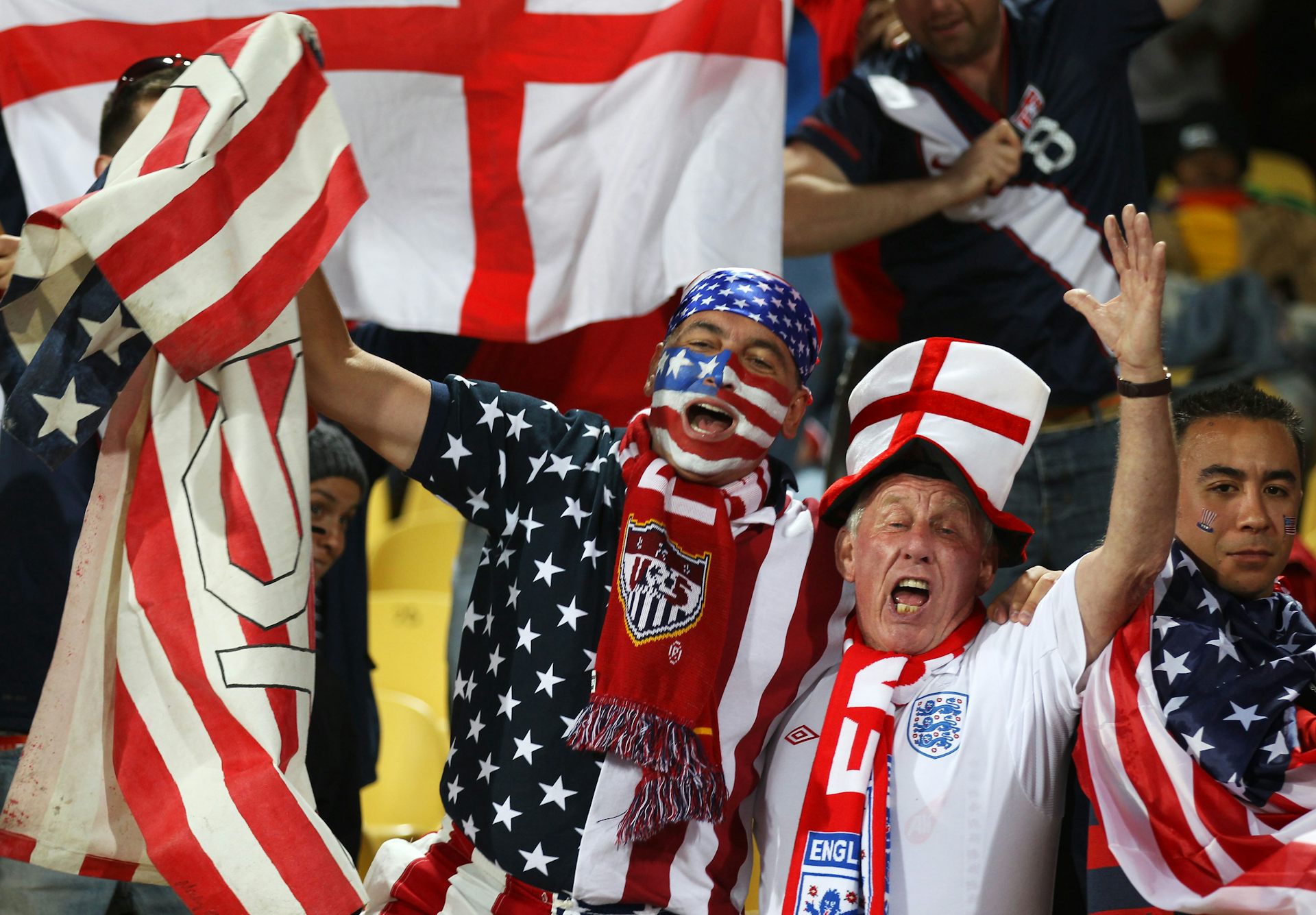
In countries with other established codes of football – American football, Australian rules football and Gaelic football in Ireland – “soccer” became the dominant term. But British fans began abandoning the word in the 1980s, largely as a response to the embrace of the term in the States. And now, in the U.K. especially – but also among fans in the U.S. and Canada who present as “true” fans of the game – there are attempts to shame those who use the very term that the British invented and proudly used.
Di negara-negara dengan kode sepak bola lain yang sudah mapan – American football, Australian rules football, dan Gaelic football di Irlandia – “soccer” menjadi istilah yang dominan. Tetapi penggemar Inggris mulai meninggalkan kata itu pada tahun 1980-an, sebagian besar sebagai respons terhadap penerimaan istilah tersebut di Amerika Serikat. Dan sekarang, di Inggris khususnya – tetapi juga di kalangan penggemar di A.S. dan Kanada yang menampilkan diri sebagai penggemar “sejati” permainan ini – ada upaya untuk mempermalukan mereka yang menggunakan istilah yang diciptakan dan digunakan dengan bangga oleh Inggris.
And that’s a pity. After all, using the word “soccer” has benefits. The British press continues to use “soccer” and “football” interchangeably to avoid repetitive writing. The shorter word is useful for tabloid editors when creating tight headlines. And using both words does not reveal that a person is ignorant but rather cosmopolitan.
Dan itu sangat disayangkan. Bagaimanapun, menggunakan kata “soccer” memiliki manfaat. Pers Inggris terus menggunakan “soccer” dan “football” secara bergantian untuk menghindari penulisan yang berulang. Kata yang lebih pendek berguna bagi editor tabloid saat membuat judul yang padat. Dan menggunakan kedua kata tersebut tidak menunjukkan bahwa seseorang itu bodoh, melainkan kosmopolitan.
The widespread use of “soccer” in Britain is still evident in the ongoing success of authoritative magazine World Soccer, founded in London in 1960; the TV show “Soccer AM,” which ran every Saturday from 1994 to 2023; the annual British charity match Soccer Aid; and Sky Sports’ “Soccer Saturday.” All document the enduring legacy of the term in Britain, despite the naysayers.
Penggunaan “soccer” yang meluas di Inggris masih terlihat dalam keberhasilan berkelanjutan majalah otoritatif World Soccer, yang didirikan di London pada tahun 1960; acara TV “Soccer AM,” yang tayang setiap hari Sabtu dari tahun 1994 hingga 2023; pertandingan amal tahunan Inggris Soccer Aid; dan “Soccer Saturday” dari Sky Sports. Semua mendokumentasikan warisan istilah yang abadi di Inggris, meskipun ada yang menentang.
A shared vernacular
Bahasa sehari-hari yang sama
The beautiful game is also a universal one with a language shared by some 4 billion people.
Permainan indah ini juga bersifat universal dengan bahasa yang dibagikan oleh sekitar 4 miliar orang.
Language evolves, and fans today equally understand “football,” “soccer,” “calcio,” “futebol” or “fútbol.”
Bahasa berevolusi, dan penggemar hari ini sama-sama memahami “football,” “soccer,” “calcio,” “futebol,” atau “fútbol.”
Embracing all the variations of the beautiful game enriches the conversation. It illustrates the sport’s globalization and universal language, a shared vernacular that cuts across identities.
Merangkul semua variasi dari permainan indah ini memperkaya percakapan. Ini menggambarkan globalisasi dan bahasa universal olahraga tersebut, sebuah kosakata bersama yang melintasi identitas.
And besides, nobody wants the war that would ensue if American football fans were forced to find another name!
Selain itu, tidak ada yang menginginkan perang yang akan terjadi jika penggemar sepak bola Amerika dipaksa mencari nama lain!
Kirk Bowman does not work for, consult, own shares in or receive funding from any company or organization that would benefit from this article, and has disclosed no relevant affiliations beyond their academic appointment.
Kirk Bowman tidak bekerja untuk, berkonsultasi, memiliki saham di, atau menerima pendanaan dari perusahaan atau organisasi apa pun yang akan mendapat manfaat dari artikel ini, dan tidak mengungkapkan afiliasi relevan selain jabatan akademiknya.
Read more
-

Mengapa pemerintah AS menangguhkan model AI terbaru Claude dari Anthropic
Why the US government shut down Anthropic’s latest Claude AI model
-
Penambangan emas ilegal menyebabkan lonjakan malaria di Amazon, dan asosiasi ini jauh lebih buruk dari yang kami duga
Illegal gold mining causes surges in malaria in the Amazon, and the association is far worse than we suspected