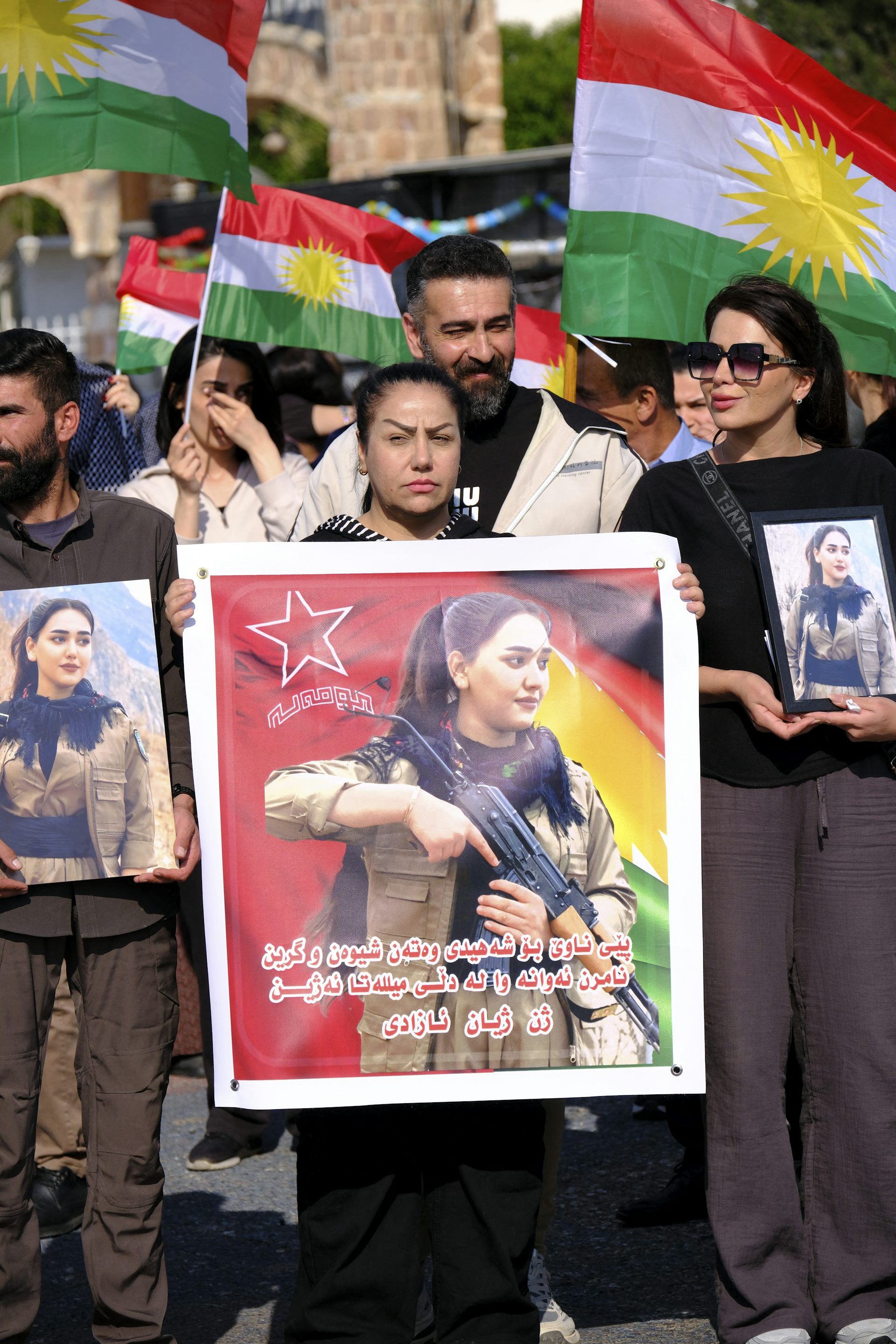
‘यह एक कलंक है’: अमेरिका ने फिर से कुर्दों को छोड़ दिया – और इस बार, ट्रम्प उनका अपमान भी कर रहे हैं।
‘It’s a disgrace’: the US has abandoned the Kurds again – and this time, Trump is insulting them to boot
The US president is trying to shift the blame for his failures in Iran – and the Kurds are an easy scapegoat.
अमेरिकी राष्ट्रपति ईरान में अपनी विफलताओं का दोष मढ़ने की कोशिश कर रहे हैं – और कुर्दे एक आसान बलि का बकरा हैं।
The United States and Iran are preparing to finalise a peace deal that would end their war – at least for the time being – as well as Israel’s bombing of Lebanon.
संयुक्त राज्य अमेरिका और ईरान एक शांति समझौते को अंतिम रूप देने की तैयारी कर रहे हैं, जिससे उनका युद्ध – कम से कम फिलहाल के लिए – समाप्त हो जाएगा, साथ ही इज़राइल द्वारा लेबनान पर बमबारी भी रुक जाएगी।
Many key details remain to be negotiated, including the future of Iran’s nuclear program. Another issue that remains uncertain – how the deal will impact the Kurdish minority in northern Iran.
कई प्रमुख विवरणों पर अभी बातचीत करनी बाकी है, जिसमें ईरान के परमाणु कार्यक्रम का भविष्य शामिल है। एक और मुद्दा जो अनिश्चित बना हुआ है – कि यह समझौता उत्तरी ईरान में कुर्द अल्पसंख्यक को कैसे प्रभावित करेगा।
The United States and Israel have failed to achieve the main goal of their war: overthrowing the Islamic regime in Tehran. US President Donald Trump is now under pressure to end the war as quickly as possible – and answer for its failures.
संयुक्त राज्य अमेरिका और इज़राइल अपने युद्ध के मुख्य लक्ष्य को प्राप्त करने में विफल रहे हैं: तेहरान में इस्लामी शासन को उखाड़ फेंकना। अमेरिकी राष्ट्रपति डोनाल्ड ट्रम्प अब इस युद्ध को जल्द से जल्द समाप्त करने – और इसकी असफलताओं के लिए जवाब देने – के दबाव में हैं।
Instead, in recent days, he has reiterated an allegation the US sent weapons to the Kurds in the early days of the war to help overthrow the regime. Trump claims the Kurds kept the weapons for themselves.
इसके बजाय, हाल के दिनों में, उन्होंने एक आरोप दोहराया है कि अमेरिका ने शुरुआत में कुर्द को यह शासन उखाड़ फेंकने में मदद करने के लिए हथियार भेजे थे। ट्रम्प का दावा है कि कुर्द ने वे हथियार अपने पास रखे।
The Kurds let us down […] I think it’s a disgrace, but I’ll remember that, Kurds.
कुर्द ने हमें निराश किया […] मुझे लगता है कि यह शर्म की बात है, लेकिन मैं इसे याद रखूंगा, कुर्द।
For the Kurds, this is not surprising. This kind of rhetoric follows a historical trend. Washington has long promised the Kurds support in exchange for their help in Syria and Iraq, only to abandon them later.
कुर्द के लिए, यह कोई आश्चर्य नहीं है। इस तरह की बयानबाजी एक ऐतिहासिक प्रवृत्ति का अनुसरण करती है। वाशिंगटन ने लंबे समय तक सीरिया और इराक में उनकी मदद के बदले कुर्द को समर्थन देने का वादा किया था, लेकिन बाद में उन्हें छोड़ दिया।
Who are the Kurds?
कुर्द कौन हैं?
The Kurds are the world’s largest ethnic group without sovereignty over their own land.
कुर्द दुनिया का सबसे बड़ा जातीय समूह है जिसे अपनी भूमि पर संप्रभुता प्राप्त नहीं है।
The estimated population of 35-45 million (or higher) is divided among four countries – Iran, Iraq, Syria and Turkey – a legacy of the Sykes-Picot Agreement that carved up the Ottoman Empire in 1916.
अनुमानित 35-45 मिलियन (या इससे अधिक) आबादी चार देशों – ईरान, इराक, सीरिया और तुर्की – में बंटी हुई है। यह विभाजन साइक्स-पिकोट समझौते की विरासत है, जिसने 1916 में ओटोमन साम्राज्य को विभाजित किया था।
In Iran, their population is estimated at between 7-15 million people – one of the country’s largest minority groups. They have long posed a threat to the Iranian regime, with opposition groups having taken up arms and setting up bases in neighbouring Iraq.
ईरान में, उनकी आबादी 7-15 मिलियन लोगों के बीच अनुमानित है – जो देश के सबसे बड़े अल्पसंख्यक समूहों में से एक है। उन्होंने लंबे समय से ईरानी शासन को खतरा पहुंचाया है, क्योंकि विपक्षी समूह हथियार उठा चुके हैं और पड़ोसी इराक में ठिकाने बना चुके हैं।
Before the US-Israel-Iran war broke out, six of the opposition groups formed a coalition aimed at ousting the Islamic regime.
अमेरिका-इज़राइल-ईरान युद्ध छिड़ने से पहले, विपक्षी समूहों में से छह ने इस्लामी शासन को उखाड़ फेंकने का लक्ष्य रखते हुए एक गठबंधन बनाया था।
Their potential role, then, in the future of the region’s political landscape cannot be ignored.
इसलिए, क्षेत्र के राजनीतिक परिदृश्य के भविष्य में उनकी संभावित भूमिका को नज़रअंदाज़ नहीं किया जा सकता है।
Were US weapons going to the Kurds?
क्या अमेरिकी हथियार कुर्दों को जा रहे थे?
In early March, CNN reported the Central Intelligence Agency (CIA) was working to arm the Kurds in Iran to lead a popular uprising against the regime.
मई की शुरुआत में, सीएनएन ने रिपोर्ट किया था कि केंद्रीय खुफिया एजेंसी (CIA) शासन के खिलाफ एक लोकप्रिय विद्रोह का नेतृत्व करने के लिए ईरान में कुर्दों को हथियारबंद करने पर काम कर रही थी।
However, Kurdish parties claimed the US had not engaged with them directly, continuing a long-running lack of support for their cause. Trump himself also poured cold water on the plan. This issue is quite sensitive regionally, as any plan to arm Kurds would be opposed by the US’ ally, Turkey.
हालांकि, कुर्द पार्टियों ने दावा किया कि अमेरिका ने उनसे सीधे तौर पर कोई जुड़ाव नहीं किया है, और उनके कारण को समर्थन देने की कमी जारी रखी है। ट्रम्प ने भी इस योजना पर ठंडा पानी डाला। यह मुद्दा क्षेत्रीय रूप से काफी संवेदनशील है, क्योंकि कुर्दों को हथियारबंद करने की कोई भी योजना अमेरिकी सहयोगी, तुर्की द्वारा विरोध की जाएगी।
Months later, though, Trump publicly accused the Kurds of seizing weapons his administration sent to protesters opposing Iran. He said:
महीनों बाद, हालांकि, ट्रम्प ने सार्वजनिक रूप से कुर्दों पर आरोप लगाया कि उन्होंने वे हथियार जब्त कर लिए जो उनके प्रशासन ने ईरान का विरोध करने वाले प्रदर्शनकारियों को भेजे थे। उन्होंने कहा:
Yes, the Kurds are tough fighters, but they have endless demands. The Kurds take, take, take.
हाँ, कुर्द लड़ाके मजबूत हैं, लेकिन उनकी मांगें अंतहीन हैं। कुर्द लेते हैं, लेते हैं, लेते हैं।
The Kurdistan regional government in Iraq categorically denied receiving any weapons from the US, as did Iranian Kurdish parties. In fact, they expressed surprise at Trump’s seemingly irresponsible remarks.
इराक में कुर्दिश क्षेत्रीय सरकार और ईरानी कुर्द पार्टियों ने दोनों ने स्पष्ट रूप से अमेरिकी से कोई हथियार प्राप्त करने से इनकार किया। वास्तव में, उन्होंने ट्रम्प की कथित तौर पर गैर-जिम्मेदाराना टिप्पणियों पर आश्चर्य व्यक्त किया।
US Secretary of State Marco Rubio attempted to contain the situation, explaining Trump’s comments were a general expression of support for the Iranian people and not a confirmation of any secret arms deals.
अमेरिकी विदेश सचिव मार्को रुबियो ने स्थिति को नियंत्रित करने का प्रयास किया, यह समझाते हुए कि ट्रम्प की टिप्पणी ईरानी लोगों के लिए समर्थन की सामान्य अभिव्यक्ति थी न कि किसी गुप्त हथियार सौदे की पुष्टि।
But late last week, Trump made the accusation again in an interview with Fox News, saying he had “disagreed” with the US plan to send weapons to the Kurds in the first place.
लेकिन पिछले सप्ताह के अंत में, ट्रम्प ने फॉक्स न्यूज़ के साथ एक साक्षात्कार में फिर से आरोप लगाया, जिसमें कहा गया कि वह शुरू से ही कुर्दों को हथियार भेजने की अमेरिकी योजना से “असहमत” थे।
So, the question remains: did the US and Kurds have a secret plan, and if so, what happened?
तो, सवाल बना हुआ है: क्या अमेरिका और कुर्द का कोई गुप्त प्लान था, और यदि हाँ, तो क्या हुआ?
One possible answer, according to a former Israeli intelligence chief, is that Turkish President Recep Tayyip Erdoğan talked Trump out of it, due to Turkey’s fears of a future independent Kurdish state in the region.
एक पूर्व इज़राइली खुफिया प्रमुख के अनुसार, एक संभावित जवाब यह है कि तुर्की के राष्ट्रपति रेसेप तैय्यप एर्दोगन ने ट्रम्प को इससे दूर किया, क्योंकि क्षेत्र में भविष्य की स्वतंत्र कुर्द राज्य की आशंका थी।
A history of abandonment
परित्याग का इतिहास
Henry Kissinger once said, “politics is not charity”. The quote perfectly encapsulates the way the US has historically treated the Kurds.
हेनरी किसिंगर ने एक बार कहा था, “राजनीति कोई दान नहीं है।” यह उद्धरण पूरी तरह से उस तरीके को समाहित करता है जिस तरह अमेरिका ने ऐतिहासिक रूप से कुर्दों के साथ व्यवहार किया है।
The Kurds have learned the US – or any power, for that matter – isn’t to be trusted, because politics is inherently unpredictable, with nations often acting in their own interests. Several moments in history illustrate this:
कुर्डों ने सीख लिया है कि अमेरिका – या वास्तव में कोई भी शक्ति – पर भरोसा नहीं किया जा सकता, क्योंकि राजनीति स्वाभाविक रूप से अप्रत्याशित होती है, और राष्ट्र अक्सर अपने स्वयं के हितों में कार्य करते हैं। इतिहास के कई पल इसे दर्शाते हैं:
the global silence in 1988 when Iraqi dictator Saddam Hussein used chemical weapons against the Kurds, killing thousands
1988 में वैश्विक चुप्पी जब इराक के तानाशाह सद्दाम हुसैन ने कुर्दों के खिलाफ रासायनिक हथियारों का इस्तेमाल किया, जिससे हजारों लोग मारे गए
the indifference the world has shown to the Turkish government’s systematic oppression of the Kurds
तुर्की सरकार द्वारा कुर्दों पर व्यवस्थित अत्याचारों के प्रति दुनिया की उदासीनता
the US abandonment of its commitments to the Kurds in Iraq after the fall of Hussein’s regime in 2003
2003 में हुसैन शासन के पतन के बाद कुर्द को दिए गए अमेरिकी वादों का अमेरिका द्वारा त्याग
the opposition in the West to a Kurdish independence referendum in 2017
2017 में कुर्द स्वतंत्रता जनमत संग्रह के विरोध में पश्चिम का रुख
Trump’s decision to withdraw US forces from Kurdish-controlled Syria in 2019, which enabled Turkey to invade with its forces
2019 में ट्रम्प का कुर्द-नियंत्रित सीरिया से अमेरिकी सेनाओं को वापस बुलाने का निर्णय, जिससे तुर्की को अपनी सेनाओं के साथ आक्रमण करने में मदद मिली
and the negative US stance towards Kurdish forces during the Syrian government’s offensive against them this year.
और इस साल सीरियाई सरकार द्वारा कुर्दों पर किए गए हमले के दौरान कुर्द सेनाओं के प्रति नकारात्मक अमेरिकी रुख।
This, along with other similar events, demonstrated, at the very least, an American coldness towards the Kurds.
यह, अन्य समान घटनाओं के साथ मिलकर, कम से कम, कुर्दों के प्रति एक अमेरिकी शीतलता का प्रदर्शन था।
In short, America’s relations with Turkey, Syria and Iraq matter more than the Kurds. Even countries without Kurdish populations are influencing the US position on the Kurds, as American interests in the region remain key.
संक्षेप में, अमेरिका के लिए तुर्की, सीरिया और इराक के साथ संबंध कुर्दों से अधिक मायने रखते हैं। यहां तक कि कुर्द आबादी वाले देश भी कुर्दों पर अमेरिकी स्थिति को प्रभावित कर रहे हैं, क्योंकि क्षेत्र में अमेरिकी हित महत्वपूर्ण बने हुए हैं।
In this context, some influential figures in the US government see the Kurds as a force to be used when needed. This has hurt Kurdish pride, which partly explains why they did not join the recent war by the US and Israel against the Iranian regime.
इस संदर्भ में, अमेरिकी सरकार के कुछ प्रभावशाली लोग कुर्दों को एक ऐसी शक्ति मानते हैं जिसका उपयोग जरूरत पड़ने पर किया जा सकता है। इससे कुर्द गौरव आहत हुआ है, जो आंशिक रूप से समझाता है कि वे हाल ही में ईरान शासन के खिलाफ अमेरिका और इज़राइल द्वारा किए गए युद्ध में क्यों शामिल नहीं हुए।
Setting their own agenda
अपना स्वयं का एजेंडा निर्धारित करना
In a phone conversation with me, a Kurdish official (who preferred not to be named) summed up all of this with great displeasure:
मुझसे हुई एक फ़ोन बातचीत में, एक कुर्द अधिकारी (जिन्होंने अपना नाम नहीं बताना चाहा) ने इन सब बातों का सारांश बहुत नाखुशी के साथ दिया:
Since 1991, Kurdish parties opposed to Iran have tried to reach out to America without success. Is it wise for the Kurds to fight others’ wars for uncertain rights in a chaotic world where the powerful act freely most of the time?.
1991 से, ईरान के विरोधी कुर्द दलों ने अमेरिका तक पहुंचने की कोशिश की लेकिन सफलता नहीं मिली। क्या कुर्द लोगों के लिए एक अराजक दुनिया में, जहाँ शक्तिशाली लोग ज़्यादातर समय स्वतंत्र रूप से कार्य करते हैं, अनिश्चित अधिकारों के लिए दूसरों के युद्ध लड़ना बुद्धिमानी है?
After decades of disappointment, the Kurds are now prioritising their own goals and their push for self-determination.
दशकों के निराशा के बाद, कुर्द अब अपने स्वयं के लक्ष्यों और आत्मनिर्णय की दिशा में अपने प्रयास को प्राथमिकता दे रहे हैं।
The authors do not work for, consult, own shares in or receive funding from any company or organisation that would benefit from this article, and have disclosed no relevant affiliations beyond their academic appointment.
लेखक किसी भी ऐसी कंपनी या संगठन के लिए काम नहीं करते हैं, उनसे सलाह नहीं लेते हैं, उनमें हिस्सेदारी नहीं रखते हैं, या उनसे फंडिंग प्राप्त नहीं करते हैं जिससे इस लेख को लाभ होगा, और उन्होंने अपनी शैक्षणिक नियुक्ति से परे कोई प्रासंगिक जुड़ाव का खुलासा नहीं किया है।
Read more
-
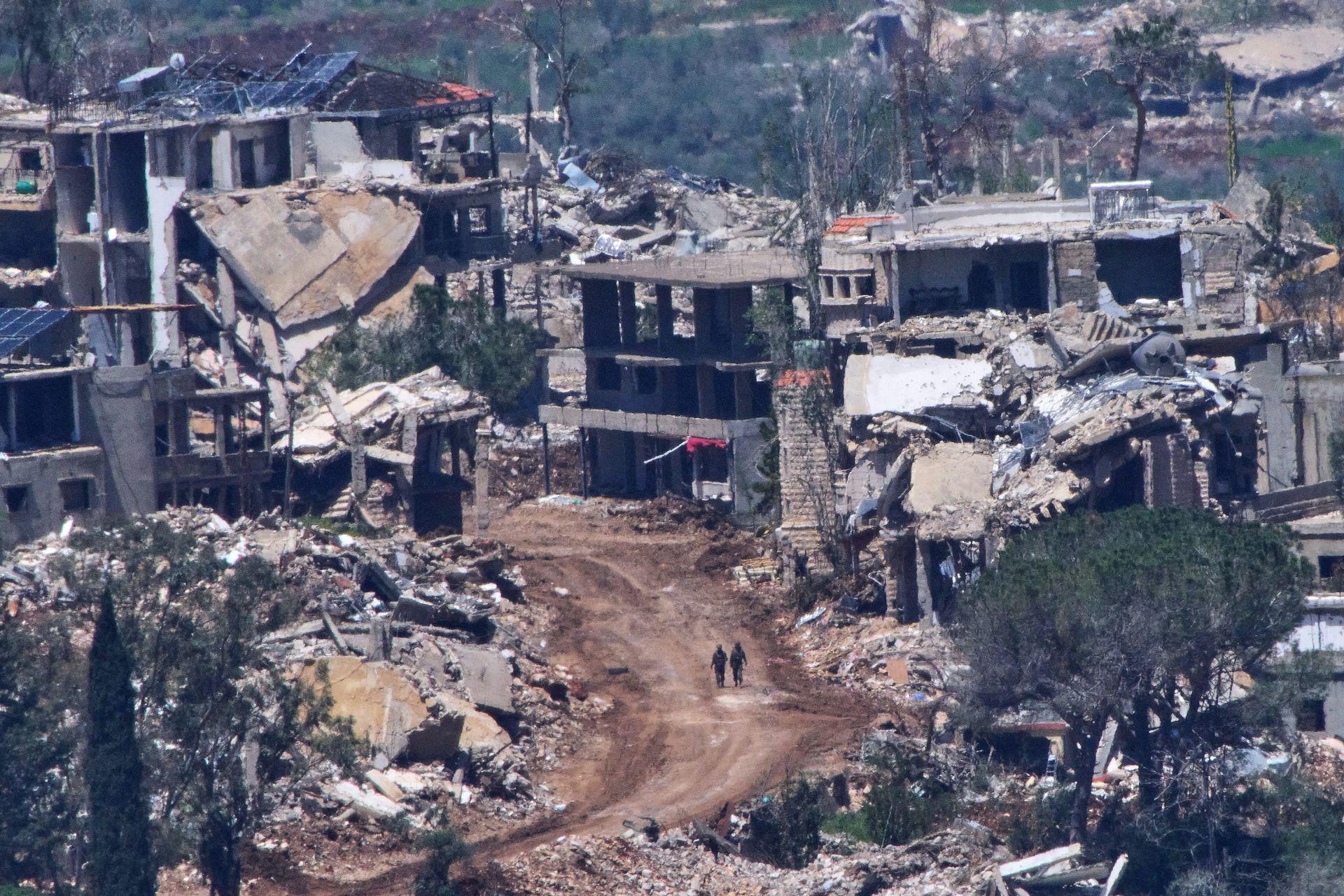
नेतान्याहू ने हिज़्बुल्लाह के खिलाफ ‘काम पूरा करने’ का वादा किया है। यह एक ऐसा वादा है जिसे वह निभा नहीं सकता।
Netanyahu has pledged to ‘finish the job’ against Hezbollah. It’s a promise he can’t deliver on
-
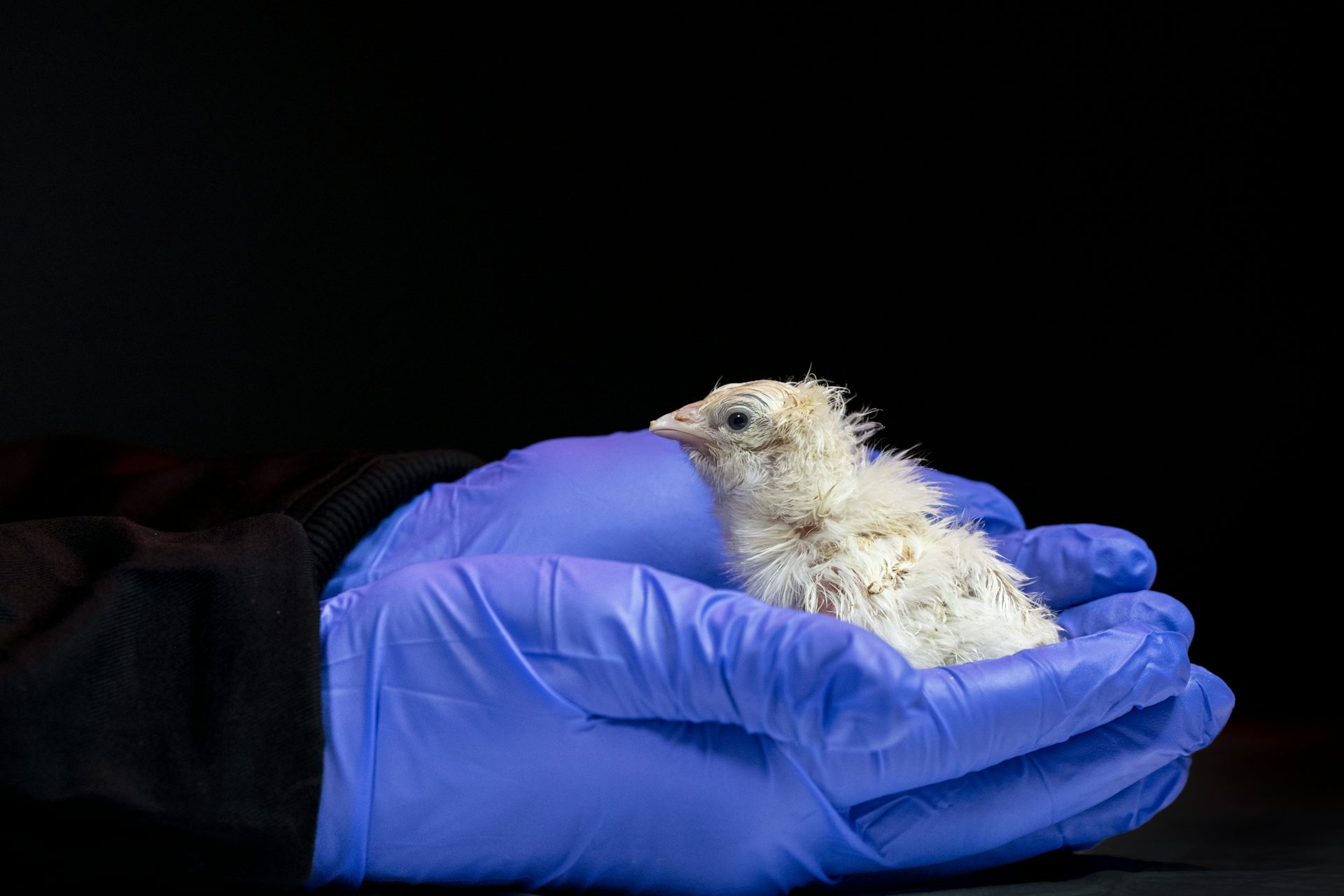
डी-एक्सटिंक्शन कंपनी का दावा: बनाया कृत्रिम अंडा – यदि सच है, तो यह जीवित प्रजातियों को बचाने में मदद कर सकता है
De-extinction company says it’s made an artificial egg – if true, it could help save living species