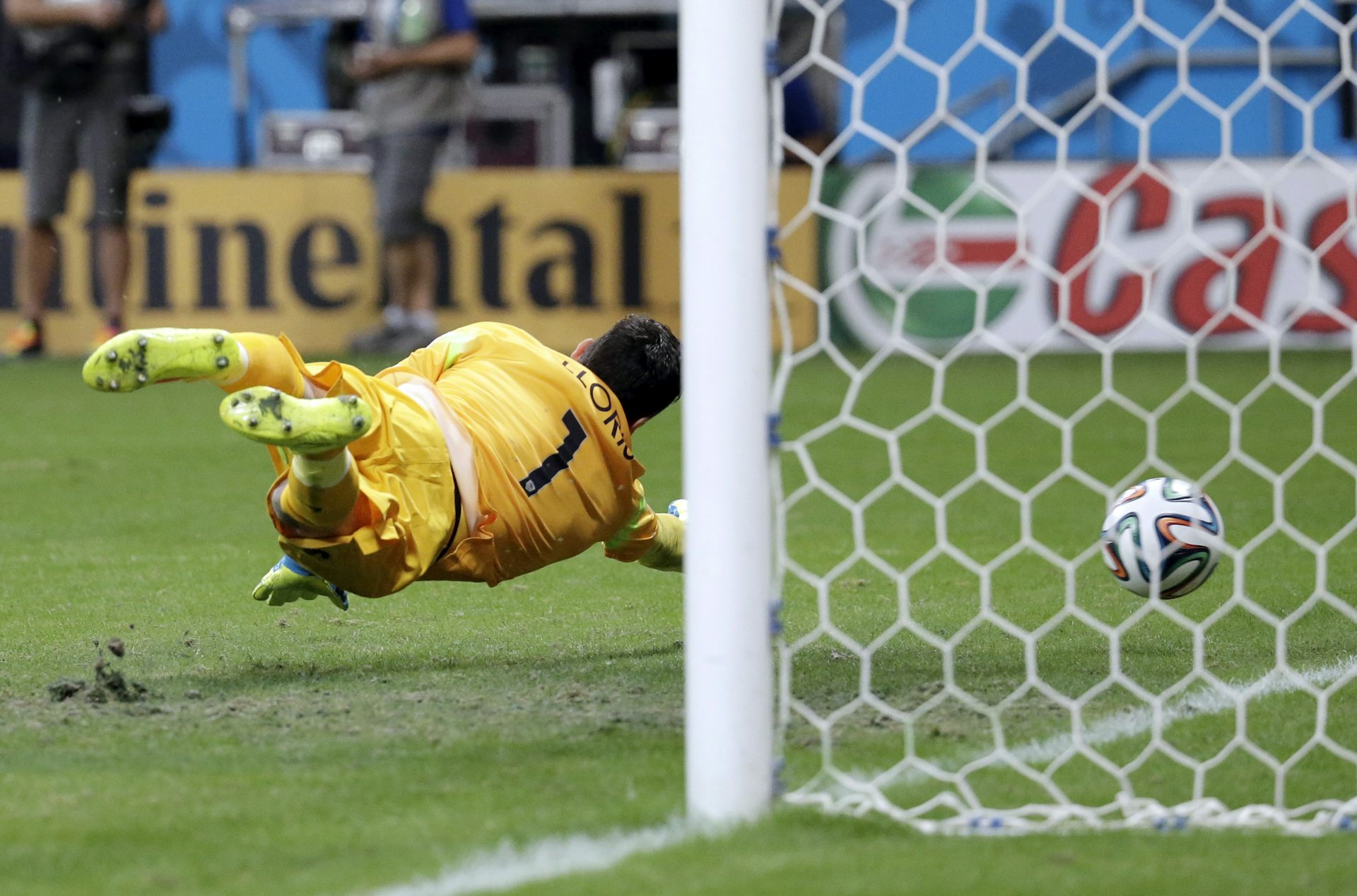
हमने फुटबॉल के अब तक के सबसे बड़े विश्व कप के लिए टर्फ डिज़ाइन किया – यहाँ बताया गया है कि हमने 3 देशों में एक जैसा खेलने का अनुभव कैसे बनाया
We designed the turf for soccer’s biggest World Cup ever – here’s how we created the same playing experience across 3 countries
The new playing fields are rolling out in stadiums from Mexico to Canada. Creating the perfect pitch in very different climates requires the right grasses and some creative tricks.
मेक्सिको से कनाडा तक के स्टेडियमों में नए खेल के मैदान लगाए जा रहे हैं। बहुत अलग-अलग जलवायु में एकदम सही पिच बनाना सही घास और कुछ रचनात्मक तरकीबों की मांग करता है।
With 104 matches in 16 stadiums across Canada, the United States and Mexico, the 2026 FIFA World Cup will be soccer’s biggest event ever.
कनाडा, संयुक्त राज्य अमेरिका और मेक्सिको में 16 स्टेडियमों में 104 मैचों के साथ, 2026 फीफा विश्व कप फुटबॉल का अब तक का सबसे बड़ा आयोजन होगा।
It’s our job as turfgrass researchers hired by FIFA, the game’s governing body, to make sure those pitches feel the same for players and that the grass thrives.
फीफा, खेल के शासी निकाय, द्वारा नियुक्त टर्फग्रास शोधकर्ताओं के रूप में हमारा काम यह सुनिश्चित करना है कि वे मैदान खिलाड़ियों के लिए एक जैसे महसूस हों और घास स्वस्थ रहे।
That’s not so simple. In fact, it seemed like an impossible challenge at first.
यह इतना आसान नहीं है। वास्तव में, शुरुआत में यह एक असंभव चुनौती जैसा लगता था।
Picking the right turf
सही टर्फ चुनना
The scale of this job was unprecedented: three distinct climatic zones, over 3,100 miles between the farthest stadiums, and venues ranging from stadiums open to the heat of Mexico City and Miami to enclosed NFL stadiums in Dallas and Atlanta, to the cooler climates of Boston and Toronto.
इस काम का दायरा अभूतपूर्व था: तीन अलग-अलग जलवायु क्षेत्र, सबसे दूर के स्टेडियमों के बीच 3,100 मील से अधिक की दूरी, और ऐसे स्थल जो मेक्सिको सिटी और मियामी की गर्मी में खुले स्टेडियमों से लेकर डलास और अटलांटा में बंद एनएफएल स्टेडियमों तक, और बोस्टन और टोरंटो की ठंडी जलवायु तक फैले हुए हैं।
Despite the unique situations of each stadium, FIFA has a long list of rules for how the fields must be built. The grass has to be real but reinforced so it can handle a lot of games and ceremonies. Each field needs an automatic irrigation system, good drainage, built-in vacuum and vents to keep the grass and soil aerated, and artificial grow lights to keep the grass healthy.
प्रत्येक स्टेडियम की अनूठी परिस्थितियों के बावजूद, फीफा के पास इस बात के लिए नियमों की एक लंबी सूची है कि मैदान कैसे बनाए जाने चाहिए। घास असली होनी चाहिए लेकिन मजबूत भी होनी चाहिए ताकि वह कई खेल और समारोहों का सामना कर सके। प्रत्येक मैदान में एक स्वचालित सिंचाई प्रणाली, अच्छा जल निकासी, घास और मिट्टी को हवादार रखने के लिए अंतर्निहित वैक्यूम और वेंट, और घास को स्वस्थ रखने के लिए कृत्रिम ग्रो लाइट्स की आवश्यकता होती है।
Each host city is responsible for figuring out how to meet these requirements.
प्रत्येक मेजबान शहर इन आवश्यकताओं को पूरा करने का तरीका खोजने के लिए जिम्मेदार है।
Right now, eight of the 2026 host stadiums normally use artificial turf – how will they temporarily switch to real grass for the World Cup?
अभी, 2026 के मेजबान स्टेडियमों में से आठ सामान्य रूप से कृत्रिम टर्फ का उपयोग करते हैं – वे विश्व कप के लिए अस्थायी रूप से असली घास पर कैसे स्विच करेंगे?
Even trickier, five of the stadiums have domes, which means the grass gets less sunlight. How can they keep the grass alive for eight weeks?
इससे भी पेचीदा बात यह है कि पाँच स्टेडियमों में गुंबद (डोम) हैं, जिसका अर्थ है कि घास को कम धूप मिलती है। वे आठ सप्ताह तक घास को जीवित कैसे रख सकते हैं?
How can we make sure that a player competing in Philadelphia has the same on‑field experience as a player competing in Guadalajara or Seattle?
हम कैसे सुनिश्चित कर सकते हैं कि फिलाडेल्फिया में प्रतिस्पर्धा करने वाले खिलाड़ी को गुआडालाजारा या सिएटल में प्रतिस्पर्धा करने वाले खिलाड़ी के समान मैदान पर अनुभव मिले?
Our team at the University of Tennessee and Michigan State University has spent the past five years researching these questions to provide guidance to the host cities. Here, we’ll explore some of the most important questions we faced: which grass to grow, how it’s grown, how we plan to make it even stronger, and how to move it safely to each stadium.
यूनिवर्सिटी ऑफ टेनेसी और मिशिगन स्टेट यूनिवर्सिटी की हमारी टीम ने मेजबान शहरों को मार्गदर्शन देने के लिए पिछले पाँच वर्षों से इन सवालों पर शोध किया है। यहां, हम कुछ सबसे महत्वपूर्ण सवालों का पता लगाएंगे जिनका हमें सामना करना पड़ा: कौन सी घास उगाना है, इसे कैसे उगाया जाता है, हम इसे और मजबूत बनाने की योजना कैसे बना रहे हैं, और इसे सुरक्षित रूप से प्रत्येक स्टेडियम तक कैसे ले जाया जाए।
Growing the grass
घास उगाना
Typically, sod is grown on native soil. When harvested, the roots are cut, which shocks the plant and can delay root reestablishment for several weeks.
आमतौर पर, घास की चटाई (सॉडी) स्थानीय मिट्टी पर उगाई जाती है। कटाई के समय, जड़ों को काटा जाता है, जिससे पौधे को झटका लगता है और जड़ों को फिर से स्थापित होने में कई सप्ताह तक देरी हो सकती है।
That wouldn’t work for the World Cup because games may take place within just 10 days of installation. If the roots can’t become established fast enough, the grass will be weaker and more prone to damage.
यह विश्व कप के लिए काम नहीं करेगा क्योंकि खेल स्थापना के मात्र 10 दिनों के भीतर हो सकते हैं। यदि जड़ें पर्याप्त तेज़ी से स्थापित नहीं हो पाती हैं, तो घास कमजोर होगी और क्षति के प्रति अधिक संवेदनशील होगी।
To address this, we decided to use sod grown on plastic with sand as a base.
इस समस्या का समाधान करने के लिए, हमने प्लास्टिक पर रेत को आधार बनाकर उगाई गई सॉडी का उपयोग करने का निर्णय लिया।
Think of it like growing grass in a plastic tray, but on a much larger scale. When the roots reach the plastic, they spread sideways and intertwine, forming a dense rooting system. Because the roots stay intact during harvest, the sod experiences minimal stress and can be ready to play almost immediately after installation.
इसे प्लास्टिक की ट्रे में घास उगाने जैसा समझें, लेकिन बहुत बड़े पैमाने पर। जब जड़ें प्लास्टिक तक पहुँचती हैं, तो वे अगल-बगल फैलती हैं और आपस में गुंथे हुए एक घना जड़ तंत्र बनाती हैं। चूंकि जड़ें कटाई के दौरान बरकरार रहती हैं, इसलिए सॉडी को न्यूनतम तनाव का अनुभव होता है और स्थापना के तुरंत बाद खेलने के लिए तैयार हो सकती है।
Sod for sports fields is typically grown in a base of sand to provide quick drainage and prevent the grass from getting compacted as the roots become established.
खेल के मैदानों के लिए सॉडी को आमतौर पर रेत के आधार में उगाया जाता है ताकि त्वरित जल निकासी प्रदान की जा सके और जड़ों के स्थापित होने पर घास का संघनन (compacting) न हो।
The problem is that growing grass in 2 inches of sand on a plastic sheet comes with risks. Because of the plastic, a single heavy rainfall while the grass is becoming established can wash the exposed sand away.
समस्या यह है कि प्लास्टिक शीट पर 2 इंच रेत में घास उगाना जोखिमों के साथ आता है। प्लास्टिक के कारण, जब घास स्थापित हो रही होती है, तब एक भारी बारिश भी खुली रेत को बहा सकती है।
For warm‑season sod farmers – those that grow grass that thrives in high temperatures – sand washing away is less of a concern because the Bermudagrass they grow establishes quickly. On the other hand, cool‑season sod farmers usually grow Kentucky bluegrass, which germinates slowly compared to other turfgrass species, increasing the risk of washouts.
गर्म मौसम की सॉडी के किसानों के लिए – जो ऐसी घास उगाते हैं जो उच्च तापमान में पनपती है – रेत का बह जाना कम चिंता का विषय होता है क्योंकि वे जिस बर्मुडाग्रास को उगाते हैं, वह जल्दी स्थापित हो जाता है। दूसरी ओर, ठंडे मौसम के सॉडी के किसान आमतौर पर केंटकी ब्लूग्रास उगाते हैं, जो अन्य टर्फग्रास प्रजातियों की तुलना में धीरे-धीरे अंकुरित होता है, जिससे कटाव (washouts) का खतरा बढ़ जाता है।
We decided to mix a faster‑germinating species – perennial ryegrass – with Kentucky bluegrass grown on plastic and then tested various seeding ratios. We found that an 84% Kentucky bluegrass and 16% perennial ryegrass mixture produced a stronger sod than pure Kentucky bluegrass alone four months after seeding. Since 2025, these findings have been used on sod farms across North America, beyond those growing grass for the World Cup.
हमने एक तेज़ी से अंकुरित होने वाली प्रजाति – बारहमासी राई घास – को प्लास्टिक पर उगाई गई केंटकी ब्लूग्रास के साथ मिलाना और फिर विभिन्न बीजारोपण अनुपात का परीक्षण करना शुरू किया। हमें पता चला कि 84% केंटकी ब्लूग्रास और 16% बारहमासी राई घास का मिश्रण, बीजारोपण के चार महीने बाद, अकेले शुद्ध केंटकी ब्लूग्रास की तुलना में अधिक मजबूत सॉडी उत्पन्न करता है। 2025 से, इन निष्कर्षों का उपयोग उत्तरी अमेरिका में सॉडी फार्मों पर किया जा रहा है, न कि केवल वे जो विश्व कप के लिए घास उगाते हैं।
Stabilizing the surface
सतह को स्थिर बनाना
“One World Cup game is equal to a Super Bowl,” FIFA officials like to remind us. Since each field will host a lot of games and ceremonies, including up to nine games over six weeks, the fields need to be extremely strong.
“एक विश्व कप मैच एक सुपर बाउल के बराबर होता है,” फीफा अधिकारी हमें याद दिलाना पसंद करते हैं। चूंकि प्रत्येक मैदान कई खेल और समारोहों की मेजबानी करेगा, जिसमें छह सप्ताह में नौ मैच तक शामिल हैं, इसलिए मैदानों को बेहद मजबूत होना आवश्यक है।
To make them tougher, we mix plastic fibers into the natural grass, which creates a hybrid turfgrass system. As the grass grows, its roots wrap around these plastic fibers, which helps to keep the surface stable and firm. These fibers are also colored to match the natural grass, so even if the real grass wears down, they help the field stay green.
उन्हें और मजबूत बनाने के लिए, हम प्राकृतिक घास में प्लास्टिक के रेशे मिलाते हैं, जिससे एक हाइब्रिड टर्फग्रास सिस्टम बनता है। जैसे-जैसे घास बढ़ती है, इसकी जड़ें इन प्लास्टिक रेशों के चारों ओर लिपटी होती हैं, जो सतह को स्थिर और दृढ़ बनाए रखने में मदद करता है। इन रेशों को प्राकृतिक घास से मेल खाने के लिए रंग भी दिया जाता है, ताकि असली घास घिस जाए तो भी वे मैदान को हरा-भरा बनाए रखने में मदद करते हैं।
Hybrid turfgrass systems can be created in two ways: by stitching plastic fibers into an existing grass field or by laying down a carpet of plastic fibers that is then filled with sand and seeded to grow new grass.
हाइब्रिड टर्फग्रास सिस्टम दो तरीकों से बनाए जा सकते हैं: या तो मौजूदा घास के मैदान में प्लास्टिक के रेशों को सिलकर, या प्लास्टिक के रेशों का एक कालीन बिछाकर जिसे फिर रेत से भरा जाता है और नई घास उगाने के लिए बीज बोए जाते हैं।
Stitched systems have been used in World Cup games for a long time, but carpet systems are still fairly new to the tournament – they have been used only in the 2023 Women’s World Cup.
सिले हुए सिस्टम का उपयोग विश्व कप मैचों में लंबे समय से किया जाता रहा है, लेकिन कालीन सिस्टम टूर्नामेंट के लिए अभी भी काफी नए हैं – इनका उपयोग केवल 2023 महिला विश्व कप में किया गया है।
We tested eight carpet systems to see how they performed and found that all could be successfully grown on plastic. All the surface performance tests – ball bounce, rotational resistance and surface hardness – on these eight carpets also met FIFA standards.
हमने यह देखने के लिए आठ कालीन सिस्टम का परीक्षण किया कि वे कैसा प्रदर्शन करते हैं और पाया कि सभी को प्लास्टिक पर सफलतापूर्वक उगाया जा सकता है। इन आठ कालीनों पर सभी सतह प्रदर्शन परीक्षण – गेंद का उछाल, घूर्णी प्रतिरोध और सतह की कठोरता – ने भी फीफा मानकों को पूरा किया।
One type of carpet was chosen by three host cities for their stadiums: Vancouver, Los Angeles, and Philadelphia.
तीन मेजबान शहरों ने अपने स्टेडियमों के लिए एक प्रकार का कालीन चुना: वैंकूवर, लॉस एंजिल्स और फिलाडेल्फिया।
Getting the sod from farm to stadium
खेत से स्टेडियम तक घास का बिछावन ले जाना
Most of the stadiums – 14 of them – will have sod that is grown on plastic, then rolled up and shipped to the venue during spring 2026. Some of the grasses won’t have to travel far, but some will be shipped in refrigerated trucks across the country. Since the sod remains fully intact after harvest, it can withstand long travel times.
अधिकांश स्टेडियमों – 14 स्टेडियमों – में ऐसा घास का बिछावन होगा जो प्लास्टिक पर उगाया जाएगा, फिर रोल करके 2026 की बसंत ऋतु के दौरान स्थल पर भेजा जाएगा। कुछ घास को बहुत दूर यात्रा नहीं करनी पड़ेगी, लेकिन कुछ को पूरे देश में रेफ्रिजरेटेड ट्रकों में भेजा जाएगा। चूंकि घास का बिछावन कटाई के बाद पूरी तरह से अक्षत रहता है, इसलिए यह लंबी यात्रा अवधि का सामना कर सकता है।
Five of those stadiums don’t get enough sunlight, so they will use cool-season grasses that require less light than warm-season grasses.
उन स्टेडियमों में से पाँच को पर्याप्त धूप नहीं मिलती है, इसलिए वे ठंडे मौसम की घास का उपयोग करेंगे जिन्हें गर्म मौसम की घास की तुलना में कम रोशनी की आवश्यकता होती है।
While the open-air stadium in Miami will use Bermudagrass, the domed stadium in Houston, despite being at a similar latitude, will use the Kentucky bluegrass and perennial ryegrass mix. That means cross-country trips from cool-season sod farms in Denver and Washington to domed stadiums in the southern regions is essential.
जहाँ मियामी में खुला स्टेडियम बर्मुडाग्रास का उपयोग करेगा, वहीं ह्यूस्टन में गुंबददार स्टेडियम, समान अक्षांश पर होने के बावजूद, केंटकी ब्लूग्रास और बारहमासी राई घास के मिश्रण का उपयोग करेगा। इसका मतलब है कि डेनवर और वाशिंगटन के ठंडे मौसम के घास के बिछावन फार्मों से दक्षिणी क्षेत्रों के गुंबददार स्टेडियमों तक की यात्रा आवश्यक है।
It’s wild to think that this is all necessary, but the length of the tournament and unique stadium environments call for innovation.
यह सोचना अविश्वसनीय है कि यह सब आवश्यक है, लेकिन टूर्नामेंट की अवधि और अद्वितीय स्टेडियम वातावरण नवाचार की मांग करते हैं।
The University of Tennessee was the prime awardee of the FIFA grant. Michigan State University is a subawardee. John N. Trey Rogers is the principal investigator for the Michigan State work.
टैनेसी विश्वविद्यालय फीफा अनुदान का मुख्य प्राप्तकर्ता था। मिशिगन स्टेट यूनिवर्सिटी एक उप-प्राप्तकर्ता है। जॉन एन. ट्राइ रोजर्स मिशिगन स्टेट के कार्य के लिए प्रमुख अन्वेषक हैं।
Jackie Lyn A. Guevara is affiliated with Michigan State University. She received compensation through a FIFA grant awarded to Michigan State University.
जैकी लिन ए. गेवेरा मिशिगन स्टेट यूनिवर्सिटी से जुड़ी हुई हैं। उन्हें मिशिगन स्टेट यूनिवर्सिटी को दिए गए फीफा अनुदान के माध्यम से मुआवजा मिला।
John Sorochan is the principal investigator for the FIFA grant at the University of Tennessee.
जॉन सोरोचान तनेसी विश्वविद्यालय में फीफा अनुदान के लिए प्रमुख अन्वेषक हैं।
Ryan Bearss works for Michigan State University
रायन बेयरस मिशिगन स्टेट यूनिवर्सिटी के लिए काम करते हैं
Read more
-
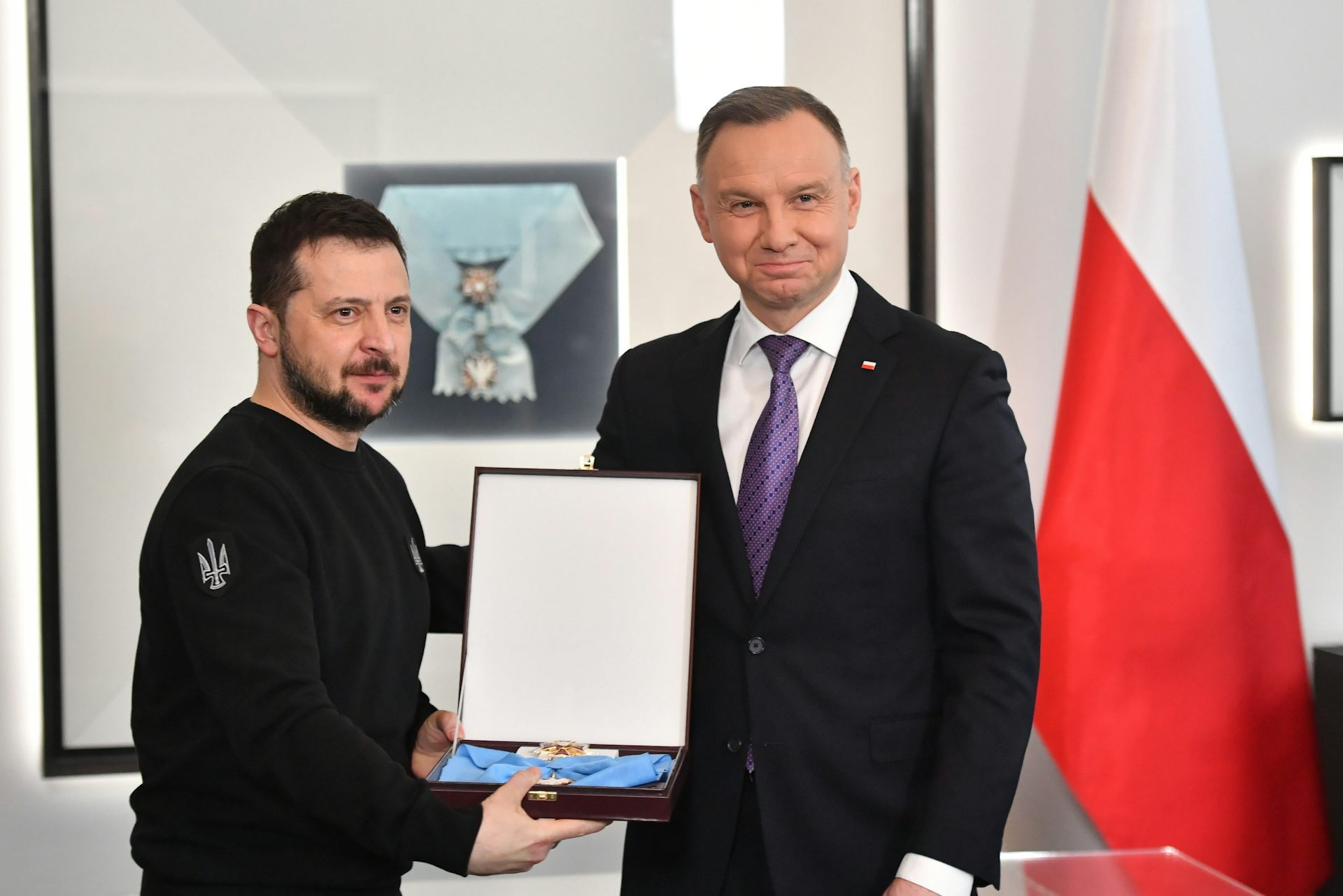
पोलैंड के राष्ट्रपति द्वारा वलोडिमिर ज़ेलेंस्की के साथ विवाद में युद्धकालीन इतिहास का उपयोग क्यों किया जा रहा है
Why Poland’s president is invoking wartime history in a dispute with Volodymyr Zelensky
-
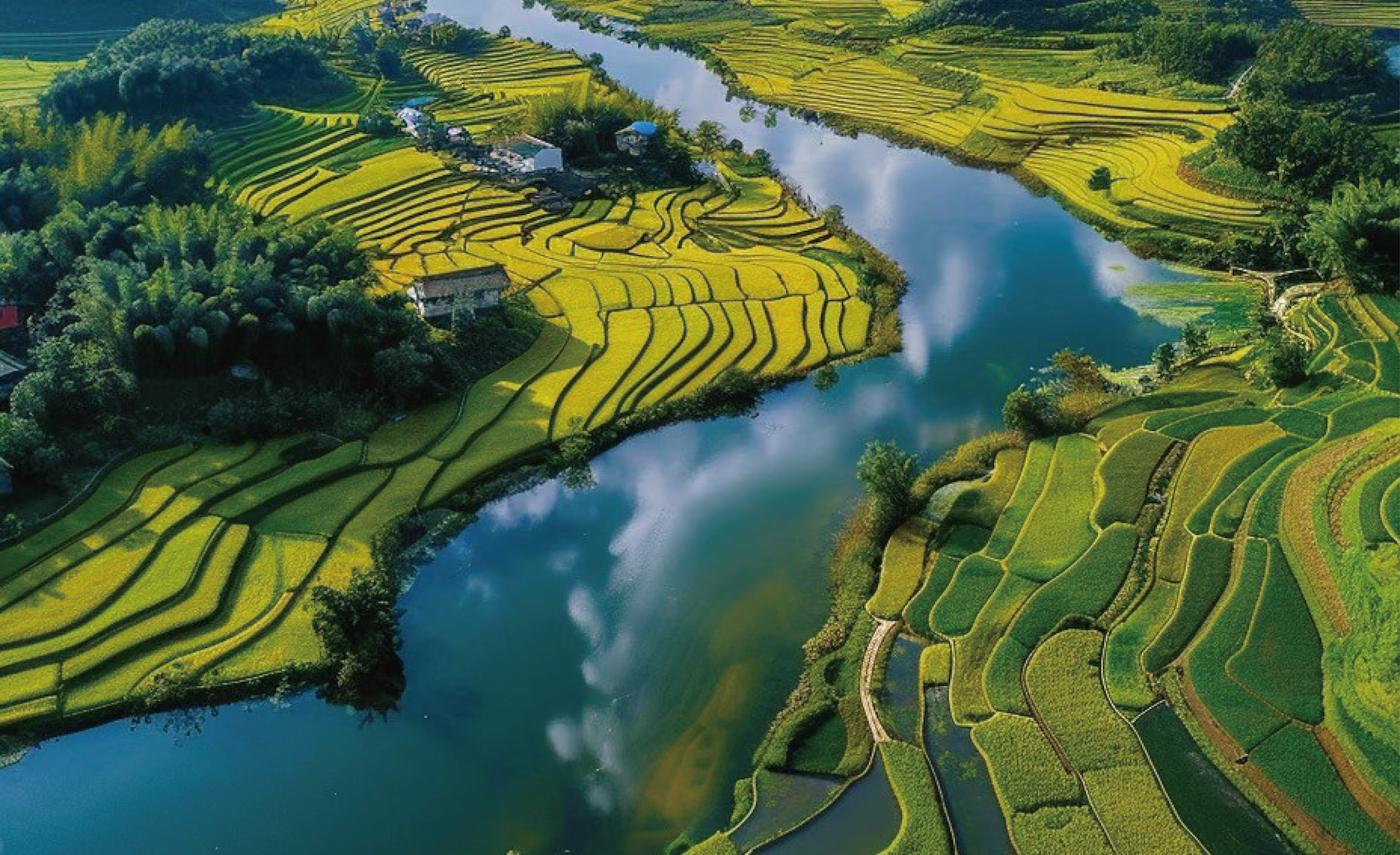
चावल अरबों लोगों को भोजन देता है – लेकिन जलवायु परिवर्तन को बढ़ावा देने में इसकी भूमिका बढ़ रही है।
Rice feeds billions of people – but its role in fueling climate change is growing