वे लय जिन्होंने बशीर को तोड़ा: कैसे सूडान के संगीत ने एक क्रांति को आकार दिया
The rhythms that broke Bashir: how Sudan’s music shaped a revolution
Music created the networks, identities and spaces of trust that made collective political action possible in Sudan’s 2019 revolution.
संगीत ने वे नेटवर्क, पहचान और विश्वास के क्षेत्र बनाए जो सूडान की 2019 की क्रांति में सामूहिक राजनीतिक कार्रवाई को संभव बनाने वाले थे।
The revolution in Sudan in 2019 has been eclipsed by the war between the Sudanese Armed Forces and the Rapid Support Forces, which began in April 2023.
2019 में सूडान की क्रांति को सूडानी सशस्त्र बलों और रैपिड सपोर्ट फोर्सेज के बीच हुए युद्ध ने ढक दिया है, जो अप्रैल 2023 में शुरू हुआ था।
But the events of 2019 demand greater attention as they hold lessons for a post-war Sudan.
लेकिन 2019 की घटनाएँ अधिक ध्यान देने की माँग करती हैं क्योंकि वे एक युद्धोत्तर सूडान के लिए सबक रखती हैं।
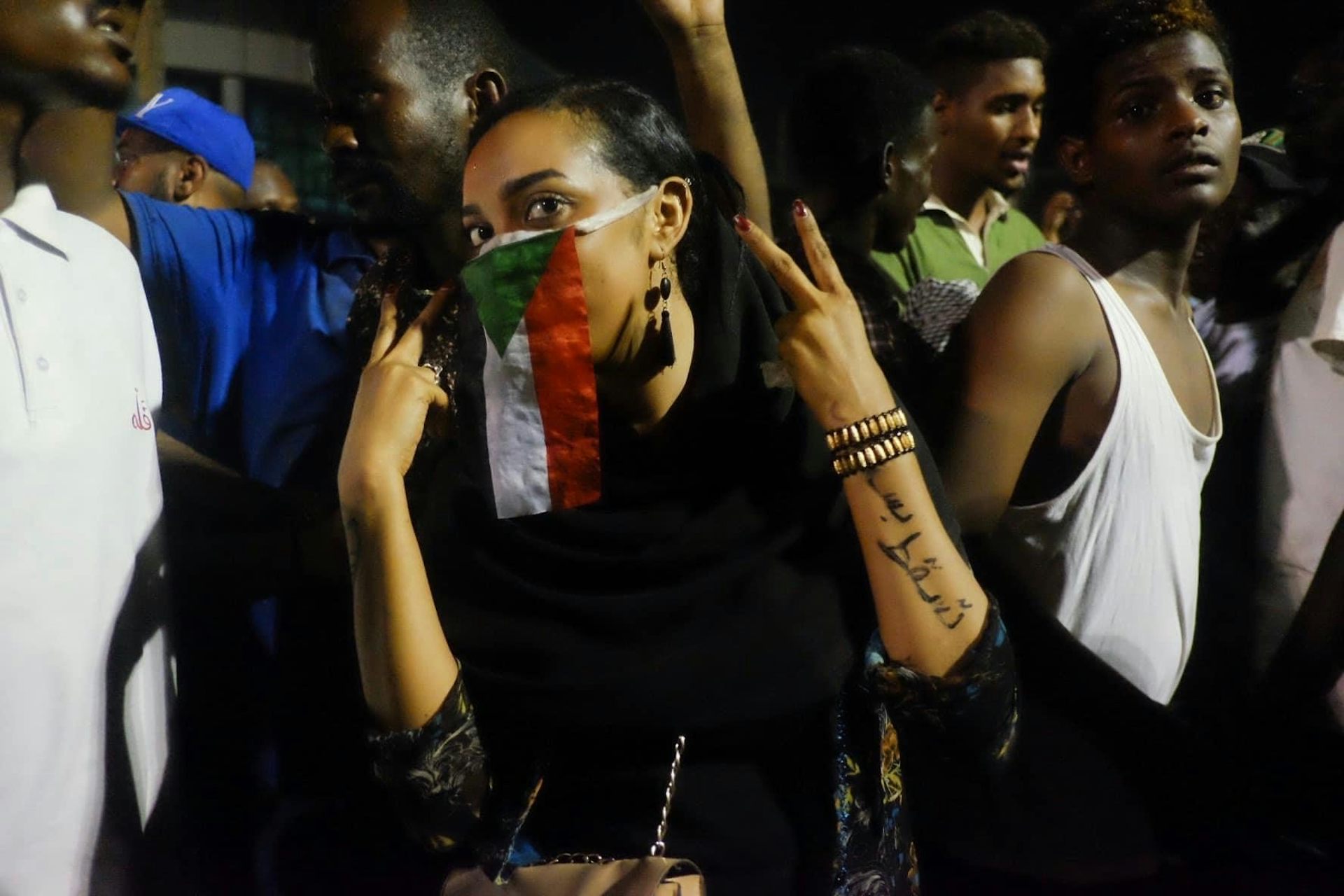
Music was central to the protests in 2019. The camp outside military headquarters in Khartoum, where demonstrators gathered for weeks to demand civilian rule, became known as Sudan’s largest ever arts festival.
2019 के विरोध प्रदर्शनों में संगीत केंद्रीय था। खार्तूम में सैन्य मुख्यालय के बाहर का वह शिविर, जहाँ प्रदर्शनकारियों ने नागरिक शासन की माँग करने के लिए हफ्तों तक जमावड़ा लगाया, सूडान के अब तक के सबसे बड़े कला महोत्सव के रूप में जाना गया।
My research on resistance movements has led me to believe that music is not only a cosmetic accessory to protests. In Sudan, it was an integral part of the revolutionary movement that ousted the Omar al-Bashir regime. For decades, music helped cultivate anti-government sentiment and forge the networks and communities that would sustain the revolution in 2019.
प्रतिरोध आंदोलनों पर मेरे शोध ने मुझे यह विश्वास दिलाया है कि संगीत केवल विरोध प्रदर्शनों के लिए एक दिखावटी सहायक वस्तु नहीं है। सूडान में, यह क्रांतिकारी आंदोलन का एक अभिन्न अंग था जिसने उमर अल-बशीर शासन को उखाड़ फेंका। दशकों तक, संगीत ने सरकार विरोधी भावना विकसित करने और उन नेटवर्क तथा समुदायों को बनाने में मदद की जो 2019 में क्रांति को बनाए रखेंगे।
I’ve explored this idea in a recent paper, drawing on interviews with protesters and musicians.
मैंने यह विचार प्रदर्शनकारियों और संगीतकारों के साक्षात्कारों पर आधारित एक हालिया शोध पत्र में खोजा है।
Sudanese music and resistance
सुदानी संगीत और प्रतिरोध
Music in Sudan has historically been intertwined with popular resistance. First against colonial rulers and then – following independence in 1956 – against post-colonial despots. The patriotic anthems of the 60s and 70s expressed the sentiment that Sudan was being built by the people, not the government.
सुडान में संगीत का इतिहास लोकप्रिय प्रतिरोध से जुड़ा रहा है। पहले औपनिवेशिक शासकों के खिलाफ और फिर – 1956 में स्वतंत्रता प्राप्त करने के बाद – उत्तर-औपनिवेशिक निरंकुश शासकों के खिलाफ। 60 और 70 के दशक के देशभक्ति गीत इस भावना को व्यक्त करते थे कि सूडान का निर्माण सरकार नहीं, बल्कि लोगों द्वारा किया जा रहा है।
As one music fan who was a young teenager in the early 1970s said:
जैसा कि 1970 के दशक की शुरुआत में एक युवा किशोर संगीत प्रेमी ने कहा था:
There were different ideas, of course, about what sounded good, but if you were making music, you were against the government, that was for sure.
कि अच्छा क्या लगेगा, इसके बारे में निश्चित रूप से अलग-अलग विचार थे, लेकिन अगर आप संगीत बना रहे थे, तो आप सरकार के खिलाफ थे, यह पक्का था।
One after the other, however, authoritarian regimes sought to crush all creativity – and especially music – through censorship laws and the systematic intimidation of artists.
हालांकि, क्रमिक रूप से, सत्तावादी शासन सभी रचनात्मकता – और विशेष रूप से संगीत – को सेंसरशिप कानूनों और कलाकारों के व्यवस्थित भय दिखाकर कुचलने की कोशिश करते रहे।
Gigs had to be held as private events in people’s homes and even these were regularly broken up by a morality monitoring unit. Many popular musicians left for careers abroad.
कार्यक्रमों (Gigs) को लोगों के घरों में निजी कार्यक्रम के रूप में आयोजित करना पड़ता था और यहाँ तक कि इन्हें भी नियमित रूप से एक नैतिकता निगरानी इकाई द्वारा भंग कर दिया जाता था। कई लोकप्रिय संगीतकार विदेश में करियर बनाने चले गए।
But underground music scenes kept anti-government sentiment alive.
लेकिन भूमिगत संगीत दृश्यों ने सरकार विरोधी भावना को जीवित रखा।
My research shows that the exodus of musicians, producers and fans under the Bashir regime did not weaken popular resistance. Instead, this displacement helped build strong transnational social networks, enabling musicians to record music outside Sudan. This was then distributed back to communities inside the borders. Later, these same social networks supported the 2019 revolution.
मेरे शोध से पता चलता है कि बशीर शासन के तहत संगीतकारों, निर्माताओं और प्रशंसकों का पलायन लोकप्रिय प्रतिरोध को कमजोर नहीं किया। बल्कि, इस विस्थापन ने मजबूत ट्रांसनेशनल सामाजिक नेटवर्क बनाने में मदद की, जिससे संगीतकारों को सूडान के बाहर संगीत रिकॉर्ड करने में सक्षम बनाया गया। इसे फिर सीमा के अंदर समुदायों तक वितरित किया गया। बाद में, इन ही सामाजिक नेटवर्कों ने 2019 की क्रांति का समर्थन किया।
Throughout recent history and across various genres and scenes, music has helped the Sudanese imagine alternatives to authoritarian rule and build the relationships needed for collective action.
हाल के इतिहास और विभिन्न शैलियों तथा दृश्यों में, संगीत ने सूडानी लोगों को सत्तावादी शासन के विकल्प की कल्पना करने और सामूहिक कार्रवाई के लिए आवश्यक संबंध बनाने में मदद की है।
Given the close historical ties between resistance movements and music scenes, examining the music of the revolution provides insight into the values, identities and visions of democratic change that shaped Sudan’s revolutionary movement.
प्रतिरोध आंदोलनों और संगीत दृश्यों के बीच गहरे ऐतिहासिक संबंधों को देखते हुए, क्रांति के संगीत का अध्ययन उन मूल्यों, पहचानों और लोकतांत्रिक परिवर्तन की दृष्टि पर प्रकाश डालता है जिसने सूडान के क्रांतिकारी आंदोलन को आकार दिया।
Music, gender and class
संगीत, लिंग और वर्ग
In my paper I analyse the most prominent revolution songs – collected in a shareable YouTube playlist – to explore what protesters’ choices reveal about the movement itself. The songs point to a growing openness towards gender and class.
मेरे शोध पत्र में मैं सबसे प्रमुख क्रांतिकारी गीतों—जो एक साझा करने योग्य यूट्यूब प्लेलिस्ट में संकलित हैं—का विश्लेषण करती हूँ ताकि यह पता लगाया जा सके कि प्रदर्शनकारियों की पसंद आंदोलन के बारे में क्या बताती है। ये गीत लिंग और वर्ग के प्रति बढ़ती खुलापन की ओर इशारा करते हैं।
At the 2019 protests, the revolutionaries honoured a canon of anti-oppression anthems. These included traditional Sudanese staples, hip-hop classics and contemporary pop sing-a-longs.
2019 के विरोध प्रदर्शनों में, क्रांतिकारियों ने प्रति-दमन (anti-oppression) गान का एक संग्रह सम्मानित किया। इनमें पारंपरिक सूडानी मुख्य व्यंजन, हिप-हॉप क्लासिक्स और समकालीन पॉप गाने शामिल थे जिन्हें सब मिलकर गा सकें।
Not all revolutionary anthems are lyrically political, however, and there are gendered reasons for this.
हालांकि, सभी क्रांतिकारी गान शाब्दिक रूप से राजनीतिक नहीं होते हैं, और इसके लैंगिक कारण भी हैं।
In Sudan’s decades of patriarchal autocracy, speaking openly about politics through song lyrics was often far riskier for women than for men. As a result, women-led genres, such as tumtum and aghani albanat, typically centred on romance and everyday life, accompanied by handclapping and rhythms played on the doolka drum. Among highbrow creatives, these vocal and percussive genres are considered artistically subordinate to male-dominated genres. These include haqeeba, which features instrumental accompaniment on the more technically demanding oud.
सुडान के दशकों के पितृसत्तात्मक निरंकुश शासन में, गीत के बोलों के माध्यम से खुले तौर पर राजनीति की बात करना अक्सर महिलाओं के लिए पुरुषों की तुलना में कहीं अधिक जोखिम भरा होता था। परिणामस्वरूप, महिला-नेतृत्व वाले विधाएँ, जैसे कि तुमतुम और अघानी अलबनत, आमतौर पर रोमांस और रोजमर्रा के जीवन पर केंद्रित होती थीं, जिसके साथ हाथ की तालियाँ और दोल्का ड्रम पर बजाए गए लयबद्ध संगीत का प्रयोग किया जाता था। उच्चवर्गीय रचनात्मक लोगों के बीच, इन मुखर और तालबद्ध विधाओं को पुरुष-प्रधान विधाओं से कलात्मक रूप से निम्न माना जाता है। इनमें हकीबा शामिल है, जिसमें अधिक तकनीकी मांग वाले ऊद वाद्य यंत्र पर वाद्य संगत होती है।
However, tumtum and aghani albanat were popular with protesters in 2019. This was not because their lyrics were directly political (they were not) . Rather, they represented the defiance of women who continued to create and perform music despite decades of state restrictions on women’s artistry.
हालांकि, तुमतुम और अघानी अलबनत 2019 में प्रदर्शनकारियों के बीच लोकप्रिय थे। ऐसा इसलिए नहीं था कि उनके बोल सीधे राजनीतिक थे (वे नहीं थे) । बल्कि, वे उन महिलाओं के प्रतिरोध का प्रतिनिधित्व करते थे जो दशकों से राज्य द्वारा महिला कला पर लगाए गए प्रतिबंधों के बावजूद संगीत बनाना और प्रस्तुत करना जारी रखती थीं।
Despite their lyrical playfulness and political neutrality, Sudanese society celebrated these genres in the revolution. This sends a powerful political message about a rising cultural openness towards feminine creativity, which had been inhibited by the state.
अपने शाब्दिक चंचलता और राजनीतिक तटस्थता के बावजूद, सूडानी समाज ने क्रांति में इन विधाओं का जश्न मनाया। यह एक शक्तिशाली राजनीतिक संदेश देता है कि राज्य द्वारा बाधित की गई स्त्री रचनात्मकता की ओर बढ़ती सांस्कृतिक खुलापन हो रहा है।
Zenig is a new Sudanese genre of music. It emerged in the early 2010s from the poor and peripheral neighbourhoods in Khartoum. It takes its rhythmic base from tumtum, and mixes this with retro keyboards, low-fi synths and improvised vocals. It is fundamentally a Khartoumian invention, and is deliberately defiant of conservative gender and class hierarchies.
ज़ेनिग संगीत की एक नई सूडानी विधा है। यह 2010 के दशक की शुरुआत में खार्तूम के गरीब और बाहरी इलाकों से उभरी। यह अपनी लयबद्ध नींव तुमतुम से लेती है, और इसे रेट्रो कीबोर्ड, लो-फाई सिंथ्स और तात्कालिक स्वरों के साथ मिलाती है। यह मौलिक रूप से एक खार्तूमियन आविष्कार है, और जानबूझकर रूढ़िवादी लिंग और वर्ग पदानुक्रमों को चुनौती देती है।
Zenig contributed to the cacophony of sounds during the 2019 sit-in. One protester remembered “its fast-paced rhythmic style worked well in energising crowds”. The most likely place to hear Zenig at the sit-in was in intimate circles and small stages where friends could dance together. Before the revolution, Zenig was known in Khartoum as the music of poor outcasts.
ज़ेनिग ने 2019 के धरना प्रदर्शन के दौरान ध्वनियों की अराजकता में योगदान दिया। एक प्रदर्शनकारी ने याद किया कि “इसकी तेज़ गति वाली लयबद्ध शैली भीड़ को ऊर्जावान बनाने में अच्छी तरह से काम करती थी।” धरने पर ज़ेनिग सुनने का सबसे संभावित स्थान अंतरंग घेरे और छोटे मंच थे जहाँ दोस्त एक साथ नृत्य कर सकते थे। क्रांति से पहले, खार्तूम में ज़ेनिग गरीब बहिष्कृत लोगों के संगीत के रूप में जाना जाता था।
The significance
महत्व
By elevating female leadership in the music of the revolution, Sudanese revolutionaries deliberatively negotiated what an alternative ideal Sudanese society would be like; one with more empowerment for women, as both creative and political forerunners.
क्रांति के संगीत में महिला नेतृत्व को ऊपर उठाकर, सूडानी क्रांतिकारियों ने विचार-विमर्श किया कि एक वैकल्पिक आदर्श सूडानी समाज कैसा होगा; जो महिलाओं के लिए रचनात्मक और राजनीतिक दोनों तरह से अधिक सशक्तिकरण वाला हो।
The inclusion of genres like Zenig at the 2019 sit-in demonstrates that Sudan’s revolution was not only about changing the regime.
2019 के विरोध प्रदर्शन में ज़ेनिग जैसी विधाओं का समावेश यह दर्शाता है कि सूडान की क्रांति केवल शासन बदलने तक सीमित नहीं थी।
For many young Sudanese, it was also an expression of yearning for broader societal change and an upending of societal power relations.
कई युवा सूडानी लोगों के लिए, यह व्यापक सामाजिक परिवर्तन और सामाजिक शक्ति संबंधों के उलटफेर की तड़प की अभिव्यक्ति भी थी।
The revolution in 2019 was a unique time for openness, experimentation and future-making facilitated by music.
2019 की क्रांति संगीत द्वारा सुगम बनाए गए खुलेपन, प्रयोग और भविष्य के निर्माण के लिए एक अद्वितीय समय था।
Music and rebuilding
संगीत और पुनर्निर्माण
The war has prevented Sudanese civilians from continuing these important social negotiations.
युद्ध ने सूडानी नागरिकों को ये महत्वपूर्ण सामाजिक वार्ताएं जारी रखने से रोक दिया है।
The resistance movement and its musicians have been displaced within Sudan and to regional hubs like Cairo (Egypt) and Nairobi (Kenya) . Many have tragically lost their lives. Some have remained in Khartoum and continue to make hopeful music against the odds.
प्रतिरोध आंदोलन और इसके संगीतकार सूडान के भीतर और काहिरा (मिस्र) तथा नैरोबी (केन्या) जैसे क्षेत्रीय केंद्रों में विस्थापित हुए हैं। कई लोगों ने दुखद रूप से अपनी जान गंवा दी है। कुछ लोग खार्तूम में ही रह गए हैं और विपरीत परिस्थितियों के बावजूद आशावादी संगीत बनाना जारी रखे हुए हैं।
Even as Sudan’s future remains uncertain, music will be surely be central in the rebuilding of civilian lives that will come.
भले ही सूडान का भविष्य अनिश्चित बना हुआ है, लेकिन आने वाले नागरिक जीवन के पुनर्निर्माण में निश्चित रूप से संगीत केंद्रीय भूमिका निभाएगा।
Cathy Wilcock receives funding from ESRC (UK) and has received funding from the NWO (The Netherlands) .
कैथी विल्कॉक को ईएसआरसी (यूके) से फंडिंग मिलती है और उन्हें एनडब्ल्यूओ (नीदरलैंड्स) से भी फंडिंग मिली है।
Read more
-

दुनिया के बैंक एंथ्रोपिक के नवीनतम एआई मॉडल को लेकर इतने चिंतित क्यों हैं
Why the world’s banks are so worried about Anthropic’s latest AI model
-

एंडी बर्नहम: यूके के संभावित अगले प्रधानमंत्री से क्या उम्मीद करें
Andy Burnham: what to expect from the UK’s likely next prime minister