打破巴希尔的节奏:苏丹音乐如何塑造了一场革命
The rhythms that broke Bashir: how Sudan’s music shaped…
Music created the networks, identities and spaces of trust that made collective political action possible in Sudan’s 2019 revolution.
音乐创造了网络、身份认同和信任空间,使得苏丹2019年的革命得以进行集体政治行动。
The revolution in Sudan in 2019 has been eclipsed by the war between the Sudanese Armed Forces and the Rapid Support Forces, which began in April 2023.
2019年的苏丹革命被苏丹武装部队与快速支援部队之间的战争所掩盖,这场战争始于2023年4月。
But the events of 2019 demand greater attention as they hold lessons for a post-war Sudan.
但2019年的事件需要更多的关注,因为它们为战后苏丹留下了经验教训。
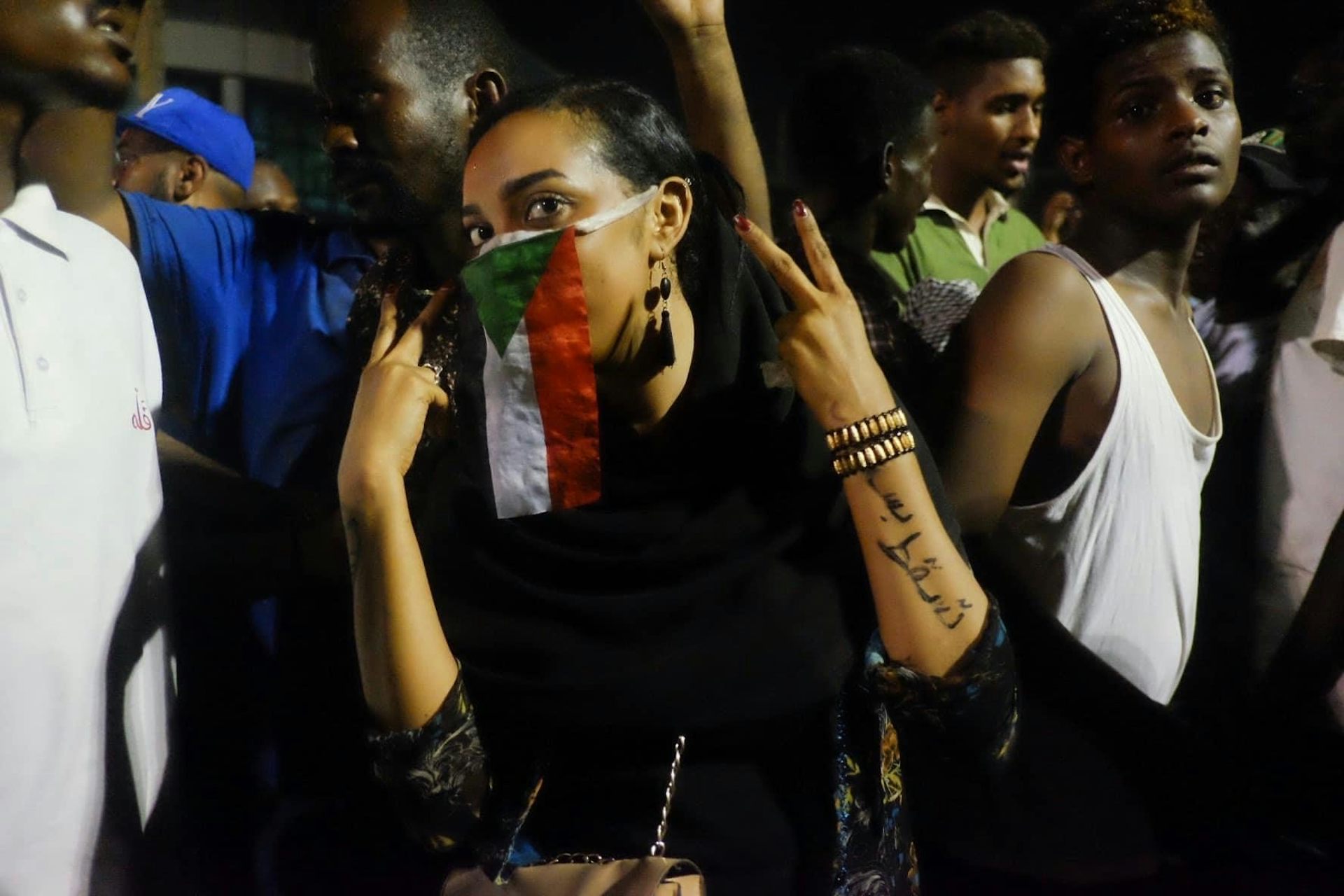
Music was central to the protests in 2019. The camp outside military headquarters in Khartoum, where demonstrators gathered for weeks to demand civilian rule, became known as Sudan’s largest ever arts festival.
音乐在2019年的抗议活动中占据了核心地位。在喀土穆军事总部外的营地,示威者们聚集了数周时间要求平民统治,该地一度被称为苏丹有史以来最大的艺术节。
My research on resistance movements has led me to believe that music is not only a cosmetic accessory to protests. In Sudan, it was an integral part of the revolutionary movement that ousted the Omar al-Bashir regime. For decades, music helped cultivate anti-government sentiment and forge the networks and communities that would sustain the revolution in 2019.
我对抵抗运动的研究使我相信,音乐不仅仅是抗议活动的装饰品。在苏丹,它更是推翻奥马尔·阿尔-巴希尔政权的革命运动中不可或缺的一部分。几十年来,音乐帮助培养了反政府情绪,并建立了支撑2019年革命的网络和社区。
I’ve explored this idea in a recent paper, drawing on interviews with protesters and musicians.
我在一篇最近的论文中探讨了这个想法,该论文借鉴了与抗议者和音乐家的访谈资料。
Sudanese music and resistance
苏丹音乐与抵抗
Music in Sudan has historically been intertwined with popular resistance. First against colonial rulers and then – following independence in 1956 – against post-colonial despots. The patriotic anthems of the 60s and 70s expressed the sentiment that Sudan was being built by the people, not the government.
苏丹的音乐历史上一直与民众的反抗运动交织在一起。最初是反对殖民统治者,然后在1956年独立后,转而反对后殖民时代的暴政。20世纪60年代和70年代的爱国颂歌表达了一种观点,即苏丹是由人民而非政府来建设的。
As one music fan who was a young teenager in the early 1970s said:
一位在七十年代初期是年轻青少年的音乐迷说:
There were different ideas, of course, about what sounded good, but if you were making music, you were against the government, that was for sure.
当然,关于什么听起来好听有不同的想法,但如果你创作音乐,你就是反对政府的,这是肯定的。
One after the other, however, authoritarian regimes sought to crush all creativity – and especially music – through censorship laws and the systematic intimidation of artists.
然而,威权政权接连不断地试图通过审查制度和系统性恐吓艺术家来扼杀所有的创造力——尤其是音乐。
Gigs had to be held as private events in people’s homes and even these were regularly broken up by a morality monitoring unit. Many popular musicians left for careers abroad.
演出不得不设在人们的家中进行私人活动,甚至这些活动也会被道德监控部门定期打断。许多流行音乐家选择出国发展事业。
But underground music scenes kept anti-government sentiment alive.
但在地下音乐场景中,反政府情绪依然存活。
My research shows that the exodus of musicians, producers and fans under the Bashir regime did not weaken popular resistance. Instead, this displacement helped build strong transnational social networks, enabling musicians to record music outside Sudan. This was then distributed back to communities inside the borders. Later, these same social networks supported the 2019 revolution.
我的研究表明,在巴希尔政权时期,音乐家、制作人和粉丝的外流并未削弱民众的抵抗力量。相反,这种迁徙有助于构建了强大的跨国社会网络,使得音乐家得以在苏丹境外录制音乐。这些作品随后又回传到了国境内的社区。后来,正是这些社会网络支持了2019年的革命。
Throughout recent history and across various genres and scenes, music has helped the Sudanese imagine alternatives to authoritarian rule and build the relationships needed for collective action.
在近期的历史进程中,以及跨越各种流派和场景,音乐帮助苏丹人想象了威权统治的替代方案,并建立了集体行动所需的联系。
Given the close historical ties between resistance movements and music scenes, examining the music of the revolution provides insight into the values, identities and visions of democratic change that shaped Sudan’s revolutionary movement.
鉴于反抗运动与音乐文化领域之间密切的历史联系,研究革命的音乐可以深入了解塑造了苏丹革命运动的民主变革所蕴含的价值观、身份认同和愿景。
Music, gender and class
音乐、性别与阶级
In my paper I analyse the most prominent revolution songs – collected in a shareable YouTube playlist – to explore what protesters’ choices reveal about the movement itself. The songs point to a growing openness towards gender and class.
在我的论文中,我分析了最著名的革命歌曲——这些歌曲收集在一个可分享的YouTube播放列表中——以探究抗议者的选择揭示了什么关于这场运动本身。这些歌曲指向了一种日益开放的性别和阶级观念。
At the 2019 protests, the revolutionaries honoured a canon of anti-oppression anthems. These included traditional Sudanese staples, hip-hop classics and contemporary pop sing-a-longs.
在2019年的抗议活动中,革命者们颂扬了一套反压迫的圣歌。这些歌曲包括传统的苏丹经典曲目、嘻哈经典和当代流行合唱歌曲。
Not all revolutionary anthems are lyrically political, however, and there are gendered reasons for this.
然而,并非所有革命圣歌在歌词上都是政治性的,而这背后存在着性别原因。
In Sudan’s decades of patriarchal autocracy, speaking openly about politics through song lyrics was often far riskier for women than for men. As a result, women-led genres, such as tumtum and aghani albanat, typically centred on romance and everyday life, accompanied by handclapping and rhythms played on the doolka drum. Among highbrow creatives, these vocal and percussive genres are considered artistically subordinate to male-dominated genres. These include haqeeba, which features instrumental accompaniment on the more technically demanding oud.
在苏丹数十年的父权专制统治下,通过歌曲歌词公开谈论政治对女性来说往往比对男性更危险。因此,以女性为主导的流派,例如tumtum和aghani albanat,通常围绕浪漫和日常生活展开,伴随着拍手声和用doolka鼓敲击的节奏。在精英艺术创作者群体中,这些人声和打击乐流派被认为在艺术上低于男性主导的流派。其中包括hاقهeba,该曲目以更具技术要求的乌德琴(oud)作为伴奏。
However, tumtum and aghani albanat were popular with protesters in 2019. This was not because their lyrics were directly political (they were not) . Rather, they represented the defiance of women who continued to create and perform music despite decades of state restrictions on women’s artistry.
然而,在2019年,tumtum和aghani albanat深受抗议者喜爱。这并非因为它们的歌词具有直接的政治性(它们并没有)。相反,它们代表了女性们尽管面临了几十年来国家对女性艺术创作的限制,仍坚持创作和表演音乐的反抗精神。
Despite their lyrical playfulness and political neutrality, Sudanese society celebrated these genres in the revolution. This sends a powerful political message about a rising cultural openness towards feminine creativity, which had been inhibited by the state.
尽管这些流派在歌词上充满趣味性且政治上保持中立,但在这场革命中,苏丹社会却颂扬了它们。这传递了一个强烈的政治信息:即一种日益增长的、对女性创造力的文化开放性,这种创造力此前一直受到国家压制。
Zenig is a new Sudanese genre of music. It emerged in the early 2010s from the poor and peripheral neighbourhoods in Khartoum. It takes its rhythmic base from tumtum, and mixes this with retro keyboards, low-fi synths and improvised vocals. It is fundamentally a Khartoumian invention, and is deliberately defiant of conservative gender and class hierarchies.
Zenig是一种新的苏丹音乐流派。它出现在2010年代初,源自喀土穆贫困和边缘化的社区。它的节奏基础来源于tumtum,并将其与复古键盘、低保真合成器和即兴人声混合在一起。从根本上说,它是一项喀土穆式的发明,并且故意挑战了保守的性别和阶级等级制度。
Zenig contributed to the cacophony of sounds during the 2019 sit-in. One protester remembered “its fast-paced rhythmic style worked well in energising crowds”. The most likely place to hear Zenig at the sit-in was in intimate circles and small stages where friends could dance together. Before the revolution, Zenig was known in Khartoum as the music of poor outcasts.
Zenig为2019年的静坐抗议期间的喧嚣声贡献了力量。一位抗议者回忆说:“它快节奏的风格非常适合激发人群的热情”。在静坐期间,最有可能听到Zenig的地方是在亲密的圈子和小型舞台上,朋友们可以在那里一起跳舞。革命之前,Zenig在喀土穆被称为贫困边缘人的音乐。
The significance
意义
By elevating female leadership in the music of the revolution, Sudanese revolutionaries deliberatively negotiated what an alternative ideal Sudanese society would be like; one with more empowerment for women, as both creative and political forerunners.
通过提升革命音乐中的女性领导力,苏丹的革命者们审慎地探讨了理想的替代性苏丹社会会是什么样子;一个在创造和政治上都为女性提供更多赋权的社会。
The inclusion of genres like Zenig at the 2019 sit-in demonstrates that Sudan’s revolution was not only about changing the regime.
在2019年静坐抗议中纳入像Zenig这样的流派,表明苏丹的革命不仅仅是关于推翻政权。
For many young Sudanese, it was also an expression of yearning for broader societal change and an upending of societal power relations.
对于许多年轻的苏丹人来说,它也是对更广泛社会变革和颠覆社会权力关系的渴望的表达。
The revolution in 2019 was a unique time for openness, experimentation and future-making facilitated by music.
2019年的这场革命,是一个由音乐促成的、开放、实验和创造未来的独特时期。
Music and rebuilding
音乐与重建
The war has prevented Sudanese civilians from continuing these important social negotiations.
战争阻止了苏丹平民继续进行这些重要的社会协商。
The resistance movement and its musicians have been displaced within Sudan and to regional hubs like Cairo (Egypt) and Nairobi (Kenya) . Many have tragically lost their lives. Some have remained in Khartoum and continue to make hopeful music against the odds.
反抗运动及其音乐家们已在苏丹境内和流散到开罗(埃及)和内罗毕(肯尼亚)等地区中心。许多人悲剧性地失去了生命。一些人在喀土穆留了下来,继续在逆境中创作充满希望的音乐。
Even as Sudan’s future remains uncertain, music will be surely be central in the rebuilding of civilian lives that will come.
即使苏丹的未来仍充满不确定性,音乐也必将在未来的平民生活重建中发挥核心作用。
Cathy Wilcock receives funding from ESRC (UK) and has received funding from the NWO (The Netherlands) .
Cathy Wilcock 从英国的ESRC获得资金,并曾从荷兰的NWO获得资助。