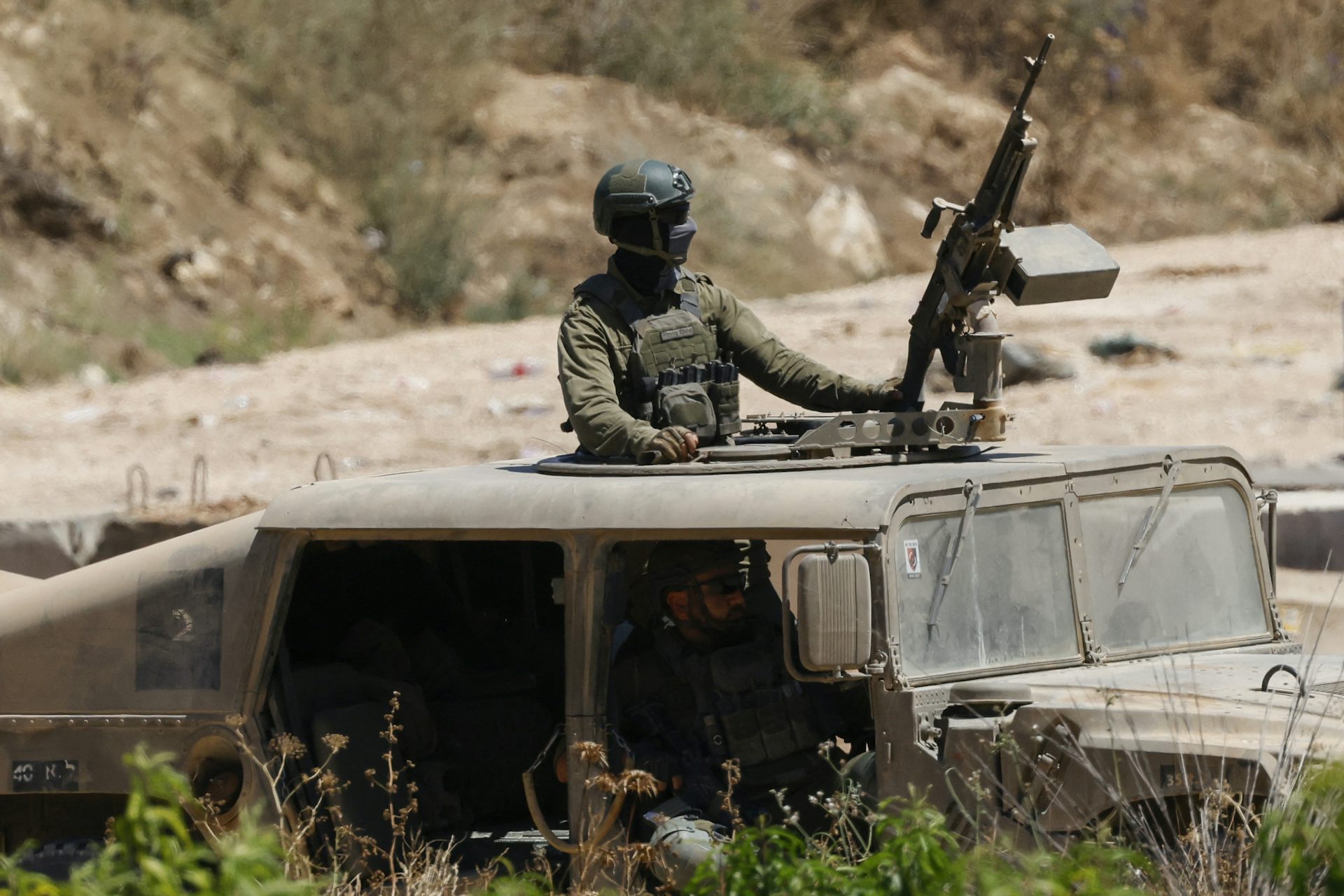
इज़राइल का ‘युद्धों के बीच अभियान’: ईरान और उसके सहयोगियों को रोकने की रणनीति अमेरिकी संबंधों में और तनाव पैदा करने का जोखिम कैसे उठाती है।
Israel’s ‘campaign between the wars’: How strategy to contain Iran and its allies risks further straining ties with US
Israel has long sought to gain a military advantage by degrading its adversaries’ military capabilities outside of times of direct conflict.
इज़राइल लंबे समय से सीधे संघर्ष के समय के बाहर अपने विरोधियों की सैन्य क्षमताओं को कमजोर करके सैन्य लाभ प्राप्त करना चाहता है।
A lot hangs on whether the United States can compel Israel to cease operations against Hezbollah in Lebanon. After all, an end to the Israeli military offensive was a key provision of the broad U.S.-Iran agreement setting out a road map to end the Iran war.
संयुक्त राज्य अमेरिका इस बात पर कितना निर्भर है कि वह इज़राइल को लेबनान में हिज़्बुल्लाह के खिलाफ कार्रवाई रोकने के लिए मजबूर कर सकता है। आखिरकार, इज़राइली सैन्य आक्रामक का अंत व्यापक अमेरिकी-ईरानी समझौते की एक प्रमुख शर्त थी, जो ईरान युद्ध को समाप्त करने का रोडमैप निर्धारित करता था।
And even though Israel did not sign the deal, policymakers in Washington will continue to press Israeli Prime Minister Benjamin Netanyahu to abide by the truce.
और भले ही इज़राइल ने इस समझौते पर हस्ताक्षर नहीं किए हों, वाशिंगटन में नीति निर्माता इज़राइली प्रधानमंत्री बेंजामिन नेतन्याहू पर युद्धविराम का पालन करने के लिए दबाव डालते रहेंगे।
Yet there’s a larger and more vexing issue for the Trump administration and its Arab allies in the Middle East that has received little attention: Israel’s long-standing “campaign between the wars” strategy and whether it threatens the prospect for long-term peace in the region.
फिर भी, ट्रम्प प्रशासन और मध्य पूर्व में उसके अरब सहयोगियों के लिए एक बड़ा और अधिक परेशान करने वाला मुद्दा है जिस पर बहुत कम ध्यान दिया गया है: इज़राइल की लंबे समय से चली आ रही “युद्धों के बीच अभियान” रणनीति और क्या यह क्षेत्र में दीर्घकालिक शांति की संभावना को खतरे में डालती है।
The policy, known as “Mivtsa Bein Milchamot” in Hebrew and shortened to “Mabam,” has become a widely accepted facet of Israel’s national security. Its purpose is to degrade the capabilities of Iran and its key regional allies in any interwar period.
इस नीति, जिसे हिब्रू में “मिवत्सा बेइन मिलचमोट” (Mivtsa Bein Milchamot) कहा जाता है और संक्षेप में “माबाम” (Mabam) किया गया है, यह इज़राइल की राष्ट्रीय सुरक्षा का एक व्यापक रूप से स्वीकृत पहलू बन गई है। इसका उद्देश्य किसी भी अंतर-युद्ध काल में ईरान और उसके प्रमुख क्षेत्रीय सहयोगियों की क्षमताओं को कम करना है।
As the former assistant director of CIA for Weapons and Counterproliferation, I have watched Israel wage Mabam in an increasingly bold manner and widening geographic scope over the past seven years. Israel has broadened both the targets of the strategy and the instruments it uses to strike them, heightening the risk of escalation.
सीआईए के हथियारों और काउंटरप्रोलिफरेशन के पूर्व सहायक निदेशक के रूप में, मैंने पिछले सात वर्षों में इज़राइल द्वारा माबाम का उत्तरोत्तर साहसिक तरीके से और व्यापक भौगोलिक दायरे में युद्ध होते देखा है। इज़राइल ने रणनीति के लक्ष्यों और उन्हें निशाना बनाने के लिए उपयोग किए जाने वाले उपकरणों दोनों का विस्तार किया है, जिससे तनाव बढ़ने का खतरा बढ़ गया है।
Save any unexpected abandonment of the policy, Israel will almost certainly continue launching limited military strikes, covert action and cyberattacks across the Middle East, regardless of any U.S. deal with Iran. This will likely take the form of degrading the capabilities of Iran’s partner Hezbollah, Iranian-backed Shiite militants in Iraq and even Tehran’s unreliable ally the Houthis in Yemen. And Israel will remain willing to take military actions short of full-scale war in Iran itself.
किसी भी अप्रत्याशित नीति त्याग को छोड़कर, इज़राइल लगभग निश्चित रूप से मध्य पूर्व में सीमित सैन्य हमले, गुप्त कार्रवाई और साइबर हमलों को जारी रखेगा, भले ही अमेरिका का ईरान के साथ कोई समझौता हो। यह संभवतः ईरान के सहयोगी हिज़्बुल्लाह, इराक में ईरान समर्थित शिया मिलिशिया और यहां तक कि यमन में तेहरान के अविश्वसनीय सहयोगी हوثियों की क्षमताओं को कम करने के रूप में होगा। और इज़राइल स्वयं ईरान में पूर्ण पैमाने पर युद्ध से कम सैन्य कार्रवाई करने के लिए तैयार रहेगा।
But such outcomes will pose serious challenges for the U.S., which seems intent on avoiding a renewed war with Tehran. In fact, Israel’s “campaign between the wars” risks widening the split with Washington and restarting war with Iran and its allies over the long term.
लेकिन ऐसे परिणाम अमेरिका के लिए गंभीर चुनौतियां पेश करेंगे, जो तेहरान के साथ नए युद्ध से बचने के इरादे से प्रतीत होता है। वास्तव में, इज़राइल का “युद्धों के बीच अभियान” वाशिंगटन के साथ मतभेद को चौड़ा करने और लंबी अवधि में ईरान और उसके सहयोगियों के साथ युद्ध फिर से शुरू करने का जोखिम उठाता है।
Origins of Mabam
मबाम की उत्पत्ति
Israel codified the Mabam strategy in a 2015 Israeli Defense Forces document. Its history, however, predates the official adoption of the policy, with the IDF executing “campaign between the wars” operations in the early 2010s.
इज़राइल ने 2015 के इज़राइली रक्षा बल दस्तावेज़ में मबाम रणनीति को संहिताबद्ध किया। हालांकि, इसका इतिहास नीति को आधिकारिक रूप से अपनाने से पहले का है, जब आईडीएफ ने 2010 के दशक की शुरुआत में “युद्धों के बीच अभियान” ऑपरेशन चलाए थे।
Most scholars and Israeli military officials acknowledge that the strategy evolved from cross-border “reprisal operations” against Jordan, Egypt, Syria and the Palestinian Liberation Organization in Lebanon in the 1950s and’60s.
अधिकांश विद्वान और इज़राइली सैन्य अधिकारी स्वीकार करते हैं कि यह रणनीति 1950 और 60 के दशक में जॉर्डन, मिस्र, सीरिया और लेबनान में पैलेस्टाइन मुक्ति संगठन के खिलाफ सीमा पार “प्रतिशोध अभियानों” से विकसित हुई थी।
The logic behind Mabam is that by using targeted operations to consistently downgrade the capabilities of Iran and its allies, Israel will be better prepared for future wars by maintaining a qualitative military advantage. Israel’s goal is to avoid escalation by taking actions that it judges Iran and its proxies will view as below the threshold for significant retaliation.
मबाम के पीछे का तर्क यह है कि लक्षित ऑपरेशन का उपयोग करके ईरान और उसके सहयोगियों की क्षमताओं को लगातार कम करके, इज़राइल गुणात्मक सैन्य लाभ बनाए रखते हुए भविष्य के युद्धों के लिए बेहतर ढंग से तैयार रहेगा। इज़राइल का लक्ष्य ऐसे कार्य करना है जिन्हें वह मानता है कि ईरान और उसके प्रॉक्सी इसे महत्वपूर्ण प्रतिशोध की सीमा से नीचे मानेंगे, जिससे तनाव बढ़ने से बचा जा सके।
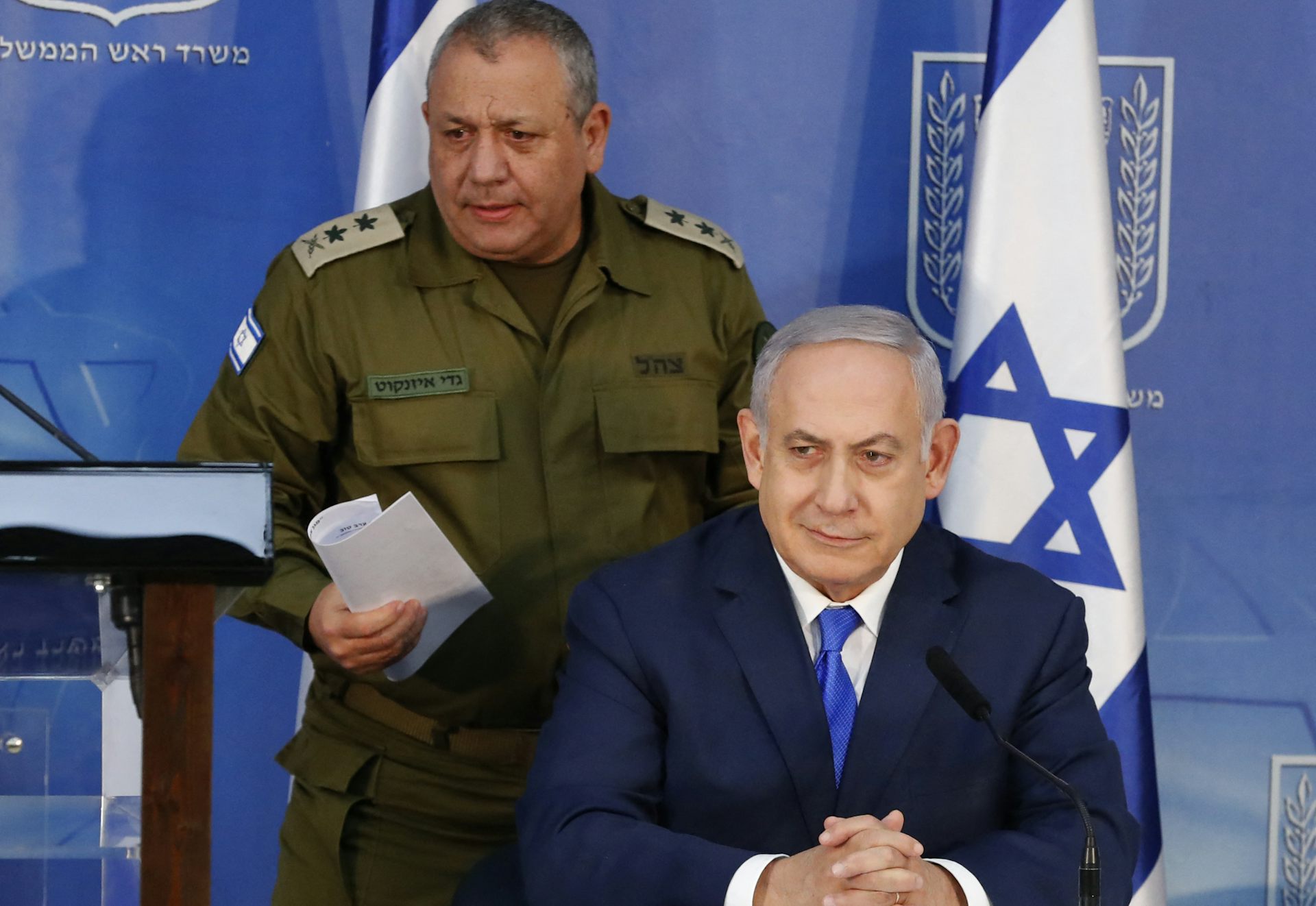
As the former chief of the Israeli general staff and architect of Mabam, Lt. Gen Gadi Eisenkot, explained in 2019: “Deviating from the binary approach of either preparing for war or openly waging it, the [campaign between the wars policy] strives for proactive, offensive actions based on extremely high-quality intelligence and clandestine efforts.”
जैसा कि इज़राइली जनरल स्टाफ के पूर्व प्रमुख और मबाम के वास्तुकार, लेफ्टिनेंट जनरल गडी आइज़नकोट ने 2019 में समझाया था: “युद्ध के लिए तैयारी करने या खुले तौर पर युद्ध छेड़ने के द्विआधारी दृष्टिकोण से भटकते हुए, [युद्धों के बीच की नीति] अत्यंत उच्च गुणवत्ता वाली खुफिया जानकारी और गुप्त प्रयासों के आधार पर सक्रिय, आक्रामक कार्रवाई का प्रयास करती है।”
Expanding beyond Syria
सीरिया से परे विस्तार
In the early 2010s, the Israeli military focused Mabam on Hezbollah in Syria, where the group lacked the advanced military capabilities it possessed in Lebanon and therefore posed a less significant risk of escalation.
2010 के दशक की शुरुआत में, इजरायली सेना ने सीरिया में हिज़्बुल्लाह पर ध्यान केंद्रित किया, जहाँ समूह के पास उन्नत सैन्य क्षमताएं नहीं थीं जो उसके पास लेबनान में थीं और इसलिए यह तनाव बढ़ने का कम महत्वपूर्ण जोखिम प्रस्तुत करता था।
Jerusalem placed a premium on degrading Hezbollah’s advanced weapons, supplied by its ally and sponsor Iran, and “preventing the entrenchment of terror infrastructures on the Golan Heights border,” in the words of Israeli military strategist Eran Ortal.
इजरायल ने हिज़्बुल्लाह के उन्नत हथियारों को कमजोर करने पर जोर दिया, जो उसके सहयोगी और प्रायोजक ईरान द्वारा आपूर्ति किए जाते हैं, और इज़राइली सैन्य रणनीतिकार एरन ओर्टल के शब्दों में “गोलान हाइट्स सीमा पर आतंकी बुनियादी ढांचे की स्थापना को रोकना।”
To achieve this, Israel employed airstrikes, cyberattacks, interdictions of weapons and covert action to impede Iran’s ability to resupply Hezbollah’s existing arsenal and supply it with more advanced weapons. Israel’s targets included Iranian facilities and missile warehouses in Syria, convoys and shipments of weapons, and Hezbollah and Islamic Revolutionary Guard personnel in Syria.
इसे प्राप्त करने के लिए, इज़रायल ने ईरान की हिज़्बुल्लाह के मौजूदा भंडार को फिर से आपूर्ति करने और उसे अधिक उन्नत हथियार उपलब्ध कराने की क्षमता में बाधा डालने के लिए हवाई हमले, साइबर हमले, हथियारों की रुकावट (इंटरडिक्शन) और गुप्त कार्रवाई का इस्तेमाल किया। इज़राइल के लक्ष्यों में सीरिया में ईरानी सुविधाएँ और मिसाइल गोदाम, हथियारों के काफिले और शिपमेंट, और सीरिया में हिज़्बुल्लाह तथा इस्लामिक रिवोल्यूशनरी गार्ड के कर्मी शामिल थे।
Later in the decade, Israel broadened its objectives to include pressuring the Assad regime in Syria and undercutting the long-standing Iranian-Syrian relationship.
दशक के उत्तरार्ध में, इज़रायल ने अपने उद्देश्यों का विस्तार किया जिसमें सीरिया में असद शासन पर दबाव डालना और लंबे समय से चले आ रहे ईरानी-सीरियन संबंध को कमजोर करना शामिल था।
Encouraged by the success of its strategy in Syria, Israel began to take action against Iranian-backed groups in Iraq and Lebanon as well.
सीरिया में अपनी रणनीति की सफलता से प्रोत्साहित होकर, इज़रायल ने इराक और लेबनान में भी ईरान समर्थित समूहों के खिलाफ कार्रवाई करना शुरू कर दिया।
In summer 2019, Israel reportedly struck the weapons depots of Iranian-back Shiite militant groups in Iraq. Explosive-laden drones that experts trace to Israel targeted equipment linked to Hezbollah’s precision-guided missile program.
गर्मियों में 2019 में, इज़रायल ने कथित तौर पर इराक में ईरान समर्थित शिया मिलिटेंट समूहों के हथियार डिपो पर हमला किया। विशेषज्ञों का कहना है कि इज़राइल से जुड़े विस्फोटक से भरे ड्रोनों ने हिज़्बुल्लाह के प्रेसिजन-गाइडेड मिसाइल कार्यक्रम से जुड़े उपकरणों को निशाना बनाया।
With these actions, Israel almost certainly delayed and degraded some adversary capabilities, especially those of Hezbollah. In particular, it stopped or delayed Iranian transfers of precision-guided missiles and the guidance kits that Hezbollah could use to enable such capability, limiting the size of the Lebanese group’s arsenal.
इन कार्रवाइयों से, इज़रायल ने निश्चित रूप से कुछ विरोधी क्षमताओं में देरी की और उन्हें कमजोर किया, खासकर हिज़्बुल्लाह की। विशेष रूप से, इसने प्रेसिजन-गाइडेड मिसाइलों के ईरानी हस्तांतरण और मार्गदर्शन किटों को रोक दिया या विलंबित कर दिया जिन्हें हिज़्बुल्लाह ऐसी क्षमता को सक्षम करने के लिए उपयोग कर सकता था, जिससे लेबनिज़ समूह के भंडार का आकार सीमित हो गया।
An imperfect strategy
एक अपूर्ण रणनीति
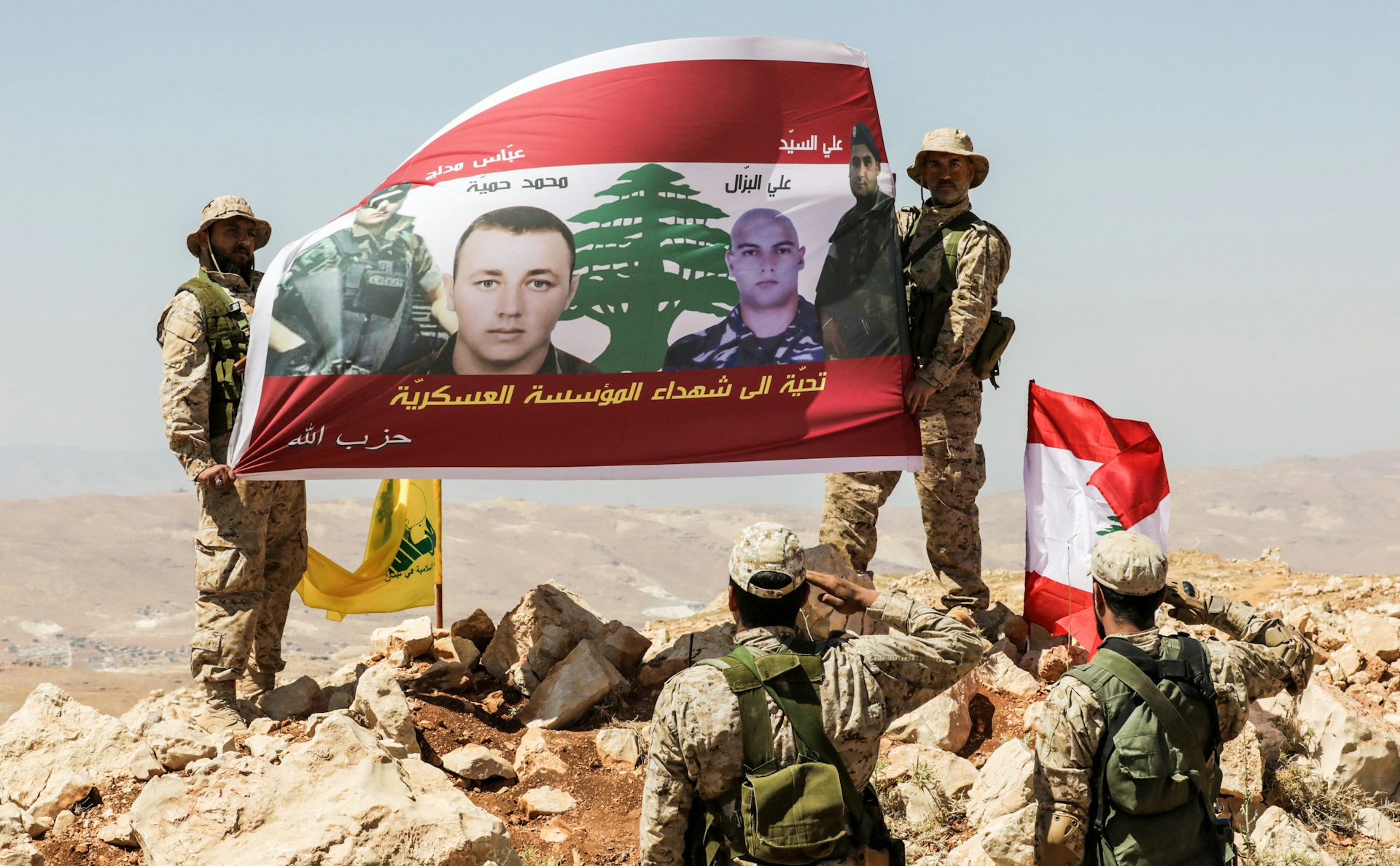
However, the size and capabilities of Hezbollah’s missile and rocket force show the limits of Israeli effectiveness. The group possessed an estimated 100,000 to 200,000 missiles and rockets prior to the resumption of hostilities between Israel and Hezbollah in 2026. Israeli officials and pro-Israeli think tanks would make the counterfactual argument that Hezbollah’s arsenal, especially of advanced weapons, would have been much larger without Mabam operations.
हालांकि, हिज़्बुल्लाह की मिसाइल और रॉकेट बल का आकार और क्षमता इज़राइली प्रभावशीलता की सीमाएं दर्शाती है। इस समूह के पास 2026 में इज़राइल और हिज़्बुल्लाह के बीच शत्रुता फिर से शुरू होने से पहले अनुमानित 100,000 से 200,000 मिसाइलें और रॉकेट थे। इज़राइली अधिकारी और इज़राइल समर्थक थिंक टैंक यह प्रतितथ्यात्मक तर्क देंगे कि मबाम (Mabam) अभियानों के बिना हिज़्बुल्लाह का भंडार, विशेष रूप से उन्नत हथियारों का, बहुत बड़ा होता।
Israeli officials refrain from directly connecting the country’s covert action in Iran since the late 2010s to Mabam. But explosions at nuclear, missile and drone facilities and assassinations of scientists outside the direct conflicts of June 2025 and from February 2026 clearly map to the goal of degrading Iranian military capabilities in between wars.
इज़राइली अधिकारी 2010 के दशक के अंत से ईरान में देश की गुप्त कार्रवाई को मबाम से सीधे तौर पर जोड़ने से बचते हैं। लेकिन, जून 2025 और फरवरी 2026 के प्रत्यक्ष संघर्षों के बाहर परमाणु, मिसाइल और ड्रोन सुविधाओं पर हुए विस्फोट और वैज्ञानिकों की हत्याएं स्पष्ट रूप से युद्धों के बीच ईरानी सैन्य क्षमताओं को कम करने के लक्ष्य से मेल खाती हैं।
To use one prominent example, an explosion in July 2020 widely linked to Israel disabled a key Iranian advanced centrifuge assembly facility, destroying more than half of the facility.
एक प्रमुख उदाहरण के तौर पर, जुलाई 2020 में इज़राइल से व्यापक रूप से जुड़े एक विस्फोट ने एक प्रमुख ईरानी उन्नत सेंट्रीफ्यूज असेंबली सुविधा को निष्क्रिय कर दिया, जिसमें आधे से अधिक 시설 नष्ट हो गए थे।
But the attack had unexpected consequences. Iran was able to rebuild the capability in a matter of months, concentrating on locating future centrifuge assembly capabilities at sites buried deep underground.
लेकिन हमले के अप्रत्याशित परिणाम हुए। ईरान कुछ ही महीनों में उस क्षमता का पुनर्निर्माण करने में सक्षम था, जिसमें उसने भविष्य की सेंट्रीफ्यूज असेंबली क्षमताओं को गहरे भूमिगत स्थानों पर स्थापित करने पर ध्यान केंद्रित किया।
A risk to US objectives
अमेरिकी उद्देश्यों के लिए एक जोखिम
In an early 2026 graduation speech for military cadets, Netanyahu declared that Israel would move beyond Mabam to even more actively confront threats. “There is no more containment of threats. There is no more Mabam,” he said after decades of supporting the strategy.
सैन्य कैडेटों को दिए गए 2026 की शुरुआत में एक स्नातक भाषण में, नेतन्याहू ने घोषणा की कि इज़राइल ‘मबाम’ से आगे बढ़कर खतरों का और भी सक्रिय रूप से सामना करेगा। उन्होंने दशकों तक इस रणनीति का समर्थन करने के बाद कहा, “अब खतरों को सीमित करना नहीं है। अब मबाम नहीं है।”
But even a force that conducts a high number of military operations like the IDF needs a strategy short of full-scale war.
लेकिन एक बल जो आईडीएफ (IDF) की तरह बड़ी संख्या में सैन्य ऑपरेशन करता है, उसे पूर्ण पैमाने पर युद्ध से कम वाली एक रणनीति की आवश्यकता होती है।
And since most in the Israeli security establishment view the Mabam strategy as generally successful in diminishing Iran’s capabilities and those of its partners and proxies, it will likely remain a prominent feature of Israeli strategy even if updated to reflect current perceived threats. This will be the case whether Israel is led by Netanyahu or another leader.
और चूंकि इज़राइली सुरक्षा प्रतिष्ठान में अधिकांश लोग ‘मबाम’ रणनीति को ईरान और उसके साझेदारों तथा प्रॉक्सी की क्षमताओं को कम करने में सामान्य रूप से सफल मानते हैं, इसलिए यह संभवतः इज़राइली रणनीति का एक प्रमुख हिस्सा बनी रहेगी, भले ही इसे वर्तमान कथित खतरों को दर्शाने के लिए अद्यतन किया जाए। यह स्थिति तब भी रहेगी जब इज़राइल पर नेतन्याहू या कोई अन्य नेता शासन करेगा।
While a central aspect of Mabam is avoiding escalation, this balancing act will be increasingly difficult in today’s Middle East.
हालांकि ‘मबाम’ का एक केंद्रीय पहलू तनाव बढ़ने से बचना है, लेकिन आज के मध्य पूर्व में यह संतुलनकारी कार्य तेजी से कठिन होता जा रहा है।
To retain U.S. support for Israel’s overall Iran strategy, expanded coordination with Washington will be crucial. Israel has sometimes, but not always, coordinated relevant actions with the U.S. For instance, it allowed the U.S. Central Command to review strikes it planned to launch from near the Al Tanf Base in Syria that hosted U.S. troops until February 2026.
इज़राइल की समग्र ईरान रणनीति के लिए अमेरिकी समर्थन बनाए रखने हेतु वाशिंगटन के साथ विस्तारित समन्वय महत्वपूर्ण होगा। इज़राइल ने कभी-कभी, लेकिन हमेशा नहीं, अमेरिका के साथ प्रासंगिक कार्रवाई का समन्वय किया है। उदाहरण के लिए, इसने अमेरिकी केंद्रीय कमान को सीरिया में अल तंफ बेस के पास उन हमलों की समीक्षा करने दी जो वह 2026 फरवरी तक अमेरिकी सैनिकों का ठिकाना था, लॉन्च करने की योजना बना रहा था।
Israel believes it has valid reasons for sometimes conducting military action on its own: Israeli officials view Iran developing a nuclear weapon as an “existential” threat and Hezbollah having a large arsenal of precision-guided missiles as a “strategic threat” to the state of Israel.
इज़राइल का मानना है कि उसके पास कभी-कभी अकेले सैन्य कार्रवाई करने के वैध कारण हैं: इज़राइली अधिकारियों का मानना है कि ईरान द्वारा परमाणु हथियार विकसित करना एक “अस्तित्वगत” खतरा है और हिज़्बुल्लाह के पास सटीक निर्देशित मिसाइलों का बड़ा भंडार राज्य इज़राइल के लिए एक “रणनीतिक खतरा” है।
However, Washington is likely to ask for wider coordination with Israel in the aftermath of the Iran war. That war ever more tightly connected U.S. security interests to those of Israel, but the ongoing negotiations to end the conflict have shown a rare degree of distance between the two countries. Coordinating its operations short of war will be a bitter pill for Israeli leaders intent on acting as they desire. It also has the potential to further strain Israel-U.S. relations in the years ahead.
हालांकि, वाशिंगटन संभवतः ईरान युद्ध के बाद इज़राइल के साथ व्यापक समन्वय की मांग करेगा। उस युद्ध ने अमेरिकी सुरक्षा हितों को इज़राइल के हितों से और भी मजबूती से जोड़ा, लेकिन संघर्ष को समाप्त करने के चल रहे वार्ता ने दोनों देशों के बीच दूरी का एक दुर्लभ स्तर दिखाया है। युद्ध से कम ऑपरेशन का समन्वय करना इज़राइली नेताओं के लिए कड़वी गोली होगी जो अपनी इच्छानुसार कार्य करने पर तुले हुए हैं। इसमें आने वाले वर्षों में इज़राइल-अमेरिका संबंधों पर और तनाव डालने की भी क्षमता है।
This article reflects the views of the author and not the US Government.
यह लेख लेखक के विचारों को दर्शाता है और अमेरिकी सरकार के नहीं।
Read more
-
100 मिलियन अफ्रीकी बच्चे स्कूल में नहीं हैं। इस प्रवृत्ति को क्या चला रहा है और इसे कैसे पलटा जाए।
100 million African children are not in school. What’s driving the trend and how to reverse it
-
पोलैंड के राष्ट्रपति द्वारा वलोडिमिर ज़ेलेंस्की के साथ विवाद में युद्धकालीन इतिहास का उपयोग क्यों किया जा रहा है
Why Poland’s president is invoking wartime history in a dispute with Volodymyr Zelensky