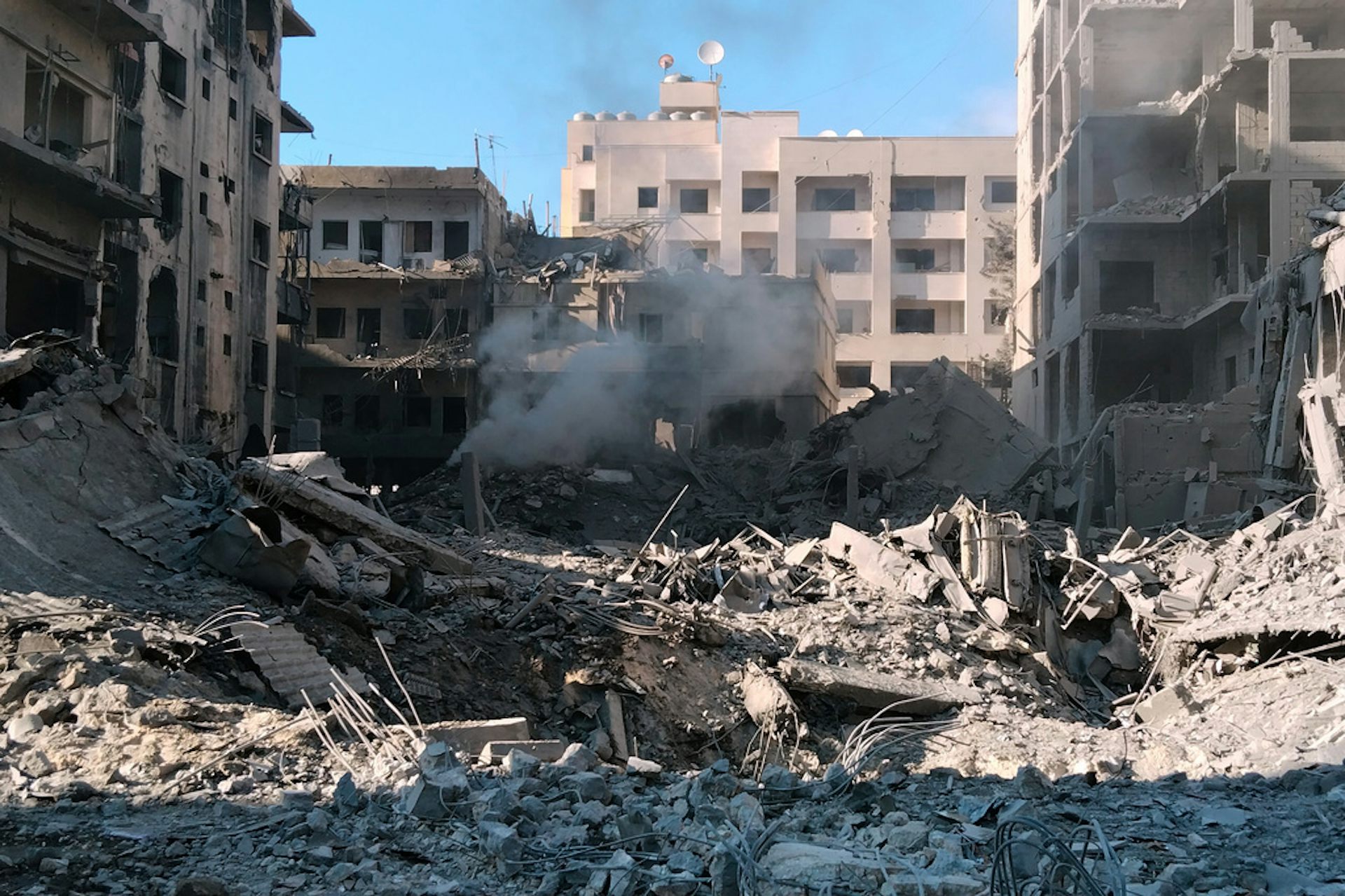
A la sombra de la guerra con Irán, la renovada campaña de Israel en Líbano corre el riesgo de repetir lecciones fallidas – y ocupaciones – del pasado
In Iran war’s shadow, Israel’s renewed Lebanon campaign risks repeating failed lessons – and occupations – of the past
Unable to defeat Iran, Israel shifts its focus to Lebanon, fearing U.S. negotiations with Tehran could limit operations against Hezbollah.
Incapaz de derrotar a Irán, Israel cambia su enfoque a Líbano, temiendo que las negociaciones de EE. UU. con Teherán puedan limitar las operaciones contra Hezbolá.
Going into the war in Iran, the Israeli government seemingly had two intertwined goals: to bring down the Islamic Republic and rid Israel of its Hezbollah problem.
Al iniciar la guerra en Irán, el gobierno israelí aparentemente tenía dos objetivos entrelazados: derrocar la República Islámica y librar a Israel de su problema con Hezbolá.
The logic went that the Lebanese Shiite group – which has posed a persistent threat to Israel for 44 years – would finally succumb if stripped of its Iranian benefactor. After all, Israeli attempts to destroy Hezbollah through direct military action had not been effective, nor had internationally supported disarmament efforts.
La lógica era que el grupo chií malubiyano —que ha representado una amenaza persistente para Israel durante 44 años— finalmente sucumbiría si se le despojaba de su benefactor iraní. Después de todo, los intentos israelíes de destruir a Hezbolá mediante acciones militares directas no habían sido efectivos, ni tampoco los esfuerzos de desarme respaldados internacionalmente.
But as the United States and Iran continue to negotiate over an agreement that might put an end to their war, the Israeli-Lebanese front remains as active as ever. Israel has increased strikes and incursions deeper into Lebanon, while Hezbollah is targeting the Israeli military deployed in southern Lebanon and the civilian population in northern Israel.
Pero mientras Estados Unidos e Irán continúan negociando un acuerdo que podría poner fin a su guerra, el frente israelí-libanés sigue tan activo como siempre. Israel ha aumentado los ataques y las incursiones más profundamente en Líbano, mientras que Hezbolá está atacando a los militares israelíes desplegados en el sur de Líbano y a la población civil en el norte de Israel.
Worse, from the Israeli government’s perspective, is that Iran has found a way of turning its survival and newfound leverage over the Strait of Hormuz into protecting Hezbollah. Tehran is currently conditioning a potential deal with Washington on a complete halt of Israeli hostilities in Lebanon – a move clearly designed to safeguard the political and military standing of Hezbollah, its primary proxy.
Peor aún, desde la perspectiva del gobierno israelí, es que Irán ha encontrado la manera de convertir su supervivencia y su apalancamiento recién adquirido sobre el Estrecho de Ormuz en la protección de Hezbolá. Teherán está condicionando actualmente un posible acuerdo con Washington a un cese total de las hostilidades israelíes en Líbano, una medida claramente diseñada para salvaguardar la posición política y militar de Hezbolá, su principal proxy.
Since full-scale war returned to Lebanon on March 2, 2026, it has had a massive humanitarian cost. As of June 1, over a million Lebanese have been displaced and more than 3,300 killed since the beginning of March. On the Israeli side, 24 soldiers and 4 civilians have been killed in the same time period.
Desde que la guerra a gran escala regresó a Líbano el 2 de marzo de 2026, ha tenido un costo humanitario masivo. Al 1 de junio, más de un millón de libaneses han sido desplazados y más de 3.300 han muerto desde principios de marzo. Por parte israelí, 24 soldados y 4 civiles han muerto en el mismo período de tiempo.
Israel seeks to decouple its Lebanon front from the wider regional conflict, aiming to maintain its military campaign against the Shiite organization independently of broader U.S. negotiations with Iran. But whether it will able to do this is uncertain. The Trump administration has largely excluded Israel from the specifics of its Iranian dialogue while attempting to restrict Israeli operations in Lebanon to strikes in the country’s south and the Bekaa Valley and prohibiting attacks on state infrastructure. The ordering of attacks on Lebanon’s capital, Beirut, by Israeli Prime Minister Benjamin Netanyahu on June 1 lays bare the limits to U.S. pressure.
Israel busca desacoplar su frente libanés del conflicto regional más amplio, con el objetivo de mantener su campaña militar contra la organización chií independientemente de las negociaciones más amplias de EE. UU. con Irán. Pero si podrá hacerlo es incierto. La administración Trump ha excluido en gran medida a Israel de los detalles de su diálogo con Irán, mientras intenta restringir las operaciones israelíes en Líbano a ataques en el sur del país y el Valle de Bekaa, y prohibir ataques a la infraestructura estatal. La orden de ataques contra la capital de Líbano, Beirut, por parte del primer ministro israelí Benjamin Netanyahu el 1 de junio, deja al descubierto los límites de la presión estadounidense.
And ultimately, the resolution of this conflict rests upon how President Donald Trump chooses to navigate Iranian demands concerning the future of Lebanon.
Y, en última instancia, la resolución de este conflicto depende de cómo el presidente Donald Trump elija gestionar las demandas iraníes relativas al futuro de Líbano.
As a historian of Israel and Lebanon, I have studied cycles of violence between these parties since 1982, and have noted recurring patterns in which Hezbollah has emerged emboldened, maintaining its dominance over Lebanese society as an Iranian proxy. Contrary to Israeli hopes, Iran’s patronage of Hezbollah has not been ended by the Iran war. And to confound issues, continued Israeli occupation of Lebanese land could grant Hezbollah the necessary justification to sustain its narrative of resistance at the cost of the broader Lebanese population.
Como historiador de Israel y Líbano, he estudiado ciclos de violencia entre estas partes desde 1982, y he notado patrones recurrentes en los que Hezbolá ha emergido envalentonado, manteniendo su dominio sobre la sociedad libanesa como un proxy iraní. Contrariamente a las esperanzas israelíes, el patrocinio de Irán hacia Hezbolá no ha terminado con la guerra de Irán. Y para complicar las cosas, la continua ocupación israelí de tierras libanesas podría otorgar a Hezbolá la justificación necesaria para sostener su narrativa de resistencia a costa de la población libanesa en general.
A wounded but not dead Hezbollah
Un Hezbolá herido, pero no muerto
While significantly weakened as a result of more than two and a half years of war with Israel, Hezbollah continues to wield considerable power in Lebanon.
Aunque significativamente debilitado como resultado de más de dos años y medio de guerra con Israel, Hezbolá sigue ejerciendo un poder considerable en Líbano.
After a ceasefire in November 2024 – following the full-scale war in September-October of that year – ostensibly stopped fighting, a new Lebanese president was elected and a new government was established in February 2025.
Después de un alto el fuego en noviembre de 2024 – tras la guerra a gran escala en septiembre-octubre de ese año – que supuestamente detuvo los combates, se eligió un nuevo presidente libanés y se estableció un nuevo gobierno en febrero de 2025.
That ended a three-year political deadlock generated by Hezbollah’s effective veto power over successive Lebanese governments since 2008. Even since the formation of a government in 2025, however, the Lebanese state has been unable to effectively make progress in disarming Hezbollah as stipulated in the November 2024, armistice agreement that ended that previous round of fighting.
Esto puso fin a un estancamiento político de tres años generado por el poder de veto efectivo de Hezbolá sobre los sucesivos gobiernos libanes desde 2008. Sin embargo, incluso desde la formación de un gobierno en 2025, el estado libanés no ha podido avanzar eficazmente en el desarme de Hezbolá, como estipula el acuerdo de armisticio de noviembre de 2024 que puso fin a esa ronda anterior de combates.
Instead, Iran invested significant efforts to prop up its Lebanese proxy. Tehran even sent senior officers of its Revolutionary Guard soon after the November 2024 ceasefire to assume the command of the Shiite organization, which lost many of its leaders at the hands of Israeli assassinations and targeted strikes.
En cambio, Irán invirtió esfuerzos significativos para apuntalar a su proxy libanés. Teherán incluso envió a altos oficiales de su Guardia Revolucionaria poco después del alto el fuego de noviembre de 2024 para asumir el mando de la organización chiita, que perdió a muchos de sus líderes a manos de asesinatos e ataques israelíes.
These efforts are paying off for Tehran now, as seen through Hezbollah’s ability to challenge Israel militarily.
Estos esfuerzos están dando sus frutos para Teherán ahora, como se ve en la capacidad de Hezbolá para desafiar a Israel militarmente.
With the beginning of this most recent war in March, the Lebanese prime minister banned Hezbollah’s operations, while the president condemned the group for dragging Lebanon into a conflict that most Lebanese rejected.
Con el comienzo de la guerra más reciente en marzo, el primer ministro libanés prohibió las operaciones de Hezbolá, mientras que el presidente condenó al grupo por arrastrar a Líbano a un conflicto que la mayoría de los libaneses rechazaron.
But, as in the past, the government has been unable to effectively rein in Hezbollah. A telling case came on March 24, 2026, when Lebanon’s Foreign Ministry declared the Iranian ambassador a persona non grata, ordering him to leave the country.
Pero, como en el pasado, el gobierno no ha podido controlar eficazmente a Hezbolá. Un caso revelador ocurrió el 24 de marzo de 2026, cuando el Ministerio de Asuntos Exteriores de Líbano declaró al embajador iraní persona non grata, ordenándole que abandonara el país.
Iran and Hezbollah defied the order and the ambassador refused to leave the embassy in Beirut.
Irán y Hezbolá desobedecieron la orden y el embajador se negó a abandonar la embajada en Beirut.
This example also suggests that the hopes for revitalized state capacities after the current Lebanese government came to power in February 2025 – the first government since 2008 not controlled by Hezbollah – may have been premature.
Este ejemplo también sugiere que las esperanzas de revitalizar las capacidades estatales después de que el actual gobierno libanés asumiera el poder en febrero de 2025 – el primer gobierno desde 2008 no controlado por Hezbolá – pueden haber sido prematuras.
Gaza via Lebanon
Gaza vía Líbano
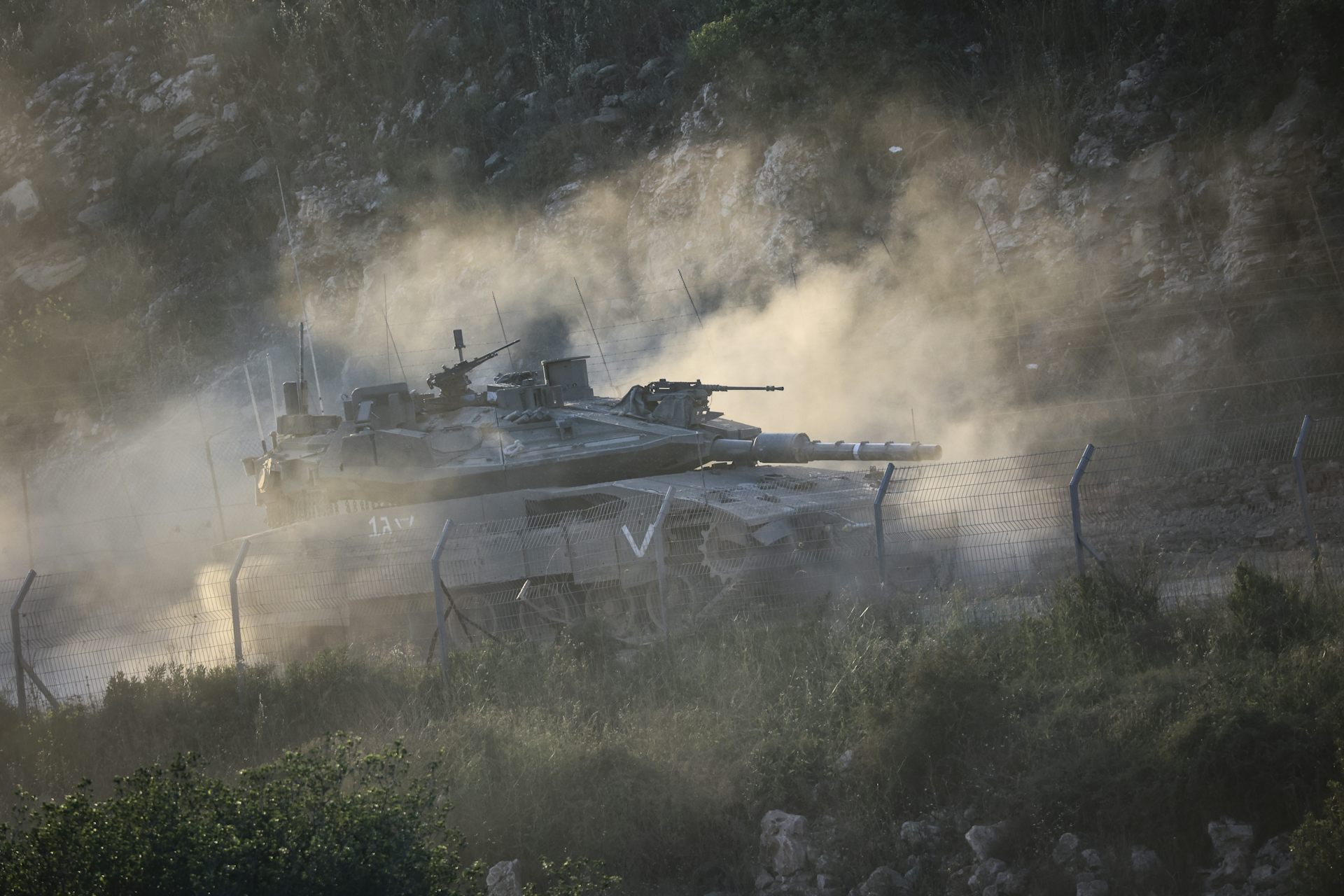
Employing what some have called a “Gaza model” in Lebanon, Israel has effectively created a new security zone in south Lebanon by occupying Lebanese territory, razing to the ground whole villages that Hezbollah had used for military purposes and clearing out most of the population from the area.
Al emplear lo que algunos han llamado un “modelo de Gaza” en Líbano, Israel ha creado efectivamente una nueva zona de seguridad en el sur de Líbano al ocupar territorio libanés, arrasar con aldeas enteras que Hezbolá había utilizado con fines militares y desalojar a la mayoría de la población de la zona.
But Israel has occupied south Lebanon in the past: first in March 1978, during the Litani operation, and then again from 1982 to 2000. The failure of these occupations should raise alarms in Israel. Neither resulted in lasting security improvements and instead left indelible, traumatic scars on Israel’s collective consciousness, creating the image of Lebanon as a quagmire into which Israel has been repeatedly drawn.
Pero Israel ha ocupado el sur de Líbano en el pasado: primero en marzo de 1978, durante la operación Litani, y luego de nuevo de 1982 a 2000. El fracaso de estas ocupaciones debería generar alarmas en Israel. Ninguna resultó en mejoras de seguridad duraderas, sino que dejó cicatrices traumáticas e indelebles en la conciencia colectiva de Israel, creando la imagen de Líbano como un atolladero en el que Israel ha sido atraído repetidamente.
The government of Netanyahu is now leading the country into another potential quagmire in Lebanon.
El gobierno de Netanyahu está llevando ahora al país hacia otro potencial atolladero en Líbano.
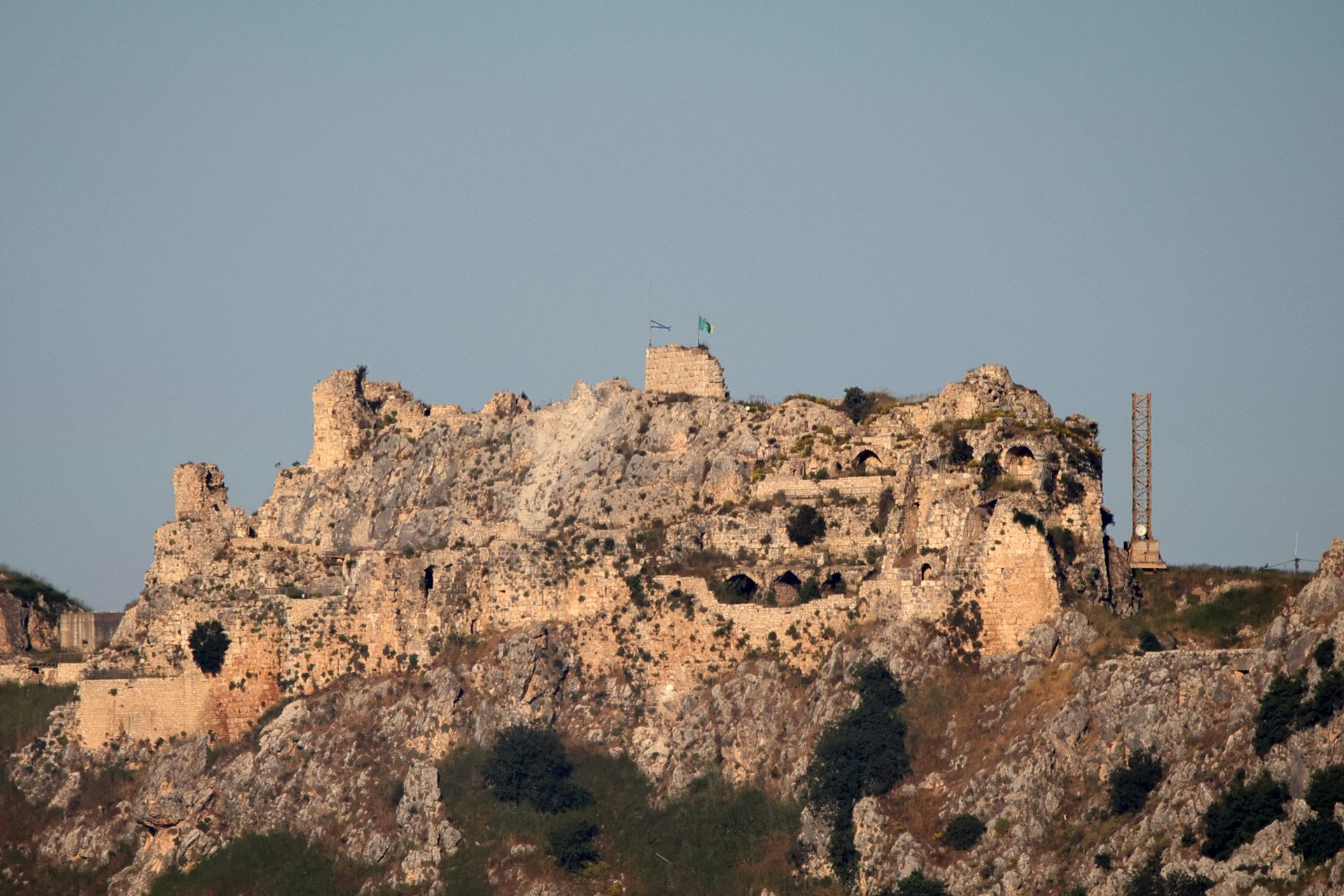
The news about the Israel Defense Forces’ occupation of the Beaufort castle in south Lebanon on May 31 should bring grim memories for Israelis. That castle remains entrenched in the collective memory of Israel’s occupation of south Lebanon in 1982-2000 as a symbol of its failure. Netanyahu, however, packaged Israel’s occupation as a sign of strength, stating that “we have returned stronger than ever.” History suggests otherwise.
La noticia sobre la ocupación del castillo de Beaufort por las Fuerzas de Defensa de Israel en el sur de Líbano el 31 de mayo debería traer recuerdos sombríos para los israelíes. Ese castillo permanece arraigado en la memoria colectiva de la ocupación de Israel del sur de Líbano en 1982-2000 como un símbolo de su fracaso. Netanyahu, sin embargo, presentó la ocupación de Israel como un signo de fuerza, afirmando que “hemos regresado más fuertes que nunca”. La historia sugiere lo contrario.
History repeats itself
La historia se repite
Netanyahu is driven in large part by Israeli domestic affairs.
Netanyahu está impulsado en gran parte por los asuntos internos israelíes.
A majority of Israelis support the continuation of the war against Hezbollah. Moreover, with national elections scheduled for October 2026, Netanyahu needs to show some success in at least one of the multiple military fronts he has intentionally kept open since the Hamas attack on Oct. 7, 2023.
La mayoría de los israelíes apoya la continuación de la guerra contra Hezbolá. Además, con elecciones nacionales programadas para octubre de 2026, Netanyahu necesita mostrar algún éxito en al menos uno de los múltiples frentes militares que ha mantenido intencionalmente abiertos desde el ataque de Hamás el 7 de octubre de 2023.
With Netanyahu seemingly failing to achieve his aims in Iran, Lebanon and Hezbollah provide him with an opportunity to keep a state of emergency in Israel, which he needs for his own political survival.
Dado que Netanyahu parece estar fracasando en el logro de sus objetivos en Irán, Líbano y Hezbolá le brindan la oportunidad de mantener un estado de emergencia en Israel, lo cual necesita para su propia supervivencia política.
But failure in Iran makes achieving Netanyahu’s goal in Lebanon that much harder. The government in Tehran seems to have found significant leverage over the U.S. and Israel. And under these conditions, Tehran would not give up on Hezbollah, which remains its most important regional asset.
Pero el fracaso en Irán hace que lograr el objetivo de Netanyahu en Líbano sea mucho más difícil. El gobierno de Teherán parece haber encontrado una influencia significativa sobre EE. UU. e Israel. Y bajo estas condiciones, Teherán no renunciaría a Hezbolá, que sigue siendo su activo regional más importante.
Diplomacy is the only way out of this imbroglio. And while it would not likely lead to the disarming of Hezbollah and to the Israel’s full withdrawal from south Lebanon, it remains the only constructive way forward.
La diplomacia es la única salida a este embrollo. Y aunque probablemente no conduzca al desarme de Hezbolá ni a la retirada total de Israel del sur de Líbano, sigue siendo el único camino constructivo a seguir.
At the behest of the Trump administration, Israeli and Lebanese ambassadors met to discuss a diplomatic understanding between two countries that have never had official relations. And on May 30, military representatives of the two countries met in Washington, D.C.
A instancias de la administración Trump, embajadores israelíes y libaneses se reunieron para discutir un entendimiento diplomático entre dos países que nunca han tenido relaciones oficiales. Y el 30 de mayo, representantes militares de ambos países se reunieron en Washington, D.C.
For the first time since 1983, the Lebanese government has agreed to negotiate directly with Israel over a long-term political agreement, including the possibility of finally demarcating their shared borders. Hezbollah, as expected, has vehemently opposed these negotiations.
Por primera vez desde 1983, el gobierno libanés ha acordado negociar directamente con Israel un acuerdo político a largo plazo, incluida la posibilidad de demarcar finalmente sus fronteras compartidas. Hezbolá, como era de esperar, se ha opuesto vehementemente a estas negociaciones.
What we are seeing currently unfolding in Lebanon is another testament to the failure of the Israeli-U.S. war against Iran. Yet a war that began with lofty promises of a new Middle East may end up with a worse version of the old Middle East – an emboldened Islamic Republic, a new Israeli occupation of south Lebanon and a Hezbollah, while weaker than before, still entrenched as an armed militia outside of Lebanese state control and working in concert with Iran.
Lo que estamos viendo actualmente desarrollarse en Líbano es otro testimonio del fracaso de la guerra israelí-estadounidense contra Irán. Sin embargo, una guerra que comenzó con altas promesas de un nuevo Medio Oriente puede terminar con una versión peor del antiguo Medio Oriente: una República Islámica envalentonada, una nueva ocupación israelí del sur de Líbano y un Hezbolá, aunque más débil que antes, aún atrincherado como una milicia armada fuera del control estatal libanés y trabajando en concierto con Irán.
Asher Kaufman does not work for, consult, own shares in or receive funding from any company or organization that would benefit from this article, and has disclosed no relevant affiliations beyond their academic appointment.
Asher Kaufman no trabaja para, asesora, posee acciones de, ni recibe financiación de ninguna empresa u organización que se beneficiaría de este artículo, y no ha revelado afiliaciones relevantes más allá de su nombramiento académico.
Read more
-
El estudio más grande del mundo sobre perpetradores de abuso sexual infantil revela por qué abusan
World’s largest study of child sexual abuse perpetrators reveals why they abuse
-
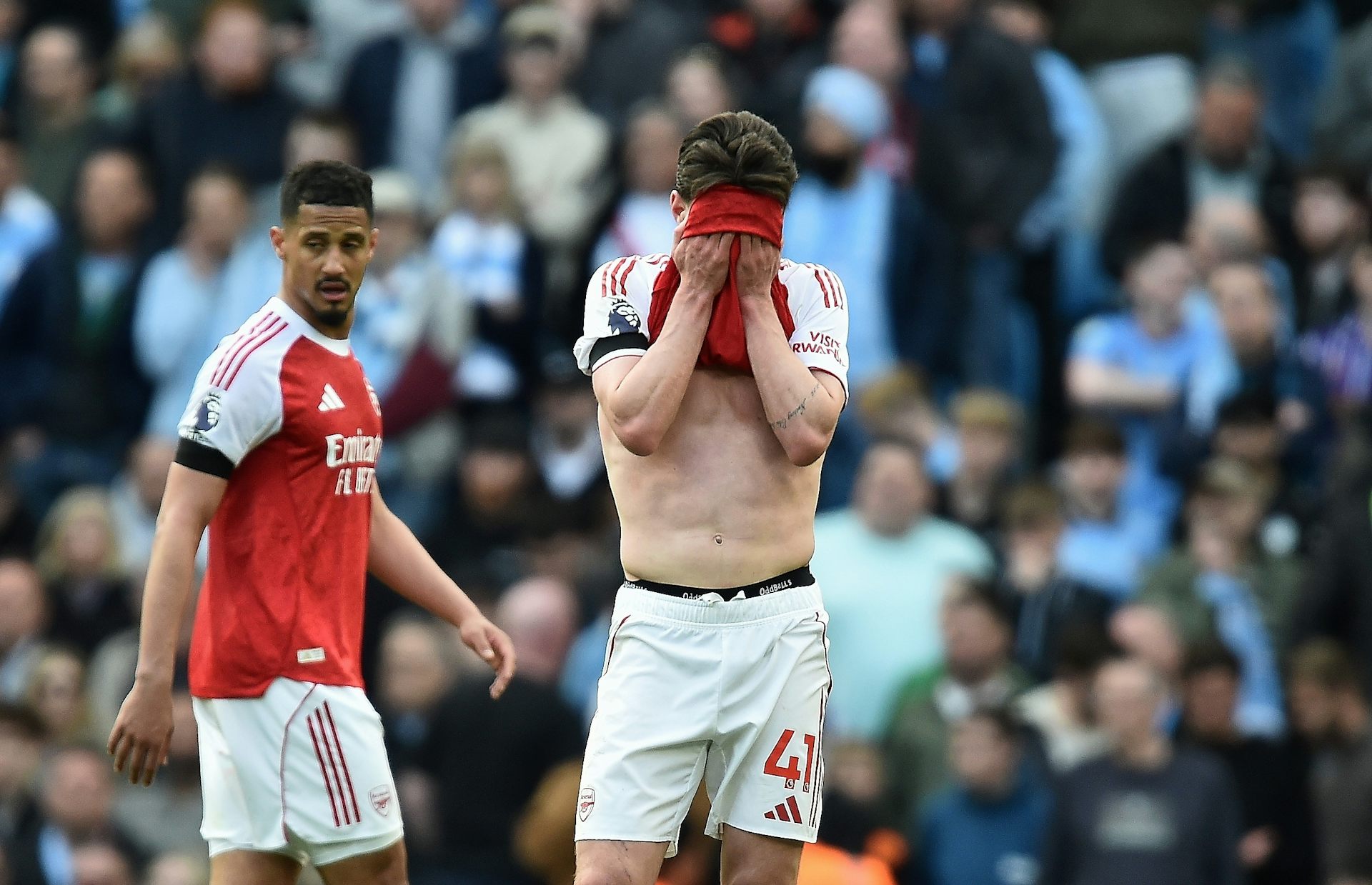
Arsenal podría estar fallando de nuevo en la Premier League inglesa. Aquí hay 4 soluciones psicológicas
Arsenal might be choking again in England’s Premier League. Here are 4 psychological fixes