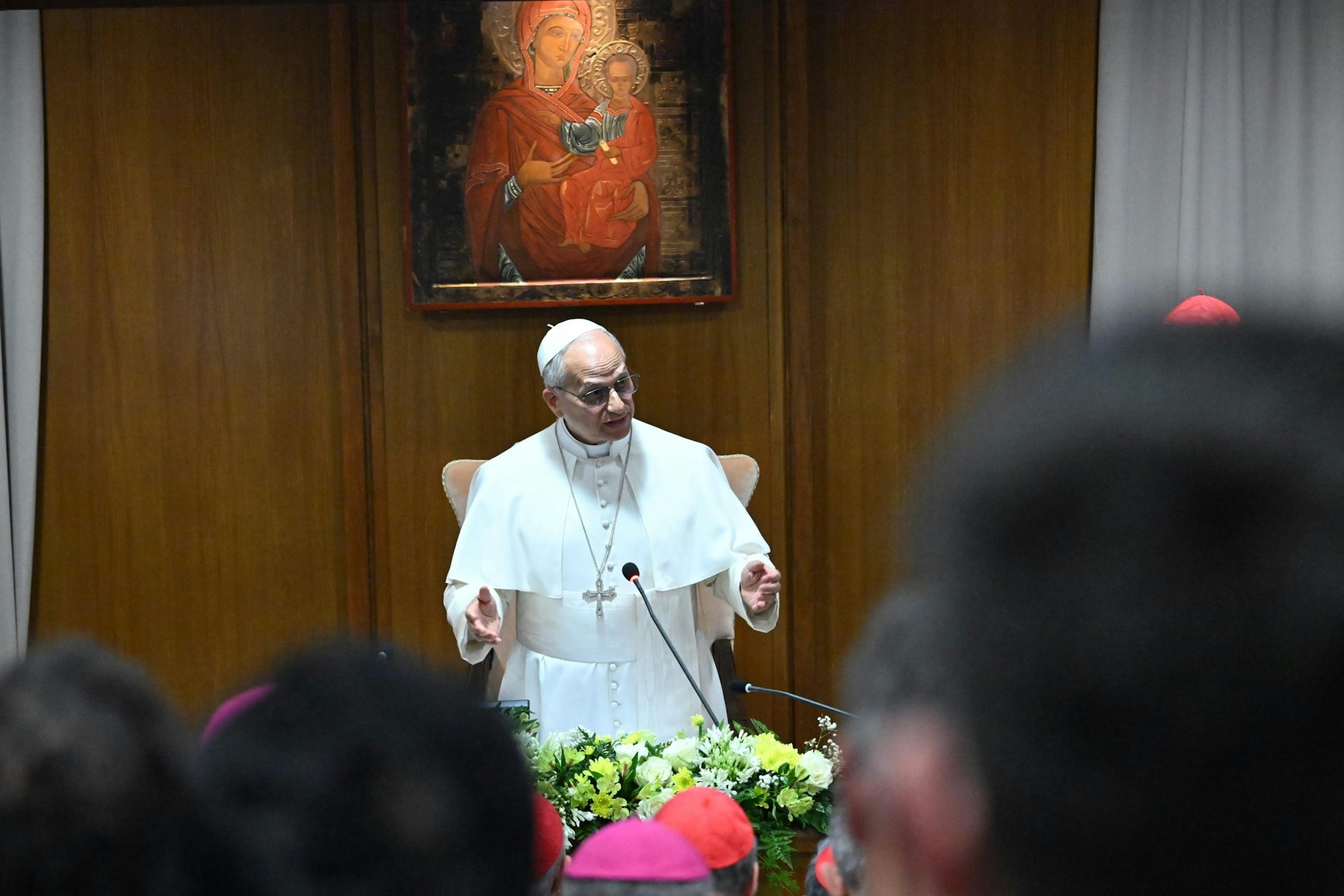
يحذر البابا ليو من مخاطر الذكاء الاصطناعي على البشرية في أول إنزيميكال له
Pope Leo warns of AI’s risks to humanity in his first encyclical
The pope has warned that AI is never truly neutral: it reflects the society that made it. He has called for ethical oversight – and protecting workers.
حذّر البابا من أن الذكاء الاصطناعي ليس محايدًا أبدًا: بل يعكس المجتمع الذي أنتجه. ودعا إلى الرقابة الأخلاقية – وحماية العمال.
Pope Leo XIV has just declared artificial intelligence one of the defining moral challenges of our time, in his first encyclical: a formal letter intended to guide moral, social and theological thought. Titled Magnifica Humanitas (Magnificent Humanity) , it argues technology must serve humanity, rather than concentrate power or weaken human dignity.
أعلن البابا ليو الرابع عشر للتو أن الذكاء الاصطناعي هو أحد التحديات الأخلاقية المحورية في عصرنا، وذلك في إنزيكليك (رسالة بابوية) له، وهي رسالة رسمية تهدف إلى توجيه الفكر الأخلاقي والاجتماعي واللاهوتي. وتحمل الرسالة عنوان “الجمالية الإنسانية” (Magnifica Humanitas) ، وتجادل بأن التكنولوجيا يجب أن تخدم الإنسانية، بدلاً من أن تتركز بها السلطة أو تضعف الكرامة الإنسانية.
He presented it at the Vatican alongside AI developer Christopher Olah, cofounder of Anthropic, who acknowledged that companies like his need moral guidance to guard against “incentives and constraints that can sometimes conflict with doing the right thing”, the New York Times reported.
وقد قدم البابا الرسالة في الفاتيكان إلى جانب مطور الذكاء الاصطناعي كريستوفر أولاه، المؤسس المشارك لشركة “أنثروبيك”، الذي أقر بأن الشركات مثل شركته بحاجة إلى توجيه أخلاقي لتجنب “الحوافز والقيود التي قد تتعارض أحيانًا مع فعل الشيء الصحيح”، وفقًا لما ذكرته صحيفة نيويورك تايمز.
“Technology is not simply a tool,” read the roughly 42,300-word open letter. “When it becomes the standard by which everything is judged, it begins to dictate what matters and what can be discarded, reducing creation to an object of exploitation and human beings to mere cogs in a system driven toward ever greater efficiency.”
وقرأت الرسالة المفتوحة، التي تبلغ حوالي ٤٢,٣٠٠ كلمة: “التكنولوجيا ليست مجرد أداة.” وأضافت: “عندما تصبح المعيار الذي يُحكَم به كل شيء، فإنها تبدأ في إملاء ما هو مهم وما يمكن التخلص منه، مما يختزل الخلق إلى مجرد هدف للاستغلال، ويختزل البشر إلى مجرد تروس في نظام يتجه نحو كفاءة متزايدة باستمرار.”
It warns that AI is never truly neutral, but “takes on the characteristics of those who devise, finance, regulate and use it”. And it calls for ethical oversight, social justice, protection of workers, responsible governance and peace.
وتحذر الرسالة من أن الذكاء الاصطناعي ليس محايدًا أبدًا، بل “يتخذ خصائص أولئك الذين يصممونه ويمولونه وينظمونه ويستخدمونه.” وتدعو إلى الرقابة الأخلاقية، والعدالة الاجتماعية، وحماية العمال، والحوكمة المسؤولة، والسلام.
Automated warfare
الحرب المؤتمتة
The encyclical criticises the use of AI in warfare, calling for imposing the “most rigorous ethical constraints” on weapons developed using AI.
تنتقد الإنزيميكال استخدام الذكاء الاصطناعي في الحرب، وتدعو إلى فرض “أشد القيود الأخلاقية” على الأسلحة المطورة باستخدام الذكاء الاصطناعي.
As governments invest heavily in autonomous military technologies and AI-assisted defence systems, the “growing ease” of deploying them makes war more likely and “less subject to human control”, it warns. This “violates the principle that armed force should be used only as a last resort in cases of legitimate self-defense”.
وتحذر من أنه مع استثمار الحكومات بكثافة في التقنيات العسكرية المستقلة وأنظمة الدفاع المساعدة بالذكاء الاصطناعي، فإن “سهولة النشر المتزايدة” لهذه الأنظمة تجعل الحرب أكثر احتمالاً و”أقل خضوعاً للسيطرة البشرية.” ويعد هذا “انتهاكاً للمبدأ القائل بأن القوة المسلحة يجب أن تستخدم فقط كملاذ أخير في حالات الدفاع المشروع عن النفس.”
The letter also criticises the growing concentration of technological power, and systems that reduce people to data or economic functions. It promotes what it calls a “civilisation of love”, centred on human dignity, solidarity, truth, compassion and the common good.
كما تنتقد الرسالة التركيز المتزايد للقوة التكنولوجية، والأنظمة التي تختزل البشر إلى بيانات أو وظائف اقتصادية. وهي تروج ما تسميه “حضارة المحبة”، التي تتمحور حول الكرامة الإنسانية، والتضامن، والحقيقة، والرحمة، والصالح العام.
Pope Leo’s response to the the AI revolution deliberately references his predecessor Pope Leo XIII’s response to the problems of the Industrial Revolution, Rerum Novarum (“Of New Things”) , in 1891. Though Magnifica Humanitas was released on May 25 2026, it is symbolically dated May 15, the date of Rerum Novarum.
يشير رد البابا ليو على ثورة الذكاء الاصطناعي عمداً إلى رد سابقه البابا ليو الثالث عشر على مشاكل الثورة الصناعية، في إنزيميكال “عن الأشياء الجديدة”، عام 1891. وعلى الرغم من إصدار “الكرامة الإنسانية العظيمة” في 25 مايو 2026، إلا أنها مؤرخة رمزياً في 15 مايو، وهو تاريخ إنزيميكال.
Industrial Revolution to AI Revolution
الثورة الصناعية إلى ثورة الذكاء الاصطناعي
An encyclical is not an ordinary papal statement. Traditionally addressed to bishops and the wider Catholic world, it is one of the Catholic church’s most authoritative teaching documents.
الإنكليكال ليس بيانًا بابويًا عاديًا. تقليديًا ما كان يُوجّه إلى الأساقفة والعالم الكاثوليكي الأوسع، وهو أحد أكثر وثائق التعليم السلطوية للكنيسة الكاثوليكية.
The pope no longer has the direct political power the papacy held in the 19th century. But papal teaching still carries moral weight across a global Catholic network of schools, universities, charities, hospitals and community organisations.
لم يعد للبابا القوة السياسية المباشرة التي كانت تتمتع بها البابوية في القرن التاسع عشر. لكن التعليم البابوي لا يزال يحمل ثقلاً أخلاقياً عبر شبكة كاثوليكية عالمية من المدارس والجامعات والمؤسسات الخيرية والمستشفيات والمنظمات المجتمعية.
The Vatican cannot regulate AI. It cannot write safety standards, police data centres, or force companies to disclose how their systems work. But it can help shape the moral terms of the debate. For more than a century, Catholic social teaching has influenced public arguments about work, inequality, poverty, human dignity and the ethical limits of economic power.
لا يمكن للفاتيكان تنظيم الذكاء الاصطناعي. لا يمكنه وضع معايير السلامة، أو مراقبة مراكز البيانات، أو إجبار الشركات على الكشف عن كيفية عمل أنظمتها. لكنه يستطيع المساعدة في تشكيل الشروط الأخلاقية للنقاش. لأكثر من قرن، أثر التعليم الاجتماعي الكاثوليكي في النقاشات العامة حول العمل، والتفاوت، والفقر، والكرامة الإنسانية، والحدود الأخلاقية للقوة الاقتصادية.
Although popes issued encyclicals long before the modern era, Rerum Novarum made social encyclicals globally influential.
على الرغم من أن الباباوات أصدروا إنكليكاليات قبل العصر الحديث بوقت طويل، إلا أن إنكليكال “ريروم نوفاروم” (Rerum Novarum) جعل الإنكليكاليات الاجتماعية ذات تأثير عالمي.
It confronted exploitative labour conditions, widening inequality, and conflict between workers and employers. Pope Leo XIII defended workers’ rights and argued that wealth carried social responsibilities. He criticised both unrestricted capitalism and revolutionary socialism.
لقد واجه ظروف العمل الاستغلالية، والتفاوت المتزايد، والصراع بين العمال وأصحاب العمل. دافع البابا ليو الثالث عشر عن حقوق العمال وجادل بأن الثروة تحمل مسؤوليات اجتماعية. وانتقد كلاً من الرأسمالية غير المقيدة والاشتراكية الثورية.
The document influenced debates about labour rights and economic justice well beyond the church. In Australia in 1907, Justice H.B. Higgins drew on Rerum Novarum when establishing principles for a fair living wage.
أثرت الوثيقة في النقاشات حول حقوق العمال والعدالة الاقتصادية إلى ما هو أبعد من الكنيسة. ففي أستراليا عام 1907، استند القاضي ه. ب. هيجينز إلى “ريروم نوفاروم” عند وضع مبادئ للأجر المعيشي العادل.
Pope Leo XIV’s encyclical attempts to do for the AI age what Rerum Novarum did for the industrial age: provide a moral framework for a technological transformation reshaping work, power and human relationships.
يحاول إنكليكال البابا ليو الرابع عشر أن يفعل لعصر الذكاء الاصطناعي ما فعلته “ريروم نوفاروم” لعصر الصناعة: توفير إطار أخلاقي لتحول تكنولوجي يعيد تشكيل العمل والسلطة والعلاقات الإنسانية.
Human dignity in the age of algorithms
الكرامة الإنسانية في عصر الخوارزميات
Pope Leo XIV argues human rights are not granted by governments or corporations: they arise from the intrinsic dignity of every person. Technologies should serve humanity rather than reduce people to data, economic units or optimisation problems.
يجادل البابا ليو الرابع عشر بأن حقوق الإنسان لا تمنحها الحكومات أو الشركات: بل تنبع من الكرامة المتأصلة في كل شخص. ويجب أن تخدم التكنولوجيا الإنسانية بدلاً من اختزال الناس إلى بيانات، أو وحدات اقتصادية، أو مجرد مشاكل تحسين.
He builds on Pope Francis’ critique of “the tendency to let the logic of efficiency, control and profit alone shape personal, social and economic decisions”, in his 2015 encyclical. It, too, warned of the risks of technology.
ويبنِي البابا ليو الرابع عشر على نقد البابا فرنسيس لـ “الميل إلى أن يحدد منطق الكفاءة والسيطرة والربح القرارات الشخصية والاجتماعية والاقتصادية وحدها”، في إنزياكلته عام 2015. وقد حذّر هذا النص أيضاً من مخاطر التكنولوجيا.
Pope Leo XIV argues moral responsibility can’t be transferred to automated systems, regardless of how sophisticated they become. He also rejects transhumanist ideas that human limitations should be technologically overcome, arguing vulnerability, dependence and imperfection are essential to being human. Relationships, care, solidarity and compassion are not weaknesses. “Humanity flourishes not despite limitations, but often through them.”
يجادل البابا ليو الرابع عشر بأنه لا يمكن نقل المسؤولية الأخلاقية إلى الأنظمة الآلية، بغض النظر عن مدى تطورها. كما يرفض الأفكار ما بعد الإنسانية التي تقترح التغلب على القيود البشرية تكنولوجياً، مؤكداً أن الضعف والتبعية والنقص ضرورية لكون الإنسان إنساناً. فالعلاقات، والرعاية، والتضامن، والتعاطف ليست نقاط ضعف. “يزدهر الإنسان ليس بالرغم من قيوده، بل غالباً بسببه.”
Running throughout the encyclical is a contrast between a “culture of power” and a “civilization of love”. One treats technology primarily as a tool for domination and control. The other places human dignity, justice and care at the centre of social life.
يتخلل الإنزياكل تباين بين “ثقافة القوة” و”حضارة الحب.” فإحداهما تتعامل مع التكنولوجيا بشكل أساسي كأداة للهيمنة والسيطرة. بينما تضع الأخرى الكرامة الإنسانية والعدالة والرعاية في مركز الحياة الاجتماعية.
Why this matters
أهمية هذا الموضوع
The significance of Magnifica Humanitas lies in its ability to shape public conversation and moral imagination. Moral frameworks matter. They influence what societies fear, what they tolerate, what they defend – and what they refuse to sacrifice.
تكمن أهمية “ماغنيفيكا هيومانيتاس” في قدرتها على تشكيل الحوار العام والخيال الأخلاقي. الأطر الأخلاقية مهمة. فهي تؤثر على ما تخافه المجتمعات، وما تتسامح به، وما تدافع عنه – وما ترفض التضحية به.
Governments are investing in AI capability while still developing frameworks for transparency, accountability and safe deployment. Businesses are adopting AI tools at speed. Schools and universities are rethinking assessment, authorship and learning. Workers are being asked to adapt to systems they did not design and often cannot challenge. And citizens are increasingly governed, assessed and targeted by automated systems they may never see.
تستثمر الحكومات في قدرات الذكاء الاصطناعي بينما لا تزال تطور أطرًا للشفافية والمساءلة والنشر الآمن. وتتبنى الشركات أدوات الذكاء الاصطناعي بسرعة. وتقوم المدارس والجامعات بإعادة التفكير في التقييم والتأليف والتعلم. ويُطلب من العمال التكيف مع أنظمة لم يصمموها وغالبًا ما لا يمكنهم تحديها. ويتزايد خضوع المواطنين للأنظمة الآلية التي قد لا يرونها أبدًا، وتقييمهم واستهدافهم بها.
Pope Leo XIV’s intervention reminds us the central question is not whether AI will be powerful: it already is. The question is whether that power will be made answerable to human dignity.
يذكرنا تدخل البابا ليو الرابع عشر بأن السؤال المحوري ليس ما إذا كان الذكاء الاصطناعي سيكون قويًا: فهو قوي بالفعل. السؤال هو ما إذا كانت هذه القوة ستكون خاضعة للكرامة الإنسانية.
The future of AI will not just be decided in laboratories, boardrooms or parliaments. It will also be decided by the moral limits societies are willing to set. Pope Leo XIV’s encyclical is an attempt to draw those limits.
لن يُحدد مستقبل الذكاء الاصطناعي في المختبرات أو قاعات مجالس الإدارة أو البرلمانات فحسب. بل سيُحدد أيضًا بالحدود الأخلاقية التي تكون المجتمعات مستعدة لوضعها. وتُعد الرسالة البابوية للبابا ليو الرابع عشر محاولة لرسم هذه الحدود.
The authors do not work for, consult, own shares in or receive funding from any company or organisation that would benefit from this article, and have disclosed no relevant affiliations beyond their academic appointment.
لا يعمل المؤلفون لدى، أو يستشيرون، أو يمتلكون حصصًا في، أو يتلقون تمويلاً من أي شركة أو منظمة تستفيد من هذه المقالة، ولم يفصحوا عن أي انتماءات ذات صلة تتجاوز تعيينهم الأكاديمي.
Read more
-

يقول جيف بيزوس إن الشعر الذي لا يعتمد على القافية سهل – لكن الأمر ليس بهذه البساطة.
Jeff Bezos says poetry without rhyming is easy – but it’s not that simple
-

أقلية دونغ في الصين: لماذا نقوم بالتوثيق الرقمي والحفاظ على تراثها المعماري الأصلي
China’s Dong minority: why we’re digitally recording and preserving their Indigenous architectural heritage