يأتي اتهام الولايات المتحدة لراؤول كاسترو وسط تاريخ طويل من العدوان الأمريكي على كوبا
US indictment of Raúl Castro comes amid a long history of American aggression against Cuba
Recent military and economic pressure on Cuba, including Trump’s threats of a ‘friendly takeover’ of the island, follow a long pattern of US hostility toward its southern neighbor.
تتبع الضغوط العسكرية والاقتصادية الأخيرة على كوبا، بما في ذلك تهديدات ترامب بـ “الاستيلاء الودي” على الجزيرة، نمطاً طويلاً من العداء الأمريكي تجاه جارتها الجنوبية.
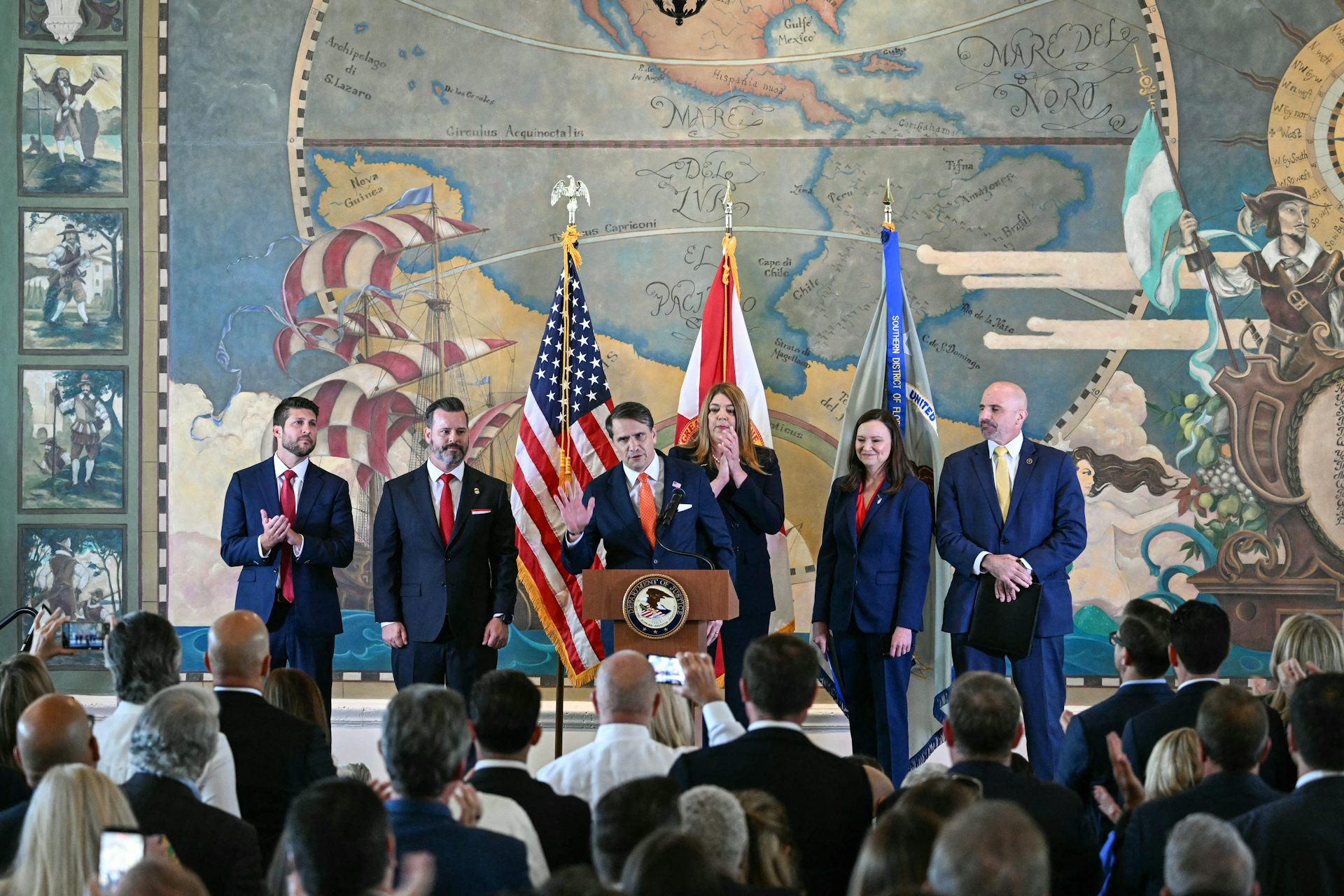
The Trump administration on May 20, 2026, indicted former Cuban President Raúl Castro for murder, based on the downing of two planes near the Cuban coastline in 1996 that killed four people.
وجهت إدارة ترامب في 20 مايو 2026 اتهامات للرئيس الكوبي السابق راؤول كاسترو بتهمة القتل، استناداً إلى حادث إسقاط طائرتين بالقرب من الساحل الكوبي عام 1996، مما أسفر عن مقتل أربعة أشخاص.
As a historian of Latin America and U.S. foreign policy, I believe the indictment may be the prelude to direct U.S. military action against Cuba.
بصفتي مؤرخاً لأمريكا اللاتينية والسياسة الخارجية الأمريكية، أعتقد أن هذا الاتهام قد يكون تمهيداً لتحرك عسكري أمريكي مباشر ضد كوبا.
Before Castro, the last U.S. indictment of a Latin American leader occurred in January 2026, when a U.S. attorney appointed by President Donald Trump charged Venezuela’s Nicolás Maduro with narco-terrorism. Those charges were promptly followed by U.S. military strikes on Venezuela and the abduction of Maduro.
وقبل كاسترو، وقع آخر اتهام أمريكي لقائد لاتيني في يناير 2026، عندما اتهم محامي أمريكي عينّه الرئيس دونالد ترامب نيكولاس مادورو الفنزويلي بالإرهاب المخدر. تبعت هذه التهم بتصديات عسكرية أمريكية على فنزويلا واختطاف مادورو على الفور.
Since January, the U.S. has ended the flow of Venezuelan oil to Cuba and has used economic and military pressure to prevent other nations from trading with the island. And Trump recently threatened a “friendly takeover” of Cuba.
منذ يناير، أوقفت الولايات المتحدة تدفق النفط الفنزويلي إلى كوبا واستخدمت ضغوطاً اقتصادية وعسكرية لمنع الدول الأخرى من التعامل مع الجزيرة. وقد هدد ترامب مؤخراً بـ “سيطرة ودية” على كوبا.
I believe that what’s missing from most recent analysis of this situation is the history of U.S. aggression against Cuba. This is essential context for understanding the Trump administration’s recent escalations.
أعتقد أن ما ينقص أحدث التحليلات لهذا الوضع هو تاريخ العدوان الأمريكي على كوبا. وهذا سياق جوهري لفهم التصعيدات الأخيرة لإدارة ترامب.
‘Striking at Cuba constantly’
“استهداف كوبا باستمرار”
In 1823, U.S. Secretary of State John Quincy Adams identified Cuba as “an object of transcendent importance to the political and commercial interests of our Union.” The 1959 Cuban Revolution that overthrew U.S.-backed dictator Fulgencio Batista and replaced him with Fidel Castro, brother of Raúl, directly challenged those interests by asserting political autonomy and expropriating private property.
في عام 1823، حدد وزير الخارجية الأمريكي جون كوينسي آدامز كوبا بأنها “ذات أهمية قصوى للمصالح السياسية والتجارية لاتحادنا”. وتحدت الثورة الكوبية عام 1959، التي أطاحت بالديكتاتور المدعوم من الولايات المتحدة فولجنسيو باتيستا واستبدلته بفيديل كاسترو، شقيق راؤول، تلك المصالح بشكل مباشر من خلال تأكيد الحكم الذاتي السياسي ومصادرة الممتلكات الخاصة.
State Department officials observed that “the majority of Cubans support Castro” because of the government’s redistributive measures and its “real honesty, courtesy, and idealism.” One official warned “that if the Cuban revolution is successful other countries in Latin America and perhaps elsewhere will use it as a model and we should decide whether or not we wish to have the Cuban revolution succeed.”
لاحظ مسؤولو وزارة الخارجية أن “غالبية الكوبيين يدعمون كاسترو” بسبب إجراءات الحكومة لإعادة التوزيع و”صدقها الحقيقي ولُطفها ومثالية”. وحذر مسؤول بأن “إذا نجحت الثورة الكوبية، فستستخدمها دول أخرى في أمريكا اللاتينية وربما أماكن أخرى كنموذج، ويجب أن نقرر ما إذا كنا نرغب في نجاح الثورة الكوبية أم لا.”
They decided quickly. By December 1959, President Dwight Eisenhower’s CIA director had approved plans to overthrow the Castro government. U.S. policy thereafter included direct sponsorship and safe haven for Cuban paramilitary groups.
وقد قرروا بسرعة. وبحلول ديسمبر 1959، وافق مدير وكالة المخابرات المركزية التابعة للرئيس دوايت أيزنهاور على خطط للإطاحة بحكومة كاسترو. وشملت سياسة الولايات المتحدة بعد ذلك الرعاية المباشرة والملاذ الآمن للمجموعات شبه العسكرية الكوبية.
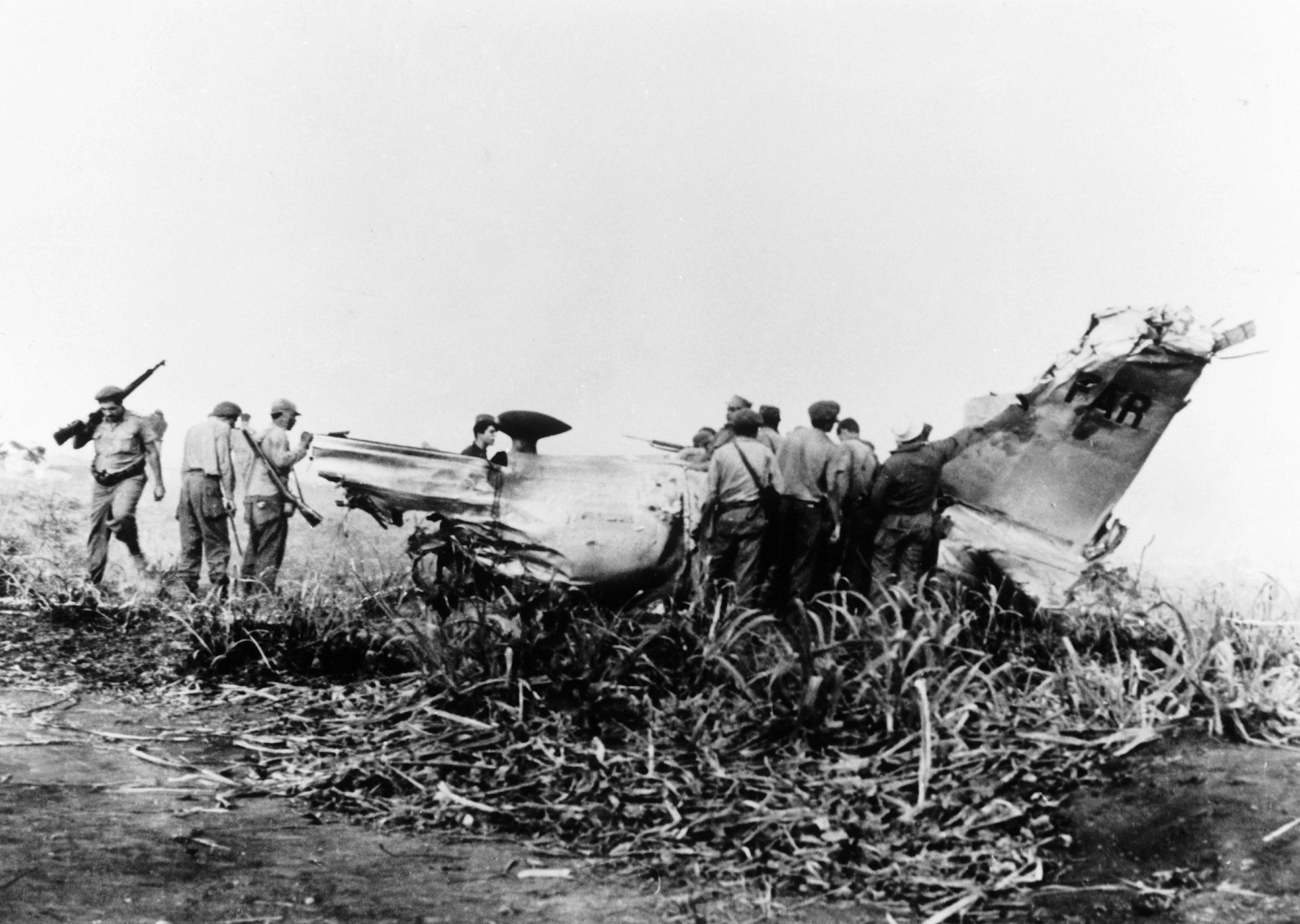
The CIA-led Bay of Pigs invasion in April 1961 is only the most famous episode. The U.S. trained 1,400 Cuban exiles to invade Cuba, hoping to ignite a nationwide rebellion. Instead, Cubans rallied behind the government.
ويعد غزو خليج الخنازير الذي قادته وكالة المخابرات المركزية في أبريل 1961 مجرد الحلقات الأكثر شهرة. فقد دربت الولايات المتحدة 1,400 من المنفي الكوبيين بغرض غزو كوبا، على أمل إشعال ثورة وطنية. وبدلاً من ذلك، تكاتف الكوبيون خلف الحكومة.
Though U.S. analysts often criticize the invasion because it failed, it was also a major crime under international law. Several hundred Cubans were killed.
على الرغم من أن المحللين الأمريكيين ينتقدون الغزو غالبًا لأنه فشل، إلا أنه كان أيضًا جريمة كبرى بموجب القانون الدولي. وقد قُتل المئات من الكوبيين.
Fear of a repeat invasion also led Soviet premier Nikita Khrushchev to send nuclear missiles to Cuba, precipitating the Cuban missile crisis of October 1962 that nearly led to nuclear war.
كما أدى الخوف من غزو متكرر إلى قيام رئيس وزراء الاتحاد السوفييتي نيكيتا خروتشوف بإرسال صواريخ نووية إلى كوبا، مما أدى إلى أزمة الصواريخ الكوبية في أكتوبر 1962 التي كادت أن تؤدي إلى حرب نووية.
Longtime CIA official Richard Helms later testified that in the early 1960s, “We had task forces that were striking at Cuba constantly. We were attempting to blow up power plants, we were attempting to ruin sugar mills, we were attempting to do all kinds of things during this period. This was a matter of American Government policy.”
وشهد ريتشارد هيلمز، مسؤول قديم في وكالة المخابرات المركزية، لاحقًا أنه في أوائل الستينيات، “كانت لدينا مجموعات مهمة تضرب كوبا باستمرار. كنا نحاول تفجير محطات الطاقة، وكنا نحاول تدمير مصانع السكر، وكنا نحاول القيام بجميع أنواع الأشياء خلال هذه الفترة. كانت مسألة تتعلق بسياسة الحكومة الأمريكية.”
In 1976, Luis Posada Carriles and Orlando Bosch, two Cuban exiles, planned the bombing of a Cuban civilian airliner near Barbados that killed all 73 people aboard.
وفي عام 1976، خطط لويس بوسادا كاريلز وأورلاندو بوش، وهما منفيان كوبيان، لتفجير طائرة مدنية كوبية بالقرب من بربادوس مما أدى إلى مقتل جميع الركاب البالغ عددهم 73 شخصًا.
“The C.I.A. taught us everything,” Posada Carriles said later. “They taught us explosives, how to kill, bomb, trained us in acts of sabotage.”
وقال بوسادا كاريلز لاحقاً: “علّمنا وكالة المخابرات المركزية كل شيء. لقد علّمونا المتفجرات، وكيفية القتل والتفجير، ودربونا على أعمال التخريب.”
Both men were given refuge in the United States for the rest of their lives.
وقد مُنح الرجلان الملجأ في الولايات المتحدة لبقية حياتهما.
The Bay of Pigs invasion and the airline bombing violate the core principles of international law, including prohibitions on the unprovoked “threat or use of force” and collective punishment. The U.S. government itself defines “international terrorism” as “violent acts” intended “to influence the policy of a government by intimidation or coercion” or to “intimidate or coerce a civilian population.”
يُنتهك غزو خليج الخنازير وتفجير الطائرة المبادئ الأساسية للقانون الدولي، بما في ذلك حظر “التهديد أو استخدام القوة” غير المبرر والعقاب الجماعي. ويُعرّف نظام الولايات المتحدة نفسه “الإرهاب الدولي” بأنه “أعمال عنف” تهدف إلى “التأثير على سياسة حكومة ما بالترهيب أو الإكراه” أو “ترهيب أو إجبار السكان المدنيين.”
By that definition, its Cuba policy qualifies.
بموجب هذا التعريف، فإن سياستها تجاه كوبا تستوفي الشروط.
By ‘every possible means’
بكل الوسائل الممكنة
Another U.S. method of striking at Cuba was through economic sanctions, first imposed on the country in 1960. That year, a State Department official wrote that “every possible means should be undertaken promptly to weaken the economic life of Cuba” so as “to bring about hunger, desperation and overthrow of government.” The logic of collective punishment was clear: make Cubans suffer enough that they rebel against Castro.
كانت طريقة أمريكية أخرى لاستهداف كوبا هي فرض العقوبات الاقتصادية، التي فُرضت على البلاد لأول مرة في عام 1960. وفي ذلك العام، كتب مسؤول في وزارة الخارجية أن “يجب اتخاذ كل الوسائل الممكنة على الفور لإضعاف الحياة الاقتصادية لكوبا” من أجل “التسبب بالجوع واليأس والإطاحة بالحكومة”. كان منطق العقاب الجماعي واضحاً: جعل الكوبيين يعانون بما يكفي لكي يتمردوا على كاسترو.
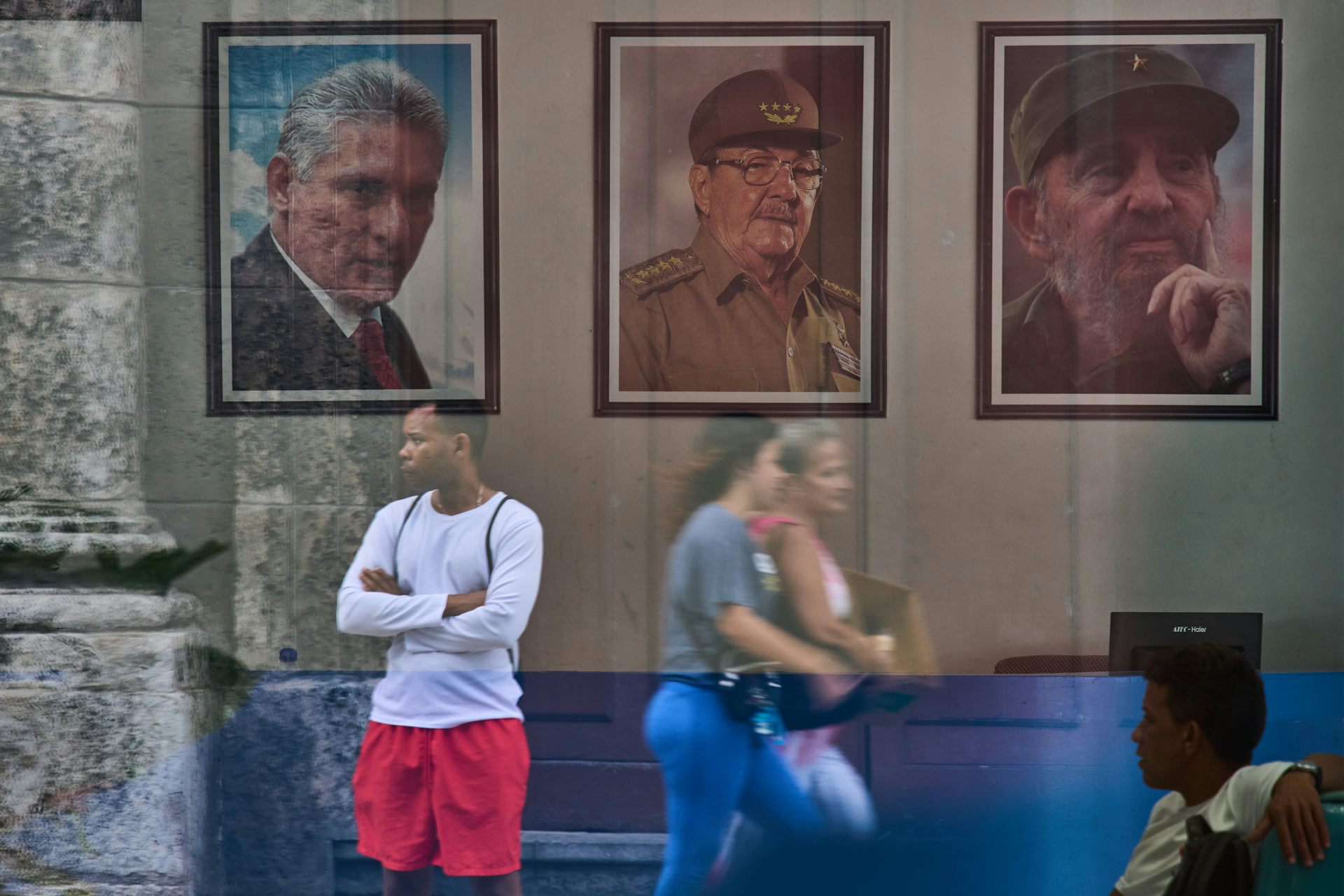
This policy is now more aggressive than ever. The tightening of U.S. sanctions since Trump’s first term has reduced Cuba’s income from tourism, remittances and overseas medical missions. Now, by choking off the supply of fuel, the U.S. has critically weakened the healthcare and sanitation systems that depend on electricity.
أصبحت هذه السياسة الآن أكثر عدوانية من أي وقت مضى. لقد أدى تشديد العقوبات الأمريكية منذ ولاية ترامب الأولى إلى تقليل دخل كوبا من السياحة والتحويلات المالية والبعثات الطبية الخارجية. والآن، ومن خلال خنق إمدادات الوقود، أضعفت الولايات المتحدة بشكل حرج أنظمة الرعاية الصحية والصرف الصحي التي تعتمد على الكهرباء.
Medical professionals and United Nations observers have described scenes of ventilators and incubators left without power, pharmacies empty and healthcare workers forced into “horrible decisions” about who lives and dies. A recent medical study reported a 148% increase in infant mortality between 2018 and 2025, meaning that about 1,800 infants died who otherwise would have lived.
وصف المهنيون الطبيون ومراقبون تابعون للأمم المتحدة مشاهد لأجهزة التنفس الصناعي والحضانات التي تُركت بدون طاقة، وصيدليات خاوية، وعاملين في مجال الرعاية الصحية أُجبروا على اتخاذ “قرارات مروعة” حول من يعيش ومن يموت. وأفادت دراسة طبية حديثة بزيادة قدرها 148٪ في وفيات الرضع بين عامي 2018 و 2025، مما يعني وفاة حوالي 1,800 رضيع كان من الممكن أن يعيش لولا ذلك.
‘I was trained as a terrorist by the United States’
“لقد تدربت كإرهابي من قبل الولايات المتحدة.”
The focus of the recent U.S. indictment against Raúl Castro was the incident on Feb. 24, 1996, when the Cuban military, which was headed by Castro, shot down those two planes.
تركز الاتهام الأمريكي الأخير ضد راؤول كاسترو على الحادث الذي وقع في 24 فبراير عام 1996، عندما أطلق الجيش الكوبي، الذي كان يقوده كاسترو، النار وأسقط طائرتين.
The planes were operated by Brothers to the Rescue, an anti-Castro group of Cuban exiles who said they were aiding Cuban emigres trying to reach Florida. The group’s head, and one of the surviving pilots that day, was José Basulto, a veteran CIA asset and participant in the Bay of Pigs invasion.
كانت الطائرات تُشغَّل من قبل “إخوة لإنقاذ” (Brothers to the Rescue) ، وهي مجموعة من المنفيين الكوبيين المناهضين لكاسترو قالوا إنهم يساعدون المغتربين الكوبيين الذين يحاولون الوصول إلى فلوريدا. كان رئيس المجموعة، وأحد الطيارين الناجين في ذلك اليوم، هو خوسيه باسولتو، وهو محارب قديم ومشارك في غزو خليج الخنازير التابع لوكالة المخابرات المركزية الأمريكية (CIA) .
In 1962, Basulto fired a cannon and machine gun “16 times” at a Cuban hotel, he later recounted. “I was trained as a terrorist by the United States,” Basulto once told an interviewer.
في عام 1962، أطلق باسولتو مدفعاً وواقعة “16 مرة” على فندق كوبي، كما روى لاحقاً. وقال باسولتو ذات مرة لمُحاور: “لقد تدربت كإرهابي من قبل الولايات المتحدة”.
Basulto’s plane had entered Cuban airspace on Feb. 24, as a U.S. customs service specialist later testified. Correspondence from the day shows that Basulto did so knowingly. The previous July, he had told a TV audience, “We want confrontation.”
وكانت طائرة باسولتو قد دخلت المجال الجوي الكوبي في 24 فبراير، كما شهد لاحقاً أخصائي من خدمة الجمارك الأمريكية. وتظهر المراسلات من ذلك اليوم أن باسولتو فعل ذلك عن علم. وفي يوليو السابق، قال لجمهور التلفزيون: “نريد المواجهة.”
While the Cuban military could have deescalated the situation more carefully that day, Cuba had been trying for months to stop the violations of its airspace.
في حين كان بإمكان الجيش الكوبي تخفيف حدة الموقف بحذر أكبر في ذلك اليوم، كانت كوبا تحاول منذ أشهر وقف انتهاكات مجالها الجوي.
I believe indicting Cuban officials over the incident is disingenuous, given the provocations by Brothers to the Rescue and U.S. actions against Cuba, which are in direct violation of international and U.S. laws that prohibit threats, nondefensive violence and collective punishment.
أعتقد أن توجيه الاتهامات للمسؤولين الكوبيين بشأن الحادث هو أمر غير صادق، نظراً للاستفزازات من قبل “إخوة لإنقاذ” وإجراءات الولايات المتحدة ضد كوبا، والتي تشكل انتهاكاً مباشراً للقوانين الدولية وقوانين الولايات المتحدة التي تحظر التهديدات والعنف غير الدفاعي والقصاص الجماعي.
Kevin A. Young does not work for, consult, own shares in or receive funding from any company or organization that would benefit from this article, and has disclosed no relevant affiliations beyond their academic appointment.
لا يعمل كيفن أ. يونغ لدى أو يستشير أو يمتلك حصصاً في أي شركة أو منظمة ولا يتلقى منها تمويلاً يمكن أن يستفيد من هذا المقال، ولم يفصح عن أي انتماءات ذات صلة تتجاوز منصبه الأكاديمي.
Read more
-
هل كان أوكلاند مهد لكنة الكيوي؟ نظرية قديمة تسمع بها مجدداً
Was Auckland the cradle of the Kiwi accent? An old theory gets a new hearing
-

يحاكي حظر الفيفا على زي هايتي حملة طويلة لتشويه سمعة الثورة الهايتية والتقليل من شأنها.
FIFA’s Haiti jersey ban echoes the long campaign to discredit and downplay the Haitian Revolution