هل يتجه ترامب إلى نصر بيروني في إيران؟
Is Trump heading to a Pyrrhic victory in Iran?
Pyrrhus was said to have remarked that one more victory would leave his kingdom ‘utterly ruined.’ Some see echoes in US interventions in the Middle East.
قيل إن بيروني علّق بأن انتصاراً آخر سيترك مملكته “مدمرة تماماً”. يرى البعض أصداءً لذلك في التدخلات الأمريكية في الشرق الأوسط.
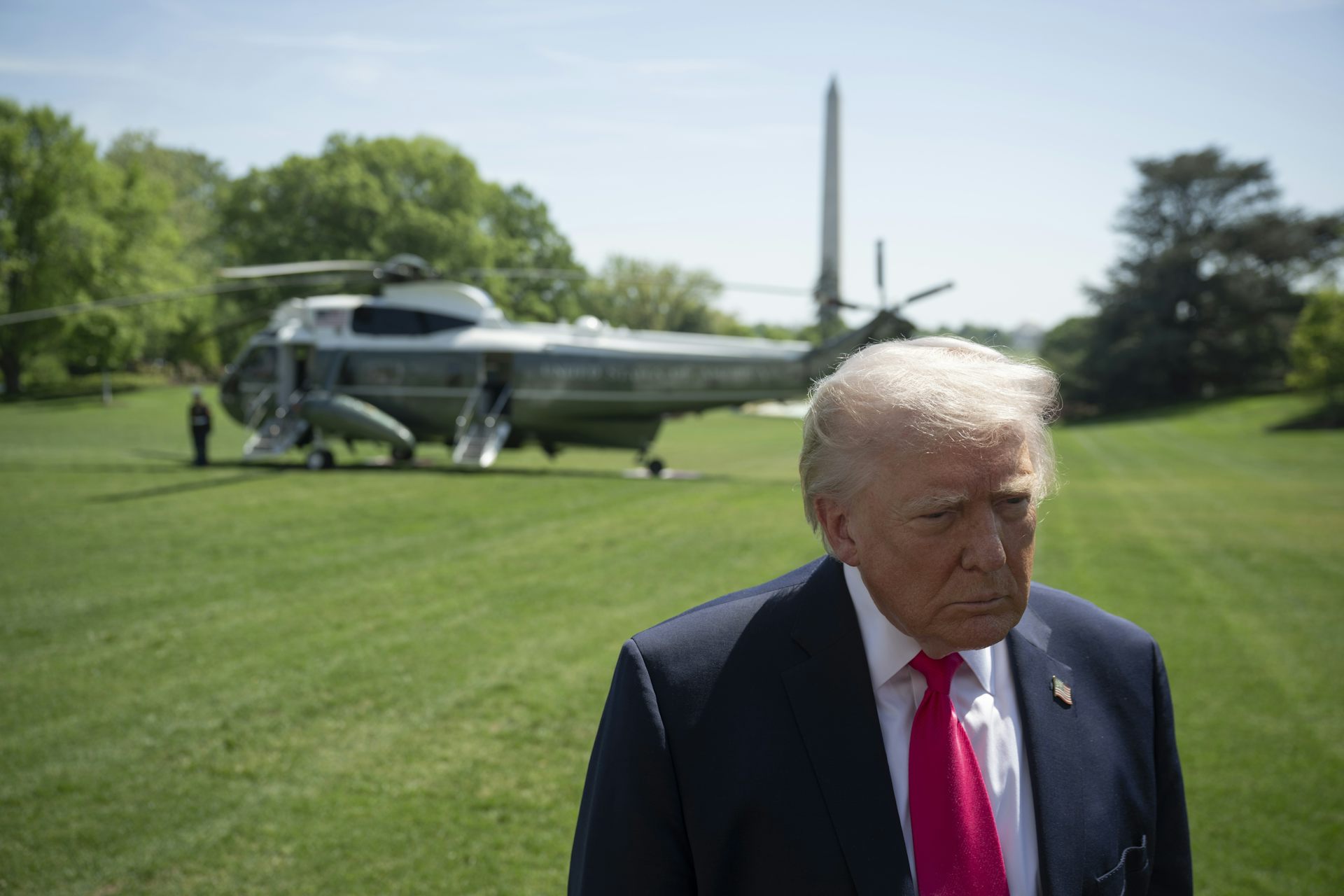
President Donald Trump has claimed victory in the war in Iran even before the conflict is over. But despite killing the country’s leader and seriously degrading its military, there is an argument being made that the Islamic Republic has emerged all the stronger for having simply survived.
ادعى الرئيس دونالد ترامب الانتصار في الحرب في إيران حتى قبل أن تنتهي النزاع. ولكن على الرغم من قتل زعيم البلاد وتدهور قدراتها العسكرية بشكل خطير، هناك حجة مفادها أن الجمهورية الإسلامية برزت أقوى مما كانت عليه لمجرد بقائها على قيد الحياة.
Indeed, a phrase that has repeatedly cropped up as the U.S. has sunk more and more military hardware and credibility into Operation Epic Fury is “Pyrrhic victory.”
في الواقع، فإن عبارة ظهرت مراراً وتكراراً مع غرق الولايات المتحدة المزيد والمزيد من المعدات العسكرية والمصداقية في “عملية الغضب الملحمي” (Operation Epic Fury) هي “النصر البيريسي” (Pyrrhic victory) .
That term also shows up in Iraq War retrospectives, in postmortems of U.S. operations in Libya and in just about every serious attempt to make sense of the past two decades of Western intervention in the Middle East.
تظهر هذه العبارة أيضاً في استعراضات حرب العراق، وفي تقارير ما بعد العمليات الأمريكية في ليبيا، وفي كل محاولة جادة تقريباً لفهم العقدين الماضيين من التدخل الغربي في الشرق الأوسط.
But what exactly is a Pyrrhic victory? And is the U.S. really heading toward one in Iran?
ولكن ما هو بالضبط النصر البيريسي؟ وهل تتجه الولايات المتحدة حقاً نحو مثل هذا النصر في إيران؟
1 king, 2 battles and a rueful remark
ملك، ومعركتان، وملاحظة نادمة
Most people use the phrase “Pyrrhic victory” to mean a win that costs more than it was worth to obtain it. That’s close enough – but it leaves out a crucial part of the story that makes the concept worth using.
يستخدم معظم الناس عبارة “النصر البيريكي” (Pyrrhic victory) للإشارة إلى انتصار يكلف أكثر مما يستحق الحصول عليه. هذا قريب بما فيه الكفاية – لكنه يغفل جزءاً حاسماً من القصة يجعل المفهوم جديراً بالاستخدام.
Let’s go back to the beginning. In 280 B.C., Pyrrhus, the king of the ancient Greek kingdom Epirus, crossed into what is now southern Italy to fight Rome. He won major battles at Heraclea and then again at Asculum the following year.
دعونا نعود إلى البداية. في عام 280 قبل الميلاد، عبر بيروس، ملك مملكة إبيروس اليونانية القديمة، إلى ما يُعرف الآن بإيطاليا الجنوبية ليقاتل روما. فاز بمعارك كبرى في هيراكليا ثم مرة أخرى في أسكولوم في العام التالي.
But both victories hurt Pyrrhus. His officer corps was getting chewed up, and his best troops came from a small kingdom far from the fighting. They could not be replaced on anything like Rome’s scale.
لكن كلا الانتصارين أضرا ببيروس. كانت هيئة ضباطه تتآكل، وجنوده الأفضل أتوا من مملكة صغيرة بعيدة عن ساحة القتال. ولم يكن بالإمكان تعويضهم على نطاق يضاهي نطاق روما.
After Asculum, he is said to have uttered, “If we are victorious in one more battle with the Romans, we shall be utterly ruined.” Plutarch wrote it down for posterity, and the line outlived everything else known about the campaign.
بعد أسكولوم، قيل إنه نطق قائلاً: “إذا انتصرنا في معركة أخرى مع الرومان، فسوف نُدمَّر تماماً”. دوّن بلوتارخ هذا القول للأجيال القادمة، وتجاوز هذا القول كل ما عُرف عن الحملة.
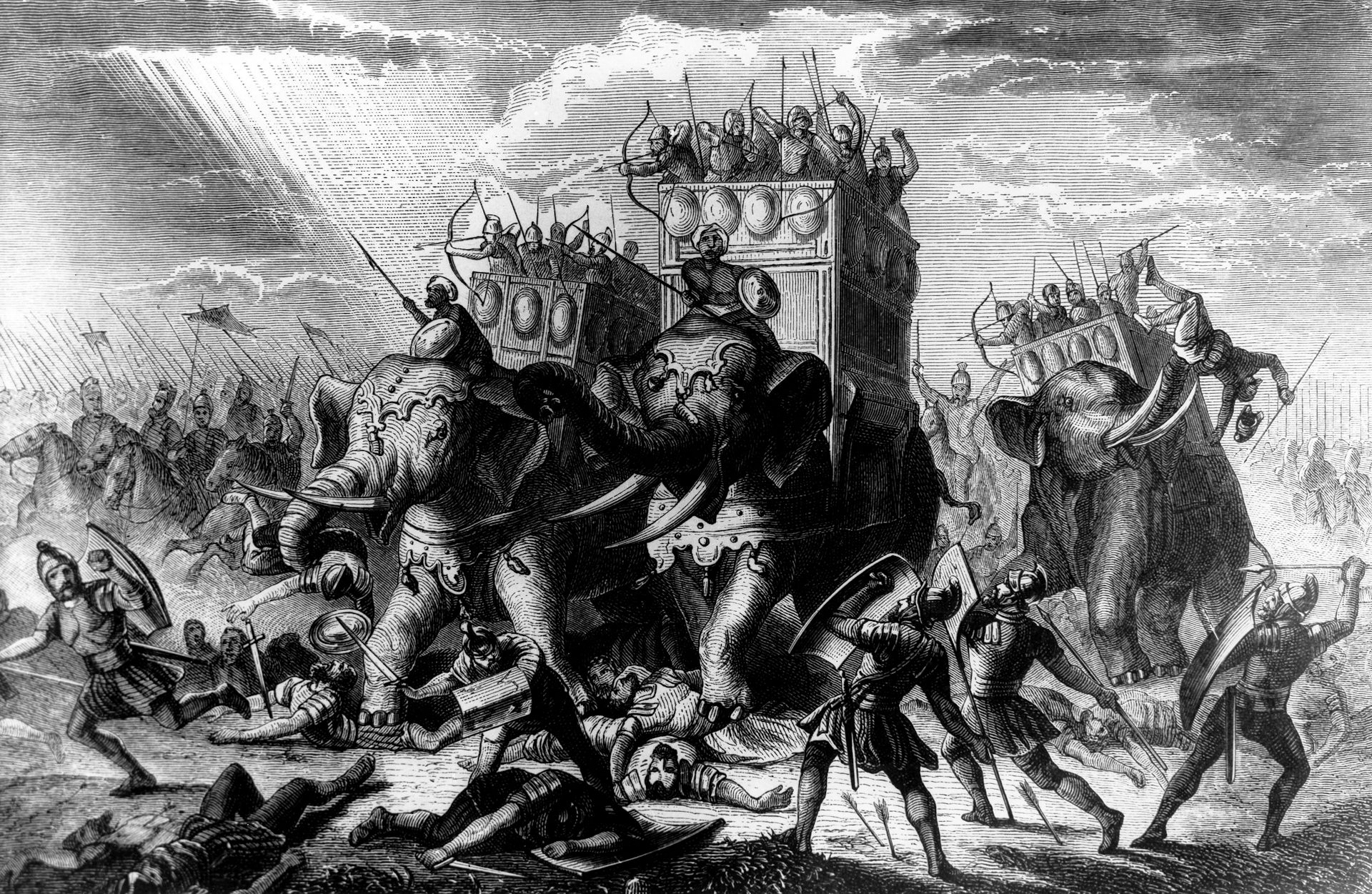
The problem wasn’t that Pyrrhus paid a high price for victory. Rather, it was that every victory shifted the balance against him.
لم تكن المشكلة في أن بيروس دفع ثمناً باهظاً للنصر. بل كانت في أن كل انتصار حوّل الميزان ضده.
A war can be costly without being “Pyrrhic.” If you come out of a battle clearly stronger than the opponent, then whatever the bill, something real was gained. The Pyrrhic case is when the side that claims victory is, in fact, in a weaker position than when the fighting started.
يمكن أن تكون الحرب مكلفة دون أن تكون “بيريكية”. إذا خرجت من معركة أقوى بوضوح من الخصم، فإن أي ثمن تدفعه، فقد تم تحقيق شيء حقيقي. الحالة البيريكية هي عندما يكون الجانب الذي يدعي النصر في الواقع في وضع أضعف مما كان عليه عند بدء القتال.
From Baghdad to Tripoli …
من بغداد إلى طرابلس…
So how does that all relate to U.S. conflicts in the 21st century?
فكيف يرتبط كل ذلك بالصراعات الأمريكية في القرن الحادي والعشرين؟
Iraq in 2003 is the obvious starting point. U.S. and coalition forces dismantled Saddam Hussein’s regime in just three weeks. On its own terms, the operation worked. But it also collapsed the Iraqi state in the process: army gone, ministries hollowed out and police absent.
يُعد العراق في عام 2003 نقطة البداية الواضحة. فلقد فككت القوات الأمريكية وقوات التحالف نظام صدام حسين في غضون ثلاثة أسابيع فقط. وبشروطه الخاصة، نجحت العملية. لكنها أدت أيضاً إلى انهيار الدولة العراقية في هذه العملية: الجيش غادر، والوزارات أُفرغت، والشرطة غابت.
What followed, in broad terms, was insurgency, sectarian war and then the rise of the Islamic State group.
ما تلا ذلك، بشكل عام، كان تمردًا، وحربًا طائفية، ثم صعود تنظيم الدولة الإسلامية.
Saddam’s Iraq also functioned as one of the main checks on Iranian power in the Persian Gulf. Not by design, and not in any cooperative sense, but as a rival that kept Tehran boxed in. Removing Saddam cleared space for Iran to exert regional influence not enjoyed since 1979.
كما عمل العراق في عهد صدام كأحد الضوابط الرئيسية للقوة الإيرانية في الخليج العربي. لم يكن ذلك بتصميم، ولا بأي معنى تعاوني، بل كمنافس أبقى طهران محصورة. وأزال خروج صدام المجال أمام إيران لممارسة نفوذ إقليمي لم تستمتع به منذ عام 1979.
The current war in Iran does not make sense without that shift. The U.S. went into Iraq to eliminate one purported threat – and ended up amplifying another.
إن الحرب الحالية في إيران لا معنى لها بدون هذا التحول. فقد دخلت الولايات المتحدة العراق للقضاء على تهديد مزعوم واحد – وخلصت إلى تضخيم تهديد آخر.
The U.S. intervention in Libya in 2011, as part of a NATO force, looked cleaner. The air campaign was short, Libyan leader and longtime thorn in the side of Washington Moammar Gadhafi was dead within eight months – killed by his own countrymen. NATO had set out to protect civilians and remove a regime, and it did both.
بدا التدخل الأمريكي في ليبيا عام 2011، كجزء من قوة الناتو، أكثر وضوحاً. كانت الحملة الجوية قصيرة، وقائد ليبيا و”الشوكة” القديمة في خاصرة واشنطن، معمر القذافي، كان ميتاً في غضون ثمانية أشهر – قُتل على يد أبناء وطنه. كان الناتو يهدف إلى حماية المدنيين وإزالة نظام، وقد حقق الأمرين.
The problem was what came next. Libya was Gadhafi’s state, and there was no real plan for a post-Gadhafi Libya. After he fell, what was left was division: militias, competing governments and an arms stockpile that flooded south into the Sahel region of North Africa and fueled conflicts that rage to this day.
المشكلة كانت فيما تلا ذلك. كانت ليبيا دولة القذافي، ولم تكن هناك خطة حقيقية لليبيا ما بعد القذافي. بعد سقوطه، ما تبقى هو الانقسام: الميليشيات، والحكومات المتنافسة، ومخزون الأسلحة الذي تدفق جنوباً إلى منطقة الساحل في شمال أفريقيا وغذّى صراعات ما زالت تشتعل حتى يومنا هذا.
Elsewhere, governments drew a blunt conclusion: Complying with demands to dismantle weapons of mass destruction programs, as Gadhafi had done, does not enhance security. In fact, it may have the opposite effect.
في أماكن أخرى، توصلت الحكومات إلى استنتاج قاطع: إن الامتثال للمطالب بتفكيك برامج أسلحة الدمار الشامل، كما فعل القذافي، لا يعزز الأمن. بل قد يكون له تأثير عكسي.
Both Libya and Iraq were, in this sense, “Pyrrhic victories” – battlefield triumphs that left the U.S. in a worse overall strategic situation than before.
كان كل من ليبيا والعراق، بهذا المعنى، “انتصارات باهتة” – انتصارات ميدانية تركت الولايات المتحدة في وضع استراتيجي عام أسوأ مما كانت عليه من قبل.
… and on to Iran?
… وإلى إيران؟
It is too soon to confidently pass judgment on where the war in Iran sits among these other wars.
من المبكر جداً إصدار حكم واثق بشأن موقع الحرب في إيران مقارنة بهذه الحروب الأخرى.
But the outlines are visible. Iran’s Supreme Leader Ali Khamenei is gone, and the country’s missile forces and naval assets have taken heavy damage.
لكن الملامح واضحة. لقد غادر المرشد الأعلى الإيراني علي خامنئي، وتكبدت قوات الصواريخ والأصول البحرية في البلاد أضراراً بالغة.
Washington has declared victory, and by its own metrics there is an argument for that.
أعلنت واشنطن الانتصار، وبحسب مقاييسها الخاصة، هناك حجة لذلك.
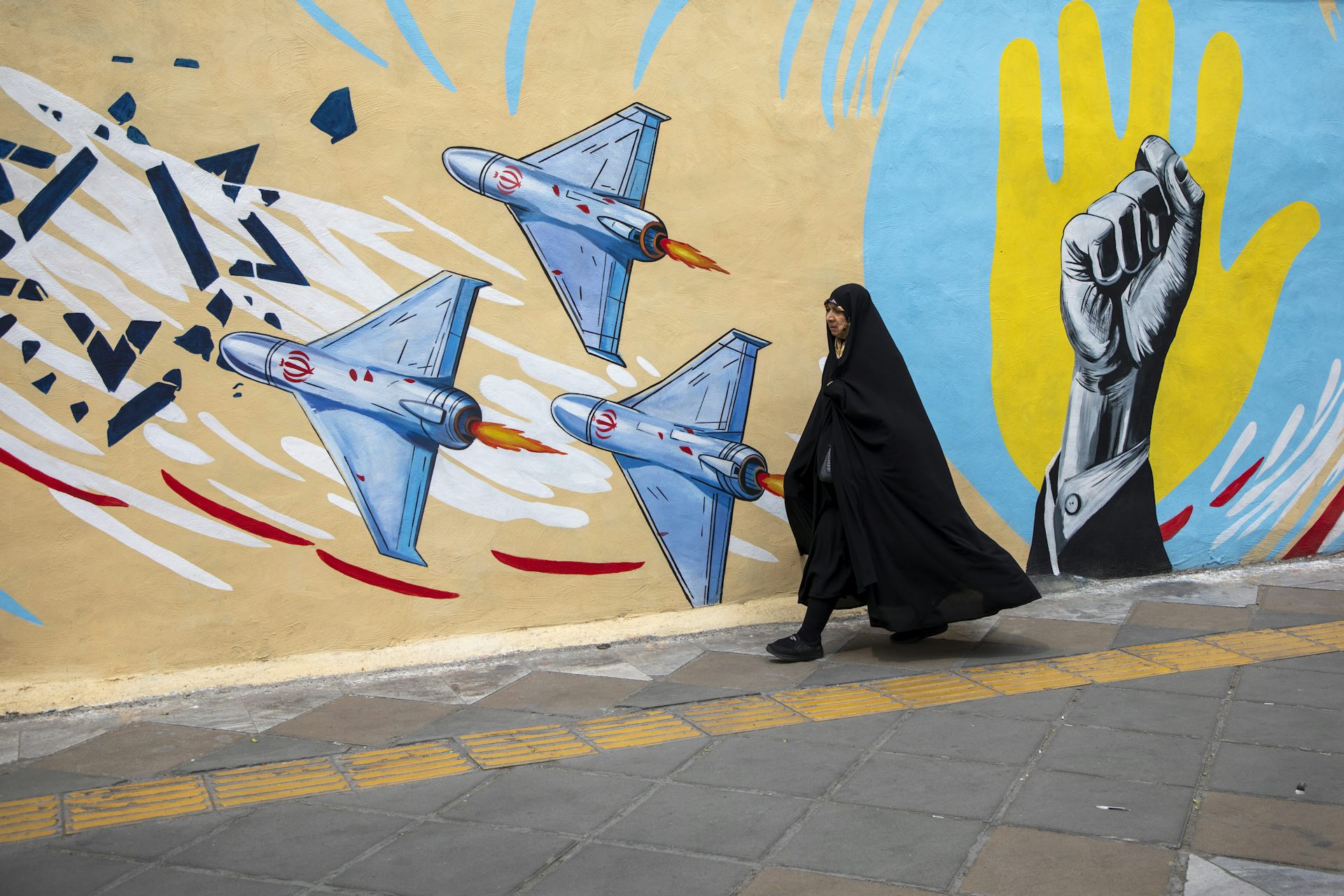
But on the other side of the ledger, Iran still largely holds the Strait of Hormuz – with leverage it did not exercise before the war.
ولكن على الجانب الآخر من الميزان، لا تزال إيران تحتفظ إلى حد كبير بمضيق هرمز – وبرافعة لم تمارسها قبل الحرب.
Meanwhile, oil prices of nearly US$100 a barrel have rippled through the global economy, and Russia, without firing a shot, is positioned to reap the windfall.
وفي غضون ذلك، تسببت أسعار النفط التي تقارب 100 دولار أمريكي للبرميل في تموج الاقتصاد العالمي، وروسيا، دون إطلاق رصاصة، في وضع يسمح لها بجني المكاسب السهلة.
The issue of Iran’s nuclear program – one of the many stated drivers of the U.S. campaign – now seems less likely to be resolved than before: A state that has absorbed this level of punishment has stronger reasons to want a deterrent, not weaker ones.
أما قضية البرنامج النووي الإيراني – وهو أحد الدوافع المعلنة العديدة للحملة الأمريكية – فتبدو الآن أقل احتمالاً للحل مما كانت عليه من قبل: فالدولة التي تحملت هذا المستوى من العقاب لديها أسباب أقوى لرغبتها في الردع، وليست أسباباً أضعف.
Getting the concept right
إدراك المفهوم بشكل صحيح
So, is Trump following the route of Pyrrhus? A Pyrrhic victory is not just a painful one – it is a victory that leaves one worse off against the same opponent. The question that tends to get skipped when the fighting stops is what, exactly, winning changed.
إذًا، هل يتبع ترامب مسار بيريك؟ النصر البيريكي ليس مجرد نصر مؤلم – بل هو نصر يترك المرء في وضع أسوأ أمام نفس الخصم. السؤال الذي يميل إلى التغاضي عنه عندما يتوقف القتال هو ما الذي غيره الانتصار بالضبط.
Pyrrhus had his answer after Asculum. Looking at the Strait of Hormuz, the oil markets, the stalled talks in Islamabad, and an Iran with even more reason to pursue a nuclear deterrent, perhaps Trump will soon have his.
حصل بيريك على إجابته بعد أسكولوم. بالنظر إلى مضيق هرمز، وأسواق النفط، والمحادثات المتعثرة في إسلام أباد، وإيران التي لديها المزيد من الأسباب للسعي وراء رادع نووي، فربما سيحصل ترامب قريبًا على إجابته.
This article is part of a series explaining foreign policy terms commonly used but rarely explained.
تُعد هذه المقالة جزءًا من سلسلة تشرح مصطلحات السياسة الخارجية الشائعة الاستخدام ولكن نادرًا ما يتم شرحها.
Andrew Latham does not work for, consult, own shares in or receive funding from any company or organization that would benefit from this article, and has disclosed no relevant affiliations beyond their academic appointment.
لا يعمل أندرو ليثام لدى، أو يستشير، أو يمتلك أسهمًا في، أو يتلقى تمويلاً من أي شركة أو منظمة قد تستفيد من هذه المقالة، ولم يفصح عن أي انتماءات ذات صلة تتجاوز منصبه الأكاديمي.
Read more
-
كيف تستغل إدارة ترامب الثقافة الشعبية والدين لتحقيق مكاسب سياسية
How the Trump administration co-opts pop culture and religion for political gain
-
ما هي “الاستقلالية الاستراتيجية” – ولماذا يتجه الجميع إليها فجأة؟
What is ‘strategic autonomy’ – and why is everyone suddenly reaching for it?