من فليباغ إلى فلاديمير: لماذا أصبح كسر الجدار الرابع شائعًا جدًا؟
From Fleabag to Vladimir: why has breaking the fourth wall has become so common?
The fourth wall break is a 100-year-old screen staple – and film and TV creators can’t seem to get enough.
يُعد كسر الجدار الرابع عنصرًا مسرحيًا يعود إلى مئة عام – ولا يبدو أن صانعي الأفلام والتلفزيون يشبعون منه.
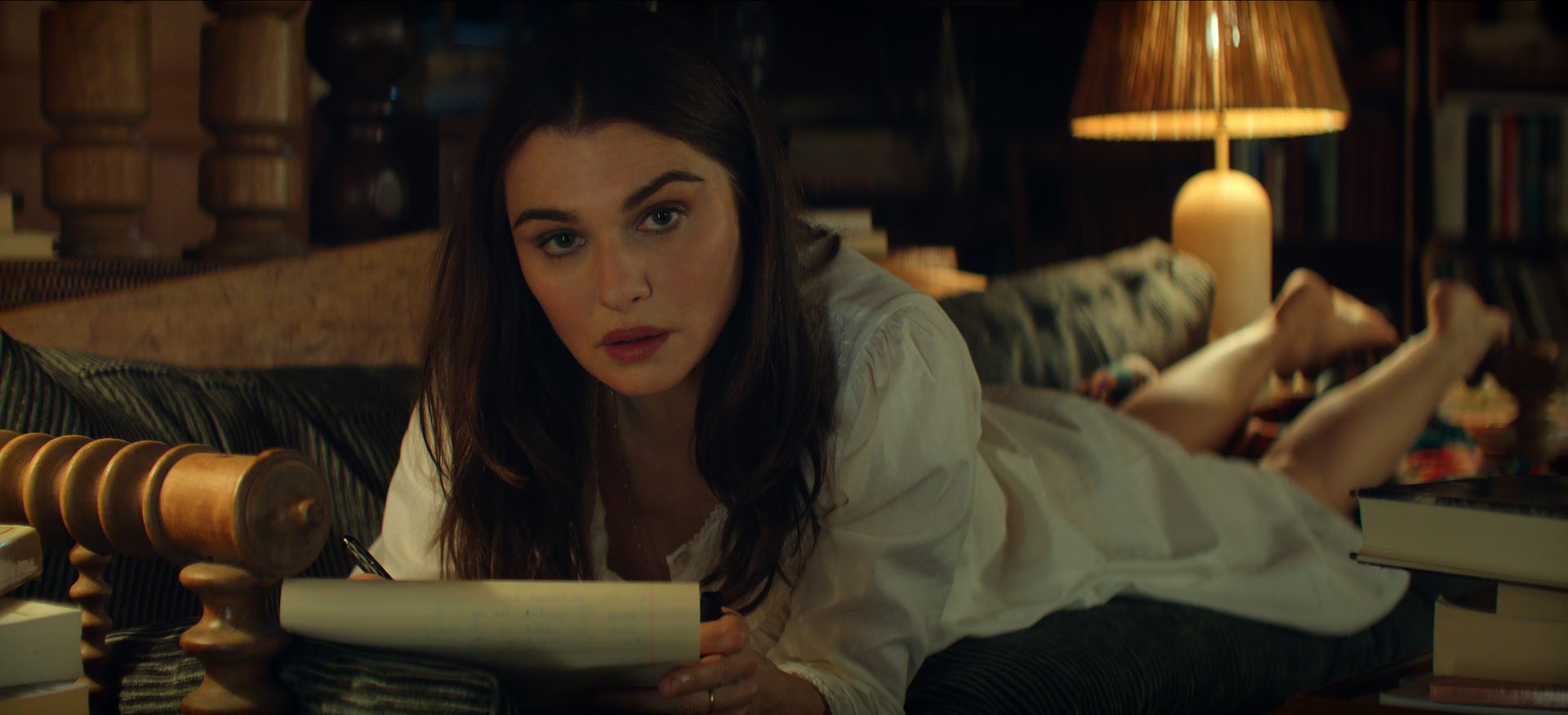
In the opening moments of Vladimir, Netflix’s new erotic drama series, the protagonist M (Rachel Weisz) is sprawled on a couch in her negligee, writing in her notepad. She leans towards the camera, then stares into the lens to address you, the viewer, on your couch.
في اللحظات الافتتاحية لمسلسل “فلاديمير”، الدراما الإباحية الجديدة من نتفليكس، تكون البطلة إم (راشيل وايز) ممددة على أريكة مرتدية ملابس النوم، وتكتب في مفكرتها. تميل نحو الكاميرا، ثم تحدق في العدسة لتخاطبك أنت، المشاهد، وأنت جالس على أريكتك.
In film and television, this is called “breaking the fourth wall”. It is a ploy of metafiction: a kind of self-aware mode of storytelling.
في السينما والتلفزيون، يُطلق على هذا الأمر اسم “كسر الجدار الرابع.” وهو حيلة من الخيال الميتا (metafiction): ونوع من السرد القصصي الواعي بذاته.
The fourth wall is the invisible plane through which the camera observes the action. To break the fourth wall is to play with – or sever – audiences’ suspension of disbelief, and abandon the norms of screen narration.
الجدار الرابع هو المستوى غير المرئي الذي تراقب من خلاله الكاميرا الحدث. وكسر الجدار الرابع يعني التلاعب بـ – أو قطع – تعليق الجمهور لعدم التصديق، والتخلي عن قواعد السرد الشاشي.
The history of breaking the fourth wall is almost as long as the history of cinema itself. Edwin S. Porter’s film The Great Train Robbery ends with an outlaw firing his gun directly towards the camera. Back in 1903, audiences ducked for cover.
تاريخ كسر الجدار الرابع يوازي تقريباً تاريخ السينما نفسها. ينتهي فيلم “السرقة الكبرى للقطار” لإدوين س. بورتر بطلقة يطلقها الخارج عن القانون مباشرة نحو الكاميرا. وفي عام 1903، انحنى الجمهور للاحتماء.
Nearly a century later, director Martin Scorsese paid homage to Porter in Goodfellas (1990) in a scene where Mobster Tommy DeVito (Jo Pesci) fires his gun directly at the screen. Here, the fourth wall break is used in an existential moment for Henry Hill (Ray Liotta) – rather than for pure shock.
بعد ما يقرب من قرن، أشاد المخرج مارتن سكورسيزي ببورتر في فيلم “جود فيلاس” (1990) في مشهد يطلق فيه رجل المافيا تومي ديفيتو (جو بيتشي) مسدسه مباشرة على الشاشة. هنا، يُستخدم كسر الجدار الرابع في لحظة وجودية لهنري هيل (راي ليوتّا) – وليس لمجرد الصدمة.
In fact, the shock value of the technique has depleted over time, as audiences have become more media literate.
في الواقع، تضاءل تأثير الصدمة لهذه التقنية بمرور الوقت، مع تزايد وعي الجمهور بالإعلام.
Making the invisible visible
جعل غير المرئي مرئياً
The fourth wall breaks from early cinema fast disappeared with the industrialisation of the medium. The rise of the American studio system privileged some film techniques over others.
انهار الجدار الرابع منذ السينما المبكرة بسرعة مع تصنيع الوسيط. وقد منح صعود نظام الاستوديوهات الأمريكي الأفضلية لتقنيات سينمائية معينة على حساب غيرها.
The “Classical Hollywood” style – think Casablanca (1942) – was built on a premise of invisibility, from the carefully directed eye-lines of actors, to “continuity” editing that stitched together different camera angles.
اعتمد أسلوب “هوليوود الكلاسيكية” – فكر في فيلم كازابلانكا (1942) – على فرضية الغياب، بدءاً من خطوط النظر الموجهة بعناية للممثلين، وصولاً إلى مونتاج “الاستمرارية” الذي يربط بين زوايا كاميرا مختلفة.
In Breathless (À bout de souffle, 1959) Jean-Luc Godard opted for jump-cuts and “direct address”. This is when a character speaks to, or looks directly at, the viewer.
في فيلم “الأنفاس المحبوسة” (À bout de souffle، 1959) ، اختار جان لوك غودار استخدام القطع المفاجئ و”المخاطبة المباشرة.” ويحدث هذا عندما يتحدث شخصية ما إلى المشاهد، أو ينظر إليه مباشرة.
Today, direct address is used widely across genres, from Barbie (2023) , to Marvel’s Deadpool films (2016, 2018, 2024) , and Jane Austen adaptations such as Persuasion (2022) .
اليوم، تُستخدم المخاطبة المباشرة على نطاق واسع عبر الأنواع، بدءاً من فيلم باربي (2023) ، وصولاً إلى أفلام مارفل عن ديدبول (2016، 2018، 2024) ، وتكييفات جين أوستن مثل “الإقناع” (2022) .
On television, we’ve seen women creators and characters explore the power of direct address in a re-calibration of the “male gaze”.
على التلفزيون، رأينا صانعات وشخصيات نسائية تستكشف قوة المخاطبة المباشرة في إعادة معايرة “النظرة الذكورية.”
One example is Phoebe Waller-Bridges’ confessions to the camera in Fleabag (2016–19) . Cinematographer Tony Miller notes how creative camera choices work in conjunction with direct address to make viewers “complicit in her [character’s] journey”.
أحد الأمثلة هو اعترافات فيبي وولر-بريدجز للكاميرا في مسلسل “فليباغ” (2016-2019) . ويشير مصور السينما توني ميلر إلى كيف تعمل الخيارات الإبداعية للكاميرا بالاقتران مع المخاطبة المباشرة لجعل المشاهدين “متواطئين في رحلتها [الشخصية].”
The direct gaze
النظرة المباشرة
A fourth wall break is not always dialogue-driven. In Persona (1966) film auteur Ingmar Bergman directed his actors to stare deep into the abyss of the camera lens, delivering existential malaise.
لا يقتصر كسر الجدار الرابع دائمًا على الحوار. ففي فيلم “بيرسونا” (Persona) عام 1966، وجه المخرج إنجمار برغمان ممثليه للتحديق عميقًا في هاوية عدسة الكاميرا، مقدّمين بذلك شعورًا بالضيق الوجودي.
This direct gaze has been remediated for streaming programs, including in the intense close-up shots of Carmy (Jeremy Allen-White) in the final season of The Bear (2025) , and knowing glances from the troubled Rue (Zendaya) in Euphoria (2019–26) .
تم تكييف هذه النظرة المباشرة لبرامج البث، بما في ذلك في اللقطات المقربة والمكثفة لكارمي (جيريمي ألن-وايت) في الموسم الأخير من مسلسل “ذا بير” (The Bear) (2025) ، والنظرات الواعية من رُو (زيندايا) المضطربة في مسلسل “يوفوريا” (Euphoria) (2019–26) .
Fourth wall breaks can also be graphic. In Pulp Fiction, Mia Wallace (Uma Thurman) traces a square of light on the screen with her finger instead of calling Vincent Vega (John Travolta) a “square”.
يمكن أن تكون كسور الجدار الرابع مرئية أيضًا. ففي فيلم “خيال رخيص” (Pulp Fiction) ، ترسم ميا والاس (أوما ثورمان) مربعًا من الضوء على الشاشة بإصبعها بدلاً من أن تنادي فينسنت فيغا (جون ترافولتا) بـ “المربع.”
And in Michael Haneke’s films Funny Games (1997, 2007) a home invader literally “rewinds” the story when a victim kills his accomplice. These kind of wall breaks call attention to the invisible membrane of the screen.
وفي أفلام مايكل هانيكي “الألعاب المضحكة” (Funny Games) (1997، 2007) ، يقوم دخيل المنزل حرفيًا بـ “إعادة لف” القصة عندما يقتل الضحية شريكه. هذه الأنواع من كسور الجدار تجذب الانتباه إلى الغشاء غير المرئي للشاشة.
As filmmaker Mark Cousins attests in The Story of Film: An Odyssey, the medium has advanced over time through innovation and the recycling of techniques such as fourth wall breaks.
وكما يشهد المخرج مارك كوزنز في كتاب “قصة الفيلم: ملحمة” (The Story of Film: An Odyssey) ، فقد تطور هذا الوسيط بمرور الوقت من خلال الابتكار وإعادة تدوير تقنيات مثل كسر الجدار الرابع.
Is breaking the fourth wall back in vogue?
هل عاد كسر الجدار الرابع إلى الرواج؟
With the dominance of literary adaptations for the screen (and IP-driven screen stories in general) we’re likely to see more cases of direct address, as screenwriters seek to creatively refashion texts for the screen. Vladimir, for instance, is an adaptation of Julia May Jonas’ 2022 novel of the same name.
مع هيمنة التكييفات الأدبية للشاشة (والقصص المرئية المدفوعة بالملكية الفكرية بشكل عام) ، من المحتمل أن نشهد المزيد من حالات الخطاب المباشر، حيث يسعى كتاب السيناريو إلى إعادة صياغة النصوص إبداعياً للشاشة. ففيلم “فلاديمير”، على سبيل المثال، هو تكييف لرواية جوليا ماي جوناس الصادرة عام 2022 وتحمل الاسم نفسه.
While breaking the fourth wall may have lost its shock value, it remains a bold storytelling device which, if done well, can set apart one screen production from another.
في حين أن كسر الجدار الرابع ربما يكون قد فقد قيمة الصدمة، فإنه يظل أداة سرد قصصي جريئة يمكنها، إذا نُفذت جيداً، أن تميز إنتاجاً مرئياً عن آخر.
Actor Matt Damon recently pointed out how streamers such as Netflix are discussing the potential to reiterate “the plot three or four times in the dialogue” of a film, to account for people who scroll on their phone while listening to “background TV”.
أشار الممثل مات ديمون مؤخراً إلى كيف تناقش منصات البث مثل نتفليكس إمكانية تكرار “الحبكة ثلاث أو أربع مرات في الحوار” في الفيلم، وذلك لتلبية احتياجات الأشخاص الذين يتصفحون هواتفهم أثناء الاستماع إلى “تلفزيون في الخلفية.”
Having a character speak directly to a distracted audience may be one way to return their gaze to the bigger screen.
قد يكون جعل شخصية تتحدث مباشرة إلى جمهور مشتت وسيلة لإعادة تركيز انتباههم على الشاشة الكبيرة.
Hyper-reality in unscripted TV
الواقع الفائق في التلفزيون غير المكتوب
Breaking the fourth wall sits within a wider envelope of “metafictional” storytelling.
يندرج كسر الجدار الرابع ضمن مظلة أوسع من السرد “ما وراء القصصي.”
As screen culture becomes increasingly aware of its own machinery, unscripted genres such as reality TV are not merely breaking the fourth wall, but abandoning the conceit of separation entirely. The boundaries between cast, camera, story producers and audience have become increasingly porous.
مع تزايد وعي الثقافة الشاشية بآلياتها الخاصة، لم تعد الأنواع غير المكتوبة مثل تلفزيون الواقع تكتفي بكسر الجدار الرابع، بل تخلت تماماً عن مفهوم الفصل. أصبحت الحدود بين الممثلين، والكاميرا، ومنتجي القصة، والجمهور مسامية بشكل متزايد.
Alex Baskin, executive producer of the long-running series Vanderpump Rules (2013–25) , describes this as “hyperreality”. In the wake of Scandoval, the cheating scandal of Tom Sandoval, the reality TV cast started to intervene in the producers’ narrative arcs by speaking on camera about audience feedback, and providing meta commentary on their own “edits”.
يصف أليكس باسكن، المنتج التنفيذي للمسلسل الطويل “Vanderpump Rules” (2013–25) ، هذا بأنه “الواقع الفائق.” في أعقاب فضيحة “سكاندوفال”، وهي فضيحة خيانة توم ساندوفال، بدأ ممثلو تلفزيون الواقع بالتدخل في مسارات السرد الخاصة بالمنتجين من خلال التحدث أمام الكاميرا عن ردود فعل الجمهور، وتقديم تعليقات ميتا على “مونتاجاتهم” الخاصة.
When Ariana Madix (Sandoval’s ex) refused to film with him, it disrupted plans for a neat season finale based on his apology. Madix left the set, effectively ending the entire show. Fellow cast member Tom Schwartz called it a “plot twist”. Unsurprisingly, Scorsese is a fan of the show.
عندما رفضت أريانا ماديكس (صديقة ساندوفال السابقة) التصوير معه، أخل ذلك بخطط لحلقة ختام موسم مرتبة تعتمد على اعتذاره. غادرت ماديكس موقع التصوير، منهية بذلك العرض بأكمله فعلياً. وصفها زميلها في التمثيل توم شوارتز بأنها “تحول في الحبكة.” وليس من المستغرب أن سكورسيزي من محبي العرض.
Meta and hyperreal storytelling will continue to be on the rise as screen creators seek to imbue a point-of-difference in a congested market – serving an ever-distracted audience.
سيستمر السرد الميتا والواقعي الفائق في الارتفاع مع سعي المبدعين الشاشيين لإضفاء نقطة تميز في سوق مزدحم – لخدمة جمهور مشتت باستمرار.
Alex Munt does not work for, consult, own shares in or receive funding from any company or organisation that would benefit from this article, and has disclosed no relevant affiliations beyond their academic appointment.
لا يعمل أليكس مونت لدى، أو يستشير، أو يمتلك أسهماً في، أو يتلقى تمويلاً من أي شركة أو منظمة تستفيد من هذه المقالة، ولم يفصح عن أي انتماءات ذات صلة تتجاوز تعيينه الأكاديمي.
Read more
-
غبار النجوم المحبوس في جليد القارة القطبية الجنوبية يكشف عن عشرات الآلاف من السنين من ماضي النظام الشمسي.
Stardust trapped in Antarctic ice reveals tens of thousands of years of Solar System’s past
-
الجنوب أفريقيون أقل تسامحاً مع المهاجرين مما كان عليه في السابق – بؤر ساخنة، ودوافع، وحلول
South Africans are far less tolerant of migrants than before – hotspots, drivers and solutions