ماذا كان سيكون عليه الأمر أن نختبر نهاية العالم النيزكية التي قتلت الديناصورات: سرد تفصيلي خطوة بخطوة
What it would have been like to experience the dinosaur-killing asteroid armageddon: a blow-by-blow account
A week after the asteroid impact, rotting vegetation, smoke and sulphur create a stinky planet. Plant and animal survivors succumb to the corrosive acid rain.
بعد أسبوع من اصطدام الكويكب، تخلق النباتات المتحللة والدخان والكبريت كوكبًا كريه الرائحة. يستسلم الناجون من النباتات والحيوانات لمطر الحمض المسبّب للتآكل.
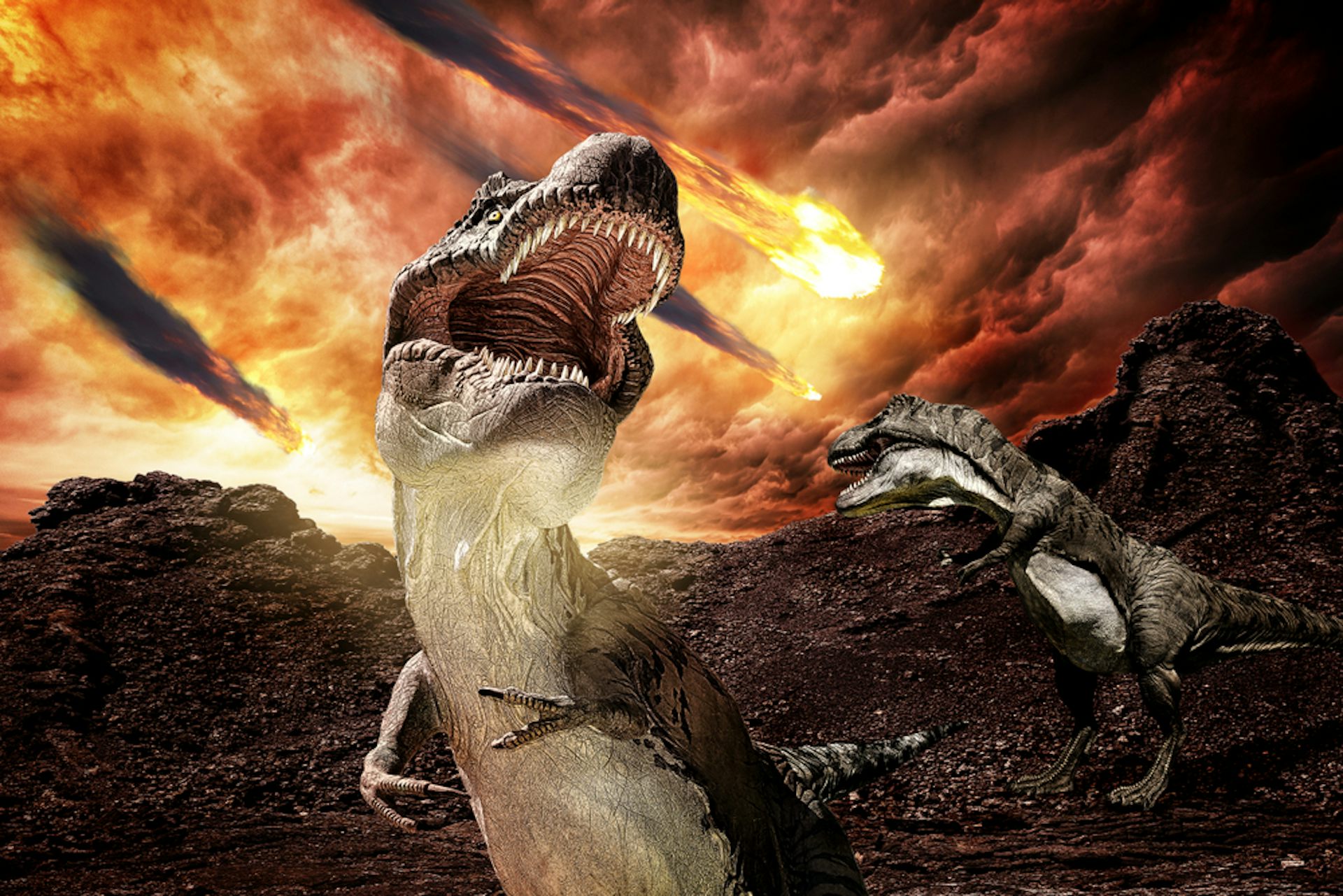
A great Tyrannosaurus rex strides through the conifer trees of her territory, sniffing the air. She picks up the scent from the carcass of a dead horned dinosaur, Triceratops, that she was feeding on yesterday. She walks over and strips off some more shreds of meat, but the smell is foul even for her.
تتجول ديناصور تيرانوصور ريكس عظيمة عبر أشجار الصنوبر في أراضيها، وتشم الهواء. إنها تلتقط الرائحة من جثة ديناصور مرن، تريكيراتوبس، ميت، الذي كانت تتغذى عليه بالأمس. تمشي وتنزع المزيد من قطع اللحم، لكن الرائحة كريهة حتى بالنسبة لها.
She goes down to the lake to drink and small crocodiles and turtles scuttle into the water. But she hardly sees them. Of more interest is an armoured dinosaur, Ankylosaurus, lurking nearby. However, she knows this dinosaur won’t be an easy kill and she isn’t desperate enough for food to risk a fight. Little does she know there are bigger dangers ahead. She looks up and sees a bright light racing downwards accompanied by faint crackling and sizzling noises.
تذهب إلى البحيرة للشرب وتندفع القروش والسلاحف الصغيرة إلى الماء. لكنها بالكاد تراهم. والأكثر إثارة للاهتمام هو ديناصور مدرع، أنكيلوسوروس، يتربص بالقرب منها. ومع ذلك، هي تعلم أن هذا الديناصور لن يكون قتلًا سهلاً، وهي ليست يائسة بما يكفي للطعام لتخاطر بقتال. هي لا تعلم أن هناك مخاطر أكبر تلوح في الأفق. ترفع نظرها وترى ضوءًا ساطعًا يندفع إلى الأسفل مصحوبًا بأصوات طقطقة وحفيف خافتة.
Our T. rex has excellent hearing for low frequency sounds and she is disturbed by the vibrations she can feel. But her upset only lasts for a moment. In a flash, she has been burnt to a crisp and her world changed forever.
يتمتع تيرانوصور ريكس لدينا بسمع ممتاز للأصوات منخفضة التردد وهي منزعجة من الاهتزازات التي يمكنها أن تشعر بها. لكن انزعاجها لا يدوم إلا للحظة. في ومضة، احترقت حتى الرماد وتغير عالمها إلى الأبد.
This all happened 66 million years ago, when a huge asteroid famously hit the Earth in the area of what is now the Caribbean. At the end of the Cretaceous period, sea levels were 100–200 metres higher than today, so the shores of the Caribbean lay far inland over eastern Mexico and the southern United States. The impact happened entirely within these waters.
كل هذا حدث قبل 66 مليون سنة، عندما اصطدم كويكب ضخم بالأرض في منطقة ما هي حاليًا منطقة الكاريبي. في نهاية العصر الطباشيري، كانت مستويات سطح البحر أعلى بـ 100-200 متر من اليوم، لذا كانت شواطئ الكاريبي تقع في الداخل فوق شرق المكسيك وجنوب الولايات المتحدة. وقع الاصطدام بالكامل داخل هذه المياه.
The event triggered instant changes to our planet and its atmosphere and led to the extinction of the dinosaurs and about half Earth’s other species. But what would it have been like to experience such a gargantuan impact? What would you have seen, heard or smelled? And how would you have died – or survived?
أدى هذا الحدث إلى تغييرات فورية على كوكبنا وجوهره وجوّيته وأدى إلى انقراض الديناصورات وما يقرب من نصف أنواع الأرض الأخرى. ولكن كيف كان سيبدو أن تختبر مثل هذا التأثير الهائل؟ ماذا كنت سترى أو تسمع أو تشم؟ وكيف كنت ستموت – أو تنجو؟
The Insights section is committed to high-quality longform journalism. Our editors work with academics from many different backgrounds who are tackling a wide range of societal and scientific challenges.
قسم الرؤى مكرس للصحافة الطويلة عالية الجودة. يعمل محررونا مع أكاديميين من خلفيات مختلفة عديدة الذين يتناولون مجموعة واسعة من التحديات المجتمعية والعلمية.
As experts on meteoritics and palaeontology, respectively, we’ve created a detailed timeline, based on decades of research, to take you right there. So let’s start by travelling back in time to the very last day of the Cretaceous.
بصفتنا خبراء في علم الفلك القديم وعلم الحفريات، على التوالي، فقد أنشأنا جدولًا زمنيًا مفصلاً، بناءً على عقود من البحث، لنأخذك إلى هناك مباشرة. لذا دعنا نبدأ بالسفر عبر الزمن إلى اليوم الأخير من العصر الطباشيري.
T-minus one day
يوم واحد متبقٍ
All is calm and the Cretaceous day proceeds as usual. In what will soon be ground zero, it is pleasantly warm, about 26°C, and wet. It often is. For about a week, the asteroid has been visible only at night. Because the giant rock is heading straight towards Earth, it looks like a motionless star. There is no dramatic tail; this is a rocky asteroid rather than a comet.
كل شيء هادئ ويمضي يوم العصر (الكريتاسي) كالمعتاد. في ما سيصبح قريبًا نقطة الصفر، يكون الجو دافئًا وممتعًا، حوالي 26 درجة مئوية، ورطبًا. هذا هو الحال غالبًا. لمدة أسبوع تقريبًا، كان الكويكب مرئيًا فقط في الليل. بما أن الصخرة العملاقة تتجه مباشرة نحو الأرض، فإنه يبدو كالنجم الساكن. لا يوجد ذيل درامي؛ هذا كويكب صخري وليس مذنبًا.
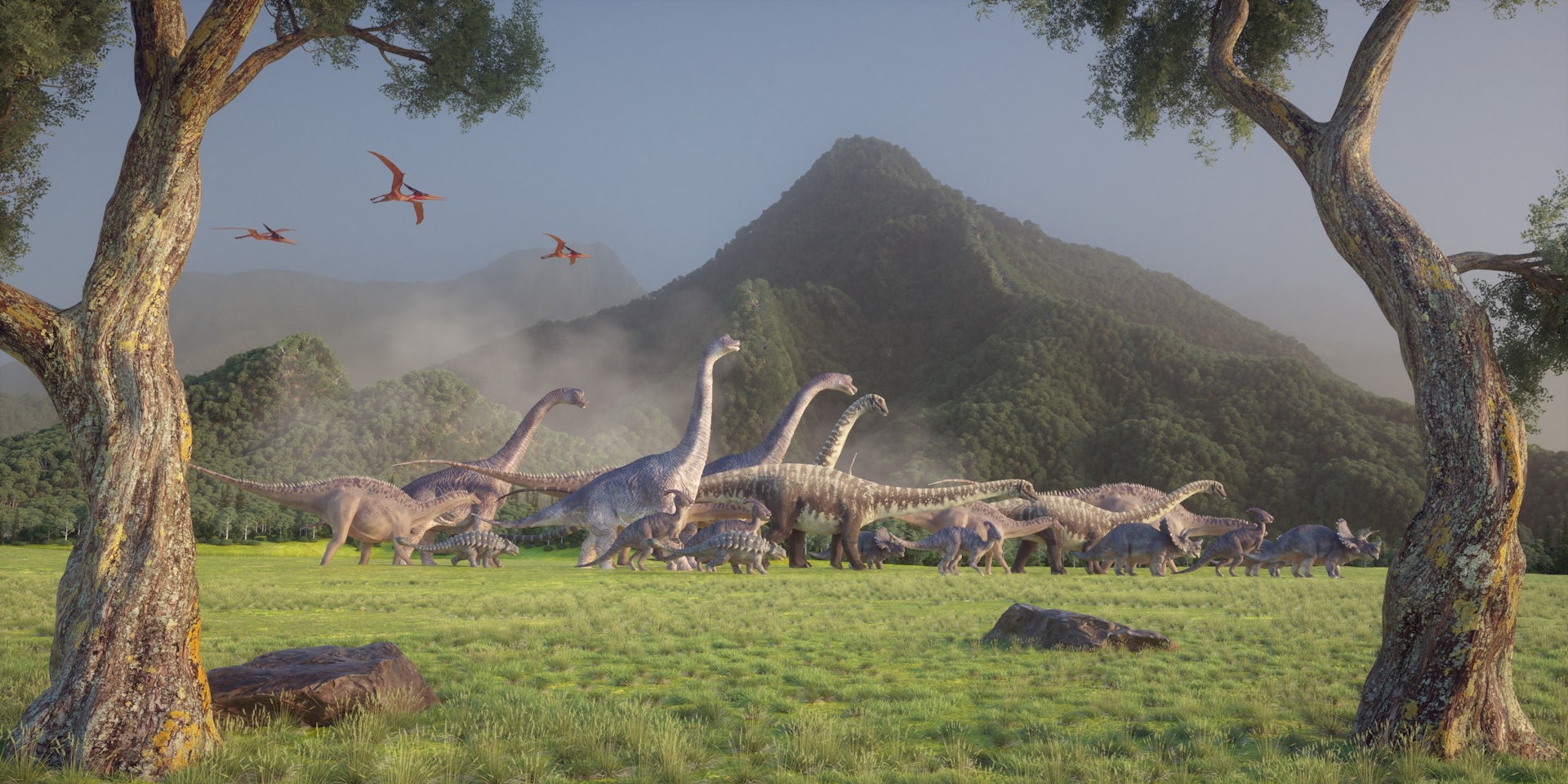
In the last 24 hours, the light becomes visible during the daytime. But it still looks like a star or planet, getting brighter in the final few hours before impact.
في الساعات الـ 24 الماضية، أصبح الضوء مرئيًا خلال النهار. لكنه لا يزال يبدو كنجم أو كوكب، يزداد سطوعًا في الساعات القليلة الأخيرة قبل الاصطدام.
T equals 0: the impact
T يساوي 0: الاصطدام
If you were close by, you would first have experienced a brief light and sound show. Minutes to seconds before the impact, you’d have seen the bright fireball, and its accompanying crackling or fizzing noises. This sizzling sound is a result of the photo-acoustic effect: the intense light of the fireball warms the ground, which then heats the air above it, causing pressure waves, or sound.
إذا كنت قريبًا، فستشهد أولاً عرضًا قصيرًا للضوء والصوت. قبل لحظات وثوانٍ من الاصطدام، كنت سترى كرة اللهب الساطعة وأصوات الطقطقة أو الفوران المصاحبة لها. هذا الصوت الطنين ناتج عن تأثير الصورة-الصوت: الضوء الشديد لكرة اللهب يسخن الأرض، التي بدورها تسخن الهواء فوقها، مما يسبب موجات ضغط، أو صوت.
Next, a deafening sonic boom, which occurs because the asteroid is travelling faster than the speed of sound. But the asteroid is so huge, perhaps 10km in diameter, that it almost certainly hits the ground before any living creature near the impact zone has time to run for cover.
بعد ذلك، انفجار صوتي مدوٍ، يحدث لأن الكويكب يسافر أسرع من سرعة الصوت. لكن الكويكب ضخم للغاية، ربما يبلغ قطره 10 كيلومترات، لدرجة أنه يصطدم بالأرض بالتأكيد قبل أن تتاح لأي كائن حي بالقرب من منطقة الاصطدام فرصة للبحث عن ملجأ.
The asteroid’s enormous energy forms a crater through a series of processes that together take only a few seconds. As the asteroid collides with the surface, its kinetic (movement) energy is instantly transferred to the surface as a combination of kinetic, thermal (heat) and seismic energy (released during earthquakes) . This results in a series of shock waves that heat and compress both the asteroid and its target.
طاقة الكويكب الهائلة تشكل حفرة من خلال سلسلة من العمليات التي تستغرق بضع ثوانٍ فقط. عندما يصطدم الكويكب بالسطح، يتم نقل طاقته الحركية (الحركة) على الفور إلى السطح كمزيج من الطاقة الحركية والحرارية (الحرارة) والطاقة الزلزالية (المطلقة أثناء الزلازل) . يؤدي هذا إلى سلسلة من موجات الصدمة التي تسخن وتضغط كلًا من الكويكب والهدف.
As the shock waves propagate, rocks fracture, break up and are ejected, producing a bowl-shaped depression, or transient cavity, about ten seconds after impact. The heat and compression also melt and vaporise large volumes of material, including the asteroid itself, releasing a fountain of incandescent vapour (its temperature is more than 10,000 K, or 9726.85°C) .
مع انتشار موجات الصدمة، تتكسر الصخور وتتفتت وتُقذف، منتجة انخفاضًا على شكل وعاء، أو تجويف عابر، بعد حوالي عشر ثوانٍ من الاصطدام. كما أن الحرارة والضغط يذيبان ويبخّنان كميات كبيرة من المواد، بما في ذلك الكويكب نفسه، مطلقين نافورة من البخار المتوهج (درجة حرارته تزيد عن 10,000 كلفن، أو 9726.85 درجة مئوية) .
Over the next few seconds, the cavity increases in size to many times the diameter of the original asteroid. Simulations suggest that around 20 seconds after impact, the transient cavity is at least 30km deep – deeper than the deepest depth currently known on Earth, the 11km Challenger Deep valley, part of the Pacific Ocean’s Marianas Trench. The rim of the crater is over 20km high – more than twice the height of 8,900m Mount Everest.
على مدى الثواني القليلة التالية، يتزايد حجم التجويف إلى عدة أضعاف قطر الكويكب الأصلي. تشير المحاكاة إلى أنه بعد حوالي 20 ثانية من الاصطدام، يكون التجويف العابر عمقه 30 كيلومترًا على الأقل – أعمق من أعمق عمق معروف حاليًا على الأرض، وادي تشالنجر ديب الذي يبلغ عمقه 11 كيلومترًا، وهو جزء من خندق ماريانا في المحيط الهادئ. يبلغ ارتفاع حافة الحفرة أكثر من 20 كيلومترًا – أكثر من ضعف ارتفاع جبل إيفرست البالغ 8,900 متر.
But this enormous feature lasts for less than a minute before it starts to collapse. Within three minutes of the impact, the centre of the crater has rebounded to form a peak several kilometres high. The peak only lasts about two minutes before collapsing back into the crater.
لكن هذه السمة الهائلة تستمر لأقل من دقيقة قبل أن تبدأ في الانهيار. في غضون ثلاث دقائق من الاصطدام، ارتد مركز الحفرة لتشكيل قمة يبلغ ارتفاعها عدة كيلومترات. تستمر القمة لمدة دقيقتين تقريبًا فقط قبل أن تنهار مرة أخرى في الحفرة.
Whether a dinosaur or a dung beetle, if you were near the transient cavity you would have been incinerated instantly by the blast. But even if you were up to 2,000km from the epicentre, you’d likely have been killed quickly by the thermal radiation and supersonic winds now spreading out from the impact site.
سواء كان ديناصورًا أو خنفساء روث، إذا كنت بالقرب من التجويف العابر، فستكون قد احترقت على الفور بسبب الانفجار. ولكن حتى لو كنت على بعد 2,000 كيلومتر من النقطة المركزية، فمن المحتمل أن تكون قد قُتلت بسرعة بسبب الإشعاع الحراري والرياح فوق الصوتية التي تنتشر الآن من موقع الاصطدام.
T-plus 5 minutes
T زائد 5 دقائق
Five minutes after the impact, the winds have “eased” to those of a category 5 hurricane, flattening everything within about 1,500km of the impact. Destroying everything, that is, which has not already been burnt. Atmospheric temperatures in the region rise to over 500K (226.85°C) . This would feel like being inside an oven – causing burns, heatstroke and death. Wood and plant matter ignite, creating fires everywhere.
بعد خمس دقائق من الاصطدام، خفتت الرياح لتصبح كعواصف إعصار من الفئة الخامسة، مما أدى إلى تسطيح كل شيء ضمن مسافة حوالي 1,500 كم من نقطة الاصطدام. تدمير كل شيء، أي ما لم يحترق بعد. ترتفع درجات الحرارة الجوية في المنطقة إلى أكثر من 500 كلفن (226.85 درجة مئوية) . سيشعر المرء وكأنه داخل فرن – مما يسبب الحروق وضربة الحرارة والموت. تشتعل الأخشاب والمواد النباتية، مما يخلق حرائق في كل مكان.
Because the asteroid struck the sea, the atmosphere is also filled with super-heated steam, making the hurricane-force winds even deadlier.
بما أن الكويكب اصطدم بالبحر، فإن الغلاف الجوي ممتلئ أيضًا بالبخار شديد السخونة، مما يجعل الرياح العاصفة أكثر فتكًا.
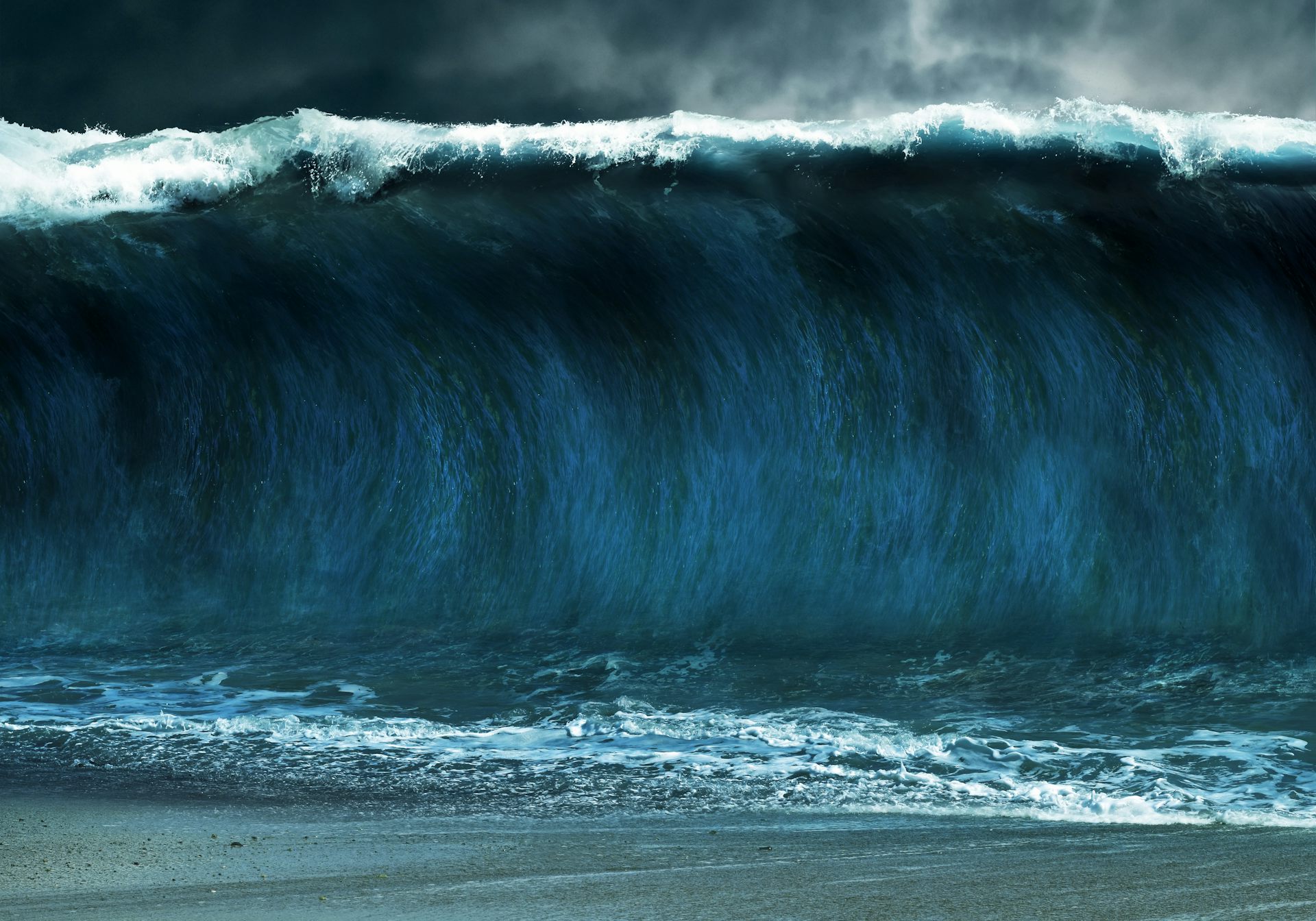
Next come the tidal waves, triggered by the vast quantities of displaced rock and water. These 100-metre megatsunamis first strike the shores of what is now the Gulf of Mexico, engulfing the land before depositing huge amounts of debris as they retreat.
بعد ذلك تأتي الأمواج المدية، التي تحفزها الكميات الهائلة من الصخور والمياه المُزاحة. تضرب هذه التسونامي العملاقة التي يبلغ ارتفاعها 100 متر الشواطئ التي هي الآن خليج المكسيك، وتغمر اليابسة قبل أن تترسب كميات هائلة من الحطام أثناء تراجعها.
By now, the crater has almost reached its final dimensions – 180km across and 20km deep. But making an enormous hole in the ground isn’t the only outcome of the impact. All the rock and vapour displaced during the collision has to go somewhere. Several locations in Northern America show that metre-sized blocks of debris from the impact were thrown distances of hundreds of kilometres.
حتى الآن، كاد الحفرة أن تصل إلى أبعادها النهائية – 180 كم عرضًا و 20 كم عمقًا. ولكن إحداث حفرة ضخمة في الأرض ليس النتيجة الوحيدة للاصطدام. يجب أن تذهب كل الصخور والبخار المُزاح أثناء التصادم إلى مكان ما. تُظهر عدة مواقع في أمريكا الشمالية أن كتل الحطام بحجم المتر من الاصطدام قُذفت لمسافات مئات الكيلومترات.
So if you were 2,000km to 3,000km from the epicentre and survived the first few seconds, you’d most likely die from overheating, earthquakes, hurricanes, fires, tsunami-driven floods or being hit by impact melt.
لذا، إذا كنت على بعد 2,000 إلى 3,000 كم من مركز الحدث ونجوت من الثواني القليلة الأولى، فمن المرجح أن تموت بسبب ارتفاع درجة الحرارة، أو الزلازل، أو الأعاصير، أو الحرائق، أو الفيضانات الناتجة عن التسونامي، أو التعرض لانصهار الاصطدام.
But what is happening much further away? In the first five minutes after impact, dinosaurs roaming the Cretaceous forests of what are now China or New Zealand are so far undisturbed.
ولكن ما الذي يحدث أبعد من ذلك؟ في الدقائق الخمس الأولى بعد الاصطدام، لا تزال الديناصورات التي تتجول في غابات العصر الطباشيري لما تُعرف الآن بالصين أو نيوزيلندا غير مضطربة.
But it won’t be long before that changes.
ولكن لن يستغرق الأمر وقتًا طويلاً حتى يتغير ذلك.
T-plus one hour
T زائد ساعة واحدة
Shockwaves on land and sea are only minor inconveniences compared with the fire that is still radiating down from the sky. Some of the impact energy has been transferred into the atmosphere, heating the air and dust to incandescence.
موجات الصدمة على اليابسة والبحر ليست سوى إزعاجات طفيفة مقارنة بالنار التي لا تزال تشع من السماء. تم نقل بعض طاقة الاصطدام إلى الغلاف الجوي، مما سخّن الهواء والغبار حتى أدركانه.
An hour after impact, a belt of dust has circled the globe. Deposits of solidified molten droplets (impact spherules) and mineral grains have been found in numerous locations from New Zealand in the south to Denmark in the north. In these locations, you would not have been aware of the tsunamis around the Americas or the wildfires, but the skies would certainly have begun to darken.
بعد ساعة من الاصطدام، دار حزام من الغبار حول الكرة الأرضية. تم العثور على رواسب من القطرات المنصهرة المتصلبة (كرات الاصطدام) وحبيبات المعادن في العديد من المواقع من نيوزيلندا في الجنوب إلى الدنمارك في الشمال. في هذه المواقع، لم تكن لتكون على علم بأمواج تسونامي حول الأمريكتين أو حرائق الغابات، ولكن من المؤكد أن السماء كانت ستبدأ في التعتيم.
T-plus one day
T-plus one day
By now, huge tsunamis are moving east across the Atlantic and west across the Pacific, entering the Indian Ocean from both sides.
By now, huge tsunamis are moving east across the Atlantic and west across the Pacific, entering the Indian Ocean from both sides.
They are still around 50m high – causing death and destruction across many coasts around the world. By comparison, the 2004 Boxing Day tsunami reached heights of up to 30 metres. Tsunamis kill fishes and marine life that are washed high on the shore and then dumped, just as they kill coastal trees and drown land animals. But the tsunamis gradually fade away and probably don’t wipe out any entire species – at least on their own.
They are still around 50m high – causing death and destruction across many coasts around the world. By comparison, the 2004 Boxing Day tsunami reached heights of up to 30 metres. Tsunamis kill fishes and marine life that are washed high on the shore and then dumped, just as they kill coastal trees and drown land animals. But the tsunamis gradually fade away and probably don’t wipe out any entire species – at least on their own.
The hurricane force winds have also died down, but tropical storm strength winds are whipping up debris and causing further chaos and destruction across the tsunami-affected areas. The burning sky is also triggering wildfires across the globe – which, in turn, carry ever more soot into the atmosphere. The sooty signature of these wildfires has been found deposited as carbon particles in sediments from the K-Pg boundary – a 66-million-year-old thin clay layer.
The hurricane force winds have also died down, but tropical storm strength winds are whipping up debris and causing further chaos and destruction across the tsunami-affected areas. The burning sky is also triggering wildfires across the globe – which, in turn, carry ever more soot into the atmosphere. The sooty signature of these wildfires has been found deposited as carbon particles in sediments from the K-Pg boundary – a 66-million-year-old thin clay layer.
Further away, in what is modern Europe and Asia, the skies continue to fill up with dust and soot, as they do everywhere. Temperatures start to drop as sunlight is blocked. Trees and plants in general, including phytoplankton, close down as if for winter, unable to photosynthesise. Any animals that rely on warm conditions ultimately hunker down and die.
Further away, in what is modern Europe and Asia, the skies continue to fill up with dust and soot, as they do everywhere. Temperatures start to drop as sunlight is blocked. Trees and plants in general, including phytoplankton, close down as if for winter, unable to photosynthesise. Any animals that rely on warm conditions ultimately hunker down and die.
T-plus one week
بعد أسبوع واحد
It’s getting darker and darker. Simulations of solar radiation reaching the Earth’s surface following the impact indicate that, after about a week, the solar flux (the amount of heat and light per a certain area) is just one thousandth of that prior to the impact. This is caused by particles of dust and soot in the atmosphere.
الأمور تزداد ظلمة. تشير محاكاة الإشعاع الشمسي الذي يصل إلى سطح الأرض بعد الاصطدام إلى أن التدفق الشمسي (كمية الحرارة والضوء لكل مساحة معينة) يصبح جزءاً من ألف من قيمته قبل الاصطدام. وسبب ذلك هو جزيئات الغبار والسخام في الغلاف الجوي.
The continued decrease in light levels is accompanied by a global drop in surface temperatures of at least 5°C. This means that most of the dinosaurs and other large flying and swimming reptiles probably die from freezing within the course of this first week (smaller reptiles with slower metabolisms or more flexible diets could survive longer) . Cooling temperatures and cloud cover also lead to rain. But not just any rain. Storms of acid rain fall across the Earth.
يصاحب الانخفاض المستمر في مستويات الضوء انخفاضاً عالمياً في درجات حرارة السطح بمقدار 5 درجات مئوية على الأقل. هذا يعني أن معظم الديناصورات والزواحف الكبيرة الأخرى الطائرة والسباحة تموت على الأرجح من التجمد خلال الأسبوع الأول (قد تنجو الزواحف الأصغر ذات الأيض الأبطأ أو الأنظمة الغذائية الأكثر مرونة لفترة أطول) . كما أن درجات الحرارة المنخفضة وتغطية السحب تؤدي إلى هطول المطر. ولكن ليس مجرد مطر عشوائي. عواصف من المطر الحمضي تسقط عبر الأرض.
Two separate mechanisms generate acid rain. The first is down to the geology of the impact region. The asteroid happened to hit an area of sediments rich in sulphur, which vaporised and caused sulphur oxides (acidic and pungent gas compounds composed of sulphur and oxygen) to be part of the plume of plasma blasted into the atmosphere. Second, the energy of the collision was sufficient to turn nitrogen and oxygen into nitrogen oxides – highly reactive gases that can form smog.
آليتان منفصلتان تولدان المطر الحمضي. الأولى تتعلق بالجيولوجيا لمنطقة الاصطدام. وقع الكويكب على منطقة من الرواسب غنية بالكبريت، والتي تبخرت وتسببت في أن تصبح أكاسيد الكبريت (مركبات غازية حمضية ونفاذة تتكون من الكبريت والأكسجين) جزءاً من عمود البلازما الذي تم نفخه في الغلاف الجوي. ثانياً، كانت طاقة التصادم كافية لتحويل النيتروجين والأكسجين إلى أكاسيد النيتروجين – وهي غازات شديدة التفاعل يمكن أن تشكل الضباب الدخاني.
The dropping temperature ultimately allows water vapour to condense into drops, and the sulphur and nitrogen oxides dissolve to form sulphuric and nitric acids. This is sufficient to generate a rapid drop in pH. Early models suggest that the pH of the rain might be as low as 1 – the same acidity as battery acid.
في نهاية المطاف، يسمح الانخفاض في درجة الحرارة لبخار الماء بالتكثف إلى قطرات، وتذوب أكاسيد الكبريت والنيتروجين لتشكل حمض الكبريتيك وحمض النيتريك. هذا كافٍ لتوليد انخفاض سريع في الأس الهيدروجيني (pH) . تشير النماذج المبكرة إلى أن درجة حموضة المطر قد تكون 1 – وهي نفس حموضة حمض البطارية.
At this point, Earth is not a great place to be. Rotting vegetation, choking smoke and sulphur aerosols combine to make the planet stink. Plants and animals on land and in shallow seas that have survived the darkness and cold succumb to the corrosive acid rain and ocean acidification. Acid rain also kills trees by leaching nutrients such as calcium, magnesium and potassium from the soil. Shallow marine shellfish, crustaceans and corals also die as acid seawater destroys their skeletons.
في هذه المرحلة، لم تعد الأرض مكاناً جيداً للوجود. تتحد النباتات المتحللة والدخان والجسيمات المعلقة من الكبريت لتجعل الكوكب رائحاً كريهة. النباتات والحيوانات على اليابسة وفي البحار الضحلة التي نجت من الظلام والبرد تستسلم للمطر الحمضي المسبّب للتآكل وتحمض المحيطات. كما أن المطر الحمضي يقتل الأشجار عن طريق إذابة العناصر الغذائية مثل الكالسيوم والمغنيسيوم والبوتاسيوم من التربة. كما تموت القشريات والمحار والشعاب المرجانية البحرية الضحلة أيضاً حيث يدمر ماء البحر الحمضي هياكلها.
T-plus one year
T بالإضافة إلى سنة
Winds die down, wildfires are extinguished and the oceans are once again calm. It might appear that the asteroid collision is just a scar on the ocean floor. But its effects are still destructive. The atmosphere is still filled with dust and the Sun hasn’t shone for a year. Temperatures have continued to drop, with the average surface temperature now 15°C lower than before the impact. Winter has come.
تخفت الرياح، وتنطفئ حرائق الغابات، وتعود المحيطات هادئة مرة أخرى. قد يبدو أن اصطدام الكويكب ليس سوى ندبة على قاع المحيط. لكن تأثيراته لا تزال مدمرة. لا يزال الغلاف الجوي مليئاً بالغبار ولم تشر الشمس لمدة عام. استمرت درجات الحرارة في الانخفاض، حيث أصبح متوسط درجة الحرارة السطحية الآن أقل بـ 15 درجة مئوية مما كانت عليه قبل الاصطدام. لقد أتى الشتاء.
Any dinosaurs or marine reptiles that survived the first week of freezing conditions would have died very soon after. A year after the impact, only rotted skeletons of these behemoths remain. Here and there, smaller animals like mammals the size of rats and insects would be nestling in crevices, barely surviving on their reserves and decaying plants.
أي ديناصورات أو زواحف بحرية نجت من الأسبوع الأول من الظروف المتجمدة كانت ستموت في وقت قصير جدًا بعد ذلك. بعد عام من الاصطدام، لم يتبق سوى هياكل عظمية متعفنة لهذه العمالقة. هنا وهناك، كانت الحيوانات الأصغر مثل الثدييات بحجم الفئران والحشرات تتوارى في الشقوق، بالكاد تنجو من مخزونها والنباتات المتحللة.
Indeed, it has not been a good year for life on Earth: over 50% of plants have died out because of the cold and lack of sunlight. And similar losses have occurred among terrestrial animals and species in the acidified, shallow sea waters.
في الواقع، لم يكن عاماً جيداً للحياة على الأرض: فقد ماتت أكثر من 50% من النباتات بسبب البرد ونقص ضوء الشمس. ووقعت خسائر مماثلة بين الحيوانات والأنواع البرية في مياه البحار الضحلة والمحمّضة.
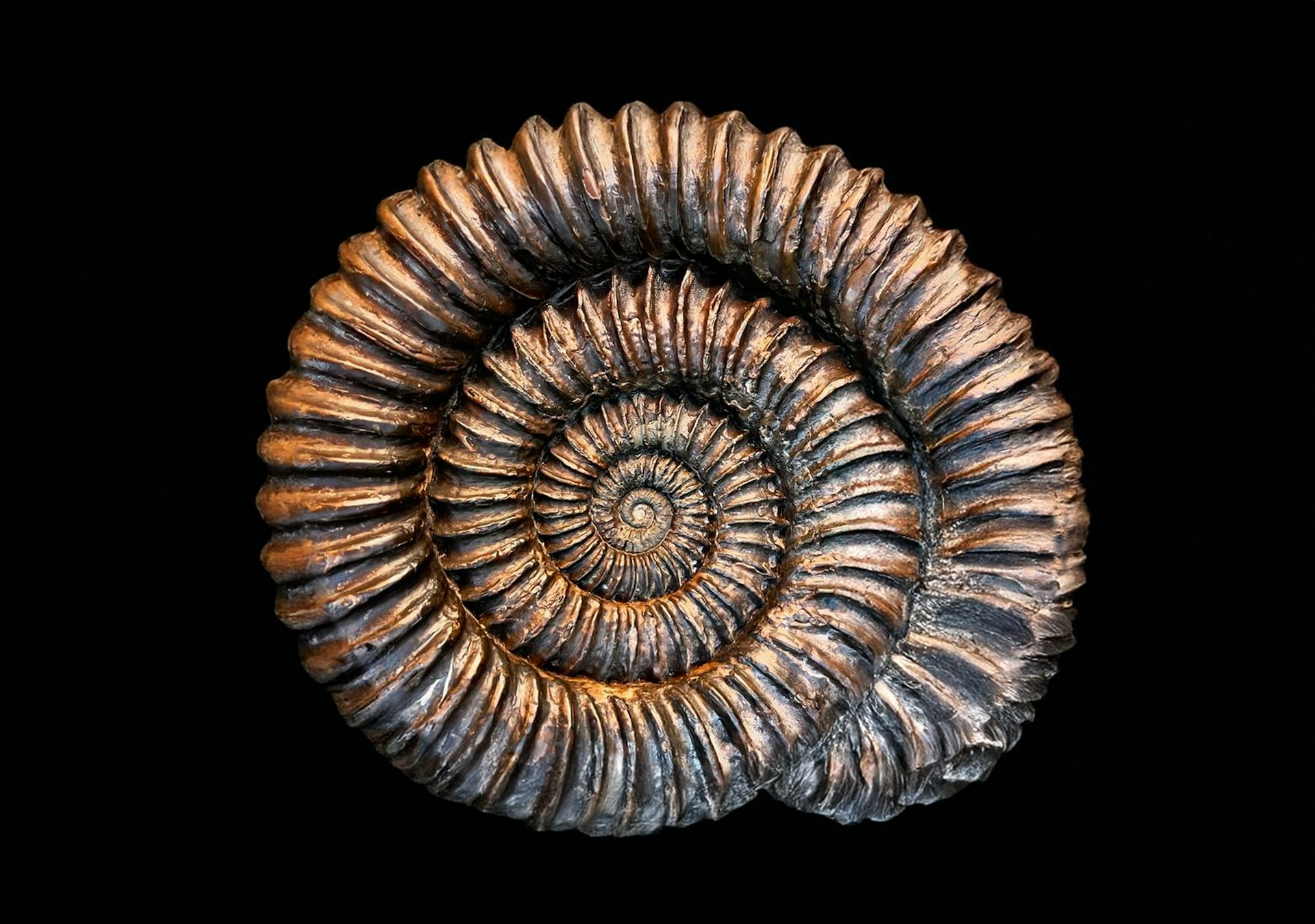
While most plant groups and many of the modern groups of insects, fishes, reptiles, birds and mammals recover reasonably rapidly, things don’t look great for other species. Dinosaurs and pterosaurs living on land are extinct, as are many marine reptiles, ammonites, belemnites and rudist bivalves in the oceans. Ammonites and belemnites are high in their food chains, and so suffer not only from the cold and acidification but also from the loss of abundant food resources, such as smaller marine organisms.
بينما تستعيد معظم مجموعات النباتات والعديد من المجموعات الحديثة للحشرات والأسماك والزواحف والطيور والثدييات عافيتها بسرعة معقولة، فإن الأمور لا تبدو جيدة للأنواع الأخرى. لقد انقرضت الديناصورات والطيور القديمة التي عاشت على اليابسة، وكذلك العديد من الزواحف البحرية، والأمونيتات، والبليمنيتات، والرخويات الردية في المحيطات. الأمونيتات والبليمنيتات مرتفعة في سلاسل غذائها، ولذلك لا تعاني ليس فقط من البرد والتحمض، ولكن أيضًا من فقدان الموارد الغذائية الوفيرة، مثل الكائنات البحرية الأصغر حجمًا.
T-plus ten years
بعد عشر سنوات من الاصطدام
The Earth is still in the grip of a fierce winter. Although most of the sulphur has rained out of the atmosphere, dust and soot particles remain. The average surface temperature is still about 5°C lower than before the impact. The main oceans have not frozen, but inland lakes and rivers around the world are iced over.
لا تزال الأرض تحت وطأة شتاء قاسٍ. على الرغم من أن معظم الكبريت قد تساقط من الغلاف الجوي، إلا أن جزيئات الغبار والسخام لا تزال باقية. لا تزال متوسط درجة الحرارة السطحية أقل بحوالي 5 درجات مئوية من ما قبل الاصطدام. لم تتجمد المحيطات الرئيسية، ولكن البحيرات والأنهار الداخلية في جميع أنحاء العالم مغطاة بالجليد.
Clearly, there were no humans about at this time – there weren’t even any larger mammals. But given the only species that survived were those that could burrow or live below water, it is unlikely that you could have survived this long.
من الواضح أنه لم يكن هناك بشر في ذلك الوقت – ولم يكن هناك حتى ثدييات أكبر. ولكن بالنظر إلى أن الأنواع الوحيدة التي نجت كانت تلك التي يمكنها الحفر أو العيش تحت الماء، فمن غير المحتمل أن تكون قد نجوت طوال هذه المدة.
Surviving plant and animal groups such as turtles, smaller crocodiles, lizards, snakes, some ground-dwelling birds and small mammals repopulate the Earth at this point. But they are forced back to limited areas of relative safety a long way from the impact site. These areas are now receiving sufficient sunlight for plants and phytoplankton to photosynthesise again. As leaves and seeds provide the basis for the food chains on land and in the sea, life begins to rebuild.
مجموعات النباتات والحيوانات الناجية مثل السلاحف، والتماسيح الأصغر، والسحالي، والثعابين، وبعض الطيور التي تعيش على اليابسة والثدييات الصغيرة تعيد التوطين للأرض في هذه المرحلة. ولكن يتم إجبارها على العودة إلى مناطق محدودة من الأمان النسبي بعيدًا عن موقع الاصطدام. هذه المناطق تتلقى الآن ضوء شمس كافٍ لكي تتمكن النباتات والعوالق النباتية من القيام بعملية التمثيل الضوئي مرة أخرى. وبما أن الأوراق والبذور توفر الأساس لسلاسل الغذاء على اليابسة وفي البحر، تبدأ الحياة في إعادة البناء.
Eventually, life returns to the devastated landscapes, but ecosystems are very different and the dinosaurs are no more.
في نهاية المطاف، تعود الحياة إلى المناظر الطبيعية المدمرة، ولكن النظم البيئية مختلفة جدًا والديناصورات لم تعد موجودة.
T-plus 66 million years
T زائد 66 مليون سنة
Today, 66 million years after the impact, the scars of the collision are hidden within geological strata – and scientists have started deciphering them. It was in 1980 that researchers first reported evidence of the impact. In their classic paper, Luis Alvarez, a Nobel-prize-winning physicist, and co-authors, described a sudden enrichment in the element iridium in a specific clay layer in Denmark and in Italy.
اليوم، بعد 66 مليون سنة من الاصطدام، تكمن ندوب التصادم داخل الطبقات الجيولوجية – وقد بدأ العلماء في فك شفرتها. كان ذلك في عام 1980 عندما أبلغ الباحثون لأول مرة عن دليل على الاصطدام. في ورقتهم الكلاسيكية، وصف لويس ألفاريز، الفيزيائي الحائز على جائزة نوبل، والمؤلفون المشاركون، إثراءً مفاجئًا في عنصر الإيريديوم في طبقة طينية محددة في الدنمارك وإيطاليا.
Iridium is rare in surface rocks because most of it was sequestered in Earth’s core when the planet first formed. However, iridium is found in meteorites, and Alvarez and colleagues inferred that the rate of accumulation of the metal in the sediments was so high that it could only have been produced by impact of a gigantic meteorite.
يعد الإيريديوم نادرًا في الصخور السطحية لأن معظم كميته كانت محصورة في نواة الأرض عندما تشكلت الكوكب لأول مرة. ومع ذلك، يوجد الإيريديوم في النيازك، واستنتج ألفرز وزملاؤه أن معدل تراكم المعدن في الرواسب كان مرتفعًا جدًا لدرجة أنه لا يمكن أن يكون قد نتج إلا عن اصطدام نيزك عملاق.
Because the scientists had only observed the iridium spike in two locations, the impact hypothesis was rejected by many scientists at the time. However, through the 1980s, iridium spikes were identified in clay layers at more and more locations – in muds laid down on land, in lakes, in the sea.
بما أن العلماء لم يلاحظوا ارتفاع الإيريديوم في موقعين فقط، فقد رُفضت فرضية الاصطدام من قبل العديد من العلماء في ذلك الوقت. ومع ذلك، خلال الثمانينيات، تم تحديد ارتفاعات الإيريديوم في طبقات الطين في أماكن متزايدة – في الطين المترسب على اليابسة، وفي البحيرات، وفي البحر.
Support for an impact hypothesis strengthened when a crater of the correct age was found in 1991. The crater is buried beneath younger rocks, but clearly visible in geophysical surveys, lying half on land in the Yucatán Peninsula of Mexico, and half offshore. Since 1990, evidence for the impact has increased, not least when scientists discovered that there was indeed a sharp cooling event at the end of the Cretaceous.
تعزز الدعم لفرضية الاصطدام عندما تم العثور على حفرة من العمر الصحيح في عام 1991. تُدفن الحفرة تحت صخور أحدث، ولكنها مرئية بوضوح في المسوحات الجيوفيزيائية، حيث تقع نصفها على اليابسة في شبه جزيرة يوكاتان في المكسيك، والنصف الآخر في عرض البحر. منذ عام 1990، ازداد الدليل على الاصطدام، لا سيما عندما اكتشف العلماء أنه كان هناك بالفعل حدث تبريد حاد في نهاية العصر الطباشيري.
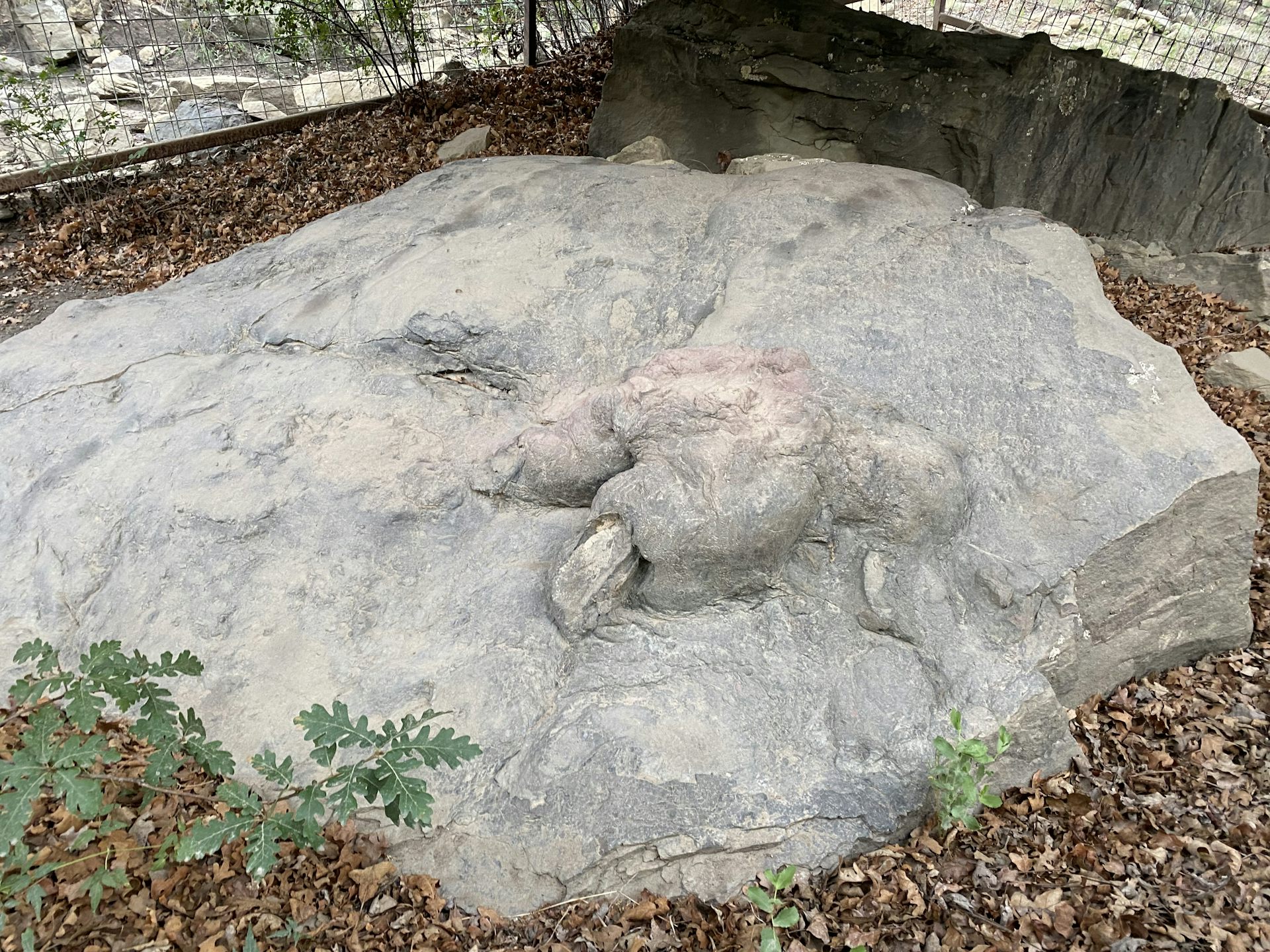
In total, it is estimated that half the species of plants and animals alive at the end of the Cretaceous disappeared. It was once thought that surviving groups such as many plants, insects, molluscs, lizards, birds and mammals somehow escaped unscathed. But detailed study shows that this is not the case – they were all hit hard.
يُقدَّر في المجموع أن نصف أنواع النباتات والحيوانات التي كانت حية في نهاية العصر الطباشيري قد اختفت. كان يُعتقد في وقت ما أن المجموعات الناجية مثل العديد من النباتات والحشرات والرخويات والسحالي والطيور والثدييات قد نجت دون أذى. لكن الدراسة التفصيلية تظهر أن هذا ليس هو الحال – لقد تضرروا جميعاً بشدة.
But, by chance or luck, enough individuals and species were able to survive the cold and absence of food, or were in parts of the world where the effects were less extreme. As the world returned to normal, they had the opportunity to expand rapidly into their old niches, but also to occupy the space vacated by extinct groups. In fact, one important consequence of the extinction of the dinosaurs, apex predators in their heyday, was the successful spread and evolution of mammals.
ولكن، بالصدفة أو الحظ، تمكن عدد كافٍ من الأفراد والأنواع من النجاة من البرد وغياب الطعام، أو كانوا في أجزاء من العالم حيث كانت الآثار أقل تطرفاً. ومع عودة العالم إلى طبيعته، أتيحت لهم الفرصة للتوسع بسرعة في مواطنهم القديمة، وكذلك للاحتلال للمساحة التي أصبحت شاغرة بسبب المجموعات المنقرضة. في الواقع، كانت إحدى العواقب المهمة لانقراض الديناصورات، التي كانت مفترسات قمة في أوجها، هي الانتشار والتطور الناجح للثدييات.
When Alvarez and colleagues first described the drop in temperature following the impact, they called it a “nuclear winter”, reflecting the political climate of the early 1980s. Now we might be more inclined to describe the effects as a global climate change – similar events are currently resulting from increased carbon dioxide in the atmosphere (flooding, temperature fluctuations) .
عندما وصف ألفرز وزملاؤه أول مرة انخفاض درجة الحرارة الذي تلا الاصطدام، أطلقوا عليه اسم “شتاء نووي”، مما يعكس المناخ السياسي في أوائل الثمانينيات. والآن قد نكون أكثر ميلاً لوصف الآثار كتغير مناخي عالمي – حيث تنجم الأحداث المماثلة حاليًا عن زيادة ثاني أكسيد الكربون في الغلاف الجوي (الفيضانات، وتقلبات درجات الحرارة) .
It is salutary to think that without the asteroid collision, primates might never have reached the level we are at today. But it is equally salutary to consider that modern humans are causing some of the same changes to the atmosphere that ultimately killed our reptilian forbears and may one day also lead to our own demise.
من الحكمة التفكير في أنه بدون اصطدام الكويكبات، لم يكن بإمكان الرئيسيات أن تصل أبدًا إلى المستوى الذي نحن فيه اليوم. ولكن من المماثل الحكمة أن نأخذ بعين الاعتبار أن البشر المعاصرين يسببون بعض التغييرات ذاتها في الغلاف الجوي التي قتلت في نهاية المطاف أسلافنا الزواحف وربما تؤدي يومًا ما إلى فنائنا نحن أيضًا.
For you: more from our Insights series:
لك: المزيد من سلسلة رؤيتنا:
‘It ain’t no unicorn’: meet the researchers who’ve interviewed 130 Bigfoot hunters
«إنه ليس وحيد قرن»: تعرف على الباحثين الذين أجروا مقابلات مع 130 صيادي بيغفوت.
The truth about child IQ: research shows it fluctuates and may be an unreliable predictor of future success
الحقيقة حول معدل الذكاء لدى الأطفال: تظهر الأبحاث أنه يتذبذب وقد يكون مؤشراً غير موثوق للنجاح المستقبلي
Is time a fundamental part of reality? A quiet revolution in physics suggests not
هل الزمن جزء أساسي من الواقع؟ ثورة هادئة في الفيزياء لا توحي بـ
Underground data fortresses: the nuclear bunkers, mines and mountains being transformed to protect our ‘new gold’ from attack
حصون البيانات تحت الأرض: تحويل المخابئ النووية والمناجم والجبال لحماية “ذهبنا الجديد” من الهجوم
Inside Porton Down: what I learned during three years at the UK’s most secretive chemical weapons laboratory
داخل بورتون داون: ما تعلمته خلال ثلاث سنوات في أكثر مختبر أسلحة كيميائية سرية في المملكة المتحدة
To hear about new Insights articles, join the hundreds of thousands of people who value The Conversation’s evidence-based news. Subscribe to our newsletter.
لتسمع عن مقالات الرؤى الجديدة، انضم إلى مئات الآلاف من الأشخاص الذين يقدرون الأخبار المبنية على الأدلة من The Conversation. اشترك في نشرتنا الإخبارية.
Monica Grady receives funding from the Leverhulme Trust for an Emeritus Fellowship and from the STFC. She is affiliated with The Open University, Liverpool Hope University and the Natural History Museum, London.
تتلقى مونيكا جرادي تمويلاً من صندوق ليفرهولم (Leverhulme Trust) من أجل زمالة المتقاعدين ومن STFC. هي منتسبة إلى الجامعة المفتوحة، وجامعة ليفربول هوب، ومتحف التاريخ الطبيعي، لندن.
Michael J. Benton does not work for, consult, own shares in or receive funding from any company or organisation that would benefit from this article, and has disclosed no relevant affiliations beyond their academic appointment.
لا يعمل مايكل ج. بينتون لدى أو يستشير أو يمتلك أسهمًا في أو يتلقى تمويلاً من أي شركة أو منظمة ستستفيد من هذه المقالة، ولم يفصح عن أي ارتباطات ذات صلة تتجاوز منصبهم الأكاديمي.
Read more
-
هل تفضل كأس العالم الدول الديمقراطية أم الاستبدادية؟ أجريت بعض الحسابات لمعرفة ذلك
Does the World Cup favor democratic or autocratic nations? I did some number crunching to find out
-
تستخدم النخب السياسية اللبنانية النزوح والأزمة الإنسانية لتأجيل الانتخابات مرة أخرى
Lebanon’s political elites are using displacement and humanitarian crisis to delay elections again