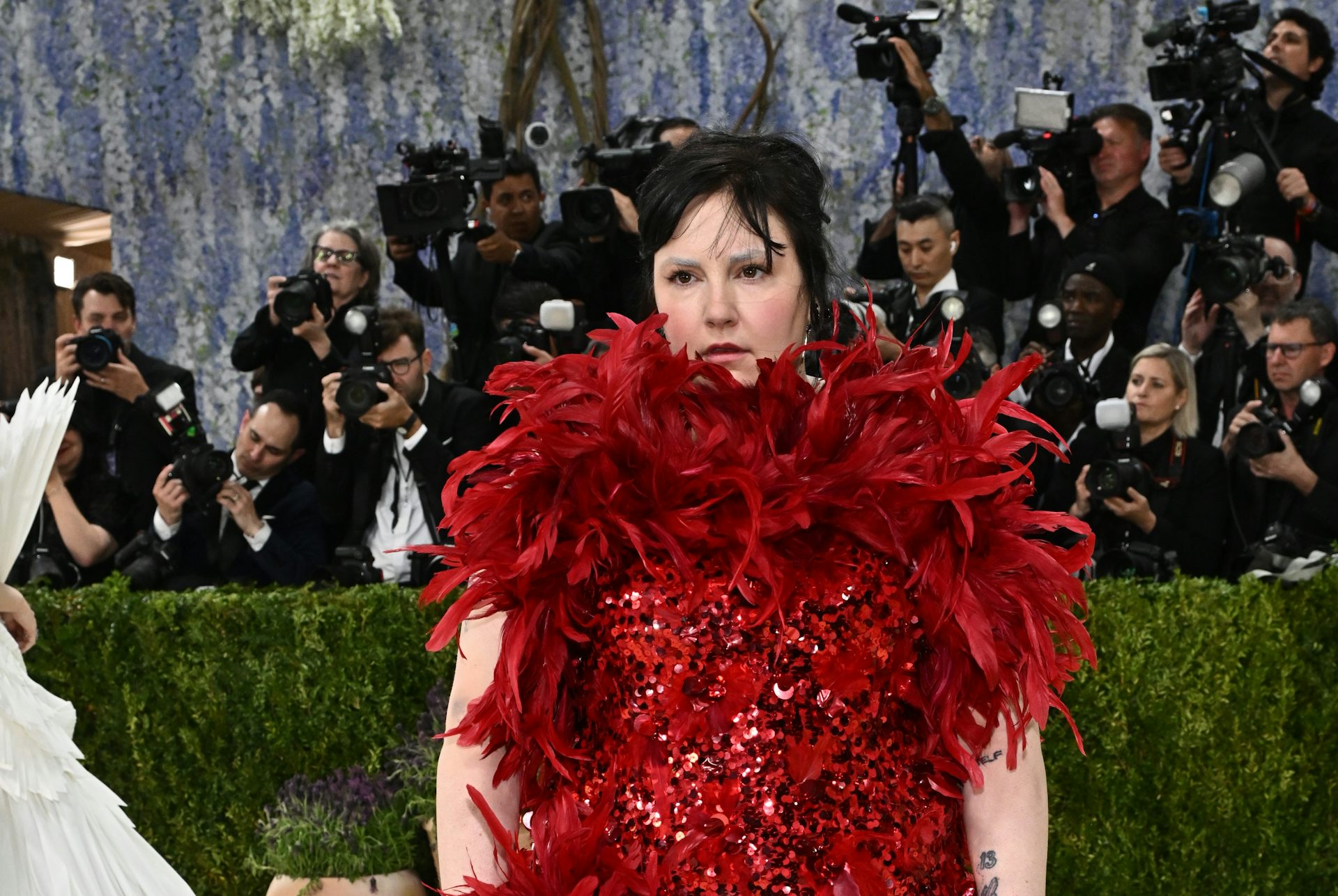
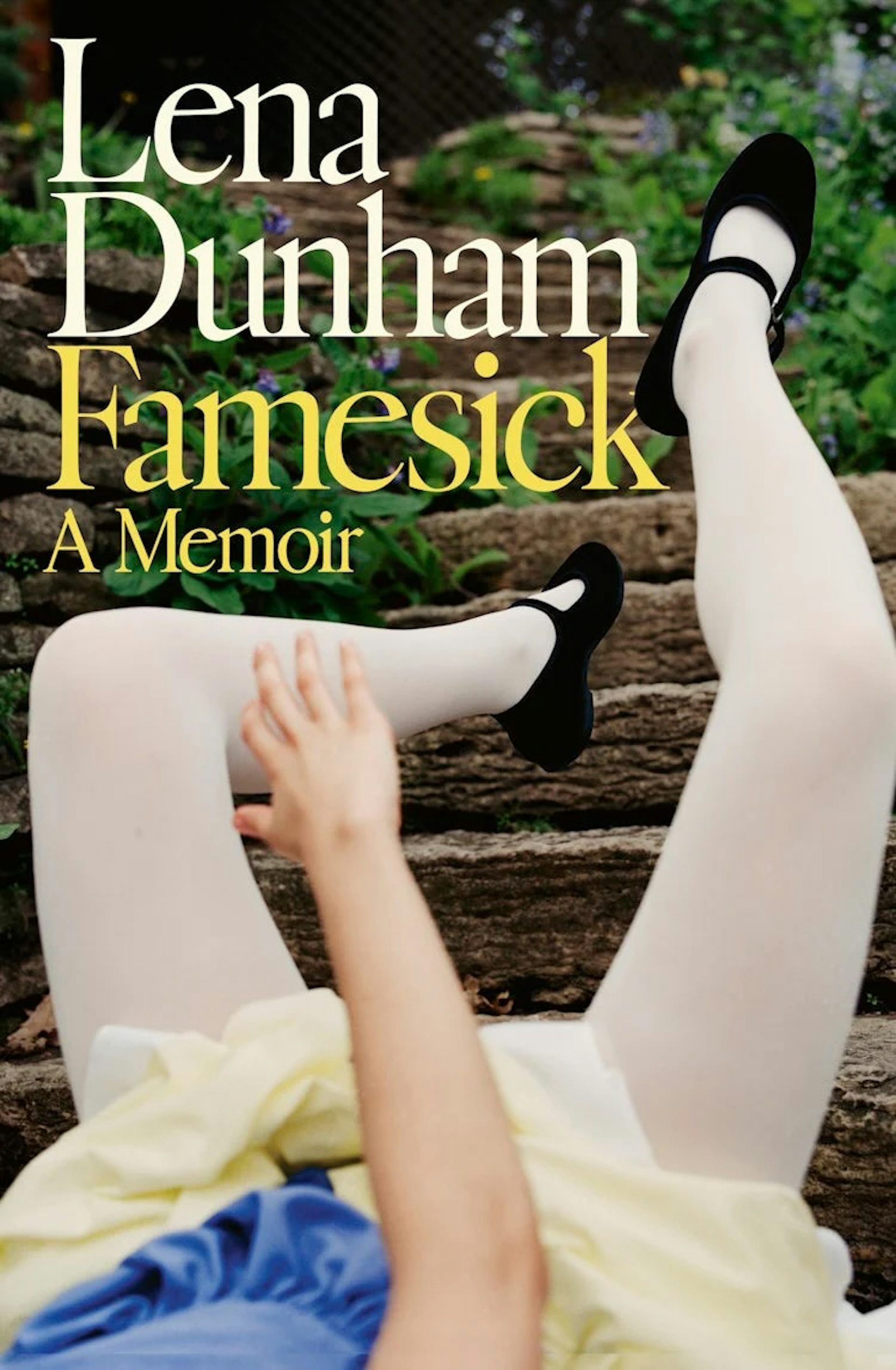
فاميسيك: لينا دونهام تضحكنا بوصف وظيفة أحلام تحولت إلى كابوس مروع
Famesick: Lena Dunham makes us laugh about a dream job turned brutal nightmare
Lena Dunham’s searingly funny, shockingly honest memoir reveals how Hollywood culture allows pretty much anything, except human frailty.
تكشف مذكرات لينا دونهام، المليئة بالفكاهة اللاذعة والصراحة الصادمة، كيف تسمح ثقافة هوليوود بكل شيء تقريباً، باستثناء الضعف البشري.
During the final season of Lena Dunham’s acclaimed comedy drama series, Girls, the character she plays, Hannah Horvath, says her ambition as a writer is to make people laugh about painful things. In real life, this is exactly what Dunham has achieved with her second memoir, Famesick which opens with a prime example.
خلال الموسم الأخير من مسلسل لينا دونام الكوميدي الدرامي الشهير، “Girls”، تقول الشخصية التي تجسدها، هانا هورفاث، إن طموحها ككاتبة هو أن تجعل الناس يضحكون من الأشياء المؤلمة. وفي الحياة الواقعية، هذا بالضبط ما حققته دونام بكتاب مذكراتها الثاني، “Famesick”، الذي يبدأ بمثال ساطع.
“It’s very hard to remember a time – aside from brief flashes of adrenaline on a set or a date or at a fashion party where people are inadvertently dressed like kids in a school play about Greek gods – when being in my body didn’t feel like towing a wrecked car across town at midnight,” she writes.
تكتب: “من الصعب جداً تذكر وقت- بعيداً عن ومضات الأدرينالين القصيرة في موقع تصوير أو موعد غرامي أو في حفلة أزياء حيث يرتدي الناس عن غير قصد ملابس الأطفال في مسرحية مدرسية عن الآلهة اليونانية- أن يكون وجودي في جسدي لا يشبه جر سيارة محطمة عبر المدينة في منتصف الليل.”
A searingly funny, bare-hearted exploration of the cost of success, Dunham’s book charts her meteoric rise as a young screenwriter, director and actor with brutal honesty.
يستعرض كتاب دونام، الذي يمزج بين الفكاهة اللاذعة والاستكشاف الصادق لتكلفة النجاح، صعودها الصاروخي ككاتبة سيناريو ومخرجة وممثلة شابة بصدق قاسٍ.
Review: Famesick by Lena Dunham (4th Estate)
مراجعة: Famesick للينا دونام (4th Estate)
Smart, sassy and highly entertaining, Famesick is ultimately a painfully astute analysis of the ways a dream job can morph into a perilous nightmare. Particularly for someone who is neurodivergent, barely out of college, emotionally dependent on their parents and suffering from a rare, undiagnosed chronic disease.
“Famesick” ذكي وجريء ومسلي للغاية، ولكنه في نهاية المطاف تحليل مؤلم الذكاء للطرق التي يمكن أن يتحول بها العمل الحلم إلى كابوس محفوف بالمخاطر. وخاصة بالنسبة لشخص يعاني من التباين العصبي، وتخرج حديثاً من الكلية، ويعتمد عاطفياً على والديه، ويعاني من مرض مزمن نادر وغير مشخص.
Throughout the first decade of her glittering career, Dunham balanced precariously between adulation and critical attacks. Her intelligent, sharply observed humour defined her public and professional image, but her personal boundaries were all too permeable. The demands of her job bled into her life with devastating consequences for her body.
على مدار العقد الأول من مسيرتها اللامعة، وازنت دونام بشكل محفوف بالمخاطر بين الإعجاب والهجمات النقدية. وقد حدد حسها الفكاهي الذكي والملاحظ بحدة صورتها العامة والمهنية، لكن حدودها الشخصية كانت مسامية للغاية. وتسللت متطلبات عملها إلى حياتها بعواقب وخيمة على جسدها.
Careering from one disastrous man to another, leaning hard on colleagues and friends, Dunham looked to others for the psychological stability she hadn’t yet developed. Her heart dangerously exposed on her sleeve, she poured the events of her life into screenplays, medicated her stress and crashed her way through stardom, unprotected by the industry that relied on her.
من مسيرة رجل كارثي إلى آخر، متكئة بشدة على الزملاء والأصدقاء، بحثت دونام عن الآخرين لتحقيق الاستقرار النفسي الذي لم تطوره بعد. وبقلبها المكشوف للخطر، سكبت أحداث حياتها في السيناريوهات، وخدّرت توترها، ومرت بنجومية بطريقة عشوائية، دون حماية من الصناعة التي اعتمدت عليها.
The price of Dunham’s success was exorbitant, involving much more than long hours and hard work. Yet while parts of her story are harrowingly visceral, she refuses self-pity and keeps away from the confessional traps of trauma porn.
كان ثمن نجاح دونام باهظاً، ويتضمن أكثر بكثير من مجرد ساعات طويلة وعمل شاق. ومع ذلك، فبينما هي أجزاء من قصتها مؤثرة ومقززة، فإنها ترفض الشفقة على الذات وتبتعد عن الفخاخ الاعترافية “لإباحية الصدمات.”
There is nothing gratuitous or exploitative in these pages and Dunham refrains from blaming others for her chaos. Instead, she frames her drug addiction, unhealthy relationship patterns and debilitating chronic health issues as the cost of her own ambition, with a central question in mind. Was it worth it?
لا يوجد شيء مجاني أو استغلالي في هذه الصفحات، وتتجنب دونام لوم الآخرين على فوضاها. بدلاً من ذلك، تصوّر إدمانها على المخدرات، وأنماط علاقاتها غير الصحية، ومشاكلها الصحية المزمنة المُنهِكة، على أنها ثمن طموحها الخاص، مع طرح سؤال مركزي في ذهنها. هل كان الأمر يستحق العناء؟
A cursed, well-connected fairy tale
حكاية خرافية ملعونة ومترابطة جيداً
Dunham’s narrative begins like a modern-day fairy tale with the story of her name, chosen by her mother “because it sounded like the name of someone who could be a movie star or a lawyer with an equal measure of success”. As a legacy, this turned out to be something of a curse.
تبدأ رواية دانهام كحكاية خرافية في العصر الحديث بقصة اسمها، الذي اختارته لها والدتها “لأنه يشبه اسم شخص يمكن أن يكون نجم سينمائي أو محامياً بنجاح متساوٍ.” وبلغ هذا الأمر، كإرث، ما يشبه اللعنة.
Raised within privileged and well connected New York circles, by artist parents, Dunham began experimenting with film-making while attending liberal arts college Oberlin. Her first breakthrough was in 2010, with the award-winning semi-autobiographical movie, Tiny Furniture. She was just 23.
نشأت دانهام في دوائر نيويورك المتميزة والمترابطة جيداً، وترعرعت على يد والدين فنانين، وبدأت في تجربة صناعة الأفلام أثناء دراستها في كلية الفنون الحرة أوبرلين. وكان أول إنجاز لها في عام 2010، بفيلم شبه سيرة ذاتية حائز على جوائز، بعنوان “أثاث صغير” (Tiny Furniture) . لم تكن قد تجاوزت الثالثة والعشرين من عمرها.
Six months after her film premiere, Dunham’s career skyrocketed when HBO contracted her to write and direct the pilot episode of Girls. Aiming to reflect the messy, early twenties stage of life, “when you don’t even know enough to even know what you’re looking for”, the show, like her film, starred herself and her childhood friend Jemima Kirke, with Allison Williams and Zosia Mamet completing the quartet of titular girls.
بعد ستة أشهر من عرض فيلمها الأول، ارتفعت مسيرة دانهام المهنية بشكل كبير عندما تعاقب معها شبكة HBO لكتابة وإخراج الحلقة التجريبية لمسلسل “فتيات” (Girls) . ويهدف المسلسل، مثل فيلمها، إلى عكس مرحلة الحياة الفوضوية في أوائل العشرينات، “عندما لا تعرفين ما يكفي حتى تعرفي ما تبحثين عنه”، حيث شاركت هي وصديقتها الطفولة جيميما كيرك في البطولة، وأكملت أليسون ويليامز وزوسيا ماميت رباعي الفتيات الرئيسيات.
The series’ most intriguing character was arguably Hannah’s oddball boyfriend, Adam Sackler, played with unnerving conviction by Adam Driver in his first major role. Sackler, a misanthropic alcoholic, was based on Dunham’s real-life abusive lover in the first season. Later, the character evolved into a tender and devoted partner.
كان أكثر الشخصيات إثارة للاهتمام في المسلسل هو بلا شك حبيب هانا الغريب الأطوار، آدم ساكلر، الذي جسده آدم درايفر بقناعة مقلقة في دوره الرئيسي الأول. كان ساكلر، وهو مدمن كحول ومكروه للبشر، مستوحى من حبيب دانهام المسيء في الحياة الواقعية في الموسم الأول. وفي وقت لاحق، تطور هذا الشخص ليصبح شريكاً حنوناً ومخلصاً.
Off screen, Driver and Dunham’s relationship was, according to the book, also intense. The two actors skirted each other as Dunham tried to fathom her co-star’s unpredictable, occasionally explosive behaviour.
خارج الشاشة، كانت علاقة درايفر ودانهام، وفقاً للكتاب، مكثفة أيضاً. تفادلت الممثلتان بعضهما البعض بينما كانت دانهام تحاول استيعاب سلوك زميلها غير المتوقع، والمتقطع الانفجار.
On one occasion, rehearsing a fight scene, he threw a chair at a wall when she couldn’t remember her lines. But while she recalls his verbal aggression and short temper, she also remembers spending “an inordinate amount of time wondering if Adam liked me”. Given the obvious strength of her seemingly unresolved feelings for Driver, it’s hard to know how to read her interpretation of him, though she clearly never figured him out.
في إحدى المرات، أثناء التدرب على مشهد قتال، ألقى كرسي على الحائط عندما لم تستطع تذكر حوارها. ولكن بينما تتذكر عدوانيته اللفظية ومزاجه السريع، تتذكر أيضاً قضاء “وقت مفرط في التساؤل عما إذا كان آدم يحبني.” ونظراً للقوة الواضحة لمشاعرها التي تبدو غير المحلولة تجاه درايفر، فمن الصعب معرفة كيفية قراءة تفسيرها له، على الرغم من أنها لم تفهمه أبداً بوضوح.
With its frank, often hilarious, sometimes uncomfortable, all too relatable depictions of troubled friendship, awkward sex, career missteps and the fraught struggle for identity, Girls made a huge impact. From 2012, it ran for six seasons and five years, by which time all four main actors were turning 30. According to Dunham, the ending was planned to avoid losing “the creative clarity and specificity that gave it value”.
بفضل تصويره الصريح، والمضحك في كثير من الأحيان، وغير المريح أحياناً، والملموس للغاية، لصداقات المضطربة، والجنس المحرج، والأخطاء المهنية، والكفاح الشاق من أجل الهوية، حقق مسلسل “فتيات” تأثيراً هائلاً. فمن عام 2012، استمر المسلسل لستة مواسم وخمس سنوات، وبحلول ذلك الوقت، كان جميع الممثلين الرئيسيين الأربعة يبلغون الثلاثين من العمر. ووفقاً لدانهام، فقد تم التخطيط للنهاية لتجنب فقدان “الوضوح والإحكام الإبداعي الذي منحه قيمة.”
The show established Dunham as a sharp-sighted, uniquely talented visionary, but also attracted pernicious criticism that took her many years to process.
أرسى المسلسل مكانة دانهام كصاحبة رؤية حادة وموهوبة بشكل فريد، ولكنه جذب أيضاً انتقادات ضارة استغرقت منها سنوات عديدة لمعالجتها.
Accused of exploiting her nepo baby status, reviled for daring to expose her perfectly average physique, branded a myopic millennial, Dunham was both pummelled and pressurised for assuming the voice of her generation. “Or a voice,” as Dunham remembers her high-powered co-showrunner, Jenni Konner quipping. “Of a generation.”
اتُهمت باستغلال وضع “الابن المدلل” (nepo baby) ، وازدادت الكراهية منها لمجرد جرأتها على كشف قوامها العادي تماماً، ووُصفت بأنها “جيل الألفية قاصرة النظر”، فتعرضت للضرب والضغط لافتراض صوت جيلها. “أو صوت،” كما تتذكر دانهام زميلها في الإخراج عالي المستوى، جيني كونر، مازحة. “جيل بأكمله.”
Body as battleground
الجسم كساحة معركة
The irony of her situation was ridiculous. The whole point of Girls was to satirise the hot, flawed, contradictory tangle of young, white female adulthood experienced by Dunham and her friends. But like countless other women, Dunham was vilified for daring to give herself a platform. Worse – again, like so many other women – she experienced every mistake as an abject failure that filled her with shame.
كان سخرية وضعها سخيفة. كانت الفكرة الأساسية من مسلسل “Girls” هي السخرية من تشابك مرحلة البلوغ النسائي الأبيض، الساخن والمعيب والمتناقض، الذي عاشته دونهام وصديقاتها. ولكن مثل العديد من النساء الأخريات، تعرضت دونهام للتجريح لمجرد جرأتها في أن تمنح نفسها منصة. والأسوأ من ذلك – مرة أخرى، مثل العديد من النساء الأخريات – أنها عاشت كل خطأ كفشل ذريع ملأها بالخزي.
Dunham’s extraordinary trajectory served as both example and warning to her peers, but behind the scenes of her controversial story, her body had become a battleground.
شكل مسار دونهام الاستثنائي مثالاً وتحذيراً لزميلاتها، ولكن وراء كواليس قصتها المثيرة للجدل، أصبح جسدها ساحة معركة.
Between the pilot of Girls, when a colitis attack landed her in hospital, and the final season, when she shattered her elbow, collapsed from endometriosis and suffered a massive internal haemorrhagic cyst that caused so much pain she could barely walk, Dunham had chosen to “ignore my body’s noisy signals in favour of this thing I wanted so badly”.
بين الحلقة التجريبية لمسلسل “Girls”، عندما أدخلتها نوبة التهاب القولون إلى المستشفى، والموسم الأخير، عندما حطمت مرفقها، وانهارت بسبب الانتباذ البطاني الرحمي وعانت من كيس دموي داخلي ضخم سبب لها ألماً جعلها بالكاد تستطيع المشي، اختارت دونهام “تجاهل الإشارات الصاخبة لجسمي لصالح هذا الشيء الذي أردته بشدة.”
In 2019, Dunham was diagnosed with Ehlers-Danlos syndrome, a rare genetic connective tissue disorder that explained many of her symptoms. Prior to this, her faltering health was often just another source of shame. Hospital stays and bed rest delayed production, which was expensive and upset Konner. So Dunham numbed herself with prescription pills and kept going.
في عام 2019، شُخّصت دونهام بمتلازمة إهلرز-دانلوس، وهو اضطراب نادر في الأنسجة الضامة الوراثية يفسر العديد من أعراضها. قبل ذلك، كان تدهور صحتها غالباً مجرد مصدر آخر للخزي. أدت فترات الإقامة في المستشفيات والراحة في الفراش إلى تأخير الإنتاج، وهو ما كان مكلفاً وأزعج كونر. لذا، خدرت دونهام نفسها بحبوب الوصفات الطبية واستمرت في العمل.
On the brink of her career, Dunham was in thrall to Konner. Brought in by HBO, the 38-year-old supervisor was already a television heavyweight and represented a big sister figure for the less experienced creator, who was her junior by 14 years.
على حافة مسيرتها المهنية، كانت دونهام تحت سيطرة كونر. كانت المشرفة البالغة من العمر 38 عاماً، والتي استقطبها HBO، بالفعل ثقلاً تلفزيونياً وأمثلت دور الأخت الكبرى للمبدعة الأقل خبرة، التي كانت أصغر منها بأربعة عشر عاماً.
Within days of their first meeting, Konner began divulging intimate details of her life and making extremely personal remarks to Dunham, all while teaching her how to write a pilot. But once filming started, she began exercising her authority “on a more sinister note”, telling her protegee she had to gain weight and look dowdy in order to stay funny.
في غضون أيام من لقائهما الأول، بدأت كونر في الكشف عن تفاصيل حميمية من حياتها وتقديم ملاحظات شخصية للغاية لدونهام، كل ذلك بينما كانت تعلمها كيفية كتابة حلقة تجريبية. ولكن بمجرد بدء التصوير، بدأت بممارسة سلطتها “بطريقة أكثر خبثاً”، قائلة لممثلتها الموهوبة إن عليها زيادة الوزن وأن تبدو مهملة لكي تظل مضحكة.
Years later, when working with younger women herself, Dunham could see “how absurd it would seem to link myself to them in ways beyond the playful support system an on-set adult provides”. But as the ingenue, Dunham placed all her faith in Konner, and immersed herself in a lopsided relationship that grossly transgressed professional boundaries.
بعد سنوات، عندما عملت مع نساء أصغر منها، استطاعت دونهام أن ترى “كم سيكون سخيفاً أن أربط نفسي بهن بطرق تتجاوز نظام الدعم المرح الذي يوفره شخص بالغ في موقع التصوير.” ولكن بصفتها النجمة الشابة، وضعت دونهام كل ثقتها في كونر، وغرقت في علاقة غير متوازنة تجاوزت بشكل صارخ الحدود المهنية.
Together with Kirke, and Dunham’s long-term partner, music mogul Jack Antonoff, Konner became one of the author’s “three Js”; effectively a triumvirate who “defined my world, and in relation to whom I defined myself”. Caught up in this circle of co-dependency, Dunham was invariably left with an overwhelming sense of inadequacy. She felt she was
بالتعاون مع كيرك، وشريك دونهام طويل الأمد، رجل الموسيقى جاك أنتونوف، أصبحت كونر واحدة من “الثلاثة أحرف” للمؤلفة؛ وهي فعلياً ثلاثي الأبعاد “عرّفوا عالمي، وبناءً على علاقتي بهم عرّفت نفسي.” وقد علقت دونهام في هذه الدائرة من الاعتماد المتبادل، وغادرت دائماً بشعور ساحق من عدم الكفاءة. شعرت بأنها
always in trouble with one of them for something: A dinner I arrived late for and left early. A messy breakdown I couldn’t predict or control … and the endless cycle of reassurance I required afterward. The only thing I could promise was to never miss a deadline.
دائماً في مشكلة مع إحداهن بسبب شيء ما: عشاء وصلت إليه متأخرة وغادرت مبكراً. انهيار فوضوي لم أستطع التنبؤ به أو السيطرة عليه… ودورة الطمأنة التي لا تنتهي التي كنت أحتاجها بعد ذلك. الشيء الوحيد الذي يمكنني الوعد به هو عدم تفويت أي موعد نهائي.
Dunham is more circumspect when it comes to her parents. However, it’s impossible not to speculate over her enmeshed relationships in light of her family dynamic. Supportive, but also overprotective and possessive, her mother (“the original frenemy”) and father tended to burden her with “unreasonable expectations”.
أكثر حذرًا عندما يتعلق الأمر بوالديها. ومع ذلك، من المستحيل عدم التكهن بعلاقاتها المتشابكة في ضوء ديناميكية عائلتها. كانت والدتها (“الصديقة العدو الأصلية”) ووالدها داعمين، ولكنهما أيضاً مفرطان في الحماية والتملك، ويميلان إلى إثقال كاهلها بـ “توقعات غير معقولة.”
And they appeared to have been threatened by her success, as Dunham explains, “because it forced them to admit how much of their own self-image rode on their own highly specific public identities”.
ويبدو أنهما شعرا بالتهديد بنجاحها، كما تشرح دونهام، “لأنه أجبرهما على الاعتراف بمدى اعتماد صورتهما الذاتية على هوياتهما العامة المحددة للغاية.”
Other telling details are scattered throughout the book, including the death of her beloved anorexic grandmother and her estranged brother, Cyrus, who couldn’t bear the attention his older sister’s fame commanded. (A media storm over a passage in Dunham’s first book had resulted in claims she had sexually abused Cyrus when they were both children, and though Dunham strenuously denied this and issued an apology, damage was done.)
هناك تفاصيل أخرى مقلقة متناثرة في جميع أنحاء الكتاب، بما في ذلك وفاة جدتها المحبوبة التي عانت من فقدان الشهية وأخيها المنفصل، سايروس، الذي لم يستطع تحمل الاهتمام الذي يطلبه شهرة أخته الكبرى. (أدت عاصفة إعلامية حول مقطع في كتاب دونهام الأول إلى ادعاءات بأنها تعرضت لانتهاك جنسي لسايروس عندما كانا طفلين، وعلى الرغم من أن دونهام نفت ذلك بشدة وأصدرت اعتذاراً، إلا أن الضرر وقع) .
There is enough here to know that Dunham’s comparatively untold family story has been a difficult and complicated one, with firmly embedded roots and a pretty long shadow.
هناك ما يكفي هنا لمعرفة أن قصة عائلة دونهام، التي لم تُروَ نسبياً، كانت صعبة ومعقدة، بجذور راسخة وظل طويل.
After Girls, Dunham’s life imploded. Her physical suffering culminated in a hysterectomy. She broke up with Antonoff after five years. And her addiction to benzodiasepines, taken to suppress her anxiety, finally landed her in rehab.
بعد كتاب “Girls”، انهارت حياة دونهام. وتوجت معاناتها الجسدية باستئصال الرحم. وقد انفصلت عن أنتونوف بعد خمس سنوات. وأخيراً، أدت إدمانها على البنزوديازيبينات، التي كانت تتناولها لتخفيف قلقها، إلى دخولها مركز إعادة التأهيل.
Her recovery, chronicled in the third part of the book, was slow and incremental as she learned to reappraise her work ethic, to accept her body and to learn to live with chronic illness. She also had to let go of Konner, which broke her heart, but helped her become more forgiving towards her younger, needier self.
كان تعافيها، الذي سُرد في الجزء الثالث من الكتاب، بطيئاً وتدريجياً، حيث تعلمت إعادة تقييم أخلاقيات عملها، وتقبل جسدها، وتعلمت العيش مع مرض مزمن. واضطرت أيضاً إلى التخلي عن كونر، الذي حطم قلبها، ولكنه ساعدها في أن تصبح أكثر تسامحاً مع ذاتها الأصغر والأكثر حاجة.
As the book moves towards its poignant conclusion, which sees Dunham married to British musician Luis Felber and settled into a more sustainable rhythm of work and life, the price she has paid for fame becomes clear.
ومع اقتراب الكتاب من ختامه المؤثر، الذي يصور دونهام متزوجة من الموسيقي البريطاني لويس فيلبر واستقرت على إيقاع أكثر استدامة للعمل والحياة، يتضح الثمن الذي دفعته من أجل الشهرة.
“Hollywood’s culture has always been permissive toward everything but human frailty,” she writes. And with this final insight, she points her reader back to the front of her book, and the long, tragic list of now-dead stars to whom her memoir is dedicated, along with “anyone else who was too Famesick to be cured”.
تكتب: “لطالما كانت ثقافة هوليوود متساهلة تجاه كل شيء ما عدا الضعف البشري.” ومع هذه الرؤية الأخيرة، توجه القارئ إلى مقدمة كتابها، والقائمة الطويلة والمأساوية بالنجوم المتوفين الذين خُصصت لهم مذكراتها، بالإضافة إلى “أي شخص آخر كان مصاباً بالجنون الشهرة لدرجة عدم الشفاء.”
Liz Evans does not work for, consult, own shares in or receive funding from any company or organisation that would benefit from this article, and has disclosed no relevant affiliations beyond their academic appointment.
لا تعمل ليز إيفانز لدى، أو تستشير، أو تملك حصصاً في، أو تتلقى تمويلاً من أي شركة أو منظمة يمكن أن تستفيد من هذا المقال، ولم تفصح عن أي انتماءات ذات صلة تتجاوز منصبها الأكاديمي.
Read more
-
ما هو الصدمة؟ كلما تحدثنا عنها، زاد معناها
What is trauma? The more we talk about it, the more it means
-

بعد أن توقع إيران والولايات المتحدة صفقة سلام، ما هو موقف بنيامين نتنياهو؟
With Iran and the US signing a peace deal, where does that leave Benjamin Netanyahu?