رد البابا ليو الحازم على هجوم ترامب يكشف عن رجل لله، وليس للسياسة
Pope Leo’s resolute response to Trump attack reveals a man of God, not politics
Pope Leo XIV does not claim to direct political outcomes. He claims the right, and the duty, to judge them.
البابا ليو الرابع عشر لا يدعي توجيه النتائج السياسية. بل يدعي الحق، والواجب، في الحكم عليها.
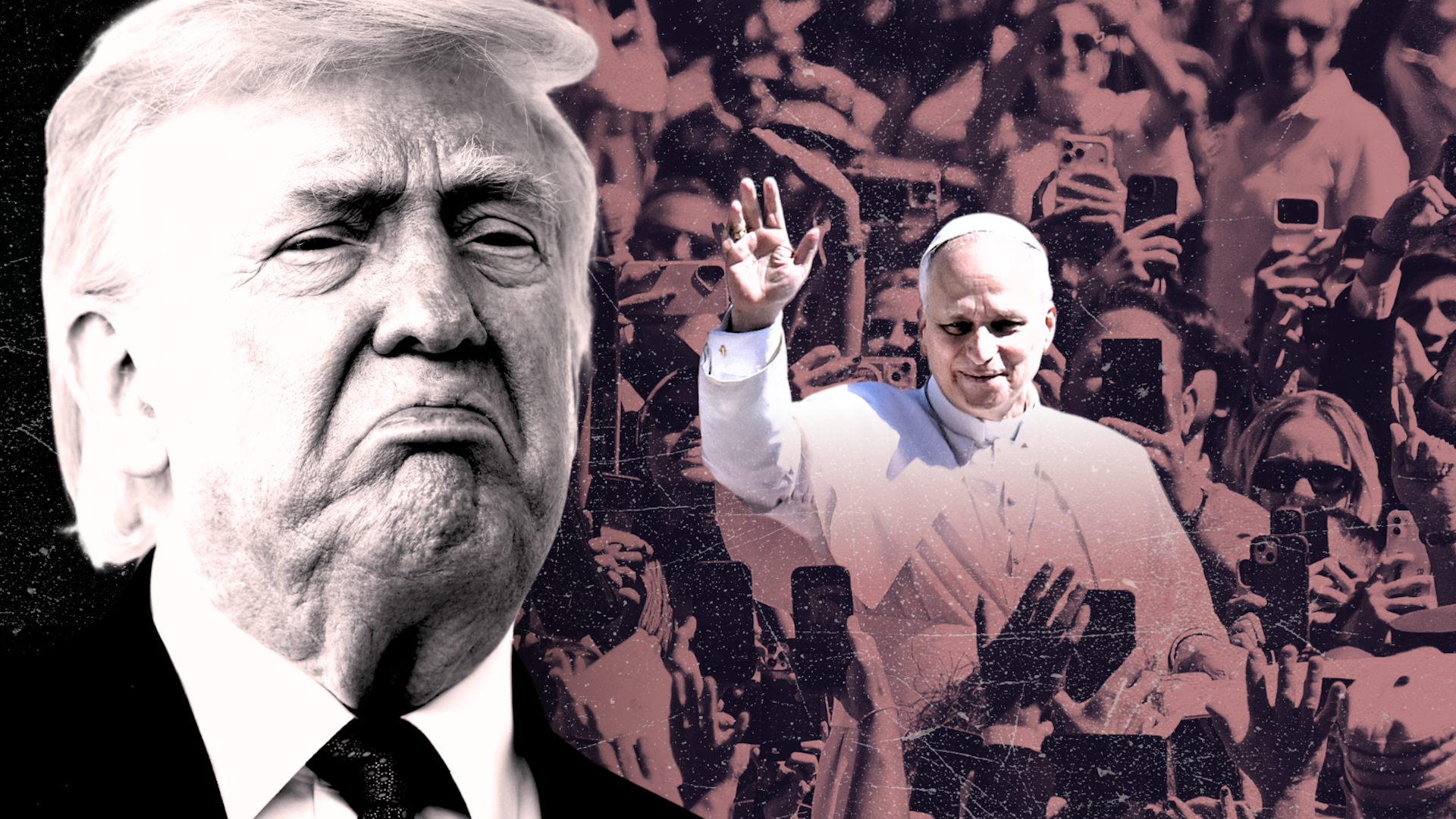
When Pope Leo XIV condemned threats to destroy Iranian civilisation as “truly unacceptable” in April 2026, the backlash was immediate. US President Donald Trump unleashed a tirade against the pope on social media, accusing him of being “weak on crime”, “terrible for foreign policy”, and acting like a politician rather than a religious leader.
عندما أدان البابا ليو الرابع عشر التهديدات بتدمير الحضارة الإيرانية بأنها “غير مقبولة على الإطلاق” في أبريل 2026، كان رد الفعل عنيفاً وفورياً. أطلق الرئيس الأمريكي دونالد ترامب سيل من الانتقادات ضد البابا على وسائل التواصل الاجتماعي، متّهماً إياه بأنه “ضعيف في التعامل مع الجريمة”، و”سيئ للسياسة الخارجية”، ويتصرف كسياسي بدلاً من أن يكون قائداً دينياً.
But the exchange that followed matters more than the accusation. Confronted with criticism from Trump, Leo did not retreat. He made his position explicit: he was not afraid to speak, because his task was to proclaim the gospel.
لكن التبادل الذي تلا ذلك أهم من الاتهام نفسه. ففي مواجهة انتقادات ترامب، لم يتراجع ليو. بل أوضح موقفه: لم يكن خائفاً من التحدث، لأن مهمته هي إعلان الإنجيل.
Leo said he had “no fear of the Trump administration”, and “I don’t think that the message of the Gospel is meant to be abused in the way that some people are doing”.
قال ليو إنه “ليس لديه خوف من إدارة ترامب”، وأضاف: “لا أعتقد أن رسالة الإنجيل من المفترض أن تُسيء استخدامها بالطريقة التي يفعلها بعض الناس.”
That response clarifies the logic of his pontificate. Leo XIV is not trying to enter politics. He is defining the limits within which politics can operate.
هذا الرد يوضح منطق فترة بيباويته. ليو الرابع عشر لا يحاول الدخول في السياسة. بل يحدد الحدود التي يمكن للسياسة أن تعمل ضمنها.
Trump’s attack was heightened when he posted an AI-generated image of himself as Jesus, which caused an outcry even among his supporters. He has since deleted the post.
تصاعد هجوم ترامب عندما نشر صورة مُولّدة بالذكاء الاصطناعي له وهو يمثل المسيح، مما أثار غضب حتى بين مؤيديه. وقد قام منذ ذلك الحين بحذف المنشور.
God, not politics
الإله، لا السياسة
Pope Leo’s opposition to the Iran war is not political in origin. It is moral and theological. It rests on a consistent claim: power must be judged, violence must be restrained, and invoking God to justify destruction is a distortion of both religion and public life.
إن معارضة البابا ليو لحرب إيران ليست في منشأها السياسي. إنها أخلاقية ولاهوتية. وهي ترتكز على ادعاء ثابت: يجب الحكم على القوة، ويجب كبح العنف، وأن الاستشهاد بالله لتبرير الدمار هو تحريف لكل من الدين والحياة العامة.
From the beginning of his pontificate, Leo XIV has made this clear. Elected on May 8 2025, he used his first public address to call for dialogue, unity, and what he described as an “unarmed and disarming peace”. This was not positioning. It was a statement of purpose.
منذ بداية فترة بوبته، أوضح ليو الرابع عشر هذا الأمر. عندما انتُخب في 8 مايو 2025، استخدم خطابه العام الأول للدعوة إلى الحوار والوحدة وما وصفه بـ “السلام غير المسلح وغير المُسلِّح.” لم يكن هذا تموضعاً سياسياً. بل كان بيان غاية.
Since then, his interventions have followed a clear pattern. In 2025, as conflicts intensified in Ukraine, Gaza, and Sudan, he called repeatedly for ceasefires, humanitarian protection, and renewed diplomacy. He avoided strategic language. Instead, he focused on human dignity and the moral cost of war.
ومنذ ذلك الحين، اتبعت تدخلاته نمطاً واضحاً. ففي عام 2025، مع تصاعد الصراعات في أوكرانيا وغزة والسودان، دعا مراراً إلى وقف إطلاق النار، والحماية الإنسانية، وتجديد الدبلوماسية. وتجنب اللغة الاستراتيجية. وبدلاً من ذلك، ركز على الكرامة الإنسانية والتكلفة الأخلاقية للحرب.
The pattern continued into 2026. On March 8, as the Iran conflict escalated, he called for an end to bombing and urged that “weapons may fall silent” to allow dialogue. On April 11, at a prayer vigil in St Peter’s Basilica, he sharpened his language. He warned of a “delusion of omnipotence” driving war and declared: “Enough of war”.
واستمر هذا النمط في عام 2026. ففي 8 مارس، مع تصاعد الصراع الإيراني، دعا إلى وقف القصف وحث على أن “تُسكت الأسلحة” للسماح بالحوار. وفي 11 أبريل، خلال وقفة صلاة في كاتدرائية القديس بطرس، شدد لغته. وحذر من “وهم القدرة المطلقة” الذي يقود الحرب وأعلن: “كفى حرباً.”
These are not policy prescriptions. They do not tell governments how to conduct war. They ask whether such wars can be justified at all.
هذه ليست وصفات للسياسات. إنها لا تخبر الحكومات كيف تخوض الحرب. بل تسأل عما إذا كان يمكن تبرير مثل هذه الحروب على الإطلاق.
This distinction lies at the centre of the current dispute. Political leaders operate within frameworks of interest, security, and power. Leo XIV operates within a framework of moral judgement. When those frameworks collide, his interventions are labelled political.
ويكمن هذا التمييز في صميم النزاع الحالي. فالقادة السياسيون يعملون ضمن أطر المصالح والأمن والقوة. أما ليو الرابع عشر فيعمل ضمن إطار الحكم الأخلاقي. وعندما تتصادم هذه الأطر، تُصنَّف تدخلاته على أنها سياسية.
Yet his response to Trump shows he does not accept that framing. He has insisted his role is not to compete with political authority, but to speak from the gospel, even when that provokes criticism.
ومع ذلك، فإن رده على ترامب يظهر أنه لا يقبل بهذا التأطير. فقد أصر على أن دوره ليس التنافس مع السلطة السياسية، بل التحدث من الإنجيل، حتى عندما يثير ذلك الانتقادات.
This is not new, but it is unusually explicit. Leo is drawing a line between two forms of authority: one grounded in power, the other in moral responsibility. He does not claim to direct political outcomes. He claims the right, and the duty, to judge them.
هذا ليس جديداً، ولكنه صريح بشكل غير عادي. إن ليو يرسم خطاً فاصلاً بين شكلين من أشكال السلطة: أحدهما متجذر في القوة، والآخر في المسؤولية الأخلاقية. إنه لا يدعي توجيه النتائج السياسية. بل يدعي الحق، والواجب، في الحكم عليها.
Beyond war
ما وراء الحرب
The same logic shapes his interventions beyond war. On migration, he has framed the issue in terms of human dignity, questioning whether harsh treatment of migrants can be reconciled with a consistent ethic of life. On social questions, he has resisted partisan categories, insisting moral coherence matters more than political alignment.
المنطق ذاته يشكل تدخلاته فيما وراء الحرب. ففيما يتعلق بالهجرة، صاغ القضية من منظور الكرامة الإنسانية، متسائلاً عما إذا كان يمكن التوفيق بين المعاملة القاسية للمهاجرين وأخلاقيات حياة متسقة. وفي المسائل الاجتماعية، قاوم التصنيفات الحزبية، مؤكداً أن التماسك الأخلاقي أهم من التوافق السياسي.
His engagement with artificial intelligence follows the same pattern. In December 2025, he warned that technological development must serve the common good, not concentrate power in the hands of a few. The question, again, was not technical but ethical: what does it mean to respect human dignity in a changing world?
يتبع انخراطه في الذكاء الاصطناعي النمط نفسه. ففي ديسمبر 2025، حذر من أن التطور التكنولوجي يجب أن يخدم الصالح العام، لا أن يركز السلطة في أيدي قلة. وكان السؤال، مرة أخرى، ليس تقنياً بل أخلاقياً: ما معنى احترام الكرامة الإنسانية في عالم متغير؟
Across these issues, the method is consistent. Leo XIV begins with principles, not interests. He does not align with factions. He applies moral reasoning to contemporary problems, even when doing so invites political backlash.
عبر هذه القضايا، المنهج متسق. يبدأ ليو الرابع عشر بالمبادئ، لا بالمصالح. ولا ينحاز إلى الفصائل. ويطبق التفكير الأخلاقي على المشاكل المعاصرة، حتى عندما يدعو ذلك إلى رد فعل سياسي.
This approach reflects his formation. Born in Chicago in 1955 and shaped by decades of pastoral work in Peru, he encountered the realities of violence, inequality, and political instability firsthand. Those experiences did not draw him into politics. They reinforced a conviction that power must be accountable to moral limits.
يعكس هذا النهج تكوينه. فمنذ ميلاده في شيكاغو عام 1955 وتشكيله بعقود من العمل الرعوي في بيرو، واجه واقع العنف، والتفاوت، وعدم الاستقرار السياسي بشكل مباشر. لم تجره تلك التجارب إلى السياسة. بل عززت قناعة بأن السلطة يجب أن تكون خاضعة للحدود الأخلاقية.
His intellectual work supports this view. In his 1987 doctoral thesis, he argued authority is not domination but service, grounded in a moral order rather than human will. That understanding carries into his papacy. When Leo XIV speaks, he does not seek to exercise power. He seeks to define its boundaries.
يدعم عمله الفكري هذا المنظور. ففي أطروحته للدكتوراه عام 1987، جادل بأن السلطة ليست هي الهيمنة بل الخدمة، المتجذرة في نظام أخلاقي بدلاً من الإرادة البشرية. وهذا الفهم يمتد إلى فترة بابويته. عندما يتحدث ليو الرابع عشر، فهو لا يسعى لممارسة السلطة. بل يسعى لتحديد حدودها.
This is why his interventions provoke strong reactions. They do not remain abstract. They challenge real decisions, real policies, and real uses of force. They question the assumptions that underpin them.
ولهذا السبب تثير تدخلاته ردود فعل قوية. فهي لا تبقى مجردة. بل تتحدى القرارات الحقيقية، والسياسات الحقيقية، واستخدامات القوة الحقيقية. إنها تشكك في الافتراضات التي تقوم عليها.
In a political culture that often treats moral claims as secondary, this is disruptive. It exposes a tension that cannot easily be resolved: whether decisions about war, migration, or technology can be separated from questions of right and wrong.
في ثقافة سياسية غالباً ما تتعامل مع المطالبات الأخلاقية على أنها ثانوية، يعد هذا الأمر مُزعزعاً. إنه يكشف عن توتر لا يمكن حله بسهولة: ما إذا كان يمكن فصل القرارات المتعلقة بالحرب أو الهجرة أو التكنولوجيا عن قضايا الصواب والخطأ.
Leo XIV’s answer is clear. They cannot.
إجابة ليو الرابع عشر واضحة. لا يمكن فصلها.
His exchange with Trump brings that tension into focus. Trump’s criticism reflects a familiar expectation: that religious leaders should avoid direct engagement with political decisions. His response rejects that expectation. He does not present himself as a political actor. He presents himself as a moral voice that cannot be silent.
يركز تبادله مع ترامب هذا التوتر. وينعكس نقد ترامب على توقع مألوف: وهو أن يتجنب القادة الدينيون الانخراط المباشر في القرارات السياسية. وردّه يرفض هذا التوقع. فهو لا يقدم نفسه كفاعل سياسي. بل يقدم نفسه كصوت أخلاقي لا يمكن أن يصمت.
There is also a longer perspective at work. Political leaders operate within electoral cycles. Their decisions are shaped by immediate pressures. The papacy operates across generations. Its interventions are rarely decisive in the moment, but they shape how events are judged over time.
هناك أيضاً منظور أطول المدى قيد العمل. فالقادة السياسيون يعملون ضمن الدورات الانتخابية. وتتشكل قراراتهم بفعل الضغوط الفورية. أما البابوية فتعمل عبر الأجيال. ونادراً ما تكون تدخلاتها حاسمة في اللحظة، لكنها تشكل كيفية تقييم الأحداث بمرور الوقت.
Leo XIV’s stance on the Iran war belongs to that longer horizon. It is not an attempt to determine outcomes. It is an attempt to set limits: on power, on violence, and on the use of religious language to justify either.
يندرج موقف ليو الرابع عشر بشأن حرب إيران ضمن هذا الأفق الأطول. إنه ليس محاولة لتحديد النتائج. بل هو محاولة لوضع حدود: على السلطة، وعلى العنف، وعلى استخدام اللغة الدينية لتبرير أي منهما.
Darius von Guttner Sporzynski does not work for, consult, own shares in or receive funding from any company or organisation that would benefit from this article, and has disclosed no relevant affiliations beyond their academic appointment.
لا يعمل داريوس فون غوتنر سبورزينسكي لدى، أو يستشير، أو يمتلك حصصاً في، أو يتلقى تمويلاً من أي شركة أو منظمة تستفيد من هذه المقالة، ولم يفصح عن أي انتماءات ذات صلة تتجاوز منصبه الأكاديمي.
Read more
-
بينجولز، وكركلبولز، و”بيير باريل بولكا” – تعرض مئات الأعمال المنسية العالم المتنوع للدراسات الأكاديمية عن البيسبول
Bingles, knuckleballs and ‘Beer Barrel Polka’ – hundreds of forgotten works showcase the eclectic world of baseball scholarship
-

بمناسبة بلوغ ديفيد أتينبروغ المائة عام، يستكشف أربعة خبراء إرثه، من العلم إلى سرد القصص.
As David Attenborough turns 100, four experts explore his legacy, from science to storytelling