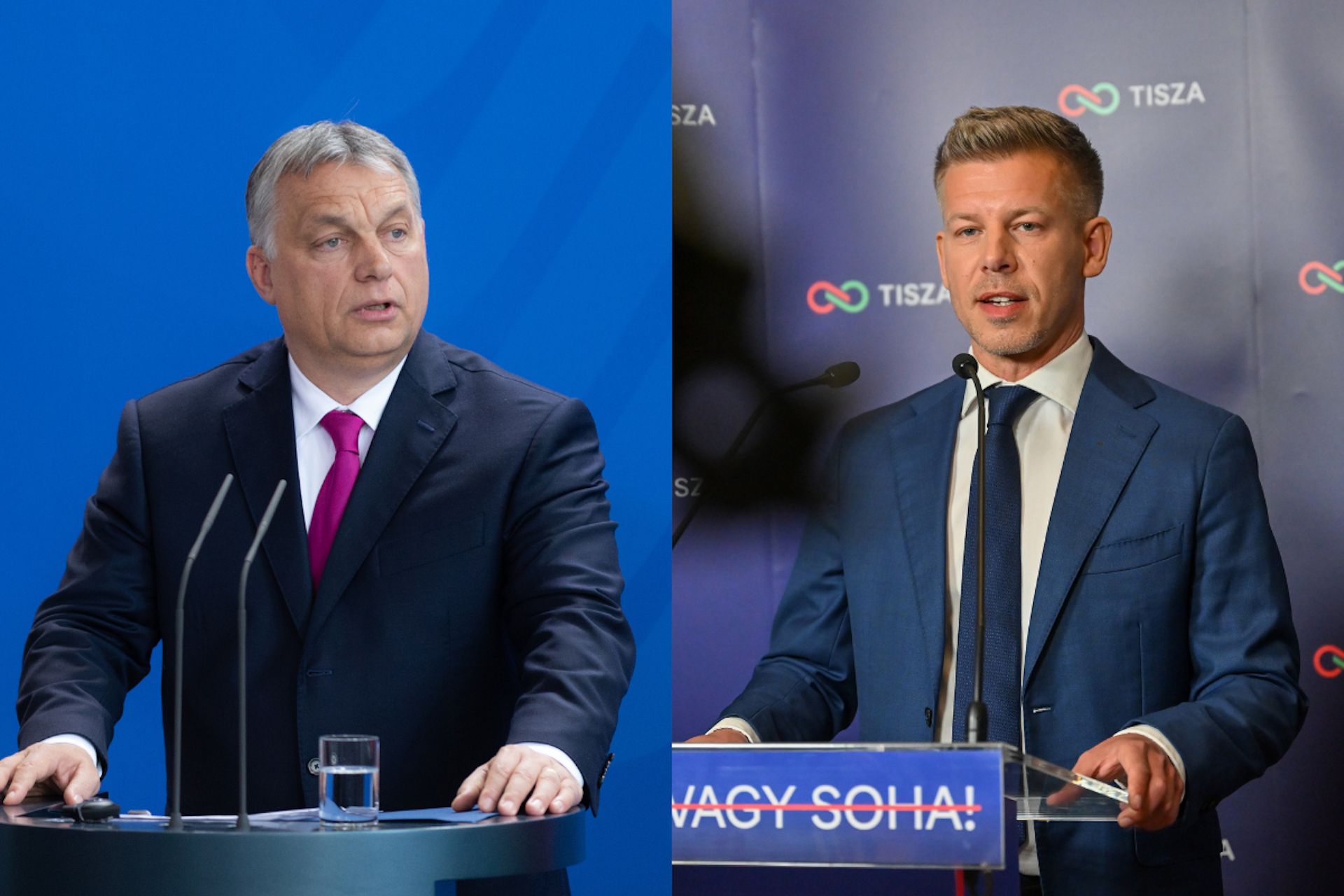
تُظهر خسارة فيكتور أوربان الانتخابية حدود آلة الدعاية الخاصة به
Viktor Orbán’s election loss shows the limits of his propaganda machine
Even controlling 80% of the media wasn’t enough in the face of a well-organised opposition.
حتى السيطرة على 80% من وسائل الإعلام لم تكن كافية في مواجهة معارضة منظمة جيداً.
Hungarian voters have overwhelmingly rejected the 16-year rule of authoritarian strongman Viktor Orbán, electing his one-time political ally, Péter Magyar, to replace him. Magyar’s Tisza party has secured a two-thirds majority in parliament and therefore a supermajority. This will allow the new government to roll back some of the illiberal measures introduced Orbán governments over the years. Magyar has said that he intends to work for a “free, European” Hungary, which would reverse his predecessor’s rejection of Brussels.
لقد رفض الناخبون المجريون بشكل ساحق فترة حكم الديكتاتور القوي فيكتور أوربان التي استمرت 16 عامًا، واختاروا بدلاً منه حليفه السياسي الذي لم يسبق له مثيل، بيتر ماغيار. وقد حصل حزب “تيزا” التابع لماغيار على أغلبية الثلثين في البرلمان، وبالتالي أغلبية فائقة. وهذا سيتيح للحكومة الجديدة التراجع عن بعض الإجراءات غير الليبرالية التي فرضتها حكومات أوربان على مر السنين. وقد صرح ماغيار بأنه يعتزم العمل من أجل المجر “الحرة والأوروبية”، وهو ما سيعكس رفض سلفه لبروكسل.
One of Magyar’s key election promises was to restore press freedom, and reform state-run media, which, under Orbán, had become a powerful tool for distributing disinformation.
كان أحد الوعود الانتخابية الرئيسية لماغيار هو استعادة حرية الصحافة، وإصلاح وسائل الإعلام التي تديرها الدولة، والتي أصبحت، في عهد أوربان، أداة قوية لنشر المعلومات المضللة.
This huge win for Tisza followed a campaign marred by what many foreign monitors claimed were unprecedented levels of disinformation, foreign interference and government propaganda. In fact, the result may come as a surprise to those who believe that in information autocracies such as Hungary, where access to news and political discussion is controlled by what have been dubbed “spin dictators”, election results can easily be controlled by the ruling party.
جاء هذا الفوز الكبير لحزب “تيزا” بعد حملة اتسمت بما ادعاه العديد من المراقبين الأجانب من مستويات غير مسبوقة من التضليل، والتدخل الأجنبي، والدعاية الحكومية. في الواقع، قد تأتي النتيجة كمفاجأة لأولئك الذين يعتقدون أنه في الأنظمة الاستبدادية المعلوماتية مثل المجر، حيث يتم التحكم في الوصول إلى الأخبار والمناقشات السياسية بما يسمى “ديكتاتوريون التضليل”، يمكن للحزب الحاكم أن يسيطر بسهولة على نتائج الانتخابات.
Orbán is a textbook example of an information autocrat. The propaganda arsenal deployed by his ruling Fidesz party in this campaign was as formidable as ever. Pro-government election billboards blanketed the country, financed not just by Fidesz but by the government itself and by powerful publicly owned agencies such as the state energy conglomerate MVM, by the Magyar Nemzeti Bank (MNB) – Hungary’s central bank – and by a host of government-aligned NGOs.
يُعد أوربان مثالاً نموذجياً للاستبدادي المعلوماتي. وكانت ترسانة الدعاية التي نشرها حزبه الحاكم، “فيديز”، في هذه الحملة هائلة كما هي دائماً. غطت لوحات الإعلانات الانتخابية المؤيدة للحكومة البلاد بأكملها، ولم يمولها حزب “فيديز” فحسب، بل الحكومة نفسها، والوكالات العامة القوية مثل تكتل الطاقة الحكومي “MVM”، وبنك ماغيار الوطني (MNB) – البنك المركزي المجري – ومجموعة من المنظمات غير الحكومية المتحالفة مع الحكومة.
State communication channels were repurposed wholesale for partisan messaging. Pro-government media and troll networks amplified existential warnings about the opposition.
تم إعادة توظيف قنوات الاتصال الحكومية بالكامل للرسائل الحزبية. وقامت وسائل الإعلام المؤيدة للحكومة وشبكات المتطفلين بتضخيم التحذيرات الوجودية بشأن المعارضة.
But Fidesz’s tactics went further than messaging. Elaborate theatrics were deployed to scare or influence voters. A bomb was allegedly defused in Serbia that had supposedly targeted Hungarian election infrastructure. Ukrainian cash and gold assets were seized on spurious grounds concerning some shadowy threat from Ukraine’s “war mafia”. Each spectacle seemed designed to lend weight to Fidesz’s warnings about external interference.
لكن تكتيكات “فيديز” ذهبت إلى ما هو أبعد من مجرد الرسائل. حيث تم نشر مسرحيات مُتقنة لإخافة الناخبين أو التأثير عليهم. ويُزعم أنه تم تفكيك قنبلة في صربيا كانت تستهدف البنية التحتية الانتخابية المجرية. كما تم مصادرة الأصول النقدية والذهبية الأوكرانية على أسس واهية تتعلق بتهديد غامض من “المافيا الحربية” الأوكرانية. وبدت كل هذه المشاهد مصممة لإضفاء الثقل على تحذيرات “فيديز” بشأن التدخل الخارجي.
Fidesz attempted to fire up its electoral base by framing the election as an existential struggle for Hungary itself. Since it was first elected in 2010, Fidesz has relied almost exclusively on this strategy, painting its challenger as a danger to the country, and turning elections into a matter of life and death.
حاول “فيديز” إثارة قاعدته الانتخابية من خلال تأطير الانتخابات على أنها صراع وجودي للمجر نفسها. ومنذ انتخابه لأول مرة في عام 2010، اعتمد “فيديز” بشكل شبه حصري على هذه الاستراتيجية، مصوراً منافسه على أنه خطر على البلاد، وتحويل الانتخابات إلى مسألة حياة أو موت.
But this time around, Fidesz has learned to its cost that it was insufficient to stick to the playbook that has kept it in power for 16 years. Things have changed – most notably the Hungarian economy, which has essentially flatlined since 2022, with near-zero real GDP growth compounded by the highest inflation in the EU. The second big shift has been political – the consolidation of the opposition behind a single credible challenger to Orbán. Previously, Fidesz had been able easily defeat the fragmented and ineffective coalitions it had previously faced.
ولكن في هذه المرة، تعلم “فيديز” على نفقته أن الالتزام بالسيناريو الذي أبقاه في السلطة لمدة 16 عامًا لم يكن كافيًا. لقد تغيرت الأمور – وأبرزها الاقتصاد المجري، الذي وصل فعلياً إلى مرحلة الركود منذ عام 2022، مع نمو حقيقي يقترب من الصفر وتراكم أعلى معدلات التضخم في الاتحاد الأوروبي. أما التحول الكبير الثاني فكان سياسياً – وهو توحيد المعارضة خلف منافس واحد موثوق به لأوربان. وفي السابق، كان بإمكان “فيديز” هزيمة التحالفات المجزأة وغير الفعالة التي واجهتها بسهولة.
Orbán’s failing appeal
جاذبية أوربان المتراجعة
Despite Orbán’s considerable arsenal of information manipulation tools, his election pitch appears to have been broadly rejected. This appears to have been a failure of strategy, unexpected from such a wily political veteran. In his annual “state of the nation” address in February, Orbán promised more of the same, to protect Hungary from change and outside threats such as from Brussels.
على الرغم من ترسانة أوربان الكبيرة من أدوات التلاعب بالمعلومات، يبدو أن حملته الانتخابية قد قوبلت برفض واسع النطاق. ويبدو أن هذا كان فشلاً استراتيجياً، وهو أمر غير متوقع من مخضرم سياسي ماكر كهذا. ففي خطابه السنوي عن “الوضع الوطني” في فبراير، وعد أوربان بالمزيد من الشيء نفسه، لحماية المجر من التغيير والتهديدات الخارجية مثل تلك القادمة من بروكسل.
But that’s a pitch to true believers, not to the wavering or undecided. There was no attempt to build bridges to new groups or attempt to extend his electoral coalition.
لكن هذه رسالة للمؤمنين الحقيقيين، وليست لمن يتأرجحون أو المترددين. لم تكن هناك محاولة لبناء جسور مع المجموعات الجديدة أو محاولة لتوسيع ائتلافه الانتخابي.
Having watched Fidesz govern all this time, I believe the answer is that the voter manipulation system the party built built over the years is poorly suited for this purpose. Persuading new voters to come round to your side is hard and requires credibility, good arguments and strong messages, none of which the government has any more. Much easier to focus on fear caused by slander, misinformation and the moral panic button.
بعد متابعة حكم فيديز لمدة كل هذا الوقت، أعتقد أن الإجابة هي أن نظام التلاعب بالناخبين الذي بنته الحزب على مر السنين غير مناسب لهذا الغرض. إقناع الناخبين الجدد بالانضمام إلى صفك أمر صعب ويتطلب المصداقية والحجج الجيدة والرسائل القوية، وكلها ما لم يعد للحكومة أي منها. من الأسهل بكثير التركيز على الخوف الناتج عن التشهير والمعلومات المضللة وزر الذعر الأخلاقي.
This clearly didn’t work. In February, a survey found that only 23% of Hungarians believed the government’s central claim that victory for Magyar and his Tisza party would result in Hungary being dragged into a foreign war, a theme hammered on by Orbán in his state of the nation speech. Even among Fidesz voters, nearly half – 43% – said they didn’t believe this.
من الواضح أن هذا لم ينجح. ففي فبراير، وجدت دراسة استقصائية أن 23% فقط من المجريين كانوا يعتقدون الادعاء المركزي للحكومة بأن فوز ماجيار وحزبه تيشا سيؤدي إلى جر المجر إلى حرب أجنبية، وهو موضوع شدد عليه أوربان في خطابه عن الوضع الوطني. وحتى بين ناخبي فيديز، قال ما يقرب من النصف – 43% – إنهم لا يصدقون ذلك.
Political science literature is clear on the risks of negative campaigning. Attack messages can attract attention – but their effectiveness hinges on whether voters find them credible. Dishonest attacks can boomerang, eroding trust in the attacker rather than the target. And this clearly happened in Hungary in this election campaign.
الأدبيات في العلوم السياسية واضحة بشأن مخاطر الحملات الهجومية. يمكن أن تجذب رسائل الهجوم الانتباه – لكن فعاليتها تعتمد على ما إذا كان الناخبون يجدونها موثوقة. يمكن أن ترتد الهجمات غير النزيهة، مما يؤدي إلى تآكل الثقة في المهاجم بدلاً من الهدف. وهذا ما حدث بوضوح في المجر خلال الحملة الانتخابية هذه.
All of which points to a broader lesson about information control in illiberal regimes: it can easily be overstated. Hungary’s 2026 election has revealed that an information autocracy can have its limits. And in the face of a faltering economy and a united and credible opposition, Orbán’s campaign reached those limits – and failed as a result.
كل ما سبق يشير إلى درس أوسع حول السيطرة على المعلومات في الأنظمة غير الليبرالية: يمكن المبالغة فيه بسهولة. لقد كشف انتخاب المجر لعام 2026 أن الاستبداد المعلوماتي له حدوده. وفي مواجهة اقتصاد متعثر ومعارضة موحدة وذات مصداقية، وصلت حملة أوربان إلى تلك الحدود – وفشلت نتيجة لذلك.
Alexander Bor receives funding from European Union’s Horizon 2020 research and innovation programme.
يتلقى ألكسندر بور تمويلاً من برنامج البحث والابتكار هورايزون 2020 التابع للاتحاد الأوروبي.
Read more
-

لماذا أوقفت الحكومة الأمريكية أحدث نموذج للذكاء الاصطناعي “كلود” التابع لشركة أنثروبيك؟
Why the US government shut down Anthropic’s latest Claude AI model
-

يقول جيف بيزوس إن الشعر الذي لا يعتمد على القافية سهل – لكن الأمر ليس بهذه البساطة.
Jeff Bezos says poetry without rhyming is easy – but it’s not that simple