تم تأكيد أول حالة من إنفلونزا الطيور H5N1 في أستراليا. ماذا يعني هذا؟
The first case of H5N1 bird flu in Australia has been confirmed. What does this mean?
This is not the moment to call defeat. There is a chance we can stop this infectious virus, this time at least.
ليس هذا هو الوقت لإعلان الهزيمة. هناك فرصة يمكننا من خلالها إيقاف هذا الفيروس المعدي، على الأقل هذه المرة.
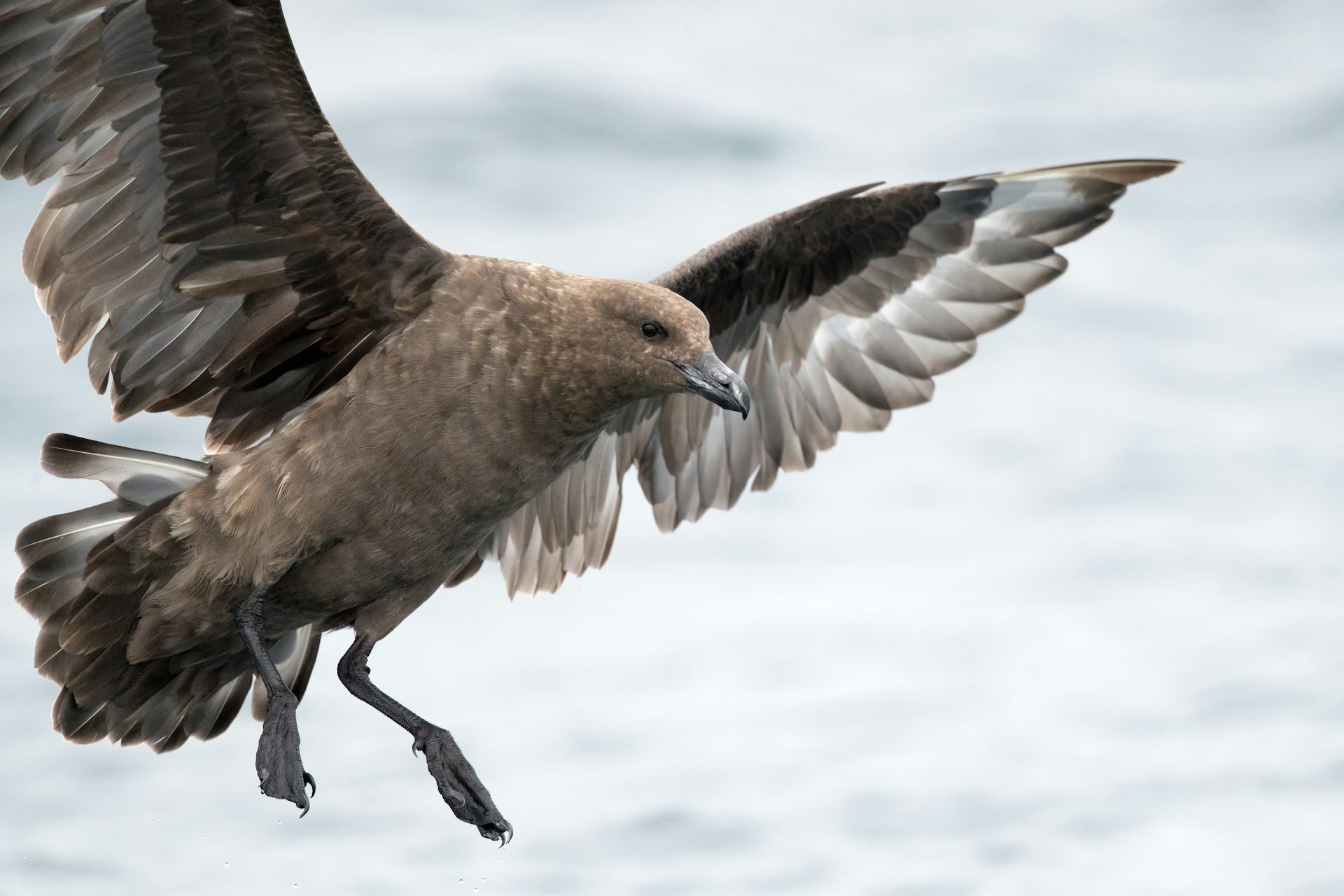
On Saturday, a suspected case of deadly H5 bird flu, also known as high pathogenicity avian influenza (HPAI) H5N1, was confirmed in a brown skua.
يوم السبت، تم تأكيد حالة مشتبه بها من إنفلونزا الطيور المميتة H5، والمعروفة أيضًا باسم إنفلونزا الطيور عالية الإمراضية (HPAI) H5N1، في طائر سكوا بني.
This large seabird was found in Cape Le Grand National Park near Esperance, about 700 kilometres south-east of Perth in Western Australia.
عُثر على هذا الطائر البحري الكبير في حديقة كيب لي غراند الوطنية بالقرب من إسبيرانس، على بعد حوالي 700 كيلومتر جنوب شرق بيرث في أستراليا الغربية.
The virus is also suspected to have affected another seabird, a southern giant petrel, found at the same area.
ويُشتبه أيضًا في أن الفيروس قد أصاب طائراً بحرياً آخر، وهو البترول العملاق الجنوبي، الذي عُثر عليه في المنطقة نفسها.
Following the initial testing, samples collected from these birds were sent to the CSIRO to confirm the first Australian cases of H5N1, specifically the clade 2.3.4.4b H5N1 lineage. Avian influenza viruses are categorised by subtype (creating the H and N number combination, here H5N1) and specific clades within the H5 subtype.
بعد الاختبار الأولي، أُرسلت العينات المجمعة من هذه الطيور إلى هيئة البحوث الأسترالية (CSIRO) لتأكيد أولى حالات H5N1 في أستراليا، وتحديداً سلالة 2.3.4.4b H5N1. ويتم تصنيف فيروسات إنفلونزا الطيور حسب النوع الفرعي (مما يشكل مزيج الأرقام H و N، هنا H5N1) والسلالات المحددة ضمن النمط الفرعي H5.
This virus has devastated wildlife populations in other continents, and this could be the start of a long push to protect Australian birds and wildlife in Australia.
لقد دمر هذا الفيروس تجمعات الحياة البرية في قارات أخرى، وقد تكون هذه بداية لجهود طويلة لحماية الطيور والحياة البرية الأسترالية في أستراليا.
Where did this virus come from?
من أين جاء هذا الفيروس؟
Avian influenza viruses, of which HPAI H5N1 is just one kind, have been around for millenia. In the vast majority of cases they cause no disease in birds. These strains are referred to as low pathogenicity avian influenza viruses.
لقد كانت فيروسات الإنفلونزا الطيورية، والتي يُعد HPAI H5N1 نوعًا واحدًا منها فقط، موجودة منذ آلاف السنين. وفي الغالبية العظمى من الحالات، لا تسبب هذه الفيروسات أي مرض في الطيور. ويُشار إلى هذه السلالات باسم فيروسات الإنفلونزا الطيورية منخفضة الإمراضية.
However, in 1996 one of these viruses evolved to become disease causing, and since then, this HPAI H5N1 has caused severe disease in poultry, and has become endemic in poultry. With chickens now forming about 70% of all birds worldwide, this is a critical reservoir where the virus continues to evolve.
ومع ذلك، في عام 1996، تطور أحد هذه الفيروسات ليصبح مسببًا للأمراض، ومنذ ذلك الحين، تسببت سلالة HPAI H5N1 في أمراض حادة للدواجن، وأصبحت متوطنة فيها. ونظرًا لأن الدجاج يشكل الآن حوالي 70% من جميع الطيور في العالم، فإن هذا يمثل خزانًا حيويًا بالغ الأهمية يستمر فيه الفيروس بالتطور.
The devastating effect of HPAI H5N1 is unfortunately not limited to poultry. Since 2021, HPAI H5N1 has caused a global animal pandemic, with enormous consequences for wildlife in all continents. It has killed millions of wild birds and caused significant drops in the global population of some species. It has also spread into wild and domestic mammals, with various species of seals particularly affected.
لسوء الحظ، لا يقتصر التأثير المدمر لـ HPAI H5N1 على الدواجن. فمنذ عام 2021، تسببت سلالة HPAI H5N1 في جائحة حيوانية عالمية، مع عواقب هائلة على الحياة البرية في جميع القارات. وقد قتلت ملايين الطيور البرية وتسببت في انخفاضات كبيرة في التعداد العالمي لبعض الأنواع. كما انتشرت أيضًا في الثدييات البرية والأليفة، حيث تأثرت أنواع مختلفة من الفقمات بشكل خاص.
How it spreads
كيف ينتقل
Part of the challenge in controlling HPAI H5N1 is that it can spread through a wide range of transmission pathways. For example, the virus typically spreads through faeces, especially when in water. Imagine infected ducks in a pond, where the pond water acts as a conduit to infecting other ducks which are feeding or cleaning themselves.
جزء من التحدي في السيطرة على إنفلونزا الطيور (HPAI) H5N1 هو أنه يمكن أن ينتشر عبر مجموعة واسعة من مسارات الانتقال. على سبيل المثال، ينتشر الفيروس عادةً عن طريق البراز، خاصة عندما يكون في الماء. تخيل البط المصاب في بركة، حيث يعمل ماء البركة كقناة لإصابة بطات أخرى تتغذى أو تنظف نفسها.
It can also be spread through direct contact and aerosol transmission, particularly in poultry farms. And it is spread through predation and scavenging, where animals like foxes maybe eat the carcasses of infected birds they find.
يمكن أن ينتقل أيضًا عبر التلامس المباشر وانتقال الهباء الجوي (Aerosol) ، خاصة في مزارع الدواجن. وينتشر أيضاً من خلال الافتراس والتنقيب، حيث قد تأكل الحيوانات مثل الثعالب جيف الطيور المصابة التي تجدها.
While it has so far been found in more than 400 different bird species, the spread of HPAI H5N1 in the northern hemisphere is facilitated by freshwater dabbling ducks. Dabbling duck species feed predominantly at the surface of the water, sometimes even grazing on land.
على الرغم من أنه تم العثور عليه حتى الآن في أكثر من 400 نوع مختلف من الطيور، إلا أن انتشار HPAI H5N1 في نصف الكرة الشمالي يسهله بط البرك المائي (freshwater dabbling ducks) . تتغذى أنواع البط البرك بشكل أساسي على سطح الماء، وأحياناً ترعى على اليابسة.
Importantly, ducks have very limited signs of disease when infected with HPAI H5N1, and appear to be able to continue to migrate while infected, allowing them to potentially spread the virus long distances.
من المهم أن للبط علامات مرض محدودة جداً عند الإصابة بـ HPAI H5N1، ويبدو أنه قادر على الاستمرار في الهجرة أثناء العدوى، مما يسمح له بنشر الفيروس لمسافات طويلة محتملة.
Overall, this virus has been devastating for wild birds. For example, 33–47% of all adult northern gannets died in 2022 due to HPAI H5N1. On subantarctic Heard Island, 13,000 baby southern elephant seals died due to HPAI during the 2025–26 summer.
بشكل عام، كان هذا الفيروس مدمراً للطيور البرية. على سبيل المثال، مات ما بين 33-47% من جميع طيور الغنيات الشمالية البالغة في عام 2022 بسبب HPAI H5N1. وفي جزيرة هيرد تحت القطب الجنوبي، مات 13,000 صغار الفيلة البحرية الجنوبية بسبب HPAI خلال صيف 2025-26.
Why has it taken so long to reach Australia?
لماذا استغرق الأمر كل هذا الوقت للوصول إلى أستراليا؟
Despite being in Asia since the 1990s, and in Antarctica since 2024, HPAI H5N1 has not been detected in Australia until now. This is likely because there are no duck species which routinely migrate between Australia and Asia, nor are there ducks that migrate through Antarctica.
على الرغم من وجوده في آسيا منذ التسعينيات، وفي القارة القطبية الجنوبية منذ عام 2024، لم يتم الكشف عن إنفلونزا الطيور عالية الأداء HPAI H5N1 في أستراليا حتى الآن. ومن المحتمل أن يكون السبب هو عدم وجود أنواع من البط تهاجر بشكل روتيني بين أستراليا وآسيا، ولا توجد بطات مهاجرة عبر القارة القطبية الجنوبية.
Despite the lack of ducks in Antarctica, the virus did arrive there in the summer of 2023–24, and subsequently spread thousands of kilometres through the subantarctic in the summer of 2024–25. Available evidence suggests birds like gulls, skuas and giant petrels may have taken on the role of long distance virus carriers in the Antarctic and subantarctic.
على الرغم من نقص البط في القارة القطبية الجنوبية، فقد وصل الفيروس إلى هناك في صيف عام 2023-24، ومن ثم انتشر بآلاف الكيلومترات عبر المناطق تحت القطبية خلال صيف عام 2024-25. وتشير الأدلة المتاحة إلى أن الطيور مثل النوارس والسكووز والبطاريق العملاقة ربما تولت دور حاملات الفيروس لمسافات طويلة في القارة القطبية الجنوبية والمناطق تحت القطبية.
The various species of skuas and giant petrels that breed in Antarctic waters go on to roam the Southern Ocean, also venturing into the Atlantic, Indian and Pacific Oceans during the southern hemisphere winter. While rarely seen on our shores, these species are not too far offshore, looking for food and occasionally gathering in large groups.
تذهب الأنواع المختلفة من السكووز والبطاريق العملاقة التي تتكاثر في المياه القطبية الجنوبية للتجول في المحيط الجنوبي، وتغامر أيضًا بالدخول إلى المحيط الأطلسي والهندي والمحيط الهادئ خلال شتاء نصف الكرة الجنوبي. وعلى الرغم من ندرة رؤيتها على شواطئنا، إلا أن هذه الأنواع ليست بعيدة جدًا عن الساحل، حيث تبحث عن الطعام وتتجمع أحيانًا في مجموعات كبيرة.
Now that HPAI H5N1 has been found on mainland Australia, it will not necessarily establish itself and spread across the continent into other birds and mammals, including livestock.
الآن بعد اكتشاف إنفلونزا الطيور عالية الأداء HPAI H5N1 في البر الرئيسي لأستراليا، فليس بالضرورة أن يترسخ وينتشر عبر القارة ليصيب طيورًا وثدييات أخرى، بما في ذلك الماشية.
Given that skuas and giant petrels are marine rather than freshwater species, and do not occur on land in large numbers outside the breeding season, there is still a chance that it may not spread further.
نظرًا لأن السكووز والبطاريق العملاقة هي أنواع بحرية وليست مياه عذبة، ولا توجد بأعداد كبيرة على اليابسة خارج موسم التكاثر، فلا يزال هناك احتمال أنه قد لا ينتشر أكثر.
The biggest risk is that infected, sick birds are eaten or scavenged by native birds and mammals, which could transmit the virus to ducks.
أكبر خطر هو أن يتم أكل الطيور المريضة والمصابة أو انتشالها من قبل الطيور والثدييات المحلية، مما قد ينقل الفيروس إلى البط.
Try to stop the spread
حاولوا وقف الانتشار
Once in ducks, the likely spread of the virus increases dramatically, and the outlook would be grim.
بمجرد أن ينتشر في الدواجن، يزداد احتمال انتشار الفيروس بشكل كبير، وستكون التوقعات قاتمة.
But for now, we are a few critical steps away from that happening. Continued surveillance and testing, being led by Western Australia, is critical to reveal the extent of the virus and whether it has spread to local animals.
ولكن في الوقت الحالي، نحن على بعد خطوات حاسمة من حدوث ذلك. تعد المراقبة والاختبار المستمران، بقيادة أستراليا الغربية، أمرًا بالغ الأهمية للكشف عن مدى انتشار الفيروس وما إذا كان قد انتشر إلى الحيوانات المحلية.
Vigilance is key – do not touch or take sick animals into your care. Rather, report suspected cases immediately to the Emergency Animal Disease Hotline on 1800 675 888.
اليقظة هي المفتاح – لا تلمس أو تأخذ الحيوانات المريضة إلى رعايتك. بدلاً من ذلك، أبلغ عن الحالات المشتبه بها فوراً على خط الطوارئ للأمراض الحيوانية في الرقم 1800 675 888.
For farmers or people who own chooks, its critical to follow guidelines provided by government departments and report any suspicious mortality.
بالنسبة للمزارعين أو الأشخاص الذين يمتلكون الدواجن، من الأهمية بمكان اتباع الإرشادات المقدمة من الإدارات الحكومية والإبلاغ عن أي نفوق مشبوه.
Marcel Klaassen receives funding from Wildlife Health Australia, Game Management Authority Victoria, Department of Health WA, Glenelg- Hopkins Catchment Management Authority, National Environmental Science Program (DCCEEW) , Department of Agriculture, Fisheries & Forestry
يتلقى مارسيل كلاسن التمويل من هيئة صحة الحياة البرية الأسترالية، وهيئة إدارة الصيد في فيكتوريا، ووزارة الصحة في أستراليا الغربية، وهيئة إدارة مستجمعات المياه غلينيلغ- هوبكنز، والبرنامج الوطني للعلوم البيئية (DCCEEW) ، ووزارة الزراعة والمصايد والغابات.
Meagan Dewar has received funding from Department of the Environment and Energy and the International Association of Antarctica Tour Operators.
تلقت ميغان ديوار التمويل من وزارة البيئة والطاقة والجمعية الدولية لمشغلي جولات أنتاركتيكا.
Michelle Wille receives funding from the Australian Research Council, Department of Agriculture, Fisheries and Forestry, Wildlife Health Australia, and the CSIRO. In addition to the University of Melbourne, Michelle Wille is also employed at the WHO Collaborating Centre for Reference and Research on Influenza.
تتلقى ميشيل ويلي التمويل من المجلس الأسترالي للبحوث، ووزارة الزراعة والمصايد والغابات، وهيئة صحة الحياة البرية الأسترالية، ومركز البحوث الأسترالي (CSIRO) . بالإضافة إلى جامعة ملبورن، تعمل ميشيل ويلي أيضاً في المركز التعاوني لمنظمة الصحة العالمية للمرجع والبحث حول الإنفلونزا.
Read more
-

الموافقة هي مبدأ أساسي في الكاماسوترا – وما يمكننا تعلمه منها اليوم
Consent is a core principle in the Kamasutra – what we can learn from it today
-

كيف جعلت الحرب في إيران الدول الأوروبية أقرب لبعضها – بدون ترامب
How the war in Iran has brought European countries closer together – without Trump