بينما تتسابق الشركات نحو النجوم، نحتاج إلى تعاون دولي في حوكمة الفضاء
As corporations race for the stars, we need international collaboration on space governance
Human activity is causing large disruptions to the near-Earth space environment. We need an intergovernmental panel on space sustainability.
يسبب النشاط البشري اضطرابات كبيرة في بيئة الفضاء القريبة من الأرض. نحن بحاجة إلى هيئة حكومية دولية بشأن استدامة الفضاء.
The science academies of G7 member countries have identified international space governance as a pressing issue for the G7 Leaders’ Summit, to be held from June 15-17 in Evian, France.
حددت أكاديميات العلوم في دول مجموعة السبع الأعضاء الحوكمة الدولية للفضاء كقضية ملحة لقمة قادة مجموعة السبع، التي ستُعقد في الفترة من 15 إلى 17 يونيو في إيفييان بفرنسا.
The explosive growth of large satellite constellations over the last decade offers great promise for near-universal access to broadband internet. But this growth comes with risks that are not yet fully understood.
يَعِدُ النمو الهائل لكوكبات الأقمار الصناعية الكبيرة على مدى العقد الماضي بوعد كبير لتوفير وصول شبه عالمي إلى الإنترنت عريض النطاق. لكن هذا النمو يأتي مع مخاطر لم يتم فهمها بالكامل بعد.
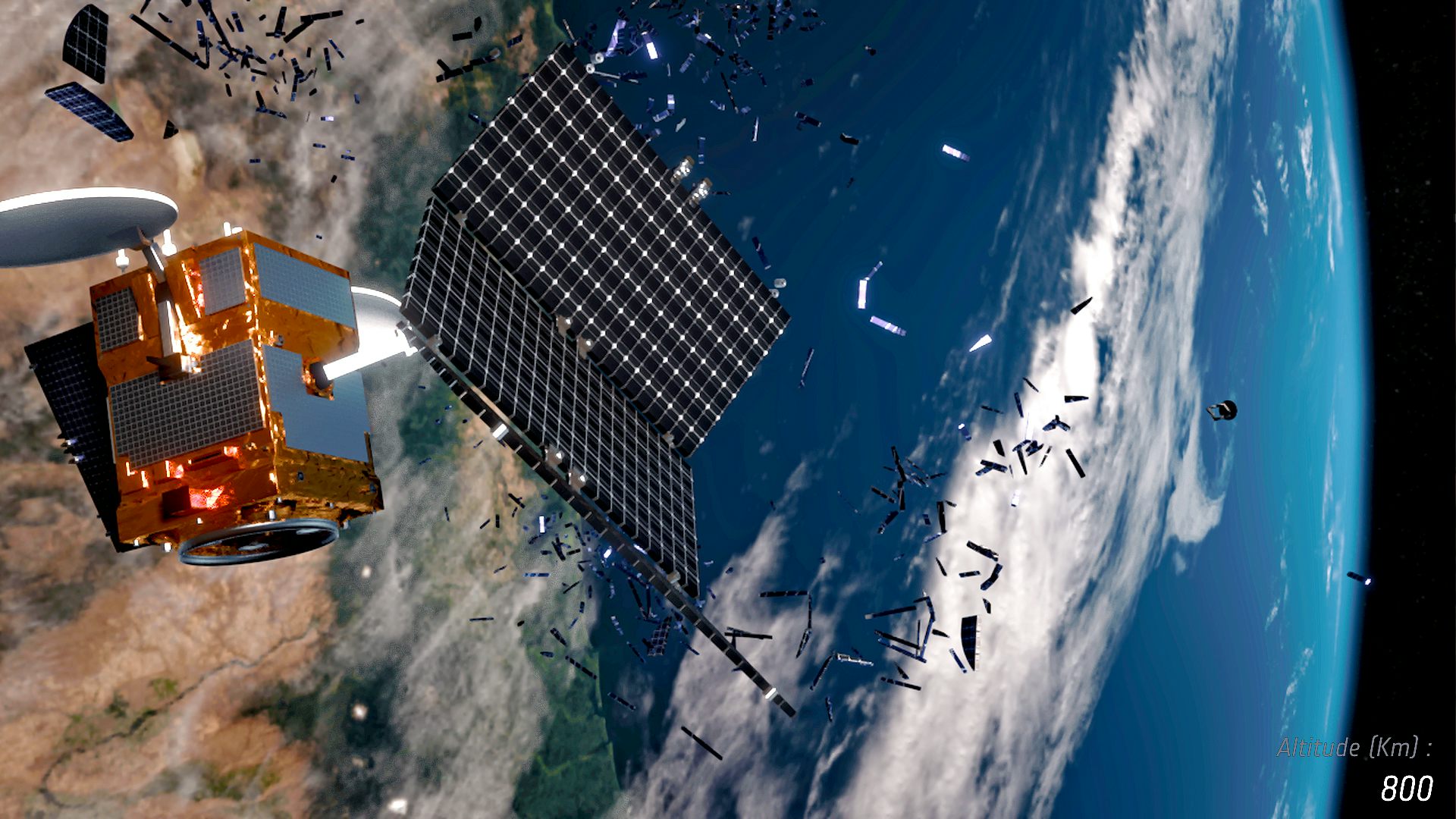
These include contamination of the night sky, disruption of astronomy research, increasing risk of satellite collisions and hazards from large numbers of satellites falling back to Earth.
تشمل هذه المخاطر تلوث سماء الليل، وتعطيل أبحاث علم الفلك، وزيادة خطر تصادم الأقمار الصناعية، والمخاطر الناجمة عن سقوط أعداد كبيرة من الأقمار الصناعية على الأرض.
Our understanding of the human impact on the near-Earth space environment is at a similar stage to our understanding of climate change back in the 1990s. We know that increased human activity is causing large disruptions to the space environment, but whether a tipping point is soon to be reached is not yet clear.
إن فهمنا لتأثير الإنسان على بيئة الفضاء القريبة من الأرض يمر بمرحلة مماثلة لمرحلة فهمنا لتغير المناخ في التسعينيات. نحن نعلم أن زيادة النشاط البشري تسبب اضطرابات كبيرة في بيئة الفضاء، لكن ما إذا كانت نقطة تحول وشيكة الوصول لا يزال غير واضح.
In this context, one of the most significant recommendations for G7 member states is to establish an intergovernmental panel on space sustainability (IPSS) .
وفي هذا السياق، تُعدّ تأسيس هيئة حكومية دولية لاستدامة الفضاء (IPSS) أحد أهم التوصيات لدول مجموعة السبع الأعضاء.
Impacts on atmospheric chemistry
التأثيرات على الكيمياء الجوية
Research and understanding of human impacts in space is still at a very early stage. For example, we don’t really know when some orbital altitudes will become so overpopulated with space debris that they reach operational capacity.
لا يزال البحث والفهم لتأثيرات الإنسان في الفضاء في مرحلة مبكرة جداً. على سبيل المثال، لا نعرف حقاً متى ستصبح بعض ارتفاعات المدار مكتظة بالحطام الفضائي لدرجة أنها تصل إلى طاقتها التشغيلية.
Scientists have also recently recognized that the increased global rocket-launch rate — with more than one rocket now being launched every day — may lead to a reversal in the recovery of the ozone layer.
أدرك العلماء مؤخراً أيضاً أن الزيادة في معدل إطلاق الصواريخ العالمي — حيث يتم الآن إطلاق أكثر من صاروخ كل يوم — قد تؤدي إلى عكس عملية تعافي طبقة الأوزون.
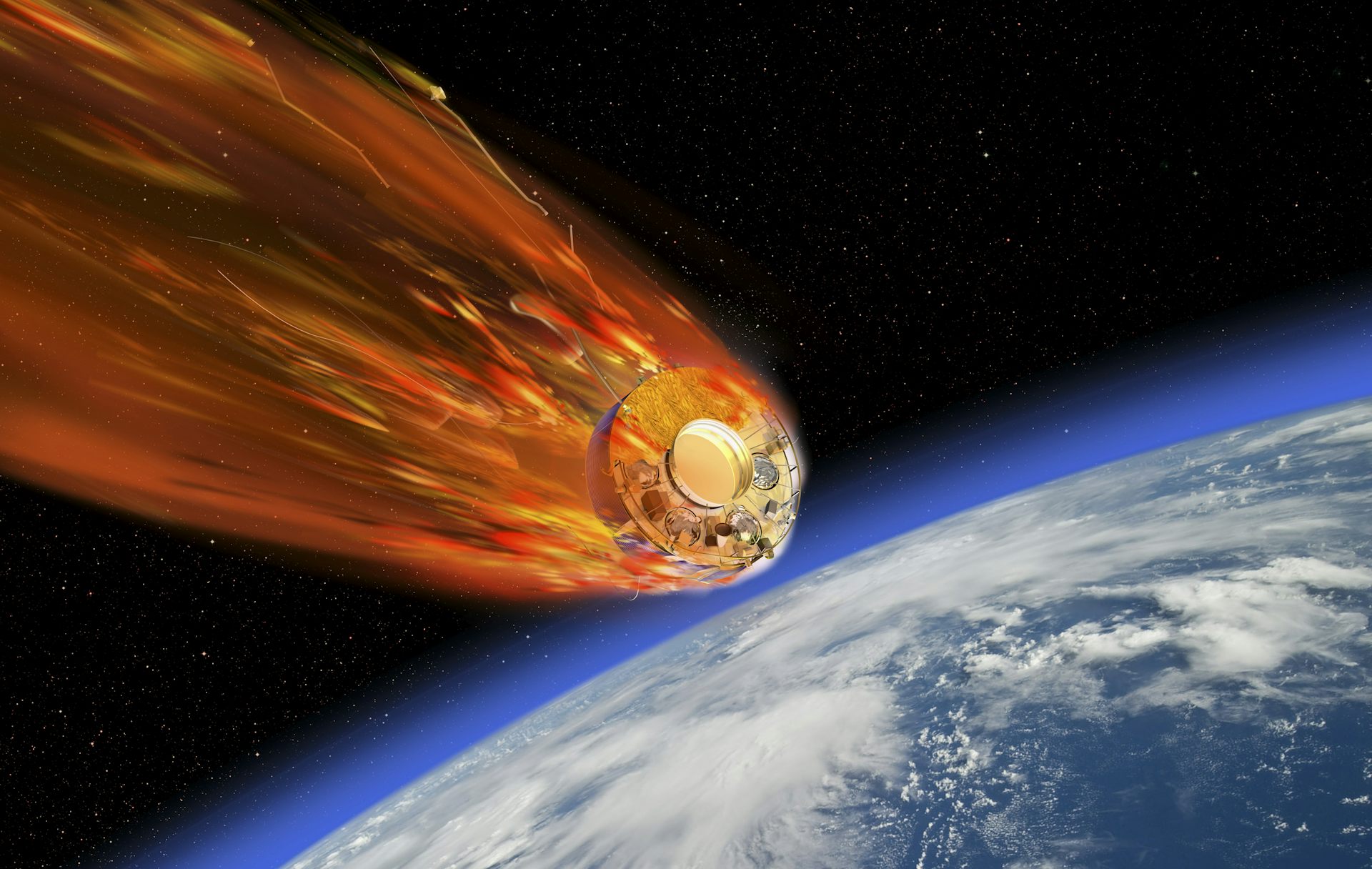
Similarly, we are aware that satellites burning up as they fall back to the Earth’s atmosphere will have significant effects on the chemistry in the upper atmosphere. We know there are now several of these large satellite re-entries occurring every day, but the full effects of this are not clear.
وبالمثل، نحن ندرك أن الأقمار الصناعية التي تحترق أثناء سقوطها في الغلاف الجوي للأرض سيكون لها تأثيرات كبيرة على الكيمياء في الغلاف الجوي العلوي. نحن نعلم أن هناك الآن عدة حالات إعادة دخول لهذه الأقمار الصناعية الكبيرة تحدث كل يوم، لكن التأثيرات الكاملة لذلك ليست واضحة.
Messy space governance
الحوكمة الفضائية الفوضوية
Several scientific bodies now advise on policy in different areas of space sustainability. One is the Inter-Agency Space Debris Coordination Committee, which focuses on space debris degradation of the environment.
تقدم الآن هيئات علمية عديدة المشورة بشأن السياسات في مجالات مختلفة من استدامة الفضاء. إحداها هي لجنة التنسيق بين الوكالات لحطام الفضاء، التي تركز على تدهور البيئة بسبب حطام الفضاء.
Another is the International Astronomical Union Centre for the Protection of the Dark and Quiet Sky, which co-ordinates efforts to reduce the impact of satellites on optical and radio astronomy.
وآخر هو مركز الاتحاد الفلكي الدولي لحماية السماء المظلمة والهادئة، الذي ينسق الجهود لتقليل تأثير الأقمار الصناعية على علم الفلك البصري والراديوي.
But no single body exists to provide comprehensive policy input to governments for policy and regulatory decisions. The situation is similar to that in climate change research, when the early Advisory Group on Greenhouse Gases (AGGG) , formed in the 1980s, transitioned to the Intergovernmental Panel on Climate Change (IPCC) .
لكن لا توجد هيئة واحدة لتقديم مدخلات سياسات شاملة للحكومات لاتخاذ القرارات السياسية والتنظيمية. والموقف مشابه لما حدث في أبحاث تغير المناخ، عندما تحولت المجموعة الاستشارية المبكرة لغازات الاحتباس الحراري (AGGG) ، التي تأسست في الثمانينيات، إلى الهيئة الحكومية الدولية المعنية بتغير المناخ (IPCC) .
We urgently need an intergovernmental panel on space sustainability (IPSS) .
نحن بحاجة ماسة إلى هيئة حكومية دولية لاستدامة الفضاء (IPSS) .
Ten years ago, the number of active satellites in low-Earth orbit numbered almost 2,000; today, it’s close to 20,000. In recent years, governments and corporations have announced plans for up to a million more.
منذ عشر سنوات، كان عدد الأقمار الصناعية النشطة في المدار الأرضي المنخفض يبلغ ما يقرب من 2000؛ أما اليوم، فقد اقترب العدد من 20,000. وفي السنوات الأخيرة، أعلنت الحكومات والشركات عن خطط لإضافة ما يصل إلى مليون قمر صناعي آخر.
Defining global thresholds
تحديد العتبات العالمية
How could this IPSS be structured, to approach space governance in a similar way to how the IPCC approached the climate change problem?
كيف يمكن هيكلة نظام علم الفضاء البين الكوكبي (IPSS) لمعالجة حوكمة الفضاء بطريقة مشابهة لتناول الهيئة الحكومية الدولية المعنية بتغير المناخ (IPCC) لمشكلة تغير المناخ؟
A primary goal should be to define global thresholds for sustainability. Much like the 1.5 C limit in climate science, the panel should identify thresholds beyond which specific orbital altitudes have reached carrying capacity.
يجب أن يكون الهدف الأساسي هو تحديد عتبات عالمية للاستدامة. وعلى غرار حد 1.5 درجة مئوية في علوم المناخ، يجب على اللجنة تحديد العتبات التي تجاوزت عندها ارتفاعات مدارية معينة قدرتها الاستيعابية.
Like the IPCC, an IPSS should include several working groups to provide transparent and accessible summaries of scientific results for policy makers.
مثل الهيئة الحكومية الدولية المعنية بتغير المناخ (IPCC) ، يجب أن يضم نظام علم الفضاء البين الكوكبي (IPSS) عدة مجموعات عمل لتقديم ملخصات علمية شفافة ومتاحة لصناع السياسات.
One should focus on the physical science of the orbital environment. This means the state of low-Earth orbit as a finite resource — including estimates of space debris and collision growth, effects of space weather and models of sustainable future launch traffic.
يجب أن تركز إحدى المجموعات على العلوم الفيزيائية للبيئة المدارية. وهذا يعني حالة المدار الأرضي المنخفض كمورد محدود — بما في ذلك تقديرات الحطام الفضائي ونمو الاصطدامات، وتأثيرات الطقس الفضائي، ونماذج حركة الإطلاق المستقبلية المستدامة.
Another working group should centre on the environmental and societal impacts of large satellite constellations. This would assess stratospheric ozone depletion caused by rocket launch emissions, the effects of higher satellite re-entry rates, changes to atmospheric chemistry and increased casualty risks. It would also quantify their impact on ground-based astronomy.
يجب أن تركز مجموعة عمل أخرى على الآثار البيئية والمجتمعية لتجمعات الأقمار الصناعية الكبيرة. سيقوم هذا بتقييم استنفاد الأوزون الستراتوسفيري الناجم عن انبعاثات إطلاق الصواريخ، وتأثيرات ارتفاع معدلات إعادة دخول الأقمار الصناعية، والتغيرات في الكيمياء الجوية، وزيادة مخاطر الوفيات. كما سيحدد تأثيرها على علم الفلك الأرضي.
Finally a working group on mitigation and policy could set the stage for clear international standards for post-mission satellite disposal, active debris removal and new licensing requirements that account for a constellation’s “system-wide” rather than “per-satellite” risk.
أخيرًا، يمكن لمجموعة عمل حول التخفيف والسياسات أن تهيئ المسرح لمعايير دولية واضحة للتخلص من الأقمار الصناعية بعد المهمة، وإزالة الحطام النشط، ومتطلبات الترخيص الجديدة التي تأخذ في الحسبان مخاطر التجمع “على مستوى النظام” بدلاً من “لكل قمر صناعي.”
Space traffic footprints
بصمات حركة المرور الفضائية
A useful addition to the IPSS would be a Task Force on Space Traffic Footprints. Modelled after the IPCC’s Task Force on National Greenhouse Gas Inventories, this body would develop standardized methodologies for states to report their “space traffic footprint” — the burden their space objects pose to the safety and sustainability of the low-Earth orbit environment.
سيكون إضافة مفيدة إلى نظام الفضاء الدولي (IPSS) إنشاء فرقة عمل حول بصمات حركة المرور الفضائية. وبمحاكاة فرقة العمل التابعة للهيئة الحكومية الدولية المعنية بتغير المناخ (IPCC) بشأن الجرد الوطني للغازات الدفيئة، ستعمل هذه الهيئة على تطوير منهجيات موحدة للدول للإبلاغ عن “بصمتها من حركة المرور الفضائية” — أي العبء الذي تشكله أجسامها الفضائية على سلامة واستدامة بيئة المدار الأرضي المنخفض.
Similar to the IPCC’s role in vetting climate models, the IPSS needs to provide independent assessment of claims regarding satellite demisability — the way satellites are safely decommissioned and de-orbited. This should evaluate how successful de-orbiting technologies are and how well we can track satellites and estimate their location uncertainties.
على غرار دور الهيئة الحكومية الدولية المعنية بتغير المناخ في تدقيق نماذج المناخ، يحتاج نظام الفضاء الدولي (IPSS) إلى تقديم تقييم مستقل للمزاعم المتعلقة بقابلية التخلص الآمن من الأقمار الصناعية — أي الطريقة التي يتم بها إيقاف تشغيل الأقمار الصناعية وإزالتها من المدار بأمان. ويجب أن يقيّم هذا مدى نجاح تقنيات الإزالة من المدار ومدى قدرتنا على تتبع الأقمار الصناعية وتقدير عدم اليقين في مواقعها.
By creating a co-ordinated international approach now, the IPSS will help balance the enormous promise of commercial activity in space with the environmental risks — just as the IPCC has done with Earth’s changing climate from human activities.
من خلال إنشاء نهج دولي منسق الآن، سيساعد نظام الفضاء الدولي (IPSS) في الموازنة بين الوعد الهائل للنشاط التجاري في الفضاء والمخاطر البيئية — تماماً كما فعلت الهيئة الحكومية الدولية المعنية بتغير المناخ فيما يتعلق بتغير المناخ على الأرض الناتج عن الأنشطة البشرية.
Peter Brown receives funding from the Natural Sciences and Engineering Research Council of Canada, the United Sstates National Aeronautics and Space Administration, the European Space Agency, Natural Resources Canada and Defence Research and Development Canada
يتلقى بيتر براون التمويل من مجلس البحوث في العلوم والهندسة الطبيعية في كندا، وإدارة الطيران والفضاء الوطنية الأمريكية، ووكالة الفضاء الأوروبية، والموارد الطبيعية الكندية، ووزارة الدفاع الكندية للبحوث والتطوير.
Read more
-
قمة ترامب وشي: الرئيس الأمريكي يقول إنه سيناقش بيع الأسلحة إلى تايوان – ما يكسر عقوداً من السياسة الأمريكية
Trump-Xi summit: US president says he will discuss arms sales to Taiwan – breaking decades of US policy
-
تعهد نتنياهو بـ “إنهاء المهمة” ضد حزب الله. إنه وعد لا يمكنه الوفاء به.
Netanyahu has pledged to ‘finish the job’ against Hezbollah. It’s a promise he can’t deliver on