“الهواء النقي بشدة الحاجة إليه”: 5 نتائج من أول قمة عالمية لوقف الوقود الأحفوري
‘Much-needed fresh air’: 5 outcomes from the world’s first summit on ending fossil fuels
The Santa Marta climate talks showed many countries want to move ahead with plans to end the use of fossil fuels, once and for all.
أظهرت محادثات سانتا مارتا المناخية أن العديد من الدول تريد المضي قدمًا بخطط لوقف استخدام الوقود الأحفوري بشكل نهائي.
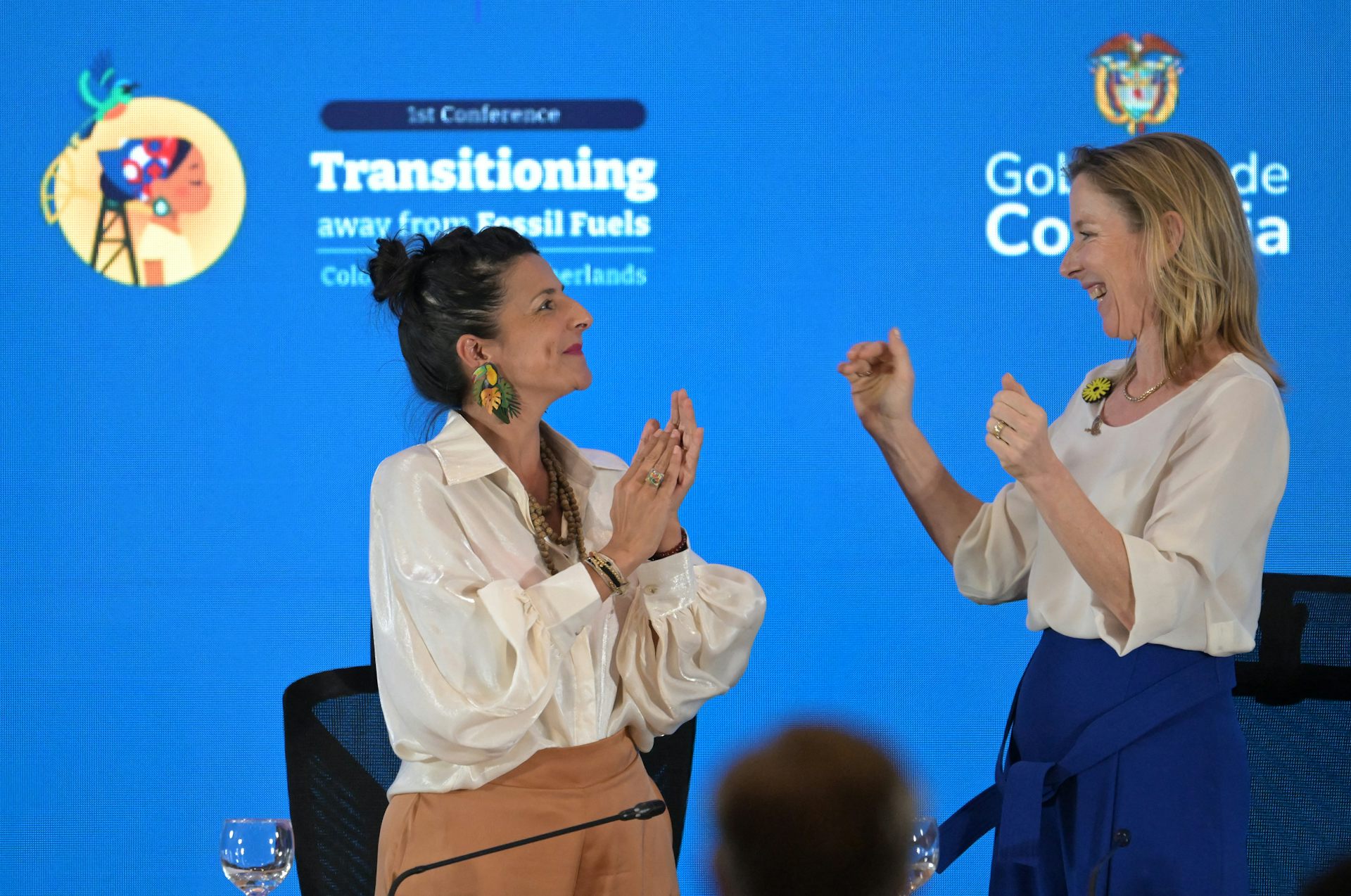
Almost 60 countries, representing about a third of the global economy, met in the Colombian port city of Santa Marta last week for the first international summit on the transition away from fossil fuels.
اجتمعت ما يقرب من 60 دولة، تمثل حوالي ثلث الاقتصاد العالمي، في مدينة سانتا مارتا الساحلية بكولومبيا الأسبوع الماضي، لعقد أول قمة دولية حول الانتقال بعيداً عن الوقود الأحفوري.
It was hailed as a bold step to shift global dependence on hydrocarbons into an era of clean energy. The group of 57 countries, including Australia, Canada, Norway and Brazil, launched a new international process to coordinate the global phase out of coal, oil and gas. This historic shift brings us closer to the end of fossil fuels.
وقد وُصِفَت بأنها خطوة جريئة لنقل الاعتماد العالمي على الهيدروكربونات إلى عصر الطاقة النظيفة. وأطلقت مجموعة من 57 دولة، بما في ذلك أستراليا وكندا والنرويج والبرازيل، عملية دولية جديدة لتنسيق التخلص التدريجي العالمي من الفحم والنفط والغاز. ويقربنا هذا التحول التاريخي من نهاية الوقود الأحفوري.
Irene Vélez Torres, Colombia’s environment minister and chair of the talks, said: “We decided that the transition away from fossil fuels could no longer remain a slogan but must become a concrete, political and collective endeavour.”
قالت إيرين فيليز توريس، وزيرة البيئة الكولومبية ورئيسة المحادثات: “لقد قررنا أن الانتقال بعيداً عن الوقود الأحفوري لم يعد من الممكن أن يظل مجرد شعار، بل يجب أن يصبح مسعى ملموساً وسياسياً وجماعياً.”
Here are five key developments from Santa Marta.
فيما يلي خمسة تطورات رئيسية من سانتا مارتا.
1. Moving beyond negotiating deadlocks
1. تجاوز مأزق المفاوضات
This meeting was a successful complement to the UN’s annual climate summits, not a replacement for them.
2. كان هذا الاجتماع مكملاً ناجحاً لقمم المناخ السنوية للأمم المتحدة، وليس بديلاً عنها.
Decisions at UN climate meetings are made by consensus. Outcomes such as the 2015 Paris Agreement have huge legitimacy because they are agreed by nearly 200 countries. But the consensus rules also allow a handful of fossil fuel producers such as Saudi Arabia and Russia to block progress.
3. تُتخذ القرارات في اجتماعات المناخ التابعة للأمم المتحدة بالتوافق. وتحظى النتائج، مثل اتفاق باريس لعام 2015، بشرعية كبيرة لأنها متفق عليها من قبل ما يقرب من 200 دولة. لكن قواعد التوافق تسمح أيضاً لعدد قليل من منتجي الوقود الأحفوري، مثل المملكة العربية السعودية وروسيا، بعرقلة التقدم.
Holding a summit outside these formal UN talks brought much-needed fresh air to global climate diplomacy. Without petrostates blocking the way, willing countries were able to have pragmatic discussions about the legal, fiscal and economic measures needed for a coordinated wind down of fossil fuels.
4. أضفى عقد قمة خارج هذه المحادثات الرسمية للأمم المتحدة نسيمًا حيويًا للدبلوماسية المناخية العالمية. فبدون أن تعرقل الدول النفطية الطريق، تمكنت الدول الراغبة من إجراء مناقشات عملية حول التدابير القانونية والمالية والاقتصادية اللازمة للتخفيض المنسق للوقود الأحفوري.
These discussions will now feed back into the next UN climate talks, to be held in Turkey in November. They will, for example, raise expectations that countries include timelines to end fossil fuel use in national climate plans.
5. ستغذي هذه المناقشات الآن المحادثات المناخية القادمة للأمم المتحدة، التي ستُعقد في تركيا في نوفمبر. ومن الأمثلة على ذلك، أنها سترفع التوقعات بأن تدرج الدول جداول زمنية لوقف استخدام الوقود الأحفوري في خططها المناخية الوطنية.
2. Paths away from coal, oil and gas
2. مسارات الابتعاد عن الفحم والنفط والغاز
Working groups were established in Santa Marta to help countries develop national and regional plans to move away from fossil fuels, with targets and timelines to end the use of coal, oil and gas.
تم إنشاء مجموعات عمل في سانتا مارتا لمساعدة البلدان على تطوير خطط وطنية وإقليمية للابتعاد عن الوقود الأحفوري، مع تحديد أهداف وجداول زمنية لوقف استخدام الفحم والنفط والغاز.
France launched its national roadmap at the summit, pledging to end the use of coal by 2030, oil by 2045 and gas by 2050. Europe’s second-largest economy plans to close its last coal-fired power plant next year, while replacing oil with electricity for transport and switching from gas to heat pumps for home heating. France wants two out of three new cars to be electric by 2030 and will ban the installation of gas boilers in new homes this year.
أطلقت فرنسا خريطتها الوطنية في القمة، متعهدة بإنهاء استخدام الفحم بحلول عام 2030، والنفط بحلول عام 2045، والغاز بحلول عام 2050. وتخطط ثاني أكبر اقتصادات أوروبا لإغلاق آخر محطة طاقة تعمل بالفحم العام المقبل، مع استبدال النفط بالكهرباء للنقل والتحول من الغاز إلى المضخات الحرارية للتدفئة المنزلية. وترغب فرنسا في أن تكون اثنتان من كل ثلاث سيارات جديدة كهربائية بحلول عام 2030، وستحظر تركيب الغلايات التي تعمل بالغاز في المنازل الجديدة هذا العام.
The ongoing US-Iran war has only added momentum for a shift to clean energy, as nations grapple with their dependence on imported fossil fuels amid the worst energy crisis in history.
لم تزد الحرب المستمرة بين الولايات المتحدة وإيران إلا الزخم نحو التحول إلى الطاقة النظيفة، حيث تكافح الدول مع اعتمادها على الوقود الأحفوري المستورد وسط أسوأ أزمة طاقة في التاريخ.
Other nations are now expected to create plans to move away from fossil fuels and bring them to future summits.
ومن المتوقع الآن أن تقوم دول أخرى بوضع خطط للابتعاد عن الوقود الأحفوري وعرضها في القمم المستقبلية.
3. A science panel to guide the transition
3. هيئة علمية لتوجيه عملية التحول
A new scientific panel launched in Santa Marta brings together experts in climate, economics, technology and law to advise policymakers as they draft plans to shift away from fossil fuels.
تجمع هيئة علمية جديدة أُطلقت في سانتا مارتا خبراء في مجالات المناخ والاقتصاد والتكنولوجيا والقانون لتقديم المشورة لصناع السياسات وهم يضعون خططاً للابتعاد عن الوقود الأحفوري.
The panel will map out the most promising policies, regulations and financial arrangements to support the shift to clean energy. It is spearheaded by Professor Johan Rockstrom from the Potsdam Institute for Climate Impact Research.
سترسم الهيئة خريطة لأكثر السياسات واللوائح والترتيبات المالية الواعدة لدعم التحول إلى الطاقة النظيفة. ويقودها الأستاذ يوهان روكستروم من معهد بوتسدام لأبحاث تأثير المناخ.
Ahead of Santa Marta, a global group of researchers released a report listing 12 high-level actions nations can take to support a fossil-fuel phaseout.
قبل سانتا مارتا، أصدرت مجموعة عالمية من الباحثين تقريراً يسرد 12 إجراءً رفيع المستوى يمكن للدول اتخاذها لدعم التخلص التدريجي من الوقود الأحفوري.
4. Tuvalu to host next summit, with Irish support
٤. توفالو تستضيف القمة القادمة، بدعم أيرلندي
Tuvalu will host the next meeting on ending fossil fuels in 2027. As a low-lying island nation, Tuvalu’s future is threatened by sea-level rise. The Pacific nation has led global climate diplomacy for decades.
ستستضيف توفالو الاجتماع القادم بشأن إنهاء الوقود الأحفوري في عام ٢٠٢٧. وباعتبارها دولة جزرية منخفضة، يهدد ارتفاع مستوى سطح البحر مستقبل توفالو. وقد قادت الأمة الباسيفيكية الدبلوماسية المناخية العالمية لعقود.
“If we are to address the climate change issue, we have to address the root cause, and the root cause is the fossil fuel industry,” said Maina Talia, Tuvalu’s climate change minister.
وقالت ماينا تاليا، وزيرة تغير المناخ في توفالو: “إذا أردنا معالجة قضية تغير المناخ، فيجب أن نعالج السبب الجذري، والسبب الجذري هو صناعة الوقود الأحفوري.”
That there are plans for a second summit is meaningful in itself. A single conference could be a flash in the pan. But a series marks the birth of a new international process with buy in from both wealthy nations and developing countries. This year’s summit was co-hosted with the Netherlands and next year will be co-hosted with Ireland.
إن وجود خطط لقمة ثانية أمر ذو مغزى في حد ذاته. فالمؤتمر الواحد قد يكون مجرد وميض عابر. لكن السلسلة تمثل ولادة عملية دولية جديدة تحظى بموافقة كل من الدول الغنية والنامية. وقد استضافت قمة هذا العام بالتعاون مع هولندا، وستُستضاف القمة القادمة بالتعاون مع أيرلندا.
5. Toward a fossil fuel treaty
٥. نحو معاهدة للوقود الأحفوري
Today, fossil fuel producers plan to dig up more than double the amount of coal, oil and gas in 2030 than would be consistent with meeting shared climate goals.
تخطط اليوم دول إنتاج الوقود الأحفوري لاستخراج كمية من الفحم والنفط والغاز في عام ٢٠٣٠ تتجاوز ضعف الكمية المتوافقة مع تحقيق الأهداف المناخية المشتركة.
Tuvalu is part of a growing bloc of countries, including 11 Pacific nations, that wants a new treaty to phase out fossil fuel production. Such a treaty would have three elements: ending fossil fuel expansion; phasing down existing production; and supporting a just transition to clean energy.
تُعد توفالو جزءاً من كتلة متنامية من الدول، تشمل ١١ دولة في المحيط الهادئ، تسعى إلى معاهدة جديدة للتخلص التدريجي من إنتاج الوقود الأحفوري. وستتضمن مثل هذه المعاهدة ثلاثة عناصر: إنهاء توسع الوقود الأحفوري؛ وتخفيض مستويات الإنتاج الحالية؛ ودعم الانتقال العادل إلى الطاقة النظيفة.
It would be similar to global agreements to phase out weapons, harmful substances or hazardous waste.
وستكون مشابهة للاتفاقيات العالمية المتعلقة بالتخلص التدريجي من الأسلحة أو المواد الضارة أو النفايات الخطرة.
Climate diplomacy now runs at two speeds
الدبلوماسية المناخية تسير الآن بسرعتين
We will only appreciate the full significance of the Santa Marta summit in history’s rear-view mirror.
لن نقدّر الأهمية الكاملة لقمة سانتا مارتا إلا في مرآة ماضي التاريخ.
But what is clear is that climate diplomacy now has two operating speeds. André Corrêa do Lago, who headed last year’s UN COP30 climate talks in Brazil, calls this “two-tier multilateralism”.
لكن ما يتضح هو أن الدبلوماسية المناخية لديها الآن سرعتان تشغيليتان. ويصف أندريه كوريا دو لاغو، الذي ترأس محادثات المناخ التابعة للأمم المتحدة COP30 في البرازيل العام الماضي، هذا بـ “التعددية الأطرافية ذات المستويين.”
The first speed is that of the UN climate talks, which are slower and anchored in consensus. They ensure legitimacy, universality and collective direction.
السرعة الأولى هي سرعة محادثات المناخ التابعة للأمم المتحدة، وهي أبطأ وتستند إلى التوافق. وهي تضمن الشرعية والشمولية والتوجه الجماعي.
But what the Santa Marta conference shows is the existence of a second, much faster speed available to any country wanting to rapidly move to end the use of fossil fuels, once and for all.
لكن ما تُظهره مؤتمر سانتا مارتا هو وجود سرعة ثانية، أسرع بكثير، متاحة لأي دولة تريد التحرك السريع لوقف استخدام الوقود الأحفوري، مرة واحدة وإلى الأبد.
Wesley Morgan is a Fellow with the Climate Council of Australia.
ويلي مورغان هو زميل في مجلس المناخ الأسترالي.
Read more
-

حروب الدعاية الرخيصة: كيف (ولماذا) تغمر الولايات المتحدة وإيران المنطقة بالضجيج الفيروسي الناتج عن الذكاء الاصطناعي
Slopaganda wars: how (and why) the US and Iran are flooding the zone with viral AI-generated noise
-

Spice Girls في الثلاثينات: كيف غيّر “قوة الفتاة” موسيقى البوب
Spice Girls at 30: how girl power changed pop