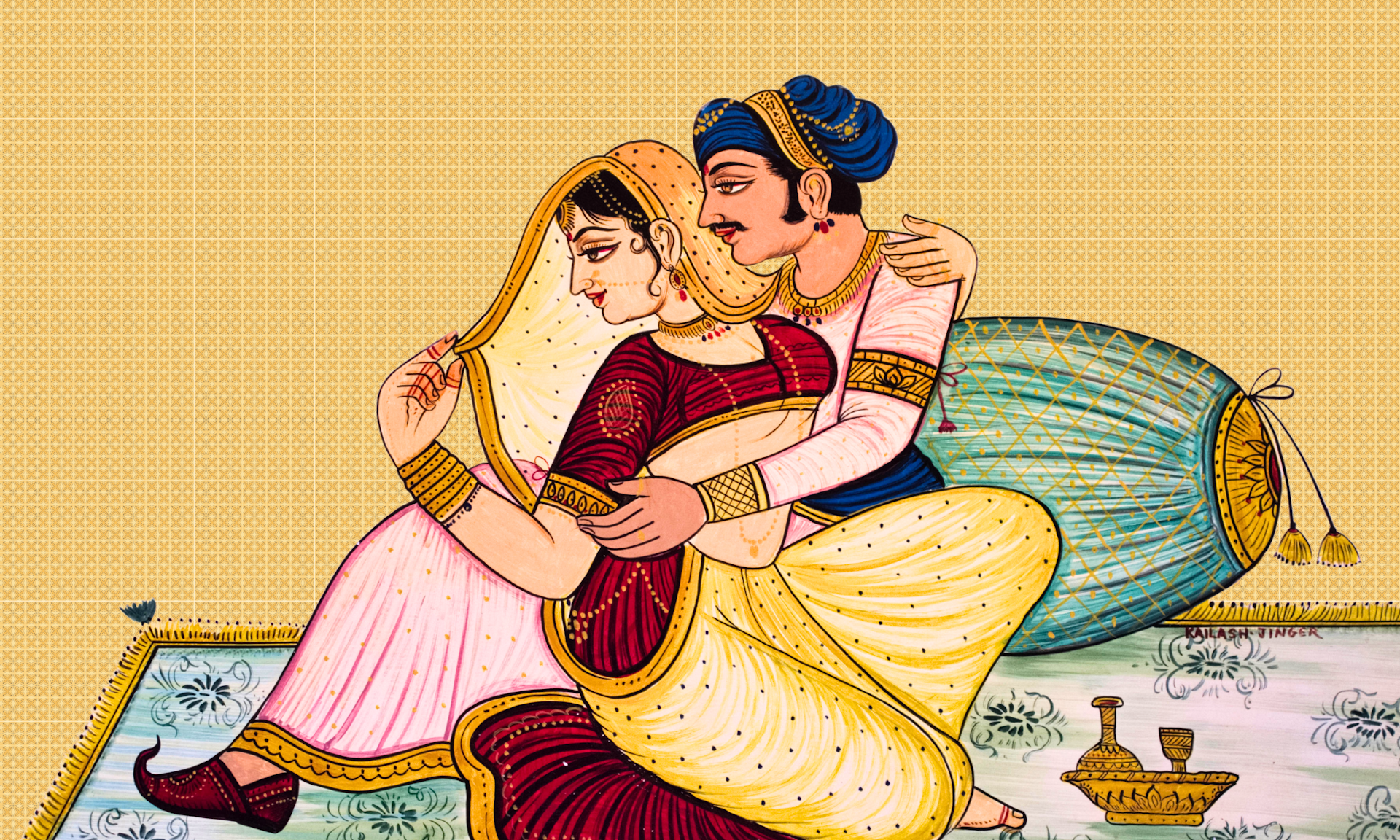
الموافقة هي مبدأ أساسي في الكاماسوترا – وما يمكننا تعلمه منها اليوم
Consent is a core principle in the Kamasutra – what we can learn from it today
Good sex is only achieved through effective communication and mutual understanding, according to the Kamasutra. Consent is key to all of this
وفقاً للكاماسوترا، لا يتحقق الجنس الجيد إلا من خلال التواصل الفعال والتفاهم المتبادل. والموافقة هي مفتاح كل هذا.
We often assume, when it comes to sex, that women’s voices have only been taken seriously in relatively recent history. However, female sexual power and liberation can be found in the Kamasutra, which dates back to the 3rd century.
كثيراً ما نفترض، عندما يتعلق الأمر بالجنس، أن أصوات النساء لم تؤخذ على محمل الجد إلا في تاريخ حديث نسبياً. ومع ذلك، يمكن العثور على القوة والتحرر الجنسي للمرأة في كتاب الكاماسوترا، الذي يعود تاريخه إلى القرن الثالث.
You can be forgiven for thinking that the Kamasutra isn’t an empowering or forward-thinking text, based on what you likely know and assume about it. But this idea is based on a colonial era misunderstanding that has been carried on and projected through popular culture representations of the “sex guide”. The man responsible for this misunderstanding is Richard Francis Burton who translated the text into English in 1883. This “translation”, however, was not a faithful one but more of an interpretation crafted through a decidedly narrow, male-centred lens.
قد يُعذر المرء على اعتقاده أن الكاماسوترا ليست نصاً مُمكِّناً أو ذا رؤية مستقبلية، بناءً على ما من المحتمل أن يعرفه أو يفترضه عنها. لكن هذه الفكرة تستند إلى سوء فهم يعود إلى الحقبة الاستعمارية، وقد استمر وتُرجم عبر تمثيلات الثقافة الشعبية لـ “دليل الجنس.” الرجل المسؤول عن هذا سوء الفهم هو ريتشارد فرانسيس بيرتون، الذي ترجم النص إلى الإنجليزية عام 1883. ومع ذلك، فإن هذا “الترجمة” لم تكن ترجمة أمينة، بل كانت أقرب إلى تفسير صاغه من خلال عدسة ضيقة ومُحايدة للذكور بشكل واضح.
In my research, however, I have discovered a very different text — one which could be seen even been seen as feminist by modern standards. The original text from the third century attributed to the philosopher Vatsyayana, and more recent translations and interpretations, present women as active, articulate participants in desire.
في بحثي، ومع ذلك، اكتشفت نصاً مختلفاً جداً- يمكن اعتباره نسوياً بالمعايير الحديثة. النص الأصلي من القرن الثالث المنسوب إلى الفيلسوف فاتسيايانا، والترجمات والتفسيرات الأحدث، تقدم النساء كمشاركات نشطات ومعبرات عن الرغبة.
Far from a simple sex manual, it treats consent as central to sexual freedom, emphasising mutuality, enthusiasm and the right to refuse. Indian scholar Kumkum Roy describes how Vatsyayana believed that desire promotes harmony, supports ethical care and encourages mutual love.
بعيداً عن كونه دليلاً جنسياً بسيطاً، يعامل النص الموافقة على أنها أمر محوري للحرية الجنسية، مؤكداً على التبادلية والحماس والحق في الرفض. تصف الباحثة الهندية كومكوم روي كيف اعتقد فاتسيايانا أن الرغبة تعزز الانسجام، وتدعم الرعاية الأخلاقية، وتشجع الحب المتبادل.
Relationships in Vatsyayana’s text, and its more faithful translations, are presented as negotiated exchanges grounded in desire, communication and emotional attentiveness. Women are not passive. They voice preferences, set boundaries, initiate intimacy and pursue pleasure.
تُقدَّم العلاقات في نص فاتسيايانا، وترجماته الأكثر دقة، على أنها تبادلات مُتَفاوَض عليها ترتكز على الرغبة والتواصل والاهتمام العاطفي. النساء لسن خاملات. إنهن يعبّرن عن التفضيلات، ويضعن الحدود، ويبادرن بالحميمية، ويسعين إلى المتعة.
The verses depict a playful, warm exchange among close individuals, sharing comfort through humour, teasing, and using hints rather than direct words, creating an inviting atmosphere that draws them into intimacy and enjoyment. Take this excerpt:
تُصوِّر الأبيات تبادلاً مرحاً ودافئاً بين الأفراد المقربين، يتبادلون الراحة من خلال الفكاهة والمداعبة، واستخدام التلميحات بدلاً من الكلمات المباشرة، مما يخلق جواً جذاباً يجرهم إلى الحميمية والاستمتاع. خذ هذا المقطع:
They talk together about things That they have done together before, Joking and titillating, touching upon All sorts of things hidden and obscene. – Book two, chapter ten
يتحدثون معاً عن أشياء فعلها معاً من قبل، يمزحون ويثيرون، ويتطرقون إلى كل أنواع الأشياء الخفية والفاحشة. – الكتاب الثاني، الفصل العاشر
As shown here, consent is conveyed not only through words but through gestures, expressions and responsive signals that require attentiveness rather than assumption. Vatsyayana states that a man should interpret a woman’s gestures and signals of sexual desire to gain her trust before making contact:
كما هو موضح هنا، لا يتم نقل الموافقة من خلال الكلمات فحسب، بل من خلال الإيماءات والتعبيرات والإشارات المستجيبة التي تتطلب الانتباه بدلاً من الافتراض. يذكر فاتسيايانا أنه يجب على الرجل أن يفسر إيماءات وإشارات المرأة للرغبة الجنسية لكسب ثقتها قبل الاتصال:
When these various erotic moods are evoked According to the particular nature of the woman And of her region, they inspire Women’s affection, passion, and respect. – Book two, chapter six
عندما تُستثار هذه الأمزجة الإيروتيكية المختلفة وفقاً للطبيعة الخاصة للمرأة ومن منطقتها، فإنها تلهم محبة المرأة وشغفها واحترامها. – الكتاب الثاني، الفصل السادس
Indologist Wendy Doniger argues that the Kamasutra teaches a “sexual language” that extends beyond the bedroom. It is about reading cues, respecting autonomy and recognising desire as something co-created, not imposed, skills that should extend into all social interactions.
تجادل عالمة الهند ونديغار بأن الكاماسوترا تُعلِّم “لغة جنسية” تتجاوز غرفة النوم. إنها تتعلق بقراءة الإشارات، واحترام الاستقلالية، والاعتراف بالرغبة كشيء مُشترَك الإنشاء، وليس مفروضاً، وهي مهارات يجب أن تمتد إلى جميع التفاعلات الاجتماعية.
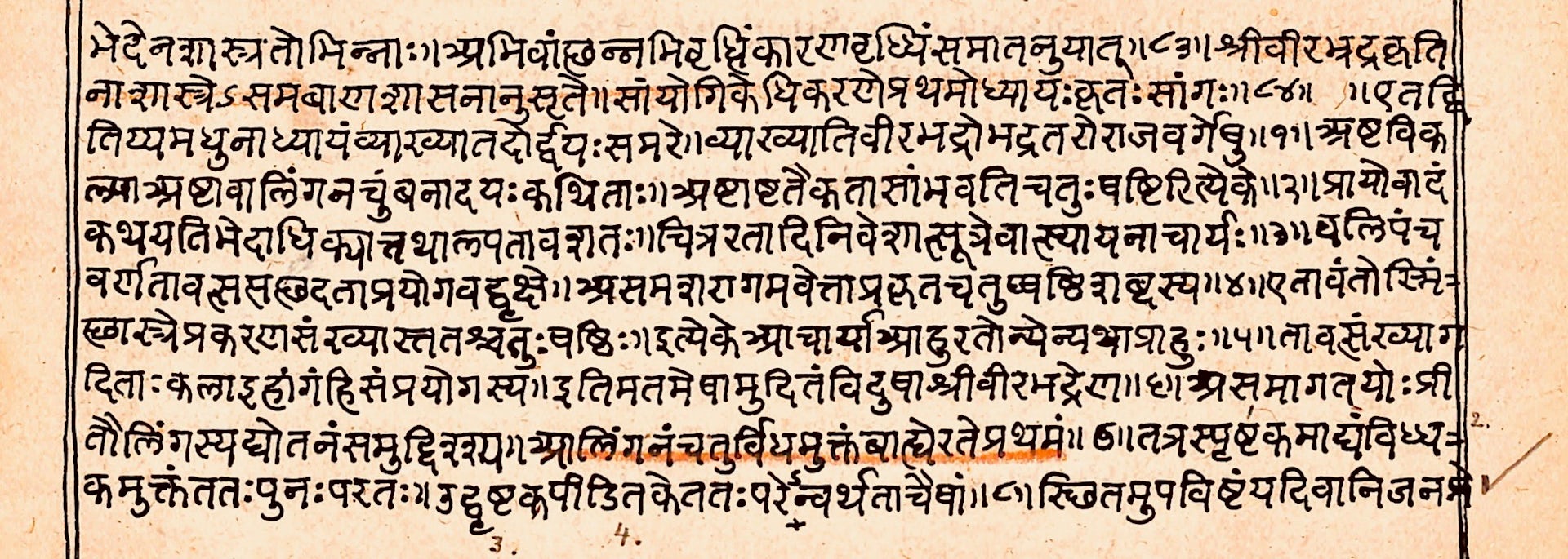
According to the verses, showing sensitivity and understanding in romance can really help strengthen a woman’s feelings and respect. Crucially, the text is clear: without a woman’s permission, a man should not touch her.
وفقاً للأبيات، يمكن أن يساعد إظهار الحساسية والتفهم في الرومانسية حقاً في تقوية مشاعر واحترام المرأة. والأهم من ذلك، أن النص واضح: بدون إذن المرأة، لا يجب على الرجل أن يلمسها.
This stands in stark contrast to many contemporary experiences. Research – including my own, drawing on over 1,000 women’s accounts of coercion – shows how consent is often blurred, unspoken or performed. As the feminist academic and activist, Fiona Vera-Gray has documented, women frequently feel pressure to comply, sometimes faking desire or orgasms to meet expectations.
يتناقض هذا بشكل صارخ مع العديد من التجارب المعاصرة. يُظهر البحث- بما في ذلك بحثي الخاص، الذي يعتمد على أكثر من 1000 رواية نسائية عن الإكراه- كيف غالباً ما تكون الموافقة ضبابية، أو غير منطوقة، أو مُؤدَّاة. وكما وثقت الأكاديمية والناشطة النسوية فيونا فيرا-غراي، تشعر النساء بشكل متكرر بالضغط للامتثال، وأحياناً يتظاهلن بالرغبة أو النشوة لتلبية التوقعات.
Revisiting the Kamasutra through a feminist lens reveals something striking: an ancient framework that centres women’s agency, pleasure and choice. It imagines women as confident subjects of desire – capable of saying “yes”, “no” or leaving altogether. In this sense, consent is not merely a legal threshold but a practice shaped by timing, reciprocity and mutual recognition.
إن إعادة النظر في الكاماسوترا من منظور نسوي يكشف شيئاً لافتاً: إطار قديم يركز على وكالة المرأة ومتعتها واختيارها. إنه يتخيل النساء كمواضيع واثقات للرغبة- قادرات على قول “نعم”، أو “لا”، أو المغادرة تماماً. بهذا المعنى، لا تعد الموافقة مجرد عتبة قانونية، بل ممارسة تتشكل بالتوقيت، والتبادلية، والاعتراف المتبادل.
What emerges is less a “sex manual” and more a philosophy: one that insists good sex depends on attention, patience and genuine agreement.
ما يظهر هو أقل من “دليل جنسي” وأكثر من فلسفة: فلسفة تصر على أن الجنس الجيد يعتمد على الاهتمام والصبر والاتفاق الحقيقي.
Even at the end, love Enhanced by thoughtful acts And words and deeds exchanged in confidence Give rise to the highest ecstasy. Responding to their feeling about themselves, Inspiring mutual love. – Book two, chapter ten
حتى في النهاية، الحب المعزز بالأفعال المدروسة والكلمات والأفعال المتبادلة في الثقة يمنح أعلى درجات النشوة. الاستجابة لمشاعرهم تجاه أنفسهم، وإلهام الحب المتبادل. – الكتاب الثاني، الفصل العاشر
The verses remind us that it’s really the thoughtfulness, trust and emotional honesty that make love truly meaningful and fulfilling. Vatsyayana advises men to listen to women’s voices and become gentle lovers.
تذكرنا الآيات بأن ما يجعل الحب ذا معنى ومُرضٍ حقًا هو التفكير، والثقة، والصدق العاطفي. ينصح فاستيانا الرجال بالاستماع إلى أصوات النساء وأن يصبحوا محبين رفقاء.
The Kamasutra in its true form challenges the idea that women should accommodate male desire, instead positioning their voices as essential to any meaningful encounter. Recovering this perspective matters.
يتحدى كتاب الكاما سوترا في شكله الحقيقي فكرة أن على النساء تكييف أنفسهن مع الرغبة الذكورية، بل يضع أصواتهن كأمر أساسي لأي لقاء ذي معنى. إن استعادة هذا المنظور أمر مهم.
When women are supported to recognise and express their sexual agency, the balance of power shifts. Consent becomes clearer and more mutual, and intimacy, in turn, becomes something that is enjoyed rather than endured.
عندما يتم دعم النساء للاعتراف بفاعليتهن الجنسية والتعبير عنها، يتحول توازن القوى. يصبح الموافقة أوضح وأكثر تبادلاً، ويصبح الحميمية، بدورها، شيئًا يتمتع به المرء بدلاً من أن يتحمله.
This article features references to books that have been included for editorial reasons, and may contain links to bookshop.org. If you click on one of the links and go on to buy something from bookshop.org The Conversation UK may earn a commission.
تتضمن هذه المقالة مراجع لكتب تم إدراجها لأسباب تحريرية، وقد تحتوي على روابط لموقع bookshop.org. إذا نقرت على أحد الروابط وذهبت لشراء شيء من bookshop.org، فقد يربح موقع The Conversation UK عمولة.
Sharha does not work for, consult, own shares in or receive funding from any company or organisation that would benefit from this article, and has disclosed no relevant affiliations beyond their academic appointment.
لا تعمل شارها لدى، أو تستشير، أو تمتلك أسهمًا في، أو تتلقى تمويلاً من أي شركة أو منظمة تستفيد من هذه المقالة، ولم تكشف عن أي انتماءات ذات صلة تتجاوز منصبها الأكاديمي.
Read more
-

انخفضت تصنيفات دونالد ترامب في الولايات المتحدة إلى أدنى مستوى قياسي وسط الحرب الإيرانية
Donald Trump’s US ratings fall to a record low amid Iran war
-
يوروفيجن 2026: فوز لبلغاريا، ومركز رابع لأستراليا، واستمرار الجدل لقنوات البث
Eurovision 2026: a win for Bulgaria, fourth for Australia, and continued controversy for broadcasters