الحب، والسعي، والمغامرة: السرد القصصي وراء خطابات شي جين بينغ والاستراتيجية الكبرى للصين
Love, quest, adventure: the storytelling behind Xi Jinping’s speeches and China’s grand strategy
My new research offers a new way to understand China’s grand strategy through plot devices and overarching narratives.
يقدم بحثي الجديد طريقة جديدة لفهم الاستراتيجية الكبرى للصين من خلال أدوات الحبكة والسرديات الشاملة.
For many in the West, China still feels hard to fully understand. Public debate and media coverage too often focus on the “China threat”. Critics highlight the flaws of China’s political system and limits on freedom, yet China has still managed to rise as a major power that can now compete with the United States.
بالنسبة للكثيرين في الغرب، لا تزال الصين تبدو صعبة الفهم بالكامل. وغالباً ما يركز النقاش العام والتغطية الإعلامية على “التهديد الصيني.” ويسلط النقاد الضوء على عيوب النظام السياسي الصيني ومحدودية الحريات، ومع ذلك، نجحت الصين في الصعود كقوة عظمى يمكنها الآن المنافسة مع الولايات المتحدة.
One reason for this gap in understanding is that the media often interprets China through a Western-centric perspective.
أحد أسباب هذا الفجوة في الفهم هو أن وسائل الإعلام غالباً ما تفسر الصين من منظور غربي مركزي.
US President Donald Trump’s summit with Chinese leader Xi Jinping this week, for instance, will be analysed in the West very differently from the way it will be seen in China. Xi’s language will be parsed and scrutinised for couched messages, veiled threats and hidden meanings.
على سبيل المثال، سيتم تحليل قمة الرئيس الأمريكي دونالد ترامب مع الزعيم الصيني شي جين بينغ هذا الأسبوع في الغرب بطريقة مختلفة جداً عن الطريقة التي ستُنظر بها إليها في الصين. وسيتم تحليل لغة شي وتدقيقها بحثاً عن الرسائل المبطنة والتهديدات المستترة والمعاني الخفية.
But analysts may be missing some of the tools China uses to explain and justify its actions.
ولكن قد يغفل المحللون بعض الأدوات التي تستخدمها الصين لشرح وتبرير تصرفاتها.
My co-authored new research offers a new way to look at China’s grand strategy: by analysing the way the government uses storytelling. My research partners and I are part of a growing group of scholars looking at how geopolitics is becoming a contest of narratives – how states tell stories about themselves and each other.
يقدم بحثي الجديد، الذي شاركت في تأليفه، طريقة جديدة للنظر إلى الاستراتيجية الكبرى للصين: من خلال تحليل الطريقة التي تستخدم بها الحكومة سرد القصص. وأنا وشركائي في البحث جزء من مجموعة متنامية من الباحثين الذين يدرسون كيف أصبح الجغرافيا السياسية مسابقة للسرديات – وكيف تروي الدول القصص عن نفسها وعن بعضها البعض.
To do this, we studied four major speeches by Xi from 2021–23. We read them as stories and dissected the narratives – as well as the characters and language – to better understand the meaning behind the words.
وللقيام بذلك، درسنا أربعة خطابات رئيسية لشي في الفترة من 2021 إلى 2023. وقرأناها كقصص وشرحنا السرديات – بالإضافة إلى الشخصيات واللغة – لفهم المعنى الكامن وراء الكلمات بشكل أفضل.
Why narrative in politics matters
أهمية السرد في السياسة
The use of political narratives by leaders is not new.
إن استخدام السرديات السياسية من قبل القادة ليس جديداً.
In ancient Athens and Rome, politicians relied on strong public rhetoric to persuade people. Aristotle described three key elements of persuasion in rhetoric: logic (logos) , emotional appeal (pathos) , and the speaker’s credibility (ethos) .
في أثينا وروما القديمة، اعتمد السياسيون على الخطابة العامة القوية لإقناع الناس. وصف أرسطو ثلاثة عناصر رئيسية للإقناع في البلاغة: المنطق (logos) ، والنداء العاطفي (pathos) ، ومصداقية المتحدث (ethos) .
Modern theorists like Kenneth Burke argue rhetoric creates a sense of shared purpose between leaders and the public, but it can also create division between groups.
يجادل منظّرون حديثون مثل كينيث بيرك بأن البلاغة تخلق شعوراً بالهدف المشترك بين القادة والجمهور، ولكنها يمكن أن تخلق أيضاً الانقسام بين المجموعات.
And communications scholar Michael Kent identifies 20 master “plots” that have been used by storytellers for thousands of years to craft effective narratives. These include: quest, adventure, pursuit, transformation, revenge, sacrifice, discovery and of course love.
ويحدد عالم الاتصالات مايكل كينت عشرين “حبكة” رئيسية استخدمها رواة القصص لآلاف السنين لصياغة سرديات فعالة. وتشمل هذه: البحث، والمغامرة، والمطاردة، والتحول، والانتقام، والتضحية، والاكتشاف، وبالطبع الحب.
My research partners and I used these plot devices to analyse Xi’s speeches to see how he communicates – and tells stories – about China’s strategies.
استخدمت أنا وشركائي في البحث أجهزة الحبكة هذه لتحليل خطابات شي لمعرفة كيف يتواصل – ويحكي القصص – حول استراتيجيات الصين.
The plot devices in Xi’s speeches
أدوات الحبكة في خطابات شي
We found several master plots that consistently shape China’s official stories:
لقد وجدنا عدة حبكات رئيسية تشكل باستمرار القصص الرسمية للصين:
Adventure
المغامرة
In the Chinese Communist Party’s 100th anniversary speech in 2021, Xi said:
في خطاب الذكرى المئوية للحزب الشيوعي الصيني عام 2021، قال شي:
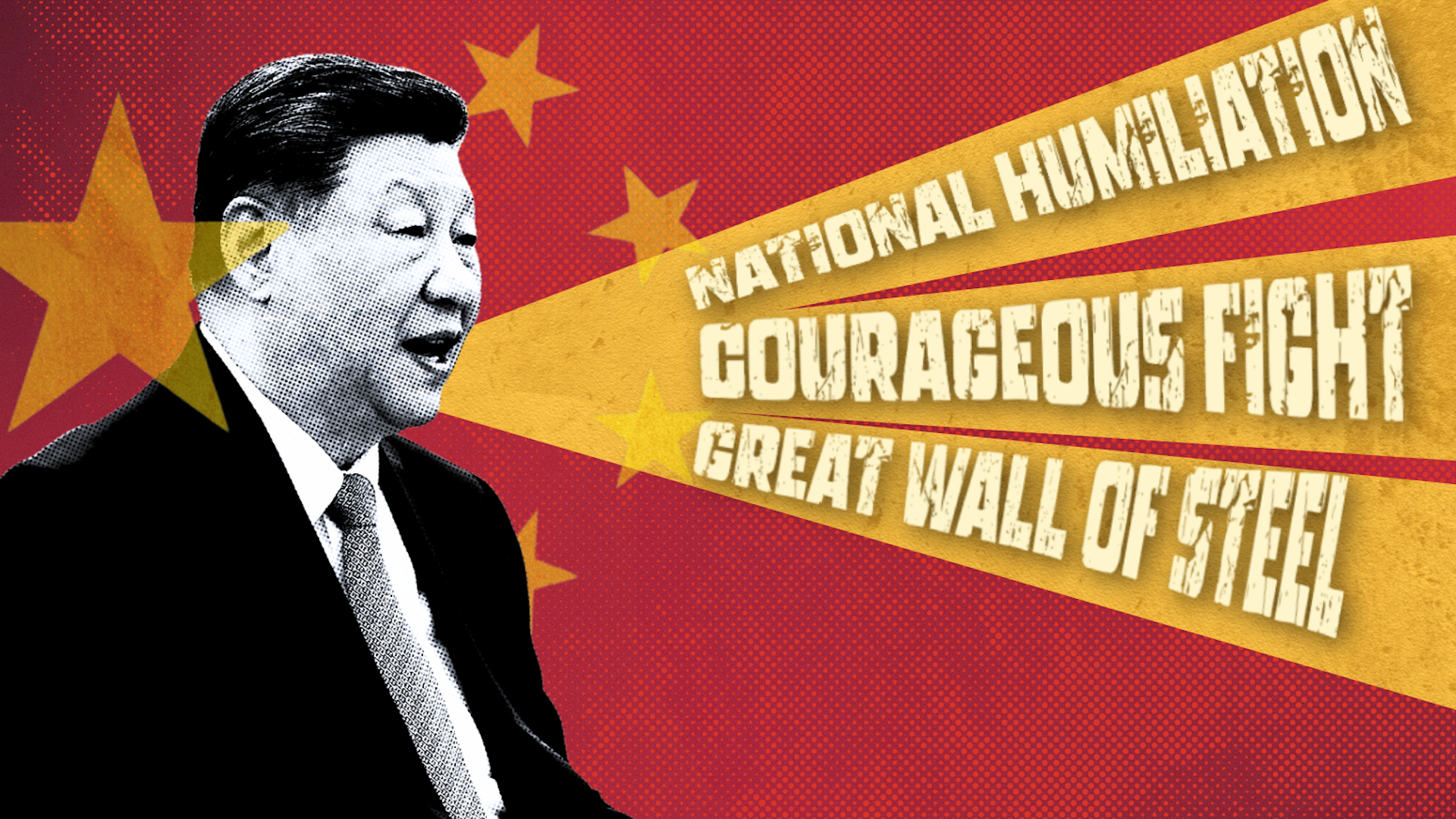
To save the nation from peril, the Chinese people put up a courageous fight. As noble-minded patriots sought to pull the nation together.
لإنقاذ الأمة من الخطر، قام الشعب الصيني بنضال شجاع. بينما سعى الوطنيون ذوو النخوة إلى جمع الأمة.
This storyline frames China as a nation on a long journey towards strength and prosperity, marked by setbacks and breakthroughs. This is seen as a type of political adventure. This narrative also appeals to shared memories in China of hardship and endurance.
تؤطر قصة الحبكة هذه الصين كأمة في رحلة طويلة نحو القوة والازدهار، تتسم بالانتكاسات والاختراقات. ويُنظر إلى هذا على أنه نوع من المغامرة السياسية. كما تستدعي هذه السردية الذكريات المشتركة في الصين عن المشقة والتحمل.
Quest
السعي
Xi’s speeches also described a quest – the nation’s striving towards a difficult goal, under the leadership of the Chinese Communist Party (CCP) .
وصفت خطابات شي أيضًا سعيًا – سعي الأمة نحو هدف صعب، تحت قيادة الحزب الشيوعي الصيني (CCP) .
In Xi’s 20th Party Congress report in 2022, he said:
في تقرير المؤتمر الحزبي العشرين لشي عام 2022، قال:
There has never been an instruction manual or ready-made solution for the Chinese people and the Chinese nation to turn to […] as they moved on toward the bright future of rejuvenation.
لم يكن هناك دليل إرشادي أو حل جاهز يمكن أن يلجأ إليه الشعب الصيني والأمة الصينية […] وهم يتجهون نحو مستقبل التجديد المشرق.
The message is intended to inspire unity, patriotism and pride among Chinese listeners.
تهدف الرسالة إلى إلهام الوحدة والوطنية والفخر بين المستمعين الصينيين.
Transformation
التحول
In his 14th National People’s Congress speech in 2023, Xi said:
في خطابه بالدورة الرابعة عشرة للمؤتمر الوطني للشعب عام 2023، قال شي:
The Chinese nation has achieved the great transformation from standing up and growing prosperous to becoming strong, and China’s national rejuvenation has become a historical inevitability.
حققت الأمة الصينية التحول العظيم من الوقوف والازدهار إلى القوة، وأصبح التجديد الوطني للصين حتمية تاريخية.
Transformation stories describe not just change, but growth and renewal. This narrative presents China’s rise as a natural evolution built on decades of reform and sacrifice.
تصف قصص التحول ليس مجرد التغيير، بل النمو والتجديد. تقدم هذه السردية صعود الصين كتطور طبيعي مبني على عقود من الإصلاح والتضحية.
Rivalry
التنافس
Rivalry stories tend to feature internal and external threats.
تميل قصص التنافس إلى إبراز التهديدات الداخلية والخارجية.
In two of the speeches we studied, Xi refers to efforts by foreign powers to “blackmail, contain, blockade, and exert maximum pressure on China,” and recalls a past when foreign bullying caused “great suffering”.
في خطابين درسناهما، يشير شي إلى جهود القوى الأجنبية لـ “ابتزاز، واحتواء، وحصار، وممارسة أقصى الضغوط على الصين”، ويتذكر ماضياً تسبب فيه التنمّر الأجنبي “بمعاناة عظيمة.”
In the CCP’s 100th anniversary speech, Xi also said:
في خطاب الذكرى المئوية للحزب الشيوعي، قال شي أيضًا:
Anyone who would attempt to do so will find themselves on a collision course with a great wall of steel forged by over 1.4 billion Chinese people.
أي شخص يحاول القيام بذلك سيجد نفسه على مسار تصادم مع جدار فولاذي عظيم صاغه أكثر من 1.4 مليار صيني.
These storylines reinforce the idea that China must remain vigilant and united against outside pressure.
تعزز خطوط الحبكة هذه فكرة أن الصين يجب أن تظل يقظة وموحدة في مواجهة الضغوط الخارجية.
Love
الحب
Xi doesn’t refer to a romantic-type of love story in his speeches; rather, he speaks of the dedication and loyalty of the Communist Party’s supporters.
لا يشير شي إلى قصة حب من النوع الرومانسي في خطاباته؛ بل يتحدث عن تفاني وولاء مؤيدي الحزب الشيوعي.
In the 100th anniversary speech, for instance, Xi said:
ففي خطاب الذكرى المئوية، على سبيل المثال، قال شي:
And I would like to express my heartfelt gratitude to people and friends from around the world who have shown friendship to the Chinese people and understanding and support for China’s endeavours in revolution, development and reform.
وأود أن أعرب عن خالص امتناني للناس والأصدقاء من جميع أنحاء العالم الذين أظهروا الصداقة للشعب الصيني والتفهم والدعم لمساعي الصين في الثورة والتنمية والإصلاح.
How audiences see these messages
كيف يرى الجمهور هذه الرسائل
The impact of this messaging is strong at home. It’s often reinforced through state media, cultural products and patriotic education to reach as wide an audience as possible.
إن تأثير هذه الرسائل قوي محلياً. وغالباً ما يتم تعزيزه من خلال وسائل الإعلام الحكومية والمنتجات الثقافية والتعليم الوطني للوصول إلى أوسع جمهور ممكن.
The frequent contrast between past suffering and present strength encourages the public to see China as a peaceful but firm global actor.
إن التباين المتكرر بين المعاناة الماضية والقوة الحالية يشجع الجمهور على رؤية الصين كفاعل عالمي سلمي ولكنه حازم.
For a foreign audience, this storytelling can help other countries interpret China’s actions and anticipate its responses.
بالنسبة للجمهور الأجنبي، يمكن أن يساعد هذا السرد القصصي الدول الأخرى في تفسير تصرفات الصين وتوقع ردود أفعالها.
For example, China’s narratives about past humiliation and the need to defend its sovereignty help explain its strong stance on Taiwan – and the Communist Party’s legitimacy on this issue in the eyes of the people.
على سبيل المثال، تساعد روايات الصين حول الإذلال الماضي والحاجة إلى الدفاع عن سيادتها في تفسير موقفها القوي تجاه تايوان – وشرعية الحزب الشيوعي في هذه المسألة في نظر الشعب.
But this does not mean a military conflict is inevitable. Any future military action over Taiwan would depend on a multitude of factors, including careful calculations of risk, China’s economic interdependence with the world, and the potentially catastrophic consequences for the region and its people.
لكن هذا لا يعني أن الصراع العسكري حتمي. وأي عمل عسكري مستقبلي بشأن تايوان سيعتمد على مجموعة من العوامل، بما في ذلك الحسابات الدقيقة للمخاطر، والاعتماد الاقتصادي للصين على العالم، والعواقب الكارثية المحتملة على المنطقة وسكانها.
This cannot be easily conveyed in storytelling, which is why we can’t rely on this device alone to explain China’s actions. But it does give us a window into leadership’s thinking – and in a political system like China’s, this is vital.
لا يمكن نقل هذا بسهولة في السرد القصصي، ولهذا لا يمكننا الاعتماد على هذه الأداة وحدها لشرح تصرفات الصين. لكنها تمنحنا نافذة على تفكير القيادة – وفي نظام سياسي مثل الصين، هذا أمر حيوي.
The author would like to acknowledge her co-researchers on the project: Mitchell Hobbs of the University of Sydney (project lead) , and Zhao Alexandre Huang and Lucile Desmoulins of Gustave Eiffel University, France.
تود المؤلفة أن تشكر باحثيها المشاركين في المشروع: ميتشل هوبز من جامعة سيدني (قائد المشروع) ، وزاو ألكسندر هوانغ ولوسي دسمولان من جامعة غوستاف إيفل، فرنسا.
This piece is based on the author’s contribution to a research project funded by the Australia-France Social Science Collaborative Research Program from the Academy of Social Sciences in Australia.
تستند هذه المقالة إلى مساهمة المؤلفة في مشروع بحثي ممول من برنامج الأبحاث التعاوني للعلوم الاجتماعية الأسترالية الفرنسية من أكاديمية العلوم الاجتماعية في أستراليا.
Read more
-
ما هو التعديل الخامس والعشرون وهل يمكن استخدامه لإبعاد ترامب عن منصبه؟
What is the 25th Amendment and could it be used to remove Trump from office?
-

الفواكه المجمدة والخضروات المعلبة رخيصة، ولكن هل هي صحية مثل الأطعمة الطازجة؟
Frozen fruit and canned veg are cheap, but are they as healthy as fresh food?