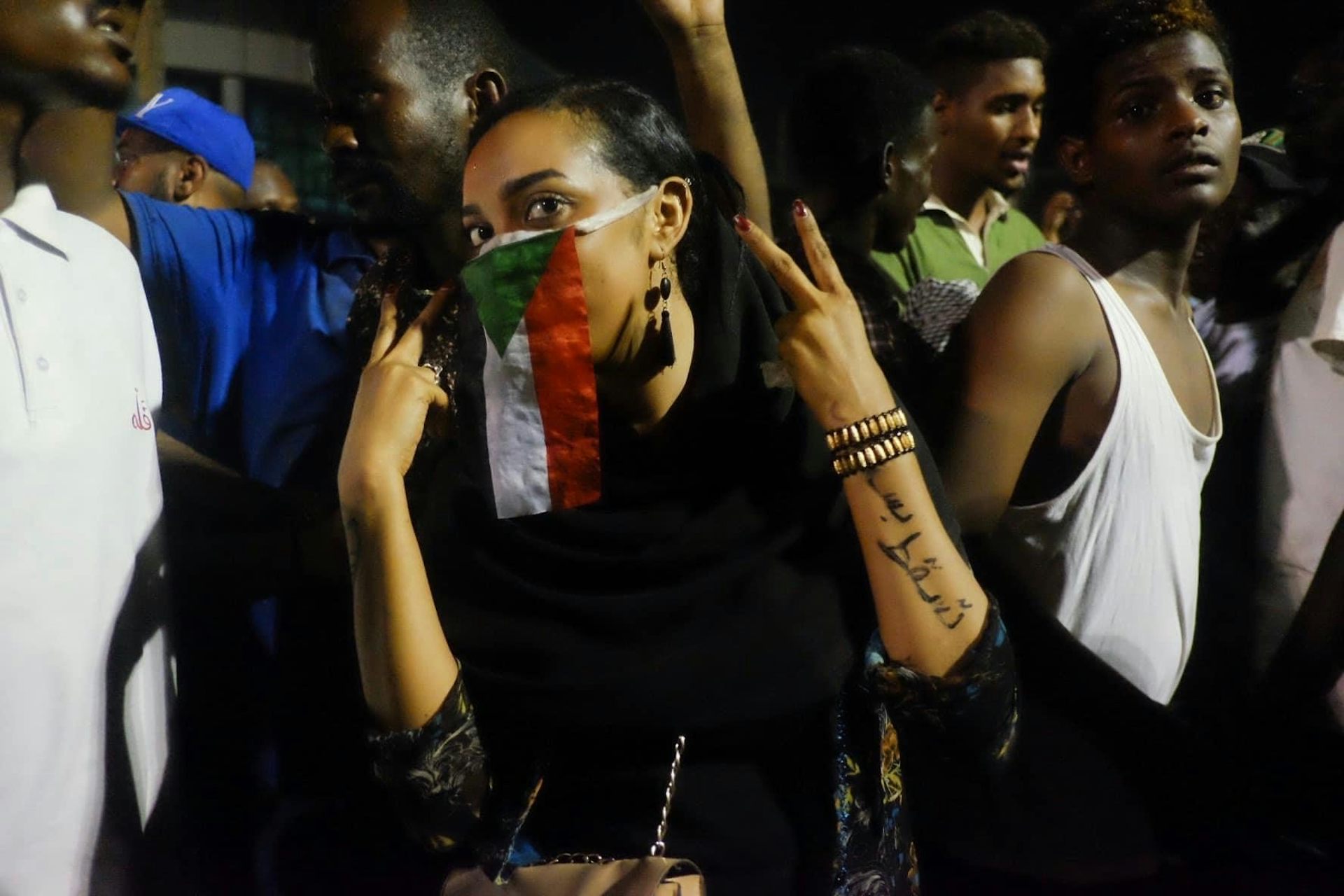
الإيقاعات التي أطاحت ببشير: كيف شكّل فن السودان ثورة
The rhythms that broke Bashir: how Sudan’s music shaped a revolution
Music created the networks, identities and spaces of trust that made collective political action possible in Sudan’s 2019 revolution.
خلقت الموسيقى الشبكات والهويات ومساحات الثقة التي جعلت العمل السياسي الجماعي ممكناً في ثورة السودان عام ٢٠١٩.
The revolution in Sudan in 2019 has been eclipsed by the war between the Sudanese Armed Forces and the Rapid Support Forces, which began in April 2023.
لقد طغت الحرب بين القوات المسلحة السودانية وقوات الدعم السريع، التي بدأت في أبريل 2023، على ثورة السودان عام 2019.
But the events of 2019 demand greater attention as they hold lessons for a post-war Sudan.
لكن أحداث عام 2019 تتطلب اهتماماً أكبر لأنها تحمل دروساً لسودان ما بعد الحرب.
Music was central to the protests in 2019. The camp outside military headquarters in Khartoum, where demonstrators gathered for weeks to demand civilian rule, became known as Sudan’s largest ever arts festival.
كان للموسيقى دور محوري في احتجاجات عام 2019. وأصبح المخيم خارج المقر العسكري في الخرطوم، حيث تجمع المتظاهرون لأسابيع للمطالبة بالحكم المدني، معروفاً بأنه أكبر مهرجان فني في تاريخ السودان.
My research on resistance movements has led me to believe that music is not only a cosmetic accessory to protests. In Sudan, it was an integral part of the revolutionary movement that ousted the Omar al-Bashir regime. For decades, music helped cultivate anti-government sentiment and forge the networks and communities that would sustain the revolution in 2019.
أدت أبحاثي حول حركات المقاومة إلى قناعتي بأن الموسيقى ليست مجرد إضافة تجميلية للاحتجاجات. ففي السودان، كانت جزءاً لا يتجزأ من الحركة الثورية التي أطاحت بنظام عمر البشير. لعقود من الزمن، ساعدت الموسيقى في تنمية المشاعر المناهضة للحكومة وتشكيل الشبكات والمجتمعات التي ستحافظ على استدامة الثورة في عام 2019.
I’ve explored this idea in a recent paper, drawing on interviews with protesters and musicians.
لقد استكشفت هذه الفكرة في ورقة بحثية حديثة، بالاعتماد على مقابلات مع المتظاهرين والموسيقيين.
Sudanese music and resistance
الموسيقى والمقاومة في السودان
Music in Sudan has historically been intertwined with popular resistance. First against colonial rulers and then – following independence in 1956 – against post-colonial despots. The patriotic anthems of the 60s and 70s expressed the sentiment that Sudan was being built by the people, not the government.
لطالما ارتبطت الموسيقى في السودان تاريخياً بالمقاومة الشعبية. ففي البداية، كانت هذه المقاومة موجهة ضد الحكام الاستعماريين، ومن ثم – بعد الاستقلال عام 1956 – وجهت ضد الديكتاتوريين ما بعد الكولونيالية. عبرت الأناشيد الوطنية في الستينيات والسبعينيات عن شعور بأن السودان يُبنى من قِبل الشعب، وليس من قِبل الحكومة.
As one music fan who was a young teenager in the early 1970s said:
كما قال أحد محبي الموسيقى كان مراهقاً في أوائل السبعينيات:
There were different ideas, of course, about what sounded good, but if you were making music, you were against the government, that was for sure.
“كانت هناك أفكار مختلفة بالطبع حول ما يبدو جيداً، ولكن إذا كنت تصنع الموسيقى، فأنت ضد الحكومة، هذا مؤكد.”
One after the other, however, authoritarian regimes sought to crush all creativity – and especially music – through censorship laws and the systematic intimidation of artists.
ومع ذلك، سعت الأنظمة الاستبدادية تباعاً إلى سحق كل الإبداعات – وخاصة الموسيقى – من خلال قوانين الرقابة والتخويف الممنهج للفنانين.
Gigs had to be held as private events in people’s homes and even these were regularly broken up by a morality monitoring unit. Many popular musicians left for careers abroad.
كان لا بد من إقامة الحفلات كفعاليات خاصة في منازل الناس، وحتى هذه كانت تُفكك بانتظام من قبل وحدة مراقبة الأخلاق. وغادر العديد من الموسيقيين المشهورين للعمل في الخارج.
But underground music scenes kept anti-government sentiment alive.
لكن المشاهد الموسيقية السرية أبقت الشعور المناهض للحكومة حياً.
My research shows that the exodus of musicians, producers and fans under the Bashir regime did not weaken popular resistance. Instead, this displacement helped build strong transnational social networks, enabling musicians to record music outside Sudan. This was then distributed back to communities inside the borders. Later, these same social networks supported the 2019 revolution.
تُظهر أبحاثي أن هجرة الموسيقيين والمنتجين والمتابعين تحت نظام البشير لم تُضعف المقاومة الشعبية. بل على العكس، ساعد هذا النزوح في بناء شبكات اجتماعية عابرة للحدود وقوية، مما مكن الموسيقيين من تسجيل الموسيقى خارج السودان. ثم تم توزيع هذه التسجيلات مرة أخرى إلى المجتمعات داخل الحدود. وفي وقت لاحق، دعمت شبكات التواصل الاجتماعية نفسها ثورة عام 2019.
Throughout recent history and across various genres and scenes, music has helped the Sudanese imagine alternatives to authoritarian rule and build the relationships needed for collective action.
على مدار التاريخ الحديث وعبر مختلف الأنواع والمشاهد، ساعدت الموسيقى السودانيين على تخيل بدائل للحكم الاستبدادي وبناء العلاقات اللازمة للعمل الجماعي.
Given the close historical ties between resistance movements and music scenes, examining the music of the revolution provides insight into the values, identities and visions of democratic change that shaped Sudan’s revolutionary movement.
نظراً للروابط التاريخية الوثيقة بين حركات المقاومة ومشاهد الموسيقى، فإن دراسة موسيقى الثورة تقدم رؤى حول القيم والهويات ورؤى التغيير الديمقراطي التي شكلت الحركة الثورية في السودان.
Music, gender and class
الموسيقى، والنوع الاجتماعي، والطبقة
In my paper I analyse the most prominent revolution songs – collected in a shareable YouTube playlist – to explore what protesters’ choices reveal about the movement itself. The songs point to a growing openness towards gender and class.
في ورقتي البحثية، أحلل أبرز أغاني الثورة – المجمعة في قائمة تشغيل يوتيوب قابلة للمشاركة – لاستكشاف ما تكشف عنه خيارات المتظاهرين حول الحركة نفسها. وتشير هذه الأغاني إلى انفتاح متزايد على النوع الاجتماعي والطبقة.
At the 2019 protests, the revolutionaries honoured a canon of anti-oppression anthems. These included traditional Sudanese staples, hip-hop classics and contemporary pop sing-a-longs.
في احتجاجات عام 2019، احتفى الثوريون بمجموعة من الأناشيد المناهضة للقمع. وشملت هذه المجموعة أساسيات سودانية تقليدية، وكلاسيكيات الهيب هوب، وأغاني البوب المعاصرة التي يمكن للجميع الغناء بها.
Not all revolutionary anthems are lyrically political, however, and there are gendered reasons for this.
ومع ذلك، ليست كل الأناشيد الثورية ذات طابع سياسي في كلماتها، وهناك أسباب مرتبطة بالنوع الاجتماعي لذلك.
In Sudan’s decades of patriarchal autocracy, speaking openly about politics through song lyrics was often far riskier for women than for men. As a result, women-led genres, such as tumtum and aghani albanat, typically centred on romance and everyday life, accompanied by handclapping and rhythms played on the doolka drum. Among highbrow creatives, these vocal and percussive genres are considered artistically subordinate to male-dominated genres. These include haqeeba, which features instrumental accompaniment on the more technically demanding oud.
في عقود الحكم الذكوري في السودان، كان التحدث علنًا عن السياسة من خلال كلمات الأغاني أمرًا أكثر خطورة على النساء بكثير مما هو عليه بالنسبة للرجال. ونتيجة لذلك، ركزت الأنواع الفنية التي تقودها النساء، مثل “تمتم” و”أغاني البنات”، عادةً على الرومانسية والحياة اليومية، مصحوبة بالتصفيق والإيقاعات المرتجلة على طبلة الدولكا. وفي أوساط المبدعين المثقفين، تُعتبر هذه الأنواع الصوتية والإيقاعية تابعة فنيًا للأنواع التي يهيمن عليها الذكور. وتشمل هذه “الحقيبة”، التي تتميز بمرافقة آلية على العود الأكثر تطلبًا من الناحية التقنية.
However, tumtum and aghani albanat were popular with protesters in 2019. This was not because their lyrics were directly political (they were not) . Rather, they represented the defiance of women who continued to create and perform music despite decades of state restrictions on women’s artistry.
ومع ذلك، كانت “تمتم” و”أغاني البنات” شائعة بين المتظاهرين في عام 2019. لم يكن السبب هو أن كلماتها سياسية بشكل مباشر (لم تكن كذلك) . بل مثلت تحدي النساء اللاتي استمررن في إنشاء الموسيقى وأدائها على الرغم من عقود القيود الحكومية على فن المرأة.
Despite their lyrical playfulness and political neutrality, Sudanese society celebrated these genres in the revolution. This sends a powerful political message about a rising cultural openness towards feminine creativity, which had been inhibited by the state.
على الرغم من مرحها الغنائي وحيادها السياسي، احتفت المجتمع السوداني بهذه الأنواع الفنية خلال الثورة. وهذا يرسل رسالة سياسية قوية حول الانفتاح الثقافي المتصاعد تجاه الإبداع الأنثوي، الذي كان قد كبته النظام.
Zenig is a new Sudanese genre of music. It emerged in the early 2010s from the poor and peripheral neighbourhoods in Khartoum. It takes its rhythmic base from tumtum, and mixes this with retro keyboards, low-fi synths and improvised vocals. It is fundamentally a Khartoumian invention, and is deliberately defiant of conservative gender and class hierarchies.
“زنيج” هو نوع موسيقي سوداني جديد. ظهر في أوائل العقد الثاني من القرن الحادي والعشرين من الأحياء الفقيرة والمحيطية في الخرطوم. ويستمد أساسه الإيقاعي من “تمتم”، ويمزجه مع لوحات المفاتيح القديمة، ومولدات الصوت المنخفضة (low-fi synths) ، والأصوات الغنائية المرتجلة. وهو اختراع خروطي بامتياز، ويتحدى عمداً التسلسلات الهرمية المحافظة للنوع الاجتماعي والطبقة.
Zenig contributed to the cacophony of sounds during the 2019 sit-in. One protester remembered “its fast-paced rhythmic style worked well in energising crowds”. The most likely place to hear Zenig at the sit-in was in intimate circles and small stages where friends could dance together. Before the revolution, Zenig was known in Khartoum as the music of poor outcasts.
ساهم “زنيج” في ضجيج الأصوات خلال اعتصام عام 2019. وتذكر أحد المتظاهرين أن “أسلوبه الإيقاعي السريع كان فعالاً في تنشيط الحشود.” وأكثر مكان محتمل لسماع “زنيج” في الاعتصام كان في الدوائر الحميمة والمسارح الصغيرة حيث يمكن للأصدقاء الرقص معًا. وقبل الثورة، عُرف “زنيج” في الخرطوم بأنه موسيقى المنبوذين الفقراء.
The significance
الأهمية
By elevating female leadership in the music of the revolution, Sudanese revolutionaries deliberatively negotiated what an alternative ideal Sudanese society would be like; one with more empowerment for women, as both creative and political forerunners.
من خلال رفع القيادة النسائية في موسيقى الثورة، تفاوض الثوار السودانيون بشكل مقصود حول شكل المجتمع السوداني المثالي البديل؛ مجتمع يتمتع بتمكين أكبر للمرأة، كرواد إبداعيين وسياسيين.
The inclusion of genres like Zenig at the 2019 sit-in demonstrates that Sudan’s revolution was not only about changing the regime.
إن تضمين أنواع موسيقية مثل “زينج” (Zenig) في اعتصام عام 2019 يوضح أن ثورة السودان لم تكن فقط حول تغيير النظام الحاكم.
For many young Sudanese, it was also an expression of yearning for broader societal change and an upending of societal power relations.
بالنسبة للعديد من الشباب السودانيين، كان الأمر أيضاً تعبيراً عن التوق إلى تغيير مجتمعي أوسع وتقويض لعلاقات القوة المجتمعية.
The revolution in 2019 was a unique time for openness, experimentation and future-making facilitated by music.
لقد كانت الثورة في عام 2019 وقتاً فريداً للانفتاح والتجريب وبناء المستقبل، وقد سهّلت الموسيقى ذلك.
Music and rebuilding
الموسيقى وإعادة البناء
The war has prevented Sudanese civilians from continuing these important social negotiations.
منع الحرب المدنيين السودانيين من مواصلة هذه المفاوضات الاجتماعية الهامة.
The resistance movement and its musicians have been displaced within Sudan and to regional hubs like Cairo (Egypt) and Nairobi (Kenya) . Many have tragically lost their lives. Some have remained in Khartoum and continue to make hopeful music against the odds.
لقد نزحّت حركة المقاومة وموسيقاويوها داخل السودان وإلى المراكز الإقليمية مثل القاهرة (مصر) ونيروبي (كينيا) . وقد فقد الكثير منهم حياتهم بشكل مأساوي. وبقي البعض في الخرطوم ويواصلون صناعة موسيقى تبعث على الأمل رغم الصعاب.
Even as Sudan’s future remains uncertain, music will be surely be central in the rebuilding of civilian lives that will come.
حتى مع بقاء مستقبل السودان غير مؤكد، ستظل الموسيقى بالتأكيد محورية في إعادة بناء حياة المدنيين القادمة.
Cathy Wilcock receives funding from ESRC (UK) and has received funding from the NWO (The Netherlands) .
تتلقى كاثي ويلكوك التمويل من المجلس البحثي للعلوم الاجتماعية (ESRC) (المملكة المتحدة) ، وتلقّت تمويلاً أيضاً من الوكالة الهولندية للتنمية (NWO) (هولندا) .
Read more
-

هل يحفظ الجسد حقاً “الحسابات” بعد الصدمة؟ وكيف تعود فكرة “الذكريات المكبوتة” التي تم دحضها مجددًا
Does the body really ‘keep the score’ after trauma? How the debunked idea of ‘repressed memories’ is making a comeback
-
ما هي الحرب العادلة؟ داخل حرب الكلمات بين إدارة ترامب والكنيسة الكاثوليكية
What is a just war? Inside the war of words between the Trump administration and the Catholic church