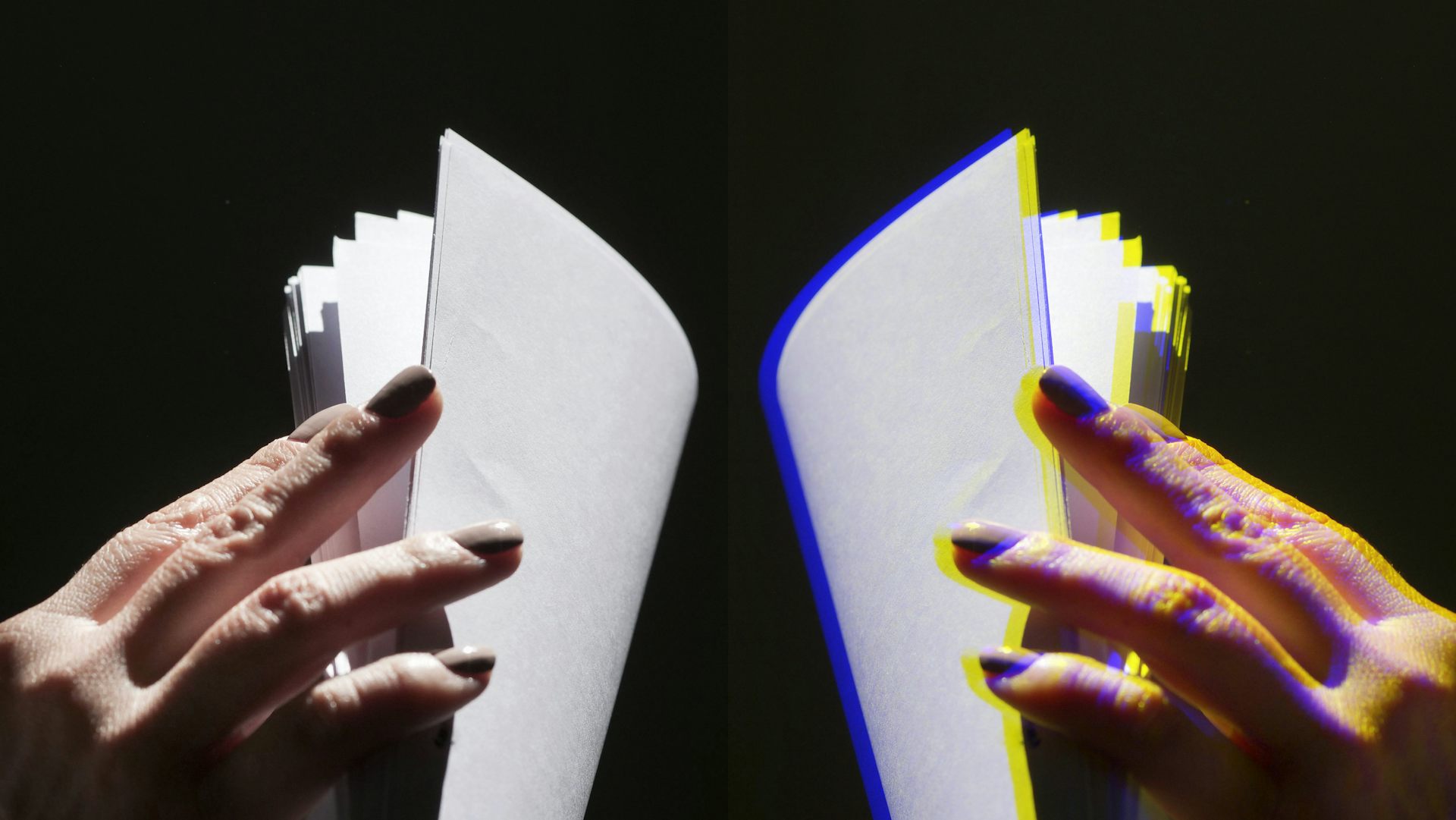
اجتاز البحث المقتبس الاختبارات الآلية، واكتشفته – ولكن فقط لأنه نسخ عملي.
Plagiarised research passed automated tests, and I detected it – but only because it copied my work
The safeguards in place to protect research integrity are not keeping pace with the tools that can be used to circumvent them.
إن الضمانات الموضوعة لحماية نزاهة البحث لا تواكب الأدوات التي يمكن استخدامها للتحايل عليها.
Earlier this year, I published a paper on the ethics of researching military populations.
في وقت سابق من هذا العام، نشرت ورقة بحثية حول أخلاقيات البحث في التجمعات العسكرية.
The core argument was straightforward: the standard rules researchers follow to protect participants – for example, informed consent and voluntary participation – don’t work the same in an institution built on hierarchy and obedience.
كانت الحجة الأساسية بسيطة: القواعد القياسية التي يتبعها الباحثون لحماية المشاركين – مثل الموافقة المستنيرة والمشاركة الطوعية – لا تعمل بالطريقة نفسها في مؤسسة مبنية على التسلسل الهرمي والطاعة.
A soldier can, as protected by ethics, say no to participating in research. But when their commanding officer has nominated them, the practical reality of saying no is very different from the legal right to do so. My paper explored the tension between ethical rights and lived reality.
يمكن للجندي، بموجب الحماية الأخلاقية، أن يرفض المشاركة في البحث. ولكن عندما يقوم ضابطه القائد بترشيحه، فإن الواقع العملي لقول “لا” يختلف اختلافاً كبيراً عن الحق القانوني في ذلك. استكشفت ورقتي التوتر بين الحقوق الأخلاقية والواقع المعاش.
A couple of weeks ago I was asked to peer-review a manuscript submitted to a psychology journal on the same topic. It didn’t take long for me to become suspicious. As I read on, I came to realise the safeguards in place to protect research integrity are not keeping pace with the tools that can be used to circumvent them.
قبل بضعة أسابيع، طُلب مني مراجعة مخطوطة بحثية مقدمة إلى مجلة علم النفس حول نفس الموضوع. لم يستغرق الأمر مني وقتاً طويلاً لأصبح متشككاً. ومع استمراري في القراءة، أدركت أن الضمانات الموضوعة لحماية نزاهة البحث لا تواكب الأدوات التي يمكن استخدامها للتحايل عليها.
From factual errors to reproduced memos
من الأخطاء الواقعية إلى المذكرات المعاد إنتاجها
Within the first couple of pages of the manuscript, I recognised my own work.
في الصفحتين الأوليين من المخطوطة، تعرفت على عملي الخاص.
The manuscript had the same argument as mine, a similar structure and conceptual framework. Most alarmingly though, it contained my reflexive memos, reproduced and paraphrased as though they belonged to someone else.
احتوت المخطوطة على نفس الحجة التي لدي، وبنية وإطار مفاهيمي مماثلين. ولكن الأكثر إثارة للقلق هو أنها احتوت على مذكراتي التأملية، التي أعيد إنتاجها ومحاكاتها كما لو كانت تخص شخصًا آخر.
Reflexive memos are a kind of research diary, in which a researcher documents their personal reflections on their own research: the dilemmas they faced, the decisions they made, the things they noticed that shaped their thinking. Reflexive memos aren’t drawn from the literature; you can’t find them in another paper and reference them. They come from the researcher’s own life.
المذكرات التأملية هي نوع من يوميات البحث، حيث يوثق الباحث فيها تأملاته الشخصية حول بحثه الخاص: المعضلات التي واجهها، والقرارات التي اتخذها، والأشياء التي لاحظها وشكلت تفكيره. لا تُستمد المذكرات التأملية من الأدبيات؛ لا يمكنك العثور عليها في ورقة أخرى وتوثيقها. إنها تأتي من حياة الباحث نفسه.
Mine documented what is was like navigating a 24-month institutional approval process that became an ordeal of lost paperwork, shifting requirements and bureaucratic dead ends. They documented the concept of being “voluntold” – that is, watching defence personnel be put forward for supposedly voluntary training programs, and recognising the unspoken pressure that made refusal practically impossible.
وثّقت مذكراتي ما كان عليه اجتياز عملية موافقة مؤسسية استغرقت 24 شهرًا، والتي تحولت إلى محنة من الأوراق المفقودة، والمتطلبات المتغيرة، والمآزق البيروقراطية. ووثّقت مفهوم “الإجبار الطوعي” (voluntold) – أي مشاهدة أفراد الدفاع يُقدمون لبرامج تدريب يُفترض أنها طوعية، وإدراك الضغط غير المعلن الذي جعل الرفض مستحيلاً عمليًا.
In the memos, I also documented the tension I felt as a clinical psychologist between my professional obligations around confidentiality and the reporting requirements imposed on me as a researcher working within the defence organisation.
في المذكرات، وثّقت أيضًا التوتر الذي شعرت به كأخصائي نفسي سريري بين التزاماتي المهنية المتعلقة بالسرية ومتطلبات الإبلاغ المفروضة عليّ كباحث أعمل داخل المنظمة الدفاعية.
These were reproduced as if they had happened to someone else.
وقد أُعيد إنتاجها كما لو أنها حدثت لشخص آخر.
The manuscript also got something factually wrong. It reproduced a scenario from my fieldwork on an Australian Defence Force base, describing the force’s values displayed on flags on the main thoroughfare.
كما أن المخطوطة أخطأت في شيء من الناحية الواقعية. فقد أعادت إنتاج سيناريو من عملي الميداني في قاعدة للقوات الدفاعية الأسترالية، واصفةً قيم القوات المعروضة على الأعلام في الشارع الرئيسي.
It substituted the value of “bravery” instead of the correct value, “courage” – a synonym, yes, but any researcher working in this field would spot that immediately.
واستبدلت قيمة “الشجاعة” بدلاً من القيمة الصحيحة، وهي “الجرأة” – وهو مرادف، نعم، لكن أي باحث يعمل في هذا المجال سيلاحظ ذلك على الفور.
A lucky catch
صدفة محظوظة
I can’t say with any certainty how the manuscript was produced. Nor am I sure of what happened to the manuscript after I raised my concerns.
لا يمكنني القول بيقين كيف تم إنتاج المخطوطة. ولا أنا متأكد مما حدث للمخطوطة بعد أن أثرت مخاوفي.
What I can say is that the systematic paraphrasing throughout, the basic factual error, and the reference list padded with loosely relevant citations, is consistent with the use of AI.
ما يمكنني قوله هو أن إعادة الصياغة المنهجية في جميع أنحاء النص، والخطأ الواقعي الأساسي، وقائمة المراجع الممتلئة بالاقتباسات غير ذات الصلة بشكل فضفاض، يتوافق مع استخدام الذكاء الاصطناعي.
The editor-in-chief of the journal, after confirming the plagiarism, reached the same conclusion.
توصل رئيس تحرير المجلة، بعد تأكيد الانتحال، إلى نفس الاستنتاج.
The journal ran the manuscript through iThenticate, an industry-standard plagiarism software used by many major academic publishers. It returned an 8% similarity match, below the threshold that would normally prompt editorial concern. The 8% corresponded to my published article. The rest had been paraphrased thoroughly enough to look like original work.
أجرت المجلة المخطوطة عبر برنامج iThenticate، وهو برنامج انتحال بالمعايير الصناعية تستخدمه العديد من دور النشر الأكاديمية الكبرى. وأظهر البرنامج تطابقاً بنسبة 8%، وهي نسبة أقل من العتبة التي تثير عادةً قلق التحرير. وقد تطابقت نسبة الـ 8% مع مقالتي المنشورة. أما الباقي فقد تمت إعادة صياغته بشكل كافٍ ليبدو وكأنه عمل أصلي.
The incentive structures of academic publishing, where the number of papers you publish affects your career progression and your institution’s rankings, create conditions where the temptation to cut corners is real.
تخلق الهياكل التحفيزية للنشر الأكاديمي، حيث يؤثر عدد الأوراق التي تنشرها على تقدمك المهني وتصنيفات مؤسستك، ظروفاً تجعل إغراء اختصار الزوايا أمراً حقيقياً.
The editor-in-chief noted that the humanities and social sciences have so far been relatively unaffected by fake science flooding scientific literature. He told me he hopes the social sciences and humanities will remain relatively spared from this phenomenon, but I suspect this may be changing.
أشار رئيس التحرير إلى أن العلوم الإنسانية والاجتماعية لم تتأثر حتى الآن بشكل كبير بفيضان “العلم الزائف” في الأدبيات العلمية. وأخبرني أنه يأمل أن تظل العلوم الاجتماعية والإنسانية بمنأى نسبيًا من هذه الظاهرة، لكني أشك في أن هذا قد يتغير.
The peer review system worked in this case. But only because the manuscript happened to be sent to the person whose work had been reproduced. That’s luck, not a safeguard.
نجح نظام مراجعة الأقران في هذه الحالة. ولكن فقط لأن المخطوطة أُرسلت بالصدفة إلى الشخص الذي نُسخ عمله. هذه حظ، وليست ضمانة.
Plagiarism tools are designed to find matching text. They’re not designed to ask whether the experiences reported in a piece of writing could plausibly belong to the person claiming them. That’s a question only a human reader with a genuine knowledge of the field can answer.
صُممت أدوات الانتحال للعثور على النصوص المتطابقة. وهي ليست مصممة لتسأل عما إذا كانت التجارب المبلّغ عنها في قطعة كتابية يمكن أن تنتمي بشكل معقول إلى الشخص الذي يدعيها. هذا سؤال لا يمكن أن يجيب عليه إلا قارئ بشري لديه معرفة حقيقية بالمجال.
A deeper concern
قلق أعمق
But there was a deeper concern that really got to me.
لكن كان هناك قلق أعمق أثر فيّ حقًا.
When someone plagiarises a literature review, they steal intellectual ideas. When someone plagiarises a methods section, they steal intellectual labour.
عندما يسرق شخص ما مراجعة الأدبيات، فإنه يسرق أفكارًا فكرية. وعندما يسرق قسم المنهجيات، فإنه يسرق عملاً فكريًا.
But when someone reproduces a reflexive memo and presents it as their own, that isn’t about claiming someone else’s ideas; they’re claiming someone else’s experiences.
ولكن عندما يعيد شخص ما إنتاج مذكرة تأملية ويقدمها على أنها له، فإن الأمر لا يتعلق بادعاء أفكار شخص آخر؛ بل يتعلق بادعاء تجاربه.
They’re essentially saying: “I was there, I felt this, this happened to me”. They were not there, they did not feel it, it did not happen to them.
إنهم يقولون أساسًا: “كنت هناك، شعرت بهذا، وحدث لي هذا.” لكنهم لم يكونوا هناك، ولم يشعروا به، ولم يحدث لهم.
I’ve spent more than a decade working as a clinical psychologist within defence mental health services. That clinical experience is what drew me to this research in the first place. The ethical tensions I documented in my article came from my work as a researcher, from real moments, my lived experiences.
لقد أمضيت أكثر من عقد من الزمان أعمل كأخصائي نفسي سريري ضمن خدمات الصحة العقلية الدفاعية. هذه الخبرة السريرية هي ما جذبني إلى هذا البحث في المقام الأول. التوترات الأخلاقية التي وثقتها في مقالتي جاءت من عملي كباحث، ومن لحظات حقيقية، ومن تجاربي المعاشة.
Reading them reproduced in someone else’s name was a particular kind of violation that I’m not sure our existing language around plagiarism quite captures.
إن قراءة هذه التجارب مُعاد إنتاجها باسم شخص آخر كان نوعًا خاصًا من الانتهاك لست متأكدًا أن لغتنا الحالية حول الانتحال تلتقطه بالكامل.
Carolyn Heward does not work for, consult, own shares in or receive funding from any company or organisation that would benefit from this article, and has disclosed no relevant affiliations beyond their academic appointment.
لا تعمل كارولين هيوارد لدى، أو تستشير، أو تمتلك أسهمًا في، أو تتلقى تمويلاً من أي شركة أو منظمة قد تستفيد من هذه المقالة، ولم تكشف عن أي انتماءات ذات صلة تتجاوز منصبها الأكاديمي.
Read more
-
كانت مواضيع السلام والكرامة الإنسانية محورية بالنسبة للبابا ليو مع بلوغه عامه الأول في منصبه
Themes of peace and human dignity have been central to Pope Leo as he marks his first year in office
-
ما هو التعديل الخامس والعشرون وهل يمكن استخدامه لإبعاد ترامب عن منصبه؟
What is the 25th Amendment and could it be used to remove Trump from office?