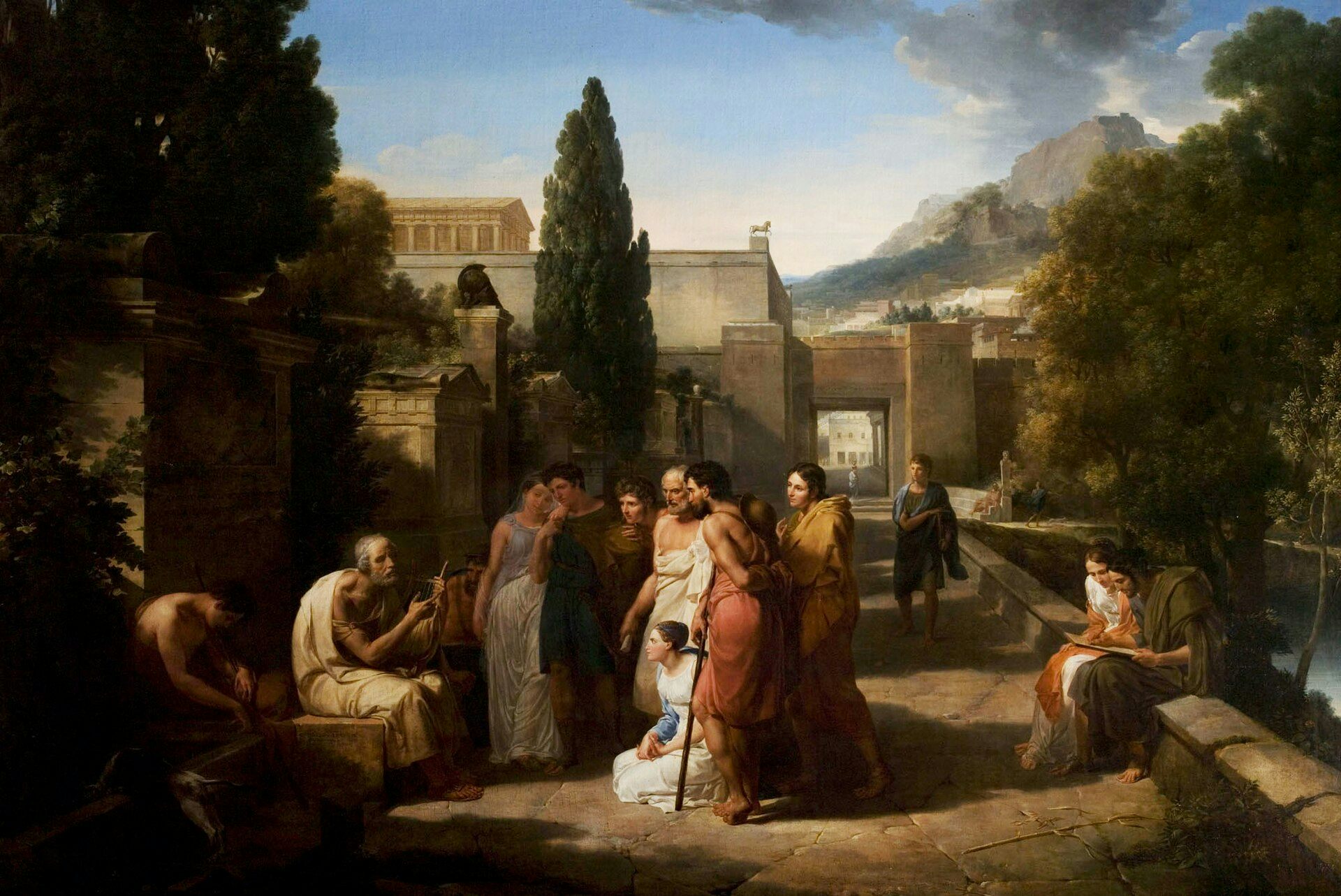
إن قراءة ملحمة إيلياد لهومر تشبه التصفح في تطبيق “تيك توك”.
Reading Homer’s Iliad feels like scrolling through TikTok
The Iliad does not unfold as a smooth, continuous narrative. Instead, it advances through a succession of micro-episodes.
لا تتكشف الإلياذة كسرد سلس ومستمر. بل تتقدم عبر سلسلة من المقاطع القصيرة (أو الحلقات المصغرة).
I first picked up The Iliad because the cloth-bound red cover, stamped with gold flames, was simply gorgeous. So much for not judging a book by its cover. The Penguin Classics edition sat on my shelf for months before I finally opened it. For years, the text had felt inaccessible, surrounded by a kind of academic gate-keeping that suggested it belonged more to specialists than to ordinary readers.
لقد التقطتُ ملحمة الإلياذة لأول مرة لأن غلافها الأحمر المجلّد بالقماش، والمختوم بلهيب ذهبي، كان ببساطة فاتناً. فما بالك بعدم الحكم على الكتاب بغلافه. ظل إصدار Penguin Classics موضوعاً على رفّي لأشهر قبل أن أفتحه أخيراً. لسنوات، بدا النص بعيد المنال، محاطاً بنوع من الحراسة الأكاديمية التي توحي بأنه يخص المتخصصين أكثر من القراء العاديين.
What I discovered, reading Peter Jones’s 2003 revision of E.V. Rieu’s translation, was something entirely different. The Iliad felt less like a distant monument and more like an experience uncannily close to the way we consume content today.
ما اكتشفته، أثناء قراءة مراجعة بيتر جونز عام 2003 لترجمة إي في ريو، كان شيئاً مختلفاً تماماً. بدت الإلياذة أقل كصرح بعيد وأكثر كتجربة قريبة بشكل غريب من الطريقة التي نستهلك بها المحتوى اليوم.
This is not an argument about how The Iliad was originally composed or performed. It is about what it feels like to read it now, as a modern reader shaped by the rhythms of TikTok videos, YouTube Shorts and Instagram Reels. Read this way, the poem resembles an infinite scroll, a relentless sequence of high-intensity scenes, each vivid, self-contained and quickly replaced by the next.
هذه ليست حجة حول كيفية تأليف أو أداء ملحمة الإلياذة في الأصل. بل هي عن شعور قراءتها الآن، كقارئ حديث تشكّل بإيقاعات مقاطع فيديو تيك توك (TikTok) وشرائح يوتيوب القصيرة (YouTube Shorts) وريلز إنستغرام (Instagram Reels) . بهذه الطريقة القرائية، يشبه الشعر التمرير اللانهائي، تسلسلاً لا يتوقف من المشاهد عالية الكثافة، كل مشهد منها حيوي ومكتفٍ بذاته ويحل محله التالي بسرعة.
Much of The Iliad does not unfold as a smooth, continuous narrative. Instead, it advances through a succession of micro-episodes. Around 5,500 of its roughly 15,000 lines are devoted to battle scenes, amounting to some 300 warrior encounters. In a typical sequence, a warrior, Greek or Trojan, enters the battlefield, delivers a blow, either kills his opponent or is killed, only for another to take his place.
لا تتكشف الكثير من الإلياذة كسرد سلس ومتواصل. بل تتقدم عبر سلسلة من المقاطع المصغرة (micro-episodes) . يخصص حوالي 5,500 سطر من أصل 15,000 سطر تقريباً لمشاهد المعارك، ما يعادل نحو 300 لقاء محارب. في التسلسل النموذجي، يدخل المحارب، سواء كان يونانياً أو طروادياً، ساحة المعركة، ويوجّه ضربة، إما أن يقتل خصمه أو يُقتل هو نفسه، ليحل محله آخر.
The pattern repeats consistently throughout the poem. The sustained psychological development, or even the outcome of the battle isn’t what’s important, but the immediate impact of each moment. In phrasing that is highly repetitive, the spears either hit or miss: “his spear did not leave his hand for nothing” or “leaves the hand for nothing”.
يتكرر النمط باستمرار في جميع أنحاء القصيدة. ليس التطور النفسي المستدام، أو حتى نتيجة المعركة، هو المهم، بل التأثير الفوري لكل لحظة. وفي صياغة متكررة للغاية، إما أن تصيب الرماح أم تفوت الهدف: “لم يترك رمحه يده عبثاً” أو “تترك اليد عبثاً.”
This article is part of Rethinking the Classics. The stories in this series offer insightful new ways to think about and interpret classic books and artworks. This is the canon – with a twist.
هذا المقال جزء من سلسلة إعادة التفكير في الكلاسيكيات (Rethinking the Classics) . تقدم القصص في هذه السلسلة طرقاً جديدة ومفيدة للتفكير في الكتب والأعمال الفنية الكلاسيكية وتفسيرها. هذا هو المنهج الأكاديمي – ولكن بلمسة عصرية.
What ultimately sustains this rhythm is the similes. There are more than 300 in The Iliad and they transform even the most mundane actions into moments of heightened intensity. Consider an action as simple as Achilles arming for battle and picking up his shield:
ما يحافظ على هذا الإيقاع في نهاية المطاف هي التشبيهات (similes) . هناك أكثر من 300 تشبيه في الإلياذة، وتحوّل حتى أبسط الأفعال إلى لحظات ذات كثافة متزايدة. فكر في فعل بسيط مثل تجهيز أخيل للمعركة والتقاط درعه:
Then he took up the great, heavy shield, whose brightness flashed into the distance like the moon’s. Like the gleam that sailors catch at sea from a fire burning on a lonely upland farm, when the winds drive them unwillingly from home over the teeming seas, such was the gleam that went up into the sky from Achilles’ ornamental shield.
ثم حمل الدرع العظيم الثقيل، الذي لمع بريقه في المسافات كضوء القمر. كاللمعان الذي يراه البحارة في البحر من نار تحترق في مزرعة نائية على مرتفع جبلي، عندما تدفعهم الرياح رغماً عنهم بعيداً عن ديارهم عبر البحار المزدحمة، كان هذا هو اللمعان الذي ارتفع إلى السماء من درع أخيل المزخرف.
Achilles’ action itself is simple. The simile expands it, slows it and transforms it into something immersive. It does not rush us into the following scene but tells us how to intensely experience what is happening.
فعل أخيل نفسه بسيط. لكن التشبيه يوسّعه، ويبطئه، ويحوّله إلى شيء غامر. إنه لا يسارعنا إلى المشهد التالي بل يخبرنا كيف نعيش ما يحدث بكثافة.
For a modern reader, these similes function almost like the audio and editing layer in short-form video. Think of the typical short vertical videos that appear one after the other as you scroll through your social media feed.
بالنسبة للقارئ الحديث، تعمل هذه التشبيهات تقريباً مثل طبقة الصوت والمونتاج في مقاطع الفيديو القصيرة. فكر في مقاطع الفيديو العمودية القصيرة النموذجية التي تظهر واحدة تلو الأخرى أثناء تمريرك عبر موجز وسائل التواصل الاجتماعي الخاص بك.
Take a fan edit from the TV show Peaky Blinders, for example. The protagonist Thomas Shelby places his cap on his head and lights a cigarette. The movement slows. The image freezes into a high-contrast still. It flickers into black and white for a beat, then snaps back into motion. The edit lingers a fraction longer than expected. All the while, The Arctic Monkeys song Do I Wanna Know? plays in the background. The gesture itself is simple, but the layering of sound and visual effects makes it feel charged, larger than it is.
خذ على سبيل المثال مونتاج معجب من مسلسل “بيكي بلايندرز” (Peaky Blinders) . يضع البطل توماس شيلبي قبعته على رأسه ويشعل سيجارة. يبطئ الحركة. تتوقف الصورة في لقطة ثابتة عالية التباين. يومض إلى الأبيض والأسود للحظة، ثم يعود فجأة إلى الحركة. يتأخر المونتاج لفترة أطول مما هو متوقع. طوال الوقت، تعزف أغنية “Do I Wanna Know?” لفرقة آركتيك مونكيز في الخلفية. الإيماءة نفسها بسيطة، لكن تراكب المؤثرات الصوتية والبصرية يجعله يبدو مشحوناً وأكبر من حجمه الحقيقي.
Homer’s similes do something comparable. The action itself takes only a moment. The simile expands it, slows it, gives it weight. It does not tell us what happens next, but how to dwell in what has just happened. Then, just as quickly, the poem returns to the rush of battle.
تشبه تشبيهات هومر شيئاً مماثلاً. الفعل نفسه لا يستغرق سوى لحظة. التشبيه يوسّعه، ويبطئه، ويمنحه الثقل. إنه لا يخبرنا بما سيحدث بعد ذلك، بل كيف نتمهل فيما حدث للتو. ثم، وبسرعة، تعود القصيدة إلى اندفاع المعركة.
Each scene, then, becomes an affective unit, a self contained segment organised around a dominant emotion. Rage, humiliation, triumph and grief follow one another in rapid succession. When Achilles returns to battle, the violence escalates sharply. When Hector dies, the tone shifts into grief. Yet even these larger moments are embedded within a broader rhythm of constant turnover.
يصبح كل مشهد، بالتالي، وحدة عاطفية، أو مقطعاً مكتفياً ذاتياً منظماً حول شعور مهيمن. تتوالى الغضب والإذلال والانتصار والحزن في تسلسل سريع. عندما يعود أخيل إلى المعركة، يتصاعد العنف بشكل حاد. وعندما يموت هيكتور، يتحول النغمة إلى الحزن. ومع ذلك، حتى هذه اللحظات الأكبر مغروسة ضمن إيقاع أوسع من التغير المستمر.
The poem sustains engagement through a sequence of emotional intensities rather than through a single, steadily developing storyline.
تحافظ القصيدة على تشويق القارئ عبر سلسلة من التكثيفات الشعورية، بدلاً من الاعتماد على خط سردي واحد يتطور بشكل مطرد.
Why translation matters
لماذا تهمُّ الترجمة
The translation reinforces this effect. Peter Jones’s revision of E.V Rieu’s translation is notable for its bluntness. Gods and mortals alike speak in direct, sometimes shockingly modern terms.
يعززّ هذا النص تأثير الترجمة. ويُعدُّ تنقيح بيتر جونز لترجمة إي. في. ريو ملحوظًا بفظاظته. يتحدث الآلهة والبشر على حدٍ سواء بلغة مباشرة، وفي بعض الأحيان حديثة ومفاجئة.
Zeus, disgruntled at Hera’s inclination to support the Greeks over the Trojans, tells her: “No one is more of a bitch than you are.”
يقول زيوس، مستاءً من ميل هيرا لدعم اليونانيين على حساب الترويان، لها: “لا أحد أكثر عاهرة منكِ.”
Helen, feeling guilty because of the destruction of war that happened because of her, says: “What a cold, evil-minded slut I am!” These lines carry a force that feels unmistakably contemporary. They function almost like the shock beats of short-form video, moments designed to seize attention before the narrative moves on.
تقول هيلن، التي تشعر بالذنب بسبب الدمار الذي تسبب فيه الحرب بسببه: “يا لي من عاهرة باردة وشريرة!” تحمل هذه السطور قوة تبدو معاصرة بشكل لا يمكن إنكاره. فهي تعمل تقريباً كضربات الصدمة في مقاطع الفيديو القصيرة، وهي لحظات مصممة لانتزاع الانتباه قبل أن ينتقل السرد إلى الأمام.
These insults are not buffered by politeness or distance. They feel immediate and sometimes uncomfortable. Because they appear within scenes that move quickly and relentlessly, they act as emotional spikes, intensifying the rhythm of impact and reset that structures the poem.
هذه الإهانات ليست مخففة بالكياسة أو المسافة. بل تبدو فورية وأحياناً غير مريحة. ولأنها تظهر ضمن مشاهد تتحرك بسرعة وبلا هوادة، فإنها تعمل كارتفاعات عاطفية حادة، مما يضخم إيقاع التأثير وإعادة التعيين الذي يُنظِّم القصيدة.
The comparison between The Iliad and modern short-form video content shows that the patterns we associate with contemporary media, like fragmentation, rapid turnover and the constant demand for attention, are not entirely new. They reflect something more fundamental about how humans process narrative and emotion.
يُظهر المقارنة بين الإلياذة ومحتوى الفيديو القصير الحديث أن الأنماط التي نربطها بالإعلام المعاصر، مثل التجزئة، والتداول السريع، والمطلب المستمر للانتباه، ليست جديدة بالكامل. بل تعكس شيئاً أكثر جوهرية حول كيفية معالجة البشر للسرد والعاطفة.
While The Iliad remains one of the most foundational works of western literature, shaping mythology, culture and education for centuries, it need not be reduced to a museum piece, admired at a distance simply because of that status. It can and must also be read as a book of the present, one that moves with our habits of attention rather than standing outside them.
وفي حين تظل الإلياذة أحد أهم الأعمال المؤسسة للأدب الغربي، التي شكّلت الأساطير والثقافة والتعليم لقرون، فليس من الضروري اختزالها إلى قطعة متحف، تُعجَب بها عن بُعد لمجرد هذا الوضع. بل يمكن ويجب قراءتها أيضاً ككتاب للعصر الحالي، كتاب يتحرك مع عادات انتباهنا بدلاً من أن يقف خارجها.
Beyond the canon
ما وراء الكلاسيكيات
As part of the Rethinking the Classics series, we’re asking our experts to recommend a book or artwork that tackles similar themes to the canonical work in question, but isn’t (yet) considered a classic itself. Here is Harsh Trivedi’s suggestion:
كجزء من سلسلة “إعادة التفكير في الأعمال الكلاسيكية”، نطلب من خبرائنا ترشيح كتاب أو عمل فني يتناول مواضيع مشابهة للعمل المرجعي المعني، ولكنه ليس (بعد) يعتبر كلاسيكيًا بحد ذاته. إليكم اقتراح هارش تريفييدي:
I would recommend Quand Vient la Horde by Aurélie Luong. Set in an imagined medieval Korea that has become a Russian colony, the novel follows Ivan, an idealistic peasant abducted by the feared White Horde, a band of mercenaries led by the enigmatic Putain Blanche. Like the Iliad, it is an absolute page-turner, full of twists, reversals and startling transformations. Homer’s characters are often reshaped by divine intervention, as gods guide, deceive or strengthen them. Luong’s characters are likewise altered by violence, revenge and societal forces larger than themselves. Both works unfold in imagined versions of the past, where war exposes the instability of identity and loyalty. Dark fantasy at its very best, Quand Vient la Horde deserves a much wider readership beyond the Francophone world. If any translators from French into English are reading this, consider this a not-so-subtle hint. And if Aurélie Luong is reading this, I’d be happy to volunteer…
أوصي بكتاب “Quand Vient la Horde” لأوريلي لونغ. تدور أحداث الرواية في كوريا الخيالية التي تعود إلى العصور الوسطى وتحولت إلى مستعمرة روسية، وتتبع القصة إيفان، الفلاح المثالي الذي يُختطف من قبل “الجيش الأبيض” المخيف، وهي مجموعة من المرتزقة بقيادة “بوتان بلانش” الغامضة. مثل الإلياذة، إنها رواية مشوقة للغاية، ومليئة بالتحولات والمفاجآت والتغيرات الصادمة. غالبًا ما يتم إعادة تشكيل شخصيات هوميروس بفعل التدخل الإلهي، حيث يوجه الآلهة أو يخدعون أو يقوون الشخصيات. وبالمثل، تتغير شخصيات لونغ بسبب العنف والانتقام والقوى المجتمعية الأكبر منها. يتكشف كلا العملين في نسخ خيالية من الماضي، حيث يكشف الصراع عن عدم استقرار الهوية والولاء. إن “الخيال المظلم” في أفضل صوره، ويستحق كتاب “Quand Vient la Horde” جمهورًا أوسع بكثير يتجاوز العالم الناطق بالفرنسية. إذا كان أي مترجمين من الفرنسية إلى الإنجليزية يقرؤون هذا، فاعتبروا هذه إشارة غير خفية. وإذا كانت أوريلي لونغ تقرأ هذا، فسيسعدني أن أتطوع…
This article features references to books that have been included for editorial reasons, and may contain links to bookshop.org. If you click on one of the links and go on to buy something from bookshop.org The Conversation UK may earn a commission.
يحتوي هذا المقال على مراجع لكتب تم تضمينها لأسباب تحريرية، وقد يحتوي على روابط لموقع bookshop.org. إذا نقرت على أحد الروابط وذهبت لشراء شيء من bookshop.org، فقد يكتسب موقع The Conversation UK عمولة.
Harsh Trivedi does not work for, consult, own shares in or receive funding from any company or organisation that would benefit from this article, and has disclosed no relevant affiliations beyond their academic appointment.
لا يعمل هارش تريفييدي لدى أو يستشير أو يمتلك حصصًا في أي شركة أو منظمة ولا يتلقى منها تمويلًا قد يستفيد من هذا المقال، ولم يفصح عن أي انتماءات ذات صلة تتجاوز منصبه الأكاديمي.
Read more
-

تحرك تيار الخليج فجأة شمالاً خلال موجة برد قديمة – وهو إنذار لمستقبلنا
The Gulf Stream suddenly moved north during an ancient cold snap – and it’s a warning for our future
-
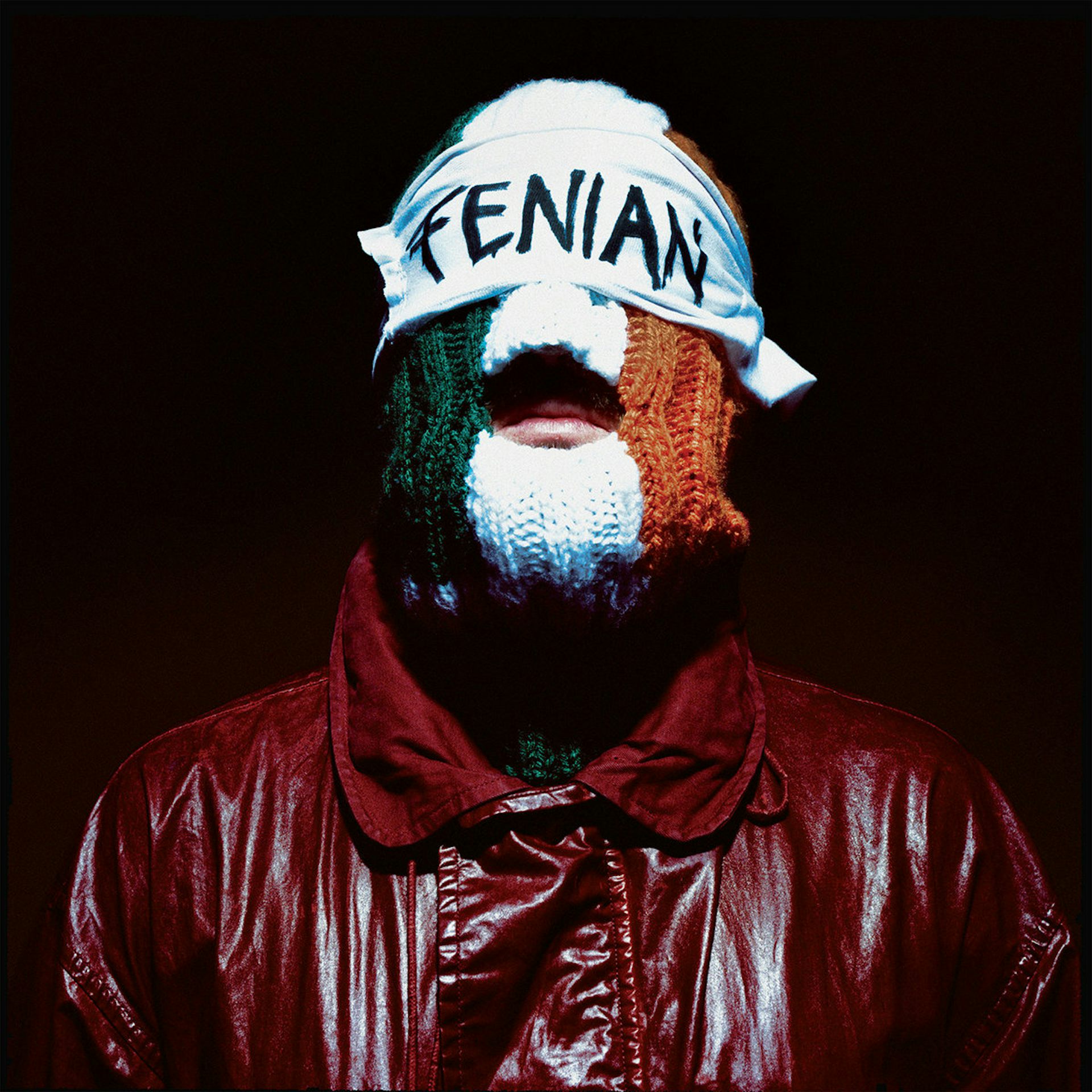
فينيان: التاريخ المناهض الأيرلندي الكامن وراء عنوان ألبوم Kneecap الجديد المتحدي
Fenian: the anti-Irish history behind Kneecap’s defiant new album title