تحرك تيار الخليج فجأة شمالاً خلال موجة برد قديمة – وهو إنذار لمستقبلنا
The Gulf Stream suddenly moved north during an ancient cold snap – and it’s a warning for our future
New evidence shows a major climate shift ‘within a lifetime’ 13,000 years ago.
تُظهر أدلة جديدة تحولاً مناخياً كبيراً “في غضون فترة حياة” قبل 13,000 سنة.
Around 13,000 years ago, as the world was emerging from the grip of the last ice age, much of the North Atlantic region plunged back into near-glacial conditions.
منذ حوالي ١٣٠٠٠ سنة، وبينما كان العالم يخرج من قبضة آخر عصر جليدي، غاصت معظم منطقة شمال الأطلسي مرة أخرى في ظروف شبه جليدية.
Sea ice expanded across the North Atlantic, reaching as far south as the Shetland Islands. Glaciers began to regrow in the Scottish Highlands, while winter temperatures across Europe and North America plummeted. Yet off the coast of Atlantic Canada, the ocean did the opposite.
توسع الجليد البحري عبر شمال الأطلسي، ووصل إلى جنوب بعيد يصل إلى جزر شيتلاند. وبدأت الأنهار الجليدية في التجدد في مرتفعات اسكتلندا، بينما انخفضت درجات حرارة الشتاء في جميع أنحاء أوروبا وأمريكا الشمالية بشكل حاد. ومع ذلك، قبالة سواحل كندا الأطلسية، فعل المحيط العكس تماماً.
In our new study, published in the journal Nature Communications, we found evidence that waters off Nova Scotia, Canada, warmed as the Gulf Stream shifted hundreds of kilometres northward, while deep circulation also changed.
في دراستنا الجديدة، المنشورة في مجلة Nature Communications، وجدنا دليلاً على أن المياه قبالة نوفا سكوشا بكندا قد دفأت مع تحول تيار الخليج مئات الكيلومترات شمالاً، بينما تغير أيضاً الدوران العميق.
It is the first direct evidence that this vital current responded in such a way during a period of abrupt climate change that rearranged Atlantic Ocean circulation.
إنه أول دليل مباشر على أن هذا التيار الحيوي استجاب بهذه الطريقة خلال فترة من التغير المناخي المفاجئ الذي أعاد ترتيب دوران المحيط الأطلسي.
The finding lends support to the climate models that predict a similar northward shift in the future if the Atlantic Meridional Overturning Circulation (Amoc) weakens – a trend that has probably already begun.
تدعم هذه النتيجة نماذج المناخ التي تتنبأ بتحول مماثل شمالاً في المستقبل إذا ضعف الدوران الاستوائي العرضي الأطلسي (Amoc) – وهو اتجاه ربما بدأ بالفعل.
Why the Gulf Stream matters
ما أهمية تيار الخليج
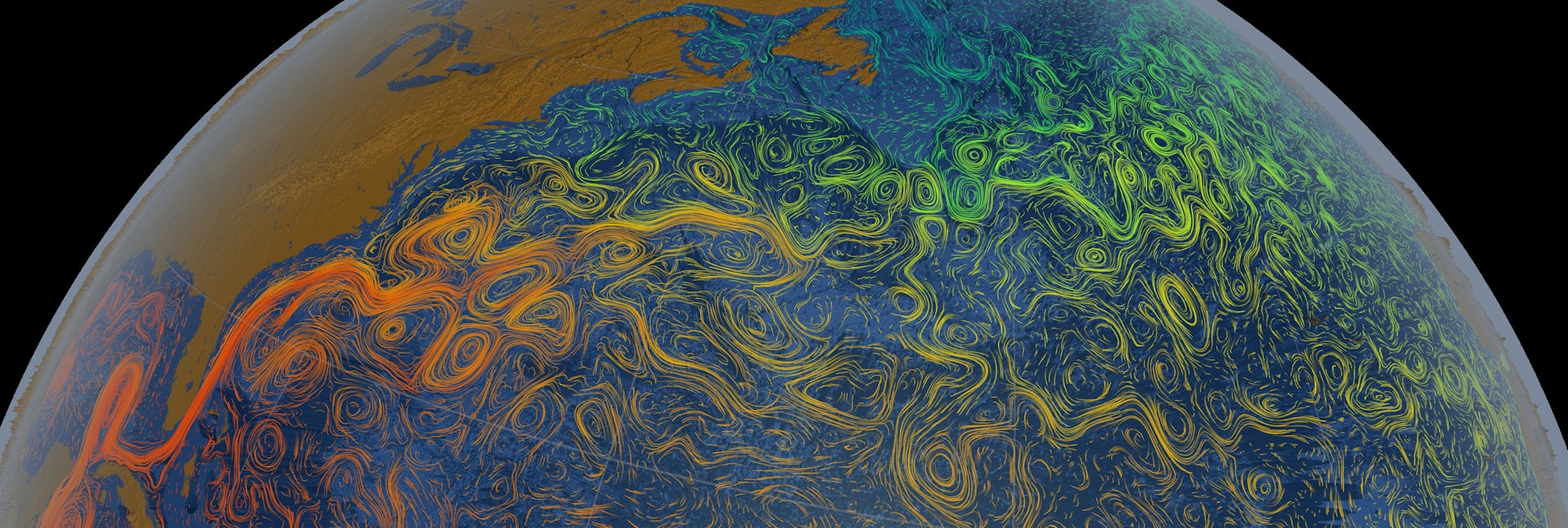
The Gulf Stream transports warm tropical waters northwards along the eastern coast of North America before turning north-east towards Europe. In doing so, it forms part of the Amoc, a vast system of ocean currents that redistributes heat, nutrients and carbon around the Atlantic Ocean. Consequently, the Amoc plays a major role in regulating the climate. In particular, the northern arm of the Gulf Stream helps keep western Europe much milder than other regions at similar latitudes.
ينقل تيار الخليج المياه الاستوائية الدافئة شمالاً على طول الساحل الشرقي لأمريكا الشمالية قبل أن ينعطف باتجاه الشمال الشرقي نحو أوروبا. وبذلك، يشكل جزءًا من الدوران الأطلسي للمحيط (Amoc) ، وهو نظام شاسع من التيارات المحيطية يعيد توزيع الحرارة والمغذيات والكربون حول المحيط الأطلسي. ونتيجة لذلك، يلعب هذا الدوران دوراً رئيسياً في تنظيم المناخ. وعلى وجه الخصوص، يساعد الذراع الشمالي لتيار الخليج على أن تبقى أوروبا الغربية أكثر اعتدالاً بكثير من المناطق الأخرى ذات خطوط العرض المماثلة.

Scientists are increasingly concerned about the future of this circulation system. As the climate warms and extra freshwater (from melting ice) enters the North Atlantic, surface waters become less dense and therefore less able to sink. Most climate models project that these changes weaken the Amoc. Observations suggest that this weakening has already begun, but it is predicted to weaken much more as the 21st century progresses. However, direct evidence showing how the system responds to such major disruptions remains relatively limited.
يُبدي العلماء قلقاً متزايداً بشأن مستقبل نظام الدوران هذا. فمع ارتفاع المناخ ودخول المياه العذبة الإضافية (من ذوبان الجليد) إلى شمال الأطلسي، تصبح مياه السطح أقل كثافة وبالتالي تقل قدرتها على الهبوط. وتتوقع معظم نماذج المناخ أن تؤدي هذه التغيرات إلى إضعاف الدوران الأطلسي للمحيط (Amoc) . وتشير الملاحظات إلى أن هذا الوهن قد بدأ بالفعل، ولكن من المتوقع أن يضعف أكثر مع تقدم القرن الحادي والعشرين. ومع ذلك، لا تزال الأدلة المباشرة التي توضح كيف يستجيب النظام لمثل هذه الاضطرابات الكبرى محدودة نسبياً.
To answer that question, paleoceanographers like us turn to the past.
للإجابة على هذا السؤال، يعود علماء المحيطات القديمة مثلنا إلى الماضي.
A natural experiment from the end of the last ice age
تجربة طبيعية من نهاية العصر الجليدي الأخير
The Younger Dryas was one of the most dramatic episodes of abrupt climate change in Earth’s recent history. As the planet emerged from the last ice age, warming trends across much of the North Atlantic region abruptly reversed. European summer temperatures declined by around 4°C–8°C in less than a century, while Greenland cooled by up to 10°C within just a few decades. The effects rippled far beyond the North Atlantic, weakening monsoon systems across Africa and Asia.
كان “العصر الجليدي الأصغر” (Younger Dryas) أحد أكثر الحلقات الدرامية لتغير المناخ المفاجئ في التاريخ الحديث للأرض. فمع خروج الكوكب من العصر الجليدي الأخير، انعكست الاتجاهات الاحترارية عبر معظم منطقة شمال الأطلسي بشكل مفاجئ. فقد انخفضت درجات حرارة الصيف الأوروبية بما يتراوح بين 4 و 8 درجات مئوية في أقل من قرن، بينما برد غرينلاند بما يصل إلى 10 درجات مئوية خلال بضعة عقود فقط. وتجاوزت آثار ذلك منطقة شمال الأطلسي بكثير، مما أضعف أنظمة الرياح الموسمية عبر أفريقيا وآسيا.
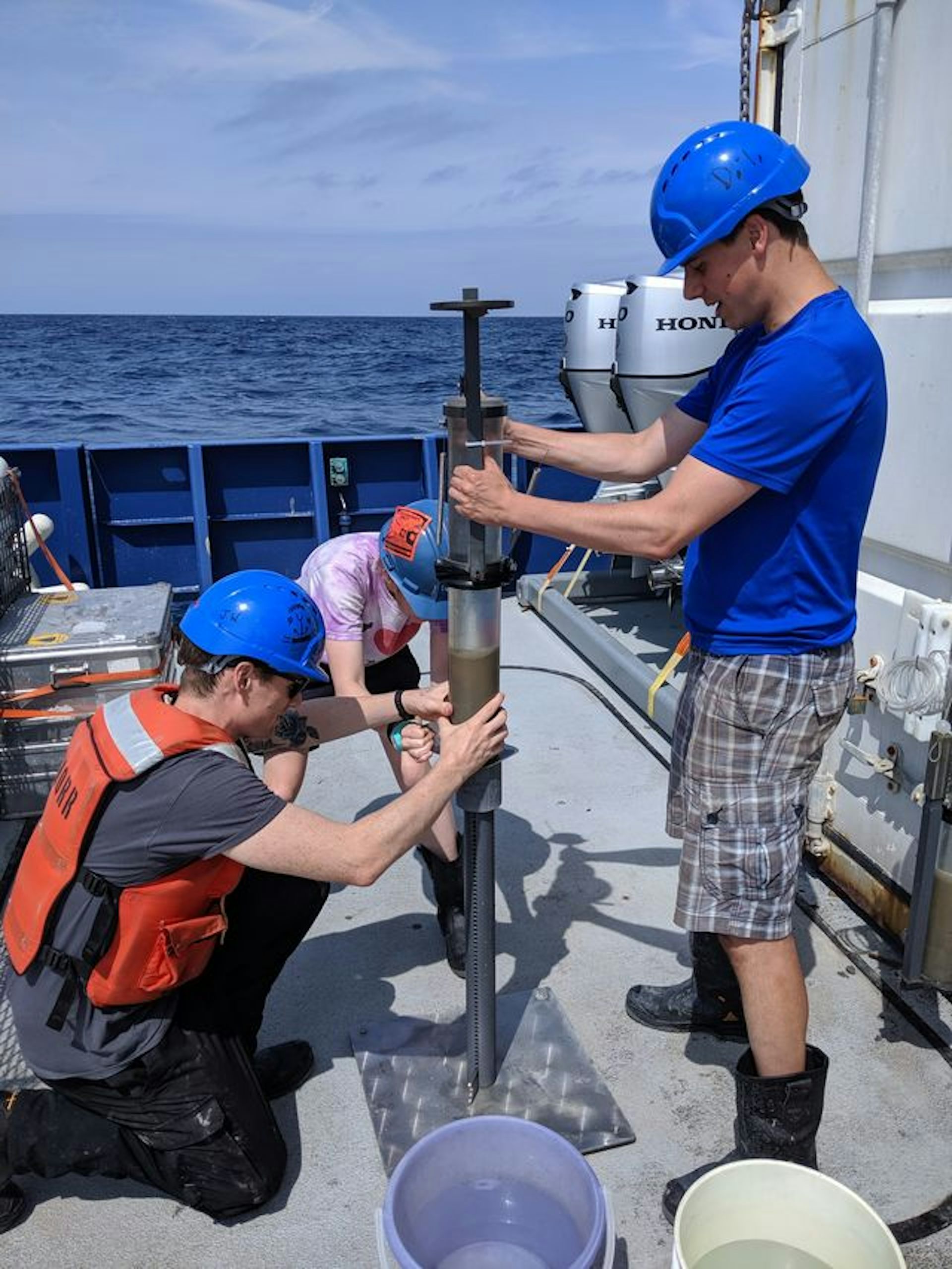
To understand how the ocean responded, we analysed sediment extracted from the seabed off Nova Scotia. Microscopic fossil shells and sediment grains preserved within this marine mud can reveal what the sea would have been like at the time it formed. We then reconstructed changes in both surface and deep Atlantic circulation before, during, and after the Younger Dryas.
لفهم كيفية استجابة المحيط، قمنا بتحليل الرواسب المستخلصة من قاع البحر قبالة نوفا سكوشا. يمكن أن تكشف الأصداف المتحجرة المجهرية وحبيبات الرواسب المحفوظة ضمن هذا الطين البحري عما كانت عليه حالة البحر في وقت تشكّله. ثم أعدنا بناء التغيرات في كل من الدوران السطحي والعميق في الأطلسي قبل وأثناء وبعد العصر الجليدي الأصغر.
An unexpected warming signal
إشارة احترار غير متوقعة
What we found surprised us. While Greenland and much of the subpolar North Atlantic cooled rapidly, waters off Atlantic Canada warmed instead, by as much as 4°C–5°C.
ما وجدناه فاجأنا. فبينما بردت جرينلاند ومعظم شمال الأطلسي تحت القطبي بسرعة، أظهرت المياه قبالة سواحل كندا الأطلسية ارتفاعاً في درجة الحرارة بدلاً من ذلك، بما يصل إلى 4-5 درجات مئوية.
The most likely explanation is that the Gulf Stream migrated northwards, bringing warm subtropical waters closer to the Canadian coastline.
التفسير الأكثر ترجيحاً هو أن تيار الخليج قد انتقل شمالاً، جارفاً معه مياه شبه استوائية دافئة أقرب إلى الساحل الكندي.
Previous climate-model simulations had predicted that a weakening of one of the Amoc’s deep currents could trigger exactly this response. Until now, however, there had been little direct geological evidence that it had happened before.
كانت محاكاة نماذج المناخ السابقة تتنبأ بأن ضعف أحد التيارات العميقة ضمن الدوران الأطلسي للمحيط (AMOC) يمكن أن يطلق بالضبط هذا الرد. ومع ذلك، لم يكن هناك حتى الآن دليل جيولوجي مباشر على حدوث ذلك من قبل.
Our study provides real-world evidence for a process that climate models have long proposed. That matters because it shows that large reorganisations of Atlantic circulation are not just theoretical possibilities – they have happened before.
تقدم دراستنا دليلاً واقعياً لعملية اقترحتها نماذج المناخ منذ فترة طويلة. وهذا أمر مهم لأنه يوضح أن إعادة التنظيمات الكبيرة للدوران الأطلسي ليست مجرد احتمالات نظرية – بل إنها حدثت في الماضي بالفعل.
What can the past tell us about the future?
ماذا يمكن أن يخبرنا الماضي عن المستقبل؟
No past climate event is a perfect analogue for modern climate change. The Younger Dryas occurred under very different conditions from today. Massive ice sheets still covered much of Canada and Scandinavia, and the sea level was tens of metres lower than at present.
لا يوجد حدث مناخي ماضٍ هو نظير مثالي للتغير المناخي الحديث. لقد وقع العصر الجليدي الأصغر (Younger Dryas) في ظل ظروف مختلفة جداً عن اليوم. كانت الصفائح الجليدية الضخمة تغطي جزءاً كبيراً من كندا وإسكندنافيا، وكان مستوى سطح البحر أقل بعشرات الأمتار مما هو عليه الآن.
Nevertheless, the physical links connecting the different components of the North Atlantic circulation system are likely to be the same.
ومع ذلك، فمن المحتمل أن تكون الروابط الفيزيائية التي تربط المكونات المختلفة لنظام الدوران في شمال الأطلسي هي نفسها.
Our study does not suggest that the Amoc completely collapsed during the Younger Dryas, nor does it tell us whether such a collapse is likely in the future. Instead, it reveals a more nuanced picture in which various components of the North Atlantic circulation system changed in different ways. Rather than producing a uniform response, this reorganisation created a patchwork of warming and cooling across the North Atlantic.
لا تقترح دراستنا أن نظام الدوران الأطلسي المُنخفض (AMOC) قد انهار بالكامل خلال العصر الجليدي الأصغر، ولا تخبرنا ما إذا كان من المحتمل حدوث مثل هذا الانهيار في المستقبل. بدلاً من ذلك، تكشف عن صورة أكثر دقة حيث تغيرت مكونات مختلفة من نظام الدوران في شمال الأطلسي بطرق متباينة. فبدلاً من أن ينتج استجابة موحدة، أحدث هذا التنظيم الجديد فسيفساء من الاحترار والتبريد عبر شمال الأطلسي.
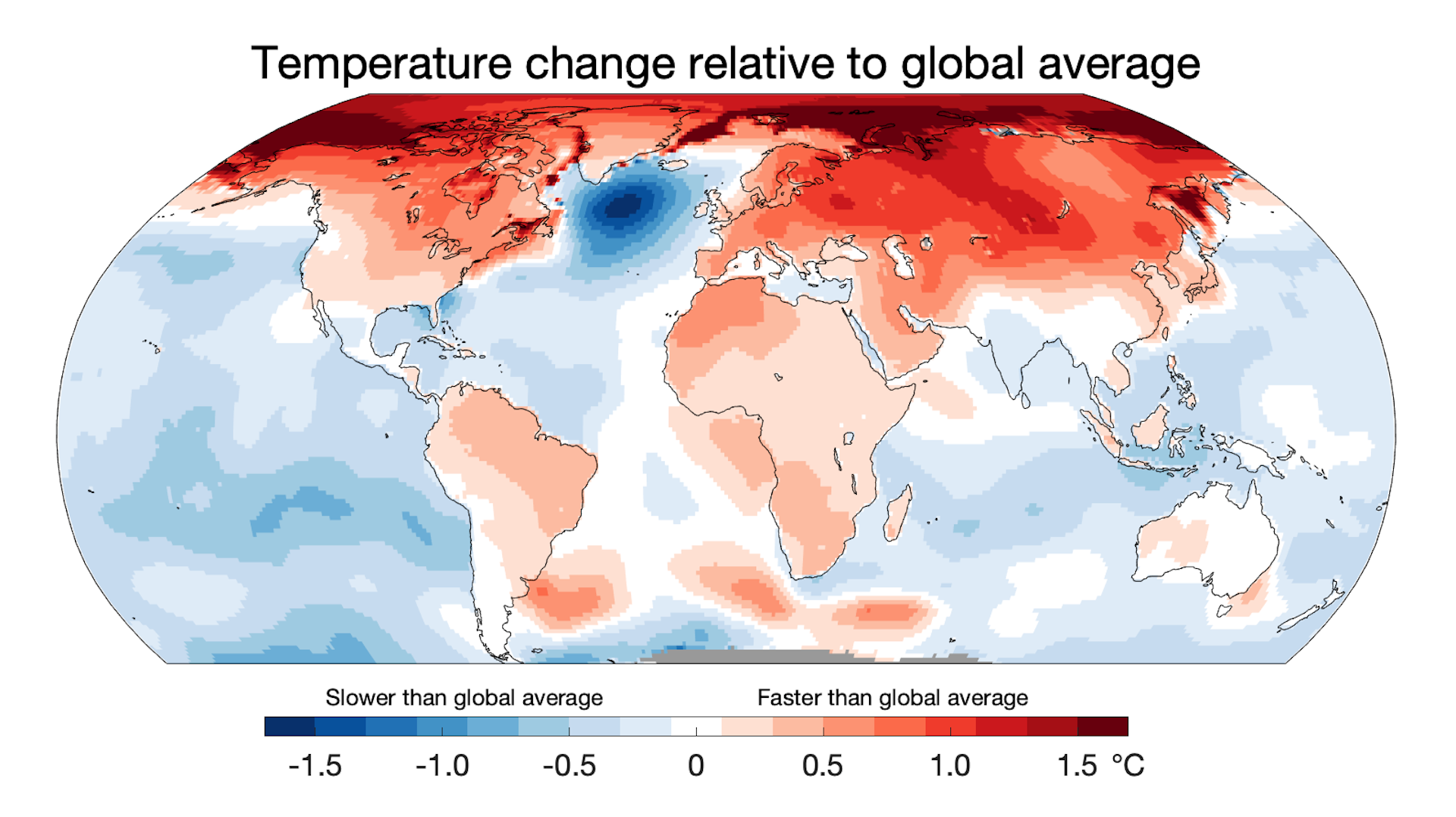
Similar patterns have also emerged over the last 150 years, with a relative “warming hole” developing in the ocean south of Greenland while regions closer to the Gulf Stream have warmed more rapidly. Our findings provide real-world evidence that these contrasting patterns are closely linked to changes in ocean circulation.
ظهرت أنماط مماثلة أيضاً على مدى الـ 150 عاماً الماضية، حيث تطور “ثقب احترار” نسبي في المحيط جنوب غرينلاند بينما سُخنت المناطق الأقرب إلى تيار الخليج بوتيرة أسرع. تقدم نتائجنا دليلاً واقعياً على أن هذه الأنماط المتناقضة مرتبطة ارتباطاً وثيقاً بالتغيرات في دوران المحيط.
Looking to the future, scientists are concerned that continued human-caused warming could trigger major changes in North Atlantic circulation, leading to shifts in ocean temperature patterns, which would disrupt weather and climate across the globe. Examining how the Atlantic behaved 13,000 years ago can help us recognise the warning signs of major changes before they happen again.
بالنظر إلى المستقبل، يشعر العلماء بالقلق من أن استمرار الاحترار الناتج عن النشاط البشري قد يؤدي إلى تغييرات كبرى في الدوران الأطلسي الشمالي، مما يتسبب في تحولات في أنماط درجة حرارة المحيط، الأمر الذي سيعطل الطقس والمناخ في جميع أنحاء العالم. يمكن أن يساعدنا فحص كيفية تصرف الأطلسي قبل 13,000 عام في التعرف على علامات التحذير من التغيرات الكبرى قبل أن تحدث مرة أخرى.
Critically, our study suggests that such reorganisations can unfold over about a century, with individual components of the circulation changing within just a few decades – within a human lifetime.
والأهم من ذلك، تشير دراستنا إلى أن مثل هذه التنظيمات الجديدة يمكن أن تتكشف على مدى حوالي قرن، مع تغير المكونات الفردية للدوران في غضون بضع عقود فقط – أي خلال فترة حياة الإنسان.
By showing how different parts of the Atlantic circulation interacted during a past episode of abrupt climate change, our findings provide an important benchmark for testing climate models. The deeper understanding we have gained into how the interconnected Atlantic system behaves will also help us with the very challenging task of developing early-warning systems for future circulation changes and potential climate tipping points.
من خلال إظهار كيفية تفاعل أجزاء مختلفة من الدوران الأطلسي خلال حقبة سابقة من التغير المناخي المفاجئ، تقدم نتائجنا معياراً هاماً لاختبار النماذج المناخية. كما أن الفهم الأعمق الذي اكتسبناه لكيفية تصرف النظام الأطلسي المترابط سيساعدنا أيضاً في المهمة الصعبة للغاية المتمثلة في تطوير أنظمة إنذار مبكر لتغيرات الدوران المستقبلية ونقاط التحول المناخي المحتملة.
Alice Carter-Champion receives funding from the Natural Environment Research Council (NERC) , the Royal Society’s project “Rethinking Palaeoclimate for Society” and the Leverhulme Trust.
تتلقى أليس كارتر-تشامبيون التمويل من المجلس الوطني للبحوث البيئية (NERC) ، ومشروع الجمعية الملكية “إعادة التفكير في المناخ القديم للمجتمع”، ووقف ليفرهولم.
Fangjingcheng Zhu receives funding from the INSPIRE NERC Doctoral Training Partnership and NERC project ReconAMOC.
يتلقى فانججينغتشينغ زو التمويل من شراكة التدريب للدكتوراه INSPIRE NERC ومشروع NERC الخاص بـ ReconAMOC.
Jack Wharton receives funding from the Natural Environmental Research Council (NERC) , the European Union’s Horizon Europe project EPOC, and the Advanced Research + Invention Agency (ARIA) project VERIFY.
يتلقى جاك وارتون التمويل من المجلس الوطني للبحوث البيئية (NERC) ، ومشروع أفق أوروبا للاتحاد الأوروبي EPOC، ومشروع وكالة البحوث والابتكار المتقدمة (ARIA) VERIFY.
Read more
-
يمكن أن تكون الزلازل مدمرة للمدن البعيدة المبنية فوق الأحواض – والآن نعرف السبب
Earthquakes can be destructive for distant cities built on top of basins – now we know why