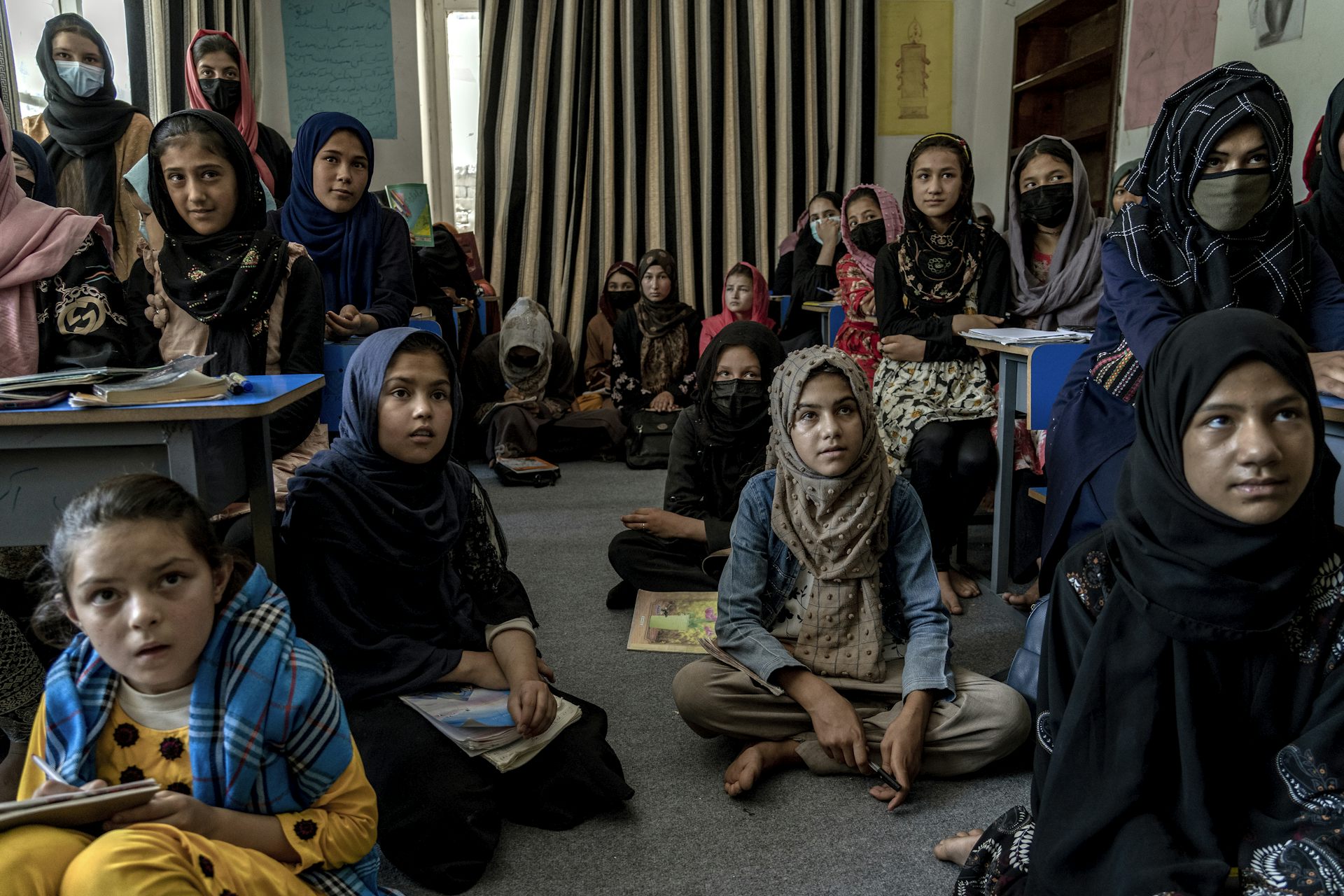
أزمة حقوق المرأة في أفغانستان هي كارثة إنسانية مستمرة
The women’s rights crisis in Afghanistan is an ongoing humanitarian calamity
What’s happening in Afghanistan is not simply gender discrimination; rather, it’s pushing an entire gender out of public systems altogether in a policy of gender apartheid by the ruling Taliban.
ما يحدث في أفغانستان ليس مجرد تمييز جنسي؛ بل إنه يدفع جنسًا بأكمله خارج الأنظمة العامة تمامًا في سياسة الفصل العنصري بين الجنسين من قبل طالبان الحاكم.
Where is one of worst places to be a woman? Afghanistan.
أين من أسوأ الأماكن أن تكون امرأة؟ أفغانستان.
That’s what most people think when it comes to the topic of the women’s rights crisis under the ruling Taliban in Afghanistan. But this only tells part of the story.
هذا ما يعتقده معظم الناس عندما يتعلق الأمر بمسألة أزمة حقوق المرأة تحت حكم طالبان الحاكم في أفغانستان. لكن هذا لا يروي سوى جزء من القصة.
Focusing on the word “rights” hides something more serious underneath: how people live and survive in this situation. What’s unfolding in Afghanistan is not just a women’s rights crisis, but a humanitarian disaster.
التركيز على كلمة “الحقوق” يخفي شيئًا أكثر خطورة تحتها: كيف يعيش الناس ويدّون في هذا الوضع. ما يتكشف في أفغانستان ليس مجرد أزمة حقوق للمرأة، بل هو كارثة إنسانية.
It affects how people access health care, education, food systems and basic supports and whether these system can function at all when half the population has been systematically removed from them. It forces families to deal with women’s limited access to work and services, often pushing households into deeper economic and social vulnerability.
إن ذلك يؤثر على كيفية وصول الناس إلى الرعاية الصحية والتعليم وأنظمة الغذاء والدعم الأساسي، وما إذا كان بإمكان هذه الأنظمة أن تعمل على الإطلاق عندما تم إزالة نصف السكان منهم بشكل منهجي. إنه يجبر العائلات على التعامل مع الوصول المحدود للنساء إلى العمل والخدمات، مما يدفع الأسر غالبًا إلى ضعف اقتصادي واجتماعي أعمق.
The Taliban has steadily removed women from public spaces including work, health care and education. Recently, for example, female health-care workers were stopped at the gates of a United Nations office and banned from entering the facility by Taliban authorities.
لقد أزال طالبان النساء تدريجياً من الأماكن العامة بما في ذلك العمل والرعاية الصحية والتعليم. على سبيل المثال، مؤخراً، تم إيقاف عاملات الرعاية الصحية الإناث عند بوابات مكتب الأمم المتحدة وحظرهن من دخول المنشأة من قبل سلطات طالبان.
These ongoing removals are incrementally creating a system that determines who has the right to exist, to provide assistance and to receive assistance.
هذه الإزالات المستمرة تخلق بشكل تدريجي نظامًا يحدد من له الحق في الوجود، وتقديم المساعدة، وتلقي المساعدة.
What’s happening in Afghanistan is not simply gender discrimination; rather, it’s pushing an entire gender out of public systems altogether. The predicament of Afghan women is less a social problem and more a structural crisis that shapes institutions and everyday life.
ما يحدث في أفغانستان ليس مجرد تمييز جنسي؛ بل هو دفع جنس بأكمله خارج الأنظمة العامة تمامًا. إن مأزق النساء الأفغانيات ليس مجرد مشكلة اجتماعية بل هو أزمة هيكلية تشكّل المؤسسات والحياة اليومية.
Gender apartheid
التمييز الجنسي (أبارتيد)
This is why the situation in Afghanistan is increasingly referred to as a form of gender apartheid rather than a women’s rights crisis. The exclusion of women reveals how institutions are built and will be maintained in the future.
هذا هو السبب في أن الوضع في أفغانستان يُشار إليه بشكل متزايد كشكل من أشكال الفصل بين الجنسين بدلاً من أزمة حقوق المرأة. يكشف استبعاد النساء كيف تُبنى المؤسسات وكيف سيتم الحفاظ عليها في المستقبل.
Gender apartheid refers to a situation in which people are banned from certain spaces or activities based on their gender identity.
يشير الفصل بين الجنسين إلى وضع يتم فيه حظر الأشخاص من أماكن أو أنشطة معينة بناءً على هويتهم الجندرية.
This discriminatory and violent practice in Afghanistan has been widely documented and heavily reported on, but the situation continues to deteriorate daily.
لقد تم توثيق هذه الممارسة التمييزية والعنيفة في أفغانستان على نطاق واسع وتم الإبلاغ عنها بكثافة، ولكن الوضع يستمر في التدهور يوميًا.
Its effects are also accumulative, with each restriction reinforcing others and deepening the overall crisis. These systemic rights violations would be increasingly difficult to reverse even if political bodies and the ruling government changed tomorrow.
آثارها تراكمية أيضًا، حيث يعزز كل تقييد الآخر ويفاقم الأزمة العامة. ستصبح انتهاكات الحقوق المنهجية هذه أكثر صعوبة في التراجع حتى لو تغيرت الهيئات السياسية والحكومة الحاكمة غدًا.
That’s because removing women from professional spaces leads to schools losing teachers, hospitals losing trained staff and aid networks losing access to half the population. And this loss isn’t temporary; it limits how systems can respond to the growing needs around them.
ذلك لأن إبعاد النساء عن الأماكن المهنية يؤدي إلى فقدان المدارس للمعلمين، والمستشفيات لفقدان الموظفين المدربين، وشبكات المساعدات لفقدان الوصول إلى نصف السكان. وهذا الفقد ليس مؤقتًا؛ فهو يحد من قدرة الأنظمة على الاستجابة للاحتياجات المتزايدة من حولها.
When women get barred from institutions, the problem isn’t just that these organizations suffer in their service delivery and performance. It also results in the loss of institutional memory — the skills, professional knowledge and experience that is no longer transferred to future generations.
عندما يُحرم النساء من المؤسسات، فإن المشكلة ليست فقط أن هذه المنظمات تعاني في تقديم الخدمات وأدائها. بل ينتج عنها أيضًا فقدان الذاكرة المؤسسية — المهارات والمعرفة والخبرة المهنية التي لم تعد تُنقل إلى الأجيال القادمة.
Over time, institutions also scale down or suspend certain services due to a shortage of female workers. As services shrink, significant gaps appear in the networks of care and support leaving entire groups of people without consistent access to support.
مع مرور الوقت، تقوم المؤسسات أيضًا بتخفيض أو تعليق بعض الخدمات بسبب نقص العمالة الأنثوية. ومع انكماش الخدمات، تظهر فجوات كبيرة في شبكات الرعاية والدعم، تاركة مجموعات بأكملها من الناس دون وصول ثابت إلى الدعم.
Blocking aid and support
عرقلة المساعدات والدعم
The Taliban refusal to allow female workers into UN and UNICEF offices is one of many examples happening today in Afghanistan that ban qualified women from entering places where they can deliver urgent care and assistance.
إن رفض طالبان السماح للعاملات من النساء بالدخول إلى مكاتب الأمم المتحدة وصندوق الأمم المتحدة للطفولة هو أحد الأمثلة العديدة التي تحدث اليوم في أفغانستان والتي تحظر على النساء المؤهلات دخول الأماكن التي يمكنهن من تقديم الرعاية والمساعدة العاجلة.
This effective crackdown on women’s rights is blocking aid and support in a society where it’s desperately needed.
هذا القمع الفعال لحقوق المرأة يعرقل المساعدات والدعم في مجتمع تكون فيه هذه المساعدات ضرورية بشكل يائس.
Male workers are also limited in the ways they can assist female patients due to Taliban gender norms and restrictions, so support for women cannot be simply reassigned to them. This affects several aspects of humanitarian aid including health care, food distribution and protection systems.
يتم أيضًا تقييد العاملين الذكور في الطرق التي يمكنهم من خلالها مساعدة المرضى الإناث بسبب الأعراف والقيود الجندرية لطالبان، لذا لا يمكن ببساطة إعادة توجيه الدعم للنساء إليهم. وهذا يؤثر على جوانب متعددة من المساعدات الإنسانية بما في ذلك الرعاية الصحية وتوزيع الغذاء وأنظمة الحماية.
It also delegates the burden of these unmet needs into households where women must provide unpaid labour and care-giving responsibilities.
كما أنه ينقل عبء هذه الاحتياجات غير الملباة إلى الأسر حيث يجب على النساء توفير العمل والرعاية غير المأجورة.
Taliban rule consequently delays or prevents life-saving interventions for women and children, a violation of the human right to survive.
وبناءً على ذلك، فإن حكم طالبان يؤخر أو يمنع التدخلات المنقذة للحياة للنساء والأطفال، وهو انتهاك للحق الإنساني في البقاء على قيد الحياة.
It’s not just UN and UNICEF offices where women workers are banned from entry: they’re being turned away at other aid organizations, hospitals, schools and various public institutions in a widespread erosion of human rights. The Taliban has put in place a network of human rights violations across the entire humanitarian system.
ليس فقط مكاتب الأمم المتحدة وصندوق الأمم المتحدة للطفولة حيث يُحظر على العاملات دخول: بل يتم رفضهن في المنظمات الإغاثية والمستشفيات والمدارس والمؤسسات العامة المختلفة في تآكل واسع النطاق لحقوق الإنسان. لقد وضعت طالبان شبكة من انتهاكات حقوق الإنسان عبر النظام الإنساني بأكمله.
Humanitarian aid also depends on access to information and correct data: who is hungry, who is unsafe and who needs protection. In Afghanistan, where women are limited in who they can interact with and where female staff are largely absent from outreach, surveys and home visits, this information becomes incomplete.
وتعتمد المساعدات الإنسانية أيضًا على الوصول إلى المعلومات والبيانات الصحيحة: من هو الجائع، ومن هو غير الآمن، ومن يحتاج إلى الحماية. في أفغانستان، حيث تكون النساء مقيدات فيما يمكنهن التفاعل معه وحيث تغيب الموظفات الإناث إلى حد كبير عن التوعية والمسوحات والزيارات المنزلية، تصبح هذه المعلومات غير مكتملة.
Poor data leads to incomplete distribution of assistance and mismatched allocation of aid. As a result, the most vulnerable populations can remain invisible in official assessments.
تؤدي البيانات الضعيفة إلى توزيع غير مكتمل للمساعدة وتخصيص غير متطابق للمساعدات. ونتيجة لذلك، يمكن أن تظل الفئات الأكثر ضعفاً غير مرئية في التقييمات الرسمية.
This invisibility especially affects households headed by women and those living in remote or rural areas with already limited access.
هذا الغياب عن الرؤية يؤثر بشكل خاص على الأسر التي ترأسها النساء وأولئك الذين يعيشون في المناطق النائية أو الريفية الذين لديهم بالفعل وصول محدود.
Normalizing crises
تطبيع الأزمات
The impact of Aghanistan’s gender apartheid might not be visible to many outside the country, but in the near future, humanitarian systems will break down.
قد لا يكون تأثير الفصل العنصري الجندري في أفغانستان مرئيًا للكثيرين خارج البلاد، ولكن في المستقبل القريب، ستنهار الأنظمة الإنسانية.
Future generations of female professionals have already been eliminated by the Taliban’s ban of girls from schools.
لقد تم بالفعل استبعاد الأجيال القادمة من المهنيات من قبل حظر طالبان للفتيات من المدارس.
UNICEF estimates the ban could cost Afghanistan 25,000 teachers and health-care workers. In a country where women are prohibited from receiving care from male providers, banning women from both education and health-care work creates a profound medical emergency.
تُقدّر اليونيسف أن هذا الحظر قد يكلف أفغانستان 25,000 معلم وعامل رعاية صحية. في بلد يُحظر فيه عن النساء تلقي الرعاية من مقدمي الرعاية الذكور، فإن حظر النساء من التعليم والرعاية الصحية يخلق حالة طوارئ طبية عميقة.
Over time, systems will be redesigned without women as providers even as they remain central as recipients. As gender restrictions disrupt the flow of resources, knowledge and care, the capacity to deliver services is declining every day despite high demand. Many women are also pushed into informal or hidden work that is insecure and vulnerable to exploitation and abuse.
مع مرور الوقت، سيتم إعادة تصميم الأنظمة دون النساء كمقدمات للخدمات حتى وإن بقين في مركزها كمستقبلات. مع تعطيل القيود الجندرية لتدفق الموارد والمعرفة والرعاية، تتناقص القدرة على تقديم الخدمات كل يوم على الرغم من الطلب المرتفع. كما يتم دفع العديد من النساء إلى عمل غير رسمي أو مخفي غير آمن وعرضة للاستغلال والاعتداء.
Gender apartheid in Afghanistan will not end through recognition alone. Naming systemic terror does not stop it and, without action, repeated exposure to crisis can instead normalize it through compassion fatigue. Humanitarian organizations now face a stark choice: operate under restrictive conditions and risk legitimizing them, or withdraw and leave people without support.
لن ينتهي الفصل العنصري الجندري في أفغانستان بمجرد الاعتراف به. تسمية الإرهاب المنهجي لا توقفه، وبدون عمل، يمكن أن يؤدي التعرض المتكرر للأزمة بدلاً من ذلك إلى تطبيعها من خلال إجهاد التعاطف. تواجه المنظمات الإنسانية الآن خيارًا صارمًا: العمل في ظل ظروف مقيدة والمخاطرة بإضفاء الشرعية عليها، أو الانسحاب وترك الناس دون دعم.
The longer the situation persists, the more the exclusion of women in Afghanistan risks becoming a normalized structure rather than an emergency. The question is no longer only how to restore what’s been lost, but whether systems once dependent on women’s participation can be rebuilt at all.
كلما طالت المدة التي تستمر فيها الأوضاع، زاد خطر تحول استبعاد النساء في أفغانستان إلى هيكل مُطَبَّع بدلاً من كونه حالة طوارئ. السؤال لم يعد يتعلق فقط بكيفية استعادة ما فُقد، بل بمدى إمكانية إعادة بناء الأنظمة التي كانت تعتمد في السابق على مشاركة النساء.
Sepita Hatami does not work for, consult, own shares in or receive funding from any company or organisation that would benefit from this article, and has disclosed no relevant affiliations beyond their academic appointment.
لا تعمل سيبتا حتامي، ولا تستشير، ولا تمتلك أسهمًا في، ولا تتلقى تمويلًا من أي شركة أو منظمة ستستفيد من هذه المقالة، ولم تكشف عن أي انتماءات ذات صلة تتجاوز منصبها الأكاديمي.
Read more
-
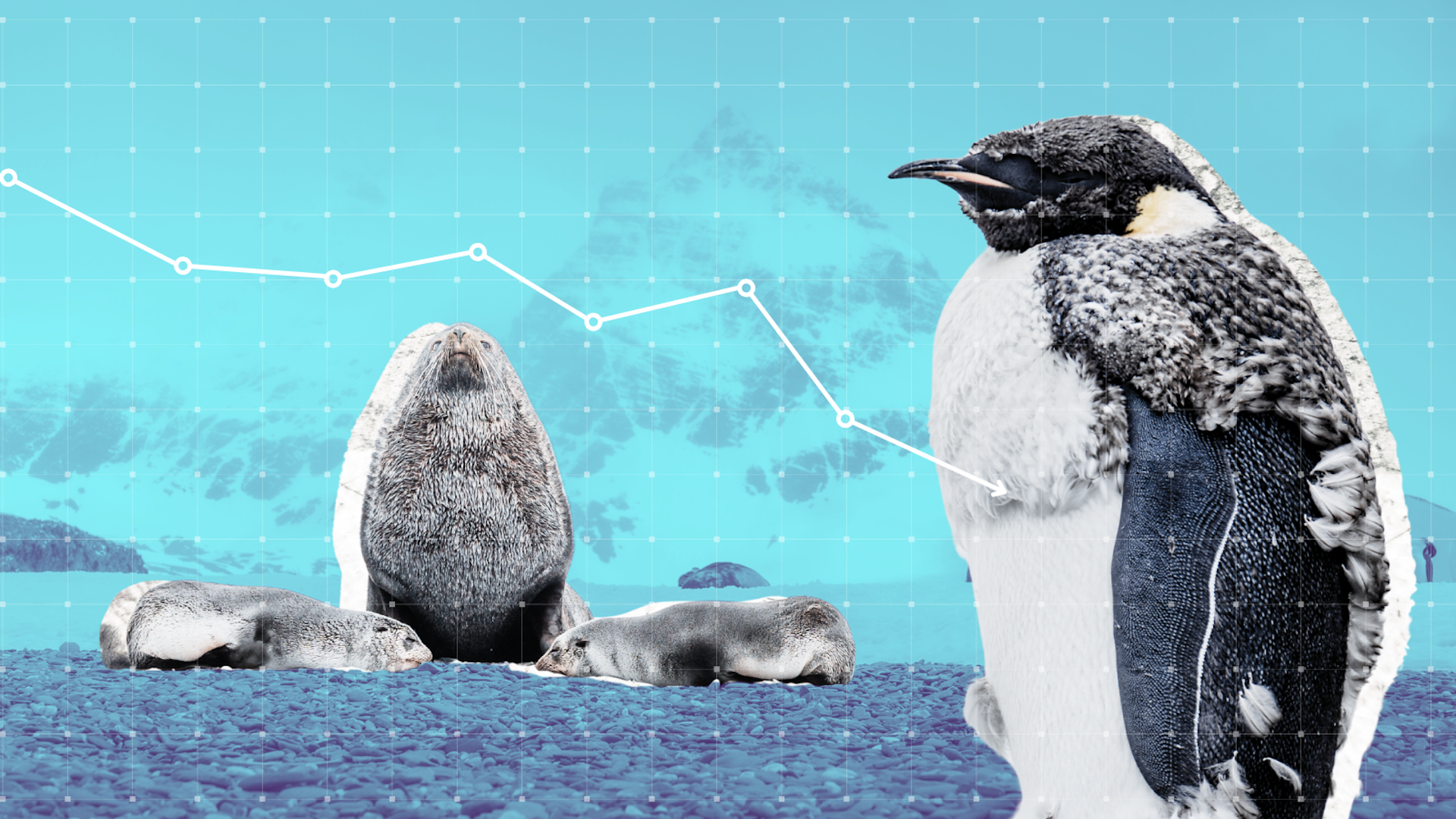
أصبح طائر البطريق الإمبراطوري المحبوب والفقمة ذات الفراء القطبية الجنوبية مهددين بالانقراض رسميًا. وإليك ما يمكن فعله
The beloved emperor penguin and Antarctic fur seal are now officially endangered. Here’s what can be done
-
كانت محادثات إسلام أباد محكومة بالفشل – وألقى الحصار في هرمز عقبة أخرى أمام أي صفقة إيرانية أمريكية.
The Islamabad talks were doomed to failure – and Hormuz blockade has thrown another obstacle to any Iran-US deal