
يجسد هيو جاكمان شخصية روبن هود بشكل شرير – وهي مقاربة سيئة التوقيت لبطل الفقراء.
Hugh Jackman plays Robin Hood as wicked – it’s a badly timed take on the hero of the poor
Who was the ‘real’ Robin Hood – community champion or violent criminal? Those in power and the people who shared his tales in pubs have long disagreed.
من هو “روبن هود” الحقيقي – بطل المجتمع أم مجرم عنيف؟ لطالما اختلف أصحاب السلطة والأشخاص الذين شاركوا قصصه في الحانات حول هذا الأمر.
Robin Hood plays should be banned, wrote an advisor to King Henry VIII in 1536 – they were, he argued, teaching the public how to defy the king’s officers. It was basically the medieval equivalent of claiming video games make kids violent, part of a longstanding movement to ban performances and tales of Robin Hood. This hero was really a villain, these medieval campaigners complained.
يجب حظر مسرحيات روبن هود، كتب مستشار للملك هنري الثامن عام 1536؛ فقد كانت تُعلّم الجمهور كيفية تحدي ضباط الملك، كما جادل. كان هذا في الأساس المكافئ في العصور الوسطى لادعاء أن ألعاب الفيديو تجعل الأطفال عنيفين، وهو جزء من حركة طويلة الأمد لحظر عروض وحكايات روبن هود. اشتكى المنظمون في تلك الحقبة من أن هذا البطل كان شريرًا حقًا.
A new film out tomorrow, The Death of Robin Hood, echoes this claim. Set in the far north of England in the year 1247, the film sees a wounded Robin Hood (Hugh Jackman) , a “wicked and murderous bandit”, reflect on his life of crime. “He was no hero,” claims the film’s tagline.
فيلم جديد سيُعرض غدًا، بعنوان “موت روبن هود”، يتردد صداه مع هذا الادعاء. تدور أحداث الفيلم في شمال إنجلترا البعيد عام 1247، ويُصوّر روبن هود الجريح (هيو جاكمان) ، الذي يوصف بأنه “لص شرير ومجرم”، وهو يتأمل حياة الجريمة التي عاشها. يزعم الشعار المصاحب للفيلم: “لم يكن بطلاً.”
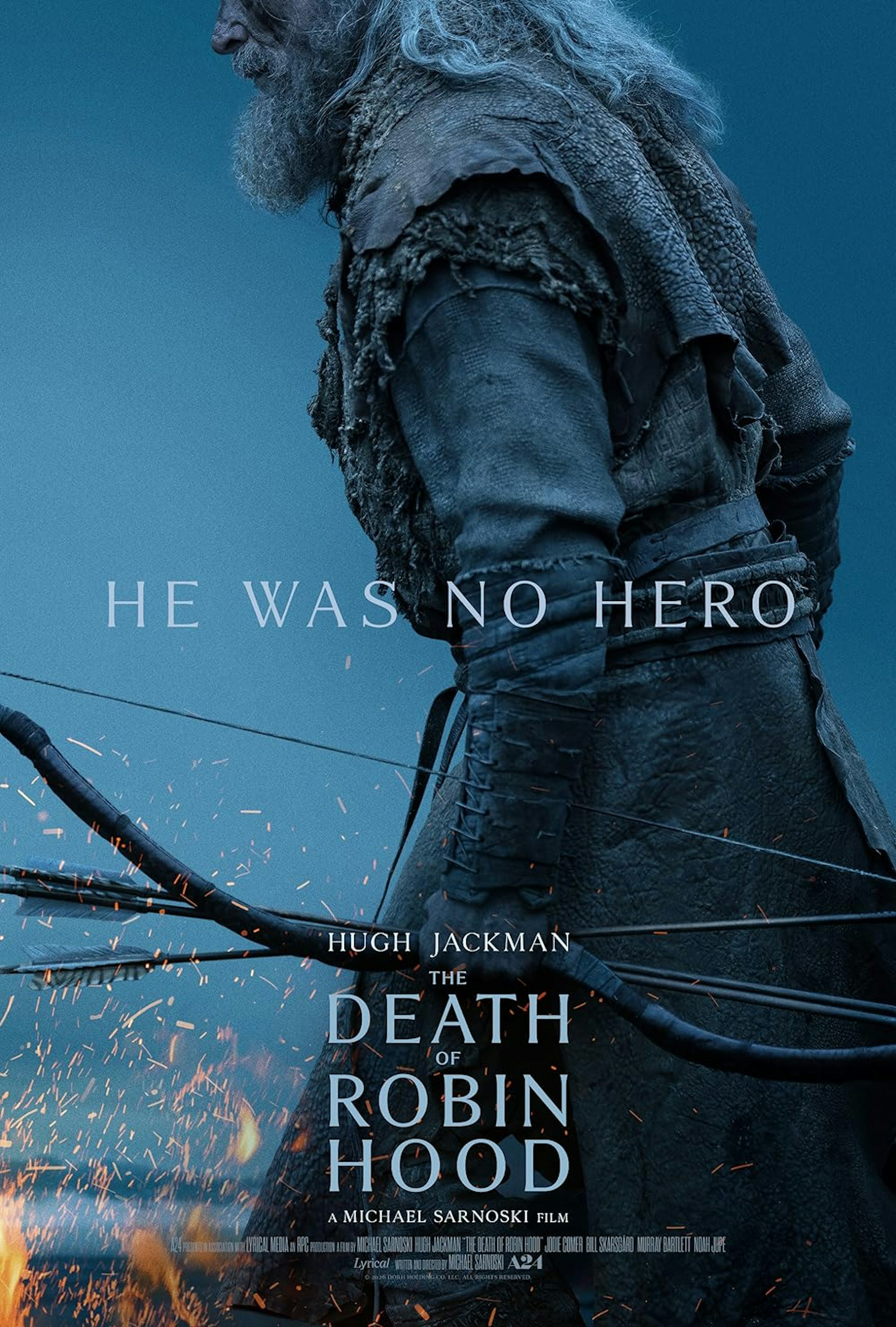
But in our time of cost-of-living crises and rising authoritarianism, do we need a villainous Robin Hood? One Reddit comment summed it up nicely: “Not sure I love the idea of tearing down a folk hero who fought against wealth inequality and greed from upper classes in the current era we’re in. Feels pretty tone deaf.”
ولكن في عصرنا من أزمات تكاليف المعيشة وتصاعد الاستبداد، هل نحتاج إلى روبن هود الشرير؟ لخص تعليق على موقع ريديت الأمر بشكل جيد: “لست متأكدًا أنني أحب فكرة تقويض بطل شعبي حارب عدم المساواة في الثروة والجشع من الطبقات العليا في العصر الحالي الذي نعيش فيه. يبدو ذلك غير حساس للغاية.”
The optics aren’t great. This hero-to-villain recasting comes in the wake of Jackman’s performance at Rupert Murdoch’s 95th birthday earlier this year, attended by members of the Trump family.
المنظر العام ليس جيدًا. يأتي هذا التحول من بطل إلى شرير في أعقاب أداء جاكمان في عيد ميلاد روبرت ميردوك الخامس والتسعين في وقت سابق من هذا العام، والذي حضره أعضاء عائلة ترامب.
But do the film’s claims about Robin Hood’s villainous origins even stack up? What is the truth behind the legend?
ولكن هل ادعاءات الفيلم حول الأصول الشريرة لروبن هود قائمة على أساس متين؟ ما هي الحقيقة وراء هذه الأسطورة؟
The history of Robin Hood
تاريخ روبن هود
We first see literary references to Robin Hood in the 1370s, when poet William Langland wrote that rhymes and romances of Robin Hood were shared in taverns. Soon after, around 1405, a literary commentary on the Ten Commandments, framed as a conversation between a rich man and a poor man, complained that people would rather go to the pub to hear a tale of Robin Hood than attend church services.
ظهرت أولى الإشارات الأدبية إلى روبن هود في سبعينيات القرن الرابع عشر، عندما كتب الشاعر ويليام لانجلاند أن الأغاني والروايات عن روبن هود كانت تُروى في الحانات. وبعد فترة وجيزة، حوالي عام 1405، اشتكى تعليق أدبي على الوصايا العشر، صيغ كمحادثة بين رجل غني ورجل فقير، من أن الناس يفضلون الذهاب إلى الحانة لسماع حكاية عن روبن هود بدلاً من حضور خدمات الكنيسة.
The earliest known Robin Hood narrative survives within a critical source that rubbishes Robin’s popular appeal: Scotichronicon, compiled in the 1440s by Scottish abbot Walter Bower. The chronicle was a rejection of English claims over Scottish sovereignty. Bower emphasised both the piety of the Scottish church and the periods of violence regularly breaking out across the border.
يوجد أقدم سرد معروف لروبن هود ضمن مصدر نقدي يشكك في جاذبية روبن الشعبية: “سكوتيكرونيكون” (Scotichronicon) ، الذي جمعه الأب الإسكتلندي والتر باور في الأربعينيات من القرن الخامس عشر. كان هذا السجل بمثابة رفض للمطالبات الإنجليزية بالسيادة على اسكتلندا. أكد باور على كل من تقوى الكنيسة الاسكتلندية وفترات العنف التي كانت تندلع بانتظام عبر الحدود.
He estimated that the Robin Hood myth originated during the Second Barons’ War (1264-67) , in which the forces of Henry III and Simon de Montfort, Earl of Leicester, battled for control over England. Bower imagined Robin was one of the many disinherited soldiers who ravished the country following de Montfort’s defeat in 1265, placing him among those who stole crops and looted churches to make their living:
وقدر أن أسطورة روبن هود نشأت خلال حرب البارونات الثانية (1264-1267) ، حيث قاتلت قوات هنري الثالث وسيمون دي مونتفورت، إيرل ليستر، للسيطرة على إنجلترا. وتخيل باور أن روبن كان أحد الجنود العديدين الذين سُلبوا حقوقهم ونهبوا البلاد بعد هزيمة دي مونتفورت عام 1265، مما وضعه بين أولئك الذين سرقوا المحاصيل ونهبوا الكنائس لكسب عيشهم:
At this time there arose from among the disinherited and outlaws and raised his head that most famous armed robber Robert Hood, along with Little John and their accomplices. The foolish common folk eagerly celebrate the deeds of these men with gawping enthusiasm in comedies and tragedies.
في هذا الوقت، نشأ من بين المسلوبي الحقوق والمجرمين وأثار رأس أشهر سارق مسلح، روبرت هود، برفقة ليتل جون والمتآمرين. يحتفل العامة الأغبياء بحماس شديد بأفعال هؤلاء الرجال في الكوميديا والتراجيديا.
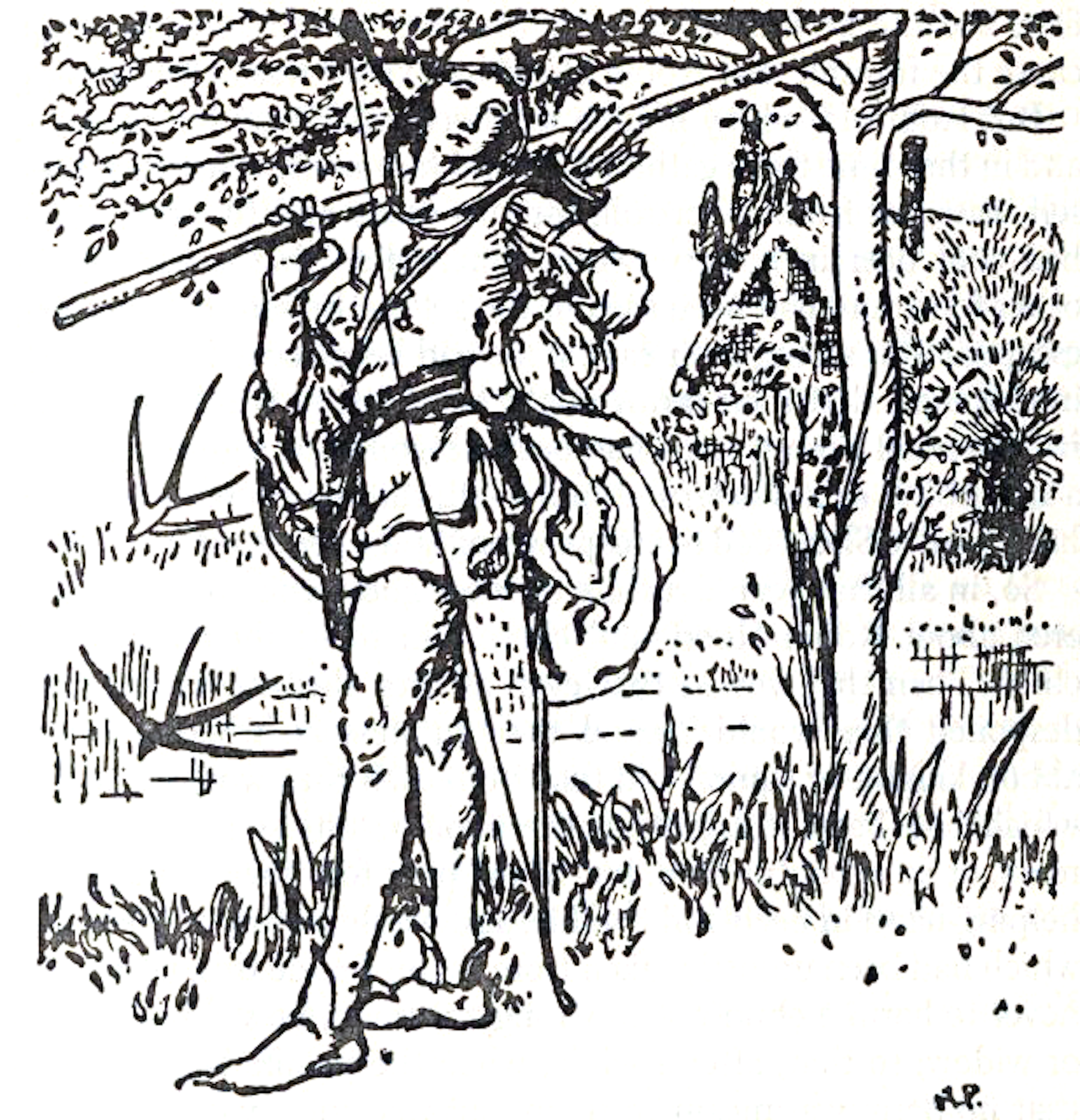
This is the very source that inspired director Michael Sarnoski’s 2026 vision.
هذا هو المصدر الذي ألهم رؤية المخرج مايكل سارنسكي لعام 2026.
Yet Bower also admits that some of Robin’s exploits are commendable. In the very next sentence, he paraphrases a circulating tale where Robin is attacked by a viscount, while diligently holding a Mass in his forest hideout. Despite the danger, and the pleas of his men to flee, his spiritual strength ensures he is the victor.
ومع ذلك، يعترف باور أيضًا بأن بعض مآثر روبن جديرة بالثناء. وفي الجملة التالية مباشرة، يروي حكاية متداولة حيث يُهاجَم روبن من قبل فيكونت، بينما كان يؤدي قداسًا بجد في مخبئه بالغابة. وعلى الرغم من الخطر، وتوسلات رجاله للهرب، فإن قوته الروحية تضمن أنه المنتصر.
This Robin is the one most visible in the later Middle Ages: not a violent bandit, but a star of action adventure stories that upheld the sanctity of the church and emphasised community values.
هذا هو روبن الأكثر وضوحاً في العصور الوسطى المتأخرة: ليس لصاً عنيفاً، بل نجم قصص المغامرات التي دافعت عن قدسية الكنيسة وأكدت على قيم المجتمع.
Robin Hood as medieval superhero
روبن هود كبطل خارق في العصور الوسطى
The most common way everyday people engaged with the Robin Hood tradition was through play-games – a mix of costumed roleplays with genuine sporting competitions – which were held in spring and summer. Evidence for these community performances date to the mid 1420s, where players in Exeter were paid 20 pence for playing a Robin Hood game for the mayor.
كانت الطريقة الأكثر شيوعًا التي تفاعل بها عامة الناس مع تقليد روبن هود من خلال الألعاب الترفيهية – وهي مزيج من لعب الأدوار بالزي التنكري والمنافسات الرياضية الحقيقية – والتي كانت تقام في الربيع والصيف. يعود دليل هذه العروض المجتمعية إلى منتصف القرن الخامس عشر (1420) ، حيث كان يُدفع للاعبين في إكستر مبلغ 20 بنس مقابل لعب لعبة روبن هود لرئيس البلدية.
Men would dress as Robin Hood and Little John and raise funds for community projects. These appearances were essentially the equivalent of superheroes at shopping malls today, but Robin’s presence in medieval communities was not just about fun: it signalled things in the community needed fixing. Whether a church needing repairs, or a social rent needing to be reconciled, if Robin Hood was in your town, he was there to help.
كان الرجال يرتدون أزياء روبن هود ولتِل جون ويجمعون الأموال لمشاريع مجتمعية. كانت هذه الظهورات تعادل أساسًا وجود الأبطال الخارقين في مراكز التسوق اليوم، لكن وجود روبن في المجتمعات القروسطية لم يكن يتعلق بالمتعة فحسب: بل كان يشير إلى أن هناك أموراً تحتاج إلى إصلاح في المجتمع. سواء كانت كنيسة بحاجة إلى ترميم، أو دين اجتماعي يحتاج إلى تسوية، فإذا تواجد روبن هود في مدينتك، كان موجودًا للمساعدة.
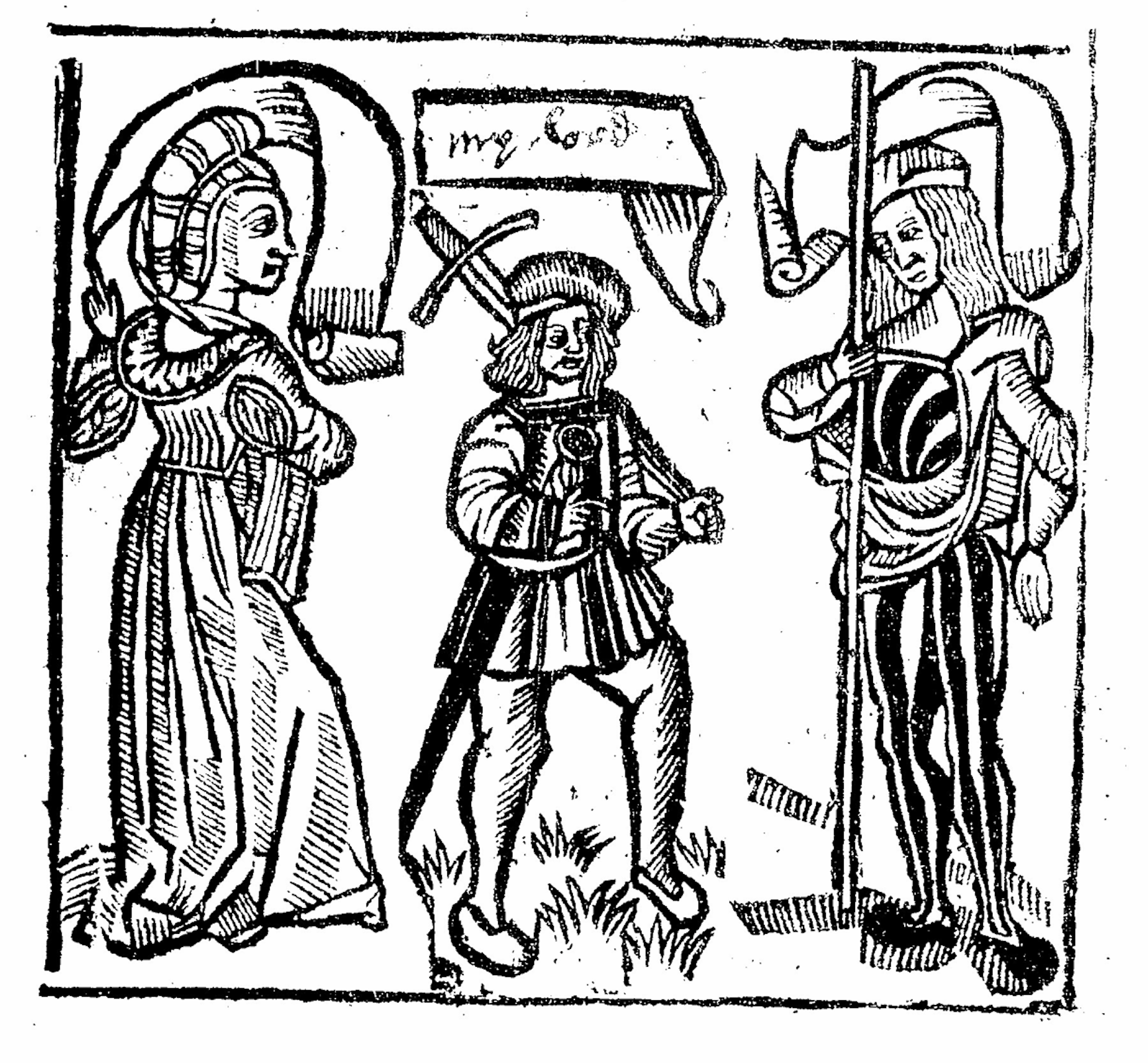
Those who refused to serve the community became Robin’s enemies. In the literary tradition, this is the Sheriff of Nottingham and the greedy bishops of the church. Robin was not strictly anti-authority, but anti- corrupt authority.
أصبح أولئك الذين رفضوا خدمة المجتمع أعداء روبن. في التقاليد الأدبية، يمثل هذا شريف نوتنغهام والأساقفة الطماعين للكنيسة. لم يكن روبن معادياً للسلطة بالمعنى المطلق، بل كان معارضاً للسلطة الفاسدة.
He was staunchly loyal to the king, but challenged corrupt civic officials. He observed Mass three times a day, but harassed the greedy clerics of the church. This reflected Robin’s fundraising role, encouraging all to do their part and chastising those who did not.
كان مخلصاً بشدة للملك، لكنه تحدى المسؤولين المدنيين الفاسدين. كان يحضر القداس ثلاث مرات في اليوم، ولكنه مضايق الكهنة الطماعين في الكنيسة. عكس هذا دور روبن في جمع التبرعات، حيث شجع الجميع على القيام بدورهم ووبّخ أولئك الذين لم يفعلوا ذلك.
The famous “rob the rich to give to the poor” mantra is a 16th-century simplification of this altruistic spirit. Far from being a bloodthirsty criminal, the original Robin had a communal mindset – not an individualistic one.
إن الشعار الشهير “سرقة الأغنياء لإعطاء الفقراء” هو تبسيط في القرن السادس عشر لهذا الروح الإيثارية. وبعيداً عن كونه مجرماً متعطشاً للدماء، كان روبن الأصلي يمتلك عقلية جماعية – وليست فردانية.
Violence as an outlaw’s last resort
العنف كملاذ أخير للمارق
Jackman has said that in the 15th-century poem A Gest of Robyn Hode, the outlaw is depicted as a violent cutthroat – but “from these grim beginnings emerged a hero”.
قال جاكمان إن المارق في قصيدة “A Gest of Robyn Hode” التي تعود إلى القرن الخامس عشر، يُصوَّر كقاتل عنيف – لكن “من هذه البدايات القاتمة ظهر بطل.”
Yet the Gest famously features the first glimpses of a gentrified Robin, depicted as the gracious host of feasts. This is not a softening of some earlier, violent version of the outlaw, but a simple reflection of his role as the host of the feasts of his communal games.
ومع ذلك، تظهر القصيدة “Gest” مشاهد أولية لروبن المهذّب، الذي يُصوَّر كمضيف كريم للمآدب. وهذا ليس تخفيفاً لنسخة سابقة وعنيفة من المارق، بل هو مجرد انعكاس لدوره كمضيف لمآدب ألعابه الجماعية.
While some tales contain violent episodes, they were not hidden, but were celebrated by communities. The oldest surviving Robin Hood play, circa 1475, features the beheading of a knight – a moment intended to elicit a cheer from the audience at the defeat of an enemy.
وفي حين أن بعض الحكايات تحتوي على حلقات عنف، إلا أنها لم تكن مخبأة، بل احتُفل بها من قبل المجتمعات. وتتميز أقدم مسرحية باقية لروبن هود، التي تعود إلى حوالي عام 1475، بقطع رأس فارس – وهي لحظة مُقصد منها استدرار الهتاف من الجمهور عند هزيمة عدو ما.
The early Robin Hood tales featured violence, but they were not inherently violent stories: no more than Superman is violent because he fights his enemy Lex Luthor. Reading violence into the medieval literary tradition goes against the grain of their context as cautionary tales, which also contain comedy, friendship and love.
تضمنت حكايات روبن هود المبكرة العنف، لكنها لم تكن قصصاً عنيفة بطبيعتها: فليس الأمر بقدر ما يكون سوبرمان عنيفاً لأنه يقاتل عدوه ليكس لوثر. إن قراءة العنف في التقليد الأدبي في العصور الوسطى يتعارض مع سياقها كحكايات تحذيرية، والتي تحتوي أيضاً على الكوميديا والصداقة والحب.
Robin does not harm the poor or the innocent – only those who are selfish, or isolated from society. Violence is a last resort for this outlaw. His primary weapon is guilt and shame. He is someone who demands better from his audience and leads by example.
لا يؤذي روبن الفقراء أو الأبرياء – بل فقط أولئك الذين هم أنانيون، أو معزولون عن المجتمع. العنف هو ملاذ أخير لهذا المارق. وسلاحه الأساسي هو الشعور بالذنب والخزي. إنه شخص يطالب بمستوى أفضل من جمهوره ويقود بالقدوة.
It is therefore pretty telling that those who complained about Robin’s popularity were often the kinds of people the outlaw would attack. If you had a guilty conscience, you had something to hide – priests and public officials complaining the outlaw was being too hard on them is quite the tell.
ولذلك، فمن المؤشرات الجيدة أن أولئك الذين اشتكوا من شعبية روبن كانوا غالباً هم النوع الذي كان المارق يهاجمه. إذا كنت تحمل ضميراً مذنبًا، فهذا يعني أن لديك شيئاً لتخفيه – واشتكاء الكهنة والمسؤولين العموميين من أن المارق قاسٍ عليهم هو كاشف جداً.
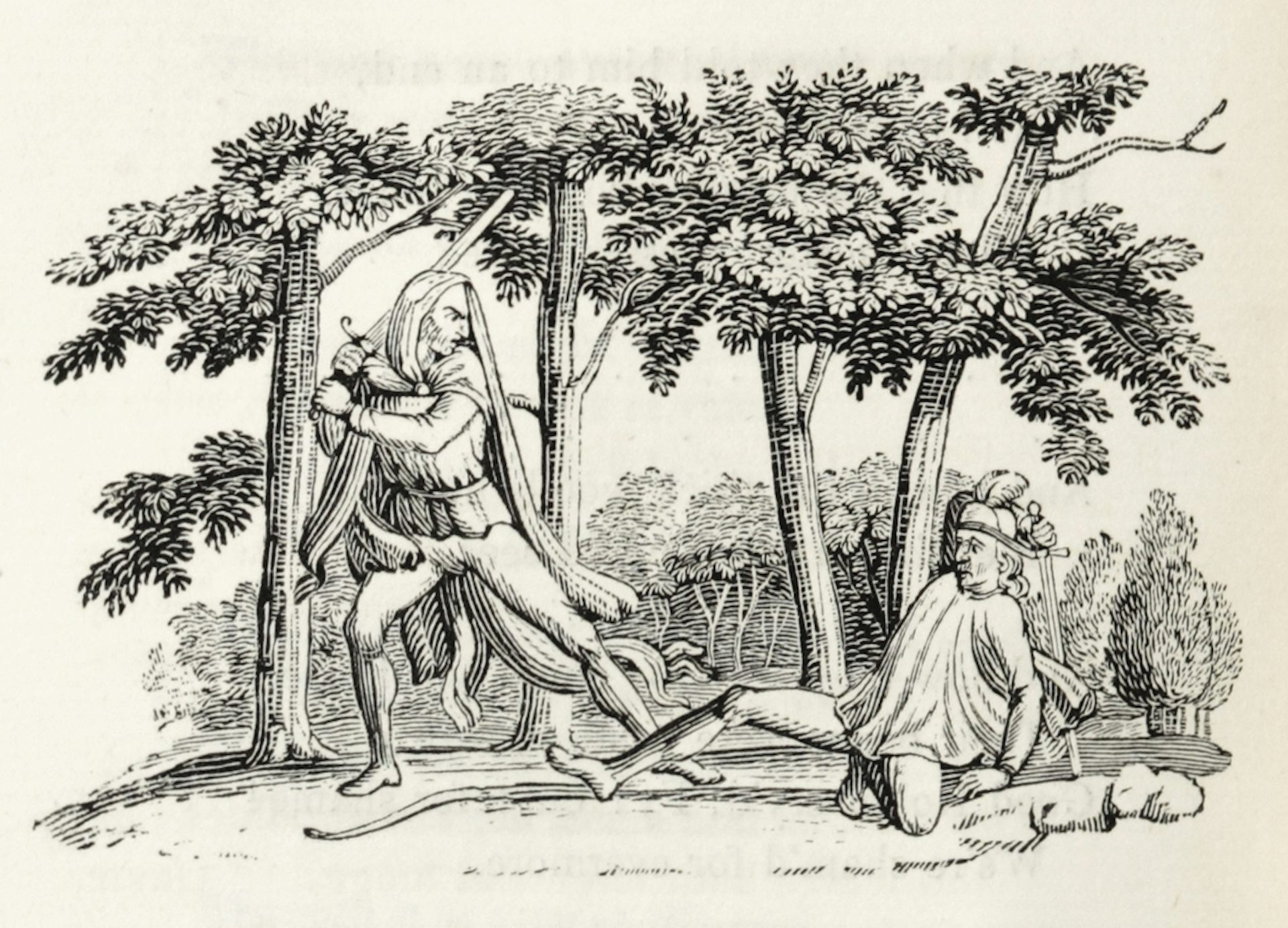
Robin’s real criminal origins
الأصول الإجرامية الحقيقية لروبن
To what extent, then, does The Death of Robin Hood’s portrait of Robin as a violent criminal ring true?
إلى أي مدى، إذن، تتفق لوحة “موت روبن هود” التي تصور روبن كمجرم عنيف؟
The earliest traces of the Robin Hood tradition is a nickname for criminals, dated to 1262. A Berkshire fugitive had his name changed by a London clerk, from William le Fevere to William Robinhood (“Robehod”) . Records show a short string of such aliases likely imposed by clerks: to be a Robin Hood was to be a violent criminal.
تعود أقدم آثار تقليد روبن هود إلى لقب يُطلق على المجرمين، ويُؤرّخ إلى عام 1262. قام موظف لندن بتغيير اسم هارِب من بيركشاير، من ويليام لي فيفر إلى ويليام روبن هود (“روبيهود”) . تُظهر السجلات سلسلة قصيرة من الأسماء المستعارة التي يُحتمل أن يكون قد فرضها الموظفون: أن تكون “روبن هود” يعني أن تكون مجرماً عنيفاً.
There was no character yet – only the name. By the end of the 13th century, “Robin Hood” begins to appear as a surname for both individuals and families, without any criminal implications. These were tax-paying people, law-abiding citizens, yet they named themselves after Robin Hood. Perhaps someone didn’t like being called a Robin Hood and they decided to own it, like reclaiming a slur?
لم يكن هناك شخصية بعد – بل كان الاسم فقط. وبحلول نهاية القرن الثالث عشر، بدأ اسم “روبن هود” يظهر كلقب عائلي للأفراد والعائلات على حد سواء، دون أي دلالة إجرامية. كانوا أشخاصاً يدفعون الضرائب ومواطنين ملتزمين بالقانون، ومع ذلك أطلقوا على أنفسهم اسم روبن هود. ربما لم يعجب أحداً أن يُنادى باسم “روبن هود” فقرروا امتلاكه، وكأنه استرداد لصفة مهينة؟
By the mid-14th century, we begin to see the green-clad outlaw of Sherwood Forest emerge as a hero against the grain of the typical outlaw story, not fighting for his own freedom but for the rights of the community at large. Robin Hood was not modelled on the criminals of the 13th century, but on the spirit of those who challenged a label they refused to wear.
بحلول منتصف القرن الرابع عشر، بدأ يظهر الخارج عن القانون مرتدياً الملابس الخضراء في غابة شيروود كبطل ضد سياق قصة المجرم النموذجي، لا يقاتل من أجل حريته الخاصة بل من أجل حقوق المجتمع الأوسع. لم يُصوّر روبن هود على مجرمي القرن الثالث عشر، بل على روح أولئك الذين تحدوا وصمة عار رفضوا ارتداءها.
So, flipping the script on a violent Robin Hood is not so new after all.
إذن، فإن قلب السيناريو حول روبن هود العنيف ليس جديداً بعد كل شيء.
William Hoff does not work for, consult, own shares in or receive funding from any company or organisation that would benefit from this article, and has disclosed no relevant affiliations beyond their academic appointment.
لا يعمل ويليام هوف أو يستشير أو يمتلك حصصاً في أي شركة أو منظمة ولا يتلقى التمويل منها يمكن أن تستفيد من هذه المقالة، ولم يفصح عن أي انتماءات ذات صلة تتجاوز منصبه الأكاديمي.
Read more
-

حرب ترامب المزعومة “ضد الإرهاب المخدرات” في أمريكا اللاتينية تذكر بريغان – فكما كان الحال آنذاك، الأمر يتعلق بمحاربة اليساريين أكثر من محاربة مهربي المخدرات.
Trump’s ‘narco-terrorism’ war in Latin America evokes Reagan – then as now, it’s more about fighting leftists than drug runners
-
يستقبل ترامب كولومبوس في البيت الأبيض – ويُشعل من جديد حروب تاريخ أمريكا
Trump welcomes Columbus to the White House – and reignites America’s history wars