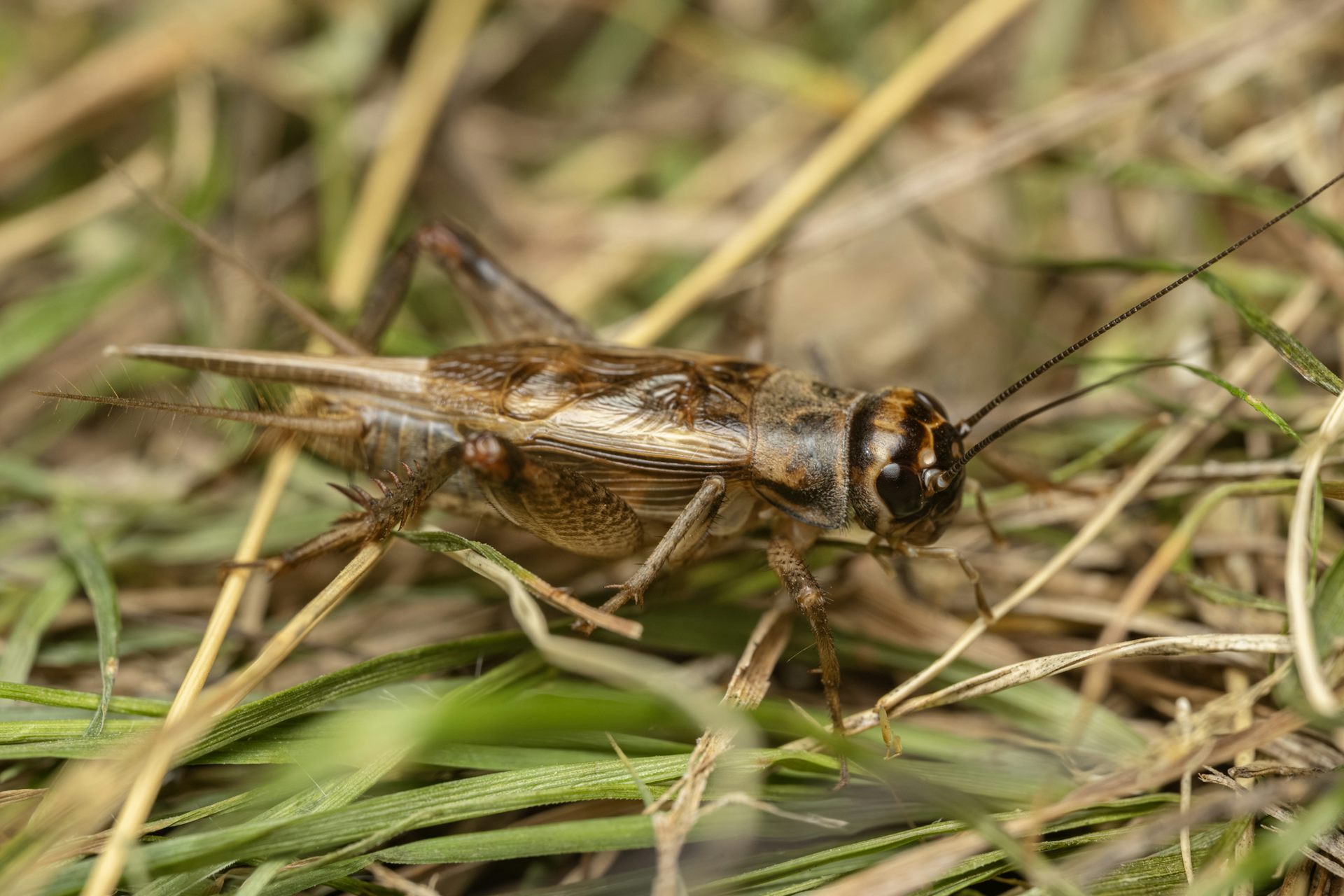
يتم تربية 370 مليار جرادة كغذاء كل عام. اكتشف العلماء أنها قد تشعر بالألم.
370 billion crickets are farmed for food every year. Scientists have discovered they may feel pain
A new study supports a burgeoning challenge to the assumption that pain requires a brain anything like ours.
تدعم دراسة جديدة تحديًا متناميًا للافتراض بأن الألم يتطلب دماغًا مثل دماغنا.
You’re cooking dinner, distracted, and your hand brushes a hot pan. Nerve signals race to your spinal cord and back to yank your arm away in a fraction of a second, with no thought required.
أنت تطبخ العشاء، مشتت الانتباه، وتمر يدك على مقلاة ساخنة. تندفع إشارات الأعصاب إلى النخاع الشوكي ثم تعود لانتزاع ذراعك في جزء من الثانية، دون الحاجة إلى تفكير.
Then comes the pain. A sharp, spreading sting gives way to a pulsing ache, and you cradle your hand and run it under cold water until it subsides. That felt experience is distinct from the reflex that preceded it. While the reflex moved your body out of danger, pain drives you to protect the wound, recover, and learn to avoid similar mistakes in the future.
ثم يأتي الألم. يفسح عن لدغة حادة ومنتشرة ألم نابض، وتحتضن يدك وتمررها تحت الماء البارد حتى يهدأ. هذه التجربة الحسية تختلف عن رد الفعل الذي سبقها. بينما نقل رد الفعل جسدك بعيداً عن الخطر، يدفعك الألم لحماية الجرح والتعافي والتعلم تجنب الأخطاء المماثلة في المستقبل.
We readily accept that other people feel pain by reading cues in their behaviour, like the inspection and nursing of an injury. We extend this to some animals too – a dog licking its paw or a cat favouring a limb rightly stir our sympathies. But what happens when we turn that lens on animals far less like us?
نحن نقبل بسهولة أن يشعر الآخرون بالألم من خلال قراءة الإشارات في سلوكهم، مثل فحص الجرح ورعايته. نمدد هذا إلى بعض الحيوانات أيضاً – كلب يلعق مخلبه أو قط يفضل طرفاً معيناً يثير تعاطفنا. ولكن ماذا يحدث عندما نوجه هذه العدسة نحو حيوانات أقل شبهاً بنا؟
In our new study, published in Proceedings of the Royal Society B, we searched for behavioural signs of pain in house crickets, one of the most widely farmed insects. After applying heat to an antenna, we found that crickets didn’t just reflexively flinch and recover. They nursed the harm, returning again and again to groom the affected site, much as we rub a burned hand.
في دراستنا الجديدة، المنشورة في وقائع الجمعية الملكية ب، بحثنا عن العلامات السلوكية للألم في صراصير المنزل، وهي واحدة من أكثر الحشرات استزراعاً على نطاق واسع. بعد تطبيق الحرارة على هوائي، وجدنا أن الصراصير لم تكتفِ بالارتجاف والتعافي بشكل انعكاسي. لقد اعتنت بالضرر، وعادت مراراً وتكراراً لتنظيف المنطقة المتأثرة، تماماً كما نفرك يداً محروقة.
The frontiers of feeling
حدود الشعور
French philosopher René Descartes considered animals unfeeling biological machines, and for centuries the circle of moral concern barely extended beyond our own species.
اعتبر الفيلسوف الفرنسي رينيه ديكارت الحيوانات آلات بيولوجية غير مُحسِسة، وللقرون لم يكن نطاق الاهتمام الأخلاقي يتجاوز نوعنا.
But the boundaries have steadily crept outward. Recognition that mammals experience pain came first, followed by birds. Fish too, once assumed to lack the necessary brain structures, are now widely accepted as capable of pain-like states.
لكن الحدود قد زحفت إلى الخارج بثبات. جاء الاعتراف بأن الثدييات تختبر الألم أولاً، تلاه الطيور. والأسماك أيضاً، التي كان يُفترض أنها تفتقر إلى هياكل الدماغ اللازمة، يتم قبولها الآن على نطاق واسع ككائنات قادرة على حالات شبيهة بالألم.
The leap into invertebrates has been greater and more contentious. Their nervous systems bear little resemblance to our own, so arguments from brain anatomy alone don’t carry us far. Instead, we look to behaviour. Does the animal respond to harm in ways that go beyond reflex, ways that are flexible, persistent, and sensitive to context?
كان القفز إلى اللافقاريات أكبر وأكثر إثارة للجدل. أنظمة أعصابها لا تشبه أنظمتنا كثيراً، لذا فإن الحجج المستمدة من تشريح الدماغ وحدها لا توصلنا إلى مكان بعيد. بدلاً من ذلك، ننظر إلى السلوك. هل يستجيب الحيوان للأذى بطرق تتجاوز رد الفعل، طرق مرنة ومستمرة وحساسة للسياق؟
Over the past decade, testable indicators for pain in non-humans have been developed and are increasingly accepted. These include learning from unpleasant events, trading off harms against rewards, and actively protecting the site of injury. Evidence meeting these criteria helped crabs and lobsters gain legal recognition as sentient under United Kingdom law in 2022.
خلال العقد الماضي، تم تطوير مؤشرات قابلة للاختبار للألم في غير البشر، ويتم قبولها بشكل متزايد. تشمل هذه المؤشرات التعلم من الأحداث غير السارة، والمقايضة بين الأضرار والمكافآت، والحماية النشطة لموقع الإصابة. وساعدت الأدلة التي تفي بهذه المعايير القواقع وجمبري (السرطانات) في اكتساب الاعتراف القانوني ككائنات حية الشعور بموجب قانون المملكة المتحدة في عام 2022.
Among insects, the evidence has been accumulating fast. Yet most of this evidence comes from bees. Bumblebees weigh the risk of harm against the richness of a food reward, and groom the site of an injury. Honeybees learn to associate particular smells with harmful stimuli and avoid them.
من بين الحشرات، تراكمت الأدلة بسرعة. ومع ذلك، فإن معظم هذه الأدلة تأتي من النحل. تزن النحل الطنان (البومبيلبيز) خطر الضرر مقابل غنى مكافأة غذائية، وتقوم بتنظيف موقع الإصابة. ويتعلم نحل العسل ربط روائح معينة بالمحفزات الضارة وتجنبها.
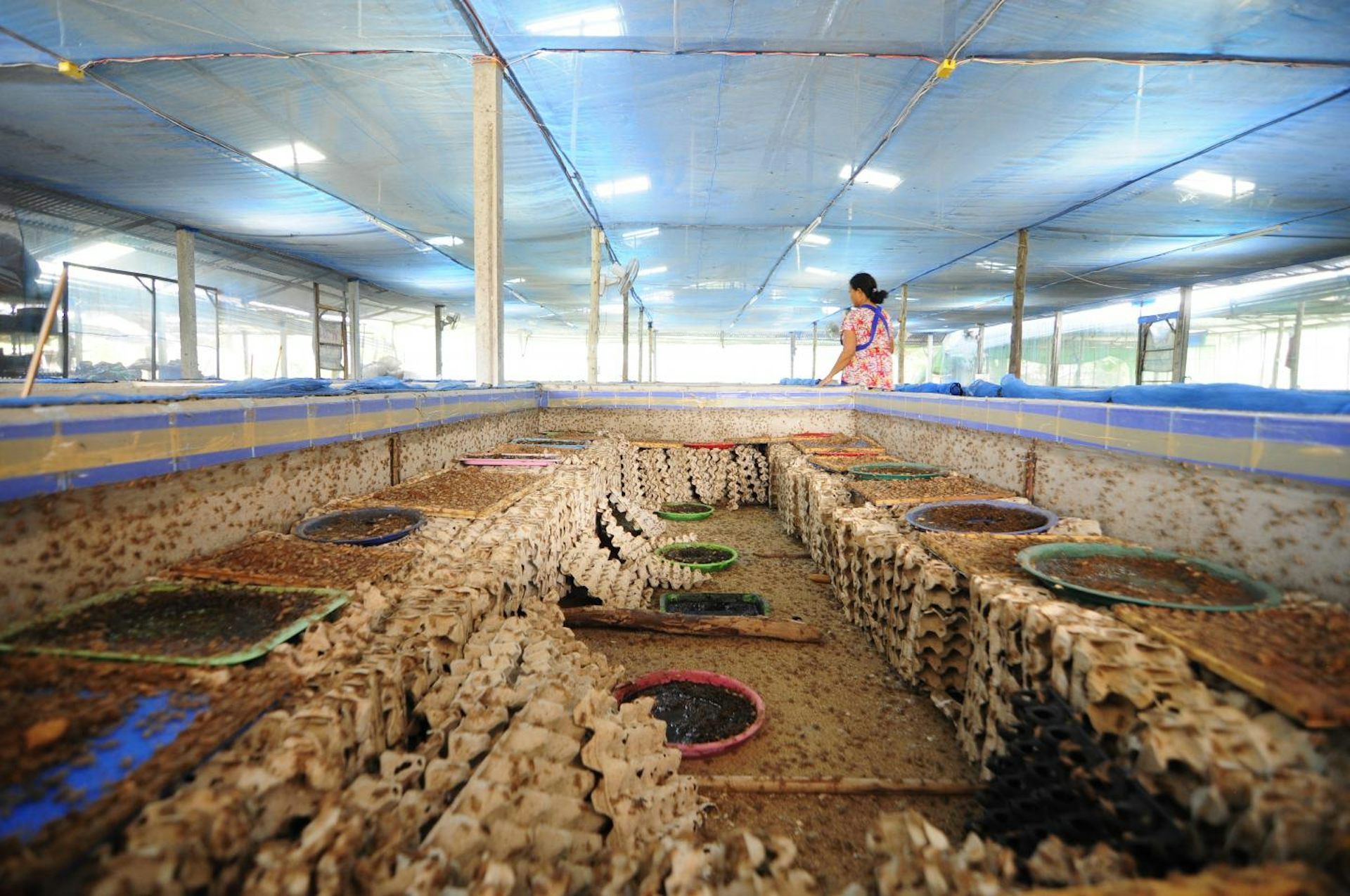
Far less attention has been paid to Orthoptera, the group that includes grasshoppers, locusts and crickets. That gap matters, because the house cricket (Acheta domesticus) is the world’s most widely farmed insect, with more than 370 billion reared annually.
لم يُولَ اهتمام أقل بكثير لمجموعة الأورثوبتيرا (Orthoptera) ، وهي المجموعة التي تشمل الجراد، والحشرات القافزة، والصرار. هذه الفجوة مهمة، لأن صرصور المنزل (Acheta domesticus) هو الحشرة الأكثر تربية في العالم، حيث يتم تربية أكثر من 370 مليار منها سنوياً.
Do crickets feel pain?
هل تشعر الصراصير بالألم؟
We tested 40 male and 40 female crickets, each experiencing three conditions in random order: a hot probe to a single antenna (65°C, to activate damage receptors but not cause lasting injury) , the same probe unheated, or no contact at all.
اختبرنا 40 صرصور ذكر و 40 صرصور أنثى، وخضع كل منهما لثلاث حالات بترتيب عشوائي: تمرير مسبار ساخن إلى هوائي واحد (65 درجة مئوية، لتنشيط مستقبلات الضرر ولكن دون التسبب في إصابة دائمة) ، أو نفس المسبار غير المسخن، أو عدم التلامس على الإطلاق.
We filmed their behaviour for ten minutes. Observers scoring the footage did not know which treatment any animal had received.
صورنا سلوكها لمدة عشر دقائق. لم يكن لدى المراقبين الذين قاموا بتقييم اللقطات علم إلى أي علاج تلقاه أي حيوان.
The results were clear. After the hot probe, crickets were more than twice as likely to groom the affected antenna compared to controls, and spent roughly four times longer doing so.
كانت النتائج واضحة. بعد المسبار الساخن، كان الصراصير أكثر من ضعف احتمال تمشيط الهوائي المتضرر مقارنةً بالمجموعات الضابطة، وقضت وقتًا أطول بحوالي أربعة أضعاف في القيام بذلك.
Could this simply reflect general disturbance rather than targeted care? Unlikely: grooming was directed specifically at the heated side, not spread evenly across both antennae as it was after gentle touch or no contact.
هل يمكن أن يعكس هذا ببساطة اضطرابًا عامًا بدلاً من الرعاية الموجهة؟ من غير المحتمل: تم توجيه التمشيط تحديدًا إلى الجانب المسخن، وليس توزيعه بالتساوي على كلا الهوائين كما كان في حالة اللمس اللطيف أو عدم التلامس.
And the behaviour wasn’t a brief, reflexive reaction. It was elevated from the outset and tapered gradually over minutes, much like rubbing a burned hand as the felt sting slowly fades.
كما أن السلوك لم يكن رد فعل انعكاسيًا قصيرًا. لقد ارتفع من البداية وتناقص تدريجيًا على مدى دقائق، تمامًا مثل فرك يد محروقة بينما يخفت الألم تدريجيًا.
Small minds, big feelings
عقول صغيرة، مشاعر كبيرة
Subjective experience cannot be directly observed in any animal, not even humans.
لا يمكن ملاحظة التجربة الذاتية بشكل مباشر في أي حيوان، ولا حتى في البشر.
But we have shown crickets respond to harm in a way that satisfies a key criterion many scientists and philosophers use to infer pain: flexible, directed self-protection. Combined with the knowledge that crickets possess damage receptors, can learn to avoid harms, and respond less to injury under morphine, the weight of evidence for an inner life is growing.
لكننا أظهرنا أن الصراصير تستجيب للضرر بطريقة تلبي معياراً رئيسياً يستخدمه العديد من العلماء والفلاسفة لاستنتاج الألم: الحماية الذاتية المرنة والموجهة. وبالاقتران مع المعرفة بأن الصراصير تمتلك مستقبلات للضرر، ويمكنها أن تتعلم تجنب الأذى، وتستجيب بشكل أقل للإصابة تحت تأثير المورفين، فإن وزن الأدلة على وجود حياة داخلية يتزايد.
The practical stakes are real. Hundreds of billions of farmed insects are slaughtered each year by freezing, boiling and baking. Pesticides kill trillions more, optimised for lethality with no consideration of potential suffering.
المخاطر العملية حقيقية. تُذبح مئات المليارات من الحشرات المرباة كل عام عن طريق التجميد والغلي والخبز. وتقتل المبيدات المزيد من التريليونات، وهي مُحسَّنة للفتك دون أي اعتبار للمعاناة المحتملة.
If we take a precautionary approach, credible evidence of suffering should motivate proportionate protections well before we are certain.
إذا اتبعنا نهجاً وقائياً، فيجب أن تحفز الأدلة الموثوقة على المعاناة حماية متناسبة قبل أن نكون متأكدين.
Insects have been around for more than 400 million years and are far more behaviourally and cognitively sophisticated than once assumed. The question, then, may not be whether some insects feel, but why we ever assumed they couldn’t.
لقد كانت الحشرات موجودة لأكثر من 400 مليون سنة وهي أكثر تطوراً سلوكياً ومعرفياً مما كان يُفترض في السابق. السؤال، إذن، قد لا يكون ما إذا كانت بعض الحشرات تشعر، بل لماذا افترضنا يوماً أنه لا يمكنها ذلك.
Thomas White receives funding from The Australian Research Council, the Arthropoda Foundation, and The Australia and Pacific Science Foundation. He is a scientific advisor for the registered charity Invertebrates Australia.
يتلقى توماس وايت تمويلاً من مجلس الأبحاث الأسترالي، ومؤسسة الحبليات، ومؤسسة العلوم الأسترالية والمحيطية. وهو مستشار علمي للجمعية الخيرية المسجلة “حشرات أستراليا.”
Kate Lynch receives funding from the Australian Research Council, the Arthropoda Foundation, and the Australia & Pacific Science Foundatio. She has previously received funding fromand the John Templeton Foundation.
تتلقى كيت لينش تمويلاً من مجلس الأبحاث الأسترالي، ومؤسسة الحبليات، ومؤسسة العلوم الأسترالية والمحيطية. وقد تلقت تمويلاً سابقاً من مؤسسة جون تمبلتون.
Read more
-
كيف تطور تصوير كأس العالم منذ البطولة الأمريكية الأخيرة – من الكاميرات العنكبوتية إلى الذكاء الاصطناعي والطائرات بدون طيار
How World Cup filming has evolved since the last US tournament – from spider cameras to AI and drones
-

آندي بورنهام: ما يمكن توقعه من رئيس وزراء المملكة المتحدة المحتمل القادم
Andy Burnham: what to expect from the UK’s likely next prime minister